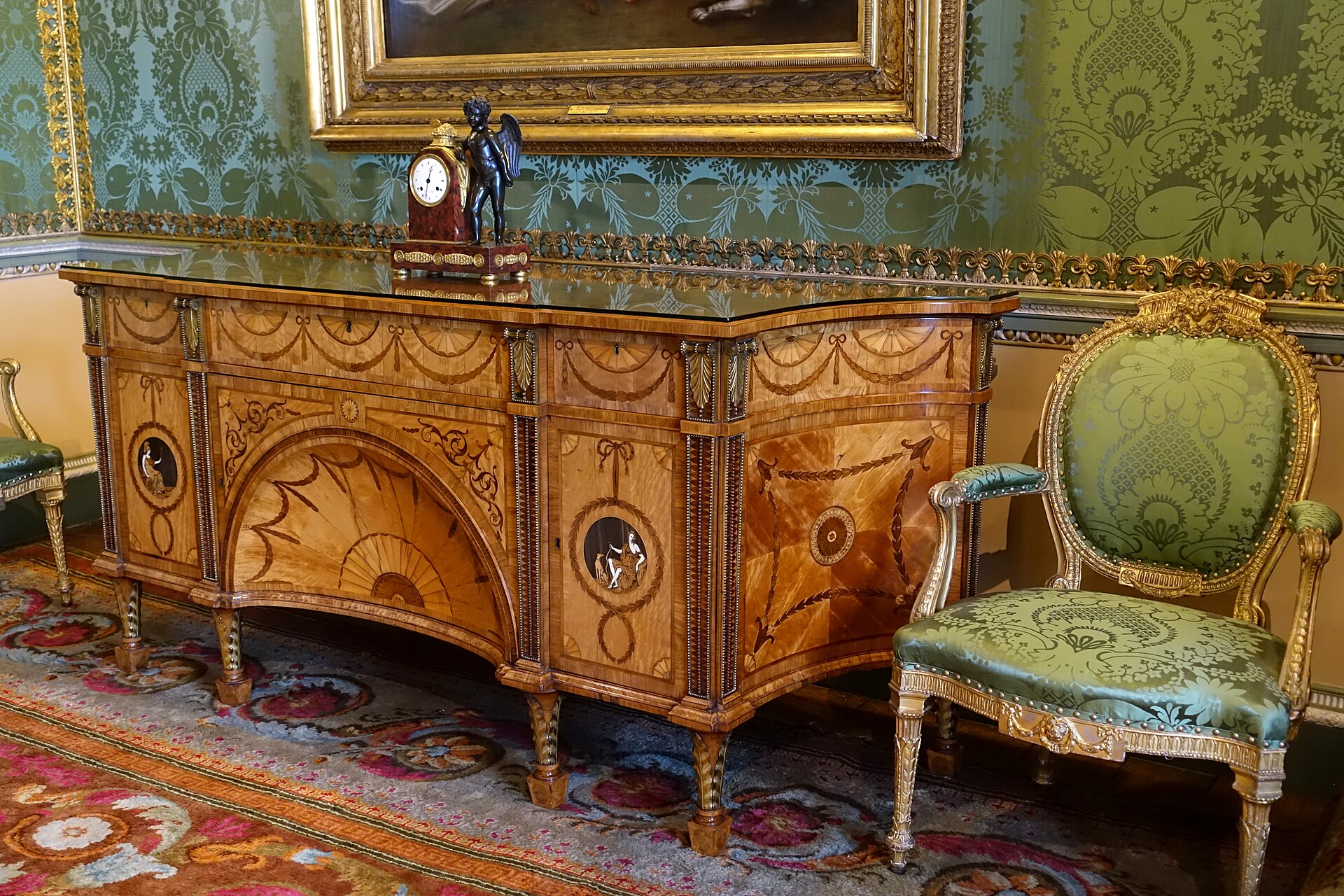
The First Link Is in the Maker's Own Hand
A maker's bill, workbook or memoir is the only provenance document that fixes date, cost and first owner at once.
10 min read
How to read a provenance line, how attribution is argued and tested, how the market actually prices and reports a sale, and how museums acquire, lend and deaccession. Written for anyone who needs the method rather than the summary, and linked into the records it is drawn from.
A maker's bill, workbook or memoir is the only provenance document that fixes date, cost and first owner at once.
10 min read
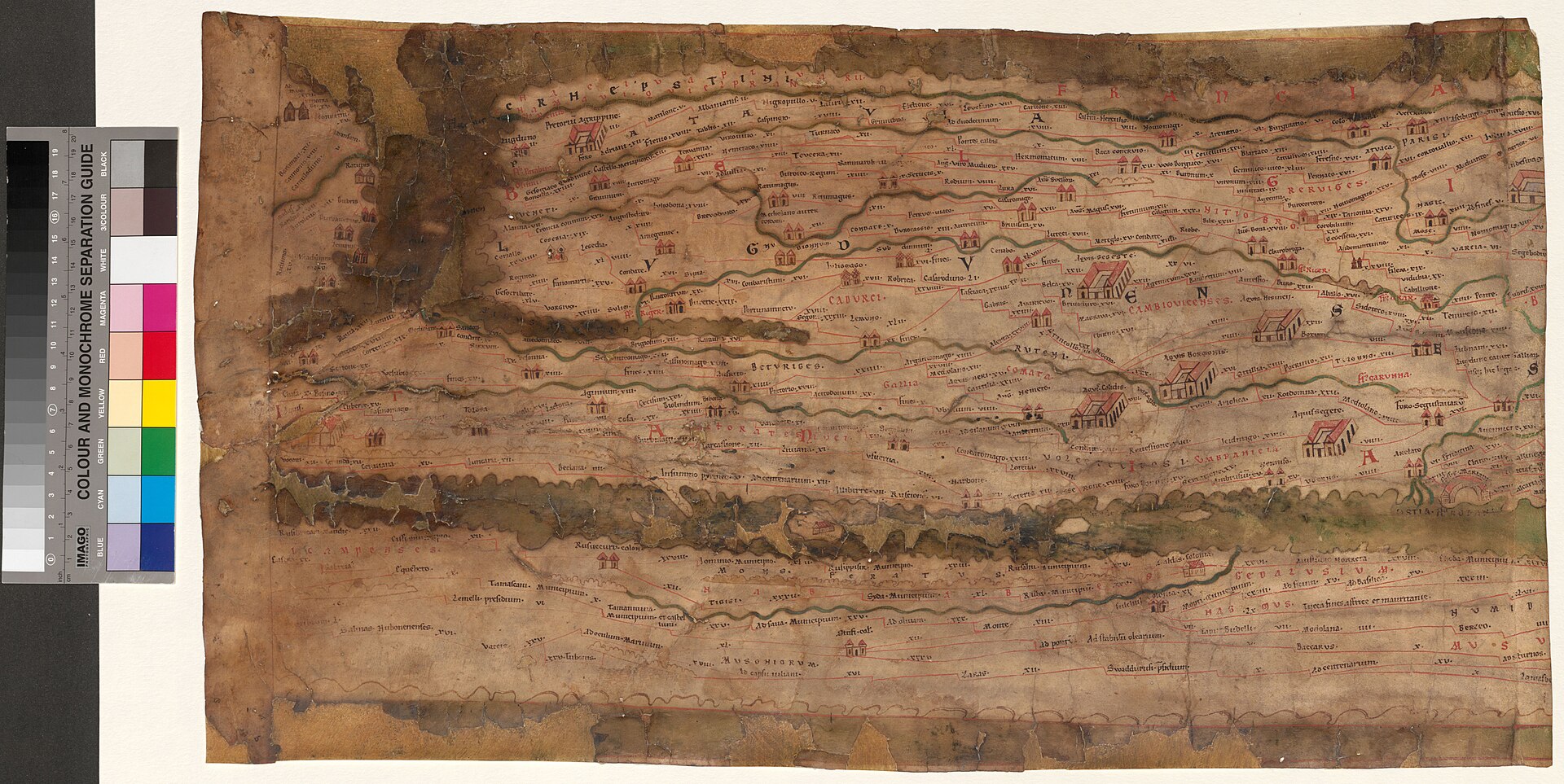
Seven dated objects in this archive show that a date belongs to one layer of the thing: the parchment, the copying, the printing...
11 min read
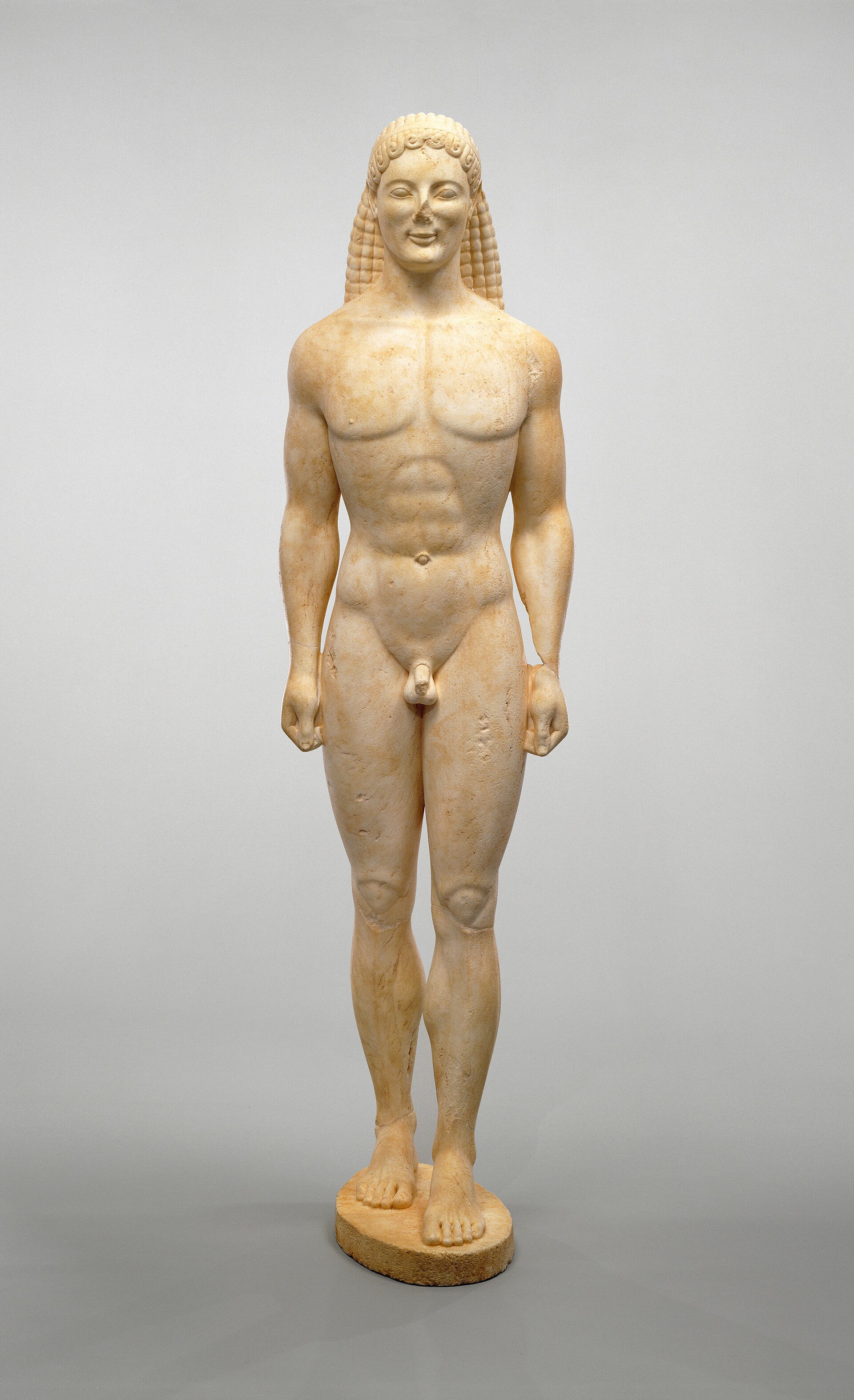
The 257 published records in this archive carry 1,795 open questions between them, a median of seven each, and not one record...
9 min read
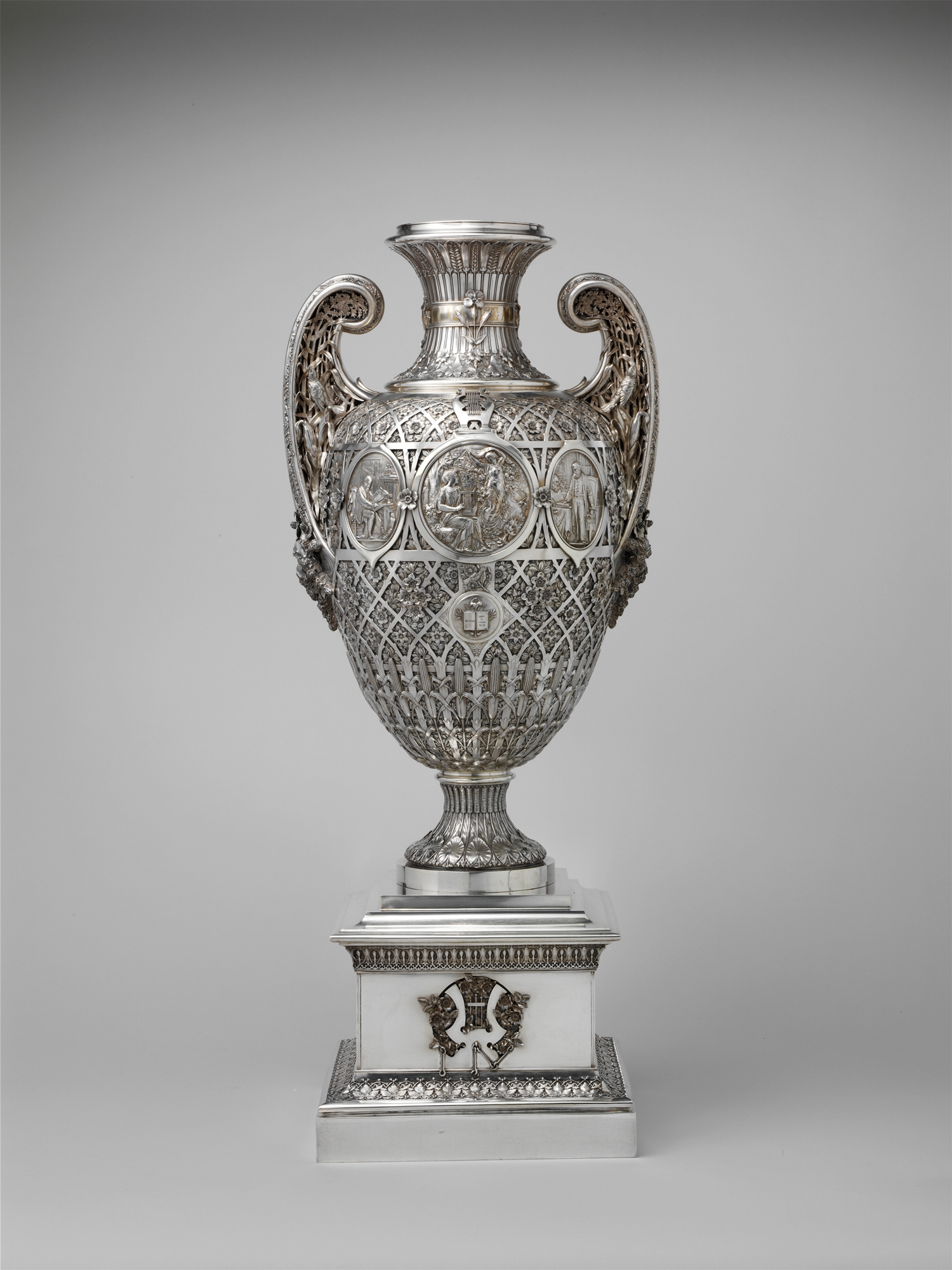
Two Roman silver vessels in the British Museum carry their own weights punched into the base.
12 min read
Six canonical documentary photographs in this archive were arranged, retouched or captioned to say more than they showed.
Location is the fastest-decaying line on any object record. Of 223 records published here, 84 know where the object is only because someone bought...
The Metropolitan's own record gives one of its helmets as 11 1/4 inches and 85 centimetres in the same line.
A provenance line is written in a published notation that museums do not apply uniformly.
Each rung of the attribution ladder is defined in the houses' own published wording, and the authenticity warranty stops dead at the top one.
The market reads a catalogue raisonne as a register of title in authorship. A New York court, and the compilers themselves, say it is nothing of the...
The archives that establish ownership are largely digitised, free and open. Here is the order to work in, the real size of each resource, and why a...
A panel painting is a joinery problem and a glue problem before it is an image. What the wood, the gesso and the punch marks will tell you about who...
Oil did not replace tempera because anyone invented it. Each medium sets a hard limit on what a painter can do, and both limits are legible on the...
Buon fresco sets pigment into the wall in one chemical reaction on a seven-hour deadline.
Two casting methods, three kinds of cast and one French decree decide what a bronze is worth.
The sheet is evidence before the image is. Chain lines, watermarks and mould-mates date an impression, and a lux budget decides how often anyone is...
Vasari, Cennini and van Mander are evidence about their own moment before they are evidence about the past.
Printed sale catalogues were written to sell and became the spine of provenance research.
A practical method for reading a picture's physical state from the visitor's side of the rope: light angle, varnish, craquelure, edges, frame, and...
A cataloguer, a provenance researcher, a conservator and an auction specialist do four different jobs.
Auction lot URLs die after the sale and one in five scholarly articles already suffers reference rot.
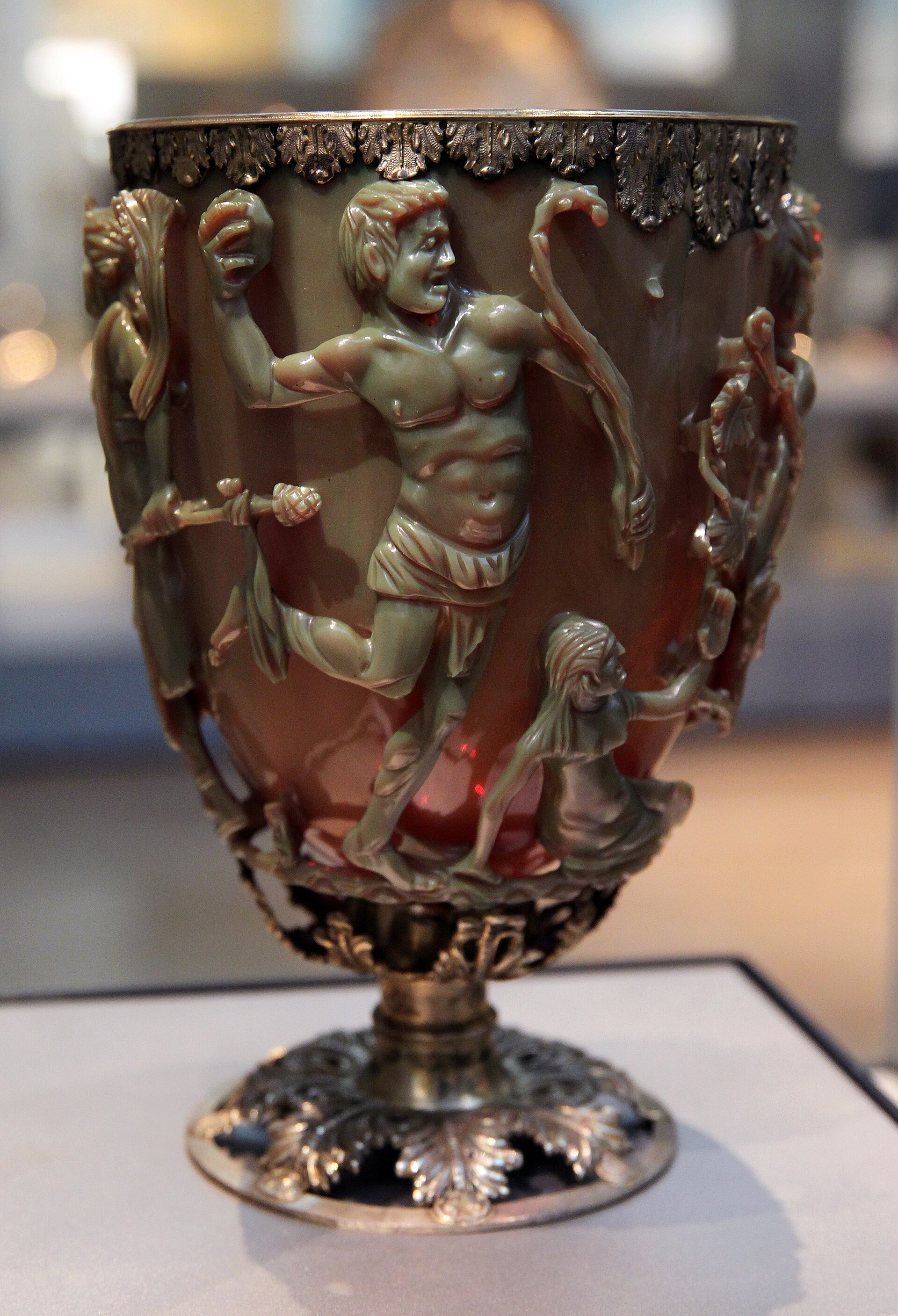
Eighty-nine of the 266 objects published here name nobody as their maker.
9 min read
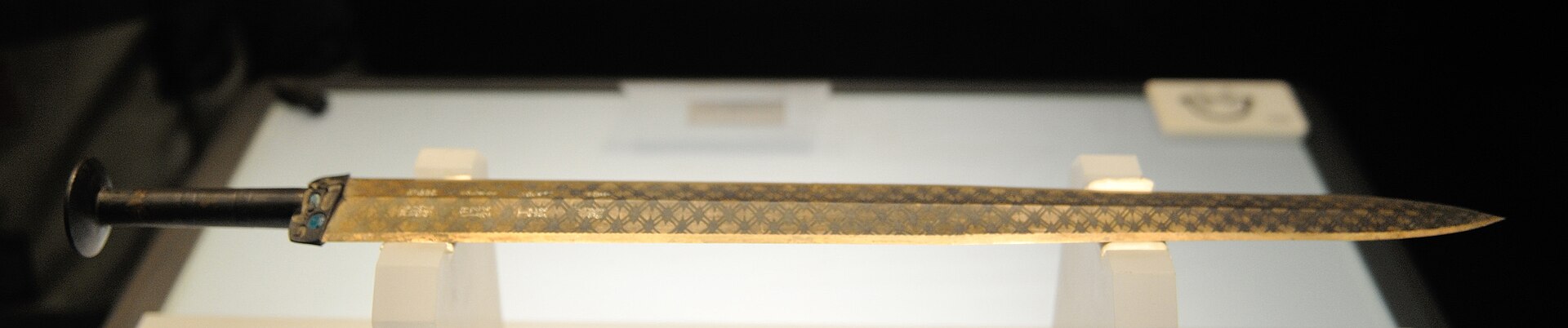
Six objects in this archive carry writing that settled what they are. In every case the reading is an event with a date and a...
10 min read
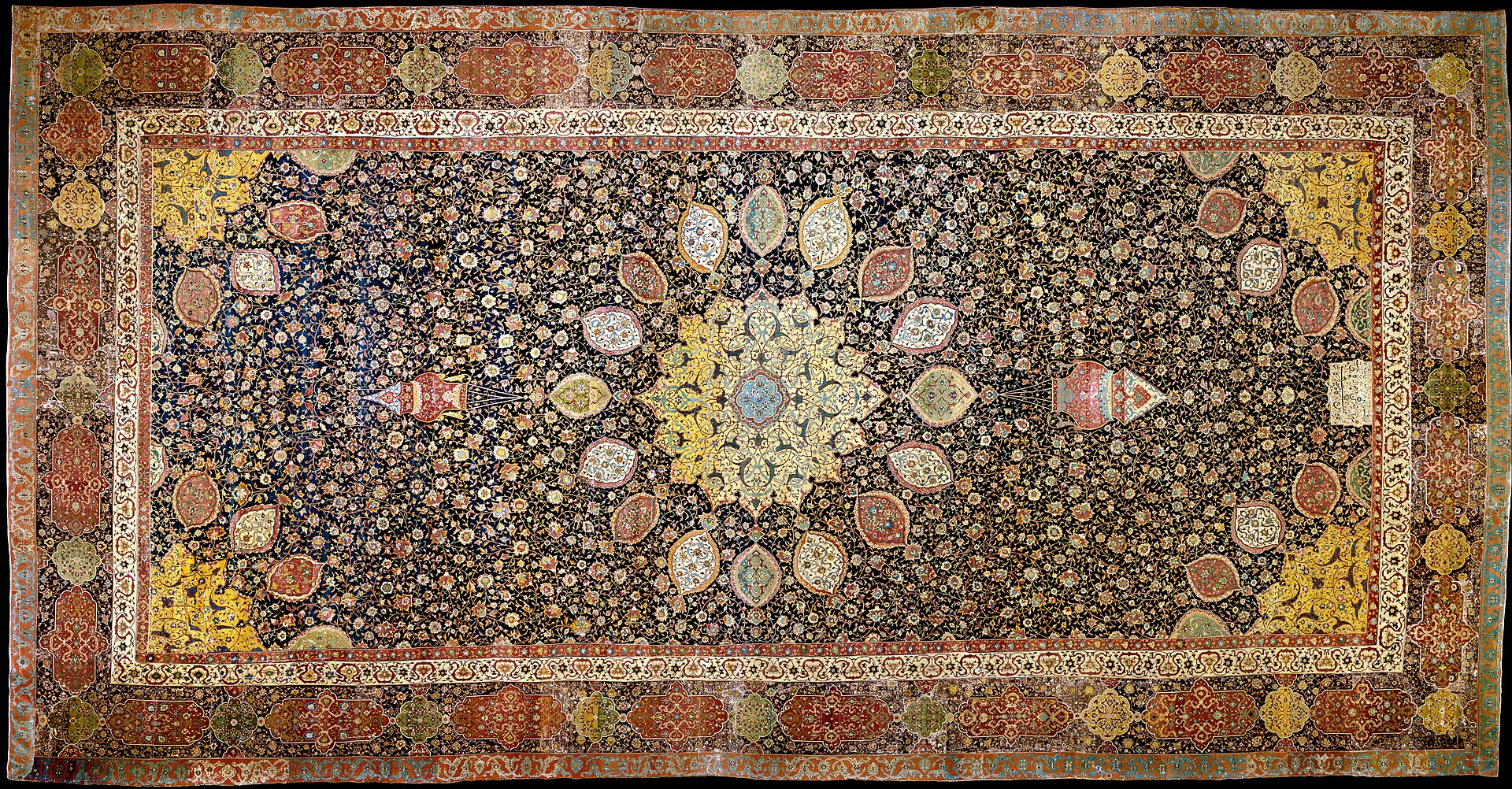
Of 257 published records, 156 carry an accepted attribution and two carry one the object itself documents.
10 min read
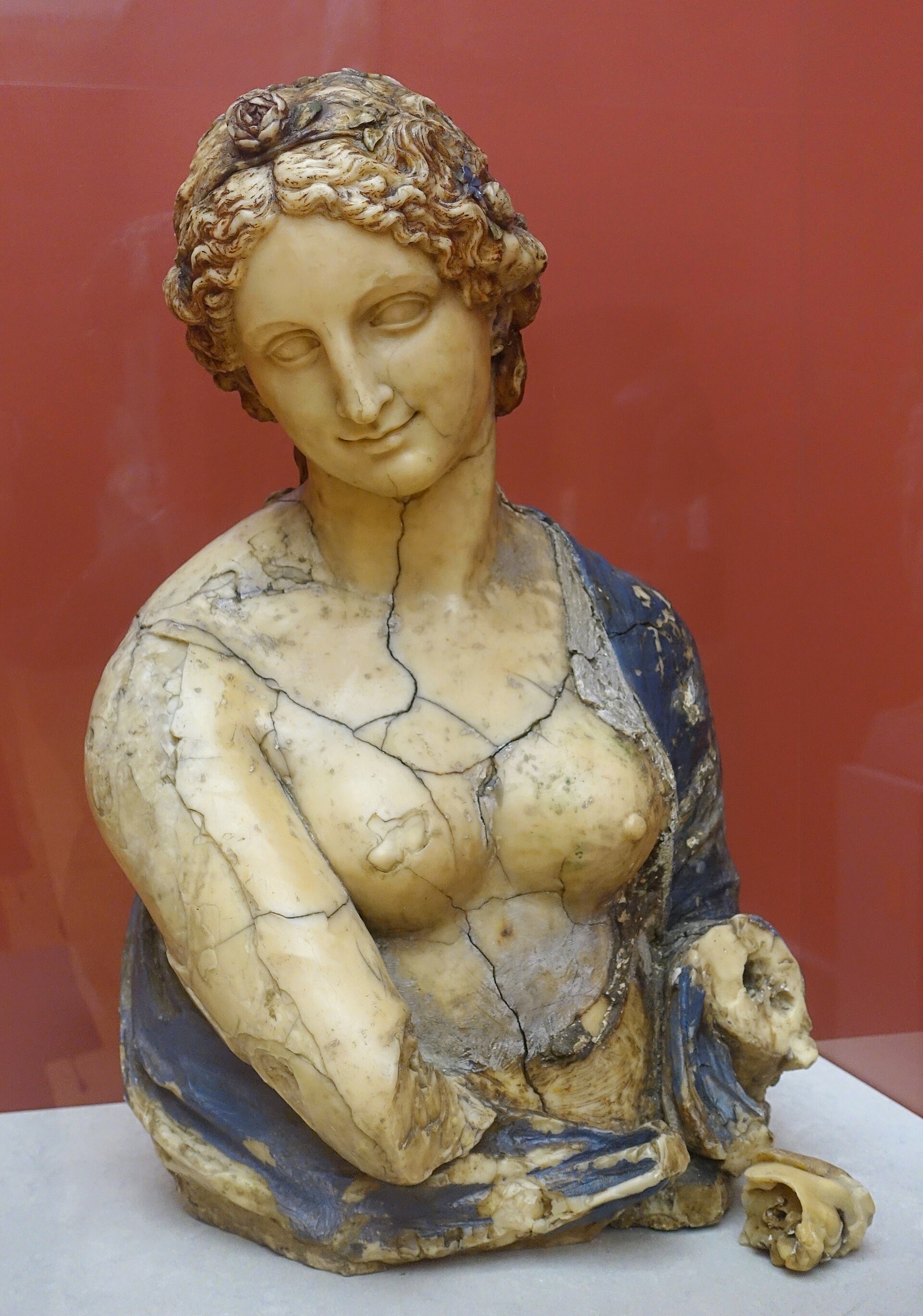
Radiocarbon put the wax of the Bode Museum's Flora bust in the Renaissance.
13 min read
Arms and armour carries more disputed provenance than any other class in this archive: 22 of its 95 ownership links, against one of 98 for furniture.
Sixteen records here open with a provenance link graded disputed. In ten of them no maker is named at all and the argument is about where the object...
A British hallmark fixes a year exactly, because the punch is destroyed at the end of it, and the mark people call a maker's mark names a sponsor.
Three investigations have to agree, and the scientific one can only exclude. The lead scholar of the largest technical project ever run on one artist...
Dendrochronology dates a tree to within a decade and says nothing about a painting.
Giovanni Morelli argued that an artist gives himself away where he stops paying attention.
The artist Vasari placed first in the history of Western painting left no signature and one documented work.
Han van Meegeren did not copy a Vermeer. He painted the missing evidence for a published scholarly hypothesis, and the certificate that followed did...
Wolfgang Beltracchi's forgeries were new inventions with invented owners. The market bought the paperwork, and a single anachronistic pigment in one...
A gallery trading since the 1840s was closed by pictures painted in Queens. The Knoedler record shows the warning signs were commercial and...
The successful forgers of the last forty years were rarely the best painters. They were the best archivists, and the paperwork is where they are...
Tree rings date the timber, not the picture. The chain from last ring to felling to first brushstroke is a floor decades wide, and reading it as a...
A pigment first manufactured in 1918 cannot be in a picture dated 1914. That asymmetry has broken more forgeries than connoisseurship, and it acquits...
A radiograph is a density map of lead, not a picture of the layers beneath. It reads the support and the changes of mind, and a forger who knows that...
Reflectography separates a design invented on the support from one copied onto it. It cannot separate two hands that draw alike, which is why the...
Cracks record how a painting was built and lead soaps record how long it has been chemically alive.
The artist foundations stopped giving opinions because defending them cost more than issuing them.
Documentation in a provenance chain rises from 63 per cent at the earliest links to 96 per cent at the most recent.
10 min read
Ninety-seven ownership links in this archive move an object because someone died.
9 min read
This archive grades 1,797 ownership links. 271 are marked unknown and 160 disputed, and the two do not fall on the same objects.
10 min read
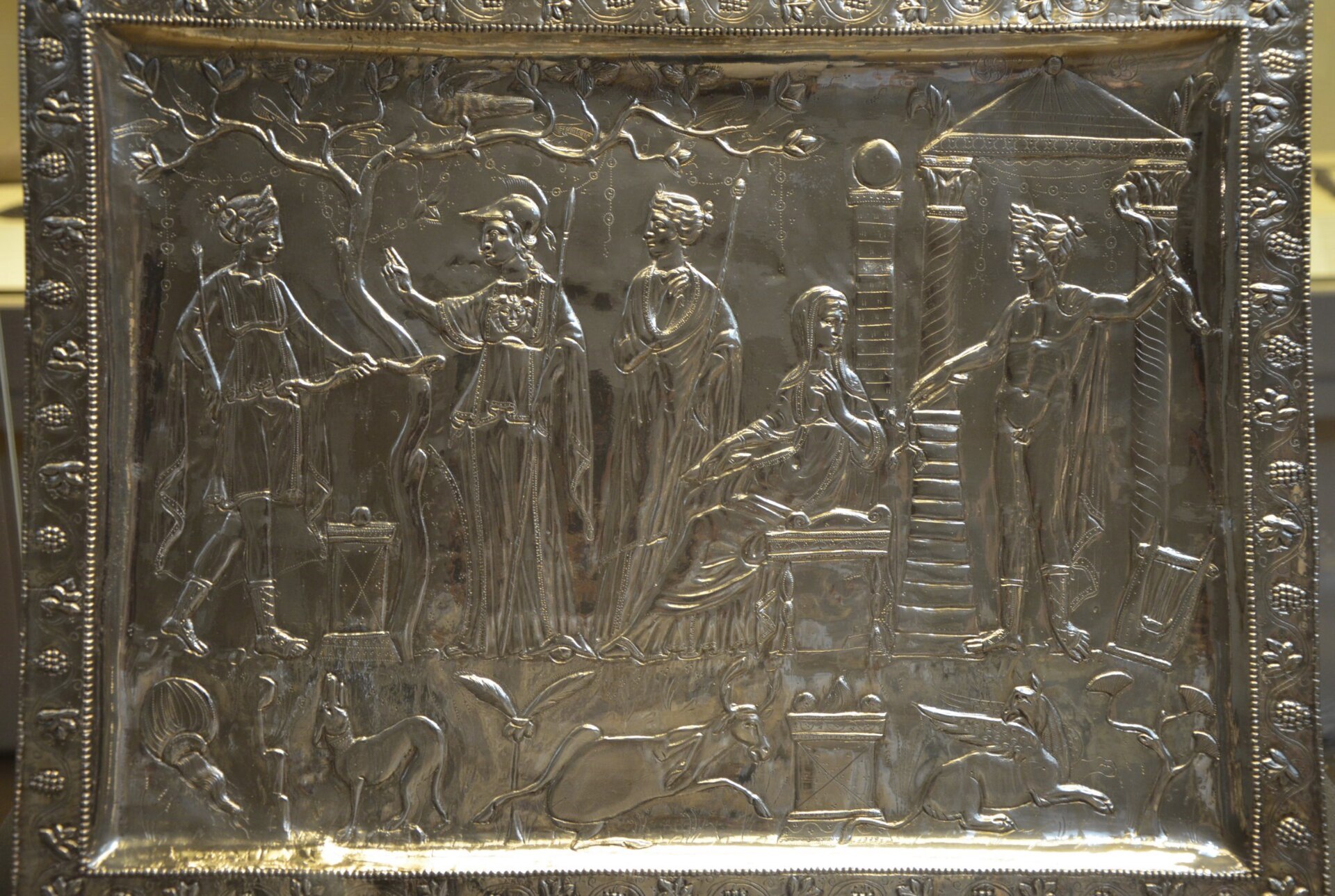
A nine-year-old girl gathering firewood is named in the chain of a Roman silver dish because a manor court had to decide who...
12 min read
A restitution settles title. It does not settle custody. The masterpiece of the Lydian Hoard went home in 1993 and left again in 2005, and the theft...
Five objects in this archive were taken by the French state between 1789 and 1810. The confiscation is the reason three of them survive, and it is...
Seven Greek manuscripts were scraped clean in 1229 to make one prayerbook. The prayerbook is the only reason any of them survives.
In 1939 a jury decided the Sutton Hoo burial was not treasure trove, so it belonged to the landowner. The same ground would answer differently today.
Berlin's title to the Nefertiti bust rests on a document written by Egypt's own inspector on 20 January 1913.
A restitution is itself an undocumented transfer. This archive holds an object delivered to a family that had never owned it, a return conditioned on...
The profession defines provenance as a chain running from creation to the present. Across 198 researched records, 119 carry a gap, and in 76 of them...
Across the disputed objects in this archive, the instrument that delivered one to its claimant was almost never a judgment.
Most gaps in an ownership history are record loss. One span is a question of title, and the framework built around it is non-binding, recently...
Britain defers, France refuses for thirty months and may decline to buy, Italy prohibits outright.
Forty-four states signed eleven non-binding sentences in 1998. What decides a claim is not the principles but the machinery each state built, and...
Maria Altmann won in the US Supreme Court in 2004, but the Court decided only that Austria could be sued.
The Sarr-Savoy report and the Benin Bronzes turn on museum-constitution law, not on stolen-goods law.
The same painting can be recoverable in New York and unrecoverable in Madrid. Cassirer shows why: three years of good faith possession under Spanish...
A clean search proves an object was not matched against one organisation's records on one day.
Highland Council bought a Bouchardon for GBP 5 and is selling it privately. The state asks GBP 3,135,090, and the museum that objected to the export...
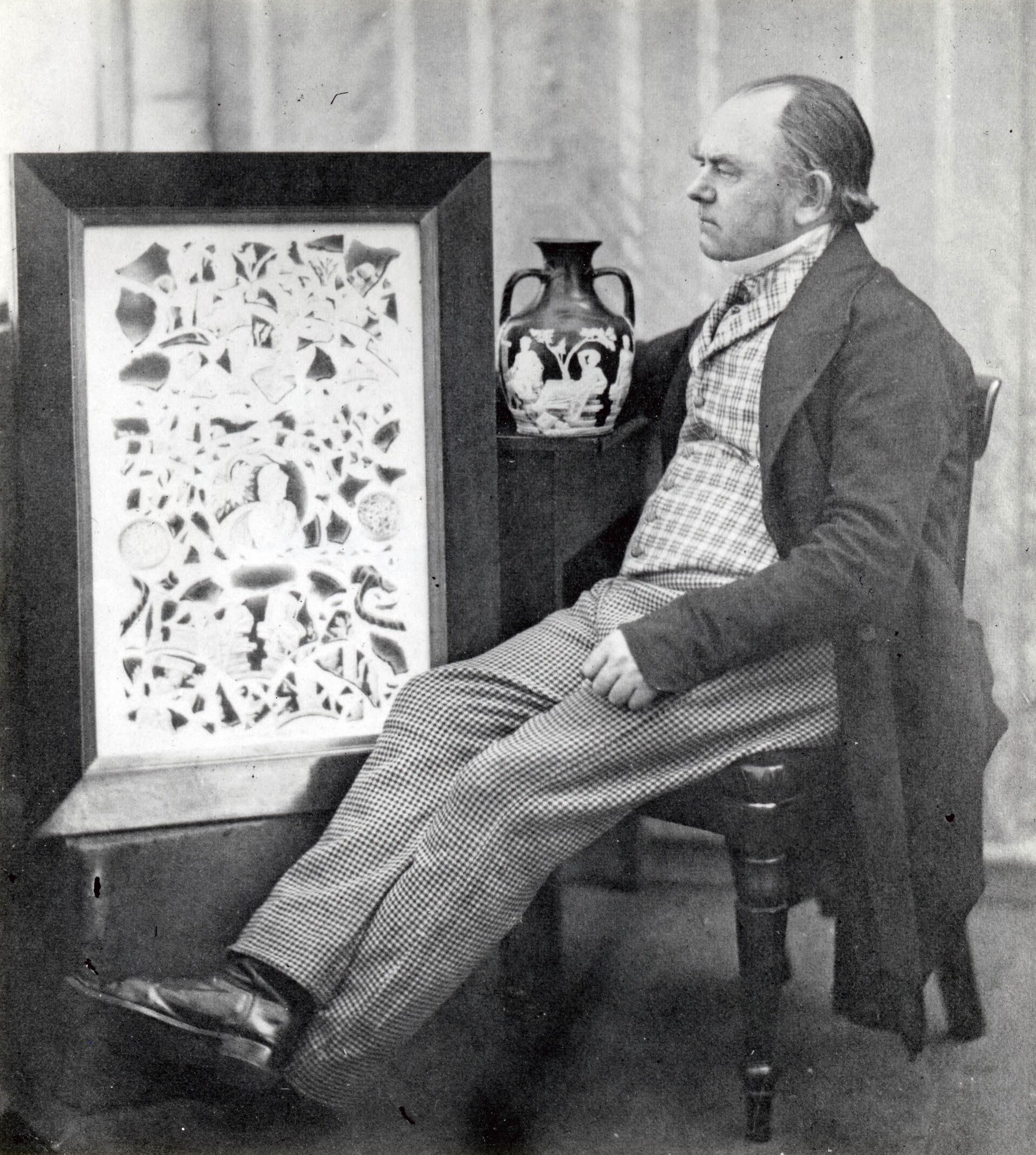
Six objects in this archive were offered at auction and not sold. An unsold lot is a price nobody paid and a date the object went...
10 min read
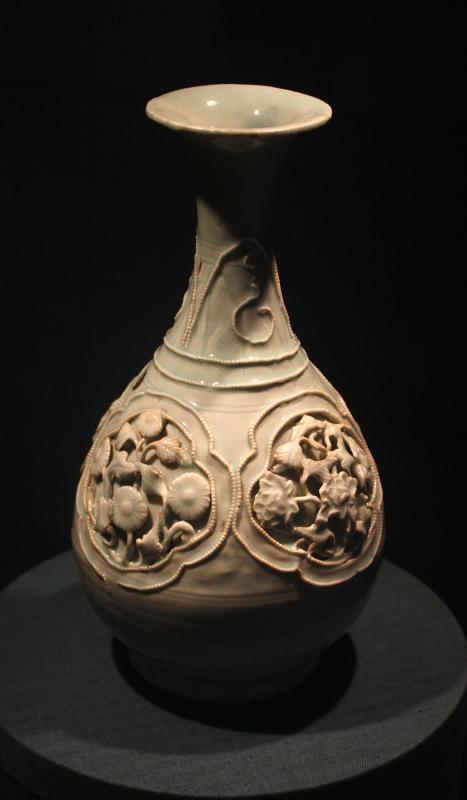
Of 214 auction results in this archive, 52 carry a published pre-sale estimate.
9 min read
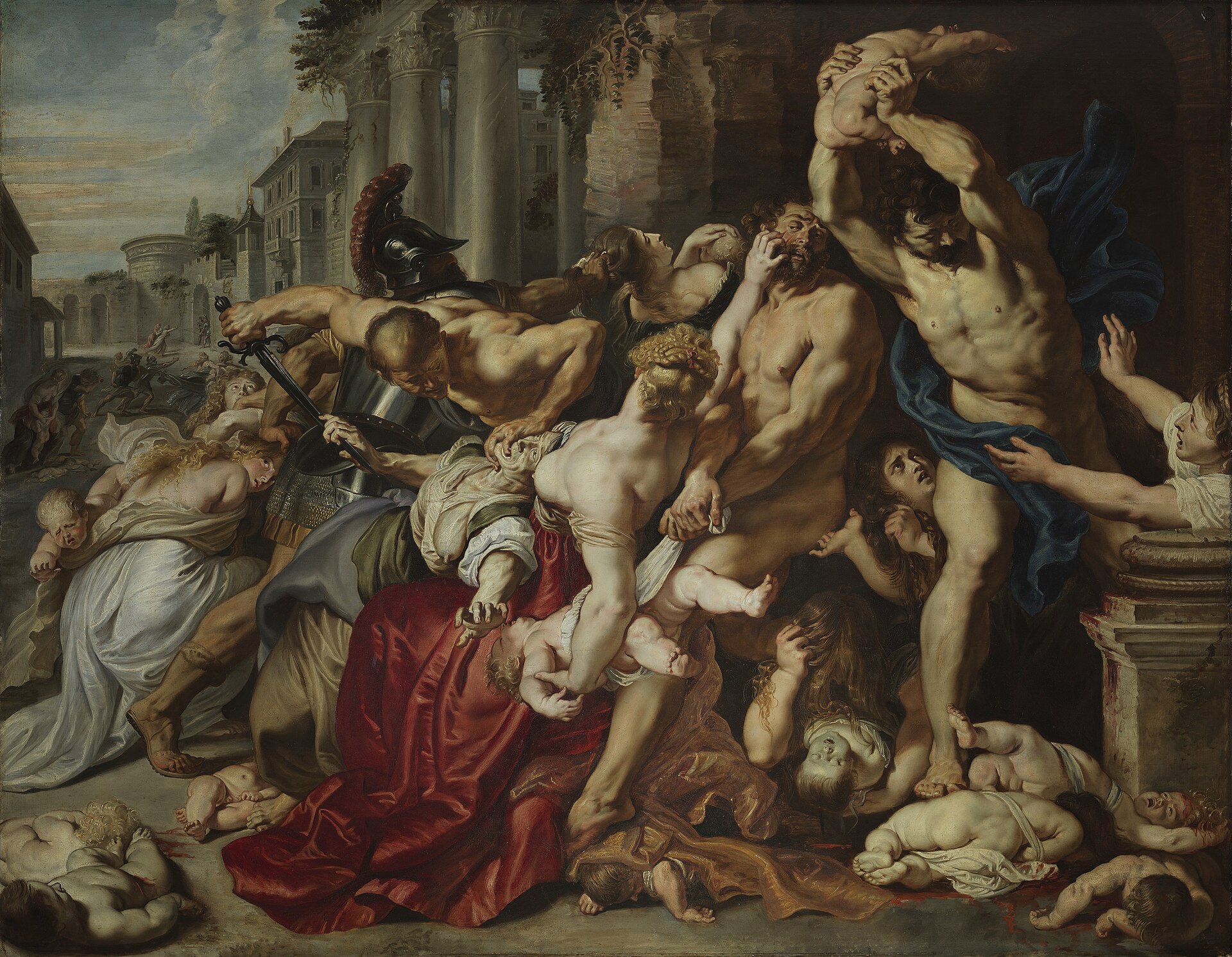
Four auction records in this archive were set by a buyer who took the object into a museum within seven years.
10 min read
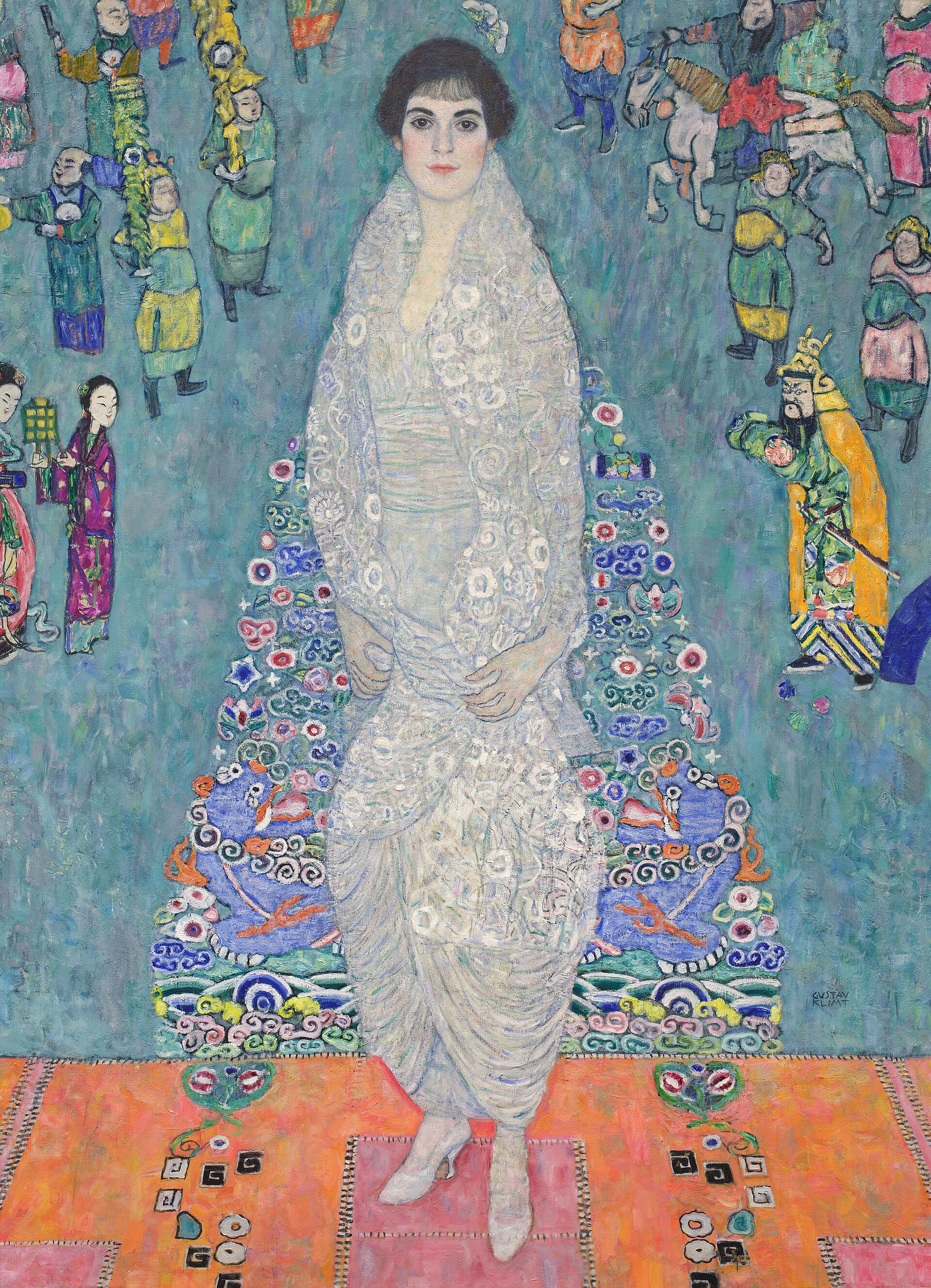
When a catalogue prints no estimate, a number still reaches the press before the sale.
9 min read
Objects here that sit in museums carry a last recorded sale a median 26 years old and a mean of 57. Objects in private hands carry one 8 years old.
Twenty-nine of 250 records in this archive name why an object came to market: death duties, gambling debts, a bankruptcy, a shrine needing repairs.
A committee valued the Staffordshire Hoard at 3,285,000 pounds and nobody bid. A helmet out of the same kind of field made 2,000,000 at hammer...
In 1988 Hereford Cathedral moved to sell the Mappa Mundi at Sotheby's. Several figures were argued over in public and not one of them was a price...
Of 204 published records in this archive, 85 state that no price for the object exists. A sale that failed is the rarest of the reasons.
Degas made one Little Dancer and never sold it. The 41.6 million dollars paid in 2022 was for a bronze cast a decade after his death, and it is filed...
Of 187 auction results in this archive, 106 state a currency and they use sixteen different descriptions of it.
When the same object returns to a saleroom the price series looks like an index of the object.
One Maine hammer of USD 1,175,000 produced three published prices, two of them from the auction house itself.
A GBP 524.80 picture catalogued as a follower of Ibbetson turned out to be Turner's first exhibited oil.
The estimate is the only part of a catalogue the house has to defend in the room. It also excludes the premium, which is why results are routinely...
Both major houses state in their own conditions that a report is opinion, not fact, and that its silences imply nothing.
A third-party guarantee turns an auction into a negotiated sale with a public number: the guarantor's fee sits inside the house's commission and...
By the Art Basel and UBS estimates, most art value never passes through a public bid.
Iconotheca has covered what the cataloguing terms mean; this reads the same entry as a contract, where the warranty covers only the capitalised first...
In a free zone a work is legally not imported, can change hands repeatedly without VAT, and generates no public record.
Droit de suite is capped at 12,500, a ceiling that binds at a sale price of exactly two million.
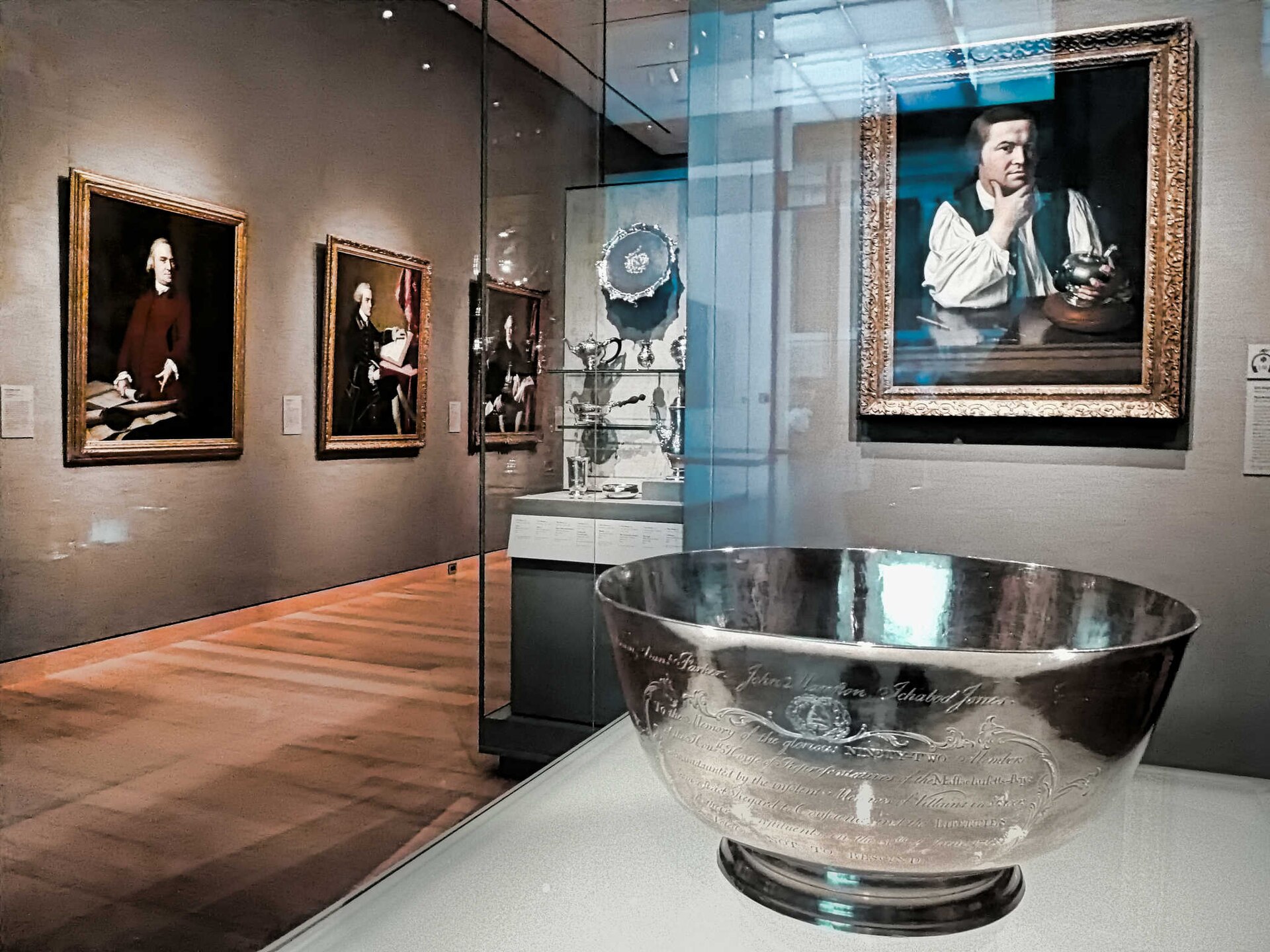
Ten objects in this archive were bought, or fought for, by public subscription between 1892 and 2025.
10 min read
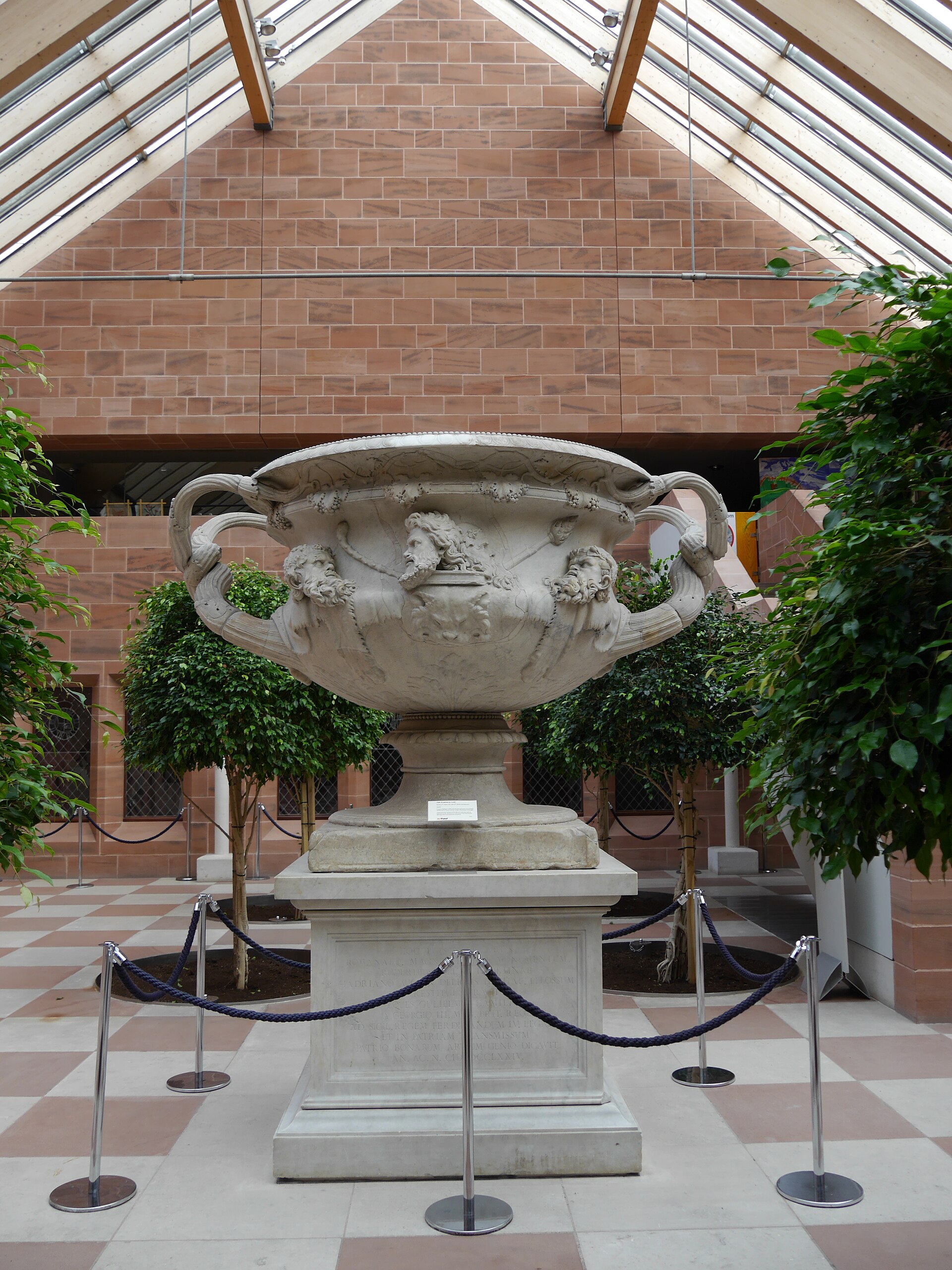
Across 291 objects the recurring names in a provenance line are dealers, not collectors.
9 min read
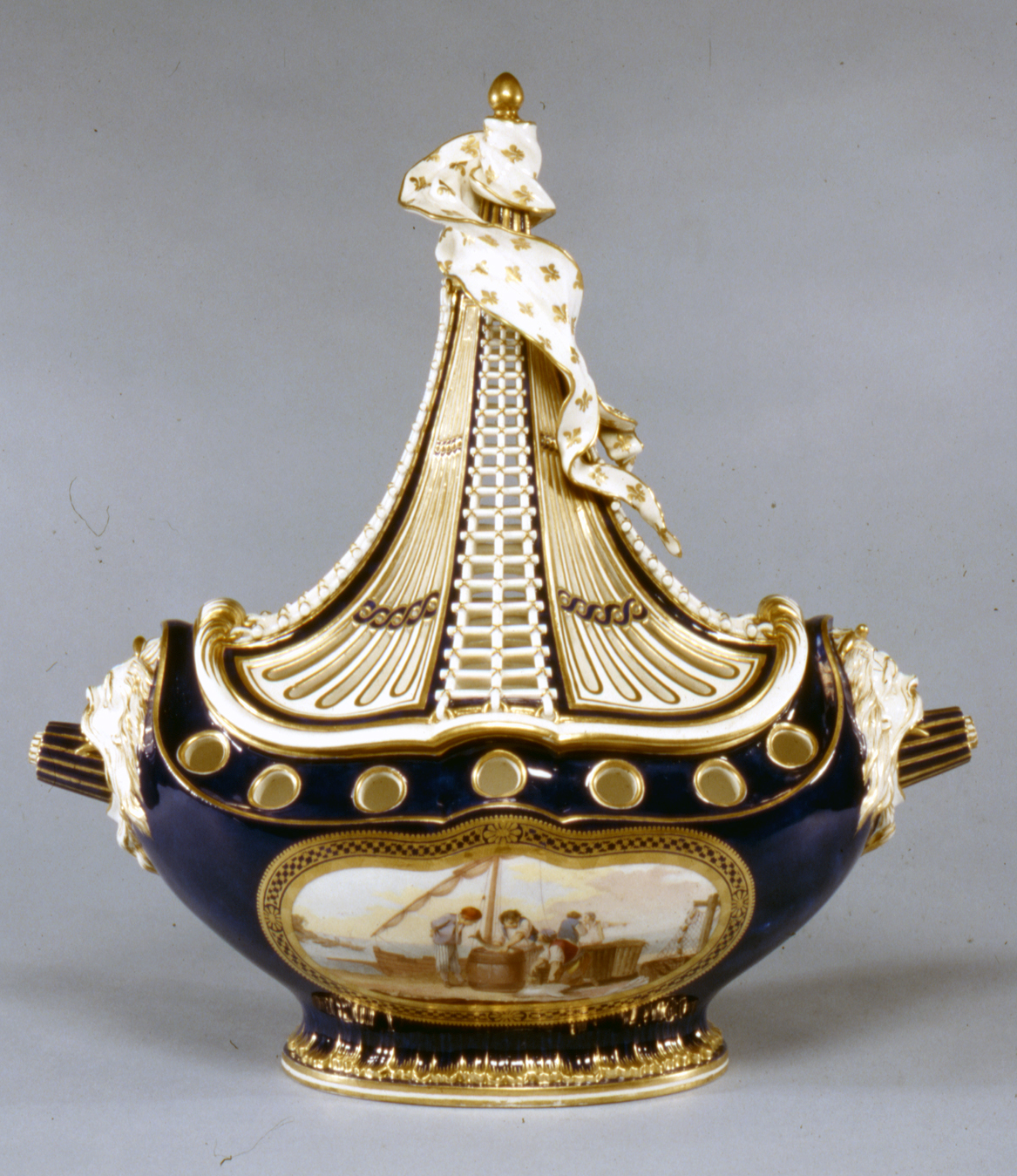
Henry Walters bought four objects in this archive between 1902 and 1929.
9 min read
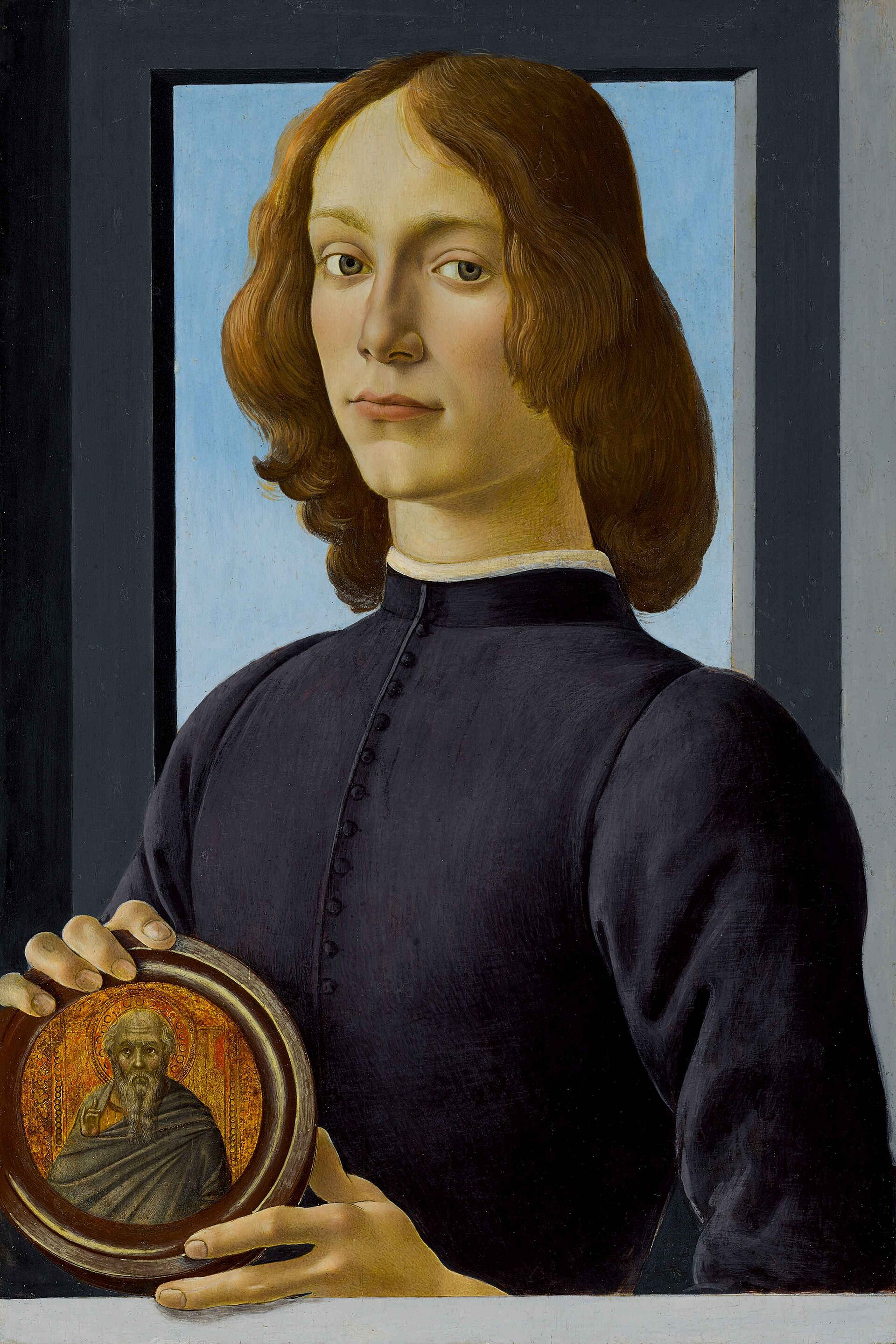
Bill Gates was named the day after he bought the Codex Leicester. The buyer of the Botticelli sold in January 2021 has not been...
12 min read
In this archive the person who authenticated, acquired or won back an object is repeatedly the person who owned it, named it or stole it.
Measured across 223 records, an inheritance link spans a median of 27 years against 14 for a purchase and 7 for a purchase at auction.
A name in a provenance line is a claim about a set, not about one object. Eleven of the forty objects the Metropolitan links to the...
The Ashmolean says the Messiah Stradivari owes its fame not to the sounds it makes but to its condition.
The British Museum catalogues the Qianlong Emperor as an inscriber of the Admonitions Scroll.
The Metropolitan bought nearly 500 pieces of arms and armour sight unseen in April 1904 for just over $250,000.
Across 1,322 provenance events in this archive nineteen name a woman, and four of those give her no personal name at all.
Across this archive the objects that carry a personal name are almost never named for their makers.
One family name appears in nine records in this archive across seven object classes.
In this archive the commonest reason an object is in pieces is not war, time or accident. It is a sale.
The Renaissance cabinet was an argument about its owner before it was a display of art, and the inventories prove it: in 1492 the Medici gems...
Walpole's pictures left England in 1779 and the collection now survives as a citation rather than a place.
Fesch died owning some 16,000 paintings and his name recurs across nineteenth-century provenance more often than his records can support.
Duveen sold certainty and Berenson took a percentage of it. The stock books those firms left behind are now better provenance evidence than anything...
A collector's will is an exhibition plan. Frick's bars loans of what he owned, Barnes froze every wall, the Medici pact has held since 1737, and...
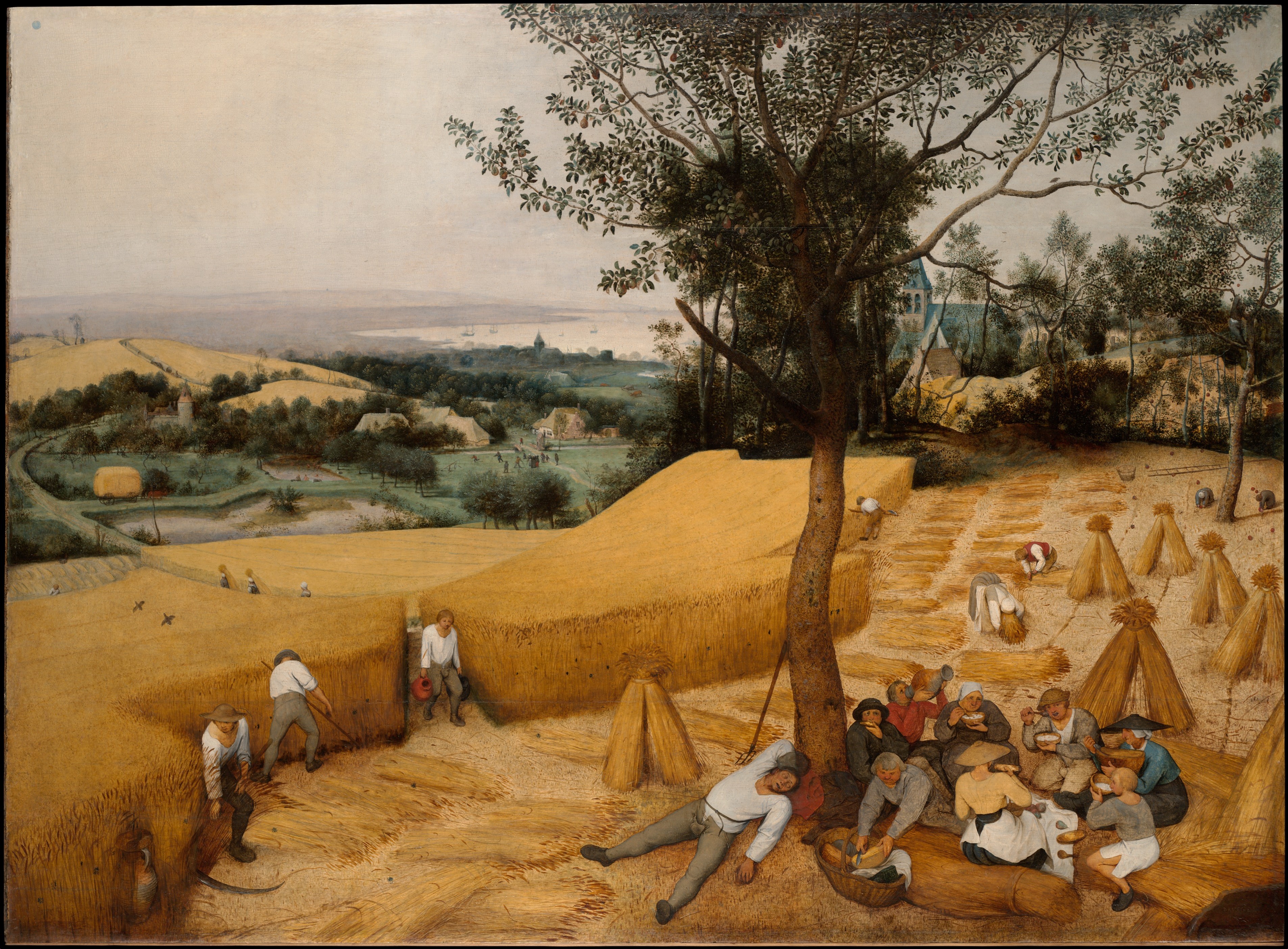
Thirty-two objects in this archive were bought on the income of six named endowment funds, and in every case the person named had...
10 min read
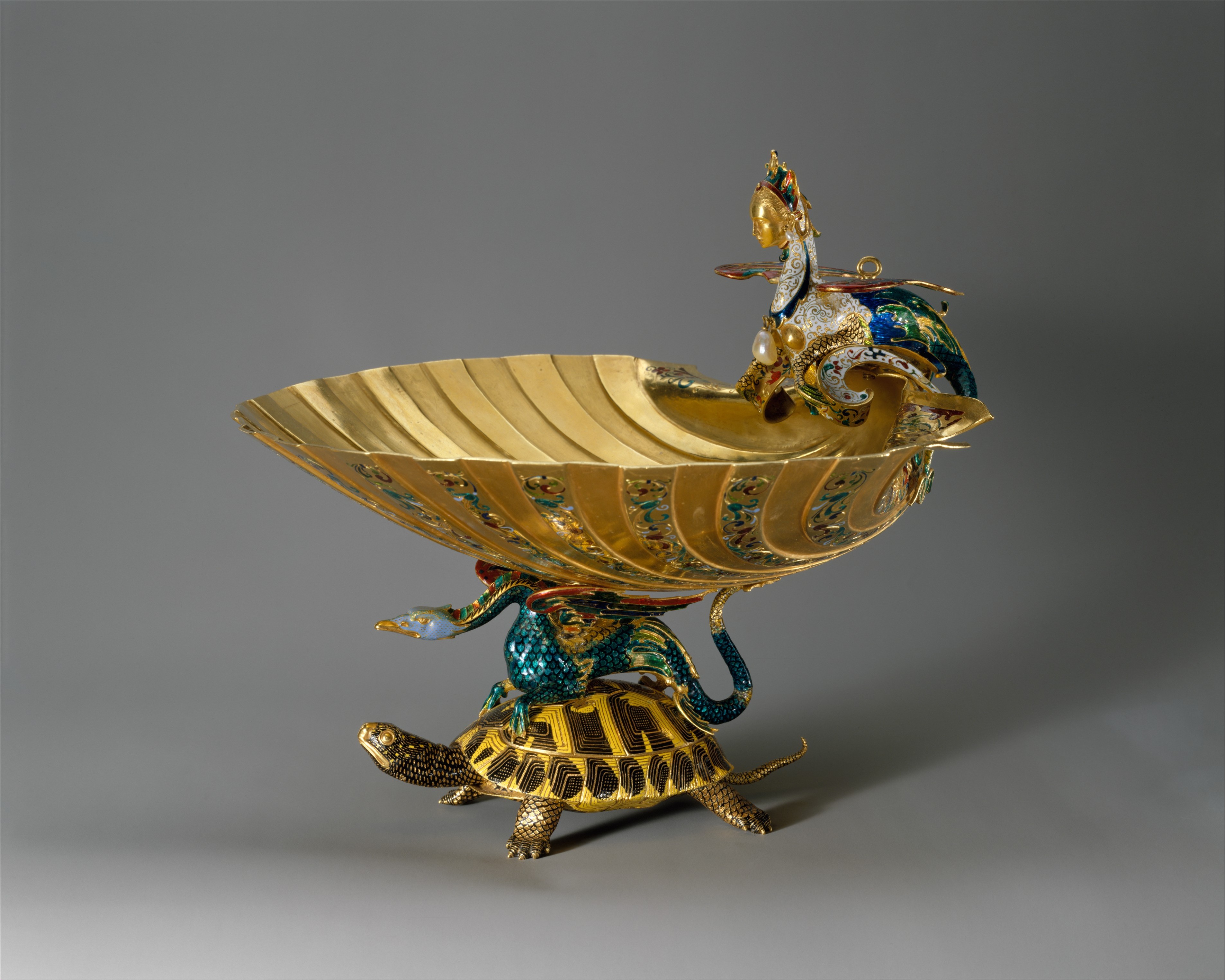
One hundred and eighty-six exhibition entries across 60 records, and they are not one kind of thing.
9 min read
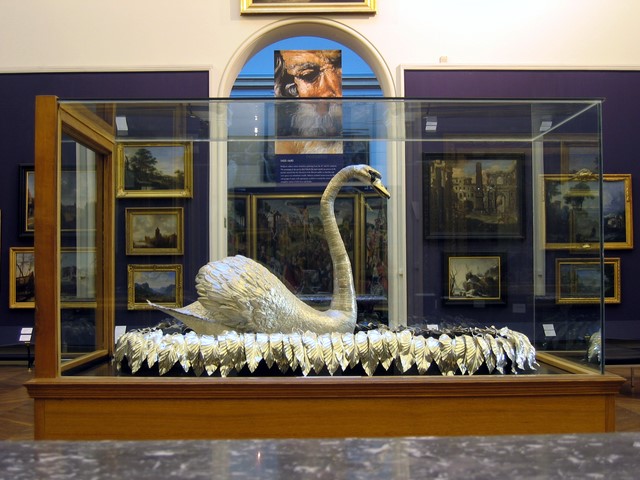
Six objects in this archive are still wound, played or demonstrated by the institutions that hold them.
10 min read
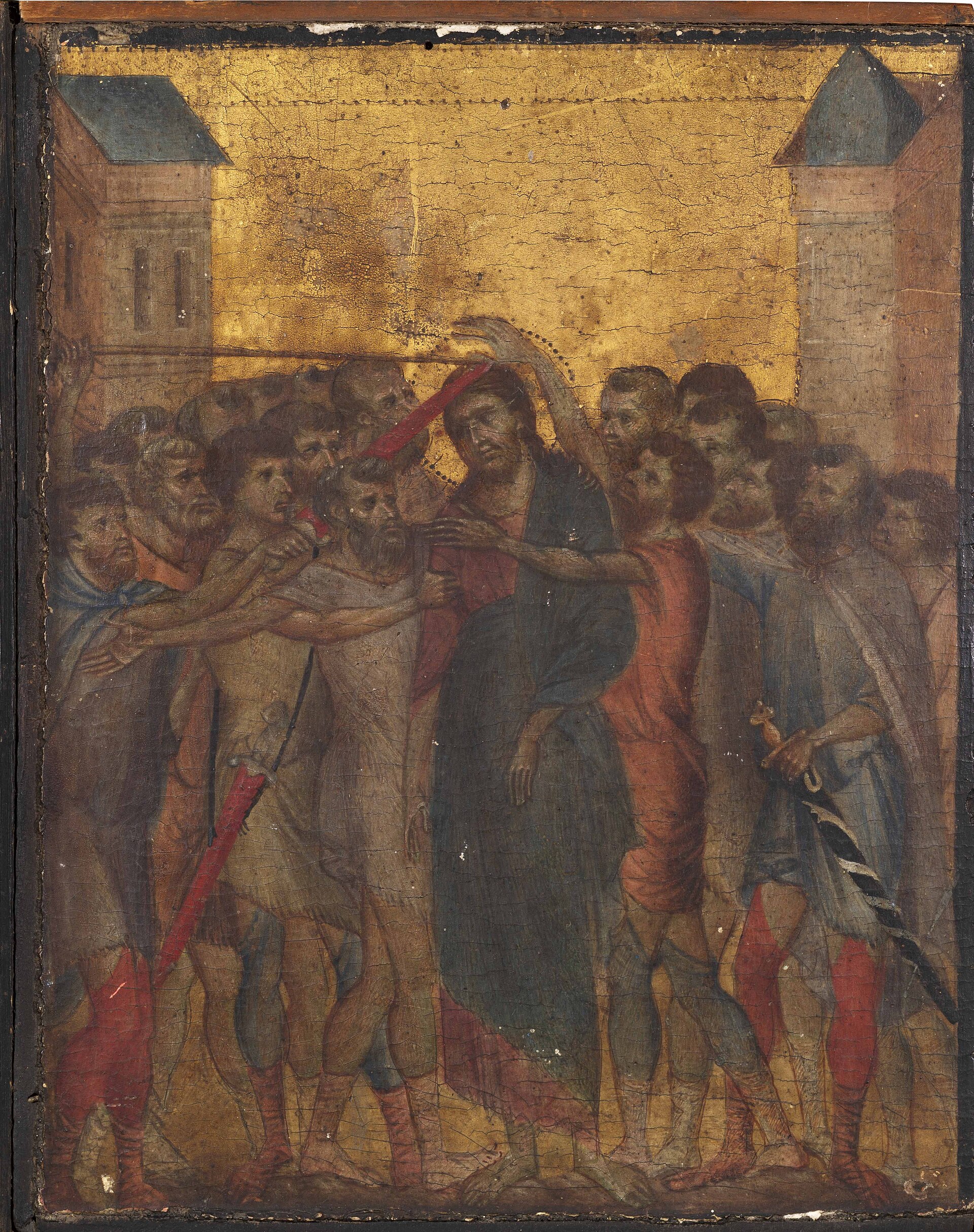
For some of the best-known objects in this archive, the whole public exhibition history is a viewing arranged in order to sell...
9 min read
The Art Institute of Chicago owns three impressions of the Great Wave and on 7 September 2026 none of them was on view.
Twenty-two of the 271 museums in this archive are shut. Exactly one has a firm reopening date, and it belongs to a four-week maintenance closure.
Three glazed ceramics in this archive sit in three different Metropolitan Museum departments.
Across the five objects in this archive whose catalogue entries were rewritten by physical analysis, four of the tests were run or published by the...
One hundred and eighty exhibition entries in this archive use 143 different venue strings for about 112 institutions.
Fifty-six of the 220 published records in this archive carry an exhibition history.
Four objects in this archive are unlocated. Every one still carries a live institutional record, and one of them still carries a national designation.
Five objects in this archive changed owner without leaving the room. The Board of Longitude was abolished, the India Museum closed, three libraries...
One object in this archive was displayed under a British Museum number for 135 years before the Museum bought it, and the Museum's own record flags...
An accession number dates a museum's custody, not the object. Five institutions in this archive use five incompatible formats, the number can...
Of 35 objects this archive has researched but does not publish, 27 already carry licensed photographs.
The export bar gets the headlines. The acquisition is a four-stage machine: curatorial case, provenance check, trustee vote, assembled money.
The AAM, AAMD and Museums Association codes all restrict what deaccession money may fund.
A loan places an object in a named city on a dated day, and British law makes museums publish that record in advance.
When a museum moves a picture from Rembrandt to studio of, it changes a market and a corpus.
Surveys since 1989 put eighty to ninety per cent of museum collections in storage. Open-storage buildings and digitisation change access, not the...
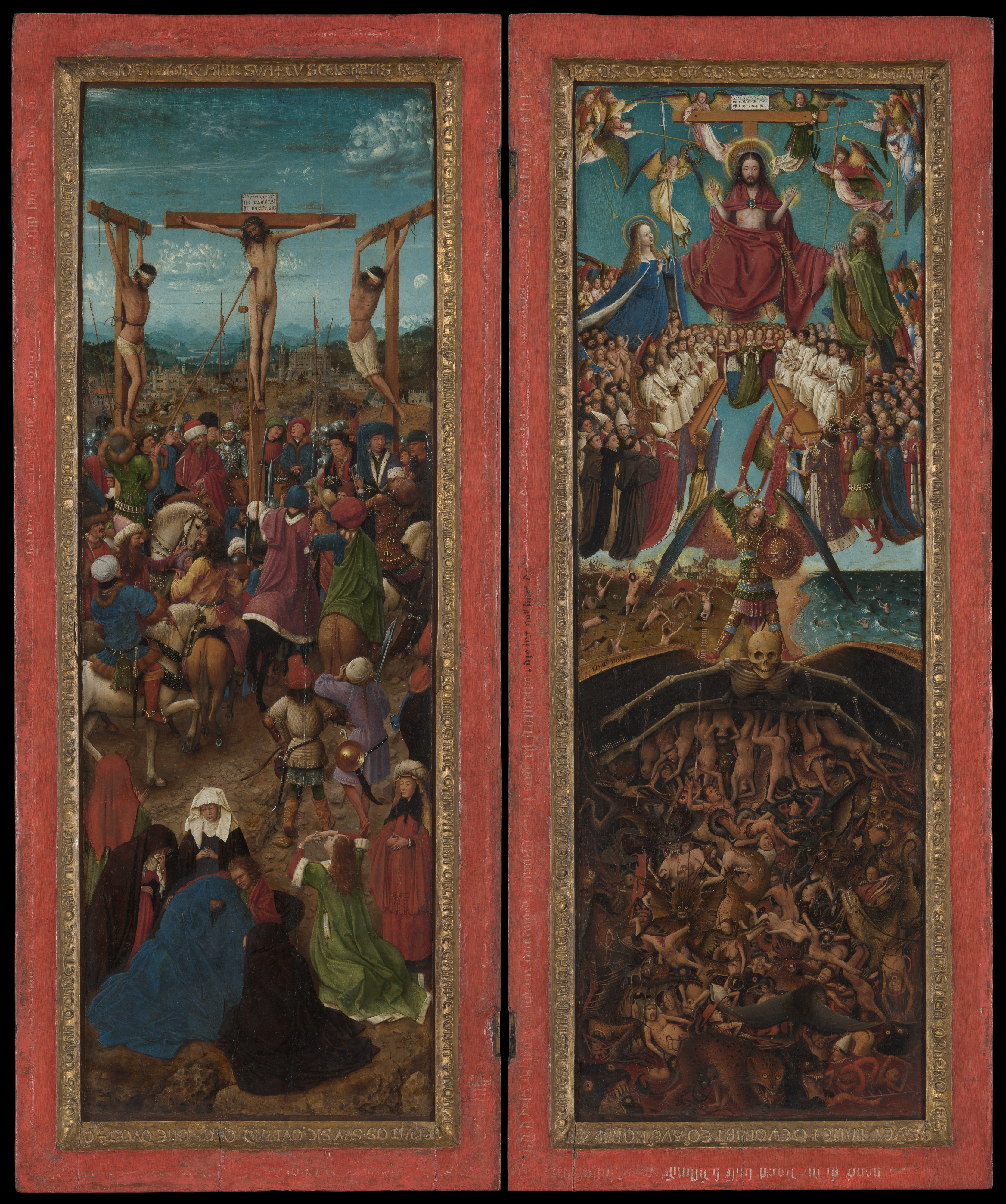 Shown: The Crucifixion; The Last Judgment, Jan van Eyck
In February an algorithm scored two van Eycks negative; in March the Rijksmuseum published a Rembrandt.
8 min read
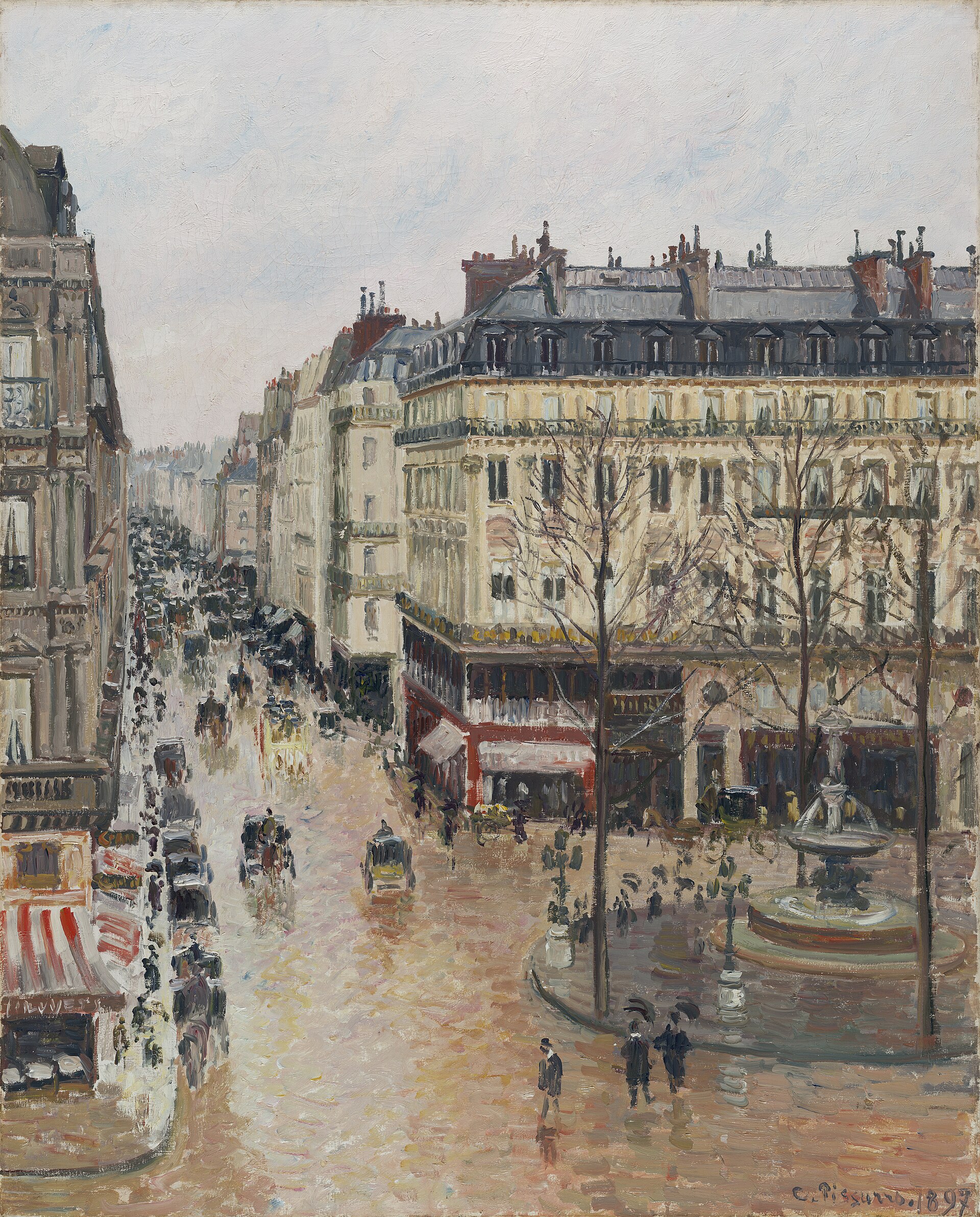
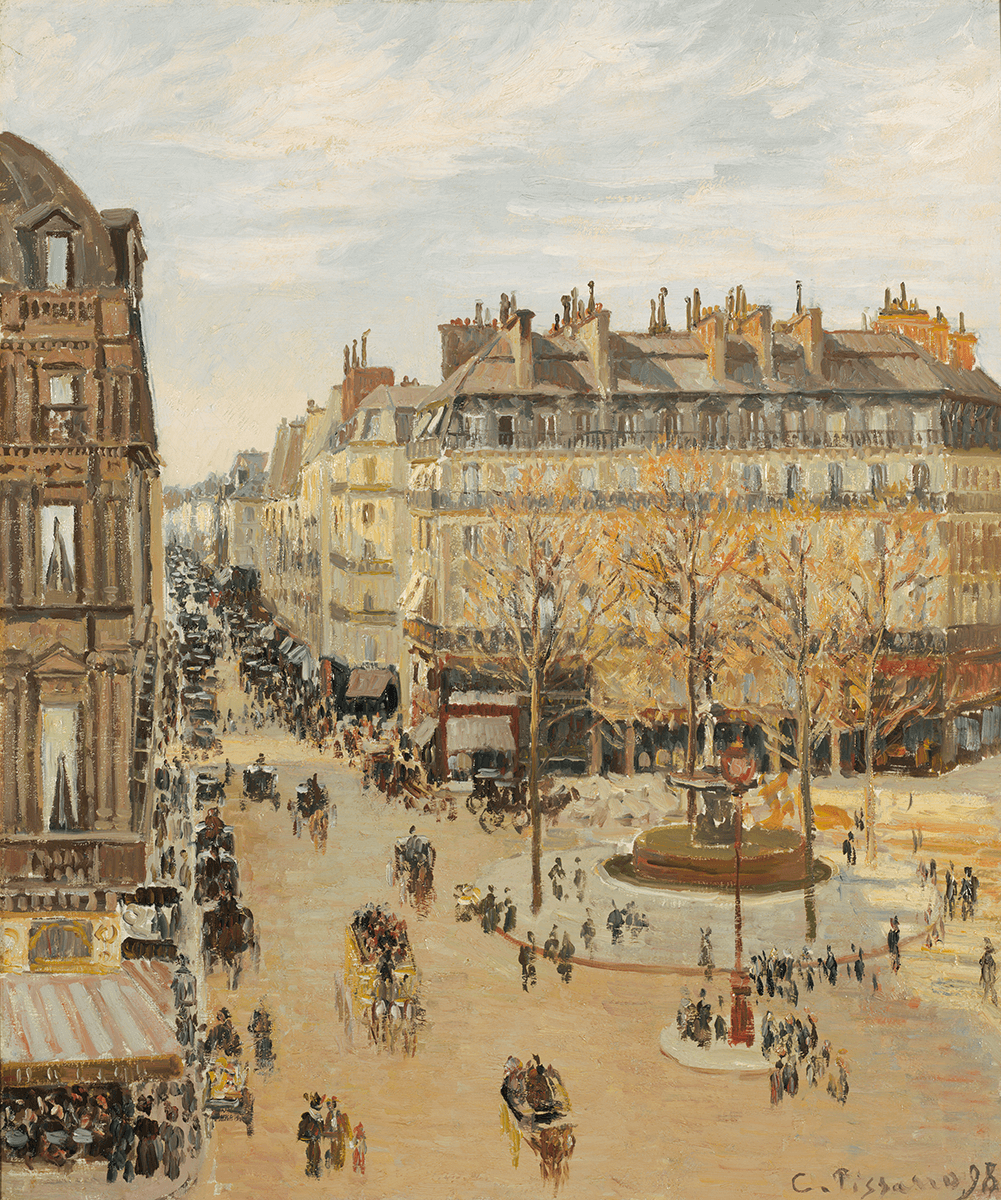 Shown: Rue Saint-Honore in the Afternoon. Effect of Rain, Camille Pissarro
On 3 April 2026 a New York court decided a Nazi-era laches defence on the facts.
8 min read
One letter a week, on a Tuesday. What was researched, what a chain turned out to say, and what is closing in the exhibition calendar. No promotion, and nothing we cannot cite.
We send one email to confirm the address and keep nothing else. Every letter carries a one-click unsubscribe. How we handle your data.