Silence and Argument Are Not the Same Gap
This archive grades 1,797 ownership links. 271 are marked unknown and 160 disputed, and the two do not fall on the same objects. Printed books carry twelve unknown links and not one disputed link in the whole class.
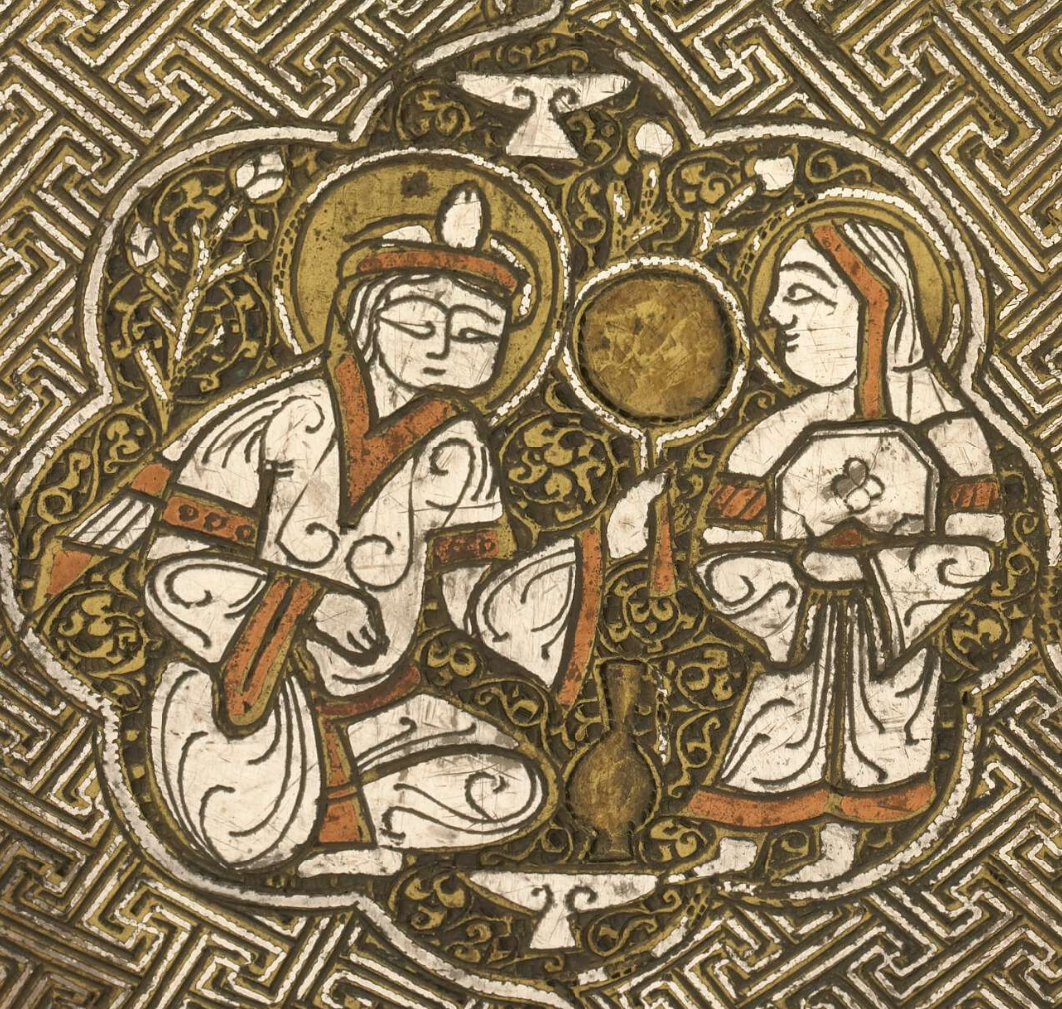
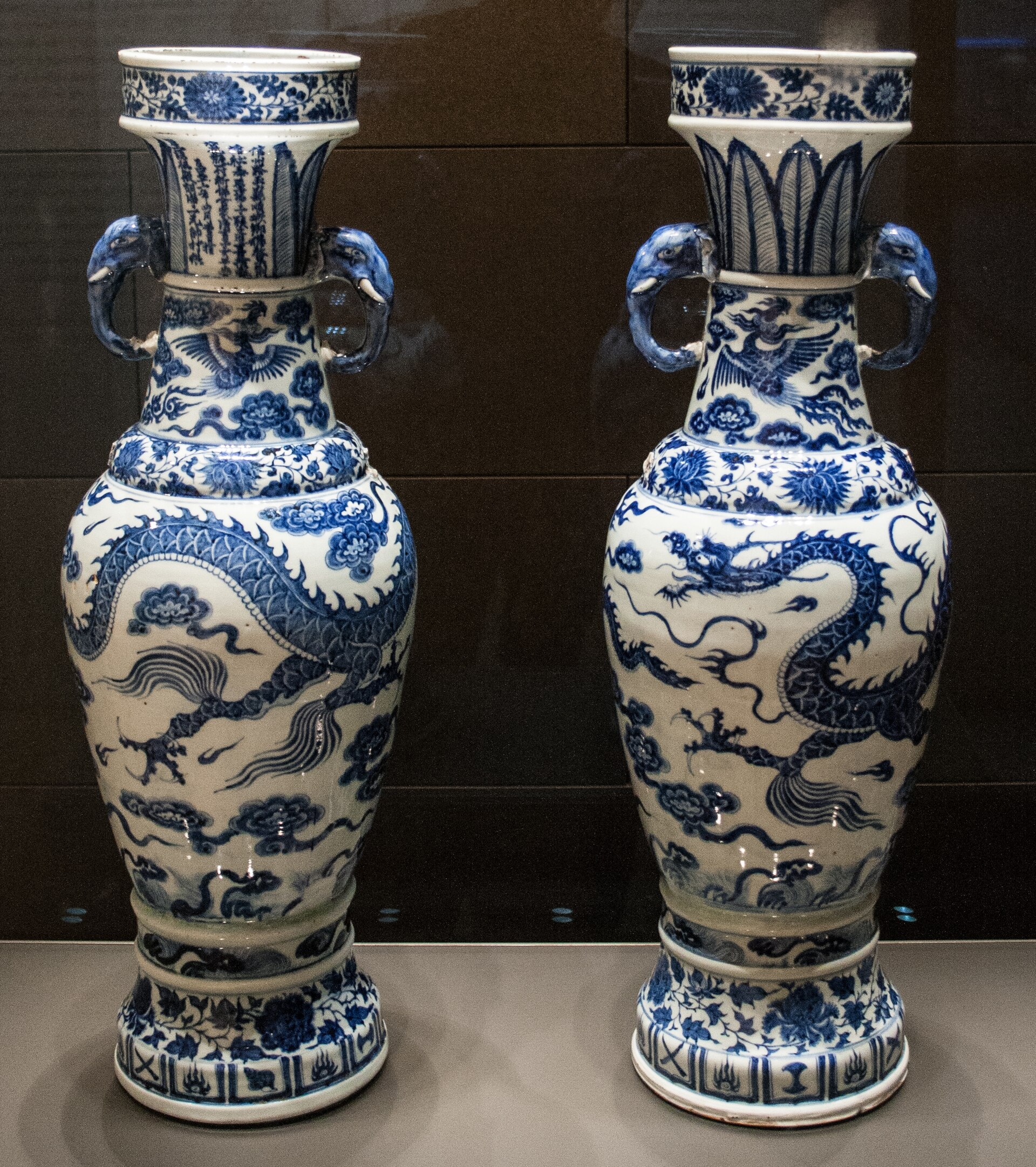
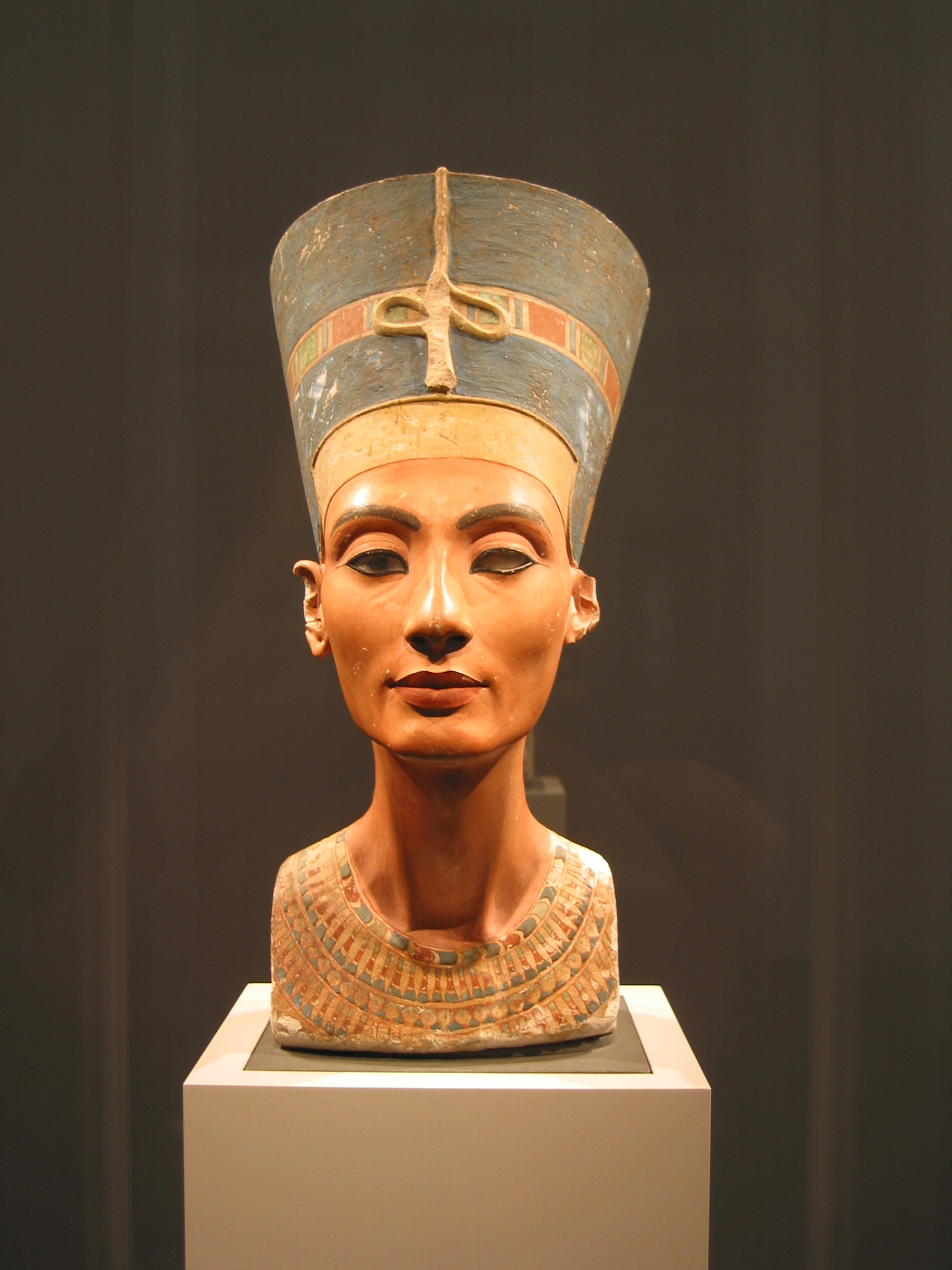
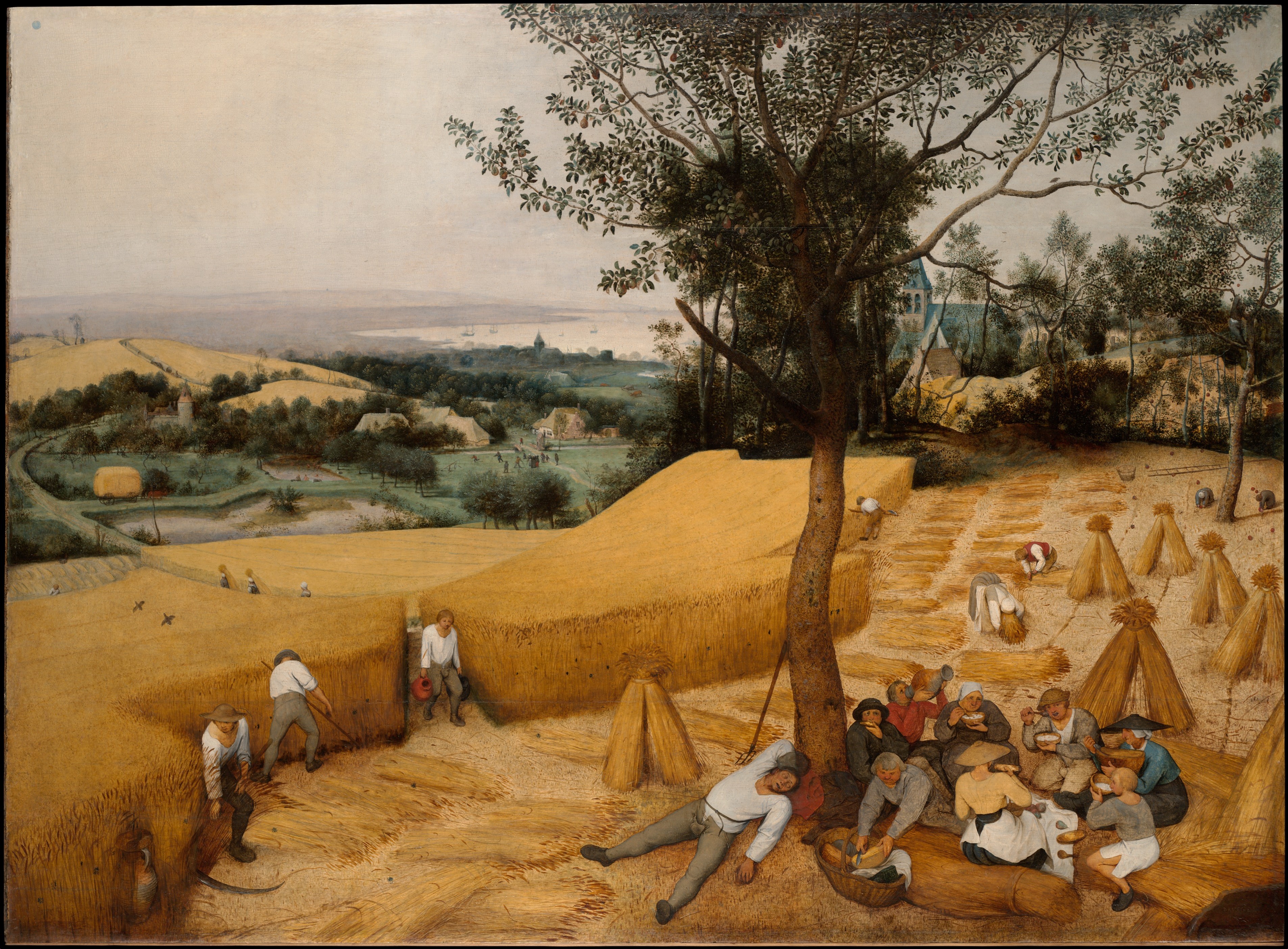
Records in this piece: The Blacas Ewer, The David Vases, Bust of Nefertiti, The Harvesters
On this page 9 sections
ContentsClose
In short
- This archive grades every ownership link. Across 257 published records there are 1,797 of them: 1,366 documented, 271 unknown and 160 disputed.
- The two failures fall on different objects. 200 records carry at least one unknown link and 99 carry at least one disputed link; 72 carry both and 30 carry neither.
- Dispute tracks fame and value rather than evidence. Printed books carry 61 links of which 12 are unknown and none at all are disputed; prints, photographs and furniture carry one disputed link each across 209 links between them.
- Arms and armour runs the other way, with 19 of its 88 links disputed, the highest rate in the corpus. Nobody argues about a Georgian bookcase because nothing turns on the answer.
- An object can date itself precisely and still have no ownership history. The Blacas Ewer gives its maker and the month of its making and then goes unrecorded until 1866.
- A disputed link often means the only witness was selling. The prior ownership of the David Vases before Charles Russell rests on a story relayed through a dealer, and it could not be verified when it was first reported.
An archive can fail to know something in two completely different ways
A gap in an ownership history and a fight about an ownership history are not the same problem, and they need opposite kinds of work. This archive grades every link in every chain as documented, unknown or disputed, and keeping those last two apart turns out to say more about the objects than either does alone.
Unknown means nobody wrote it down, or what was written has not survived or has not been found. The research that closes an unknown link is archival: a ledger, an inventory, a probate file, a shipping manifest. Somebody has to go and look somewhere nobody has looked.
Disputed means the opposite. There is a record, or several, and they do not agree, or the only record comes from a party with an interest in what it says. The research that closes a disputed link is critical rather than archival. You are not looking for a document. You are weighing the ones you have and deciding who was in a position to know.
For a reader doing diligence the practical difference is blunt. An unknown link is a hole of unknown size. A disputed link is a claim somebody has already made, which means somebody may already have relied on it.
Of 1,797 links, 271 are unknown and 160 are disputed
Counted on 9 September 2026, the 257 published records hold 1,797 graded ownership links between them. 1,366 are documented, which is 76 per cent, and that figure is roughly what a well-researched corpus looks like rather than a boast. The remaining 431 divide into 271 unknown and 160 disputed.
Those do not sit on the same records. 200 records carry at least one unknown link and 99 carry at least one disputed link. 72 carry both and 30 carry neither, and that last group is small enough to be worth saying out loud: only 30 of 257 objects here have an ownership history in which every single step is documented.
Once the rates are broken out by what the object is, the two columns stop moving together entirely.
Where nobody argues, it is usually because nothing turns on the answer
Printed books in this archive carry 61 ownership links, of which 12 are unknown and none whatever are disputed. That is not a sign that the ownership of early printed books is well established. It is a sign that when a link is missing, nobody contests the gap, because a printed book is a multiple and the identity of the individual copy rarely carries a name worth fighting over.
The same shape holds across three more classes. Prints carry one disputed link in 65, photographs one in 69, furniture one in 75. All four of those classes sit at or near the top of the corpus for unknown links, between roughly 17 and 25 per cent. They are the least argued-over and among the least documented material we hold, at the same time.
| Object class | Links | Unknown | Disputed |
|---|---|---|---|
| Arms and armour | 88 | 14.8 per cent | 21.6 per cent |
| Antiquity | 119 | 13.4 per cent | 15.1 per cent |
| Sculpture | 93 | 7.5 per cent | 14.0 per cent |
| Painting | 249 | 10.8 per cent | 11.6 per cent |
| Ceramic | 80 | 20.0 per cent | 6.2 per cent |
| 65 | 24.6 per cent | 1.5 per cent | |
| Photograph | 69 | 17.4 per cent | 1.4 per cent |
| Furniture | 75 | 18.7 per cent | 1.3 per cent |
| Printed book | 61 | 19.7 per cent | 0.0 per cent |
Arms and armour occupies the other end, with 19 of its 88 links disputed, and this publication has written before about why: an armour can date itself in struck metal and cannot name its wearer, so the famous name is always the soft part. What the full table adds is the contrast. Dispute is a function of what an answer is worth, not of how much evidence exists.
That has a use. If you are looking at an unfamiliar class of object and its provenance carries no disputes at all, do not read that as a clean bill of health. Check whether anybody has ever had a reason to look.
An object can name its maker and the month, and still have no owners
The Blacas Ewer is dated April 1232, Rajab 629 in the Islamic calendar, and carries the name of its maker, Shuja ibn Mana al-Mausili, in an inscription. The British Museum notes that this craftsman's name does not appear on any other surviving object, though he is known to have come from an important Mosul family. The ewer's own account of itself is therefore precise to the month and to a person.
Its ownership record begins in 1866, when the British Museum acquired the collection of Louis, Duc de Blacas d'Aulps, from whom the object takes the name it is now known by. What happened in the six hundred and thirty-four years in between is not recorded here, and our record marks the span unknown rather than proposing a route.
This is the ordinary condition of medieval Islamic metalwork in Western collections and it is why the class carries an unknown rate near a quarter of its links. The objects are frequently signed and dated, because that was the workshop convention, and the European ownership record starts in the nineteenth century, because that is when the collecting started. The object is a better witness to itself than any of its owners.
A disputed link often means the only witness was selling
The David Vases carry one of the most informative inscriptions on any ceramic anywhere. It names the donor, Zhang Wenjin, his community, village, township and county, the temple and the deity, and dates the gift to an auspicious day in the fourth month of the eleventh year of the Zhizheng reign, 1351. The British Museum's own label calls it the earliest known dedication on blue and white wares.
Against that, the modern chain before Charles Ernest Russell is graded disputed here. Russell's account relayed a claim that his vase came from a priest of the Zhilun temple in Beijing by way of the dealer Wu Laixi. It could not be verified when it was first reported and it has not been verified since. That is not an accusation against anyone. It is a description of the evidence: the claim travels through a dealer, and no independent record supports it.
An object whose own inscription fixes a day in 1351 has a twentieth-century ownership step nobody can confirm. Put the two next to each other and the shape of the archive is visible in a single record.
Two parties can give different accounts of the same afternoon
The strongest kind of disputed link is one where the disagreement is contemporaneous and documented on both sides. The bust of Nefertiti is the case everyone knows. At the formal division of finds in 1913, the chief Egyptian antiquities inspector Gustave Lefebvre approved a partage in which the bust went to the German excavators, and the itemisation in the German paperwork was later said by Egyptian officials to have misdescribed what was being divided.
Notice what kind of question that is. It is not a hole. There is paperwork, there was a meeting, there were named officials on both sides, and the disagreement is about whether the document fairly described the object. No amount of further archival digging makes that go away, because the archive is the thing in dispute.
This is why the two grades need to stay separate in a record. Marking that link unknown would suggest somebody should go and look for a missing document. Marking it disputed says the documents exist and the parties read them differently, which is a fact about the situation that a reader is entitled to before they form a view.
The buyer at the sale is a routine unknown
Bruegel's The Harvesters was sold in Paris on 11 March 1816 as lot 1 of the Andreossy sale at Perignon, for ninety francs and eleven centimes, catalogued as by a master of the old German school and dated 1546. The picture is Netherlandish, signed and dated 1565, and now hangs in the Metropolitan Museum of Art as one of the best-known paintings in the building.
The buyer at that sale is not recorded. The Met's own provenance runs an unbroken imperial chain from Niclaes Jongelinck in Antwerp by 1566 through Archduke Ernst, Rudolph II, Archduke Leopold Wilhelm and the Vienna imperial collection to the comte Antoine-Francois Andreossy, gives the 1816 sale with its lot number, its catalogue wording and its price, and then jumps straight to Jacques Doucet in Paris until shortly before 1912. Nearly a century, after the best-documented transaction in the whole chain, with nobody named.
That is the commonest unknown link in this archive and one of the least remarked on. A sale generates a date, a lot number and a price, because those go into the catalogue and the marked copy, and it frequently generates no buyer's name in any surviving public form. The transaction is documented and the party is not.
Nobody disputes this. There is nothing to dispute, only an absence, and it will be closed, if it is ever closed, by somebody finding an annotated catalogue in a dealer's archive. That is the difference from the Nefertiti link in one sentence.
How to read the two grades
Treat an unknown link as a research task and a disputed link as a risk. The first tells you a document may exist and where it would live. The second tells you that people who have looked at the same material have reached different conclusions, and that anyone relying on the chain is relying on one of them.
Then look at what class of object you are holding. If it is a print, a photograph, a piece of furniture or a printed book, expect gaps and expect no arguments, and do not mistake the second for reassurance. If it is arms and armour, an antiquity or a sculpture, expect the argument, and find out who is making it and what they stand to gain.
The 30 records here whose every link is documented are the exception rather than the standard, and we would rather a reader knew that number than inferred a cleaner one.
Why this archive is free to read
We do this for everyone who loves art. The people who have studied it for years, and the people who just stopped to look. Iconotheca exists so that what we learn belongs to all of them.
Nobody pays us for this. No ads, no sponsors, no commercial interest. These works belong to all of us, and we would rather share them with as many people as we can than keep them to ourselves.
If it gave you something today, tell us to keep going. Follow us, leave a like, or write a positive comment. We read every one, and they are what keeps us going.
Questions
Unknown means no record of the step has been found, so closing it requires archival research. Disputed means records exist but disagree, or the only account comes from an interested party, so closing it requires weighing evidence rather than finding more of it.
1,366 of 1,797 graded ownership links, about 76 per cent, are documented. 271 are unknown and 160 disputed. Only 30 of the 257 published records have a chain in which every single link is documented.
Arms and armour, with 19 of 88 links disputed, followed by antiquities and sculpture. These are classes where a famous former owner or wearer adds value that the physical object cannot itself confirm.
Because a printed book is a multiple, so the identity of an individual copy rarely carries a name worth contesting. Its 61 links include 12 unknown ones, which shows the absence of dispute reflects a lack of stakes rather than better documentation.
Yes, and it is common in medieval Islamic metalwork. The Blacas Ewer names its maker and dates itself to April 1232, and its recorded ownership does not begin until the British Museum acquired the Duc de Blacas collection in 1866.
Sources
- 1Iconotheca, records.json, the archive's own published corpus. All link counts and per-class rates were measured directly on the 257 records carrying status published on 9 September 2026: 1,797 graded links, 1,366 documented, 271 unknown, 160 disputed, and the object-class breakdown as tabulated. iconotheca.com/artworks
- 2British Museum, Islamic Gallery collection microsite, object record for The Blacas ewer, museum number 1866,1229.61. Read for the date April 1232 (Rajab 629 AH), the production place Mosul, the maker's name Shuja ibn Mana al-Mausili recorded as an inscription, the curator's note that the name appears on no other surviving object, and the acquisition in 1866 by purchase from Louis, Duc de Blacas d'Aulps. islamicworld.britishmuseum.org/collection/...
- 3British Museum, collection record for one of the David Vases, museum number PDF,B.613. Read for the production date 1351, Jingdezhen, the full Chinese inscription with transliteration and the Museum's translation naming Zhang Wenjin and the fourth month of the eleventh year of the Zhizheng reign, and the Room 95 label describing the dedication as the earliest known on blue and white wares. britishmuseum.org/collection/...
- 4Iconotheca, record for The David Vases, for the grading of the pre-Russell ownership step as disputed and the account of the Zhilun temple claim relayed via the dealer Wu Laixi. iconotheca.com/artworks
- 5Iconotheca, record for the Bust of Nefertiti, for the 1913 partage, the approval by chief Egyptian antiquities inspector Gustave Lefebvre and the later Egyptian objection to the itemisation in the German paperwork. iconotheca.com/artworks
- 6The Metropolitan Museum of Art, collection record for Pieter Bruegel the Elder, The Harvesters, object 435809, accession 19.164, Rogers Fund 1919. The Provenance tab was opened and read on 9 September 2026: it gives the chain from Niclaes Jongelinck by 1566 through Archduke Ernst, Rudolph II, Archduke Leopold Wilhelm and the Vienna imperial collection to comte Antoine-Francois Andreossy, then his sale at Perignon, Paris, 11 March 1816, no. 1, catalogued as by a master of the old German school with the date 1546, for Fr 90.11, and then names no owner until Jacques Doucet, Paris, until shortly before 1912. metmuseum.org/art/...
More in Provenance and Restitution
The partA return is a new arrangement, not a conclusion
Four contested antiquities, four different things a return turned out to be: a renaming, a rotating loan, a forfeiture nobody enforced and a broken...
When the Only Proof of Where an Object Was Is a Photograph
The Third Imperial Easter Egg was photographed once, in March 1902, and that single plate is what identified it in 2014.
Moved for Safekeeping Is a Link in the Chain
Nine evacuations in this archive: three objects never returned to the building they left, one came back unrecognised and title changed once, by a...