The Buyer Who Was a Crowd
Ten objects in this archive were bought, or fought for, by public subscription between 1892 and 2025. The subscriber lists name hundreds of owners of a single link, and the provenance keeps only the institution.
Records in this piece: The Sons of Liberty Bowl, Codex Sinaiticus, The Royal Gold Cup, The Ardabil Carpet, Mr. William Shakespeares Comedies, Histories, & Tragedies (the Bodleian copy), The Staffordshire Hoard, The Crosby Garrett Helmet, Hereford Mappa Mundi, The Thinker, The Rising Squall, Hot Wells, from St Vincent's Rock, Bristol, The Mocking of Christ
On this page 10 sections
In short
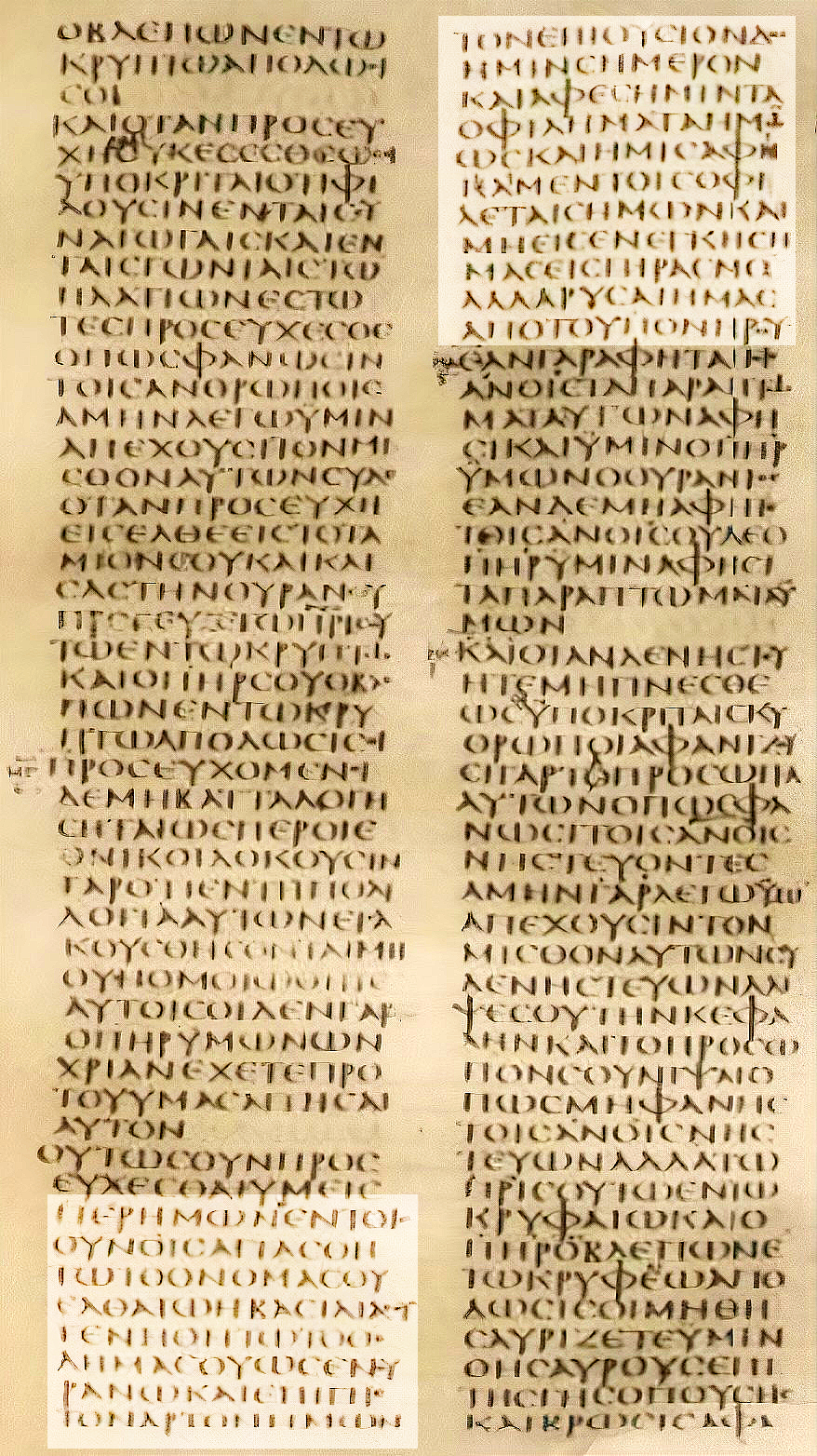
- Ten records in this archive carry a purchase, or an attempt at one, funded by public subscription, from the Royal Gold Cup in 1892 to a Turner in 2025. In eight the appeal succeeded. In two, the Crosby Garrett helmet in 2010 and the Turner in 2025, the public raised the money and lost at the hammer anyway.
- The Treasury lent 93,000 pounds of the 100,000 paid for Codex Sinaiticus in 1933 on the condition that the British Museum ran a public appeal. The appeal had returned 46,500 pounds by May 1934 and 53,563 pounds by October 1935, according to the Codex Sinaiticus Project's own history.
- The Ardabil Carpet's accession register names its subscribers: John Edward Taylor guaranteed 250 pounds, William Morris offered 20 and the rest are other gentlemen. It is the only subscription here where the museum's own record names the small donors.
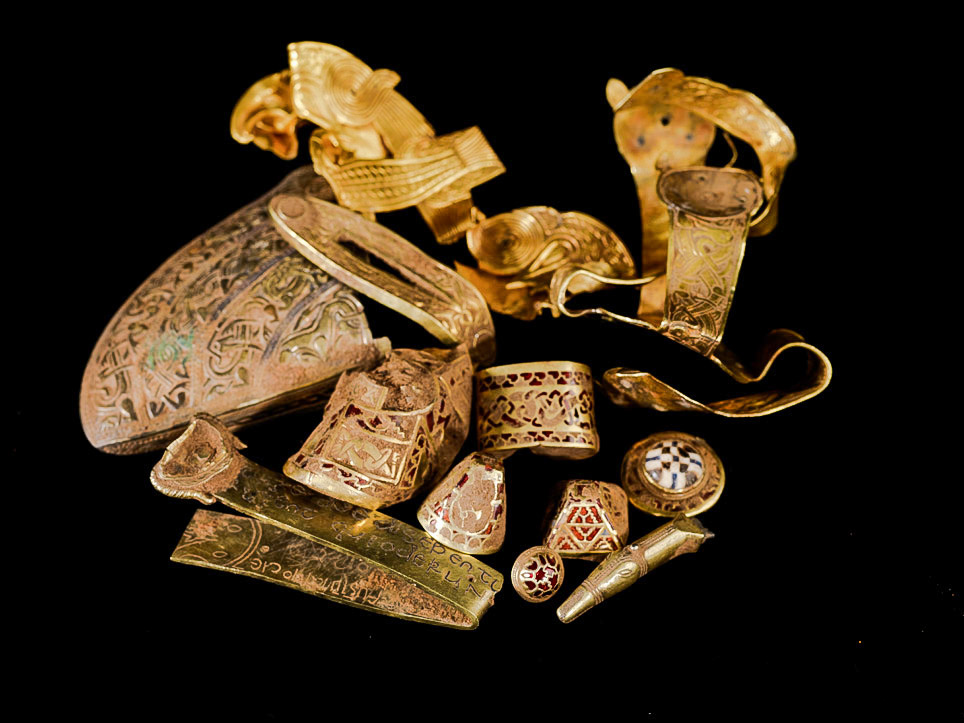
- The Staffordshire Hoard's 3,285,000 pounds included 900,000 from the public appeal, 640,000 of it from Art Fund members. The Crosby Garrett campaign reached roughly 1,700,000 pounds in the same year and the hammer fell at 2,000,000.
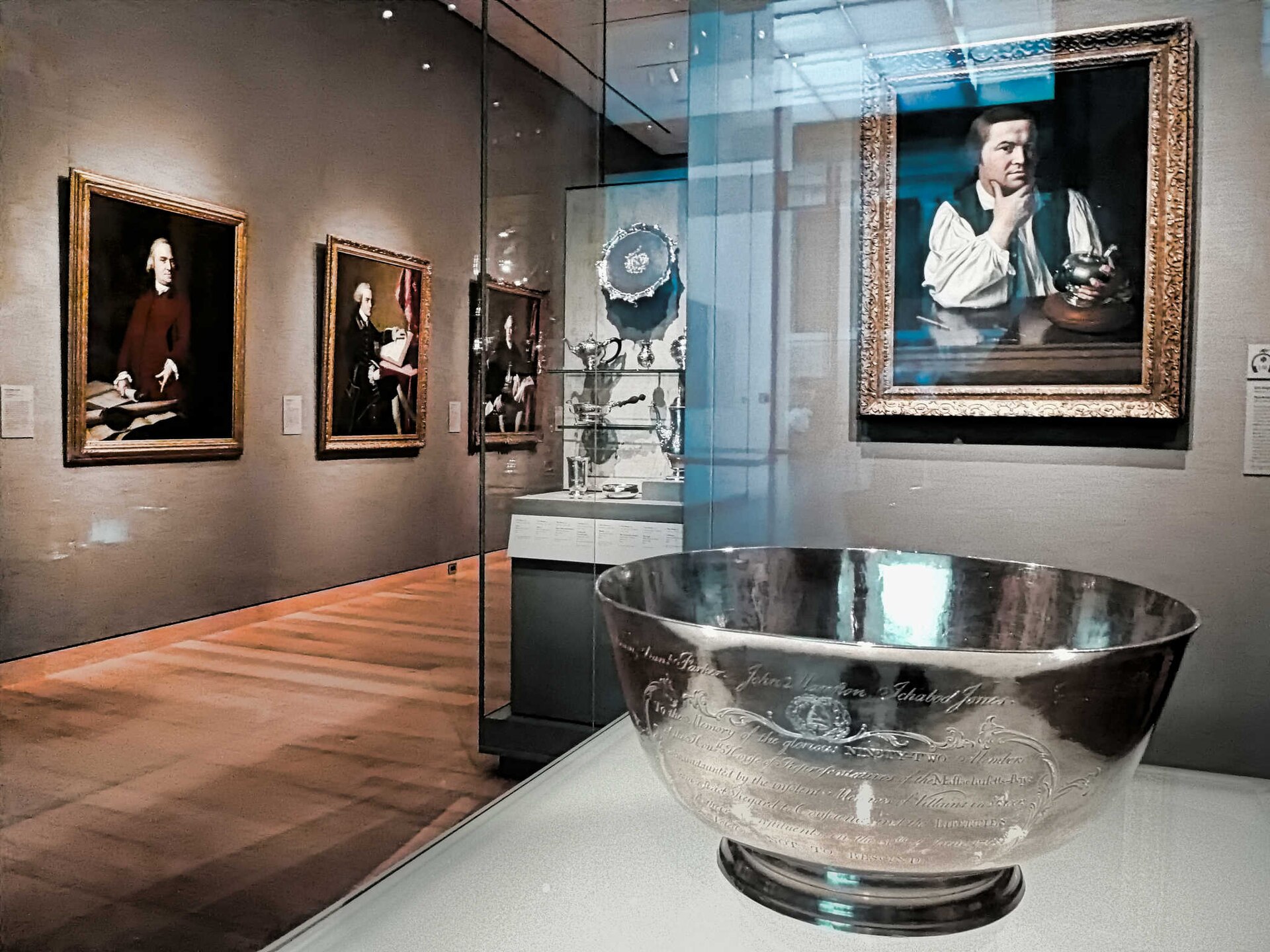
- The Sons of Liberty Bowl's credit line has changed its wording. Our record was built on gift by subscription and the Francis Bartlett Fund; the museum's collection record read on 15 September 2026 gives Museum purchase with funds donated by contribution and the Francis Bartlett Donation of 1912.
A subscription purchase puts hundreds of owners into one provenance link
A public subscription is the one mode of acquisition in which the buyer is a crowd, and a provenance line is built to hold one name. When a museum buys an object with money raised from the public, the link that results reads exactly like any other institutional purchase: the museum, the year, sometimes the price. The people who paid are somewhere else, in an accession register, a printed list of subscribers, a fundraising committee's minutes or a newspaper, and most of the time they are nowhere at all. The Sons of Liberty Bowl is the sharpest case in this archive because it was paid for by subscription twice, and the first list of fifteen names is engraved on the object while the second, from 1949, survives only as a mechanism.
This piece gathers every subscription purchase in our records, successful or not, and asks what the record kept of the crowd. Two of the ten appeals failed at the hammer, which is its own finding: a crowd can raise the price and still not be the buyer.
Ten objects here were fought for by subscription, and the record keeps the institution
Ten records in this archive involve a purchase by public subscription, a public appeal or a subscription cast, spread across 133 years, and in only one of them does the holding institution's own record name an individual small donor. The table gives the figures our records carry, with the gaps left as gaps.
| Object | Year | Price or target | Public share | Subscribers named | Result |
|---|---|---|---|---|---|
| Royal Gold Cup, British Museum | 1892 | 8,000 pounds | Treasury grant plus private subscribers | Six large donors and the Goldsmiths' Company | Bought |
| Ardabil Carpet, V and A | 1893 | 1,750 pounds | Shortfall by private subscription | Taylor 250 pounds, Morris 20, other gentlemen | Bought |
| Bodleian First Folio | 1906 | 3,000 pounds | Whole sum | More than 80, not listed by the library online | Bought |
| Rodin, The Thinker, Pantheon cast | 1906 | Not established | Whole sum | Not established | Given to Paris |
| Codex Sinaiticus | 1933-35 | 100,000 pounds | 53,563 pounds repaid to the Treasury | Not in the project history | Bought |
| Sons of Liberty Bowl | 1949 | 56,000 dollars asked | Not published | A committee and Boston schoolchildren | Bought |
| Hereford Mappa Mundi | 1989 | Rescue package about 5,000,000 pounds | Matching appeal, sum not confirmed | Not established | Kept |
| Staffordshire Hoard | 2010 | 3,285,000 pounds | 900,000 pounds | Not published as a list | Bought |
| Crosby Garrett Helmet | 2010 | 2,000,000 pounds hammer | About 1,700,000 raised | Not published as a list | Lost |
| Turner, The Rising Squall | 2025 | 1,500,000 pounds hammer | 109,120 pounds from over 1,700 donors | Not published as a list | Lost |
Read the fifth column. In 1893 the Victoria and Albert Museum wrote the names into the register. In 2010 and 2025 the appeals counted donors and published totals, and the names went into a database that is not a provenance document. The record of who bought the object got worse as the number of buyers grew.
In 1892 the British Museum ran what its own history calls a first public appeal
The Royal Gold Cup was bought for 8,000 pounds in 1892 after a French court had refused to stop the nuns of Medina de Pomar from selling it, and the money came from more than one place. Our record has a Treasury grant, contributions credited to Augustus Wollaston Franks himself and to the dealers Wertheimer, and a group of private subscribers that included the Worshipful Company of Goldsmiths, Charles Drury Edward Fortnum, the Duke of Northumberland, Lord Savile, Lord Iveagh and the Earl of Crawford. The exact split between the grant, Franks' advance and the subscriptions is reported inconsistently across the sources we read, and the record says so rather than inventing a reconciliation.
What survived here is a roster of large donors. That is the nineteenth-century shape of a subscription: a short list of people whose names were worth printing, and a total. It predates the National Art Collections Fund by eleven years, and our record declines to repeat the popular claim that the 1892 purchase caused that fund's creation, because no source we read supports it.

Twenty pounds from William Morris, and eighty names against Folger
The Ardabil Carpet is the one object here where the museum's own accession register names the small money. The V and A opened at 1,500 pounds in January 1893, was refused by Robinson's managing director Edward Stebbing, consulted its Art Referees William Morris and Frederic Leighton, and raised its offer to 1,750 pounds in March. The shortfall was made up by private subscription. The register names John Edward Taylor, who guaranteed 250 pounds, Morris, who offered 20, A. W. Frank, E. Steinkopff and, in the register's own phrase, other gentlemen. Twenty pounds from Morris is the smallest named subscription in this archive and the only one that lets a reader see one person's share of one object.
Thirteen years later the Bodleian Library bought back its own First Folio, which it had sold as superfluous in the 1660s and which came back through the door in 1905 in the hands of an undergraduate. The Turbutt family offered it for sale, Henry Clay Folger was bidding, and Bodley's Librarian E. W. B. Nicholson led a public subscription that raised the 3,000 pounds needed from more than eighty subscribers. Those eighty names are not on the library's public site. The names that are on it belong to the 2012 Sprint for Shakespeare campaign, which paid for the book's conservation and digitisation and lists its donors alphabetically with dedications by request. The crowd that digitised the book is on the record. The crowd that bought it is not.
In 1933 the Treasury lent the money on condition that the public paid it back
Codex Sinaiticus cost the British Museum 100,000 pounds in 1933, and the Codex Sinaiticus Project's own history sets out how the sum was built. The Soviet government was selling through the London booksellers Maggs Brothers; the Treasury agreed in October 1933 to provide 93,000 pounds from the Civil Contingencies Fund on condition that the Museum organised a public appeal; the Museum put in 7,000 pounds of its own. The manuscript reached London on 26 December 1933 and went on display. The appeal, fronted by the Prime Minister, the Archbishop of Canterbury and Sir Frederic Kenyon, had raised 46,500 pounds by May 1934 and had returned 53,563 pounds to the Treasury by October 1935.
So more than half the price of the most important Greek Bible in Britain was paid by people whose names appear nowhere in the manuscript's provenance. The provenance reads Soviet state to British Museum, 1933, and it is correct. The subscription was a loan repayment, not a purchase, and the record of a loan repayment is a Treasury ledger and not an accession register. The public bought half of the object and holds no link in its chain.
In 1949 Boston's schoolchildren were asked, and the credit line has since changed its words
The Sons of Liberty Bowl was offered to the Museum of Fine Arts in 1949 at an asking price of 56,000 dollars that the museum did not have. The museum authorised a committee under Mark Bortman to solicit subscriptions. The superintendent's office circulated an invitation to Boston schoolchildren on 30 November 1948 with a collection day of 7 December, and their contributions were part of the sum. On 15 February 1949 the Governor of Massachusetts handed the bowl from Bortman to the museum's president. The price actually paid has not been found in any source we read; 56,000 dollars is an asking price and our record keeps it out of the auction block on that ground.
The credit line is where the crowd survives, and it has moved. Our record was built on a credit line reading gift by subscription and the Francis Bartlett Fund. On 15 September 2026 the museum's collection record for accession 49.45 gives Museum purchase with funds donated by contribution and the Francis Bartlett Donation of 1912. Subscription has become contribution and the fund has become a donation with a date. Nothing about the object or its history changed. The wording that records the crowd did, which is a reason to copy a credit line with the date it was read.
In 2010 one appeal won and one appeal lost, under the same statute, in the same year
The Staffordshire Hoard was valued at 3,285,000 pounds under the Treasure Act 1996, and the Art Fund's own page on the campaign itemises how the money was found: a National Heritage Memorial Fund grant, an Art Fund grant with help from the Wolfson Foundation, 900,000 pounds from the public appeal, of which 640,000 came from Art Fund members and supporters, and 600,000 pounds from trusts and foundations. The purchase price was raised three weeks ahead of schedule. The public share was a little over a quarter of the total, and it is recorded as a sum, not a list.
The Crosby Garrett helmet is the control. Because it was copper alloy it was not Treasure, and it went to Christie's on 7 October 2010. Tullie House in Carlisle assembled roughly 1,700,000 pounds, including 1,000,000 pledged by the National Heritage Memorial Fund, 200,000 from the Art Fund, an anonymous 50,000 that the public was asked to match and did, and a double-your-money pledge from a Carlisle businessman. The hammer fell at 2,000,000 pounds to an anonymous telephone bidder. A crowd had raised more than most museums ever have for a single object and the object went to a private collection whose owner has not been published. The appeal is a documented event in our record and it is not a link in the chain, because the crowd never owned anything.
The ones that did not ask, and the one that asked and still lost
Not every large public purchase here went to the public. When the Louvre bought Cimabue's Mocking of Christ in 2023 the money came from named bodies, the Societe des Amis du Louvre among them, and no appeal to individual donors was run; our Cimabue record contrasts it with a Chardin bought by the same museum the following year with more than 1,600,000 euros from nearly ten thousand people. Two objects of almost the same price under the same law, and only one of them asked the public.
The Turner is the most recent case and the most complete failure of the crowd as buyer. Bristol Museums Development Trust launched its appeal on 23 June 2025 with a 100,000 pound target. The target was hit in five days by more than 1,400 donors giving between 2 and 15,000 pounds, and the appeal closed at 109,120 pounds from more than 1,700 people. On 2 July the picture made 1,500,000 pounds under the hammer at Sotheby's and the trust was the underbidder. Seventeen hundred people paid for a bid. The provenance records a private United Kingdom collector.
What a record should carry when the buyer was a crowd
Record the appeal as an event with a date, a target, a total and a named organiser, whether or not it succeeded, and keep it separate from the ownership link it produced or failed to produce. A successful appeal produces one owner, the institution; the crowd is the source of funds and belongs in the note beside the link, with the public share stated as a sum where the institution has published one. A failed appeal produces no owner at all and belongs in the record anyway, because it fixes a price the market was asked to beat and a date on which a museum was willing to pay it.
Where a register or a list names the subscribers, copy the names, however small the sums; twenty pounds from William Morris is a fact about the Ardabil Carpet and nothing else in its chain names him. Where the institution has changed the wording of its credit line, record both wordings with their dates. The crowd is the least durable buyer in any provenance, not because it did not pay but because nobody was obliged to write it down.
Why this archive is free to read
We do this for everyone who loves art. The people who have studied it for years, and the people who just stopped to look. Iconotheca exists so that what we learn belongs to all of them.
Nobody pays us for this. No ads, no sponsors, no commercial interest. These works belong to all of us, and we would rather share them with as many people as we can than keep them to ourselves.
If it gave you something today, tell us to keep going. Follow us, leave a like, or write a positive comment. We read every one, and they are what keeps us going.
Questions
The price was 100,000 pounds. The Treasury provided 93,000 pounds from the Civil Contingencies Fund on condition that the British Museum ran a public appeal, and the Museum contributed 7,000 pounds. The appeal had repaid 53,563 pounds to the Treasury by October 1935, according to the Codex Sinaiticus Project's history.
Yes. Tullie House in Carlisle raised roughly 1,700,000 pounds, including a 1,000,000 pound pledge from the National Heritage Memorial Fund, and the helmet sold at Christie's on 7 October 2010 for a hammer price of 2,000,000 pounds to an anonymous telephone bidder.
A committee under Mark Bortman raised the money by subscription after the Museum of Fine Arts, Boston found it could not meet the 56,000 dollar asking price, and Boston schoolchildren were invited to contribute on a collection day of 7 December 1948. The price actually paid has not been published.
Almost never. In this archive only the Ardabil Carpet's accession register names small donors, William Morris among them at 20 pounds. The Staffordshire Hoard, Crosby Garrett and Turner appeals are recorded as totals and donor counts, not as lists of names.
The appeal succeeded and the bid failed. More than 1,700 donors gave 109,120 pounds by the close, but the picture sold at Sotheby's on 2 July 2025 for a 1,500,000 pound hammer price and the Bristol Museums Development Trust was the underbidder.
Sources
- 1Codex Sinaiticus Project, History of Codex Sinaiticus, section on the 1933 purchase. Read 15 September 2026. Source for the 93,000 pounds from the Civil Contingencies Fund conditional on an appeal, the Museum's 7,000 pounds, the 46,500 pounds by May 1934 and the 53,563 pounds returned by October 1935. codexsinaiticus.org/en/...
- 2Museum of Fine Arts, Boston, collection record for the Sons of Liberty Bowl, accession 49.45. Read 15 September 2026. Source for the credit line as currently worded: Museum purchase with funds donated by contribution and the Francis Bartlett Donation of 1912. collections.mfa.org/objects/...
- 3Art Fund, Staffordshire hoard, art funded by you. Read 15 September 2026. Source for the 900,000 pounds from the public appeal, the 640,000 from Art Fund members and supporters, the 600,000 from trusts and foundations and the three weeks ahead of schedule. artfund.org/our-purpose/...
- 4The Bodleian First Folio, Supporters page, Bodleian Libraries, University of Oxford. Read 15 September 2026. Source for the published donor list of the 2012 Sprint for Shakespeare campaign, listed alphabetically with dedications by request. firstfolio.bodleian.ox.ac.uk/supporters.html
- 5Bodleian Libraries, The Bodleian's original First Folio of Shakespeare, The Conveyor. Read 15 September 2026. Source for the early twentieth-century purchase in competition with Henry Clay Folger. blogs.bodleian.ox.ac.uk/theconveyor/...
- 6Victoria and Albert Museum, Explore the Collections, catalogue record for The Ardabil Carpet, museum number 272-1893, as cited in our record for the March 1893 purchase at 1,750 pounds and the subscribers named in the accession register. collections.vam.ac.uk/item/...
- 7Museums Association, Museums Journal, July 2025, Bristol Museum raises GBP 100,000 in five days to bid for Turner painting. Source for the five-day total, the 1,400 donors and the 2 to 15,000 pound range; the 109,120 pound close from over 1,700 donors is carried in our Turner record's correction of 2 August 2026. museumsassociation.org/museums-journal/...
More in Collectors and Collections
The partThe name that appears in more than one chain
Across 291 objects the recurring names in a provenance line are dealers, not collectors.
The Best-Documented Thing About a Walters Object Is the Object
Henry Walters bought four objects in this archive between 1902 and 1929. Two are signed and dated by their makers and one names the archbishop who...
The Anonymous Owner
Bill Gates was named the day after he bought the Codex Leicester. The buyer of the Botticelli sold in January 2021 has not been named in five and a...