What a Repeat Sale Actually Measures
When the same object returns to a saleroom the price series looks like an index of the object. In this archive it is an index of the catalogue attribution, and twice it is not a series at all.
Records in this piece: The Taking of Christ, The Rising Squall, Hot Wells, from St Vincent's Rock, Bristol, Salvator Mundi, The Aldobrandini Tazze, Third Imperial Easter Egg, Bust of Cardinal Scipione Borghese, first version, Girl with a Pearl Earring, Juan de Pareja (ca. 1608-1670)
On this page 7 sections
ContentsClose
In short
- Of 198 records here, 133 carry an auction result and 57 carry two or more; across 40 records with at least two dated appearances, the median interval between consecutive sales is 12 years.
- The Taking of Christ sold twice at Dowell's in Edinburgh eleven months apart, for 8 guineas in June 1921 and 5 guineas in May 1922. The object did not change. It was catalogued as a Honthorst both times, and the price fell.
- The Turner sold at Dreweatts in April 2024 as a follower of Julius Caesar Ibbetson for GBP 524.80 with fees, and at Sotheby's fifteen months later for a GBP 1.5m hammer against a GBP 200,000 to 300,000 estimate. A cleaning had revealed the signature.
- In 13 of the 40 multi-sale records the rows explicitly record a change of attribution, condition or physical state between appearances, which means a third of the series in this corpus are not comparing like with like.
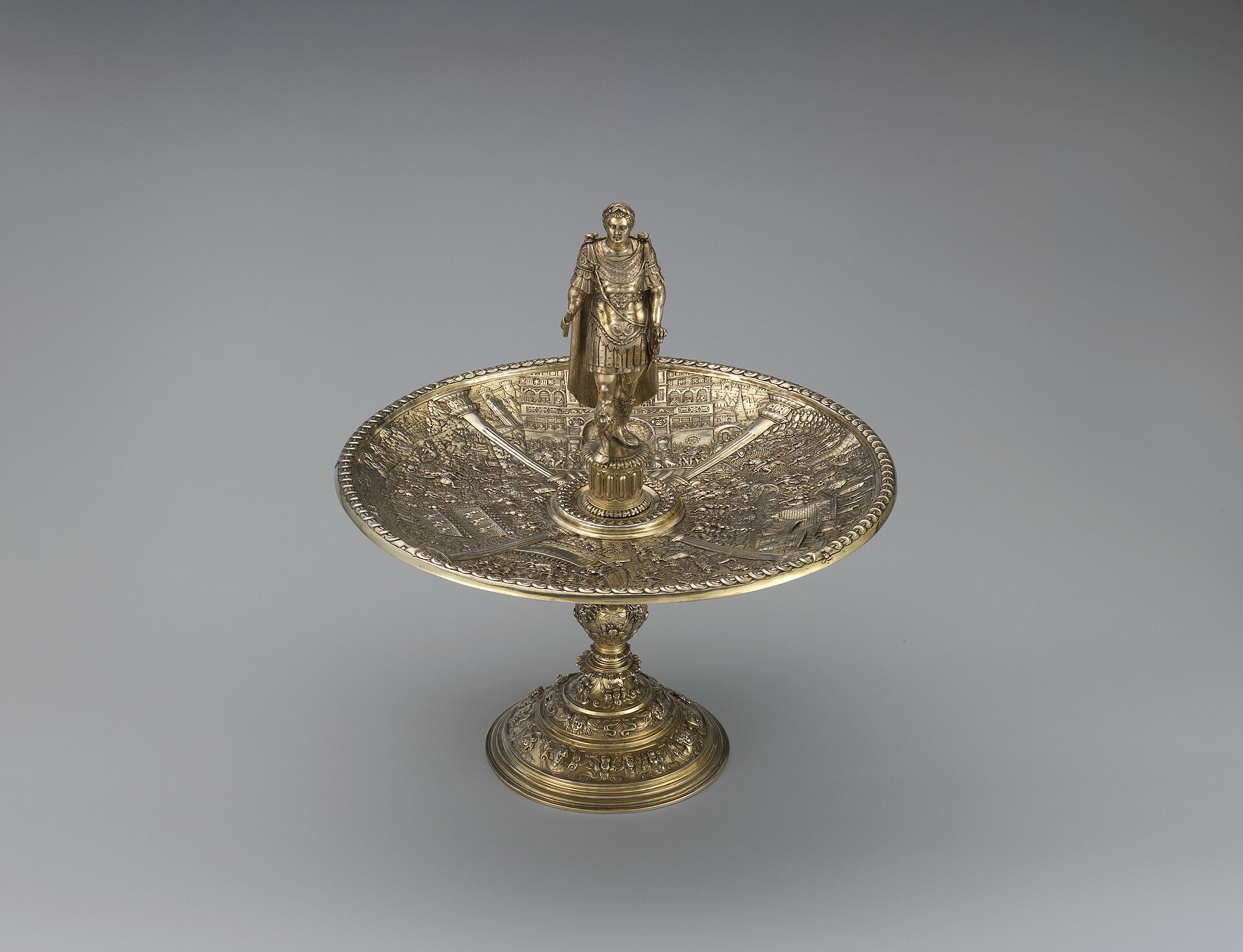
- The Aldobrandini tazze are the case that breaks the method outright: between the 1861 sale of the intact set and the modern sales of single dishes, the set was gilded, six feet were replaced by a forger and the emperors were shuffled on to the wrong dishes.
The number everyone wants from a repeat sale
A repeat sale is the closest thing the art market has to a controlled experiment. The same object, sold twice, with the interval between the two prices read as the return on holding it: this is the logic behind every repeat-sales index ever built for art, and it is the reason auction records are treated as a price series rather than a list of events.
This archive is well placed to test it. Of 198 published records, 133 carry at least one auction result and 57 carry two or more, across 238 individual rows. Forty records carry two or more appearances with a readable date, giving 73 measurable intervals between consecutive sales, and the median interval is 12 years.
Set those series side by side and read what actually moved between the rows, and the experiment turns out to be uncontrolled almost every time. Sometimes the object changed. Far more often the object did not change at all, and everything else did.
The same object, the same name, a lower price
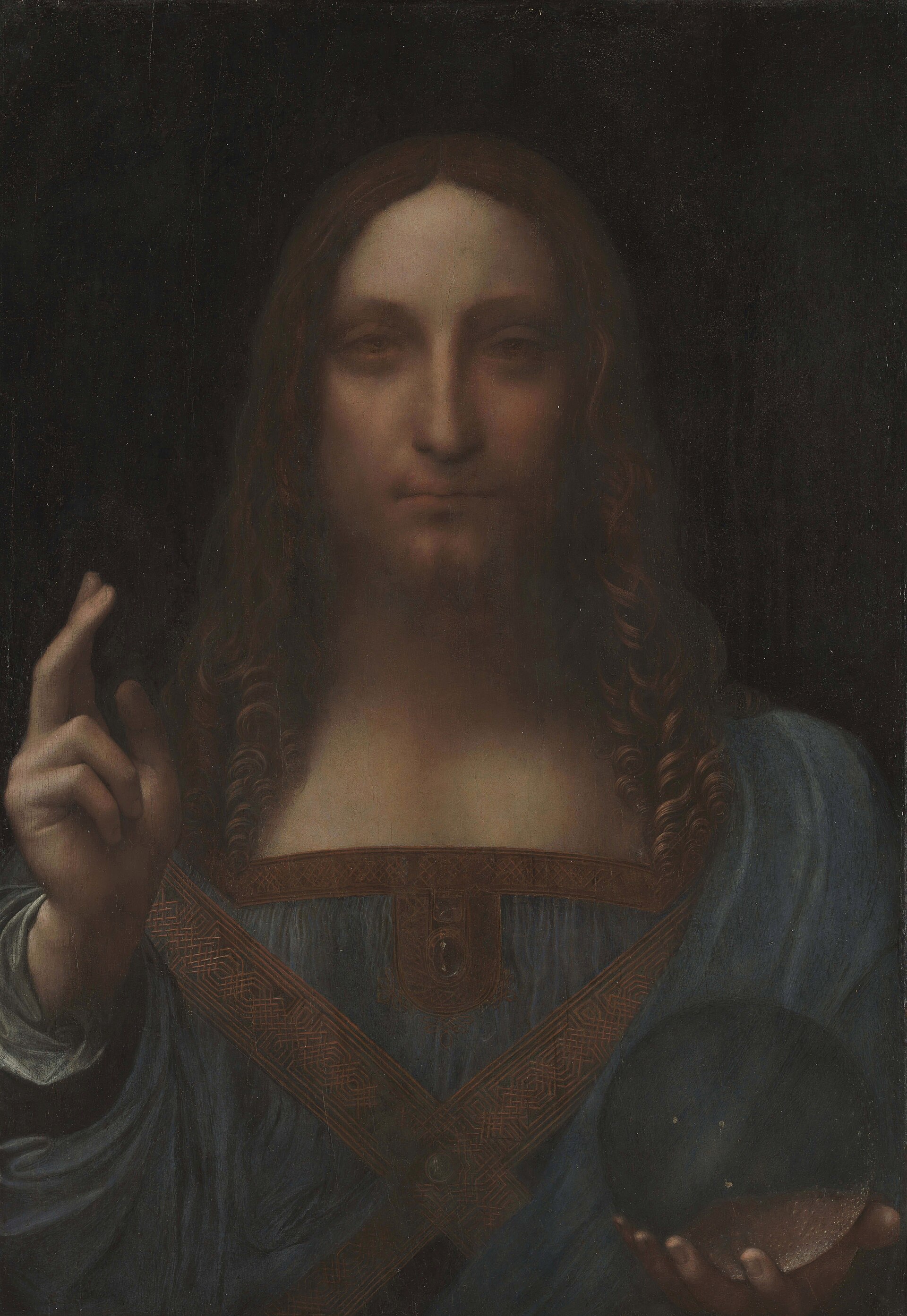
Caravaggio's Taking of Christ was sold twice at the same Edinburgh saleroom eleven months apart, and the second time it made less. The National Gallery of Ireland's catalogue entry gives both lines: Dowell's, Edinburgh, 25 June 1921, lot 30, bought by John Kent Richardson for 8 guineas; Dowell's, Edinburgh, 3 May 1922, lot 480, bought by the Hon. Major Charles Noel for 5 guineas.
Nothing about the picture changed in those eleven months. It had been misattributed to Gerrit van Honthorst since the late eighteenth century, an error the National Gallery of Ireland traces to a misspelling of Honthorst's Italian nickname in the Mattei archives that was then copied into every subsequent document, and it was still catalogued as a Honthorst at both sales. The painting was accepted as Caravaggio's after the technical and archival work of the early 1990s and has been on indefinite loan in Dublin since 1993. It has not been on the market since 1922, and this record publishes no modern valuation for it.
Two rows, eleven months, a fall of three guineas, and a picture that is now one of the most important Caravaggios in existence. As a price series those two figures are perfectly consistent and completely uninformative. They measure what a provincial Scottish saleroom would pay for a Honthorst in the early 1920s.
The same object, a new name, a different market
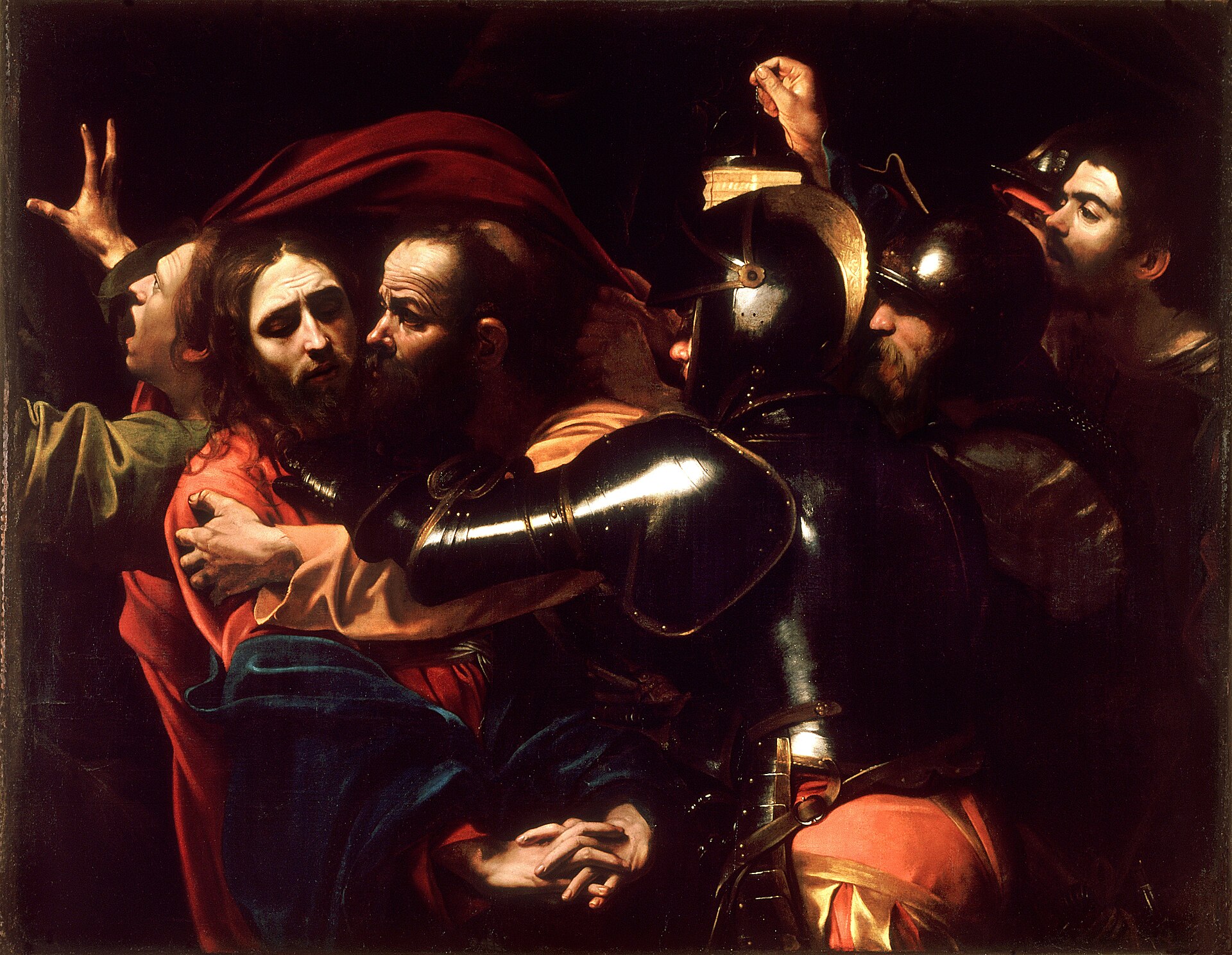
The Turner shows the opposite case at high speed. The picture was bought in at Christie's in 1864 and then disappeared from the public record for 160 years. It resurfaced at Dreweatts in Newbury on 4 April 2024 as lot 23, catalogued as a follower of Julius Caesar Ibbetson and titled House by the Water in a Stormy Sky, making GBP 524.80 with fees.
Fifteen months later the same panel was lot 28 at Sotheby's in London, on 2 July 2025, catalogued as Joseph Mallord William Turner, R.A., The Rising Squall, Hot Wells, from St Vincent's Rock, Bristol, against an estimate of GBP 200,000 to 300,000. It made a hammer of GBP 1.5m, and roughly GBP 1.9m with fees. Sotheby's own catalogue prints the Dreweatts line in the provenance, attribution and all, which is the house being straightforward about what it had bought.
What happened between the two sales was a cleaning that revealed the signature. The pigment, the panel and the composition were the same objects at both sales. The name was not, and the name is what the two prices are measuring.
The longest version of the same story
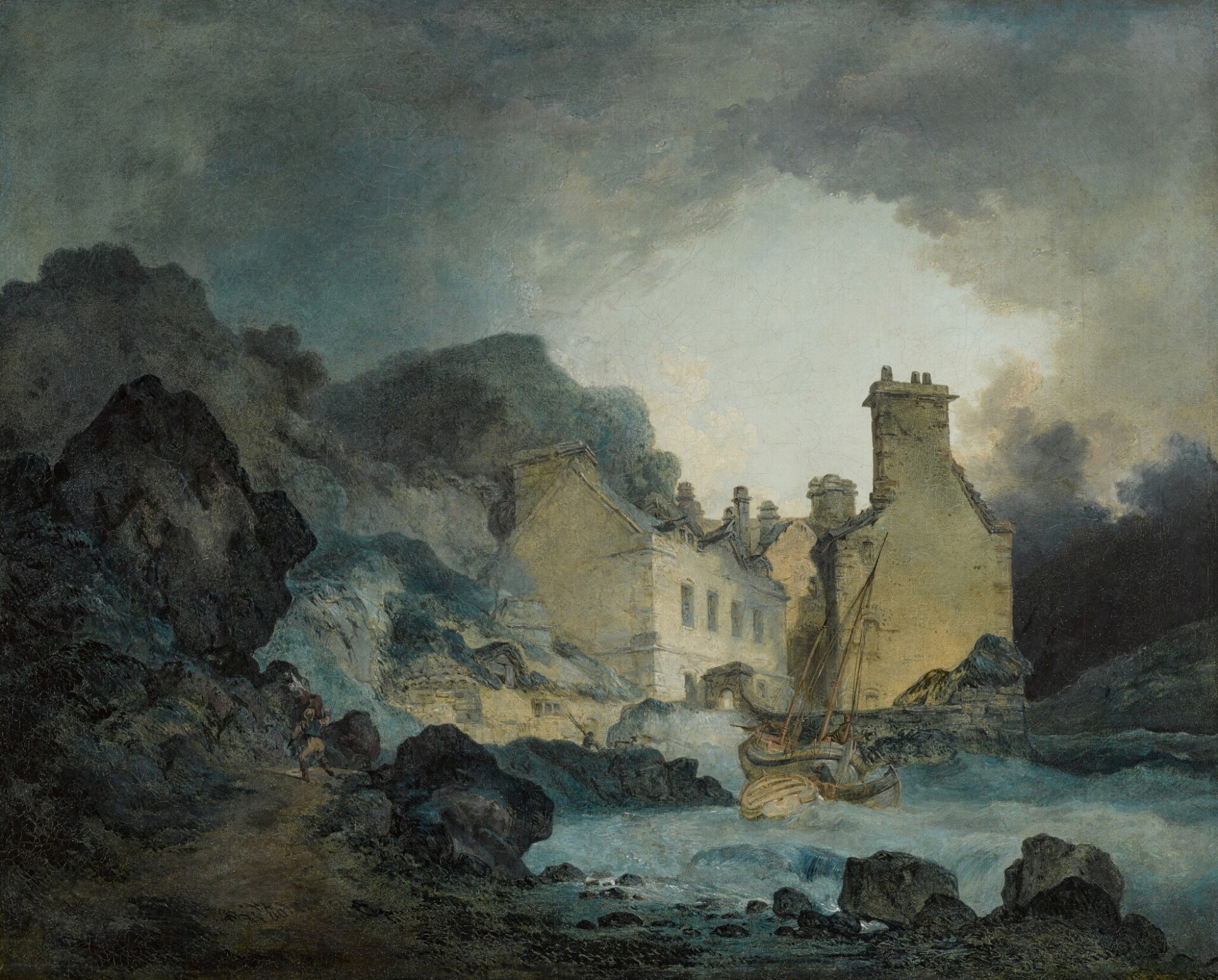
The Salvator Mundi is the extreme case of a price tracking an attribution across sixty years. Its three recorded market events run as follows.
1958, Sotheby's, London: GBP 45. About 120 US dollars at the time, in the dispersal of paintings from the Cook Collection. No buyer's premium existed in London salerooms in 1958, so the reported figure is the hammer and there is no second number behind it.
2005, St Charles Gallery, New Orleans: lot 664. Catalogued, in the restorer Dianne Dwyer Modestini's own account of the purchase, as After Leonardo da Vinci, Christ Salvador Mundi, oil on cradled panel, against an estimate of 1,200 to 1,800 dollars.
2017, Christie's, New York, 15 November: lot 9B. A hammer of 400m dollars and 450.3m with the fee, against a pre-sale estimate in the region of 100m, after more than eighteen minutes of telephone bidding.
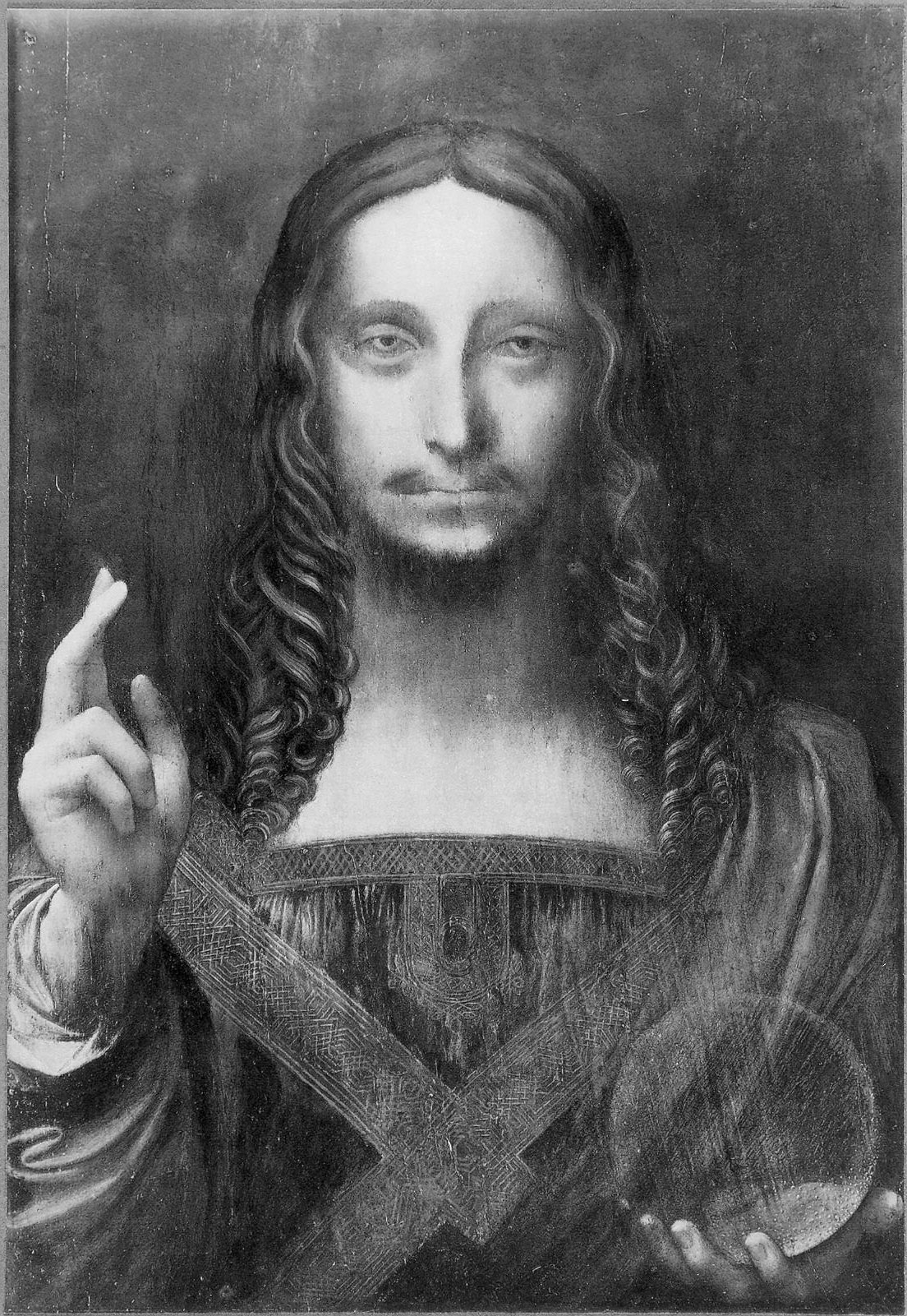
The panel is the same panel throughout, and it is worth saying plainly that it is not the same artefact: it was cleaned and extensively restored between 2005 and 2017, and the attribution remains contested. But no physical intervention accounts for the interval between 45 pounds and 450m dollars. The 1958 lot and the 2017 lot are separated by a name, a restoration and an argument, and the market priced the name. One further detail carries more than it looks: Christie's own lot page places 9B in the Post-War and Contemporary Art Evening Sale, sale 14995. A picture of about 1500 was sold in a contemporary auction, which is a decision about buyers, not about the object.
How often the object is not the constant
In 13 of the 40 multi-sale records in this corpus, the auction rows explicitly record a change of attribution, condition or physical state between appearances. That is close to a third, and it is a floor rather than an estimate: it counts only the cases where the change is documented in the rows themselves.
The Aldobrandini tazze are the case that destroys the method outright, and this record carries a standing warning at the head of its auction table saying so. The whole set, still together, made GBP 1,280 at Christie's in 1861 in the posthumous sale of Charles Scarisbrick, where it was the most expensive lot by a wide margin and made more than twice the price of any of Scarisbrick's pictures. Every later figure in the record is for a single dish. Between the first row and the last, the set was gilded, six feet were replaced by the forger Reinhold Vasters, and the emperor figures were shuffled on to the wrong dishes.
A modern row in that record, the Morgan Vespasian tazza at Sotheby's New York on 1 February 2013, achieved 1,426,500 dollars. Placing that beside 1,280 pounds in 1861 would produce an arithmetic result and no knowledge at all. One figure is for twelve dishes and twelve figures in their nineteenth-century state; the other is for one dish carrying a Vasters foot. They are not two observations of one object.
What the object was called when nobody was looking
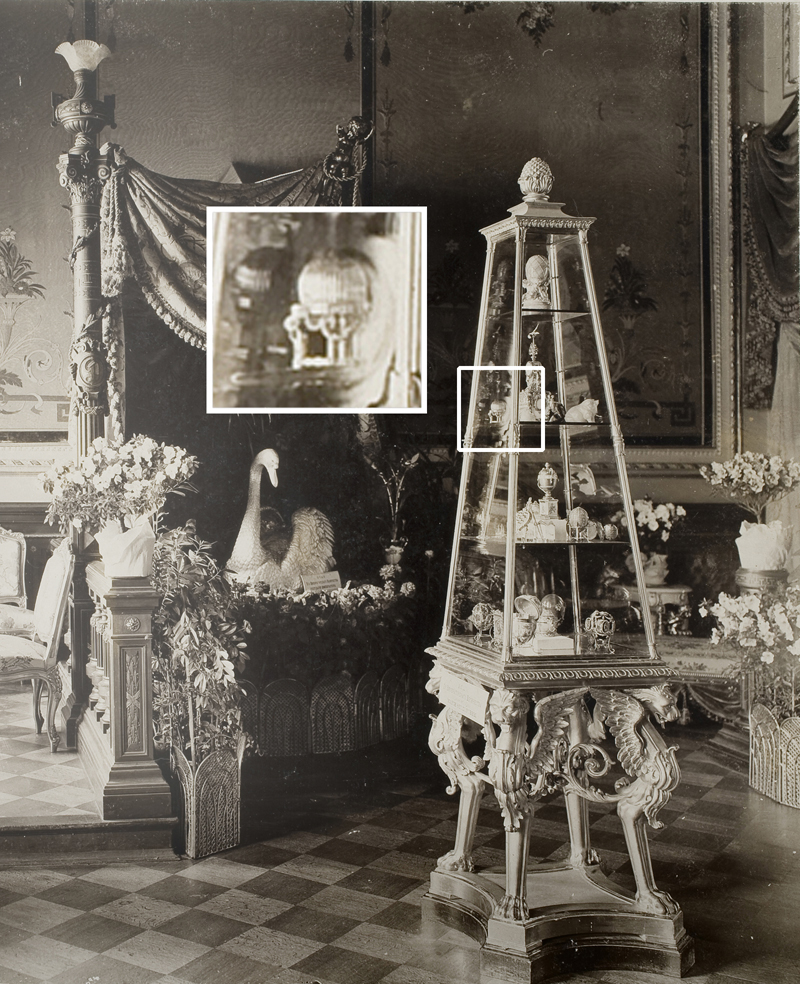
The pattern holds outside painting, and the clearest instance is a Faberge egg sold as a watch. The Third Imperial Easter Egg was lot 259 at Parke-Bernet in New York on 7 March 1964, in the sale of the property of Mrs Rena Clark, and it made 2,450 dollars. It was catalogued as a gold watch in an egg-form case on a wrought three-tone gold stand, set with jewels, and the only maker named in the entry was Vacheron and Constantin. Neither Faberge nor the Russian imperial provenance appears.
The egg was recognised half a century later and sold privately through Wartski in London in 2014. This archive records that transaction specifically to stop the widely repeated figure of about 33m dollars being read as an auction result: Wartski bought the egg from the finder and sold it on, neither party disclosed a price, and the number comes from press reporting rather than from any published result. It is not a second data point in a series. It is a report about a private transaction.
The same caution applies to the Bernini in this corpus. A bust of Pope Paul V, consigned misattributed by heirs, sold at auction in Bratislava in 2014 for EUR 24,000, at its pre-sale estimate; the J. Paul Getty Museum acquired it ten months later in a private sale arranged by Sotheby's, reported at 33m dollars. The multiple measures what an attribution is worth. It does not measure what the marble had become.
How to use a repeat sale without being fooled by it
The discipline that makes a repeat sale usable is the same one this archive applies to every auction row: establish what the object was called, and what physical state it was in, at each appearance before comparing the figures. That is a research task, not an arithmetic one, and it is why prices realised are commoditised data while researched sale histories are not.
Three checks do most of the work. First, read the catalogue attribution at each sale rather than the modern one, because the modern name is what the compiler knows and the catalogue name is what the buyers were bidding on. Second, establish whether the lot was the same physical extent at both dates, since sets are broken, pairs are split and single dishes are sold out of services. Third, separate hammer from premium at every row and refuse to compare across the 1975 line without doing so, because a pre-premium figure and a premium-inclusive figure are not the same kind of number.
Applied to this corpus those checks disqualify a great many pairs and leave a residue that is genuinely informative. What survives tends to show something narrower and more useful than a return on art: it shows the price of scholarship. The eleven months between 8 guineas and 5 guineas measure nothing. The fifteen months between GBP 524.80 and GBP 1.5m measure a cleaning and a signature.
Questions
Only if the object and its attribution were the same at both sales. In this archive 13 of the 40 multi-sale records document a change of attribution, condition or physical extent between appearances, so roughly a third of the available series are not comparing like with like. The Aldobrandini tazze are the clearest failure: the 1861 figure is for the intact set of twelve, every later figure is for a single dish.
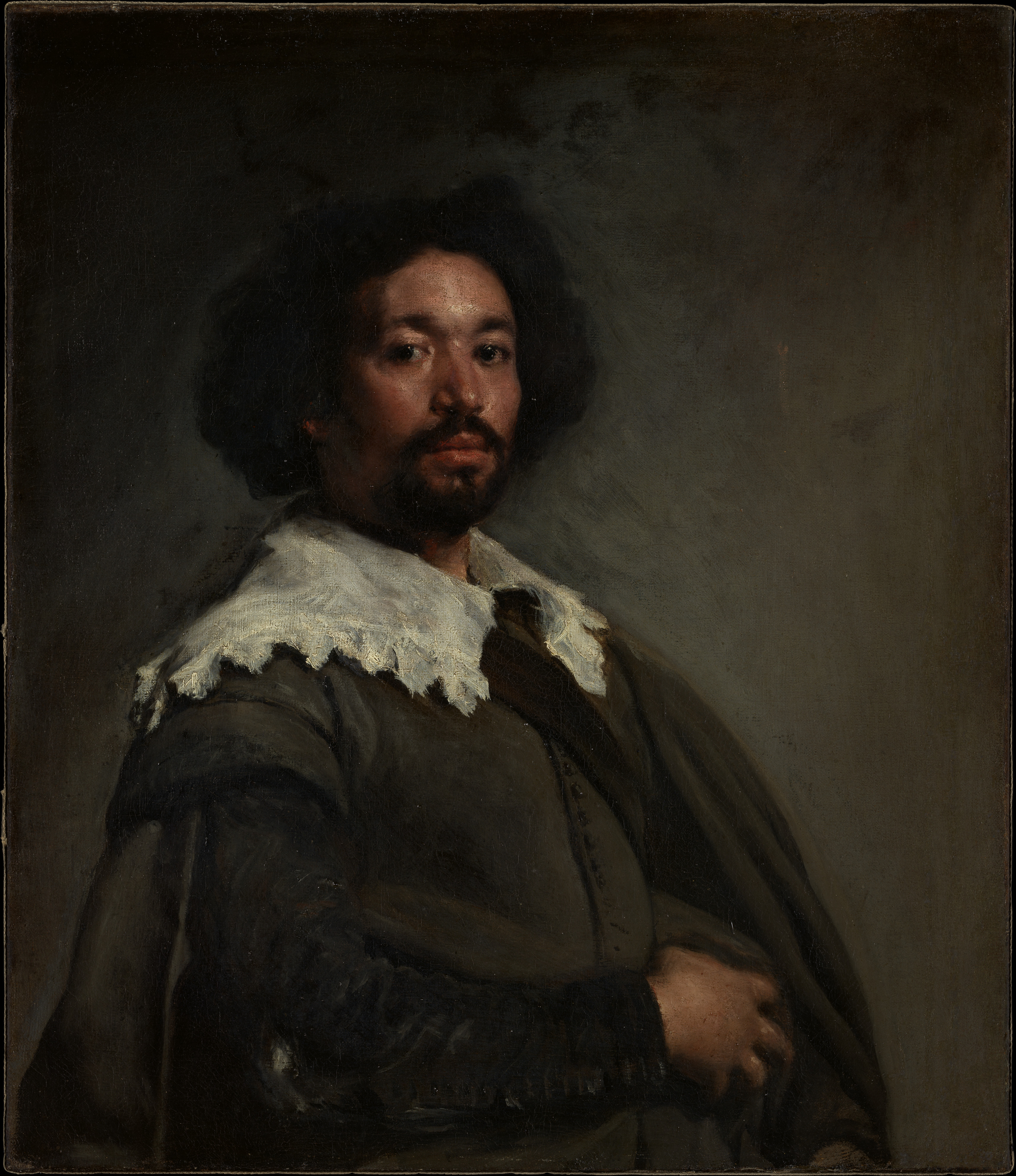
Across the 40 records here with two or more dated auction appearances, the median interval between consecutive sales is 12 years and the mean is 35. The distribution has a very long tail. The Canaletto Bucintoro ran 242 years between Langford's in June 1751, where it made GBP 34 13s, and Ader Tajan in December 1993. The Frans Post ran 216 years, from 160 francs at Paillet and Delaroche in 1809 to 6m dollars at Sotheby's in May 2025. Velazquez's Juan de Pareja ran 169 years between two Christie's sales, 39 guineas in March 1801 and GBP 2,310,000 in November 1970.
Christie's placed it as lot 9B in the Post-War and Contemporary Art Evening Sale, sale 14995, on 15 November 2017. That is a decision about which buyers would be in the room rather than a statement about the picture, and it is a good illustration of how much of a reported price is produced by the sale's construction rather than by the object.
No, and this archive keeps them apart. A private treaty sale carries no buyer's premium, so there is no hammer and premium to separate, and the price is disclosed only if the parties choose. The 33m dollars attached to the Third Imperial Easter Egg comes from press reporting of a Wartski transaction that no party disclosed, and it is recorded here to prevent it being read as a result.
Sources
- 1National Gallery of Ireland, online collection, object 2882, 'The Taking of Christ'. Institutional provenance entry giving Dowell's, Edinburgh, 25 June 1921, lot 30, 8 guineas to John Kent Richardson, and Dowell's, Edinburgh, 3 May 1922, lot 480, 5 guineas to the Hon. Major Charles Noel. onlinecollection.nationalgallery.ie/objects/...
- 2National Gallery of Ireland, 'How did a masterpiece by Caravaggio end up in a Dublin dining room?'. Source for the Honthorst misattribution and the misspelling in the Mattei archives repeated on every successive document. nationalgallery.ie/art-and-artists/...
- 3Sotheby's, lot 28, 'The Rising Squall, Hot Wells, from St Vincent's Rock, Bristol', Old Master and 19th Century Paintings Evening Auction, London, 2 July 2025, L25033. Catalogue provenance printing the Dreweatts sale of 4 April 2024, lot 23, as follower of Julius Caesar Ibbetson, and the estimate of GBP 200,000 to 300,000. sothebys.com/en/...
- 4The Art Newspaper, 4 July 2025, 'GBP 500 Turner painting sells for almost GBP 2m in Sotheby's Old Master sale'. Source for the GBP 1.5m hammer, the figure of about GBP 1.9m with fees, and the GBP 524.80 with fees paid at Dreweatts in 2024. theartnewspaper.com/2025/...
- 5Dianne Dwyer Modestini, 'History of the Salvator Mundi', Salvator Mundi Revisited. The restorer's own account, giving the 1958 Cook Collection sale at 45 pounds, about 120 dollars, and the 2005 New Orleans catalogue entry as lot 664, After Leonardo da Vinci, estimate 1,200 to 1,800 dollars. salvatormundirevisited.com/History-of-the-Salvator-Mundi
- 6Scott Reyburn, 'Five years since the $450m Salvator Mundi sale: a first-hand account of the nonsensical auction', The Art Newspaper, 15 November 2022. Source for the 400m hammer, the 450.3m total with premium, the estimate in the region of 100m and the eighteen minutes of bidding. theartnewspaper.com/2022/...
- 7Christie's, lot 9B, Leonardo da Vinci (1452-1519), Salvator Mundi, Live Auction 14995, Post-War and Contemporary Art Evening Sale, New York, 15 November 2017. Source for the lot number and the sale in which the picture was placed. The page is bot-walled to fetchers and was read in a browser. christies.com/en/...
- 8Iconotheca, records.json, the published corpus of 198 researched object records with hammer and premium separated on every auction row. All counts and intervals in this article are computed from the published auction results of that corpus. iconotheca.com/artworks
More in The Market
The partThe hammer is the one number most auction houses do not print
Of 232 auction results in this archive, 53 carry no hammer price published by the house that sold the object.
The Objects Whose Price Was Set by a Tax Bill and Not a Buyer
The Louvre did not buy the most famous Vermeer in France. It accepted it against a death duty, and the acquisition price is not withheld, it does not...
The House That Cannot Be Asked: Who Keeps the Price After the Sale
Half this archive's sale record sits with two firms you can still write to. The other half sits with houses that shut, and with bodies that were...