The Collector Became a Legal Person
Twelve records here sit in a museum that carries a collector's name. In none of them is the museum the owner. The owner is a trust, a foundation, a city or a state the collector's deed created, and its terms still decide what the object can do.
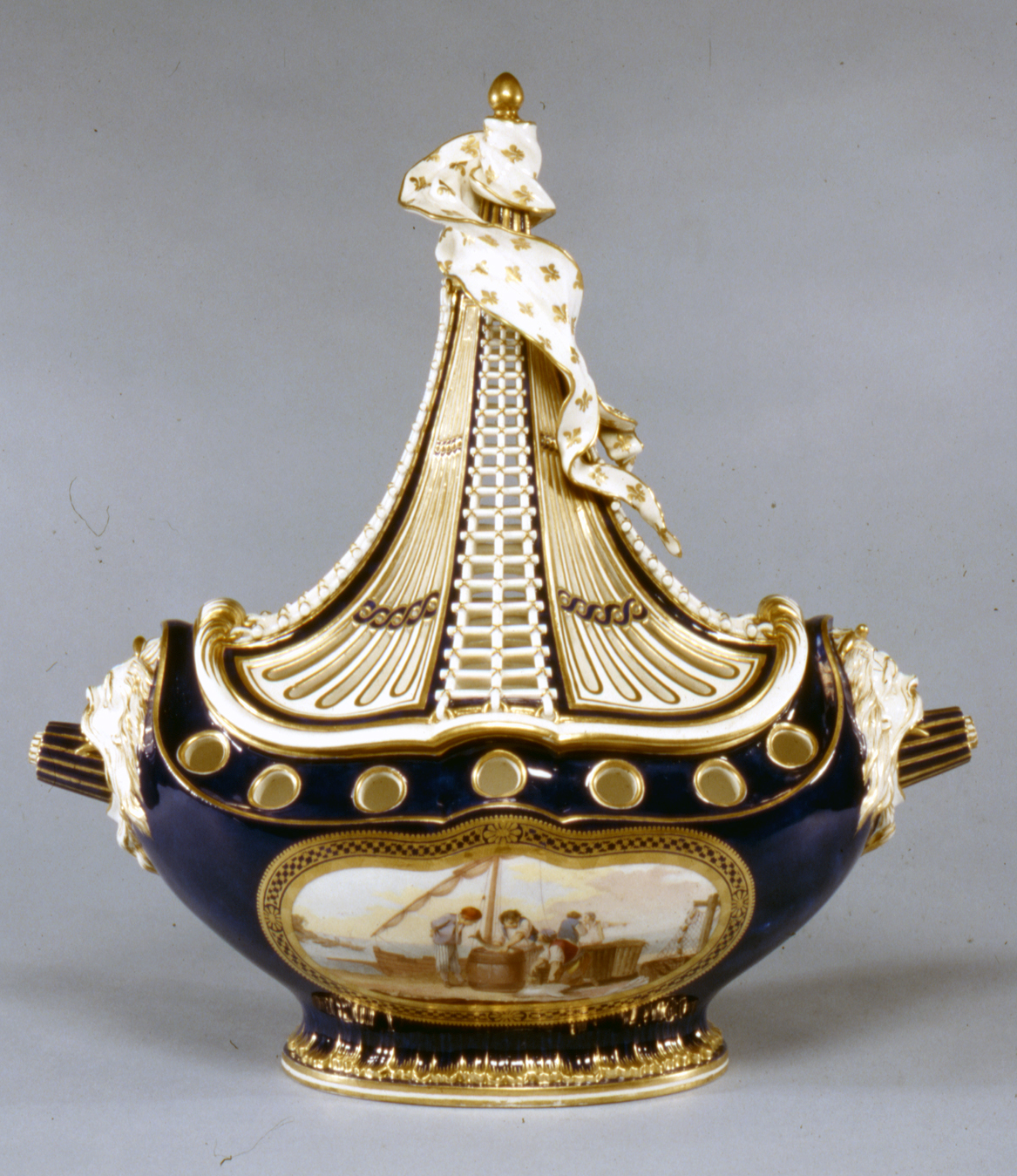
Records in this piece: La Princesse du pays de la porcelaine, The Concert, Adam and Eve, Rue Saint-Honore in the Afternoon. Effect of Rain, Statue of a Victorious Youth, Kouros, Potpourri Vase (Vase potpourri a vaisseau), The Amphilochios Paten, Mamusse Wunneetupanatamwe Up-Biblum God, The Most Lamentable Romaine Tragedie of Titus Andronicus (the Folger quarto, 1594), The Hunt-Lenox Globe, The Thinker
On this page 7 sections
ContentsClose
In short
- Twelve records in this archive are held by an institution named for a collector who appears in the provenance chain. In none of them is the institution with the name the owner. Title sits with a legal person the collector created or chose: a trust, a foundation, a municipality, a college or a state.
- The instrument decides what the object can still do. Charles Lang Freer's 1906 deed forbids the Freer Gallery to lend or borrow, so the Princesse has not left the Peacock Room since 1923. Isabella Stewart Gardner's 1924 will forbids permanent changes to the displays, so the frame of the stolen Concert stays on the wall.
- The instrument also decides who gets sued. The Cranach claim was brought against the Norton Simon Art Foundation and decided by the Ninth Circuit in 2018. The Pissarro claim is against the Fundacion Coleccion Thyssen-Bornemisza, which bought 775 works by a contract of 21 June 1993. Italy's forfeiture of the Victorious Youth was answered at Strasbourg by the J. Paul Getty Trust, not by the museum.
- Henry Walters left his collection, two buildings and an endowment to the City of Baltimore in 1931, so the Sevres vase and the Kaper Koraon paten are municipal property. Henry Folger's library is administered under the auspices of Amherst College. Rodin gave everything to the French state in 1916, and The Thinker in the garden is inalienable.
- The collector's name on the door is a credit line, not a title deed. The last link of these twelve chains is a change of legal person, usually on a death, and it is the link most often left out of a published provenance because nothing visibly moved.
The name on the building is not the owner
A museum that carries a collector's name is almost never the legal owner of the objects inside it, and twelve records in this archive show who is. We took every published record whose current holder is named for a person in its own provenance chain and read the last link of each. The Freer Gallery does not own the Princesse; the Smithsonian Institution does, under a deed of 1906. The Norton Simon Museum does not own the Cranach panels; the Norton Simon Art Foundation does. The Museo Thyssen-Bornemisza does not own the Pissarro; the Fundacion Coleccion Thyssen-Bornemisza does. The Walters Art Museum does not own the Sevres vase; the City of Baltimore does. The Getty Villa does not own the Victorious Youth; the J. Paul Getty Trust does.
The twelve chains show why the distinction matters. The instrument that turned a person's possessions into an institution's property is still in force, and its clauses decide today whether an object can travel, whether the room around it can change, and who stands as defendant when somebody claims it. A provenance that ends with the museum's name has skipped the one link that governs everything after it.
Freer's deed and Gardner's will still run the rooms
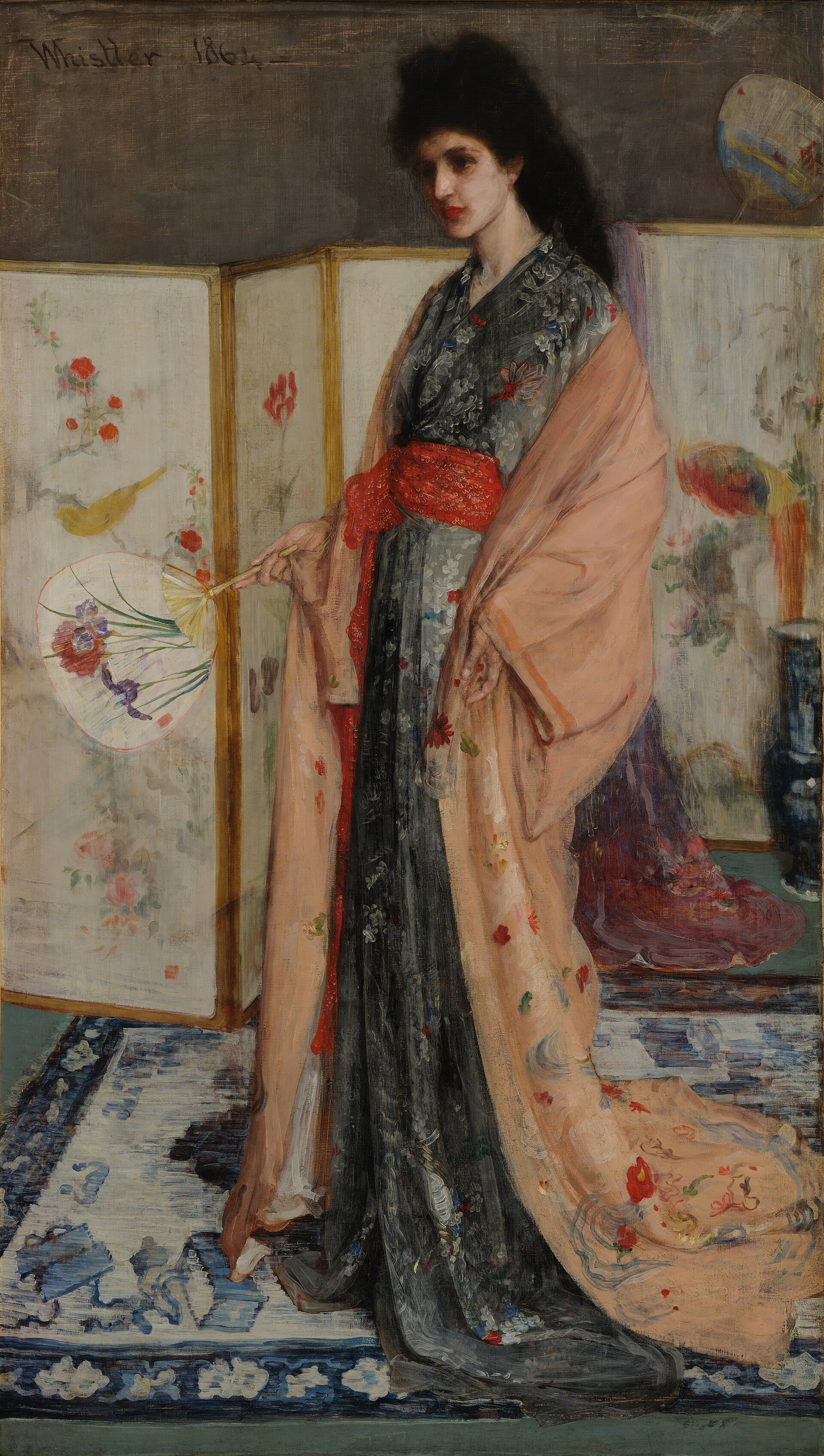
Two collectors in this archive wrote conditions that their institutions still obey a century later, and both conditions are visible from the gallery floor. Charles Lang Freer promised his collection to the Smithsonian in 1906, and the gift, as Apollo's account of the gallery puts it, came with tight strings: to this day the staff cannot borrow or lend anything, and can buy only in categories he dictated. The Princesse du pays de la porcelaine, which Freer bought from William Burrell on 20 August 1903 for 3,750 pounds, a few weeks after Whistler died, has hung above the fireplace of the reconstructed Peacock Room since the gallery opened in 1923. Our record states the consequence in one line: Freer's bequest terms prohibit the painting from being lent outside the Gallery. Its exhibition history after 1923 is therefore a single entry, and will stay one.
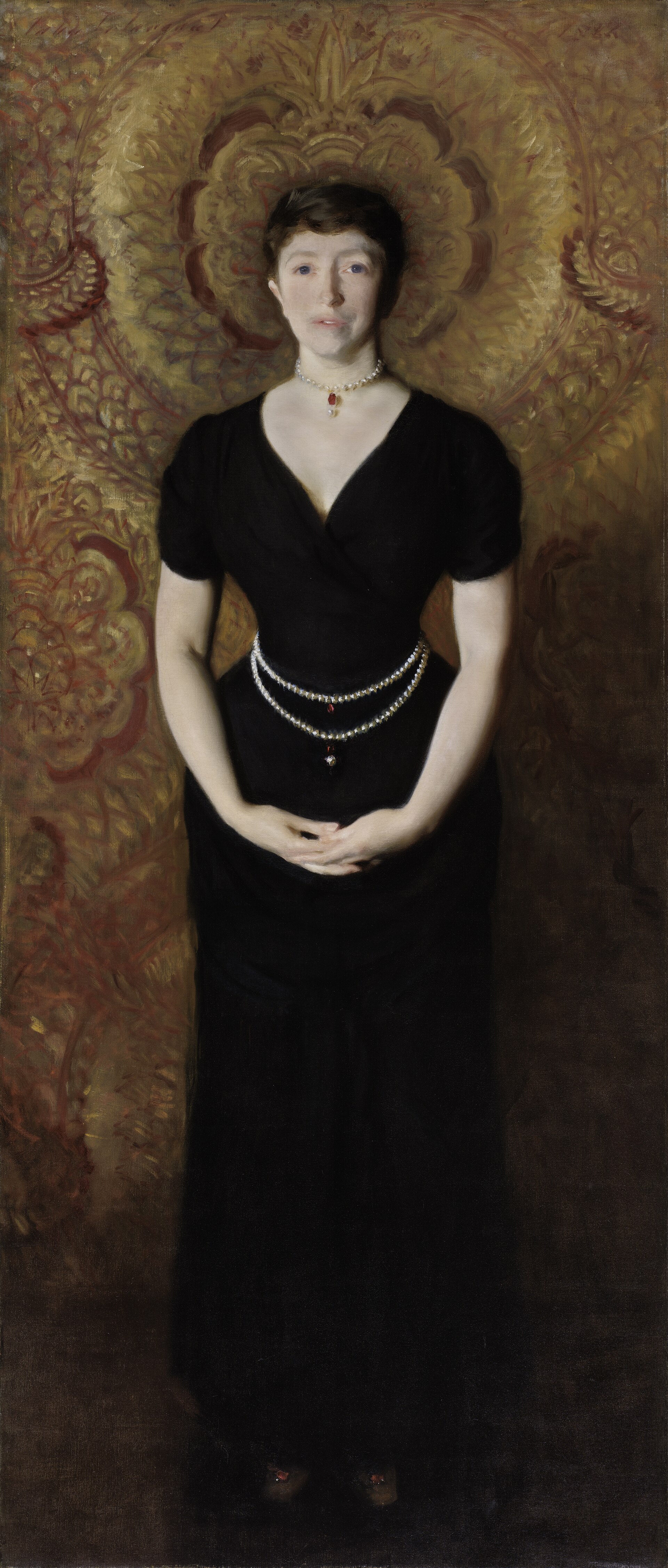
Isabella Stewart Gardner bought The Concert at the Thore-Burger sale in Paris on 5 December 1892 for 29,000 francs at the hammer, opened Fenway Court to the public on 1 January 1903 and died in 1924. The museum's own biography says her will left clear instructions to make no permanent changes to the displays. When the picture was stolen on 18 March 1990 the will did not change, so the empty frame hangs where the picture hung. The owner of the painting is the Isabella Stewart Gardner Museum as a corporation under that will, which is why our record's last link reads title remains with the museum and not with any insurer: it carried no theft cover, so no policy paid out and no interest passed.
The foundation is the defendant
When an object in a named museum is claimed, the party in court is the legal person, and two records here have been through it. The Cranach Adam and Eve were bought in 1971 for 800,000 dollars, through the seller's agent, by what our record gives as the Norton Simon Art Foundation and Norton Simon Museum of Art at Pasadena; the museum's own location line says the panels are owned by the Norton Simon Art Foundation. Marei von Saher, the sole surviving heir of Jacques and Desi Goudstikker, brought her claim in 2007. The Ninth Circuit affirmed summary judgment for the museum on 30 July 2018 on the act of state doctrine, holding that the Dutch government's 1966 conveyance to George Stroganoff was an official act it could not nullify, and the Supreme Court declined to hear the case on 20 May 2019. The claim was rejected without any finding that the 1940 taking was lawful, which is exactly the shape a title settled by procedure rather than merits takes.
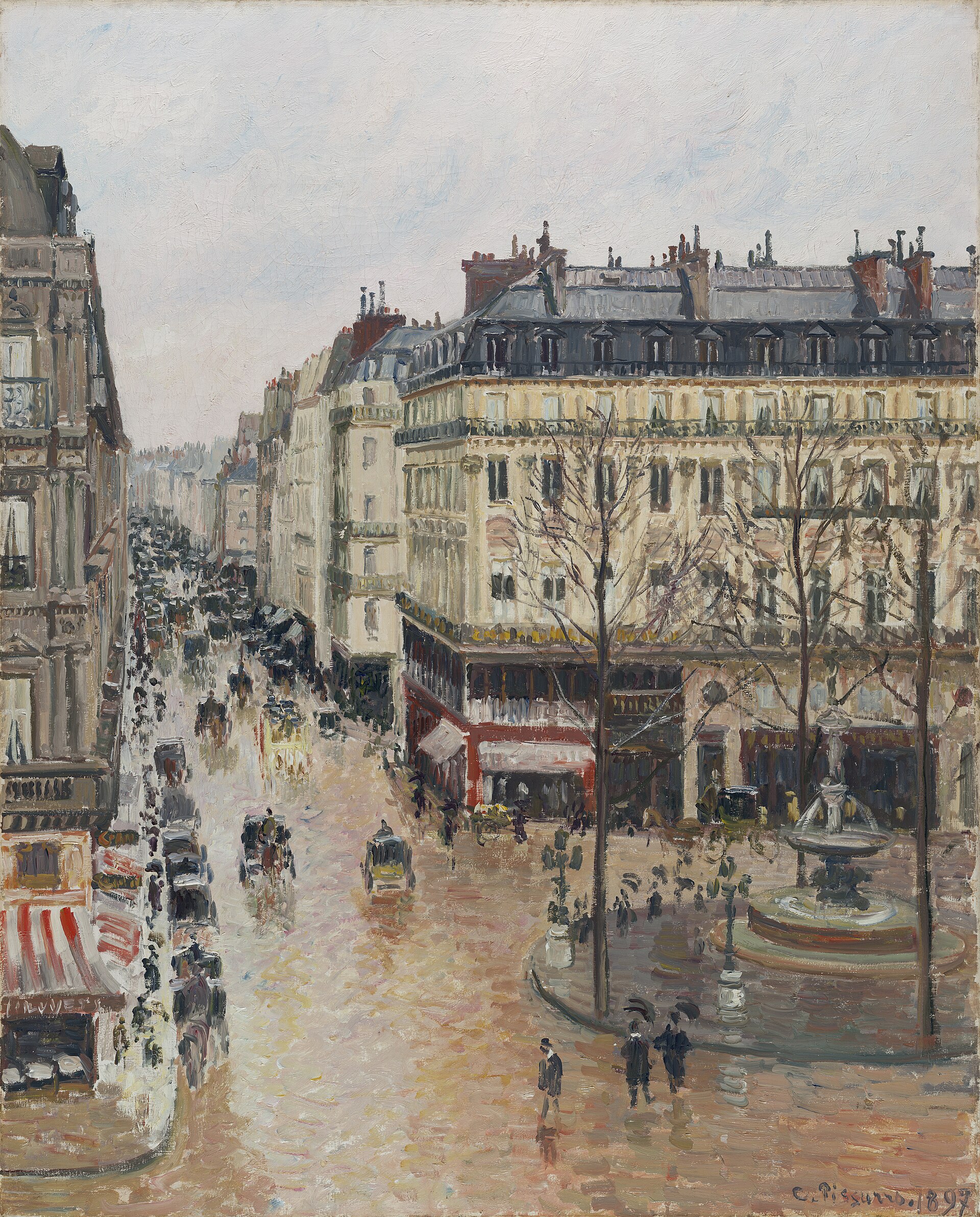
The Pissarro is the same shape with the outcome still open. Baron Hans Heinrich Thyssen-Bornemisza bought Rue Saint-Honore in the Afternoon, Effect of Rain from the Stephen Hahn Gallery in 1976. On 21 June 1993 the Fundacion Coleccion Thyssen-Bornemisza, a foundation set up for the purpose, bought 775 works from Favorita Trustees Limited under a contract the foundation's own chronology describes, for a sum reported at 350 million dollars. The foundation, not the Baron and not the museum, has been the defendant since the Cassirer family sued in 2005. Every United States court to reach the merits has found for it; the last such judgment was vacated by the Supreme Court on 10 March 2025 and the case is pending again in California. Our record grades that link disputed, and it names the foundation as the party whose title is disputed, because that is who signed the contract.
The trust that bought after the collector died
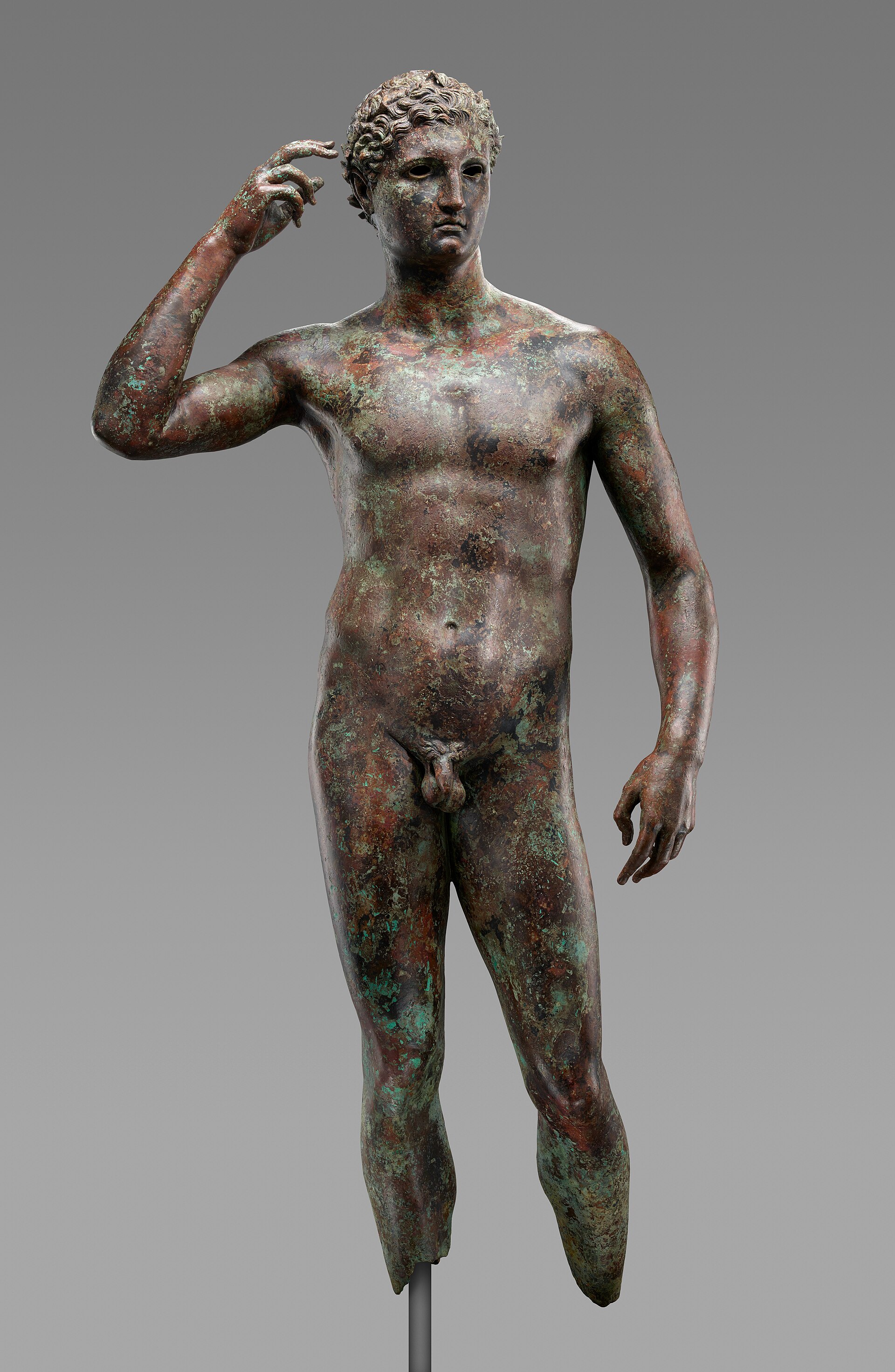
J. Paul Getty appears in neither of the two Getty chains here as a buyer, because both objects were bought by the trust that bears his name after he was gone. The Victorious Youth was sold in 1977 by Artemis, a Luxembourg corporation, to the J. Paul Getty Trust for 3.95 million dollars, a sale Interpol reported to the Italian authorities the same year. The kouros was taken on loan for approval from the Basel dealer Gianfranco Becchina in September 1983 and bought in January 1985 for a price given as 9.5 or 10 million dollars, over the objection of a founding trustee who had called it a forgery and left the board. In both cases the purchaser was a trust acting through its museum, and in both the name on the building belongs to a man who never saw the object.
The trust is also the party that answers for the purchase. When Italy's courts ordered the confiscation of the bronze, an order confirmed after a public hearing at Pesaro on 8 June 2018 and upheld by the Court of Cassation, it was the J. Paul Getty Trust and fourteen American nationals who lodged application no. 35271/19 at the European Court of Human Rights on 28 June 2019. The judgment of 2 May 2024 found no violation of Article 1 of Protocol No. 1, holding that the Trust's acquisition had been negligent and that it had implicitly accepted the risk of confiscation without compensation. The statue is still in Gallery 111 at the Villa. The legal person that bought it is the legal person that lost at Strasbourg, and the museum, as a museum, was never a party.
The city, the college and the state
Three collectors in this archive chose a public body rather than a foundation, and the objects are public property in the plainest sense. Henry Walters died on 30 November 1931 and bequeathed to the City of Baltimore, in the museum's own words, an extensive art collection begun by his father, two buildings and an endowment; the Walters Art Gallery opened as a municipal museum on 3 November 1934. The Sevres pot-pourri vase he bought from A. Seligmann, Rey and Co. in 1928, and the Amphilochios paten he bought from Joseph Brummer in 1928 or 1929, entered the city's ownership on his death and have stayed there. The museum's name is his; the title is Baltimore's.
Henry Clay Folger bought the only surviving copy of the 1594 Titus Andronicus in January 1905 for 2,000 pounds through Sotheran's, in a private treaty sale entered in the bookseller's books as stock so that his name would not appear. He died in June 1930, two years before the library he had built opened, and the Folger Shakespeare Library is administered, on its own account, by a Board of Governors under the auspices of Amherst College, his alma mater. Auguste Rodin went further than any of them. In 1916, a year before his death, he bequeathed all his works and possessions to the French state, which bought the Hotel Biron in exchange and committed to making it a museum. The Thinker that stands in its garden was bought by public subscription for the people of Paris in 1906 and transferred to the Musee Rodin in 1922, and as state property it is inalienable and has never been offered for sale. The museum that carries his name is the state's instrument for holding what he gave the state.
Twelve objects, the collector on the door and the person who owns them
The twelve chains reduce to one table, and the column that matters is the fourth.
| Record | Collector on the door | Died | Owner of record today | Instrument | A term still in force |
|---|---|---|---|---|---|
| Whistler, La Princesse | Charles Lang Freer | 1919 | Smithsonian Institution | Deed of gift, 1906 | No loans out, no loans in |
| Vermeer, The Concert | Isabella Stewart Gardner | 1924 | Isabella Stewart Gardner Museum, under her will | Will, 1924 | No permanent changes to the displays |
| Cranach, Adam and Eve | Norton Simon | 1993 | Norton Simon Art Foundation | Foundation purchase, 1971 | Title affirmed by the Ninth Circuit, 2018 |
| Pissarro, Rue Saint-Honore | Hans Heinrich Thyssen-Bornemisza | 2002 | Fundacion Coleccion Thyssen-Bornemisza | Contract of 21 June 1993 | Title disputed in the Cassirer litigation |
| Victorious Youth | J. Paul Getty | 1976 | J. Paul Getty Trust | Trust purchase, 1977 | Italian forfeiture order, upheld at Strasbourg 2024 |
| Getty kouros | J. Paul Getty | 1976 | J. Paul Getty Trust | Trust purchase, 1985 | Off display since 2018 as Greek or modern forgery |
| Sevres vaisseau a mat | Henry Walters | 1931 | City of Baltimore | Will, 1931 | Municipal property |
| Amphilochios paten | Henry Walters | 1931 | City of Baltimore | Will, 1931 | Municipal property |
| Eliot Indian Bible | A. S. W. and Philip Rosenbach | 1952 and 1953 | The Rosenbach, a foundation | Testamentary gift, opened 1954 | Affiliated with the Free Library of Philadelphia Foundation since 2013 |
| Titus Andronicus, 1594 | Henry Clay Folger | 1930 | Folger Shakespeare Library, under Amherst College | Trust, library opened 1932 | Administered by a Board of Governors under Amherst |
| Hunt-Lenox Globe | James Lenox | 1880 | New York Public Library | Consolidation of 23 May 1895 | Lenox Library merged with Astor and Tilden |
| Rodin, The Thinker | Auguste Rodin | 1917 | French state, through the Musee Rodin | Bequest to the state, 1916 | Inalienable |
The dates in the third column are the dates of the last link in eleven of the twelve chains, because that is when the person became a legal person. The Thyssen case is the exception, since the foundation bought while the Baron was alive, which is why the seller in that chain is a trustee company and not an estate.
Why the last link is the one left out
The change from a collector to a legal person is the link a published provenance most often omits, because nothing visibly happened to the object. The Princesse hung in Freer's house in Detroit and then in his gallery in Washington; the deed of 1906 moved title while the painting stayed on its nail. The Sevres vase was in Walters's building in Baltimore before and after 30 November 1931. Museum provenance lines tend to end with the institution's name and an accession year, and the reader is left to assume that the institution and the owner are the same thing. In these twelve cases they are not, and the difference has decided a theft investigation, two restitution claims, a forfeiture at Strasbourg and the exhibition history of a painting that has not moved in a hundred years.
We record the instrument where we can find it, and we record the legal person it created as the owner in the last link, because that is who can lend, who can sell, who can be sued and who can refuse. A collector's name on the door tells a visitor whose taste built the room. It tells a researcher nothing about who holds the title, and the deed usually says something the name does not.
Questions
No. Charles Lang Freer signed a deed of gift to the Smithsonian Institution in 1906, and the Smithsonian is the owner. The deed's terms still forbid the Freer Gallery to lend or borrow, which is why the painting has hung above the Peacock Room fireplace since the gallery opened in 1923 and has no exhibition history since.
Because Isabella Stewart Gardner's will of 1924 instructs that no permanent changes be made to the museum's displays. The painting was stolen on 18 March 1990 and the museum carried no theft cover, so title never passed to an insurer and the frame stays where the picture hung.
The Norton Simon Art Foundation, which bought the panels in 1971 for 800,000 dollars. It was the party in Von Saher v. Norton Simon Museum of Art at Pasadena, in which the Ninth Circuit affirmed the museum's title on 30 July 2018 under the act of state doctrine; the Supreme Court declined review on 20 May 2019.
The Fundacion Coleccion Thyssen-Bornemisza, the foundation that bought 775 works from Favorita Trustees Limited by a contract of 21 June 1993. The claim was brought in 2005. The last judgment in the foundation's favour was vacated by the Supreme Court on 10 March 2025 and the case is pending in California.
No. Getty died in 1976 and the J. Paul Getty Trust bought the bronze from the Luxembourg corporation Artemis in 1977 for 3.95 million dollars. The Trust was the applicant at the European Court of Human Rights, which on 2 May 2024 found no violation in Italy's confiscation order.
The City of Baltimore. Henry Walters died on 30 November 1931 and bequeathed the collection, two buildings and an endowment to the city, and the museum opened as a municipal institution on 3 November 1934.
Sources
- 1Eve M. Kahn, Charles Lang Freer's gift to the American people, Apollo, 28 October 2017. Read in full 17 September 2026. Source for the 1906 promise to the Smithsonian, the tight strings, the rule that staff cannot borrow or lend anything and can buy only in categories Freer dictated, and the American holdings that cannot technically grow. apollo-magazine.com/charles-lang-freers-gift-to-the-ameri...
- 2Isabella Stewart Gardner Museum, Isabella Stewart Gardner, biography page. Read in full 17 September 2026. Source for Fenway Court opening in 1903, her death in 1924 and the will's instruction to make no permanent changes to the displays. gardnermuseum.org/about/...
- 3Isabella Stewart Gardner Museum, The Theft. Read in full 17 September 2026. Source for 18 March 1990 and the thirteen works. gardnermuseum.org/about/...
- 4United States Court of Appeals for the Ninth Circuit, Von Saher v. Norton Simon Museum of Art at Pasadena, No. 16-56308, opinion filed 30 July 2018. Read in full 17 September 2026. Source for the 1971 purchase for 800,000 dollars through Stroganoff's agent, the act of state holding and the affirmance of summary judgment. cdn.ca9.uscourts.gov/datastore/...
- 5Museo Nacional Thyssen-Bornemisza, Lawsuit Cassirer / Thyssen, the foundation's published chronology, March 2025. Read in full 17 September 2026. Source for the contract of 21 June 1993 between the Fundacion Coleccion Thyssen-Bornemisza and Favorita Trustees Limited, the 2005 claim and the foundation's position as owner. museothyssen.org/sites/...
- 6The Walters Art Museum, About, history and mission page. Read in full 17 September 2026. Source for the establishment in 1934 for the benefit of the public and Henry Walters's bequest to the City of Baltimore of the collection, two buildings and an endowment. thewalters.org/about/...
- 7Folger Shakespeare Library, About us. Read in full 17 September 2026. Source for the statement that the library is administered by a Board of Governors under the auspices of Amherst College, Henry Clay Folger's alma mater. folger.edu/about-us
- 8Musee Rodin, The Musee Rodin, the artist's heir. Read in full 17 September 2026. Source for the 1916 bequest of all his works and possessions to the French state, the state's purchase of the Hotel Biron and the 1919 opening. musee-rodin.fr/en/...
- 9The Rosenbach, About. Read 17 September 2026. Source for the December 2013 affiliation with the Free Library of Philadelphia Foundation and the institution's status as a not-for-profit museum and library. rosenbach.org/about
- 10Center for Art Law, Case Review: Getty v. Italy (2024), on the European Court of Human Rights judgment of 2 May 2024 in The J. Paul Getty Trust and Others v. Italy, application no. 35271/19. Cited from the archive's record of the Victorious Youth, which was built against this and the ArThemis case note. itsartlaw.org/art-law/...
- 11Getty, About, history page and timeline. Read in full 17 September 2026. Source for J. Paul Getty's dates, 1892 to 1976, his death in 1976 and the bequest of nearly 700 million dollars to the Trust. getty.edu/about/...
- 12UPI Archives, Art collector-industrialist Norton Simon dead at 86, 3 June 1993. Read 17 September 2026. Source for Norton Simon's death in June 1993. upi.com/Archives/...
- 13Museo Nacional Thyssen-Bornemisza, Baron Thyssen-Bornemisza Centenary, 1921/2021. Read 17 September 2026. Source for Hans Heinrich Thyssen-Bornemisza's dates, 1921 to 2002. museothyssen.org/en/...
More in Collectors and Collections
The partThe Buyer Who Was a Crowd
Ten objects in this archive were bought, or fought for, by public subscription between 1892 and 2025.
The name that appears in more than one chain
Across 291 objects the recurring names in a provenance line are dealers, not collectors.
The Best-Documented Thing About a Walters Object Is the Object
Henry Walters bought four objects in this archive between 1902 and 1929. Two are signed and dated by their makers and one names the archbishop who...