The Finder Has a Name Only When a Court Had to Ask
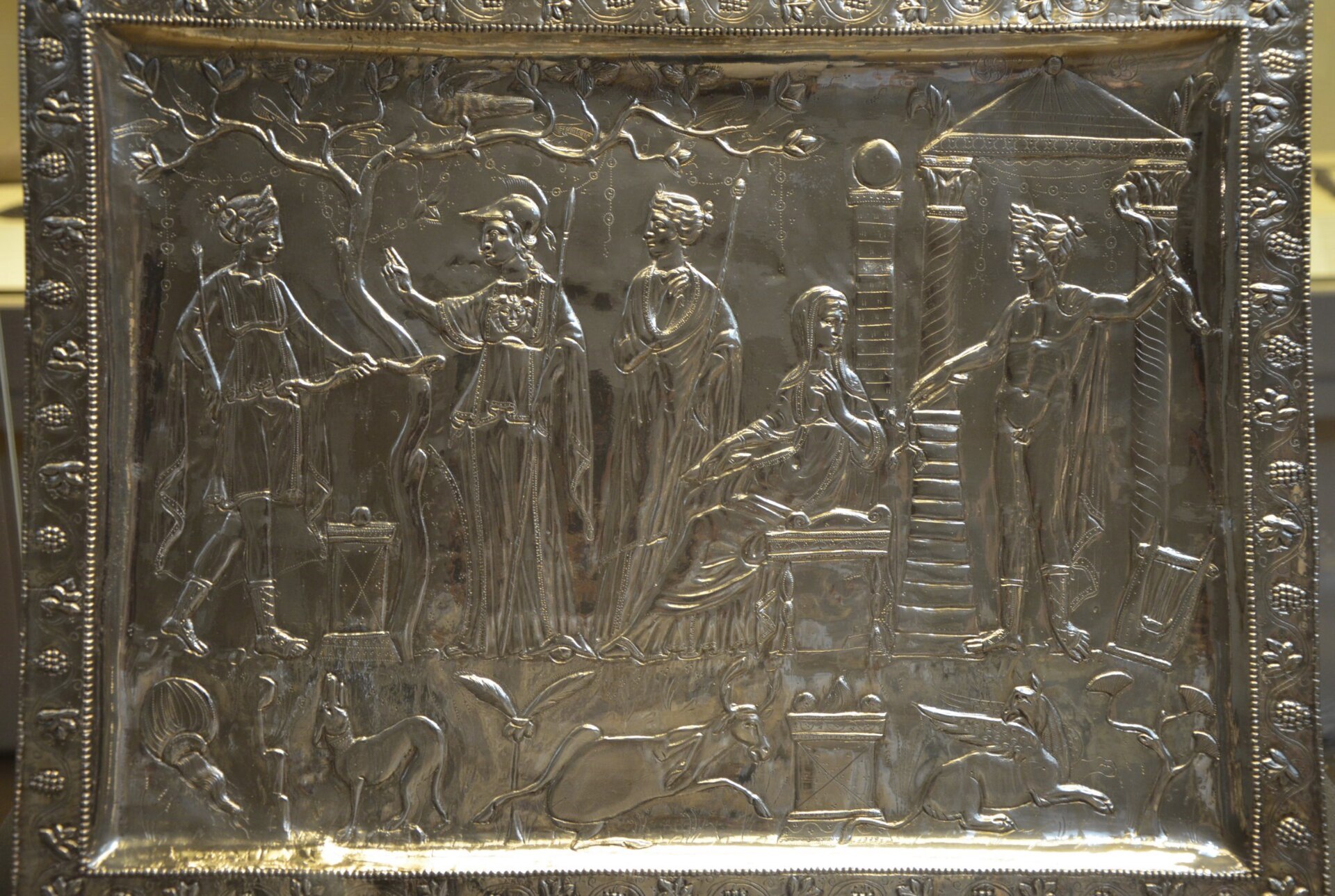
A nine-year-old girl gathering firewood is named in the chain of a Roman silver dish because a manor court had to decide who owned it. The finders of a two-million-pound Roman helmet are anonymous because no law required anyone to ask.
Records in this piece: The Corbridge Lanx, The Crosby Garrett Helmet, Chain of Lovers' Knots, Cheapside Hoard, The Cyrus Cylinder, The Tara Brooch
On this page 8 sections
ContentsClose
In short
- The Corbridge Lanx names its finder down to her age and her father's occupation. A Corbridge manor Court Leet presentment, quoted by F. Haverfield in the Journal of Roman Studies in 1914 from the original record, gives her as Isabel Cutter, daughter of Thomas Cutter of Corbridge, blacksmith, aged nine years. The British Museum's own catalogue names her identically.
- That record exists because the find turned into litigation. Cutter's father sold the dish in two pieces to a Newcastle goldsmith for about 33 pounds 6 shillings, the lord of the manor claimed it as treasure trove, and the resulting Chancery suit, Duke of Somerset v Cookson, is still cited as a founding authority on ordering the return of a unique chattel rather than damages.
- The Crosby Garrett helmet was not treasure under the Treasure Act 1996, because the Act's test was what an object is made of and the helmet is copper alloy. There was therefore no legal requirement to report the find at all, or to say precisely where it came from. No finder has ever been named publicly, and the sources do not agree on whether there was one or two.
- The helmet sold at Christie's on 7 October 2010 for a hammer price of 2,000,000 pounds against an estimate of 200,000 to 300,000, defeating a public campaign led by Tullie House Museum that had reached about 1.7 million. The Treasure (Designation) (Amendment) Order 2023 later added a significance-based category to the Act, and the helmet is the case repeatedly cited for why.
- Where no legal process intervened, the chain simply begins with the first buyer. The Cheapside Hoard was found by unnamed demolition workmen on 18 June 1912 and bought from them piecemeal, for half-crowns and beer money, by the dealer George Fabian Lawrence. The Museum of London's records show a cheque to Lawrence for 90 pounds eight days later. No individual finder appears anywhere.
Every excavated object has a first person, and the record usually loses them
An object that came out of the ground has a human being at the start of its chain: whoever put a hand on it first. That person is almost never the one the record preserves. The dealer who bought the find is named, the collector who bought it from the dealer is named, the museum that registered it is named with an accession number and a date, and the finder is a category noun.
Reading across the discovery links in this archive, the vanishing is not random. It is close to a rule, and the rule is about law rather than about class, literacy or the passage of time. Where a legal process had to establish who owned a find, somebody wrote the finder down, and the writing survives. Where no legal process took an interest, the chain opens with the first person who paid money.
That is a claim about the machinery of record-keeping rather than about anyone's motives, and it cuts both ways: the same law that preserves a finder's name exists to take the object off them.
A manor court recorded that the finder was nine years old
On 10 February 1735 a child gathering firewood on the north bank of the Tyne, about 150 yards below Corbridge bridge, saw something appearing white above the earth. The object was a fourth-century Roman silver dish of about 148 troy ounces, and this archive can tell you who she was: a Corbridge manor Court Leet presentment, quoted by F. Haverfield in the Journal of Roman Studies in 1914 from the original record, names her as Isabel Cutter, daughter of Thomas Cutter of Corbridge, blacksmith, aged nine years.
The reason that sentence exists is a dispute over money. Her father broke the rim or footstand off the plate, eight ounces of it, and sold that to the Newcastle goldsmith Isaac Cookson on 15 February for thirty-six shillings, then sold the remainder on 1 March for thirty guineas. The Court Leet fined him sixpence and declared the plate treasure trove belonging to the lord of the manor. Algernon Seymour pursued it, Cookson resisted and sought compensation rather than surrender, and Lord Chancellor Talbot granted an injunction on 19 July 1735. The suit concluded on 12 November 1735.
Duke of Somerset v Cookson is now read by legal historians as a founding authority on Chancery's power to order the specific return of a unique object rather than damages. It is one of the more consequential cases in English property law, and it produced, as a by-product, the age and parentage of the girl who picked the thing up.
One detail is worth flagging because it shows how fast even a well-documented finder decays. Several modern accounts describe her father as a cobbler. The only primary source located says blacksmith, and this archive follows the court record and marks the cobbler claim as an unverified variant that appears to have propagated from a single tertiary source.
Where the law had no interest, nobody was required to ask
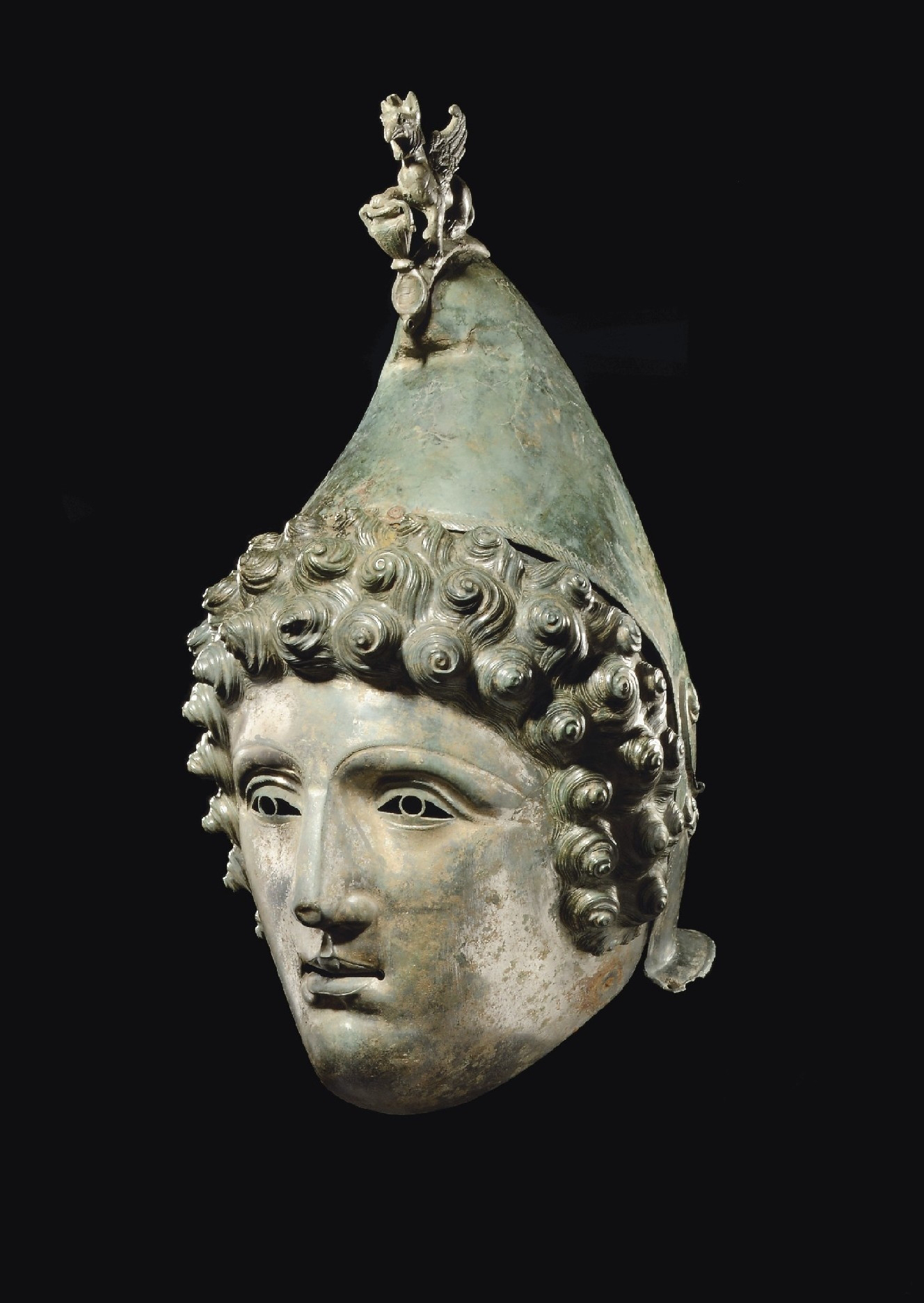
The Crosby Garrett helmet was found in pastureland in Cumbria in May 2010, broken into 33 larger and 34 smaller fragments, and the finder took it to Christie's in June. It is one of three Roman cavalry helmets of its kind from Britain and it sold that October for a hammer price of two million pounds. No finder has ever been named publicly, and the sources consulted for this record cannot even agree whether one person or two were involved.
The reason is a definition. The Treasure Act 1996 protected hoards of coins and objects of gold or silver, plus a narrow set of later additions. A single copper-alloy object is not treasure under that test, however important, however obviously a unique national find. Because the helmet was not treasure there was no legal requirement to report it to the Portable Antiquities Scheme, and no legal requirement to disclose precisely where it had come from. A precise grid reference was not obtained until three months after the discovery, and a trial excavation in 2011 found the burial cut already destroyed by the original recovery.
What followed is the clearest demonstration available of what the missing record costs. At Christie's on 7 October 2010, six bidders competed against an estimate of 200,000 to 300,000 pounds. The consortium led by Tullie House Museum in Carlisle withdrew at 1.7 million with two bidders still active. The buyer is an anonymous private collector and has never been identified. The Treasure (Designation) (Amendment) Order 2023 added a significance-based category to the Act, covering finds of outstanding historical, archaeological or cultural significance whatever they are made of, and commentary on that reform returns to this helmet as the illustrative case.
Half-crowns and beer money, and a chain that starts with the buyer
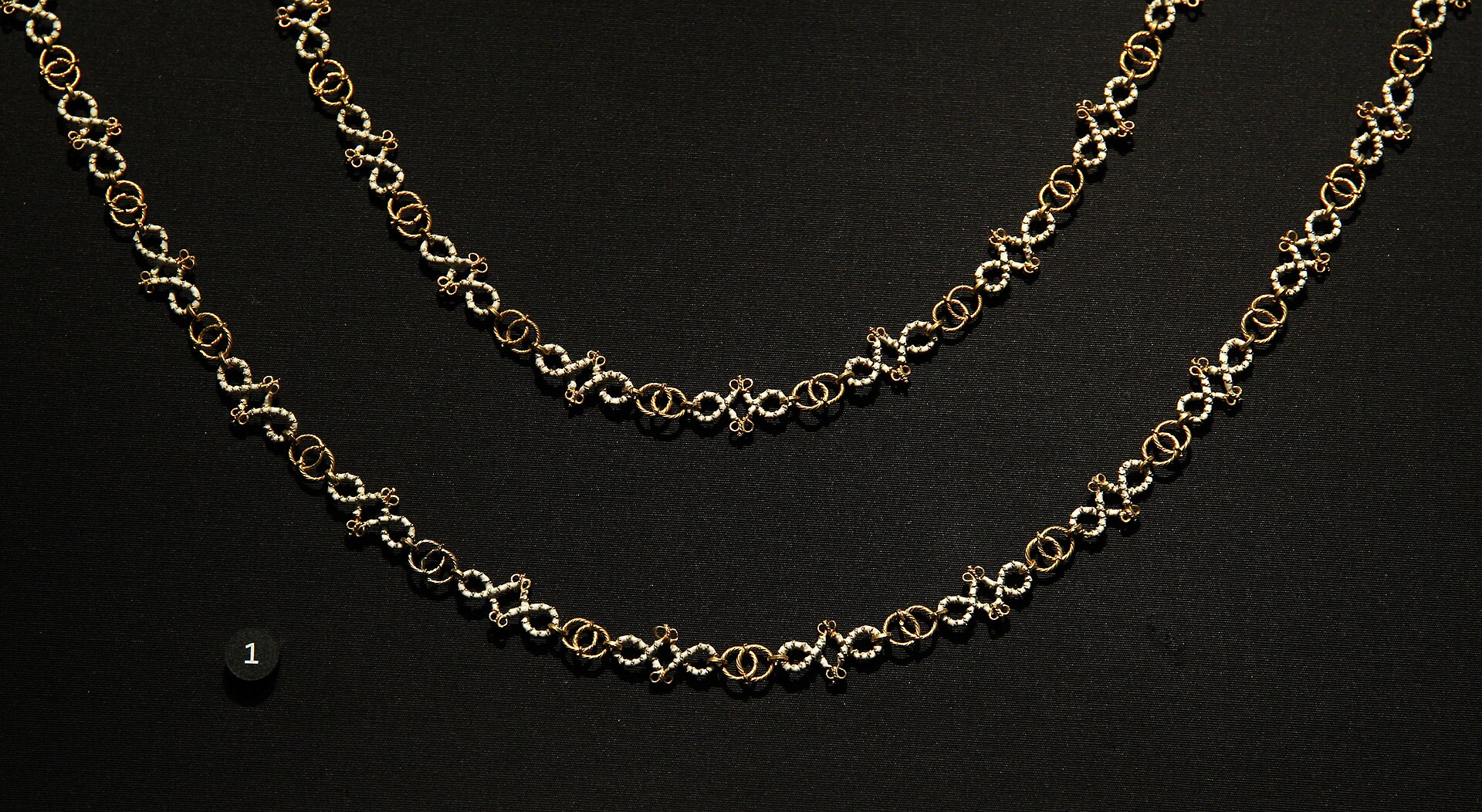
The Cheapside Hoard was found on 18 June 1912 during the demolition of numbers 30 to 32 Cheapside, in a wooden box in a cellar. It is the greatest surviving cache of Elizabethan and Jacobean jewellery in the world. The record of who found it reads, in full, unnamed demolition workmen.
The dealer is documented in detail. George Fabian Lawrence, a pawnbroker known as Stony Jack, bought the material piecemeal from the workmen on the spot, paying half-crowns or beer money. The Museum of London's own records show a cheque to Lawrence for 90 pounds on 26 June 1912, eight days after the find, and a further 47 pounds in August 1913. No purchase figure specific to any individual piece is published, and no plan, inventory or photograph of the deposit in the ground was ever made.
Nothing illegal happened and no court was involved, which is exactly the point. The transaction between the workmen and Lawrence was private, so the only paper it generated was Lawrence's, and Lawrence's paper names Lawrence. What we lost with the finders' names was not sentimental: without them there is no one to ask where in the cellar the box sat, what else came up with it, or whether anything went elsewhere.
An excavation names the permit holder, not the person who lifted it
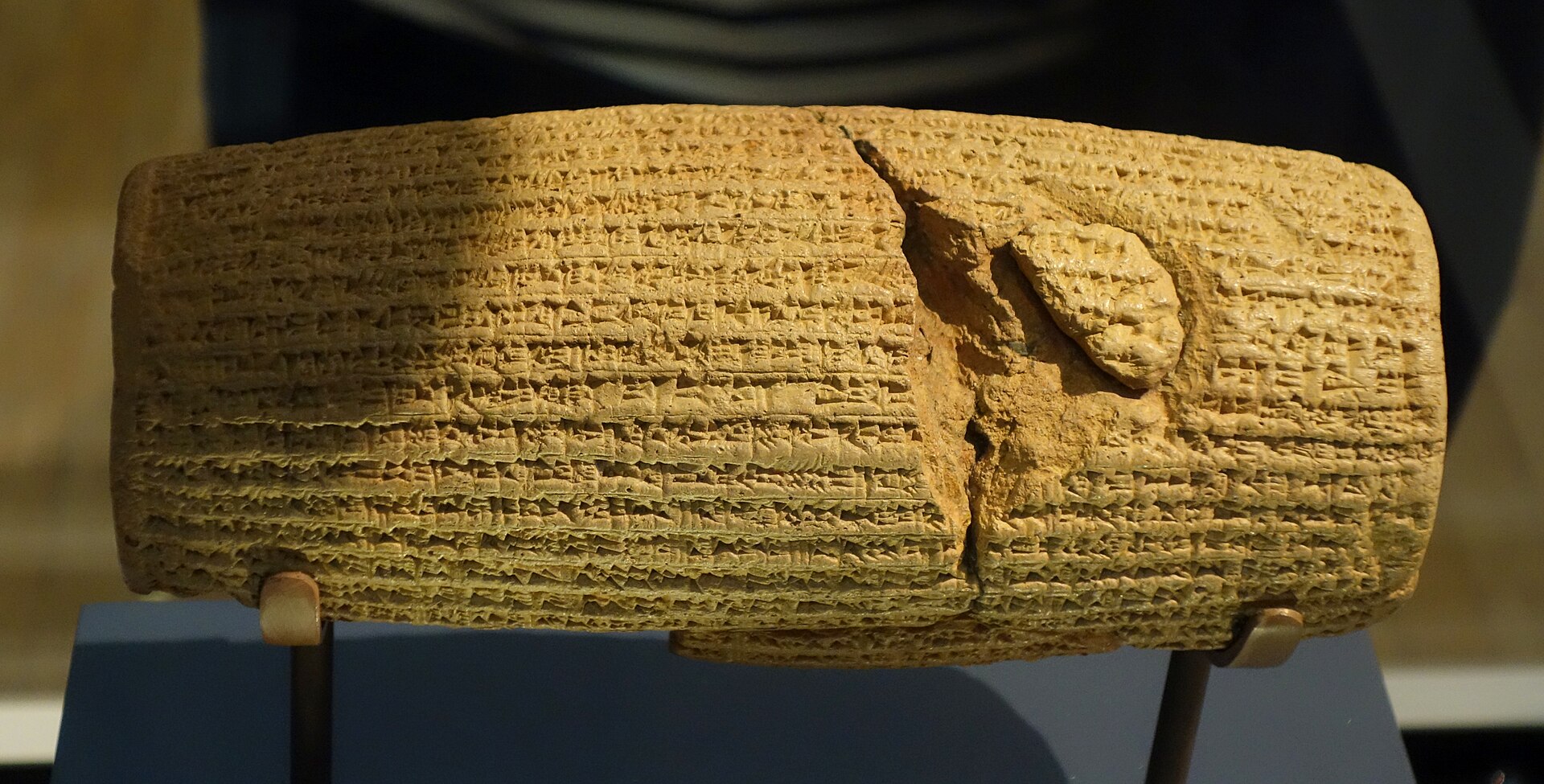
The Cyrus Cylinder is credited to Hormuzd Rassam, and Rassam did not find it. It was recovered at the Amran mound at Babylon between about 17 and 23 March 1879, by workmen under Rassam's overseer Daud Toma, under a firman granted by Sultan Abdul Hamid II. Rassam had left Baghdad on 2 April 1879 and did not personally lift the object from the ground; it was found and reported by his site staff.
The attribution is not a mistake, it is a convention. Rassam held the permit, so the excavation was his in the sense the paperwork recognises, and the record follows the paperwork. Daud Toma is named in this archive because a modern account preserved him. The men who actually dug are not named anywhere we could find.
This is the pattern in a formal setting rather than a casual one, and it produces the same result. The Nefertiti bust is credited to the Deutsche Orient-Gesellschaft, the Tutankhamun trumpets to Howard Carter's team, the Oseberg tapestry fragment to a University of Oslo team led by Gabriel Gustafson. Institutions and licence holders survive into the record. The person whose hands were on the object does not.
The finder's own account is the first thing to be rewritten
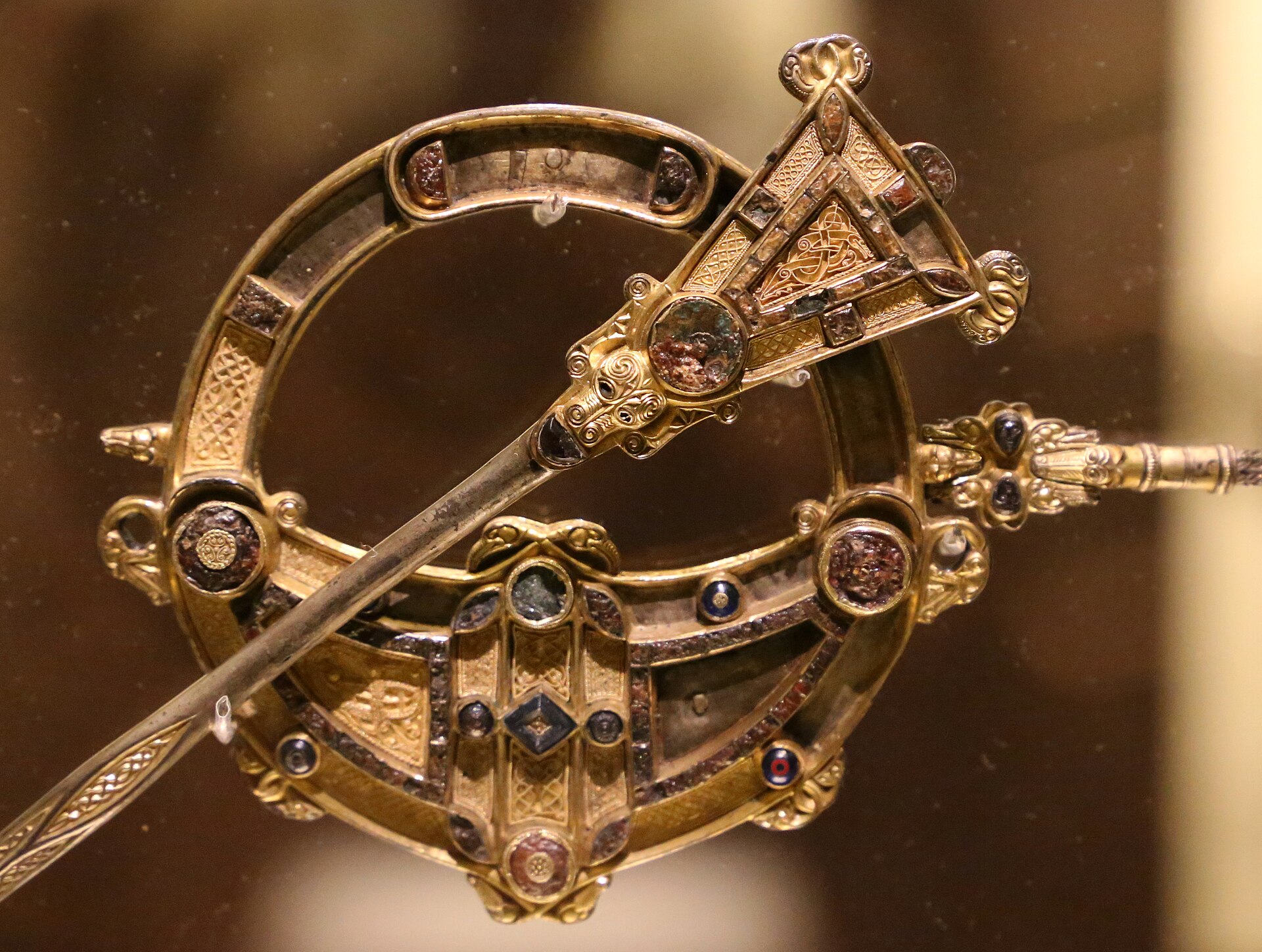
The Tara Brooch shows the third outcome, which is a finder who is neither named nor forgotten but overwritten. The popular account has the children of a local family finding it in a box in the sand at Bettystown beach in County Meath in 1850. Sir William Wilde, writing in the 1860s, instead places the find during excavation of a harbour wall at the mouth of the Boyne near Drogheda.
The two versions are not a simple contradiction. One reading of the beach story is that the family moved the find-spot inland to the shore precisely to avoid a landowner's claim, which would make the popular account a deliberate legal manoeuvre rather than a faulty memory. If that is right, then here too the law shaped the record, only by suppressing it.
What happened next is not disputed. The brooch was offered to a Drogheda ironmonger who dismissed it as worthless, bought by a local watchmaker, sold on to a Dublin jeweller, and the object took its name from a place it has no connection with, chosen because Tara sold better than Bettystown. The brooch is also not from Tara, and it is one of the finest pieces of Insular metalwork in existence.
How to read a discovery link
Ask first whether any legal process touched the find, because that single question predicts almost everything else on the line. An inquest, a treasure declaration, a manor court, an export licence or a lawsuit generates a document with names, dates and often a valuation in it. A private sale to a dealer generates the dealer's cheque stub.
Then read an anonymous finder as a statement about the law of that place and year, not as a gap in anyone's research. The Cheapside workmen are missing because a 1912 sale of chattels to a pawnbroker created no public record. The Crosby Garrett finders are missing because a copper-alloy object fell outside the Treasure Act 1996. Both absences are informative, and in the second case the absence extends to the findspot, which is a loss of archaeological evidence rather than of etiquette.
Finally, be careful with the finder's story where the finder had something to lose. Provenance research treats early accounts as closer to the truth, and for finds that instinct can invert: the earliest account is the one told by the person deciding how much to say. The Tara Brooch's beach may be a real beach or a piece of quiet self-protection, and we do not know which.
Why this archive is free to read
We do this for everyone who loves art. The people who have studied it for years, and the people who just stopped to look. Iconotheca exists so that what we learn belongs to all of them.
Nobody pays us for this. No ads, no sponsors, no commercial interest. These works belong to all of us, and we would rather share them with as many people as we can than keep them to ourselves.
If it gave you something today, tell us to keep going. Follow us, leave a like, or write a positive comment. We read every one, and they are what keeps us going.
Questions
Isabel Cutter, aged nine, on 10 February 1735, while gathering firewood on the north bank of the Tyne about 150 yards below Corbridge bridge. A Corbridge manor Court Leet presentment quoted by F. Haverfield in 1914 names her as the daughter of Thomas Cutter of Corbridge, blacksmith, and the British Museum's own catalogue names her identically.
Because the helmet was not treasure. The Treasure Act 1996 applied to coin hoards and to objects of gold or silver, and the helmet is copper alloy, so there was no legal requirement to report the find or disclose the findspot. The Treasure (Designation) (Amendment) Order 2023 added a significance-based category, and this helmet is the case usually cited for why that change was needed.
Because the record follows the permit rather than the hands. The Cyrus Cylinder is credited to Hormuzd Rassam, who held the Ottoman firman, although it was recovered at Babylon in March 1879 by workmen under his overseer Daud Toma after Rassam had left Baghdad on 2 April 1879.
Usually not. It generally means no legal process created a document to preserve. Where a find became a dispute, as at Corbridge in 1735, the record can be extraordinarily precise about the finder. Where it was settled privately, as with the Cheapside Hoard in 1912, the earliest name in the chain is the dealer who bought it.
Sources
- 1British Museum, Collection Online, entry for the Corbridge Lanx, museum number 1993,0401.1. Source for the museum's naming of the finder, the loan history from July 1940 and again from 1978, and the 1993 purchase from the 11th Duke of Northumberland. britishmuseum.org/collection/...
- 2F. Haverfield, 'Roman Silver in Northumberland', Journal of Roman Studies 4 (1914), pp. 1-12. Primary quotation of the Corbridge manor Court Leet presentment naming Isabel Cutter, daughter of Thomas Cutter of Corbridge, blacksmith, aged nine years, and source for the two-part sale to Isaac Cookson in February and March 1735. penelope.uchicago.edu/Thayer/...
- 3Norma M. Dawson, 'The Double Life of Duke of Somerset v Cookson, or a Legal Excavation of the Corbridge Lanx'. Source for the 1735 Chancery proceedings, the injunction of 19 July 1735, the conclusion of 12 November 1735, and the case's standing as an authority on specific restitution of a unique chattel. pure.qub.ac.uk/en/...
- 4S. Worrell, 'The Crosby Garrett Helmet', Papers from the Institute of Archaeology, University College London. Source for the circumstances of the 2010 discovery, the fragment count, the Portable Antiquities Scheme's account of the finder, and the object's status outside the Treasure Act 1996. student-journals.ucl.ac.uk/pia/...
- 5D. W. J. Gill, 'Context Matters: The So-called Crosby Garrett Helmet', Journal of Art Crime. Source for the argument that the reported findspot was never independently verified, the three-month delay before a precise grid reference was obtained, and the 2011 trial excavation finding the burial cut destroyed. art-crime.blogspot.com/2014/...
- 6Archaeology (Archaeological Institute of America), 'Heads Won, Tales Lost', Digs and Discoveries. Read 6 September 2026. Source for the October 2010 Christie's sale to a Britain-based private collector, for the Keep It in Cumbria campaign and the National Heritage Memorial Fund pledge behind it, and for the Tullie House bid failing. Figures on this page are given in US dollars. archaeology.org/issues/...
- 7Wikipedia, 'Crosby Garrett Helmet'. This archive records the hammer of 2,000,000 pounds separately from the premium, as it does for every sale. en.wikipedia.org/wiki/...
- 8Modern Law Review, analysis of the Treasure Act 1996 and the significance-based category introduced by the Treasure (Designation) (Amendment) Order 2023. Source for the reform and for the Crosby Garrett helmet's standing as the illustrative case in the commentary on it. onlinelibrary.wiley.com/doi/...
- 9London Museum (formerly Museum of London), 'The Cheapside Hoard', London Stories collections page. Source for the discovery on 18 June 1912 during demolition at 30-32 Cheapside, for George Fabian Lawrence's piecemeal purchases from the workmen, and for the museum cheques of 90 pounds on 26 June 1912 and 47 pounds in August 1913. londonmuseum.org.uk/collections/...
- 10British Museum, collection online catalogue entry for the Cyrus Cylinder, museum number 90920, registration 1880,0617.1941. Source for the March 1879 recovery at the Amran mound, the registration date of 17 June 1880, and the excavation under Hormuzd Rassam's firman. britishmuseum.org/collection/...
More in Provenance and Restitution
The partA return is a new arrangement, not a conclusion
Four contested antiquities, four different things a return turned out to be: a renaming, a rotating loan, a forfeiture nobody enforced and a broken...
When the Only Proof of Where an Object Was Is a Photograph
The Third Imperial Easter Egg was photographed once, in March 1902, and that single plate is what identified it in 2014.
Moved for Safekeeping Is a Link in the Chain
Nine evacuations in this archive: three objects never returned to the building they left, one came back unrecognised and title changed once, by a...