Restitution to Whom
A restitution is itself an undocumented transfer. This archive holds an object delivered to a family that had never owned it, a return conditioned on a further donation, and a panel that said no.
Records in this piece: Portrait of Wally Neuzil, The Rothschild Prayerbook, Portrait of Elisabeth Lederer, Bild mit Haeusern (Painting with Houses), The Astronomer, Adam and Eve, The Hours of Jeanne d'Evreux, Queen of France, Rue Saint-Honore in the Afternoon. Effect of Rain
On this page 7 sections
ContentsClose
In short
- The United States military's post-war policy, as the Department of Justice described it in 2010, was to return property seized from Nazis to the governments of the countries of origin. The first restitution of a looted object was therefore usually to a state, which then decided which private claimant received it.
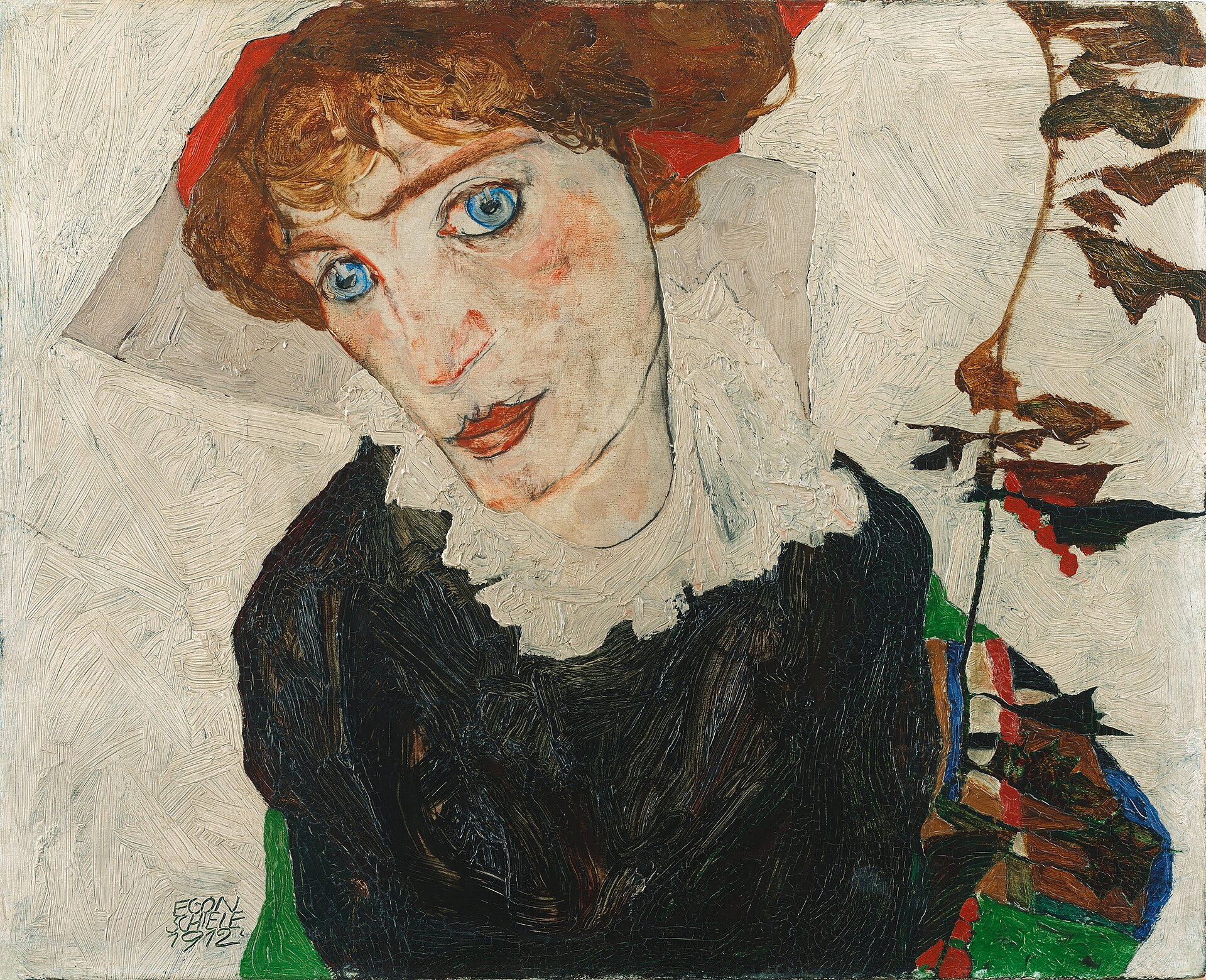
- In the case of Schiele's Portrait of Wally, the schedule attached to the December 1947 receipt naming what the United States forces handed to the Austrian monuments office lists three Schieles and does not list this one. The court's 2009 findings state that Wally was among the paintings delivered anyway.
- The error was noticed in writing in June 1948, when a United States officer wrote beside the entry that the painting was not under control unless it was identical with Wally from Krumau, and that the seller's records did not state it came from the Rieger collection. The Austrian office's reply of 28 October 1949 made no mention of that letter.
- Austria conditioned export permits for restituted collections on the donation of prominent works to state museums, under the Export Prohibition Law of 1918. The Rothschild, Gutmann, Lederer and Bondy collections were all affected, and at least 225 works were given up this way; the 1998 restitution law exempted restituted works from that law for twenty-five years.
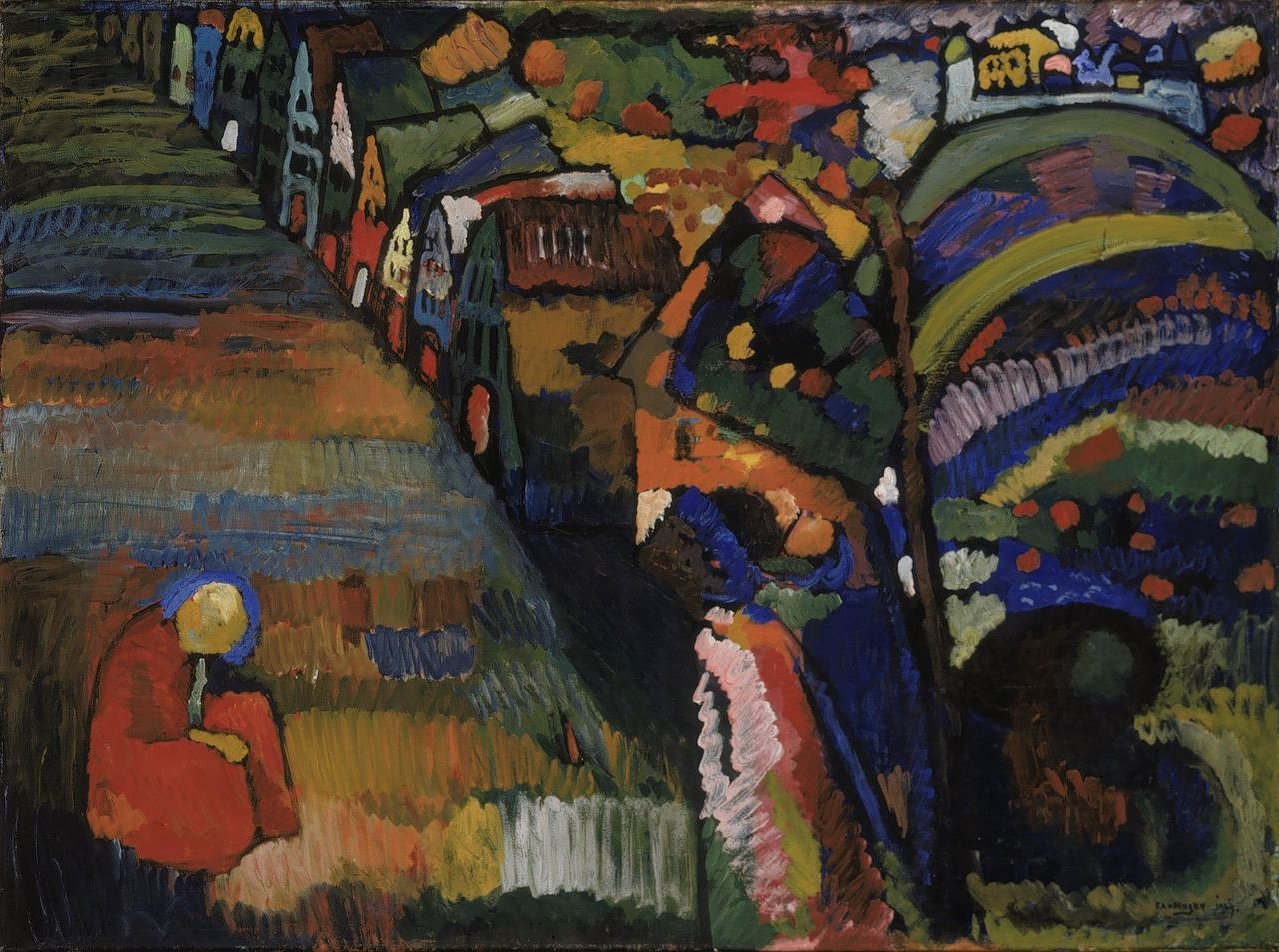
- A restitution committee ruling against a claim does not settle who gets the object. The Dutch Restitutions Committee gave a binding opinion in 2018 that Amsterdam was not obliged to return a Kandinsky, and the city handed it over anyway on 27 February 2022 under a settlement agreement.
The first return was almost always to a government, not to an owner
The mechanism that moved looted objects out of Allied custody after 1945 was a transfer between states, and this is the fact that shapes everything downstream. The United States Attorney for the Southern District of New York, describing the fate of one Schiele in a press release of 20 July 2010, put it plainly: the artworks seized from a Nazi dealer in Austria were transferred to the Austrian Government, in accordance with the policy and practice of the United States military to return property seized from Nazis to the governments of the countries of origin.
That policy was administratively rational and it had a structural consequence. The army was returning objects to the country they had been taken from or into, on proof of identifiability supplied by a claimant government, and it was not adjudicating private title. The question of which individual owned any given object was passed, unresolved, to the state that received it.
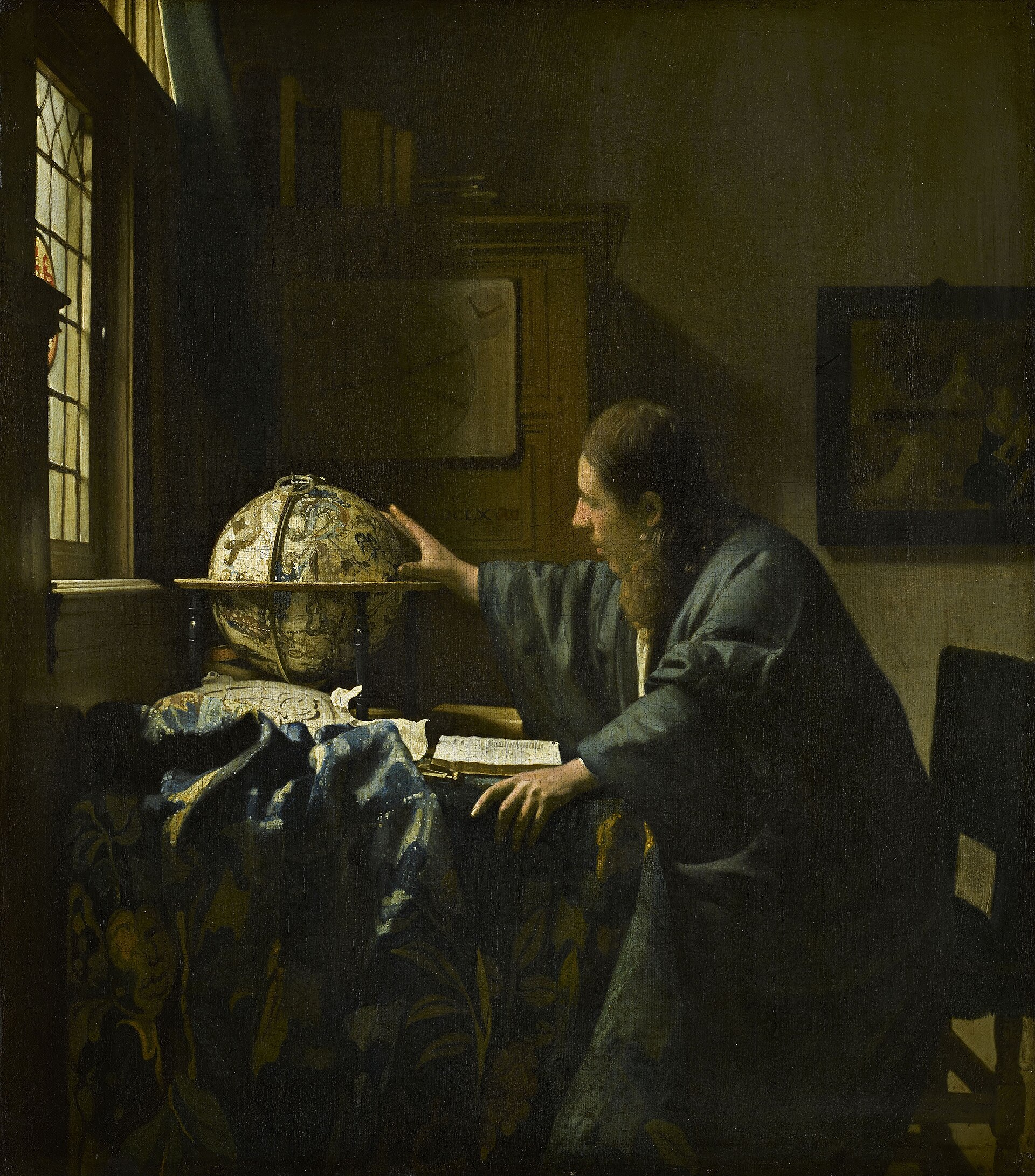
Where the original owner was alive, still resident and rich enough to press the point, the second transfer could be quick and correct. Vermeer's Astronomer, taken from the Rothschild collection in Paris in 1940 and recovered at Altaussee in May 1945, went back to Edouard de Rothschild in person, and he held it until he died in 1949. That is the exception in this corpus, and every other case in it turns on what a state did with an object once the army had let go of it.
A painting that was never named travelled through three transfers
The clearest documented failure in this archive is a small Schiele panel that moved through the whole post-war machinery without appearing in any of the paperwork. The findings are not contested reporting; they are set out in the 2009 opinion of the United States District Court for the Southern District of New York in the civil forfeiture action against the painting.
On or about 4 December 1947 the Reparations, Deliveries and Restitution Division of the United States forces released fourteen paintings seized from the dealer Friedrich Welz to the Austrian Bundesdenkmalamt, under a receipt in which that office agreed to hold them as custodians pending the determination of the lawful owners. The schedule attached names three Schieles: Embrace, Cardinal and Nun, and His Wife's Portrait, all described as bought during the war from the confiscated collection of Dr Heinrich Rieger. The court records that Wally was among the paintings delivered at that time, and that the museum defending the case offered no justification for treating Wally as having been part of the Rieger collection at all.
| Date | Transfer | Instrument | Object named |
|---|---|---|---|
| 4 December 1947 | United States forces to the Bundesdenkmalamt, as custodian | Receipt and Agreement with attached schedule | No; the schedule lists Embrace, Cardinal and Nun, and His Wife's Portrait |
| 10 May and 7 July 1950 | Bundesdenkmalamt to the heirs of Dr Heinrich Rieger | Consent of the Austrian Federal Ministry of Finance; collection by the heirs' agent | No; the court states Wally was included although not explicitly referenced |
| 27 December 1950 | Rieger heirs to the Oesterreichische Galerie Belvedere | Ministry of Education approval and contract of sale | No; both documents name Embrace, Cardinal and Nun, and Portrait of a Woman |
Three separate legal instruments moved a painting that none of them describes. Each of the three was correct on its own terms, because each was transferring a defined group of works from the Rieger collection, and the panel was simply travelling inside the group.
The error was noticed in writing in 1948 and nobody acted on it
The most uncomfortable finding in the record is that the mistake was caught almost immediately by the people who made it. Around 8 June 1948 Lieutenant Colonel McKee of the Reparations, Deliveries and Restitution Division sent the United States forces property control section a list of Rieger paintings acquired by Welz and still missing, and wrote next to the entry for His Wife's Portrait that it had been released to the Bundesdenkmalamt on 4 December 1947 but was not under control unless it was identical with Wally from Krumau, that Welz's records did not state it had been acquired from Rieger, and that Welz said the woman was not the artist's wife.
His covering letter said that inquiry would be made with the Austrian office as to whether Vally from Krumau was Schiele's wife. The office received the letter around 14 June 1948, and its copy carries a handwritten note naming its director. On 28 October 1949, replying about the Rieger works, the director listed twelve pictures from Dr Rieger's possession, among them Portrait of his Wife. The court's finding on that reply is a single sentence: he made no mention of McKee's letter indicating that the Portrait of his Wife delivered to the Bundesdenkmalamt as part of the Rieger collection may actually have been Vally from Krumau.
Seven months later the Ministry of Finance consented to the restitution and the heirs' agent collected the paintings. The panel then stayed in Austria for forty-seven years and left the country only in 1997, as a loan to an exhibition in New York, where it was seized on a federal warrant in 1999 and held for eleven years. The case settled on 20 July 2010, with the Leopold Museum paying nineteen million dollars to the estate of Lea Bondi Jaray in exchange for the painting, which never moved.
A restitution conditioned on a further donation
Austria ran a legal mechanism by which an object could be restituted and taken again in the same transaction, and it operated for decades. Restituted property belonging to an owner living abroad who wanted to take it out of the country fell under the Export Prohibition Law of 1918, and the grant of an export permit was in many cases made conditional on the donation of individual prominent pieces to Austrian museums.
The collections subjected to this were the Rothschild, Gutmann, Lederer and Bondy collections, which is to say the largest Jewish collections in Vienna. In the Rothschild case the donations amounted to at least 225 works of art to Austrian federal and provincial museums. In September 1947 Louis Rothschild and his sister-in-law Clarice gave up objects in return for authorisation to export the restituted remainder to the United States.
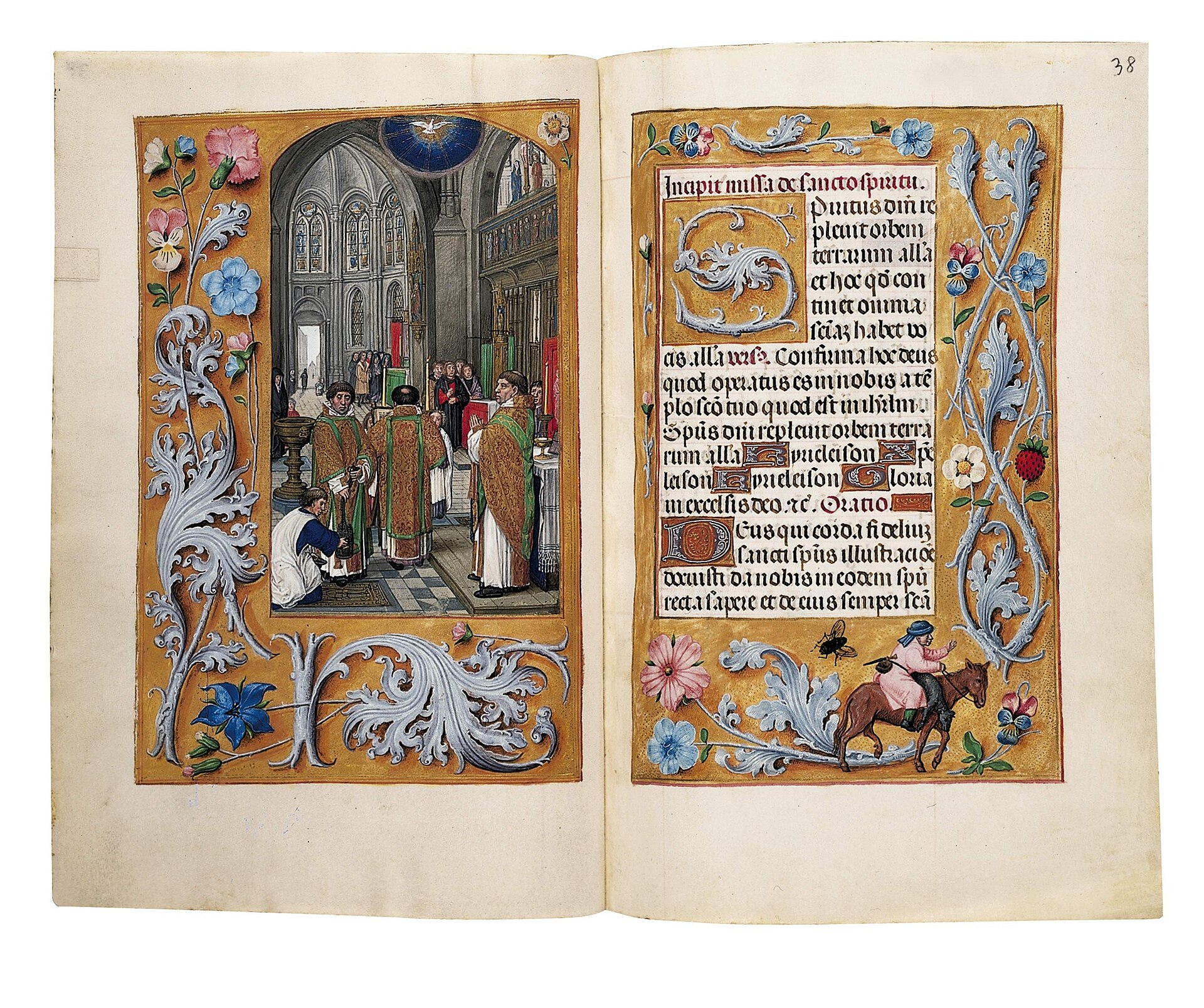
The Rothschild Prayerbook is one of the objects that went this way. It entered the Oesterreichische Nationalbibliothek on those terms and was shelfmarked there, and it stayed until it was restituted a second time under the Austrian art restitution law of December 1998, which addressed the mechanism directly by exempting restituted artwork from the Export Prohibition Law for twenty-five years from the law's effective date. For half a century the state's own museum catalogue would have shown the manuscript as a donation, and the word was accurate as a description of the paperwork and false as a description of what happened.
The same mechanism, on a family this archive holds twice
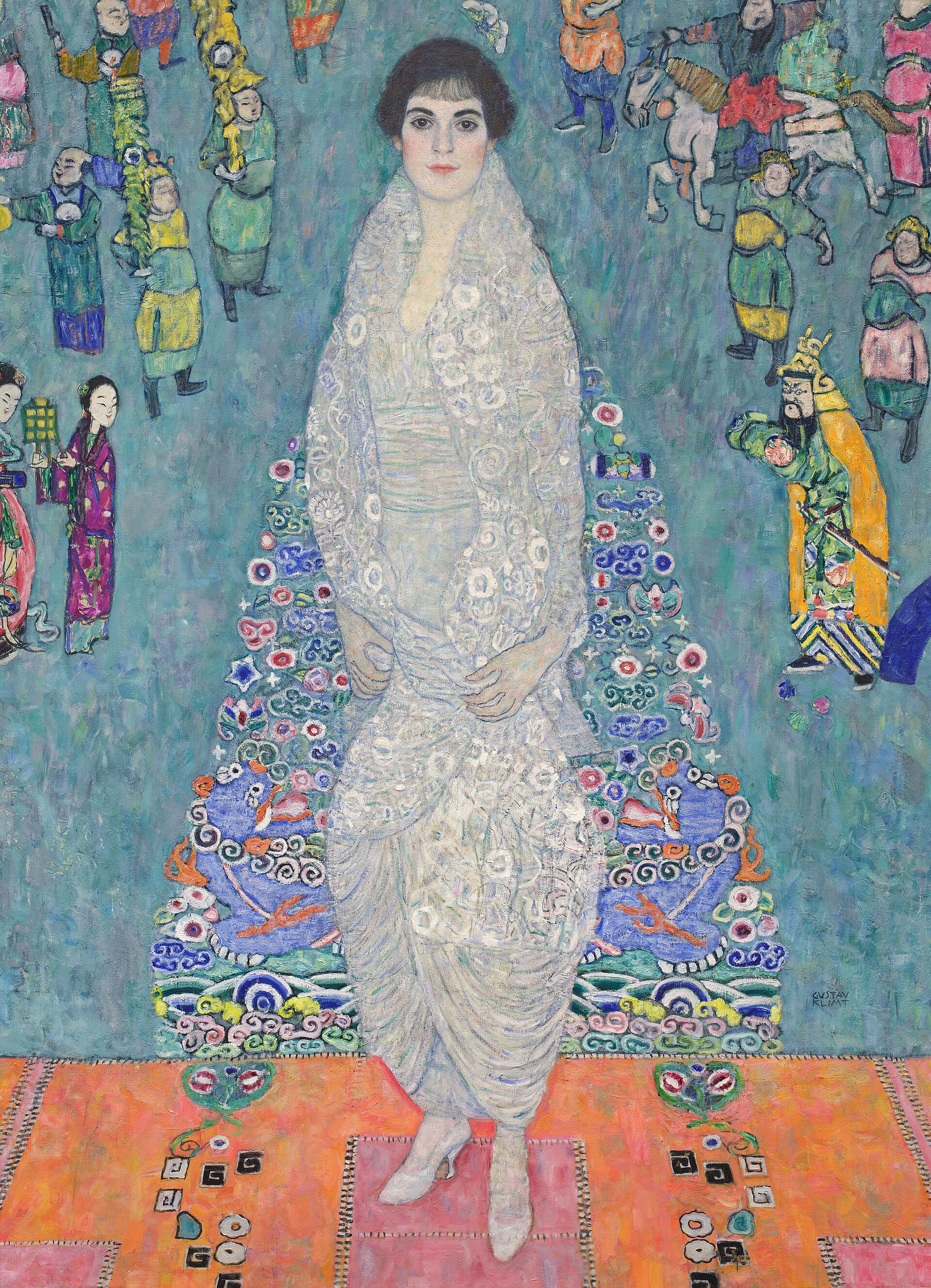
Lederer is the third name on the list of collections from which Austria required donations, and this archive holds one of its pictures. The seizure over the Lederer property was terminated on 30 September 1948, and the portrait of Elisabeth Lederer was restituted that year to her brother Erich Lederer, then living in Geneva, who had intervened to stop a Dorotheum sale of the two family portraits and secured their return without litigation.
Two things are worth reading together there. The restitution itself was fast, uncontested and made to a named living member of the family, which is the outcome the whole system was supposed to produce. And it happened inside a regime under which taking the restituted works out of the country was conditional on surrendering some of them, which is why the Lederer name appears on the donations list at all.
The Lederer holdings also record what restitution cannot repair. The bulk of the family's Klimts, including three of the Faculty Paintings the artist had bought back from the Austrian state after the scandal of 1900 and 1901, were burned at Schloss Immendorf on 8 May 1945. Those works were still in Austrian custody when they were destroyed, three years before the restitution that would have covered them.
A panel can rule against a claim and the object can still go back
A binding decision by a restitution panel does not close the question of who receives the object, and the clearest recent demonstration is Dutch. The heirs of the former owners applied in 2013 for the return of Kandinsky's Bild mit Haeusern, hanging in the Stedelijk Museum, and the parties submitted the case to the Restitutions Committee for a binding opinion. In 2018 the committee ruled that the municipality was not obliged to make restitution, and the heirs challenged that opinion in court.
What changed was the framework rather than the facts. In 2020 the Kohnstamm Committee, appointed to evaluate Dutch restitution policy, published its report and recommended a new assessment framework. In February 2021 the municipality endorsed those conclusions and opened consultations with the heirs. Both sides took the view that on a reassessment under the new framework, and on the fact-finding already done, the Restitutions Committee would recommend return. They concluded a settlement agreement instead of reopening the case, and the painting was handed over on 27 February 2022, in the presence of the deputy mayor, the museum's director and the founder of a commercial art-recovery company acting for the heirs.
The identity of the recipients is the point. The claimant group was not a single line of descent but a settlement between parties: the American grandchildren of the Amsterdam sewing-machine manufacturer whose estate held the picture in 1938, and the Dutch children of the last partner of the man who had lived for decades with the last Jewish owner. Deciding that an object must go back is the easy half; deciding who stands in the shoes of a person murdered eighty years ago is the half that produces settlements rather than findings.
How to read a restitution line in a provenance
A restitution entry should be graded and dated like any other transfer, because that is what it is. The habit worth breaking is treating the word restitution as a terminus that resolves everything above it in the chain; in this corpus it frequently introduces new questions rather than closing old ones.
Four questions do most of the work. Who physically received the object, as distinct from who was found to be entitled to it, since those are different in most of the cases above. What instrument moved it, and does that instrument name the object or only the group it travelled in. Was anything given up in exchange, whether a donation for an export permit, a payment to settle a competing claim, or a release of a claim in return for the object staying where it is. And was there a contemporaneous document recording doubt, as there was in June 1948 about a Schiele, because such a document is the single most valuable thing in a restitution file and it is normally in the correspondence rather than in the decision.
This archive grades the Schiele transfers of 1947 and 1950 as documented, because they demonstrably happened, and records in the same entries that the object was not named in either. Both statements are true and the second one is the finding.
Questions
To governments. The United States Attorney for the Southern District of New York described the policy in 2010 as returning property seized from Nazis to the governments of the countries of origin, on proof of identifiability supplied by a claimant government. The receiving state then determined which private claimant, if any, received each object, and that second step is where the errors in this archive occur.
Yes, and this archive holds a documented case. The United States District Court for the Southern District of New York found in 2009 that Egon Schiele's Portrait of Wally travelled to the heirs of Dr Heinrich Rieger in 1950 without being named in the restitution paperwork, and that the museum defending the later forfeiture action offered no justification for treating the painting as having been part of the Rieger collection.
Restituted artwork belonging to an owner living abroad who wanted to export it fell under Austria's Export Prohibition Law of 1918, and permits were often granted only on condition that prominent pieces be donated to Austrian museums. The Rothschild, Gutmann, Lederer and Bondy collections were all affected, with at least 225 works given up from the Rothschild collections alone. The art restitution law of December 1998 exempted restituted works from the export law for twenty-five years.
Not in practice. The Dutch Restitutions Committee gave a binding opinion in 2018 that the municipality of Amsterdam was not obliged to return Kandinsky's Bild mit Haeusern. After the Kohnstamm Committee recommended a new assessment framework in 2020, the city opened negotiations and returned the painting under a settlement agreement on 27 February 2022, without the committee reconsidering the case.
As a dated, graded transfer with the instrument named, exactly like a sale. Record who physically received the object as distinct from who was held entitled to it, state whether anything was given in exchange, and preserve any contemporaneous document recording doubt about the identification, since in the Schiele case that document exists and is dated ten months before the transfer it should have stopped.
Sources
- 1United States v. Portrait of Wally, a Painting by Egon Schiele, 663 F. Supp. 2d 232 (S.D.N.Y., 30 September 2009). Full opinion read directly. Source for the Receipt and Agreement of 4 December 1947 and its schedule, for McKee's annotation of about 8 June 1948, for Demus's reply of 28 October 1949, for the Ministry of Finance consent of 10 May 1950 and the collection by the heirs' agent on 7 July 1950, and for the Belvedere contract of 27 December 1950. courtlistener.com/opinion/...
- 2United States Attorney for the Southern District of New York and United States Immigration and Customs Enforcement, press release 10-223, United States Announces 19 Million Dollar Settlement in Case of Painting Stolen by Nazi, 20 July 2010. Read in full. Source for the statement of United States military policy on returning property to the governments of the countries of origin, and for the settlement terms. justice.gov/archive/...
- 3Kunstdatenbank, The donations to Austrian museums. Source for the Export Prohibition Law of 1918 as the legal basis, for the conditioning of export permits on donations to Austrian museums, for the naming of the Rothschild, Gutmann, Lederer and Bondy collections, for the figure of at least 225 works from the Rothschild collections, and for the twenty-five-year exemption in the 1998 restitution law. kunstdatenbank.at/the-donations-to-austrian-museums
- 4Stedelijk Museum Amsterdam, press statement, Painting by Kandinsky handed over to the heirs of Jewish former owners, 27 February 2022. Read in full. Source for the 2013 application, the 2018 binding opinion that the municipality was not obliged to restitute, the 2020 Kohnstamm report, the February 2021 decision to open consultations, the settlement agreement and the handover. stedelijk.nl/en/...
- 5NL Times, Amsterdam returns Kandinsky painting to heirs of Jewish former owners, 28 February 2022, and DutchNews.nl, Kandinsky painting handed back to rightful heirs is sold, February 2023. Used for the composition of the claimant group and for the subsequent sale. nltimes.nl/2022/...
- 6Essential Vermeer, catalogue entry for The Astronomer, with the full provenance list including the confiscation for the intended museum at Linz between November 1940 and 1945, the return to the Rothschild family, Guy de Rothschild's ownership from 1949 to 1982 and the 1983 acquisition by the Musee du Louvre. essentialvermeer.com/catalogue/...
- 7Christie's, lot record and catalogue note for lot 157, The Rothschild Prayerbook, sale of 29 January 2014. Cited as the published provenance for the 1938 confiscation, the post-war restitution, the transfer to the Oesterreichische Nationalbibliothek and the second restitution under the 1998 Austrian law. Direct fetch was refused by the host; the provenance is corroborated by source 3 and by the archive's own record. christies.com/en/...
- 8Iconotheca, records for schiele-portrait-of-wally-neuzil, rothschild-prayerbook, klimt-portrait-of-elisabeth-lederer, kandinsky-bild-mit-hausern, vermeer-the-astronomer and cranach-adam-and-eve-norton-simon, read in full before this article was written. iconotheca.com/study
More in Provenance and Restitution
The partA return is a new arrangement, not a conclusion
Four contested antiquities, four different things a return turned out to be: a renaming, a rotating loan, a forfeiture nobody enforced and a broken...
When the Only Proof of Where an Object Was Is a Photograph
The Third Imperial Easter Egg was photographed once, in March 1902, and that single plate is what identified it in 2014.
Moved for Safekeeping Is a Link in the Chain
Nine evacuations in this archive: three objects never returned to the building they left, one came back unrecognised and title changed once, by a...