The Longest Ownership Links Here Belong to Owners That Were Not People
The 28 longest institutional ownership links in this archive run 7,434 years between them. Three end in a completed sale. The rest end when the owner was abolished, and nine of them within a single generation.
Records in this piece: The Limburg Staurotheke, Epee du sacre des rois de France, The Lindisfarne Gospels, Fra Mauro's World Map (Mappamondo di Fra Mauro), The Apocalypse Tapestry, Lidded Ewer, The Ardabil Carpet
On this page 10 sections
ContentsClose
In short
- Twenty-eight ownership links in this archive are held by an institution rather than a person and last eighty years or more. They cover 7,434 years between them and average 266 years each, against a corpus of 2,105 links across 299 published records.
- Only three of those twenty-eight end in a completed transaction. The rest end in seizure, confiscation, dissolution, evacuation, concealment, near-loss, catastrophic loss, removal to another country or a gap where the record simply stops.
- Nine of the twenty-eight end between 1789 and 1815. A single wave of legislation across France, the Rhineland and the former Venetian territories dissolved the owners, and with them the longest continuous holdings in the corpus.
- The longest link of all runs 594 years: Stuben Abbey on the Moselle held the Limburg Staurotheke from 1208 until the secularisation of 1802 to 1803, when it passed to the Duke of Nassau and then, in 1835, to a diocese that was eight years old.
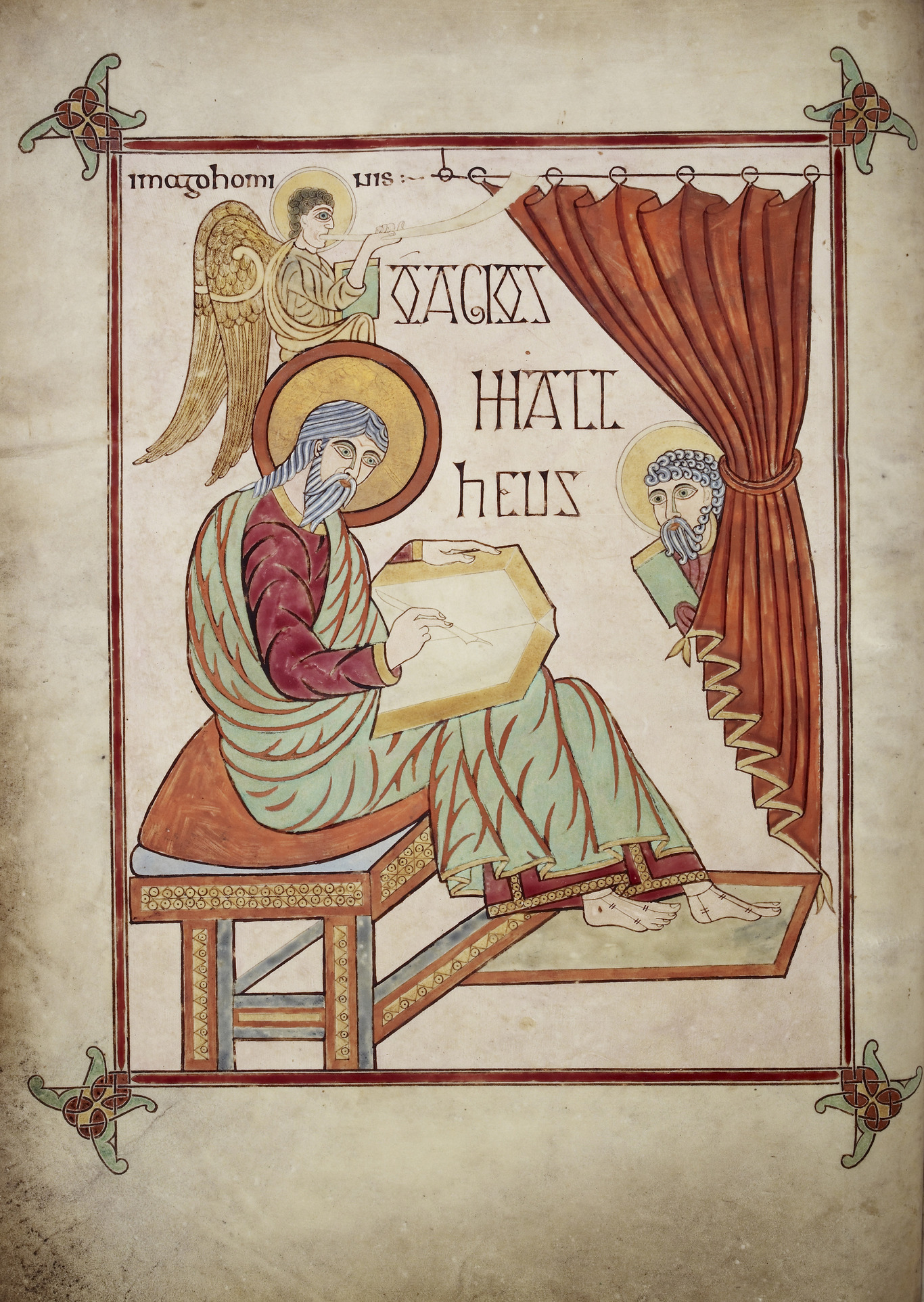
- Length and documentation pull against each other here. The 544-year Durham Cathedral Priory link on the Lindisfarne Gospels is graded unknown, because an owner that never sells and never inherits generates almost no documents about itself.
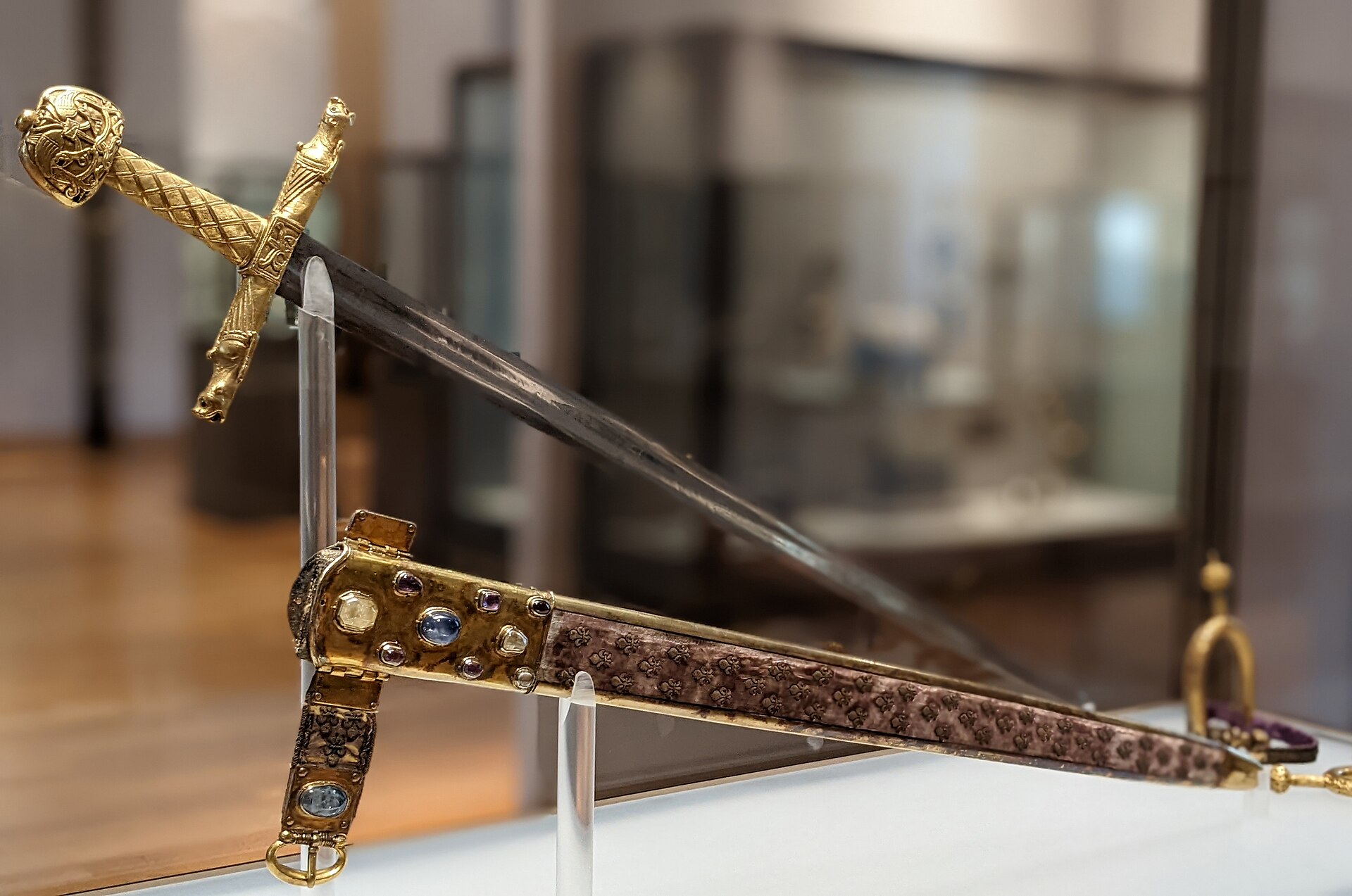
- The Louvre records the end of a 522-year link in two words. The coronation sword called Joyeuse was kept in the treasury of the Abbey of Saint-Denis until the Revolution and entered the museum by revolutionary seizure on 5 December 1793, while most of the rest of that treasury was melted for coin.
An ownership chain is built from deaths and sales, and an institution supplies neither
Most links in a provenance break for one of two reasons: the owner died or the owner sold. Those are the two engines, and between them they account for the great majority of the 2,105 ownership links across the 299 published records here. A cathedral chapter, an abbey, a guild or a royal treasury has no lifespan, no heirs and, in the ordinary course, no intention of selling. So neither engine fires, and the link simply continues.
We went looking for how long that can go on. Filtering the corpus for links whose owner is an institution of that kind and which last eighty years or more returns twenty-eight links, spread across twenty-three records. They cover 7,434 years between them and average 266 years each. Twenty-four are graded documented, three unknown and one disputed.
The longest link in this archive lasted 594 years and ended in a dissolution
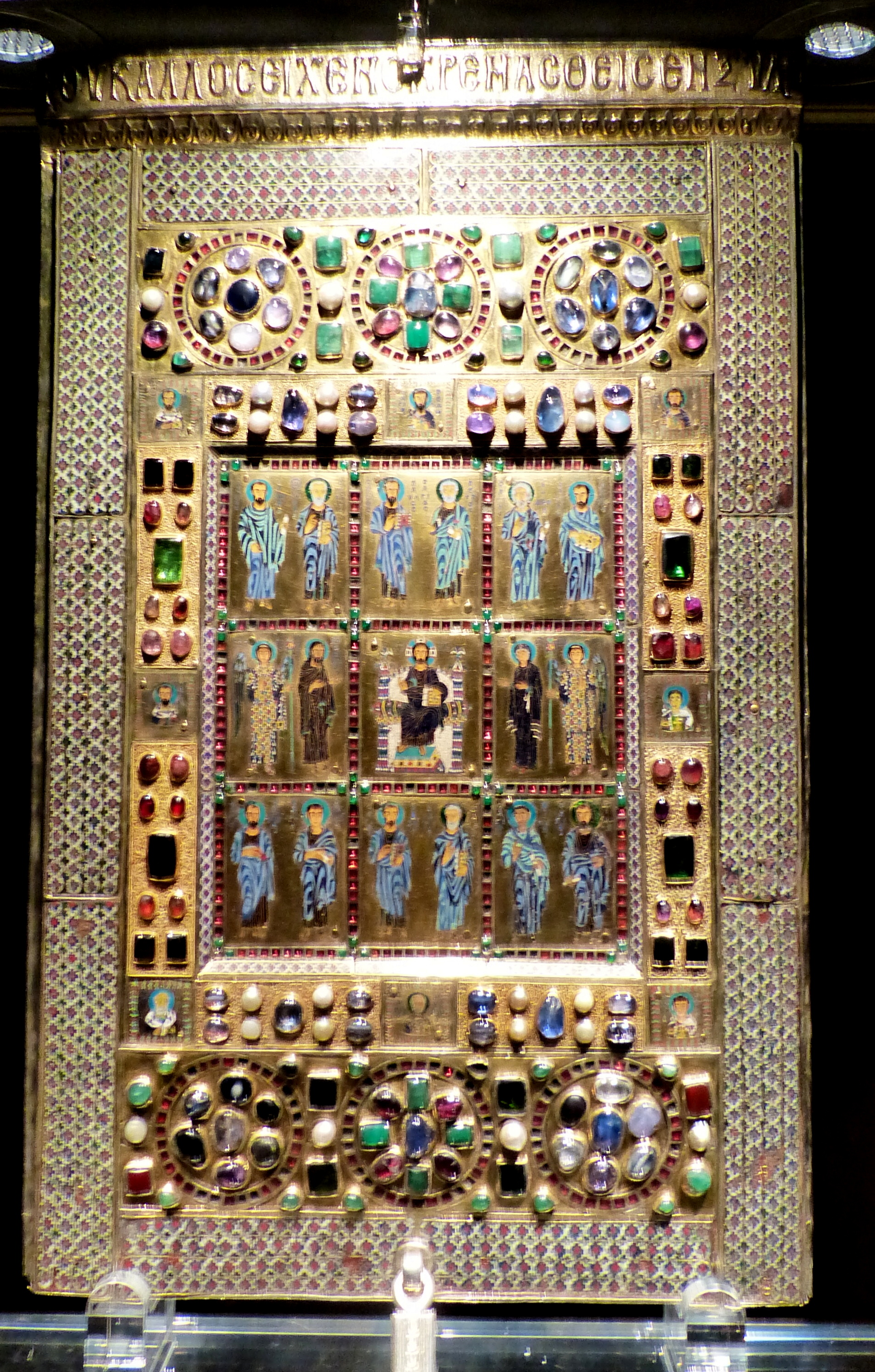
Stuben Abbey, an Augustinian house of women near Bremm on the Moselle, held the Limburg Staurotheke from 1208 to 1802. That is the longest single documented ownership link in the corpus. The reliquary itself is Byzantine, made for the emperors Constantine VII and Romanos II between 945 and 959, held in the imperial treasury at the Pharos Chapel of the Great Palace in Constantinople until 1204, and brought west after the Fourth Crusade by Heinrich von Ulmen, who gave it to the abbey where his sister Irmgard was abbess.
August Heuser, then director of the Diozesanmuseum Limburg, sets out what happened next in one sentence: in the secularisation of 1802 to 1803 it came into the possession of the Duke of Nassau, who in 1835 gave it to the diocese of Limburg, which had existed only since 1827. Our own record adds the intervening detail that the object was moved across to the right bank of the Rhine ahead of the dissolution, along with other relics from the abbey's treasury, and was then held at Festung Ehrenbreitstein as secularisation property.
Read the whole chain and the shape is unmistakable. One line of 594 years, then five changes of hand in thirty-three. The object did not become more valuable or more contested in 1802. Its owner stopped existing, and everything that had been stable about its history stopped with it.
Nine of the twenty-eight links end within a single generation
Nine of the twenty-eight end between 1789 and 1815, which is not a coincidence and is not really about art at all. The French Revolution, the secularisation of the ecclesiastical states on the left bank of the Rhine and Napoleon's suppression of the religious orders in the former Venetian territories abolished, within about twenty years, a large proportion of the institutions that had been the most stable owners in Europe for half a millennium.
| Object | Institutional owner | Years | Event that ended the link |
|---|---|---|---|
| Limburg Staurotheke | Stuben Abbey, Moselle | 1208-1802, 594 | Removal ahead of dissolution |
| Gyeongcheonsa ten-story pagoda | Gyeongcheonsa Temple | 1348-1907, 559 | Removal to Japan |
| Lindisfarne Gospels | Durham Cathedral Priory | 995-1539, 544 | Gap, unrecorded for 66 years |
| Joyeuse, coronation sword | Treasury of Saint-Denis | 1271-1793, 522 | Revolutionary seizure |
| Coronation mantle of Roger II | Free Imperial City of Nuremberg | 1423-1796, 373 | Evacuation |
| Baptistere de Saint Louis | Sainte-Chapelle de Vincennes | 1440-1793, 353 | Seizure and deposit |
| Ardabil Carpet | Shrine of Shaykh Safi al-Din | 1539-1888, 349 | Purchase, and the link is graded disputed |
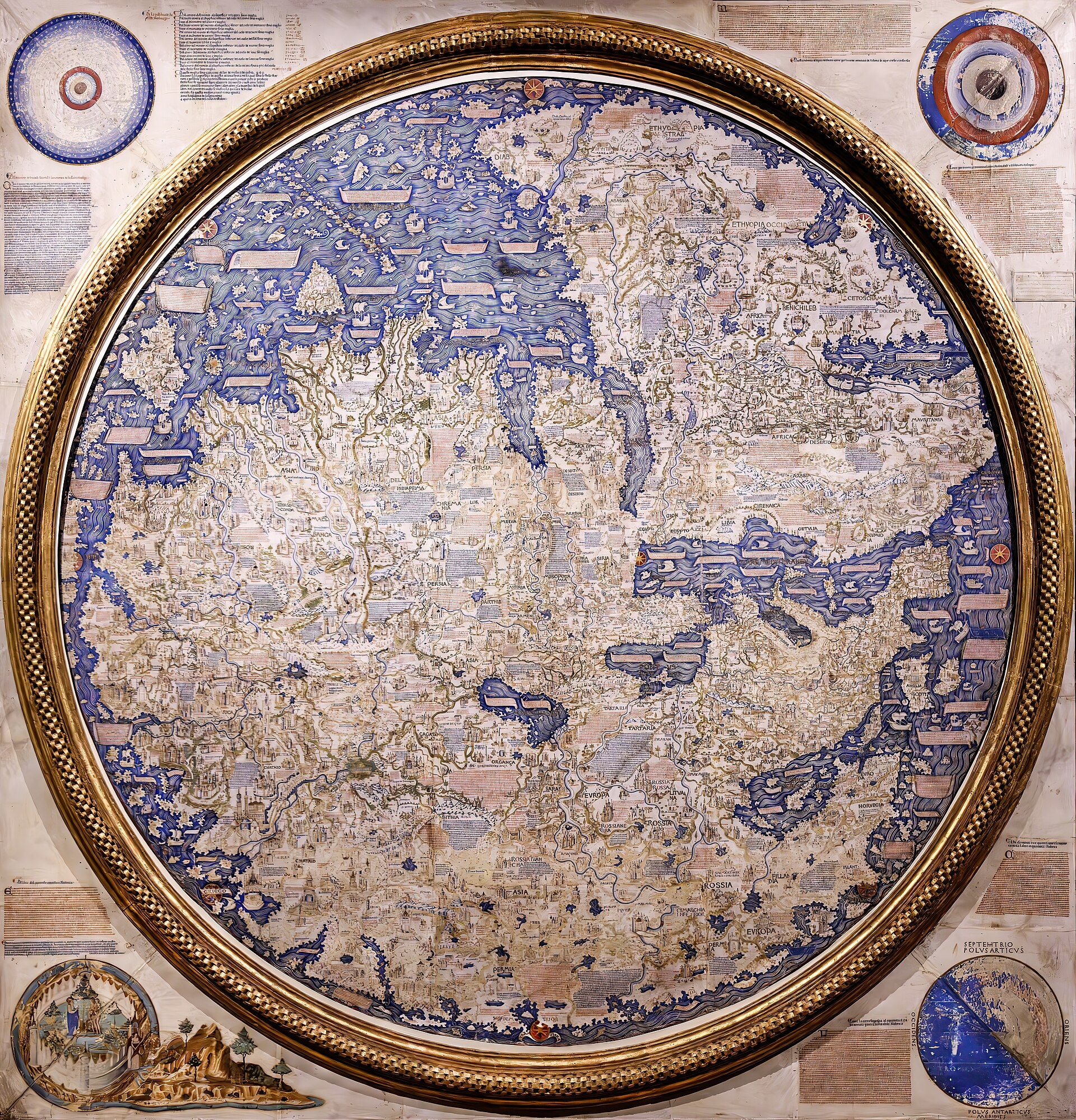
| Fra Mauro world map | San Michele in Isola, Venice | 1464-1810, 346 | Confiscation and transfer |
| Hereford Mappa Mundi | Hereford Cathedral, Dean and Chapter | 1300-1640, 340 | Concealment |
| Bayeux Tapestry | Bayeux Cathedral treasury | 1476-1792, 316 | Near-loss |
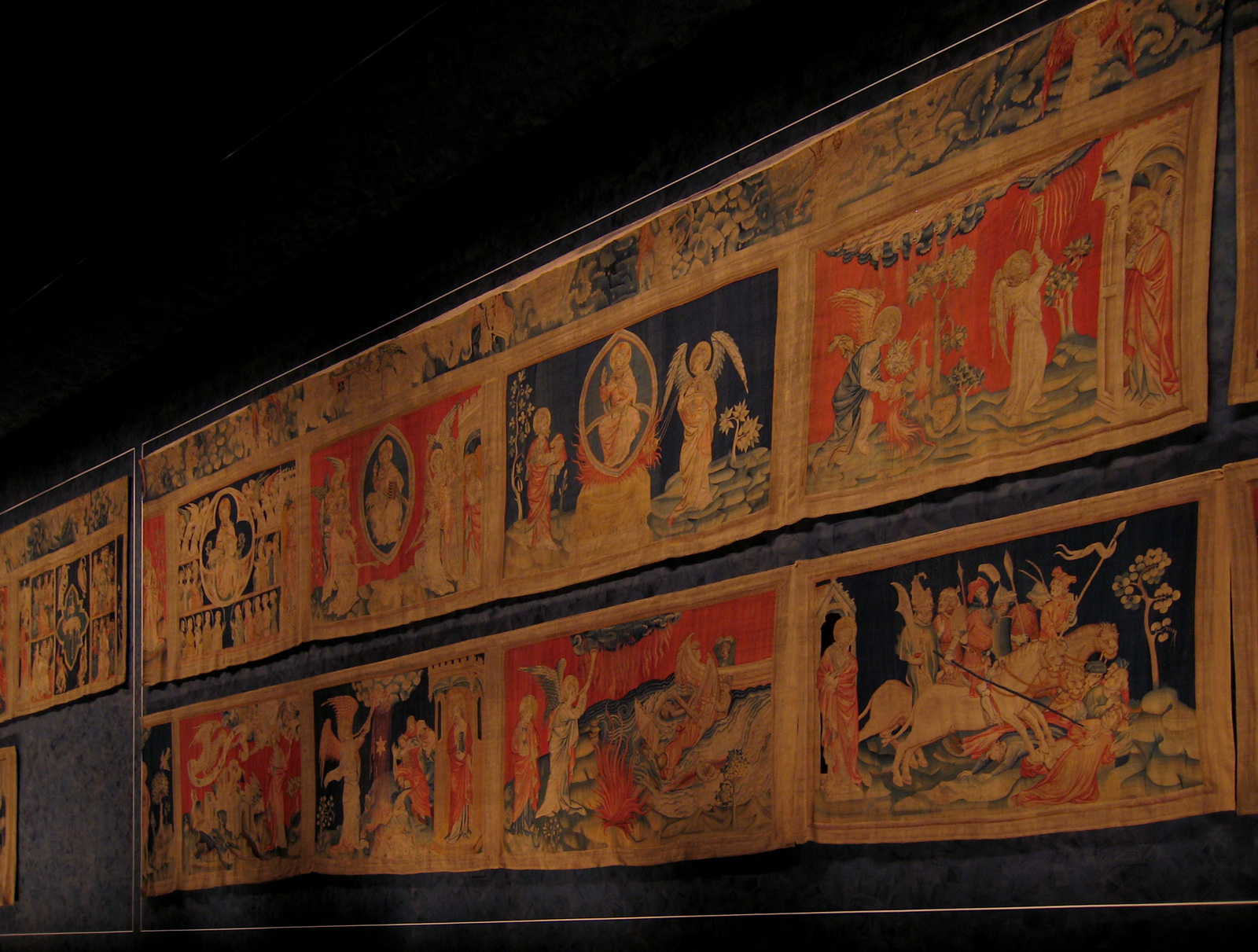
| Apocalypse Tapestry | Chapter of Angers Cathedral | 1480-1767, 287 | Removal and attempted sale |
| Van Vianen memorial ewer | Amsterdam goldsmiths' guild | 1614-1794, 180 | Gap following guild dissolution |
| Tyndale New Testament, 1526 | Bristol Baptist College | 1784-1994, 210 | Purchase by the British Library |
Three of the twenty-eight end in a completed transaction, and one of those three is the Tyndale New Testament passing to the British Library in 1994. A fourth ends in an arrangement with the monks of Sankt Paul im Lavanttal to buy a Gutenberg Bible. A fifth ends in a papal permission to sell that found no buyer for twenty-two years, which is the market's verdict on how easily such objects move even when their owner is finally allowed to move them.
The Louvre ends a 522-year link in two words
The museum's record for the sword called Joyeuse, MS 84, states that it was kept in the treasury of Saint-Denis until the Revolution and then gives the acquisition as saisie revolutionnaire, revolutionary seizure, on 5 December 1793. The object itself is a composite assembled over centuries, and the Louvre dates its parts separately: the pommel to 900 to 1100, the quillons to 1100 to 1200, the handle to 1200 to 1400 and the blade to 1700 to 1900. The owner line reads Etat.
What makes this the sharpest case in the group is what happened to everything beside it. Most of the Saint-Denis regalia was melted for coin or sold in the same period, and this sword, its scabbard and the coronation spurs were preserved on grounds of artistic and historical interest. So the survival of the object is a curatorial decision taken during the destruction of its owner, in the same weeks, by the people doing the destroying. Then the record accelerates: deposited at the Louvre in 1793, displayed at Notre-Dame as revived Charlemagne regalia for Napoleon's coronation from 1804 to 1816, used ceremonially once more in 1825, held by the Garde-Meuble, sheltered at the Ministry of Finance in 1848 and back at the Louvre from 1852.
Five hundred and twenty-two years, then eight changes of hand in sixty. That is the same curve as the Limburg reliquary, at almost the same moment, under a different statute.
A long link is frequently a thin one, and the longest of all is graded unknown
The Lindisfarne Gospels were probably at Durham Cathedral Priory from 995 to 1539, and this archive grades that 544-year link unknown. That is not a failure of research, it is what the sources support. The British Library's own catalogue for Cotton MS Nero D IV says the manuscript was housed at Durham by the twelfth century, documented through Symeon of Durham, and then moves straight to Robert Bowyer, the parliamentary official who died in 1621 and left his signature on it, and then to Sir Robert Bruce Cotton.
The gap is the tell. Durham Cathedral Priory was dissolved in 1539 and no owner is documented at all until Bowyer's attested ownership by 1605, sixty-six years later. An institution that never sells produces no bill of sale, never dies so produces no will or inventory of an estate, and rarely lends so produces no loan register. The documents that make an ownership chain checkable are all by-products of things such an owner does not do, which is why the most stable holdings in the corpus are also among the least evidenced.
The Ardabil Carpet shows the same effect one grade further down. Its 349 years at the shrine of Shaykh Safi al-Din are graded disputed, because the shrine's ownership across that period is reported rather than documented, and the link ends in a purchase by Ziegler and Co of Manchester in 1888 that is better recorded than the three centuries before it.
When the owner is abolished the object is not sold, it is taken
Look at the terminal events again and the vocabulary is worth reading as vocabulary. Seizure. Confiscation and transfer. Removal ahead of dissolution. Evacuation. Concealment. Near-loss. Catastrophic loss. Gap following guild dissolution. Not one of those is a transaction, and none of them tells you what the object was worth, because no price was formed.
The Fra Mauro world map is the clean Venetian case. The monastery of San Michele in Isola held it from 1464 to about 1810, when Napoleon's suppression of the religious orders in the former Venetian territories ended the Camaldolese community's tenure, and the map passed into state custody and was moved to the Biblioteca Nazionale Marciana. The Amsterdam guild ewer is the same shape in a secular register: the guild of goldsmiths and silversmiths held it from 1614 to 1794, and the next entry in the chain is a gap following the guild's dissolution, with the owner recorded as unknown. An institution's abolition does not transfer its property to anybody in particular. It releases it, and the record has to pick the object up again afterwards, sometimes decades later.
The exceptions are the institutions that were allowed to decide
Three cases in the group end because the institution itself chose to act, and they are worth separating out. Bristol Baptist College held a 1526 Tyndale New Testament for 210 years and sold it to the British Library in 1994, a completed transaction between willing parties. The Convento de Santa Clara at Medina de Pomar held the Royal Gold Cup for 272 years and sold it to Baron Jerome Pichon in 1882. The Chapter of Angers Cathedral held the Apocalypse Tapestry for 287 years and then attempted to sell it, which is why its terminal event reads removal and attempted sale rather than sale.
Those attempts tend to be badly timed and badly received, because an institution usually sells for the same reason a family does, which is that it has run out of money, and it does so into a market that treats the sale as a scandal. The Confraternity of the Immaculate Conception at Popayan is the extreme case: it was granted papal permission to sell the Crown of the Andes and found no buyer for twenty-two years. Hereford Cathedral's Dean and Chapter proposed selling the Mappa Mundi through Sotheby's in 1988 and did not, in the end, sell it.
How to read an institutional link
Treat the length as a fact about the owner and not about the evidence. A three-hundred-year link is telling you that nothing happened, which is genuinely informative, and it is telling you nothing about whether anybody wrote the object down during those three centuries. Check the grade before you lean on it, and expect unknown or disputed more often than the length suggests.
Then look hard at the terminal event, because that is where the documents are. Where an institution is dissolved or seized, the paperwork is generated by the state rather than by the owner: inventories of confiscated property, transfer lists, deposit registers, the records of a fortress or a ministry. Those are frequently the first detailed documents in the whole chain, and they arrive at the moment the chain breaks. For several objects here the best-recorded year in a thousand is the year their owner was abolished.
What the pattern says about the shape of this corpus
A collection assembled by a person is a biography and it ends when they do. A collection held by an institution is a different kind of object altogether, and the twenty-eight links here suggest it has one characteristic failure mode rather than many. It does not get dispersed by heirs, it does not get sold in a bad year, it does not get divided between children. It survives intact for centuries and then stops all at once, because the thing that held it has been legislated out of existence.
That has a practical consequence for anybody researching such an object. The question to ask is not who owned it next, which is frequently unanswerable for a generation. The question is which statute dissolved the owner, and where the property it released was inventoried, because that is the document the chain resumes from.
Why this archive is free to read
We do this for everyone who loves art. The people who have studied it for years, and the people who just stopped to look. Iconotheca exists so that what we learn belongs to all of them.
Nobody pays us for this. No ads, no sponsors, no commercial interest. These works belong to all of us, and we would rather share them with as many people as we can than keep them to ourselves.
If it gave you something today, tell us to keep going. Follow us, leave a like, or write a positive comment. We read every one, and they are what keeps us going.
Questions
Stuben Abbey on the Moselle held the Limburg Staurotheke for 594 years, from 1208 until the secularisation of 1802 to 1803. It is the longest documented link in a corpus of 2,105 ownership links across 299 published records.
Because the documents that make a chain checkable are by-products of transactions and deaths, and an institution that never sells and never dies produces neither. The Lindisfarne Gospels' 544 years at Durham Cathedral Priory are graded unknown for exactly this reason, and the British Library's own catalogue names no owner between the Dissolution of 1539 and Robert Bowyer's attested ownership by 1605.
Legislation rather than the market. Nine of the twenty-eight longest institutional links in this archive end between 1789 and 1815, cut by the French Revolution, the secularisation of the ecclesiastical states on the left bank of the Rhine and Napoleon's suppression of the religious orders in the former Venetian territories.
Rarely, and three of the twenty-eight links here end in a completed transaction: Bristol Baptist College to the British Library in 1994, the Convento de Santa Clara to Baron Jerome Pichon in 1882, and one sale among the shrine and treasury cases. A fourth ends in an arrangement to buy a Gutenberg Bible from the monks of Sankt Paul im Lavanttal, and a fifth in a papal permission to sell that found no buyer for twenty-two years.
In the records of the body that abolished it. Confiscation inventories, transfer lists and deposit registers made by a revolutionary state, a secularising administration or a receiving fortress or ministry are frequently the first detailed documents in the whole chain, and they are generated at the moment the ownership link breaks.
Sources
- 1Musee du Louvre, collections database, entry for Epee du sacre des rois de France, dite Joyeuse, MS 84, Departement des Objets d'art, permalink ark:/53355/cl010113394. Read 26 September 2026. Primary source for the inventory number, the separate dating of pommel (900-1100), quillons (1100-1200), handle (1200-1400) and blade (1700-1900), the dimensions of 100.5 by 22.6 cm, the owner given as Etat, the statement that it was conserved in the treasury of Saint-Denis until the Revolution, the acquisition by saisie revolutionnaire on 5 December 1793, and the subsequent sequence through Notre-Dame from 1804 to 1816, the Garde-Meuble, the Ministry of Finance in 1848 and the return to the Louvre in 1852. collections.louvre.fr/en/...
- 2British Library, archives and manuscripts catalogue, Cotton MS Nero D IV, Gospel-book (Lindisfarne Gospels), dated c. 700 (0695-0705). Read 26 September 2026. Primary source for the attribution of the writing to Eadfrith of Lindisfarne on the evidence of the tenth-century colophon, for Aldred's interlinear Old English glosses, for the statement that the manuscript was housed at Durham Cathedral Priory by the twelfth century as documented by Symeon of Durham, and for the succession from Robert Bowyer (c. 1560-1621) to Sir Robert Bruce Cotton (1571-1631) and the Cotton bequest that formed a foundation collection of the British Museum in 1753. searcharchives.bl.uk/catalog/...
- 3August Heuser, Die Limburger Staurothek, in Eulenfisch, Limburger Magazin fuer Religion und Bildung, issue 1, 2009. Heuser is identified on the article as Direktor des Dioezesanmuseums Limburg. Read 26 September 2026. Source for the making of the reliquary under Constantine VII between 945 and 959, for its presence in the imperial palace at Constantinople until the Fourth Crusade of 1202 to 1204, for the arrival of parts of the imperial relics including the Staurotheke at Trier in 1207 to 1208 and their passage to the Augustinian convent at Stuben on the Moselle, and for the sentences that in the secularisation of 1802 to 1803 it came into the possession of the Duke of Nassau, who in 1835 gave it to the diocese of Limburg, which had existed since 1827. eulenfisch.de/magazin/...
More in Collectors and Collections
The partThe Name in the Buyer's Column Is Often an Employee
Across 126 years of sales in this archive the winning bidder is repeatedly not the owner.
The Binding Is a Later Owner's Object
16 of the 18 manuscripts and printed books in this archive wear a binding a later owner paid for.
The Collector Became a Legal Person
Twelve records here sit in a museum that carries a collector's name. In none of them is the museum the owner.