Where the Silence Falls: The Gap Is Almost Always at the Beginning
The profession defines provenance as a chain running from creation to the present. Across 198 researched records, 119 carry a gap, and in 76 of them the silence is the first thing in the object's recorded life.
Records in this piece: The Blacas Ewer, The Bobrinski Bucket, Twelve-sided Ewer with Sphinxes and Human-Headed Inscriptions, Basin known as the Baptistere de Saint Louis, Lion dit "de Monzon", The Wade Cup with Animated Script, Bust of Nefertiti, The Sutton Hoo Helmet, The Mocking of Christ, The David Vases, Portrait of a Young Man Holding a Roundel, The Messiah
On this page 8 sections
ContentsClose
In short
- Of 198 records published here, 119 carry at least one span of ownership history recorded explicitly as a gap, across 128 separate gap events.
- In 76 of those 119 records the earliest silence is the first thing in the object's recorded life: 70 open immediately after the object is made, and 6 open the chain outright.
- Where both ends of that first gap carry a readable date, the median runs to just over 123 years and the mean to 284; 25 of 66 run two centuries or more.
- The silence tracks the archive, not the object. All 8 Islamic metalwork records carry a gap, with a median first silence of 596 years; musical instruments, documented by makers' ledgers and players' names, run to a median of 11.
- The AAMD does not ask its members to reconstruct a chain back to origin for ancient art. It asks for a single date, 17 November 1970, which is an admission that the origin end is usually unrecoverable.
What the standard actually asks for
The ICOM Code of Ethics for Museums defines provenance as the complete history and ownership of an item from the time of its creation or discovery to the present day. That definition, in the glossary of the Code adopted by the 41st Ordinary General Assembly in Paris on 25 June 2026, is the standard against which every ownership history on this site is written, and it sets the clock running at the moment the object comes into existence.
It is a demanding definition, and it is worth noticing how demanding. It does not ask where a picture has been since it entered the literature. It does not ask who has owned it since it was last sold. It asks for the whole of it, from the workshop or the ground onwards, and it attaches three consequences to the answer: history, authenticity and rightful ownership. The same Code asks museums to conduct provenance research on all the collections they hold, without qualification as to age or class of object.
Set that standard beside a corpus of researched objects and a specific question follows. Not how often is the chain broken, which is a question anyone can guess the answer to, but where it breaks. That turns out to have a consistent and slightly surprising answer.
What 198 researched records actually contain
This archive currently publishes 198 records, and 119 of them contain at least one span of ownership recorded explicitly as a gap. That is 60 per cent of the corpus, spread across 128 separate gap events, and it is worth being clear about what those events are. They are not places where research stopped. They are places where research was done and established that no owner is recoverable, and they are graded and dated as carefully as the documented links on either side.
The house rule that produces them is that a recorded gap beats a smooth invented chain. Every provenance line here is graded documented, disputed or unknown, and the 1,431 provenance events in the corpus divide into 1,096 documented, 196 unknown and 139 disputed. A gap is what an unknown looks like when it is also a span of years rather than a single doubtful transfer.
Because the gaps are structured data rather than prose hedging, they can be counted, positioned and measured. That is the whole of what follows.
The silence is not in the middle of the story
In 76 of the 119 records that carry a gap, the earliest silence is the first thing in the object's recorded life. Seventy of them open immediately after the event that brings the object into existence, whether that is recorded as origin, manufacture, creation, commission, discovery or excavation. Six more have no event before the gap at all: the chain opens on silence. Only 43 records have their first gap somewhere later, after an owner has already been named.
This is not the shape most people expect, and it is not the shape the popular literature describes. The familiar image of a provenance gap is a hole punched in the middle of a known career, a picture that was in a Paris collection in 1928 and in a New York one in 1954 with nothing in between. That pattern exists here and it matters enormously, but it is the minority case.
The dominant shape is different and quieter. An object is made. Then nothing is written down about it, or nothing survives that was, for a very long time. Then it appears, already old, in a dealer's stock or a country-house inventory or a sale catalogue, and the documented history begins from there and runs unbroken to the present. The provenance is not interrupted. It simply starts late.
How long the first silence runs
Where both ends of that first gap carry a readable date, the median runs to just over 123 years. The mean is 284, pulled upward by a long tail: of the 66 first gaps that can be measured this way, 40 run a century or more, 25 run two centuries or more, and 10 run five centuries or more. These are the figures for the first gap alone, not for the total silence in a chain.
The long end of that tail is worth reading one line at a time, because the numbers stop being abstract.
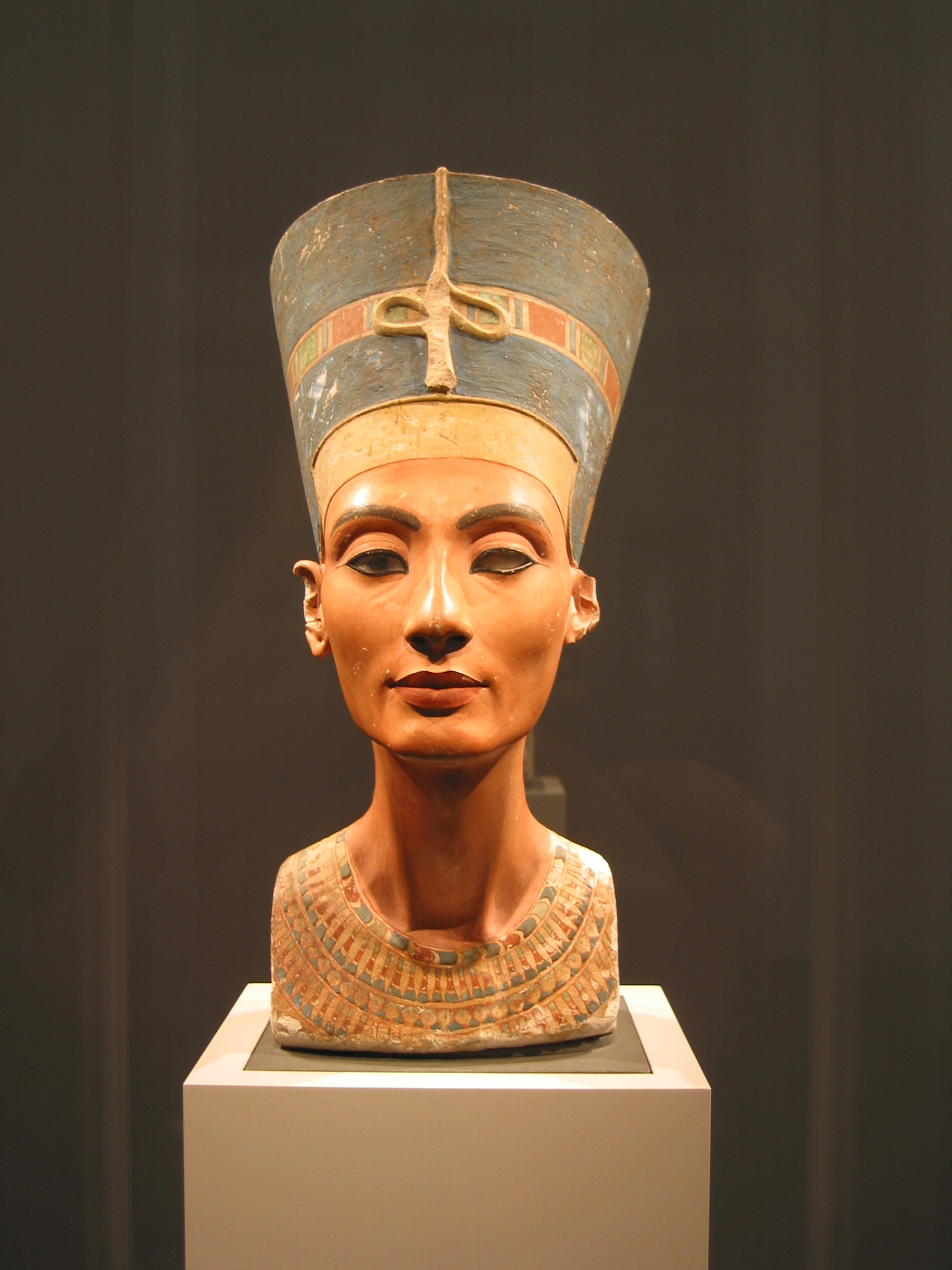
3,244 years. The bust of Nefertiti, made about 1332 BCE and next recorded on 6 December 1912, the day it came out of the ground at Amarna.
1,679 years. The Constable-Maxwell cage cup, Roman work of about AD 300, with no owner recoverable before 1979.
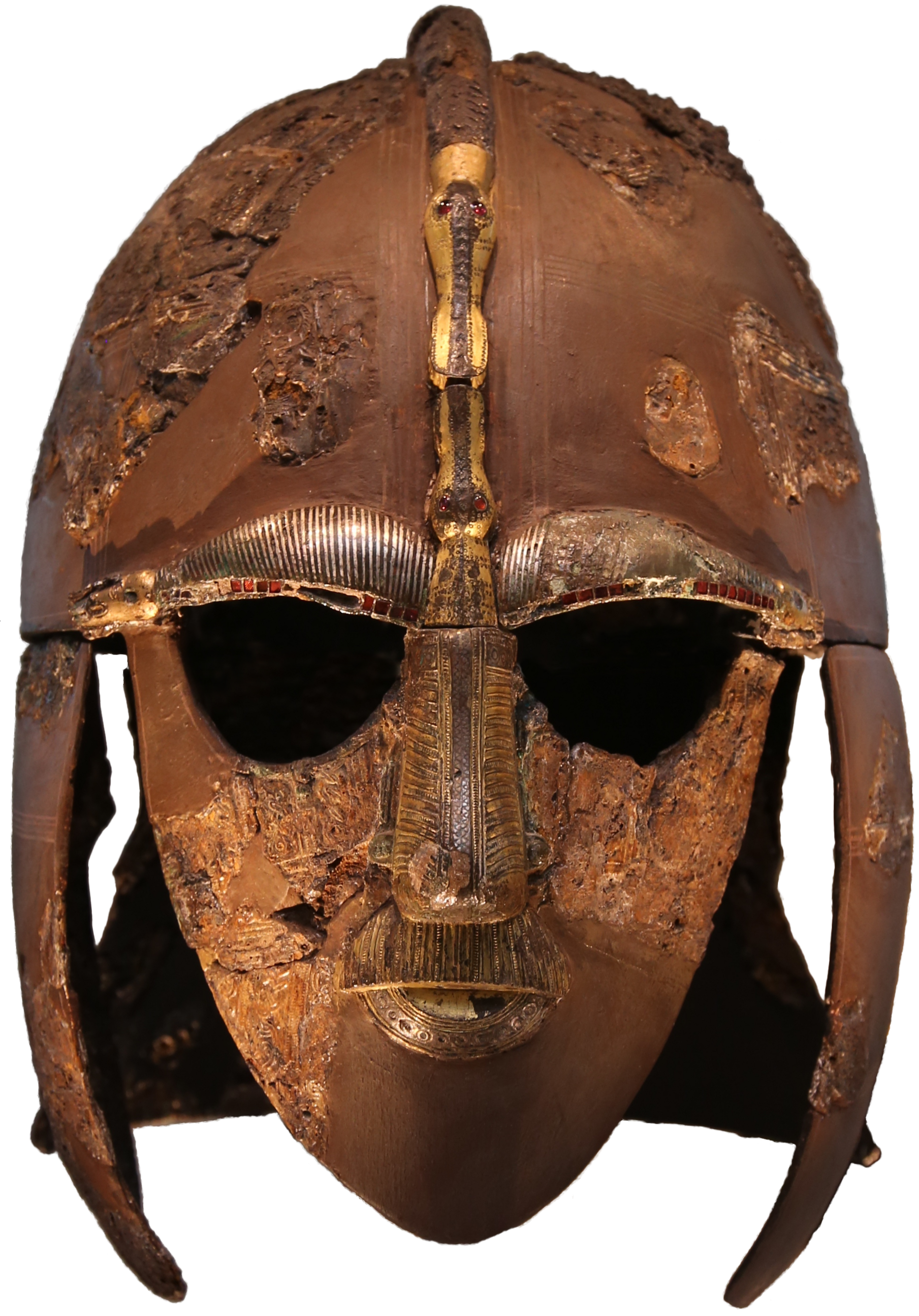
1,314 years. The Sutton Hoo helmet, buried about 625 and excavated in 1939.
857 years. The Ru guanyao brush washer, Northern Song, about 1125, with nothing recorded until 1982.
722 years. The Bobrinski bucket, which carries its own completion date of 1163 inlaid into the metal and is not heard of again until about 1885.
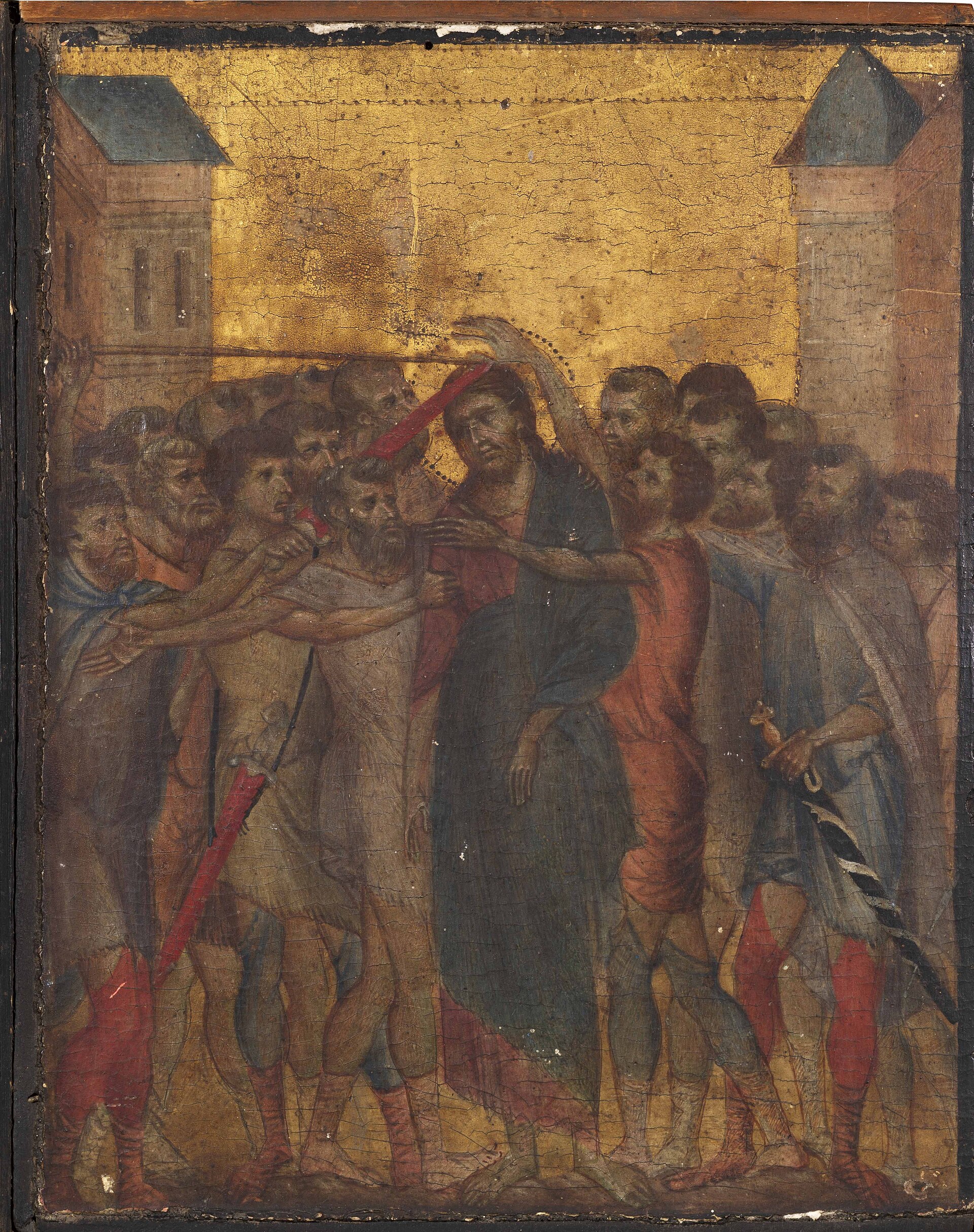
591 years. Cimabue's Mocking of Christ, painted about 1280 and first recorded in 1871.
The short end is just as instructive. The Messiah Stradivarius has a first gap of three years. Roger Fenton's Valley of the Shadow of Death has one of six. These are objects that were born into a documentary system that was already watching them.
Which classes of object go dark, and for how long
The likelihood that an object's chain begins in silence varies enormously by what the object is. Ranked by the share of records carrying a gap, with the median length of the first gap where it can be measured, the corpus divides as follows.
Islamic metalwork: 8 of 8 records, 100 per cent, median first gap 596 years. Every single one.
Antiquity: 11 of 13, 85 per cent. Too few carry paired readable dates for a median to be honest, because these are the records where the origin date is a century or a dynasty rather than a year.
Silver: 8 of 10, 80 per cent, median 57 years. Frequent gaps, but short ones.
Glass: 6 of 8, 75 per cent, median 849 years. The most extreme combination in the corpus.
Ceramic: 8 of 12, 67 per cent, median 233 years.
Painting: 16 of 28, 57 per cent, median 128 years. The class the whole discipline is built around sits almost exactly at the corpus median.
Sculpture: 7 of 18, 39 per cent, median 1,669 years. Rarely gapped, catastrophically gapped when it is, because the gapped ones are ancient.
Arms and armour: 3 of 9, 33 per cent, median 332 years.
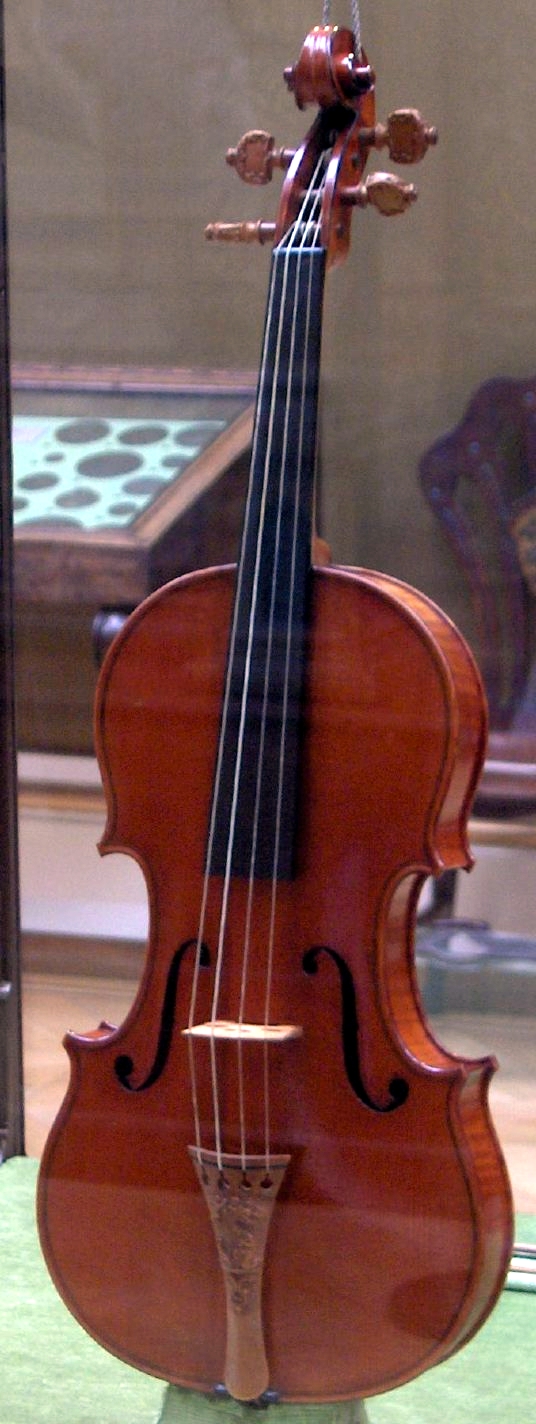
Musical instrument: 6 of 8, 75 per cent, median 11 years.
Read the last two lines together and the mechanism shows itself. A violin is gapped more often than a suit of armour and yet its silences are trivially short, because violins are tracked by maker, by dealer and above all by player, and a great instrument is rarely anonymous for a decade. Armour is gapped less often because the surviving pieces are largely those that stayed in armouries with inventories, but when a piece leaves that system it is gone for centuries.
The shape of the silence is the shape of the archive
The gaps in this corpus map almost exactly onto the coverage of the documentary apparatus that provenance research depends on. The Getty Provenance Index, the largest open resource of its kind, publishes its own coverage dates, and they are worth setting out plainly: sales catalogues for works offered in Europe from 1650 to 1945; archival inventories of European private collections from 1520 to 1880; dealer stock books running from Goupil in Paris from 1846 and Knoedler in New York from 1872; payments to artists in Rome between 1576 and 1711; provenance records for public collections in Great Britain and the United States from 1500 to 1990.
Every one of those series is European or North American, and every one of them begins in the sixteenth century at the earliest. An object made in Mosul in 1232 or in Kaifeng in 1125 was not made outside history. It was made outside that history, and the apparatus that would have recorded its owners did not exist where it was and does not reach back to when it was made.
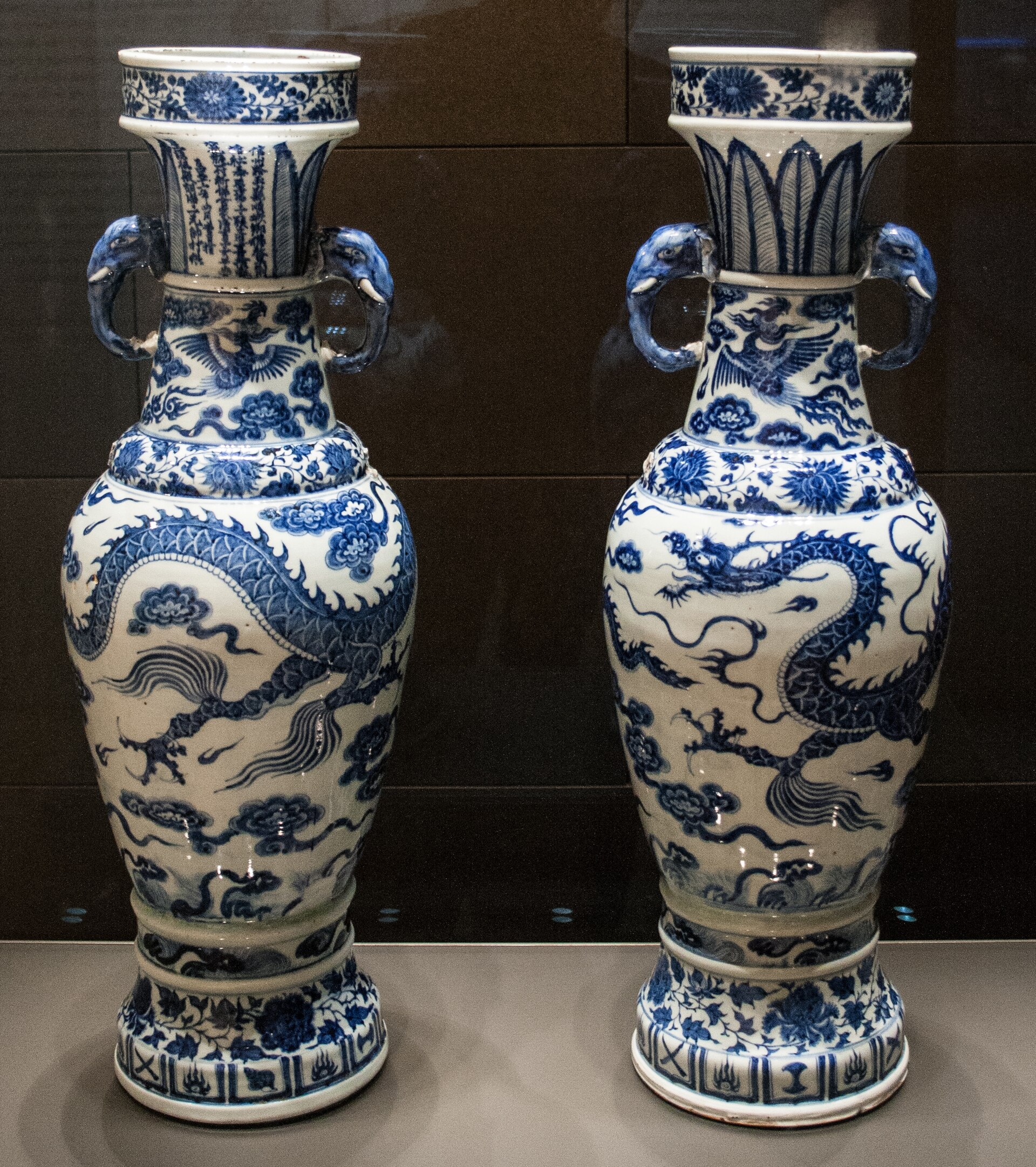
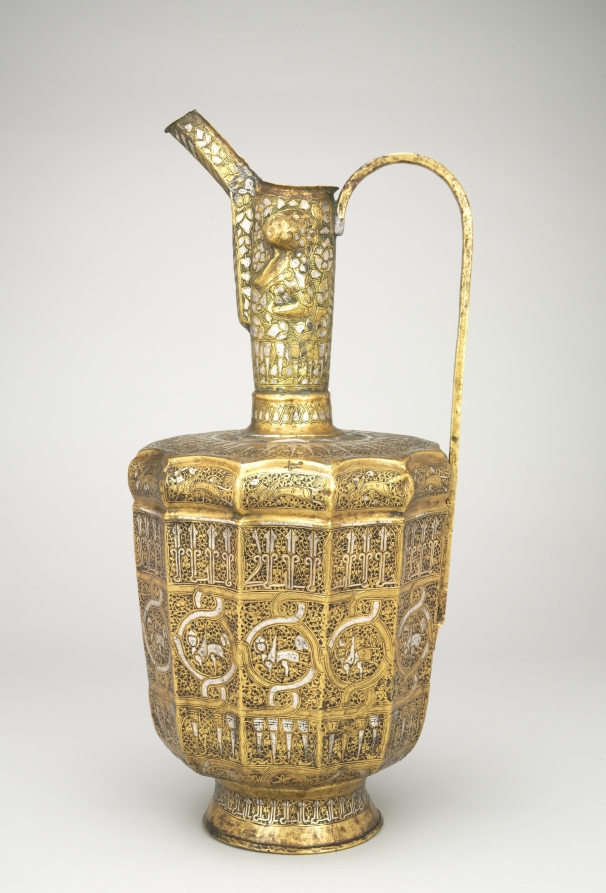
This is why the 596-year median for Islamic metalwork is a fact about archives rather than a fact about Islamic metalwork. The Blacas ewer is dated 1232 by its own inscription and is not documented in an owner's hands until about 1828. The twelve-sided ewer in Cleveland runs from 1350 to 1913. The Baptistere de Saint Louis, made in the first half of the fourteenth century, is next recorded around 1440 in French royal use. In each case the object surfaces at the moment it enters a European collection, because that is the moment a European record starts being kept. The silence before it is the silence of a filing system, not of an object nobody owned.
The same logic explains why paintings sit at the corpus median rather than above it. Western easel painting is the class the archive was built to track.
What the market uses instead of a chain
The trade's own rulebook concedes the point that this data makes. The Association of Art Museum Directors, in the guidelines on the acquisition of archaeological material and ancient art adopted by its membership on 29 January 2013, does not ask a museum to reconstruct an ownership chain back to the object's making. It asks for a single date. Member museums, the guidelines say, normally should not acquire a work unless provenance research substantiates that it was outside its country of probable modern discovery before 1970, or was legally exported from it after 1970.
That threshold is the date of the UNESCO Convention, 17 November 1970. It entered the guidelines in the 2008 revision, which deleted an earlier provision allowing acquisition on ten years of provenance alone. And the guidelines then say, without euphemism, that even after the most extensive research many works will lack a complete documented ownership history.
Read that alongside the ICOM definition and the two documents are describing the same object from opposite ends. ICOM sets the ideal: creation to the present, entire. AAMD sets the operational floor for the class of object where the ideal is least attainable: not a chain at all, but a bright line in 1970 and a set of tests for what a museum may reasonably infer. The gap between the two is not hypocrisy. It is the profession measuring, in its own way, exactly the thing measured here.
How to read a record whose chain begins in 1828
A provenance that starts centuries after the object was made is not by itself a warning sign, and treating it as one is the commonest error in amateur diligence. Sixty per cent of the objects in this corpus have such a silence somewhere, and most of those silences are the ordinary consequence of the object having existed before anyone wrote inventories where it was.
What matters is which silence you are looking at. A gap that opens at the object's making, runs for four centuries and closes when the piece enters a documented European collection is a statement about the survival of records. A gap of eight years in the middle of a twentieth-century chain, closing when the object reappears in a different country under a different description, is a statement about the object. The Pissarro in this corpus has a first gap of exactly that second kind, running from 1943 to 1951. So does the Lydian hoard, 2005 to 2012. Those are short gaps and they are the serious ones.
The practical test is therefore not the length of the silence but its position and its edges. Ask what event precedes the gap and what event closes it. Ask whether the object comes out of the silence under the same name it went in under. Ask whether the closing document is an inventory, a sale, a discovery or a seizure. A four-hundred-year silence that closes on a country-house inventory and a five-year silence that closes on a border crossing are not the same kind of fact, and no summary statistic that counts only years will tell them apart.
Questions
Usually not. Sixty per cent of the records in this archive carry at least one gap, and in most cases the silence is the ordinary result of the object predating the inventories, sale catalogues and stock books that provenance research relies on. What matters is where the gap sits and what closes it, not that one exists.
Because the surviving documentary apparatus is European and begins in the sixteenth century at the earliest. The Getty Provenance Index covers European sales catalogues from 1650, European private inventories from 1520 and public collections from 1500. An object made in Mosul in 1232 enters the record when it enters a European collection, which is why the median first gap for Islamic metalwork in this corpus is 596 years.
In this archive a gap is a span of years for which no owner is recoverable, recorded as its own dated event in the chain. An unknown is a single link whose holder is not established. The corpus carries 128 gap events and 196 links graded unknown, and both are published rather than bridged, because a recorded gap is worth more than an invented chain.
For archaeological material and ancient art the AAMD substitutes a date for a chain. Its guidelines ask that provenance research substantiate the work was outside its probable country of modern discovery before 17 November 1970, or legally exported after it, and they state that many works will lack a complete documented ownership history even after extensive research.
Sources
- 1International Council of Museums, 'ICOM Code of Ethics for Museums', as adopted by the 41st Ordinary General Assembly, Paris, 25 June 2026. Glossary definition of provenance and the collections clause on provenance research. Read in full from the ICOM PDF. icom.museum/wp-content/...
- 2Association of Art Museum Directors, 'Guidelines on the Acquisition of Archaeological Material and Ancient Art (revised 2013)', final text adopted by AAMD membership 29 January 2013. Sections III.E and III.F, and the introduction recording that the 2008 revision deleted the ten-year provenance provision and introduced the 17 November 1970 threshold. cms.aamd.org/sites/...
- 3Association of Art Museum Directors, press release, 'Strengthened Guidelines on the Acquisition of Archaeological Material and Ancient Art Issued by Association of Art Museum Directors'. Confirms the 1970 threshold wording in the AAMD's own summary. aamd.org/for-the-media/...
- 4Getty Research Institute, 'Getty Provenance Index', coverage statements for Sales Catalogs (Europe, 1650 to 1945), Archival Inventories (European private collections, 1520 to 1880), Dealer Stock Books (Goupil, Paris, from 1846; Knoedler, New York, from 1872), Payments to Artists (Rome, 1576 to 1711) and Public Collections (Great Britain and the United States, 1500 to 1990). getty.edu/research/...
- 5Iconotheca, records.json, the published corpus of 198 researched object records with graded provenance chains. All counts, positions and gap spans in this article are computed from the published provenance events of that corpus. iconotheca.com/artworks
More in Provenance and Restitution
The partA return is a new arrangement, not a conclusion
Four contested antiquities, four different things a return turned out to be: a renaming, a rotating loan, a forfeiture nobody enforced and a broken...
When the Only Proof of Where an Object Was Is a Photograph
The Third Imperial Easter Egg was photographed once, in March 1902, and that single plate is what identified it in 2014.
Moved for Safekeeping Is a Link in the Chain
Nine evacuations in this archive: three objects never returned to the building they left, one came back unrecognised and title changed once, by a...