When the Owner's Name Becomes the Object's Name
Across this archive the objects that carry a personal name are almost never named for their makers. Several are signed and dated by the hand that made them and catalogued under a nineteenth-century owner, a donor, or the fund that paid.
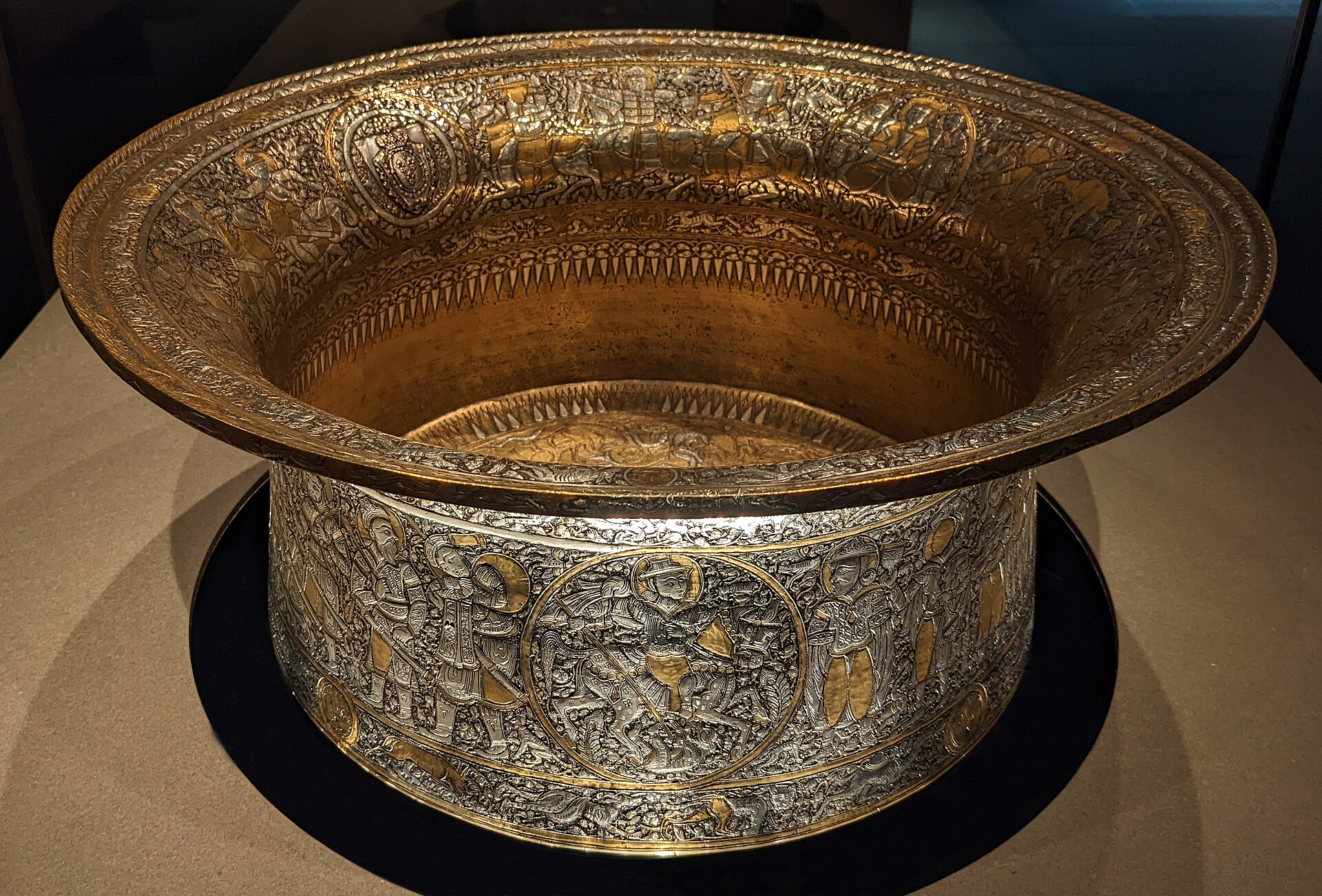
Records in this piece: Basin known as the Baptistere de Saint Louis, The Blacas Ewer, The Bobrinski Bucket, The Wade Cup with Animated Script, Twelve-sided Ewer with Sphinxes and Human-Headed Inscriptions, Codex Leicester, Statue of a Victorious Youth, The David Vases, The Clark Sickle-Leaf Carpet, Longcase clock with calendrical, lunar, and tidal indications, also known as the Graves Tompion
On this page 6 sections
ContentsClose
In short
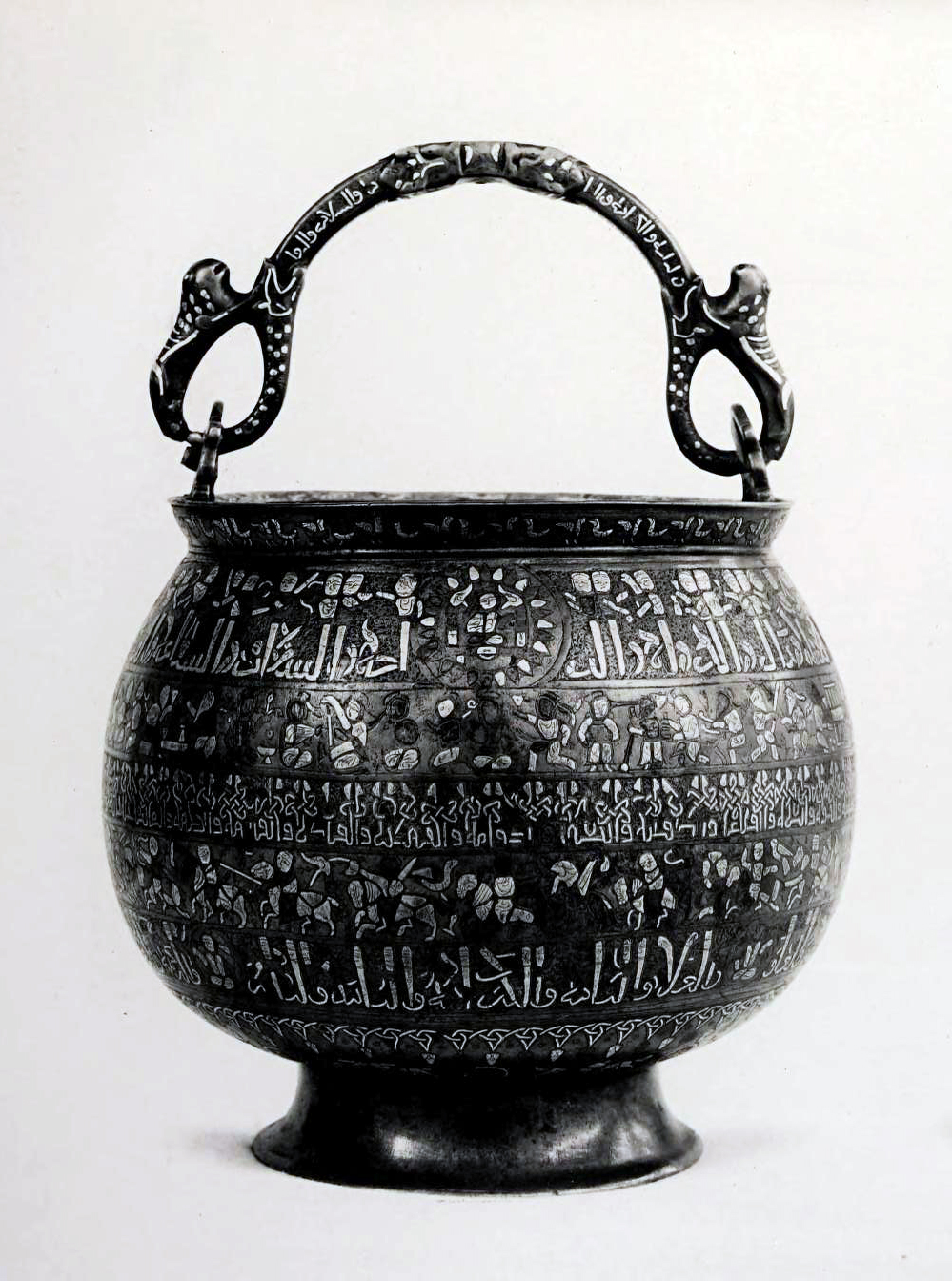
- The archive's medieval Islamic metalwork inverts the usual evidence problem. The Baptistere de Saint Louis is signed six times by Muhammad ibn al-Zayn, the Blacas Ewer is signed by Shuja ibn Mana al-Mausili and dated April 1232, and the Bobrinski Bucket names four men in its own inscriptions; all three are catalogued under a European owner's surname.
- One of those names is chronologically impossible. The Louvre dates the Baptistere to 1325-1340 and Louis IX died in 1270, which is why the museum's own catalogue title is Bassin dit Baptistere de Saint Louis, the basin so-called.
- A name can commemorate the money rather than an owner. Cleveland's Wade Cup is named for the J. H. Wade Fund that bought it, and the twelve-sided ewer at 1945.27 was bought from the same fund a year later and carries no such name.
- A name can move with the owner and then move back. Thomas Coke acquired the Leonardo manuscript in 1717 and it became the Codex Leicester; Christie's sold it in 1994 under the catalogue title The Leonardo da Vinci Codex Hammer; the Uffizi exhibited it in 2018 as the Codex Leicester again.
- The naming reaches the institution itself. The Getty's own record for the Statue of a Victorious Youth lists Getty Bronze as an alternate title, so the museum's name is now catalogued as a name for the object.
The personal name in a title is rarely the maker's
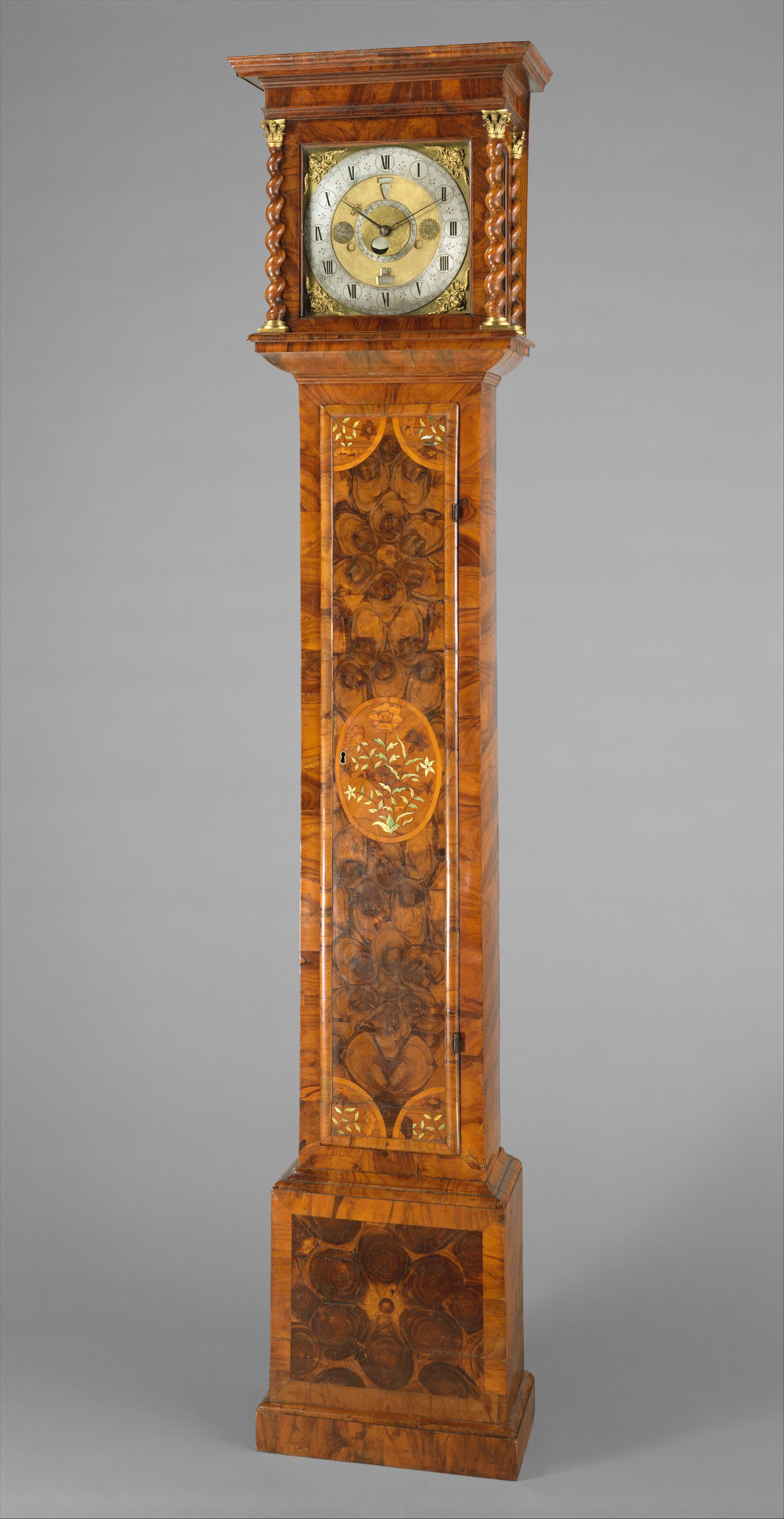
When an object in this archive carries a person's name in its title, that person is almost never the one who made it. The Blacas Ewer is named for Louis, Duc de Blacas d'Aulps, from whom the British Museum bought a collection in 1866. The Bobrinski Bucket is named for the Russian count in whose collection it sat before the Hermitage received it. The Wade Cup is named for a Cleveland endowment. This archive's records for the Graves Tompion and the Clark Sickle-Leaf Carpet show the same shape, each object carrying the surname of a collection it passed through. In none of these cases does the name describe the object, its subject, its place of manufacture or its function.
This is not a complaint about romance in cataloguing. The names are load-bearing: they are how the literature is indexed, and abandoning them would sever the object from eighty or a hundred years of scholarship written under them. The problem is narrower and more practical. A name of this kind looks like an attribution and is not one, and a reader who has met the object only through its name has been told something about a nineteenth-century collector and nothing about the thing itself.
The place it does real damage is a search. A researcher looking for the earliest dated inlaid brass from Herat will not find the Bobrinski Bucket by searching for Herat, a date, or the men who made it, because the object is filed under a surname none of them bore.
The archive's Islamic metalwork inverts the evidence
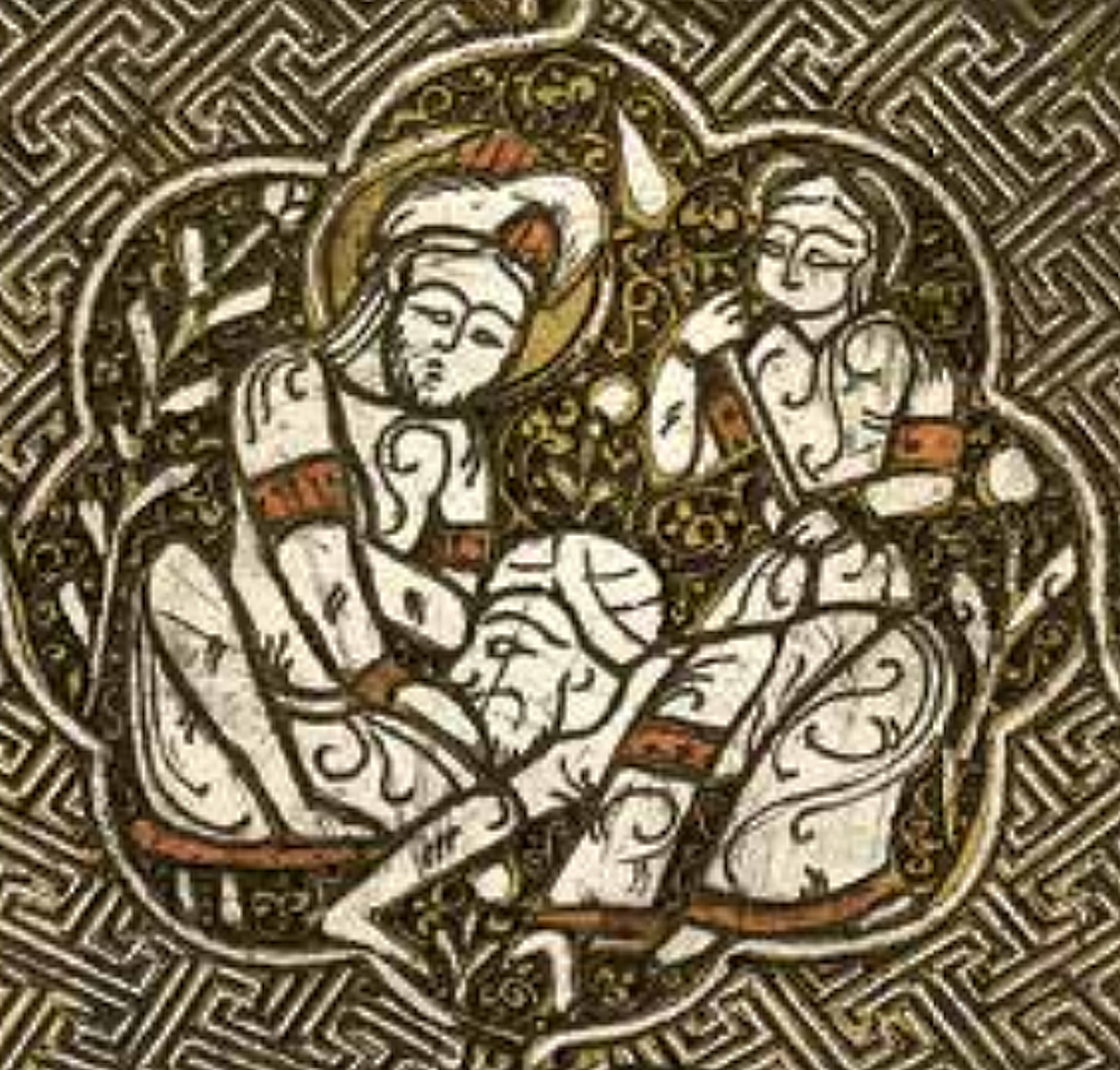
The objects most thoroughly buried under an owner's name here are precisely the ones whose makers left the fullest record of themselves. Medieval Islamic inlaid metalwork is unusual in its genre for carrying signatures and dates, and three of this archive's records carry them in abundance.
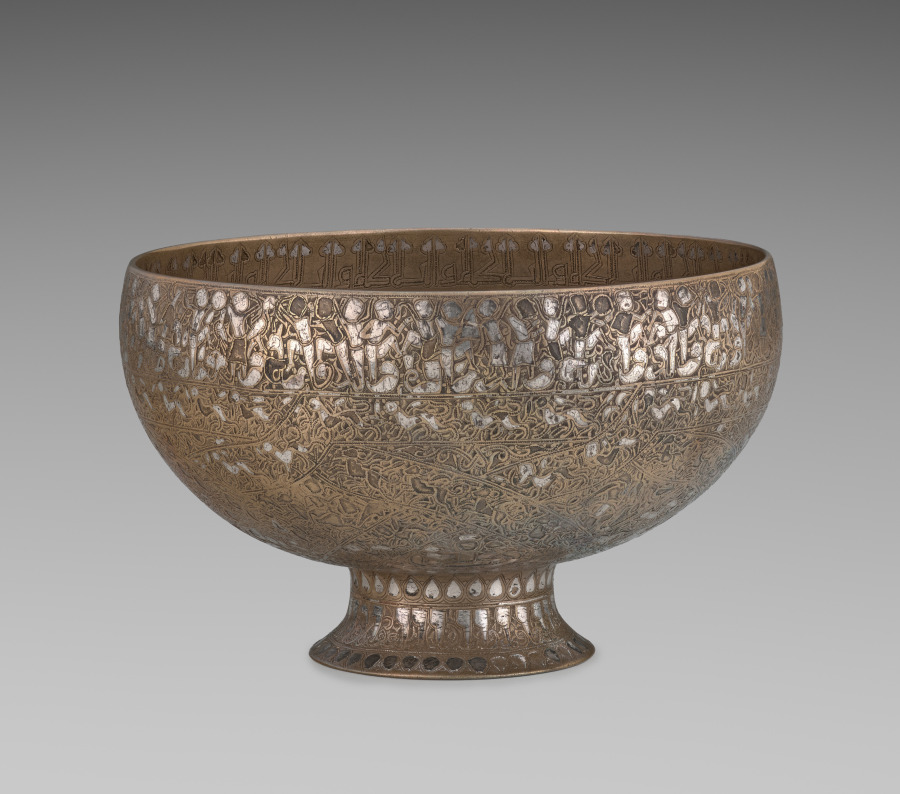
The Bobrinski Bucket is dated by its own inscription to Muharram 559 AH, December 1163, and three separate inscriptions across its handle, rim and body name the two craftsmen who made it, the man who commissioned it, and the Herat merchant it was made for. It is one of the earliest firmly dated and signed pieces of Islamic inlaid metalwork known, and it is the fixed point against which an entire undated corpus of twelfth- and thirteenth-century Khurasan bronzes has been classified. It has nonetheless been the Bobrinski Bucket in the scholarly literature at least since Richard Ettinghausen's foundational study of 1943, which is titled for the collector.
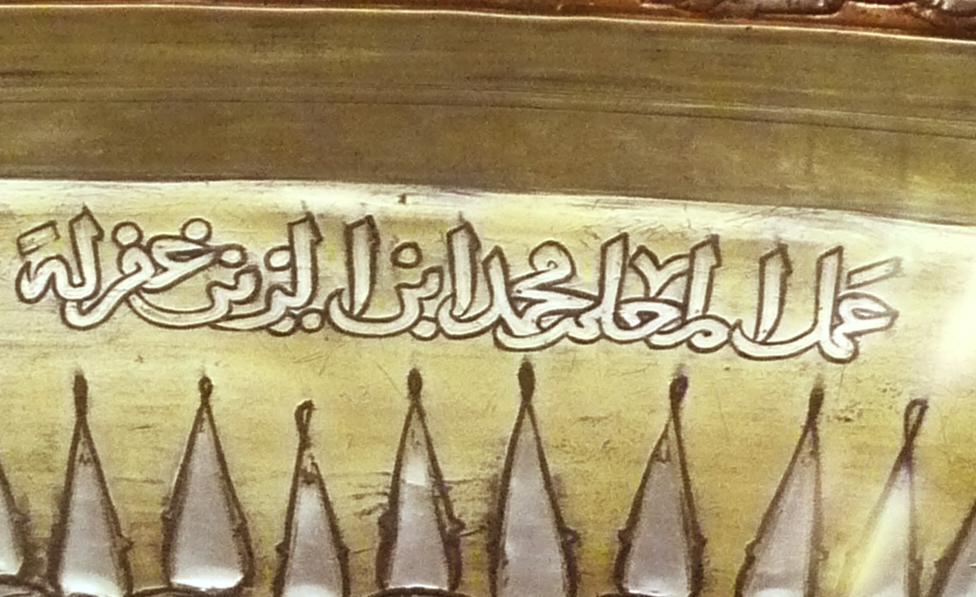
The Blacas Ewer is inscribed with the name of its maker, Shuja ibn Mana al-Mausili, and the British Museum's own production date reads April 1232, converted from Rajab 629 AH. The Baptistere de Saint Louis is signed six times by Muhammad ibn al-Zayn, an insistence unusual even within this genre, and carries no name of the ruler or patron who commissioned it. Between them these three objects name six medieval individuals, and the names by which all three are known are those of a French duke, a French king and a Russian count.
A name can be chronologically impossible
The Baptistere de Saint Louis cannot have belonged to Saint Louis, and the museum that holds it says so in the way it prints the title. The Louvre catalogues the object as Bassin dit Baptistere de Saint Louis, under inventory number LP 16, and dates it to the second quarter of the fourteenth century, 1325 to 1340. Louis IX died in 1270. The basin was made somewhere between fifty-five and seventy years after the king it is named for was dead.
The name attached for a reason that has nothing to do with ownership. The basin is first securely recorded in the French royal treasury of the Sainte-Chapelle de Vincennes around 1440, with no surviving explanation of how a Mamluk basin reached it, and from 1606 it was used to baptise French royal children, including the future Louis XIII, a role it kept on and off until 1856. A Mamluk brass basin acquired the name of a crusading French saint because of what the French monarchy later did with it.
What matters here is that the Louvre's dit is doing precise work and most citations drop it. The museum is not asserting that this is the Baptistery of Saint Louis; it is recording that the object is called that. A title that carries its own disclaimer in the institutional record loses the disclaimer the moment it is quoted, and the reader who meets the short form meets a claim the museum never made.
Sometimes the name commemorates the money
An object can be named for a fund rather than for anyone who ever owned it. The Cleveland Museum of Art's credit line for the Wade Cup reads Purchase from the J. H. Wade Fund, and the cup has been the Wade Cup in the literature ever since. Jeptha Homer Wade II never owned it. The name commemorates the endowment that paid, which is a form of donor recognition and not a fact of provenance at all.
The archive shows that this is not even applied consistently. The twelve-sided ewer with sphinxes at Cleveland accession 1945.27 was bought from the same J. H. Wade Fund, one year after the cup, and it is catalogued as the Twelve-sided Ewer with Sphinxes and Human-Headed Inscriptions. Same museum, same fund, same department, adjacent years, and one object carries the benefactor's name in its title while the other does not.
That inconsistency is the useful finding. If the presence of a personal name in a title were governed by a rule, it would carry information. It is not, so it does not. Whether an object is known by a collector's surname is a matter of which piece a curator or a scholar happened to single out, and it says nothing about the object's importance, its documentation or its ownership history.
A name that moved with the owner, and moved back
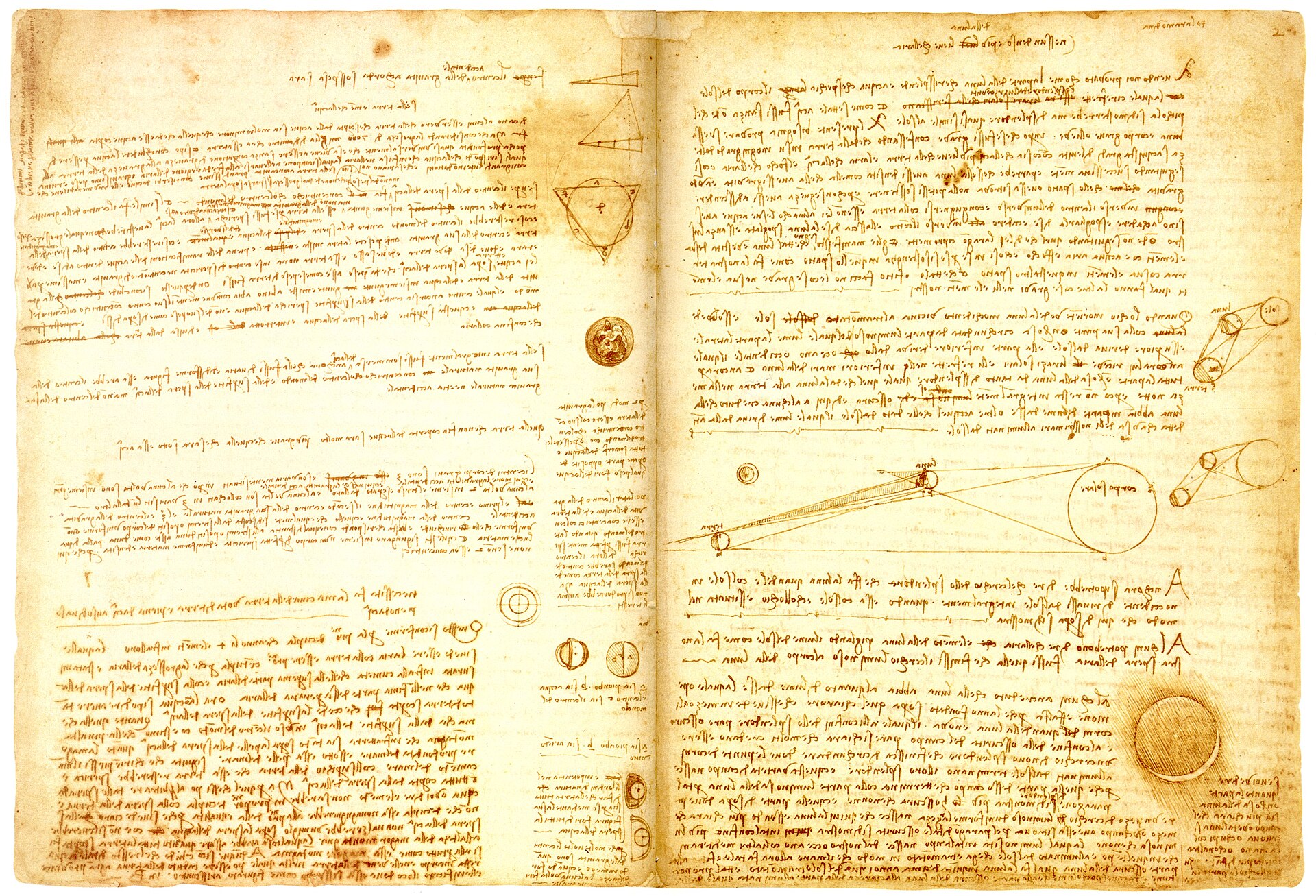
The clearest demonstration that these names track custody rather than the object is the Leonardo manuscript that changed its name twice in fourteen years. Thomas Coke, later first Earl of Leicester, acquired it in Italy in 1717, and it has been the Codex Leicester ever since. It remained in the family until 1980, when Armand Hammer bought it and it began to be called the Codex Hammer.
That second name was not informal. When the manuscript was sold again on 11 November 1994, the auction catalogue was published as The Leonardo da Vinci Codex Hammer: the property of the Armand Hammer Museum of Art and Cultural Center, Los Angeles, California. A Christie's sale catalogue is a legal description of the lot on offer, and the lot on offer was named for the man who had owned it for fourteen years.
Bill Gates bought it at that sale, and the name reverted. When the Uffizi and the Museo Galileo showed the manuscript in Florence from 30 October 2018 to 20 January 2019, the exhibition was titled Water as Microscope of Nature: Leonardo da Vinci's Codex Leicester. The object did not change. Its name was that of an eighteenth-century English earl, then that of a twentieth-century American industrialist, and then the earl's again, and at no point did any of this describe the notebook Leonardo wrote.
What to do with an owner-name in research
Keep the name and treat it as a provenance datum, because that is exactly what it is. A collector-name in a title is a dated pointer to a specific owner and a specific transfer, and it is often the earliest firm point in a modern ownership chain. Blacas tells you the object passed through a French ducal collection acquired in 1866; Bobrinski tells you it was in a Russian aristocratic collection before the Hermitage; Leicester tells you Holkham, 1717.
Then search under everything else as well. The maker's signature, the inscribed date, the place of manufacture, the patron and the recipient are all better search terms for the object itself, and for these three metalwork records they exist and are recorded. An object catalogue that indexes only the collector's surname is indexing the last owner who mattered to the institution, which is a different question from what the object is.
Finally, carry the museum's own hedging when you quote a name. Where a catalogue prints dit or known as or so-called, that qualifier is the museum declining to endorse the name, and it costs one word to keep.
Questions
No. The Louvre dates the basin to 1325-1340 and Louis IX died in 1270, so the object was made at least fifty-five years after his death. The Louvre's own catalogue title is Bassin dit Baptistere de Saint Louis, the basin so-called. The name comes from its later use in baptising French royal children from 1606.
The J. H. Wade Fund, the Cleveland Museum of Art endowment that paid for it in 1944, not an owner. Jeptha Homer Wade II never held the cup. A twelve-sided ewer bought from the same fund the following year, accession 1945.27, carries no personal name in its title, so the practice is not a rule.
Because Armand Hammer owned it from 1980 to 1994 and it was renamed for him. Christie's sold it on 11 November 1994 under the catalogue title The Leonardo da Vinci Codex Hammer. After Bill Gates bought it at that sale the older name returned, and the Uffizi exhibited it in 2018 as the Codex Leicester.
No. It is the index under which a century of scholarship sits, and it is itself a provenance datum pointing at a named owner and a datable transfer. The discipline is to read it as a fact about ownership rather than about the object, and to search under the maker, the inscribed date and the place of manufacture as well.
Sources
- 1Musee du Louvre, collections record for Bassin dit Baptistere de Saint Louis, inventory LP 16, maker Muhammad ibn al-Zayn, dated second quarter of the fourteenth century, 1325-1340. collections.louvre.fr/en/...
- 2British Museum, collection record for the Blacas ewer, museum number 1866,1229.61: the curator's comment states that the ewer is named after the Duc de Blacas whose collection was acquired by The British Museum in 1866, the maker's inscription reads Shuja ibn Mana al-Mausili, and the production date is April 1232 (Rajab 629 AH). britishmuseum.org/collection/...
- 3Ruba Kanaan, The Bobrinski Bucket, Khamseen: Islamic Art History Online, University of Michigan, published 28 August 2020, with the object dated 559 AH / 1163 CE and citing Richard Ettinghausen, The Bobrinski Kettle: Patron and Style of an Islamic Bronze, Gazette des Beaux-Arts 6 (24), 1943, pp. 193-208. sites.lsa.umich.edu/khamseen/...
- 4The Cleveland Museum of Art, collection record 1944.485, The Wade Cup with Animated Script, credit line Purchase from the J. H. Wade Fund. clevelandart.org/art/...
- 5The Cleveland Museum of Art, collection record 1945.27, Twelve-sided Ewer with Sphinxes and Human-Headed Inscriptions, credit line Purchase from the J. H. Wade Fund. clevelandart.org/art/...
- 6Robin Halwas Ltd, bookseller's description of the Christie, Manson and Woods catalogue, The Leonardo da Vinci Codex Hammer: the property of the Armand Hammer Museum of Art and Cultural Center, Los Angeles, California, sale of 11 November 1994, recording acquisition in Italy in 1717 by Thomas Coke, later 1st Earl of Leicester, and family possession until 1980. robinhalwas.com/002865-leonardo-da-vinci-codex-hammer-the...
- 7Gallerie degli Uffizi, exhibition record, Water as Microscope of Nature. Leonardo da Vinci's Codex Leicester, 30 October 2018 to 20 January 2019. uffizi.it/en/...
- 8Museo Galileo, The European circulation of the Codex Leicester, online exhibition, recording that the future Earl of Leicester acquired the codex and took it to Florence to have a copy made, about 1717. mostre.museogalileo.it/codiceleicester/...
- 9J. Paul Getty Museum, collection record for Statue of a Victorious Youth, Object Number 77.AB.30, listing Getty Bronze among its alternate titles. getty.edu/art/...
- 10Victoria and Albert Museum, The Ardabil Carpet, museum article, for the museum's practice of printing an owner-derived popular title alongside the museum number 272-1893. vam.ac.uk/articles/...
More in Collectors and Collections
The partThe credit line names the collector, and the accession number tells you what happened
Morgan died in March 1913, and the Metropolitan credits him with gifts made in 1917. The credit line names the collector.
The Longest Ownership Links Here Belong to Owners That Were Not People
The 28 longest institutional ownership links in this archive run 7,434 years between them. Three end in a completed sale.
The Name in the Buyer's Column Is Often an Employee
Across 126 years of sales in this archive the winning bidder is repeatedly not the owner.