The Museum in the Seller's Column
Eight records in this archive carry a museum or a state as the seller. The Bodleian sold its First Folio as a duplicate and paid 3,000 pounds to get it back. The British Museum sold 29 Benin plaques as duplicates. A forger invented a museum sale to launder a tablet.
Records in this piece: Mr. William Shakespeares Comedies, Histories, & Tragedies (the Bodleian copy), The Benin Bronzes, Codex Sinaiticus, The Crucifixion; The Last Judgment, Adam and Eve, Third Imperial Easter Egg, The Euphronios Krater, The Gilgamesh Dream Tablet
On this page 9 sections
ContentsClose
In short
- Eight records in this archive have a museum, a library or a state in the seller's column of the provenance. The event is rare in the chains, at eight of about 1,800 links, and it is the link a later holder is most likely to regret, to invent, or to be unable to document.
- The Bodleian sold its First Folio in a batch of superfluous books priced at 24 pounds around 1664, and bought the same copy back for 3,000 pounds in 1906 with more than 80 subscribers, bidding against Henry Clay Folger. The library's own blog says the date of the deaccession is not clear.
- The British Museum deaccessioned 29 Benin plaques in 1950 and 1951 as duplicates, an understanding the museum now states was incorrect. Two of the plaques it passed to Nigeria later left Lagos without being deaccessioned by anyone and reached the Metropolitan Museum through a New York dealer.
- The Soviet state is the seller in three records. The British Museum paid 100,000 pounds for the Codex Sinaiticus by cheque to Arcos Ltd, the Soviet trading company, in December 1933. The Met bought van Eyck's diptych out of the Hermitage through Knoedler the same year. Goudstikker bought the Cranach panels at a 1931 Berlin auction billed as the Stroganoff Collection, which the Ninth Circuit found the Stroganoffs may never have owned.
- A museum sale is also the link forgers reach for. The False Provenance Letter for the Gilgamesh Dream Tablet claimed it had been deaccessioned from a small, unnamed museum and sold in a 1981 lot described as a box of miscellaneous ancient bronze fragments.
A sale by a museum is the rarest ordinary link
A museum appears in the seller's column of a provenance in eight of the records in this archive, out of roughly 1,800 graded ownership links. The event is rare because museums are built to keep, and it repays reading on its own because the eight cases share a pattern that the ordinary purchase link does not: the institution that sold usually regretted it, the price it received is almost never on the record, and the sale is the one kind of link a dishonest dealer can plausibly invent, because a reader assumes a museum's release papers exist somewhere.
The eight cases fall into three kinds. Two are museums selling what they believed were duplicates. Three are a state selling a museum's holdings for currency. Three are sales of a different shape altogether, a museum selling one collection to buy another, a state conveying a contested object to settle a claim, and a sale that never happened at all, invented on paper to clean a looted tablet. We take them in that order, because the first kind is the most instructive and the last is the reason the first matters.
The Bodleian sold its First Folio as a duplicate and paid to get it back
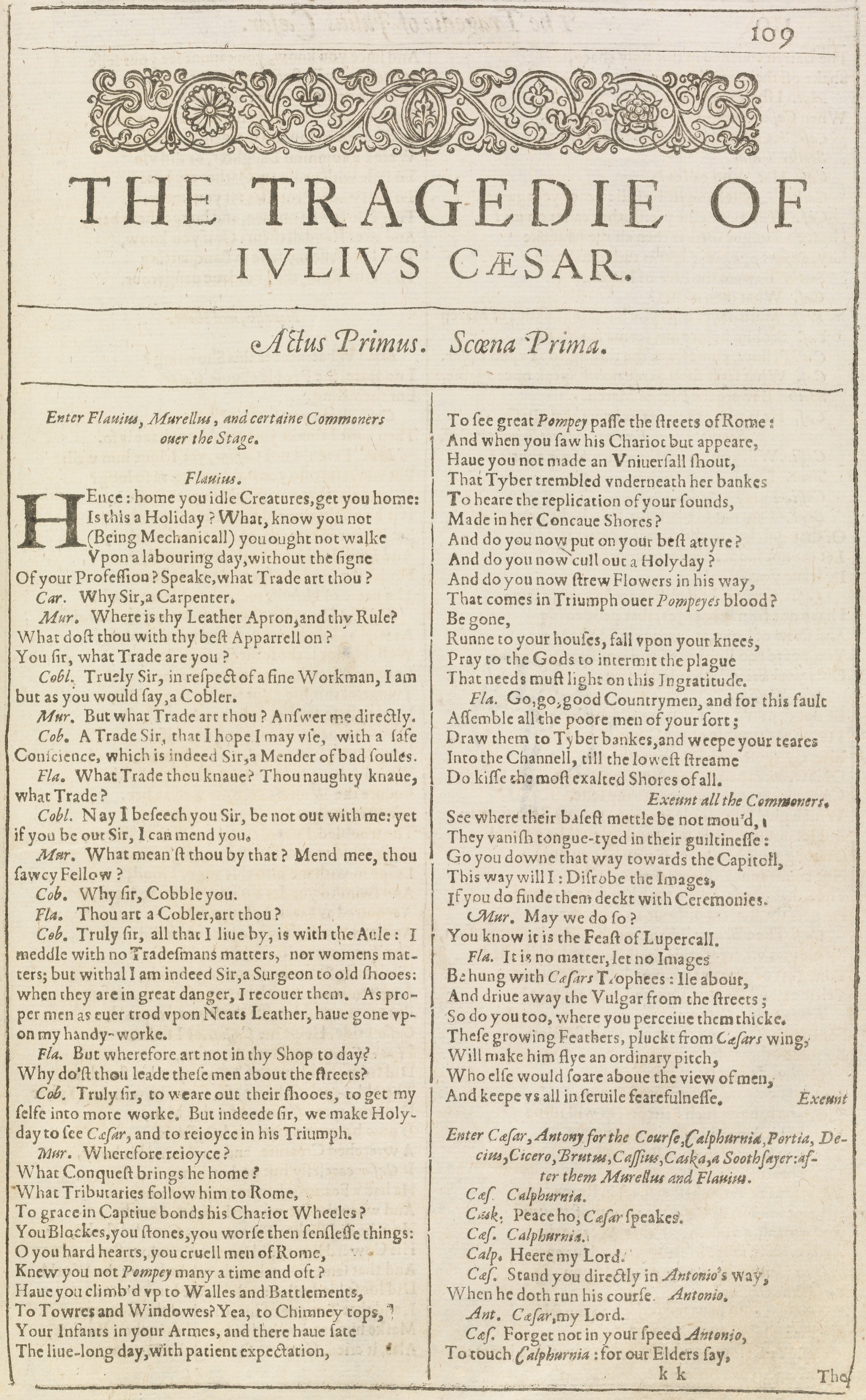
The Bodleian Library sold its own copy of the 1623 First Folio in the 1660s because a newer edition had arrived. The book had reached Oxford under the agreement of 12 December 1610 between Thomas Bodley and the Stationers' Company, which entitled the library to a copy of every book entered at Stationers' Hall, and had been bound in Oxford by the binder Wildgoose, whose bill survives in the library's Binders Book. When the Third Folio of 1663 to 1664 arrived with seven additional plays, the library judged it the fuller text. Its benefaction register records that the Oxford bookseller Richard Davis paid 24 pounds for a lot of superfluous library books sold by order of the Curators, and the First Folio was in the lot. The entry prices the batch and not the book, so no figure for the Folio alone exists. The library's own account, on its Conveyor blog, says the date of the deaccession is not clear.
The book reappeared in January 1905 when an undergraduate of Magdalen College, G. M. R. Turbutt, brought his family's copy in for an opinion. Falconer Madan and the library's bindings specialist identified it as the Bodleian's own lost copy from the Oxford binding and the marks of a chaining staple. The librarian, E. W. B. Nicholson, then raised 3,000 pounds by public subscription to buy it back in 1906, against competition from Henry Clay Folger, who went on to assemble 82 First Folios in Washington. A book sold as part of a 24-pound lot was repurchased for 3,000 pounds by the same institution, and the thing that proved the identity was the binding the library had paid for in the 1620s. Our record keeps the two prices in the same chain and the two-and-a-half centuries between them graded as private ownership and, before that, unrecorded hands.
The British Museum sold 29 Benin plaques on the same reasoning
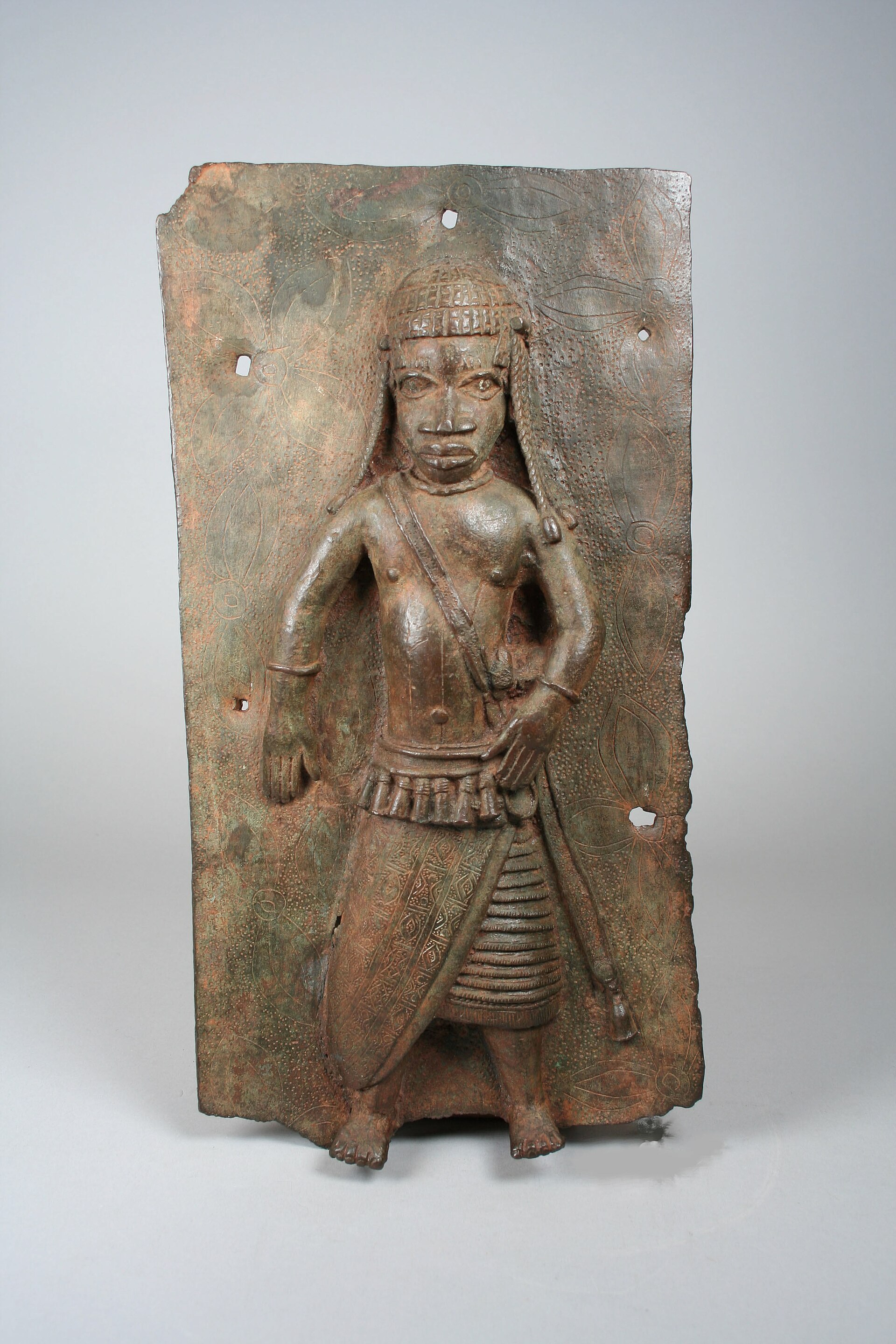
The British Museum deaccessioned 29 Benin plaques in 1950 and 1951 because it understood them to be duplicates of other plaques it was keeping. The museum's own contested-objects page now states that further research has shown that understanding to be incorrect; lost-wax casting produces no duplicates, and the plaques were catalogued as a series rather than a set of copies. Twenty-five were sold, exchanged or given to the Colony and Protectorate of Nigeria and later accessioned by the new museums in Lagos and Benin City. One was sold in 1954 to the colonial government of the Gold Coast and is in the National Museum in Accra. Eight went to private dealers and collectors between 1952 and 1972, and the museum's page does not name where those are now.
The chain then does something the Bodleian's never did. Two of the plaques passed to Lagos left the museum there without ever being deaccessioned by it. The Metropolitan Museum states that they entered the international art market at an unknown date and under unclear circumstances and were bought by the New York dealer Klaus Perls, who gave his Benin collection to the Met in 1991. The Met deaccessioned the two plaques on 9 June 2021 and returned them to Nigeria. So the same two objects carry a documented museum sale in 1950 or 1951, a disputed departure from a second museum with no sale at all, and a documented museum deaccession in 2021, three institutional exits in seventy years. Our record grades the middle one disputed because the Met records the removal as a fact and no party has published how it happened.
The state as seller: three Soviet sales in one archive
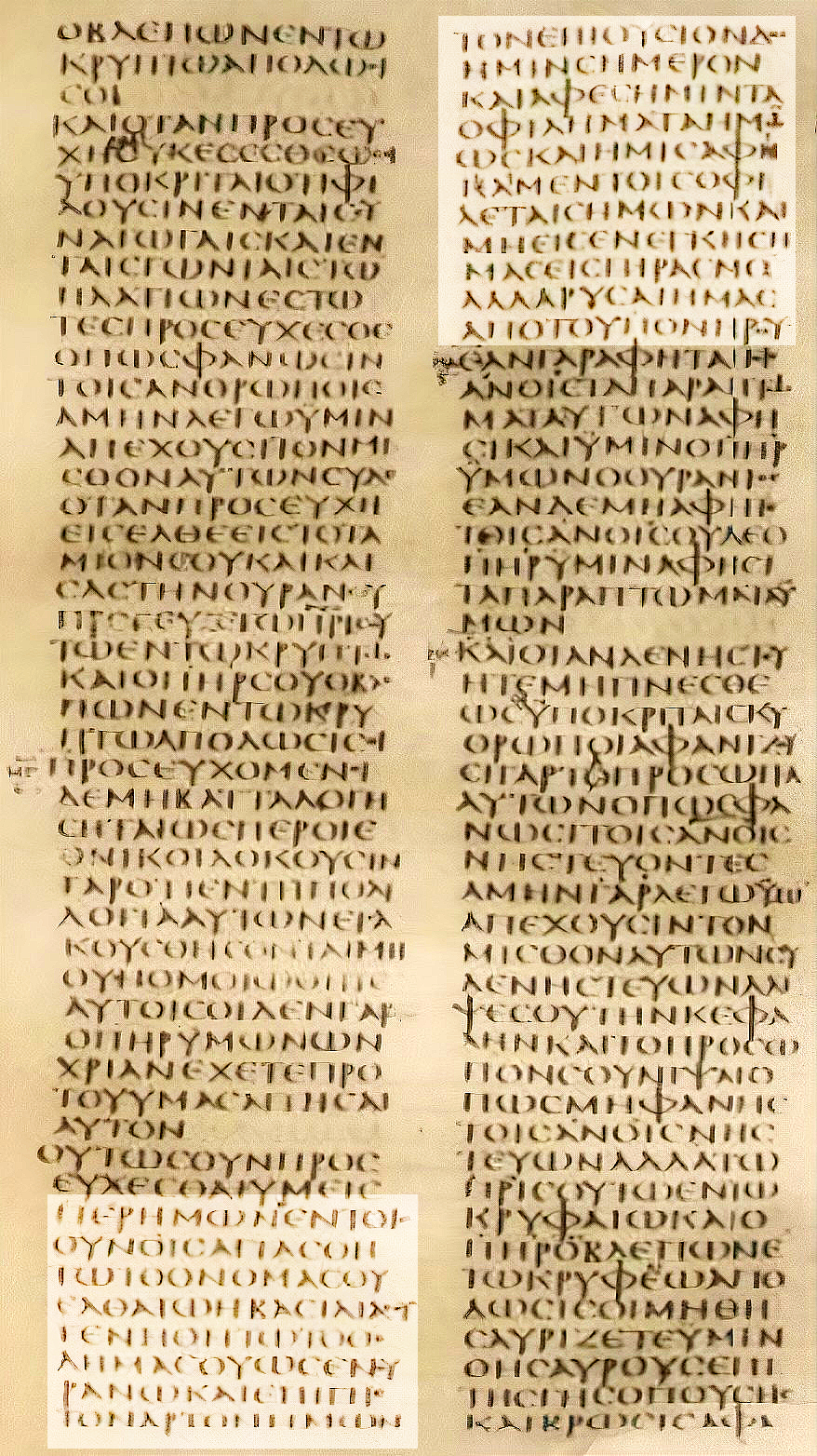
The Soviet state sold museum objects for foreign currency between 1928 and 1934, and three records in this archive were on the list. The best documented is the Codex Sinaiticus. By the summer of 1933 it was known in Britain that the Soviet government wished to raise capital for the second Five Year Plan by selling the manuscript through the London booksellers Maggs Brothers. The Trustees of the British Museum persuaded the Treasury to fund 93,000 pounds from the Civil Contingencies Fund on condition that a public appeal was run, the museum found 7,000 pounds itself, and the full 100,000 pounds was paid by cheque to Arcos Ltd, the Soviet trading company. The codex reached London on 26 December 1933 and was checked against the published facsimile before it went on display. The appeal had raised 46,500 pounds by May 1934. It is, as our record says, a documented private sale between two states, brokered commercially.
The other two are thinner in exactly the way a currency sale tends to be. The Metropolitan Museum's provenance for the van Eyck Crucifixion and Last Judgment runs Hermitage Museum, St Petersburg, 1917/18 to 1933, then Knoedler, New York, 1933, sold to the Met. The price is not on the museum's page and our record does not supply one. The Cranach Adam and Eve went through a Berlin auction in 1931 that the Ninth Circuit's 2018 opinion describes in one sentence: the Dutch dealer Jacques Goudstikker purchased the Cranachs from the Soviet Union at an auction in Berlin called the Stroganoff Collection. The district court found the Stroganoff family never owned them; the museum disputed that; the Court of Appeals said it did not need to decide. A state selling under a private collector's name is a seller's column that cannot be trusted even where the sale itself is beyond doubt.
The egg the Soviet state listed for sale and nobody recorded selling
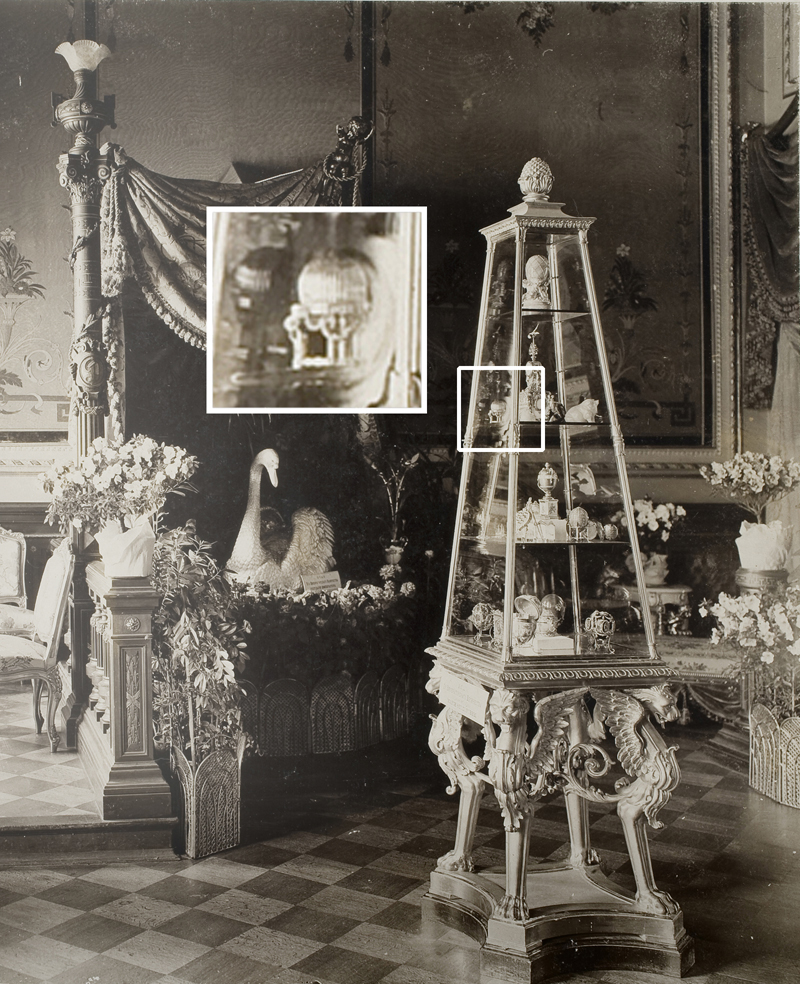
The Third Imperial Faberge egg is the case where a state's intention to sell is documented and the sale is not. The egg was removed from the Anichkov Palace after September 1917 and inventoried at the Kremlin Armoury as Article 1548, a lady's gold watch set into a gold egg on a tripod with three sapphires; the entry names no maker. Between February and March 1922 responsibility for the eggs passed to a plenipotentiary of the Council of People's Commissars, and in May 1924 the egg was listed in a Soviet valuation of eighteen Easter eggs to be sold, documents now held by the Goznak company in St Petersburg. Then nothing, for forty years. It surfaces at Parke-Bernet in New York on 7 March 1964, listed without provenance among the chattels of a Mrs Rena Clark as a gold watch in egg-form case, and sold for 2,450 dollars.
Our record grades the 1917 to 1922 link documented and the exit from Soviet hands unknown, because a valuation for sale is not a sale. That gap is the ordinary condition of the Soviet sales. The state kept the inventory and the buyer kept the receipt, and the two have rarely been matched. The egg was later bought in the United States for its metal value, reported at about 14,000 dollars, by a scrap-metal dealer who did not know what it was. The maker's name, which the Kremlin inventory omitted in 1917, is what the Parke-Bernet cataloguer also failed to supply in 1964, and it is why the sale left no trace anyone was looking for.
A museum sells one collection to buy another
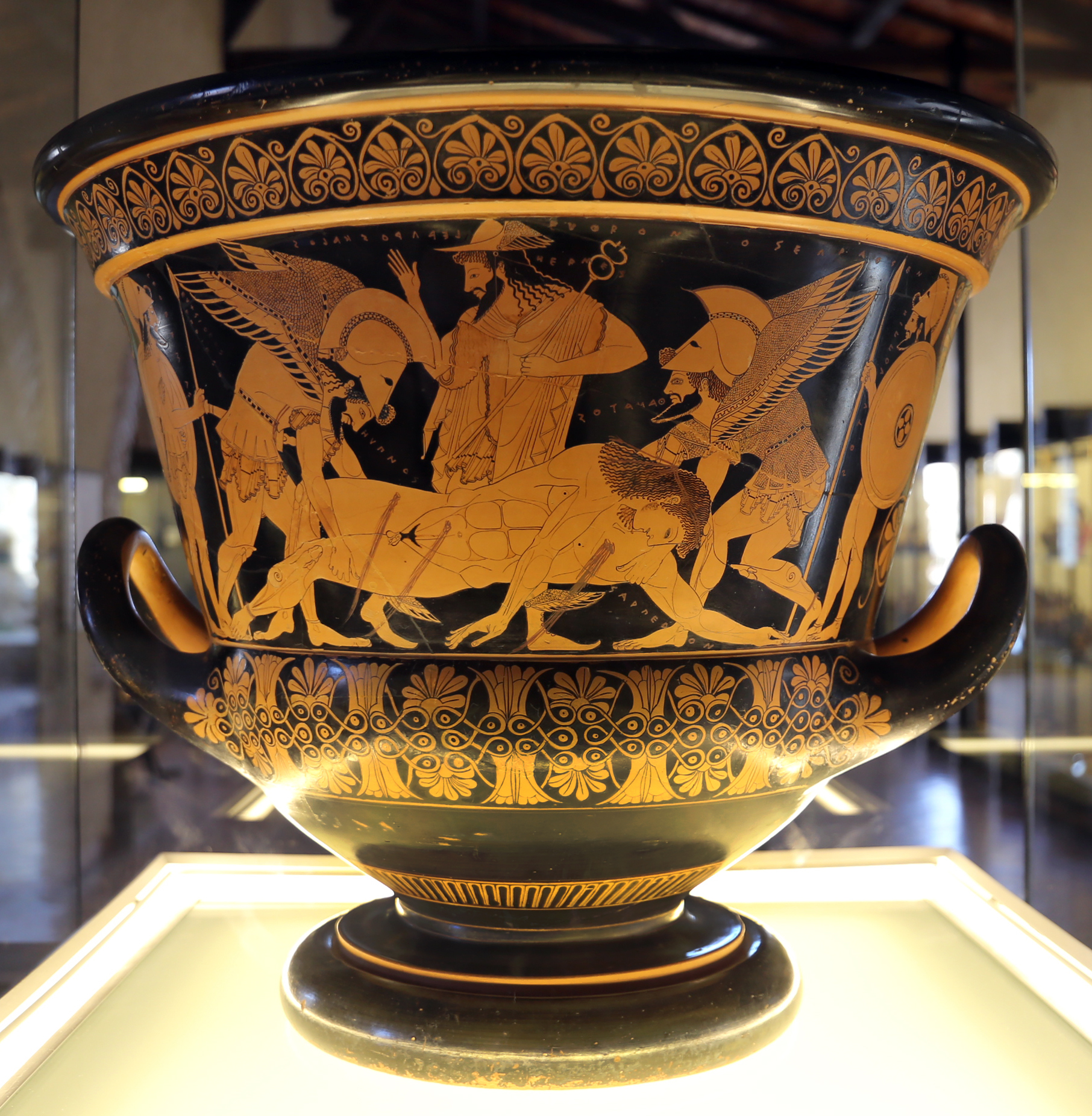
The Metropolitan Museum funded the Euphronios krater by selling coins. In August 1972 the museum agreed to pay Robert Hecht one million dollars for the vase, then a record for any antiquity, and it raised the money by sending the Durkee and Ward collections, some 11,000 coins and medals given to the museum early in the century, to Sotheby's. The auction house advanced 1.5 million dollars against the sale and the museum ultimately received close to 2.3 million from it. So the krater's purchase link carries, inside it, a museum in the seller's column for a different set of objects entirely, and those 11,000 coins have no record here because they went out the door as a fund and not as a provenance.
The krater's own chain then ends with the same museum on the other side of a transfer. Title passed to Italy under the agreement of 21 February 2006, the vase left New York in January 2008, and its Metropolitan accession number, 1972.11.10, became a loan number, L.2006.10, for the two years it stayed in the building. The coin sale is documented in Thomas Hoving's own account and in the Trafficking Culture case study; the coins themselves are as untraceable as the eight Benin plaques the British Museum sold to dealers. A museum that sells to buy has made two provenance events and usually records only one.
The museum sale that was invented
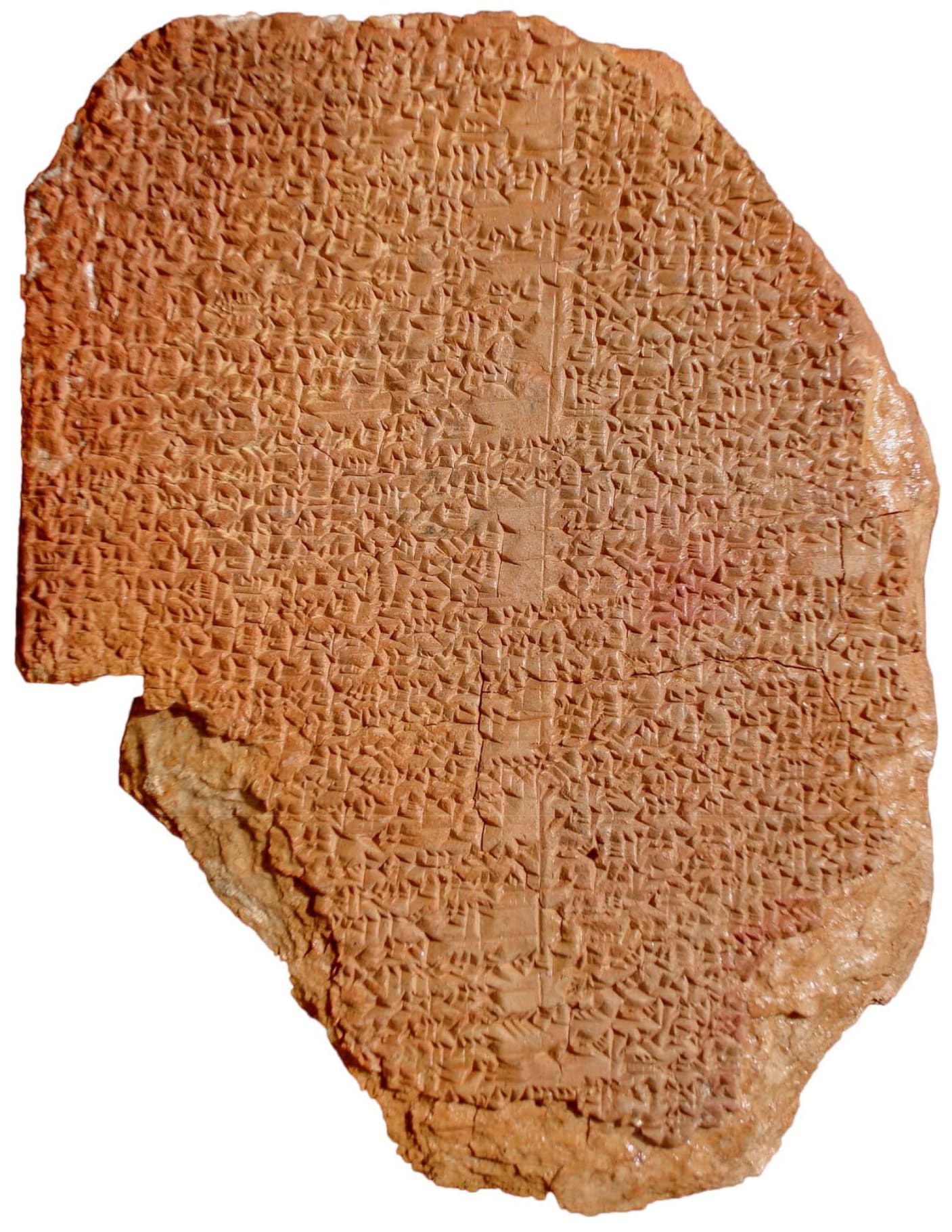
The Gilgamesh Dream Tablet's provenance contains a museum sale that never took place, written to order. The tablet, a Middle Babylonian fragment of the epic, was bought in 2007 by two antiquities dealers with a translation and no history. When the buyers asked for a provenance, the dealer produced what the federal forfeiture complaint calls the False Provenance Letter. It claimed the tablet had been deaccessioned from a small, unidentified museum and sold in Lot 1503 of a 1981 Butterfield and Butterfield auction in San Francisco, a lot the catalogue described as a box of miscellaneous ancient bronze fragments. One buyer then catalogued the tablet as having a clean provenance and a single American owner for twenty-five years. It reached Hobby Lobby through an auction house in 2014, was seized from the Museum of the Bible in September 2019, forfeited in July 2021 and returned to Iraq.
The letter is instructive because of what it chose. A small museum's deaccession is the one origin a buyer will not check, because small museums do not publish deaccession lists, and a mixed lot of bronze fragments is the one lot description a clay tablet can hide inside. The forger picked the seller's column that this piece has been describing, the one whose paperwork is assumed and rarely seen. Our record grades the 2007 sale documented and the claimed 1981 sale as what it is, a fabrication in the pleadings, and it is the only museum sale in the archive whose price, lot number and auction house are all recorded and all false.
What the seller's column can and cannot prove
A museum in the seller's column proves that an institution once decided an object was surplus, and it proves nothing about the price, the reason or the paperwork unless the institution has published them. The eight cases here divide cleanly on that point.
| Object | Seller | When | Stated reason | Price on record | Later regret or reversal |
|---|---|---|---|---|---|
| First Folio | Bodleian Library | c. 1664 | Superfluous, Third Folio held | 24 pounds for the lot | Repurchased 1906 for 3,000 pounds |
| 29 Benin plaques | British Museum | 1950-1972 | Duplicates | Not published | Museum now states the duplicate finding was incorrect |
| Codex Sinaiticus | Soviet government | December 1933 | Foreign currency | 100,000 pounds | None recorded |
| Van Eyck diptych | Hermitage via the Soviet state | 1933 | Not stated on the Met's page | Not published | None recorded |
| Cranach Adam and Eve | Soviet Union, as the Stroganoff Collection | 1931 | Not stated | Not published | Ownership by the named collection contested in court |
| Third Imperial egg | Soviet state, intended | Valued for sale May 1924 | Sale of eighteen eggs | None; sale unrecorded | Next seen 1964 at 2,450 dollars |
| 11,000 coins and medals | Metropolitan Museum | 1972 | To buy the Euphronios krater | About 2.3 million dollars | The krater itself was returned to Italy in 2008 |
| Gilgamesh tablet | An unnamed small museum, claimed | 1981, claimed | Deaccession, claimed | Lot 1503, claimed | The sale was invented; the tablet was forfeited |
Two of eight sales have a price. One of eight was invented. Three of eight were reversed or regretted by the seller, and in the Benin case the regret is stated on the museum's own website. A reader who meets the line sold by the museum, followed by a year, should treat it as a claim to be checked against the institution's own register, and should expect that register to price a lot rather than the object, if it prices anything at all.
How to check a museum sale
The place to check an institutional sale is the institution's own register of benefactions, deaccessions or board minutes, and the second place is the object's physical evidence. The Bodleian case shows both. The benefaction register gave the lot price and the buyer's name, and the 1620s binding gave the identity, which a paper trail alone could not. The Benin case shows what happens when the register exists but the reasoning was wrong: the museum's own page now corrects it, and a reader relying on the 1950 catalogue would still be calling the plaques duplicates. The Gilgamesh case shows the check that catches an invention: a claimed museum has a name, a claimed auction has a catalogue, and a catalogue entry for a box of bronze fragments does not describe a clay tablet.
What we would want, and what almost no institution publishes, is a list of what it has sold. Museums publish acquisitions annually and deaccessions rarely, and the asymmetry is exactly why the seller's column is the weakest line in a provenance and the one to read twice. We record these eight because they are the ones we could document. We assume there are more in the chains that the institutions have not yet said.
Questions
Because the Third Folio of 1663 to 1664 had arrived with seven extra plays and the library judged it the more complete text. The benefaction register records the Oxford bookseller Richard Davis paying 24 pounds for a lot of superfluous library books that included the First Folio. The library bought the same copy back in 1906 for 3,000 pounds raised by public subscription.
Yes. In 1950 and 1951 it deaccessioned 29 plaques it understood to be duplicates. Twenty-five went to the Colony and Protectorate of Nigeria, one was sold to the Gold Coast government in 1954 and eight went to dealers and collectors between 1952 and 1972. The museum's own page now states the duplicate finding was incorrect.
100,000 pounds, paid by cheque to Arcos Ltd, the Soviet trading company, in December 1933. The Treasury provided 93,000 pounds on condition that a public appeal was run and the museum found 7,000 pounds itself. The codex reached London on 26 December 1933.
By selling the Durkee and Ward collections of about 11,000 coins and medals through Sotheby's, which advanced 1.5 million dollars and ultimately produced close to 2.3 million. The museum paid one million dollars for the krater in 1972 and title passed to Italy in 2006.
A document a dealer produced when buyers asked for a history, claiming the tablet had been deaccessioned from a small unnamed museum and sold in Lot 1503 of a 1981 Butterfield and Butterfield auction described as a box of miscellaneous ancient bronze fragments. The federal forfeiture complaint names it as fabricated. The tablet was forfeited in July 2021 and returned to Iraq.
It is reliable only where the institution's own register can be read. Of eight institutional sales in this archive, two have a price on record, one was invented outright and three were later regretted or reversed by the seller. Check the register and the object's physical evidence, not the line in the catalogue.
Sources
- 1Bodleian Libraries, The Bodleian's original First Folio of Shakespeare, The Conveyor, 11 September 2012. Read in full 17 September 2026. Source for the 1623 arrival and Oxford binding, the unclear date of deaccession, G. M. R. Turbutt in 1905, the Binders Book record of Wildgoose, Falconer Madan's research and E. W. B. Nicholson's 1906 fundraising against Henry Clay Folger. blogs.bodleian.ox.ac.uk/theconveyor/...
- 2The British Museum, Benin Bronzes, Contested objects from the collection. Read in full 17 September 2026 in the in-app browser after a 403 on the plain fetch. Source for the 1950 and 1951 deaccession of 29 plaques as duplicates, the museum's statement that further research has shown this to be incorrect, the 25 to Nigeria, the one to the Gold Coast in 1954 and the eight to dealers and collectors between 1952 and 1972. britishmuseum.org/about-us/...
- 3Codex Sinaiticus Project, History of the Codex, section on the 1933 purchase. Read in full 17 September 2026. Source for Maggs Brothers, the 93,000 pounds from the Civil Contingencies Fund, the museum's 7,000 pounds, the cheque to Arcos Ltd, delivery on 26 December 1933 and the appeal total of 46,500 pounds by May 1934. codexsinaiticus.org/en/...
- 4The Metropolitan Museum of Art, collection record for Jan van Eyck, The Crucifixion; The Last Judgment, 33.92ab, provenance tab. Read 17 September 2026 in the in-app browser after a 429 on the plain fetch. Source for the line Hermitage Museum, St. Petersburg (1917/18-1933); Knoedler, New York, 1933; sold to The Met. metmuseum.org/art/...
- 5United States Court of Appeals for the Ninth Circuit, Von Saher v. Norton Simon Museum of Art at Pasadena, No. 16-56308, opinion filed 30 July 2018. Read in full 17 September 2026. Source for the 1931 Berlin auction called the Stroganoff Collection, the district court's finding that the Stroganoff family never owned the panels, the 1971 sale for 800,000 dollars and the act of state holding. cdn.ca9.uscourts.gov/datastore/...
- 6Wartski, London, The Lost Third Imperial Easter Egg. Read in full 17 September 2026. Source for Kremlin Armoury Article 1548, the 1922 transfer to the plenipotentiary of the Council of People's Commissars, the May 1924 Soviet valuation of eighteen eggs to be sold held by Goznak, the Parke-Bernet sale of 7 March 1964 at 2,450 dollars and the later purchase at about 14,000 dollars. wartski.com/the-lost-third-imperial-easter-egg
- 7Neil Brodie, Euphronios (Sarpedon) Krater, Trafficking Culture encyclopedia, University of Glasgow. Read in full 17 September 2026. Source for the one million dollar price, the sale of the Durkee and Ward collections of 11,000 coins and medals through Sotheby's, the 1.5 million dollar advance and the receipt of nearly 2.3 million, citing Hoving. traffickingculture.org/encyclopedia/...
- 8Nicholas M. O'Donnell and colleagues, Problems of Provenance: The Gilgamesh Dream Tablet, The National Law Review. Read in full 17 September 2026. Source for the forfeiture complaint, the seizure from the Museum of the Bible in September 2019, the 2014 purchase by Hobby Lobby and the False Provenance Letter's claim of a deaccession from an unidentified small museum and Lot 1503 of a 1981 Butterfield and Butterfield sale described as a box of miscellaneous ancient bronze fragments. natlawreview.com/article/...
- 9The Metropolitan Museum of Art, press release, 9 June 2021, on the return of two Benin plaques and an Ife head to the National Commission for Museums and Monuments, Nigeria. Cited from the archive's Benin Bronzes record for the 2021 deaccession and the Perls gift of 1991. metmuseum.org/press-releases/...
More in Museums and Exhibitions
The partThe Buyer in the Credit Line Was Already Dead
Thirty-two objects in this archive were bought on the income of six named endowment funds, and in every case the person named had died before the...
An Exhibition History Holds Four Different Events
One hundred and eighty-six exhibition entries across 60 records, and they are not one kind of thing.
The object the museum keeps running
Six objects in this archive are still wound, played or demonstrated by the institutions that hold them.