The Objects Whose Price Was Set by a Tax Bill and Not a Buyer
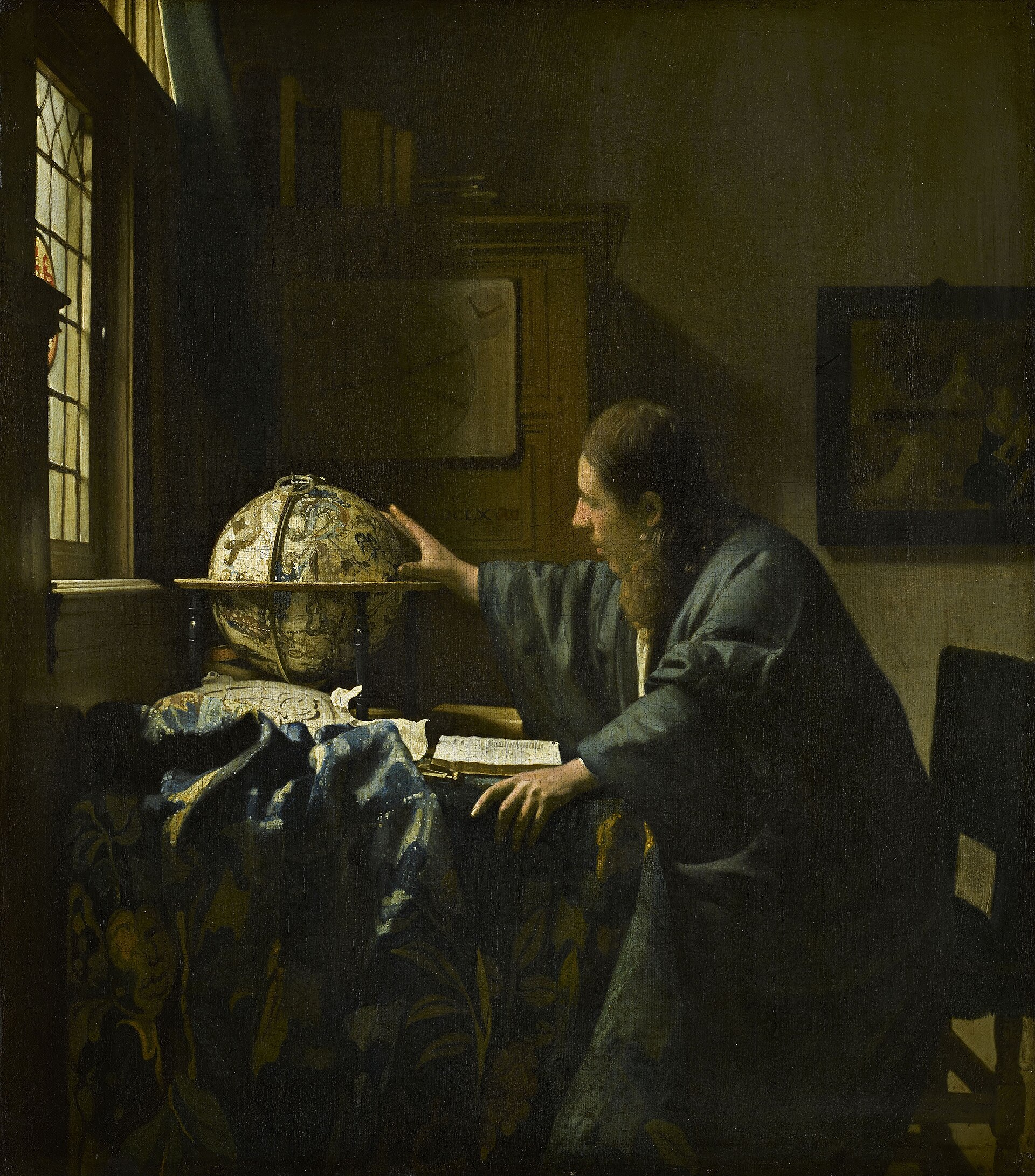
The Louvre did not buy the most famous Vermeer in France. It accepted it against a death duty, and the acquisition price is not withheld, it does not exist. Four transfers here, four numbers that are not market prices.
Records in this piece: The Astronomer, The Devonshire Hunting Tapestries, The Wine of Saint Martin's Day, Codex Leicester, Basin known as the Baptistere de Saint Louis, The Luck of Edenhall
On this page 11 sections
ContentsClose
In short
- The Louvre's own record for Vermeer's The Astronomer gives the owner as Etat, the acquisition mode as dation and the year as 1982 to 1983. There is no acquisition price, and there never was one: a dation discharges a tax liability in kind, so no cash moves and no price is established.
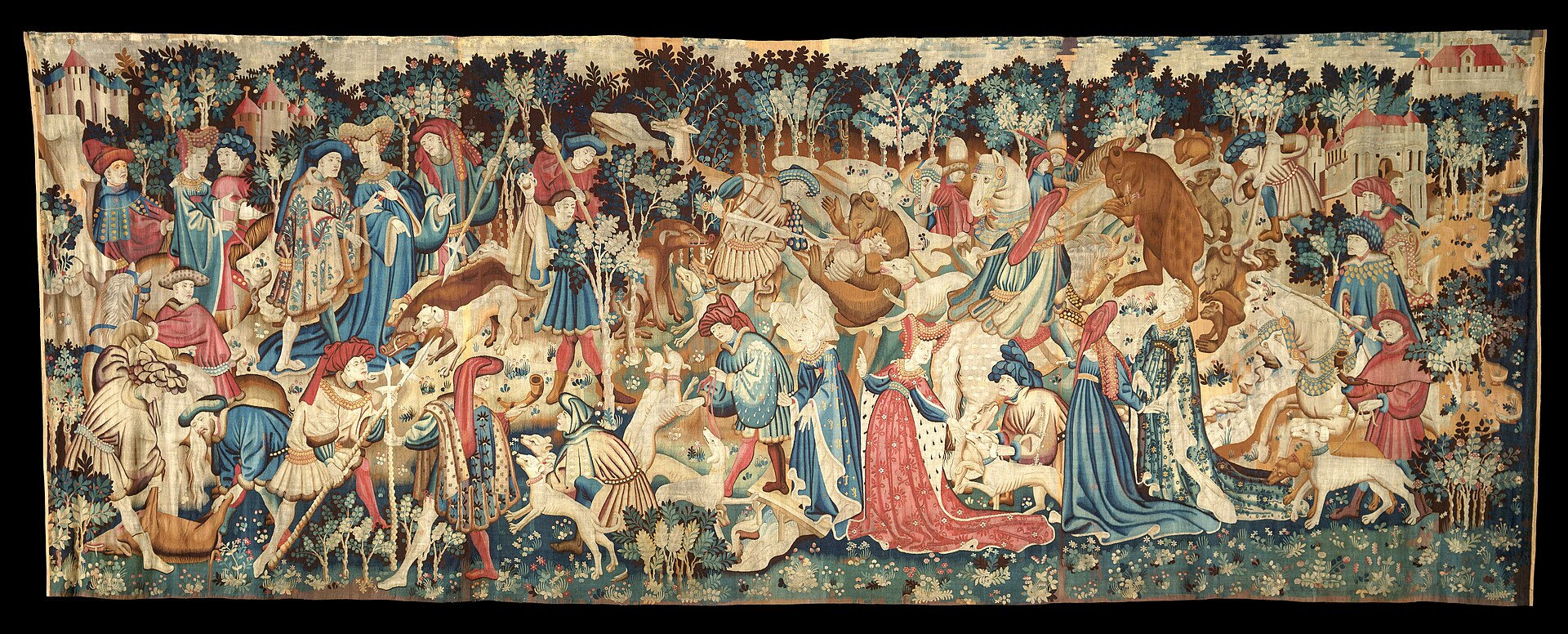
- The Victoria and Albert Museum prints the mechanism in its credit line: accepted by HM Government in lieu of tax payable on the estate of the 10th Duke of Devonshire and allocated to the Victoria and Albert Museum. The Duke died in 1950 and the transfer became final in 1957.
- Where a number does get published it usually has a subsidy inside it. The National Gallery's 22 million pounds for the Madonna of the Pinks in March 2004 includes a douceur, the tax relief that makes a private treaty sale to a domestic museum worth a seller's while.
- HMRC's own guidance sets the arithmetic out plainly. The tax satisfied is a special price, found by agreeing a value for the item and then deducting a proportion of the tax given up on it, under the arrangement known as the douceur.
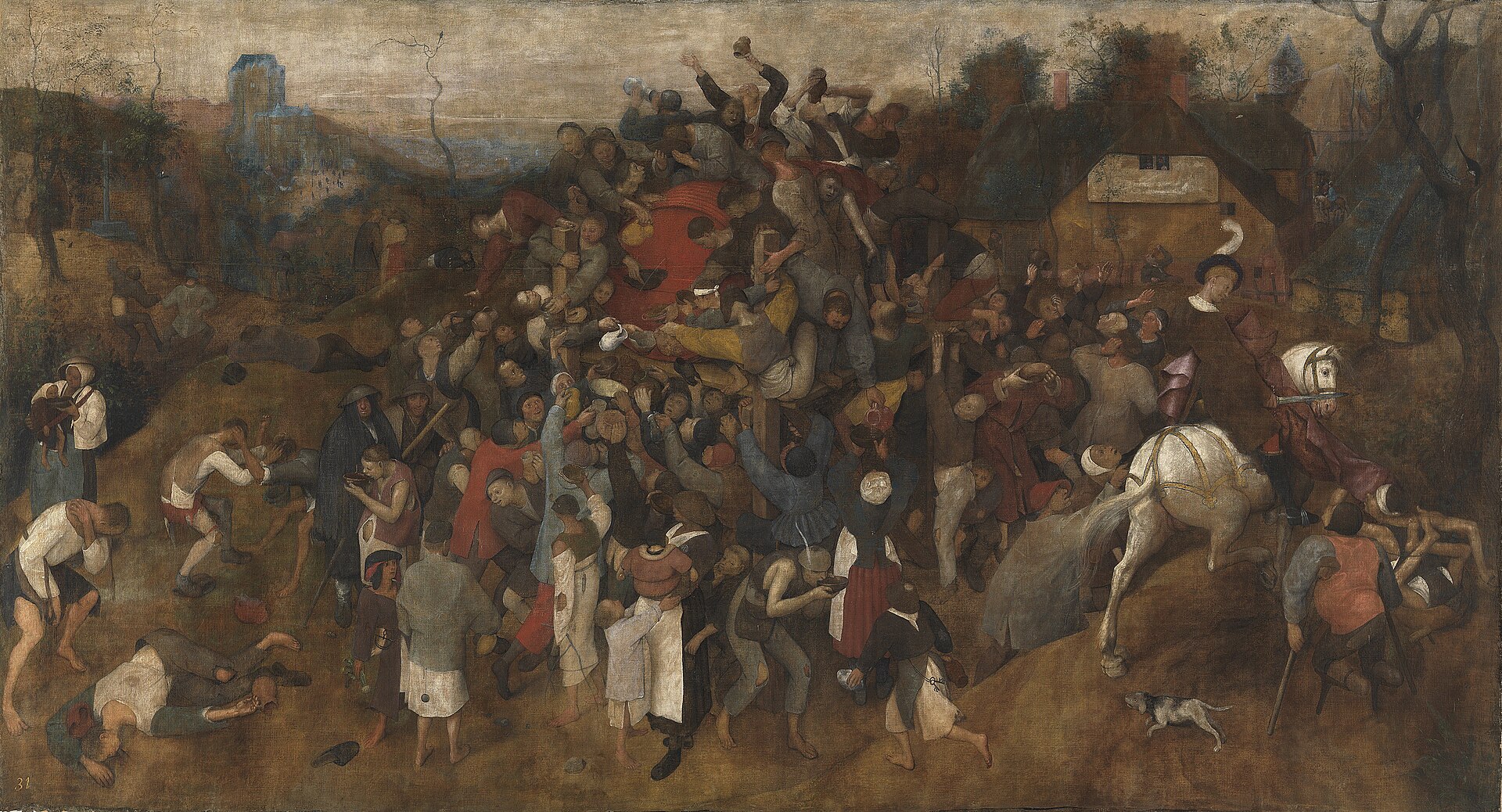
- An export bar can do the same work as a tax. The Prado paid 7 million euros in October 2010 for a Bruegel that press accounts valued at up to 100 million on the open market, after Spain declared it a bien de interes cultural so that permanent export could not be authorised.
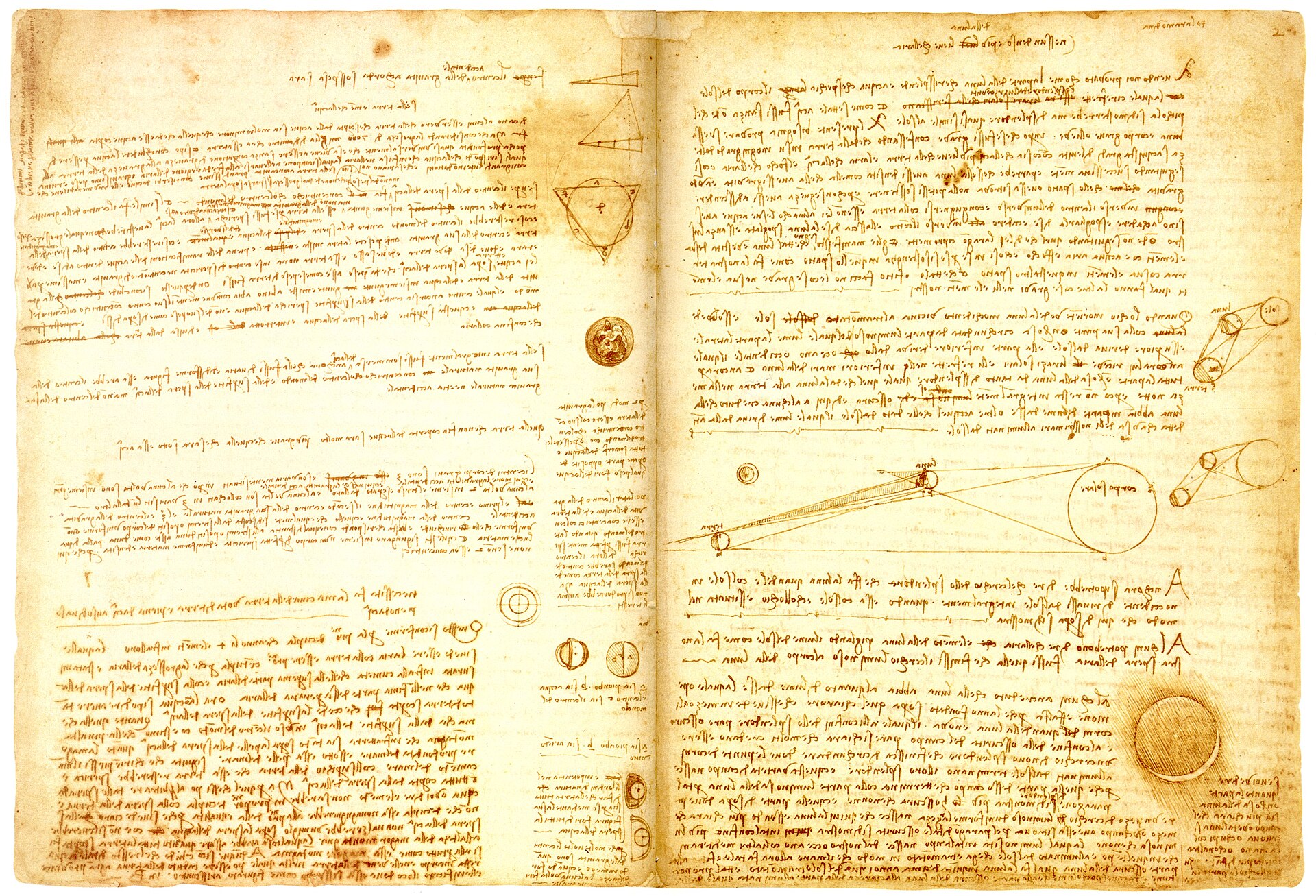
- The counter-case is a death duty that went the other way. Leonardo's Codex Leicester was sold at Christie's in December 1980 for the Trustees of the Holkham Estate, reportedly to meet inheritance tax, and fourteen years later it made a premium-inclusive 30,802,500 dollars in New York.
Some of the best objects in this archive have no price and never will
A market price requires two parties who could have walked away. Most of the numbers in this archive have that behind them, which is what makes a hammer price worth recording and worth separating from a premium. A significant group of objects here moved instead because somebody died and a tax fell due, and those transfers produce either no number at all or a number that looks like a price and is not one.
This is not an accounting curiosity. It decides where some of the most important objects in Europe physically are, because the mechanisms exist precisely to keep an object in the country when the alternative is a sale abroad. And it means that anybody reading a museum's acquisition line as evidence of value is frequently reading the output of a tax calculation.
The Louvre did not buy the most famous Vermeer in France
The Astronomer entered the French national collection in settlement of a death duty. The Louvre's record for RF 1983 28 gives the owner as Etat, the acquisition mode as dation and the acquisition year as 1982 to 1983, and the picture came from Guy de Rothschild. Under the dation en paiement an heir facing transfer duties may discharge them by handing over a work of art at an agreed value instead of paying money. The state receives the object and the family receives a credit against a tax bill.
So there is no acquisition price for this painting. That is worth saying carefully, because the natural assumption when a museum publishes no figure is that the figure is being withheld. Here there is nothing to withhold. The only number in the transaction is the valuation agreed for tax purposes, which has not been published in anything we have read, and any figure quoted as what the Louvre paid is either that valuation or an invention.
The mechanism also explains why the picture is in Paris. A family holding a Vermeer and facing a large death duty has two obvious routes, and one of them is a sale abroad. The dation makes the tax bill itself the lever that keeps the object in the country, which is a quieter instrument than an export ban and a more reliable one, because it gives the family a reason to cooperate rather than an obstacle to litigate.
The V and A prints the mechanism in the credit line
The credit line on the Devonshire Hunting Tapestries is unusually explicit, and reads: accepted by HM Government in lieu of tax payable on the estate of the 10th Duke of Devonshire and allocated to the Victoria and Albert Museum. It appears on all four hangings. The Boar and Bear Hunt, museum number T.204-1957, was made in Arras around 1425 to 1430, is over ten metres wide at the top edge and has an estimated weight of 50 kg.
The timing is part of the story. The 10th Duke died in 1950 and the transfer became final in 1957, seven years later, which is a fair indication of how long these settlements take. Acceptance in Lieu exists because a cash tax bill on an estate rich in land and inherited chattels and poor in liquid money has historically forced the break-up and sale of exactly the collections a country might wish to keep whole. The tapestries had already survived being cut up for warmth in the 1840s. The 1957 settlement is what stopped the second dispersal.
HMRC publishes the arithmetic, and the arithmetic has a name
The scheme runs on statute and the statute is easy to find. Under sections 230 and 231 of the Inheritance Tax Act 1984, the Board may, with the agreement of the departmental Ministers responsible for the environment and arts, accept property in whole or part satisfaction of a capital transfer tax or inheritance tax debt, and property may also be accepted against interest accrued on capital transfer tax, inheritance tax or estate duty as well as against the tax itself. The heritage qualification comes from sections 30 to 35 and 78 to 79, which cover works of art and other national heritage objects, land of outstanding scenic, historic or scientific interest and buildings of outstanding historic or architectural interest.
The number that results is called a special price, and HMRC's own guidance describes how it is reached: an agreed value is established for the item, and then a proportion of the tax given up on the item is deducted, under an arrangement known as the douceur. A credit equivalent to that special price is then made to the accounting record for the case. Since 1987 there have been two bases for the valuation date, one using the value at the offer date with no interest accruing and one using the value at formal acceptance with interest running until then.
| Object and holder | Mechanism | Figure published | What the figure is |
|---|---|---|---|
| Vermeer, The Astronomer, Louvre RF 1983 28 | Dation en paiement, 1982-83 | None | Nothing was paid, so nothing exists to publish |
| Devonshire Hunting Tapestries, V and A T.202 to T.205-1957 | Acceptance in Lieu, final 1957 | None in the credit line | A tax credit at an agreed special price |
| Raphael, Madonna of the Pinks, National Gallery NG6596 | Private treaty sale with a douceur, March 2004 | 22,000,000 pounds | A price reduced by the tax relief inside it |
| Bruegel, The Wine of Saint Martin's Day, Prado P008040 | Purchase under an export prohibition, October 2010 | 7,000,000 euros | A price set below the market by design |
Twenty-two million pounds is a price with a subsidy inside it
The National Gallery bought Raphael's Madonna of the Pinks, NG6596, in March 2004 for 22 million pounds from the 10th Duke of Northumberland's Wills Trust. It is a small picture, oil on yew, 27.9 by 22.4 cm, dated about 1506 to 1507. The purchase followed the blocking in September 2002 of a proposed 35 million pound sale to the Getty Museum, and it was a private treaty sale rather than an open one.
The gap between 35 million and 22 million is not a discount the seller chose to give. It is the douceur, the tax relief that makes a private treaty sale to a domestic museum worth a seller's while, and it is the same lever as the special price in an Acceptance in Lieu case, applied to a sale instead of a settlement. The gallery's own acquisition credit lists where the 22 million came from: the Heritage Lottery Fund at 11.5 million, the American Friends of the National Gallery at 10.5 million out of John Paul Getty junior's endowment, the Art Fund with a contribution from the Wolfson Foundation, the George Beaumont Group, Sir Christopher Ondaatje at 1 million and a public appeal at 70,000.
Read that as a market comparable and you will be wrong twice over: once because the headline is depressed by a tax relief, and once because the pool of possible buyers had been cut to one by an export decision. It is a real number and a real transaction. It is just not a measure of what the picture would fetch.
Spain reached the same result through an export prohibition
The Prado acquired Bruegel's The Wine of Saint Martin's Day for 7 million euros, approved unanimously by the Real Patronato on 20 October 2010 and drawn from an extraordinary state budget line, a month after the Ministry of Culture announced the attribution. Press accounts at the time put the picture's likely value on the open international market as high as 100 million euros, roughly fourteen times what was paid.
The gap is the intended effect of the law rather than a bargain. Spain's board for the classification, valuation and export of Spanish historical heritage declared the picture a bien de interes cultural, a designation under which permanent export cannot be authorised. That removed the international auction market as a realistic alternative and left a below-market private treaty sale to the national museum as the only route to a prompt sale at all. Different statute, different country, same shape: a national institution acquires at a price that is not, and is not intended to be, the open-market price.
The same pressure can produce a world record instead
Leonardo's Codex Leicester shows what happens when a death duty is settled in cash. Christie's sold it in London on 12 December 1980 for the Trustees of the Holkham Estate, and contemporary American reporting says Lord Coke was selling to meet inheritance tax on the estate and its collection, which is the ordinary reason an English country house puts its best object in a saleroom. Bidding opened at about 1.4 million dollars and lasted under two minutes. Armand Hammer won it, and the price broke the record for any manuscript.
Fourteen years later, on 11 November 1994, it sold again at Christie's in New York for 30,802,500 dollars, premium included, after two minutes and forty seconds of bidding, to Bill Gates, with the Cariplo Foundation of Milan as underbidder. So the identical pressure that produced no number at all for the Vermeer produced two of the largest numbers in the history of the manuscript market for the Leonardo. The variable is not the object and it is not the size of the tax. It is which country's law applied and whether a national institution wanted the thing enough to act.
| Object | Route taken | Result for the owner | Result for the public |
|---|---|---|---|
| Vermeer, The Astronomer | Dation en paiement, France, 1982-83 | A credit against transfer duties | On permanent display in the Louvre |
| Leonardo, Codex Leicester | Open auction, London 1980 then New York 1994 | Cash, twice, at record prices | Privately owned and lent for exhibition |
Objects to which none of these mechanisms has ever applied
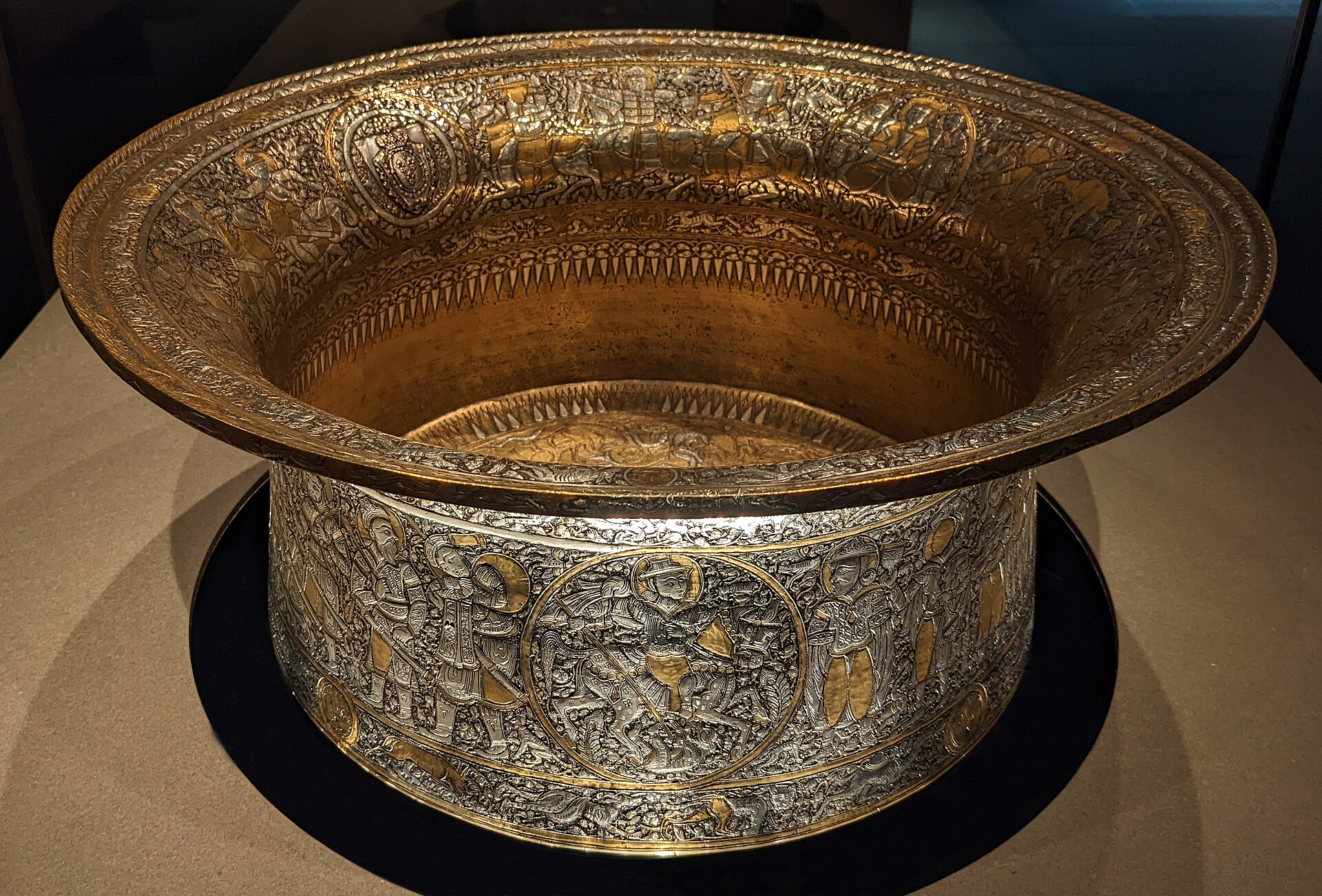
Two records here are useful precisely because they generate no number at all and never did. The Baptistere de Saint Louis has been state property and never privately owned or sold since at least 1793, and this archive found no auction, private sale, insurance valuation, dation or export application anywhere in its documented history. None of the mechanisms that would produce a figure has ever applied to it, which is a different condition from a price being unknown.
The Palmer Cup is the other kind of negative. It came in with the Waddesdon Bequest in 1898, and that bequest was not structured as a tax relief instrument, because there was no equivalent of Acceptance in Lieu in 1898 and no source we consulted claims one. It is worth being exact about that rather than assuming every great gift to a national museum has a tax reason behind it, because a great many of them do and this one does not.
A third case shows the discipline being applied to a tempting inference. The Luck of Edenhall was sold to the V and A in 1959 by a family that had already given up Eden Hall, and mid-twentieth-century British death duties are well known to have driven many comparable sales. No source we found states that they caused this one. The record says so, and declines to make the connection, which is the right call even though the connection is probably true.
How to read an acquisition line
Ask first whether any money moved. If the credit line says in lieu of tax, dation, accepted in satisfaction or allocated, then it did not, and there is no price to find. If a figure is published, ask next whether the buyer pool was open at the moment of sale, because an export stop, a national designation or a pre-emption right can reduce it to one before any negotiation starts.
Then look for the subsidy. In the United Kingdom the word to search for is douceur, and its presence means the published figure is a market valuation less a share of the tax forgone. Elsewhere the same effect arrives under other names, and the tell is usually a reported open-market valuation sitting well above the price actually paid, as it does for the Prado Bruegel at 7 million euros against a reported 100 million. None of this makes the figure false. It makes it a figure about a tax system, and a comparable drawn from it will be wrong in a predictable direction.
The public cost is real and it is never published
Every one of these transfers has a price that nobody prints, which is the tax the state chose not to collect. For the Vermeer it is whatever the agreed valuation was, forgone entirely. For the Devonshire tapestries it is the special price credited against the 10th Duke's estate. For the Madonna of the Pinks it is the part of the 13 million pound gap between the Getty offer and the National Gallery purchase that the douceur accounts for.
We are not arguing that any of this is wrong. On the evidence it works: four objects that would otherwise have left, or been broken up, are on public display, and the Vermeer case in particular shows an instrument doing quietly what an export ban does adversarially. But a scheme whose whole purpose is to convert public money into public access ought to be legible as such, and at the moment the only figure a reader can see is the one that understates it.
Why this archive is free to read
We do this for everyone who loves art. The people who have studied it for years, and the people who just stopped to look. Iconotheca exists so that what we learn belongs to all of them.
Nobody pays us for this. No ads, no sponsors, no commercial interest. These works belong to all of us, and we would rather share them with as many people as we can than keep them to ourselves.
If it gave you something today, tell us to keep going. Follow us, leave a like, or write a positive comment. We read every one, and they are what keeps us going.
Questions
It is the French mechanism by which an heir liable to transfer duties may discharge the liability by handing over a work of art at an agreed value instead of paying money. The state receives the object and the family receives a credit against the tax bill, so no cash changes hands and no market price is established. Vermeer's The Astronomer entered the Louvre this way in 1982 to 1983.
It is the United Kingdom scheme under sections 230 and 231 of the Inheritance Tax Act 1984 by which HMRC, with the agreement of the responsible ministers, accepts heritage property in whole or part satisfaction of an inheritance tax, capital transfer tax or estate duty debt and any interest on it. The object is then allocated to a public institution, as the Devonshire Hunting Tapestries were to the Victoria and Albert Museum in 1957.
It is the arrangement by which the tax satisfied is calculated as a special price: an agreed value for the item, less a proportion of the tax given up on it. In a private treaty sale to a domestic museum the same relief is what makes the sale worth a seller's while, and it is why the National Gallery's 22 million pounds for the Madonna of the Pinks is not a market price.
Because it did not pay anything. The acquisition mode on the museum's own record is dation, which means the painting was accepted against a tax liability rather than bought, so the only figure in the transaction is the valuation agreed for tax purposes. Any sum quoted as a purchase price for it is either that valuation or an invention.
It can reduce the pool of buyers to one, which has the same effect. The Prado paid 7 million euros for Bruegel's The Wine of Saint Martin's Day after Spain designated it a bien de interes cultural, under which permanent export cannot be authorised, against press valuations of up to 100 million euros on the open international market.
Sources
- 1Musee du Louvre, collections database, entry for L'Astronome, Johannes Vermeer, RF 1983 28, permalink ark:/53355/cl010064324. Read 26 September 2026. Primary source for the inventory number, the date of 1668, oil on canvas at 0.51 by 0.45 m, the owner given as Etat, the acquisition mode given as dation, the acquisition year of 1982 to 1983, and the display location in Richelieu, room 837. collections.louvre.fr/en/...
- 2Victoria and Albert Museum, online collections catalogue, The Devonshire Hunting Tapestries (Boar and Bear Hunt), museum number T.204-1957. Read 26 September 2026. Primary source for the verbatim credit line accepted by HM Government in lieu of tax payable on the estate of the 10th Duke of Devonshire and allocated to the Victoria and Albert Museum, for the date of 1425 to 1430, the probable Arras origin, the wool warp and weft, the top edge width of 1023 cm, the estimated weight of 50 kg and the gallery location. collections.vam.ac.uk/item/...
- 3The National Gallery, London, collection entry for Raphael, The Madonna of the Pinks (La Madonna dei Garofani), NG6596. Read 26 September 2026. Primary source for the inventory number, the date of about 1506 to 1507, oil on yew at 27.9 by 22.4 cm, and the acquisition credit naming the Heritage Lottery Fund, the Art Fund with a contribution from the Wolfson Foundation, the American Friends of the National Gallery London, the George Beaumont Group, Sir Christopher Ondaatje and a public appeal, 2004. nationalgallery.org.uk/paintings/...
- 4HM Revenue and Customs, Inheritance Tax Manual, section 20, national heritage property, on GOV.UK. Read 26 September 2026. Primary source for the wording that the Board may, with the agreement of the departmental Ministers with responsibility for the environment and arts, accept property in whole or part satisfaction of a CTT or an IHT debt, that property may also be accepted in satisfaction of interest accrued on CTT, IHT or ED as well as in lieu of the tax itself, for the two valuation bases available since 1987, and for the heritage qualification under sections 30 to 35 and 78 to 79 of the Inheritance Tax Act 1984. gov.uk/guidance/...
- 5HM Revenue and Customs, Inheritance Tax Manual IHTM30185, payment methods: payment by transfer of land or chattels, on GOV.UK. Read 26 September 2026. Primary source for the statutory basis in IHTA84 sections 230 and 231 and for the statement that a credit will be made to the accounting record for the case equivalent to the special price agreed for the property. gov.uk/hmrc-internal-manuals/...
More in The Market
The partThe House That Cannot Be Asked: Who Keeps the Price After the Sale
Half this archive's sale record sits with two firms you can still write to. The other half sits with houses that shut, and with bodies that were...
The Underbidder Set the Price
Fourteen records show the underbidder sets the hammer price and is almost never named.
The Lot That Did Not Sell
Six objects in this archive were offered at auction and not sold. An unsold lot is a price nobody paid and a date the object went quiet, and in one...