The hammer is the one number most auction houses do not print
Of 232 auction results in this archive, 53 carry no hammer price published by the house that sold the object. Here is how the missing number is recovered, and how it is checked.
Records in this piece: Christ Crucified between the Two Thieves ("The Three Crosses"), Sudden Shower over Shin-Ohashi Bridge and Atake, Destitute pea pickers in California. Mother of seven children. Age thirty-two. Nipomo, California, The Valley of the Shadow of Death, The Clark Sickle-Leaf Carpet, Under the Wave off Kanagawa (Kanagawa oki nami ura), also known as The Great Wave, from the series Thirty-Six Views of Mount Fuji

On this page 10 sections
ContentsClose
In short
- This archive holds 232 auction results. In 53 of them the house that sold the object never published a hammer price: 22 we recovered by arithmetic from the premium schedule, and 31 are still unresolved.
- Christie's prints its buyer's premium schedule in full and then publishes only the premium-inclusive total, so the hammer has to be solved backwards out of the two numbers.
- A recovered hammer is only worth carrying when it lands on a round bidding increment. That single check is the difference between arithmetic and a guess, and it is why every such figure here is labelled derived rather than confirmed.
- Bonhams embeds the hammer in its own lot page data while showing the reader only the inclusive figure, so at least one house has the number and chooses not to display it.
- Swann's own results post contradicts its own lot pages on two Migrant Mother prints, and the wrong figures travelled out of that post into a Wikimedia Commons file description and onward.
The figure in the headline is not the figure anybody bid
When a newspaper reports what a picture made at auction, it almost always reports the price realised, and the price realised is not a bid. It is the hammer price plus a buyer's premium, a percentage the auction house charges the winning bidder on top of the bid. The hammer is what somebody in the room or on the telephone actually offered. The price realised is what the buyer was then invoiced.
Both are real numbers and each answers a different question. If you want to know what the market said about an object, you want the hammer, because that is the market speaking. If you want to know what it cost to own it, you want the inclusive figure. The trouble is that the two get quoted interchangeably, and the one that gets published is usually not the one that gets discussed.
This matters to us more than it might to a newspaper. Separating hammer from premium on every auction result is a standing rule of this archive, and keeping the two apart has caught errors that a single conflated figure would have hidden. Following that rule turned up something we did not expect: for a large minority of sales, the hammer is not published at all.
Christie's prints the schedule, then publishes only the total
Christie's states its buyer's premium in the Conditions of Sale for each sale, and the statement is precise. The London conditions of August 2023 read, at clause D1, that on all lots the house charges 26 per cent of the hammer price up to and including GBP 800,000 and 21 per cent on that part of the hammer price over GBP 800,000 and up to and including GBP 4,500,000. The New York conditions of 19 October 2023 read 26 per cent up to and including USD 1,000,000, then 21.0 per cent to USD 6,000,000, then 15.0 per cent above that.
We read both documents rather than taking either on trust, and they say what the record says they say. The same clause adds a sentence that is easy to skip and worth keeping: sales totals are hammer price plus buyer's premium. So the house tells you the rule it applies, and then reports the output of the rule without the input.
That is not concealment, and we are not calling it that. Everything needed is published. It is simply published in two places, in a form that requires the reader to do the algebra.
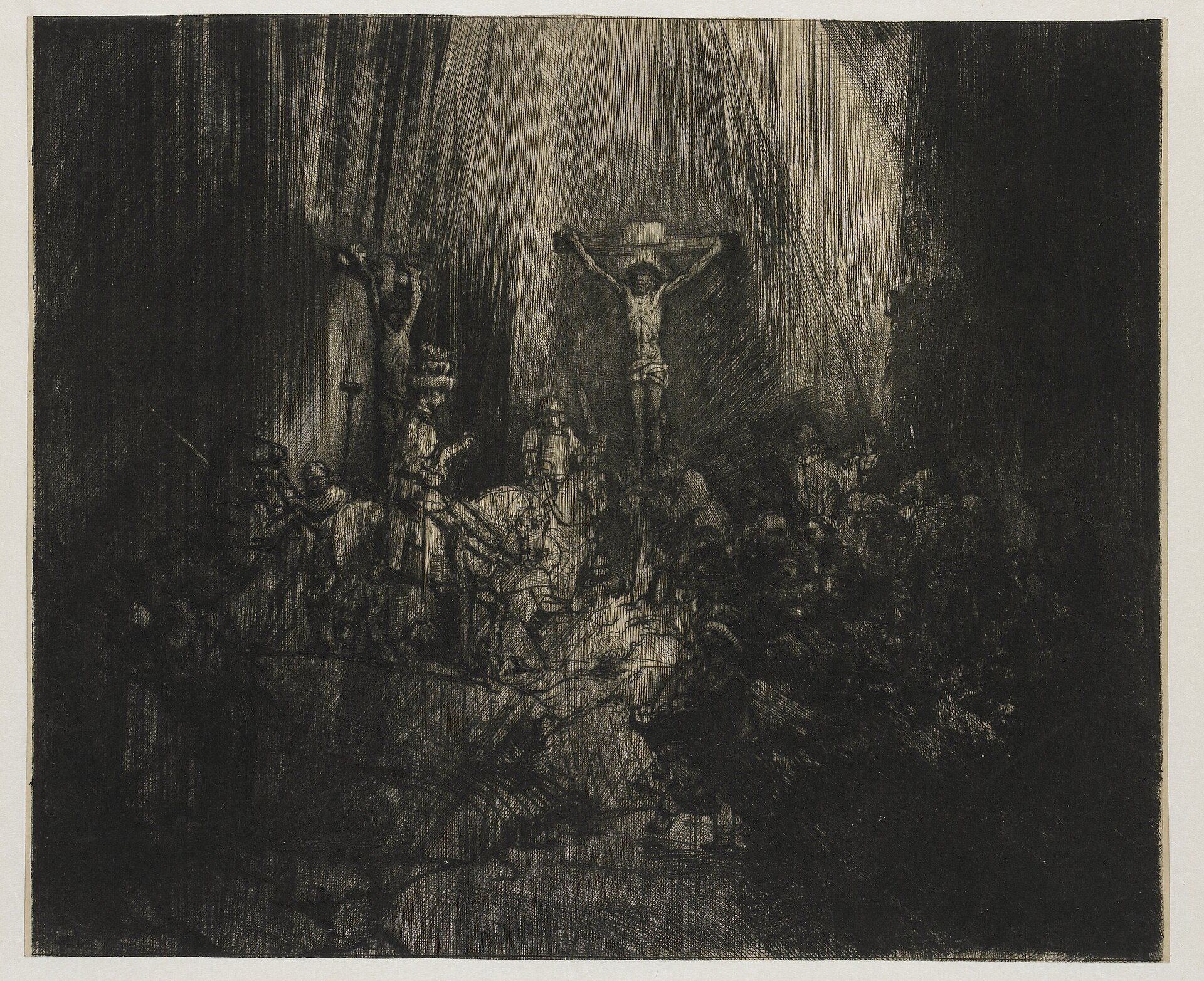
One print, two sales, and the arithmetic that recovers both hammers
Christie's sold a second-state impression of Rembrandt's The Three Crosses in New York on 23 October 2024 as lot 20, and published the result as USD 1,381,000. Under the New York schedule, the first USD 1,000,000 of hammer carries 26 per cent, which is USD 1,260,000. The remaining USD 121,000 of the published total has to be the balance of the hammer plus 21 per cent of it, so the balance is 121,000 divided by 1.21, which is exactly USD 100,000. The hammer was USD 1,100,000.
A third-state impression had sold in London on 7 December 2023 as lot 19, published at GBP 1,225,800. The first GBP 800,000 of hammer carries 26 per cent, giving GBP 1,008,000. The remaining GBP 217,800 divided by 1.21 is GBP 180,000. The hammer was GBP 980,000.
Neither figure is published anywhere by the house. Both fall out of two documents the house does publish, and the second one matters here for a reason beyond the sum: an earlier version of our own record carried GBP 870,000 for this lot. That was a rounding of GBP 869,400, which is the inclusive result of lot 17 in the same sale, The Three Trees. A different print. We had the wrong object's number, and the arithmetic is what caught it.
A recovered hammer has to land on a round bidding figure
The check that makes this arithmetic safe is that auctions do not run in arbitrary amounts. Bidding moves in increments, so a genuine hammer is a round figure: 980,000 and not 981,437. When the algebra returns a round number, the schedule you applied was almost certainly the schedule in force. When it returns something ragged, you have used the wrong schedule, or the published total includes a charge the premium clause does not cover, and the honest answer is that the hammer is not known.
That is why we label these figures derived and not confirmed, and why the label stays on the page. The arithmetic is checkable, the schedule is cited, and a reader can redo it. It is still a reconstruction.
| Object and sale | Published total | Premium schedule applied | Hammer, derived |
|---|---|---|---|
| Rembrandt, The Three Crosses, Christie's New York, 23 October 2024, lot 20 | USD 1,381,000 | 26 per cent to USD 1,000,000, then 21 per cent | USD 1,100,000 |
| Rembrandt, The Three Crosses, Christie's London, 7 December 2023, lot 19 | GBP 1,225,800 | 26 per cent to GBP 800,000, then 21 per cent | GBP 980,000 |
| Hiroshige, Sudden Shower over Shin-Ohashi Bridge, Christie's New York, 15 September 2026, lot 16 | USD 332,800 | 28 per cent to USD 2,000,000 | USD 260,000 |
| Lange, Migrant Mother, Swann New York, 20 October 2022, lot 114 | USD 305,000 | 25 per cent to USD 100,000, then 20 per cent | USD 250,000 |
| Fenton, Valley of the Shadow of Death, Swann New York, 27 April 2023, lot 9 | USD 22,500 | 25 per cent to USD 100,000 | USD 18,000 |
Every hammer in that table is a round bidding figure, and none of them was printed by the house that sold the object.
Bonhams has the hammer in the page and does not show it
One house in this archive does record the hammer per lot, and still does not print it. Bonhams sold another impression of the Hiroshige on 16 September 2026, the day after the Christie's sale, as lot 816. The visible page gives USD 24,320 inclusive of premium. The page data carries two values, a hammer of USD 19,000 and a premium-inclusive figure of USD 24,320, and the schedule printed on the same page is 28 per cent on the first USD 50,000. Nineteen thousand times 1.28 is 24,320 exactly.
So this is not a case of a number that does not exist. It exists, it is correct, it is in the page, and the reader is shown the other one. We report the Bonhams hammer as read rather than derived, because it came from the house's own data and the schedule confirms it to the dollar.
The two Hiroshige sales are worth putting side by side for a second reason. The same design, one day apart: USD 260,000 hammer at one house and USD 19,000 at the other. Impressions of a woodblock print are not interchangeable, and a single reported price for a design tells you almost nothing about the next sheet.
The house's own results post contradicted its own lot pages
Swann Auction Galleries sold two 1936 press prints of Migrant Mother on 11 March 2021, as lots 53 and 54. The lot pages give USD 68,750 for the horizontal print and USD 22,500 for the vertical, both labelled as including the buyer's premium. The house's own results post of that month carries a caption saying the horizontal print sold for USD 68,750 and then says, in its body text, that it led the sale at USD 63,750, that the familiar frame sold for USD 23,750 and that a wide shot reached USD 22,500.
The body text disagrees with the lot pages on both Migrant Mother figures, and it agrees with its own caption on neither. Two of those numbers do not appear on any lot page in the sale. The body text is where the figures on a Wikimedia Commons file description came from, and that description is how they reached us.
We do not know which internal document produced the body text, and we are not going to guess. What the case settles is a question of precedence: a lot page is a record of a transaction and a results post is publicity about it. When they conflict, the lot page wins, and a secondary source that copied the publicity inherits the error without inheriting the correction.

The estimate is not a forecast, and the house says so in writing
The other number a reader is tempted to treat as information is the estimate, and the Conditions of Sale dispose of that directly. The New York document states that estimates can change and that neither the bidder nor anyone else may rely on any estimate as a prediction or guarantee of the actual selling price of a lot or of its value for any other purpose. The same clause adds that estimates do not include the buyer's premium or any applicable taxes.
That last point is quietly important, because it means an estimate and a published result are not measured on the same basis. An estimate is a hammer-basis figure and a price realised is an inclusive figure, so comparing them straight is comparing two different quantities. A lot that appears to have cleared its top estimate by 20 per cent may have cleared it by nothing at all.
Once you recover the hammer, the comparison becomes possible, and it is often less dramatic than the reported one. The Fenton salt print in the table made USD 22,500 inclusive against an estimate of USD 20,000 to 30,000, which reads as a result inside the range. On a hammer basis it made USD 18,000, which is below the low estimate. Same sale, opposite story.
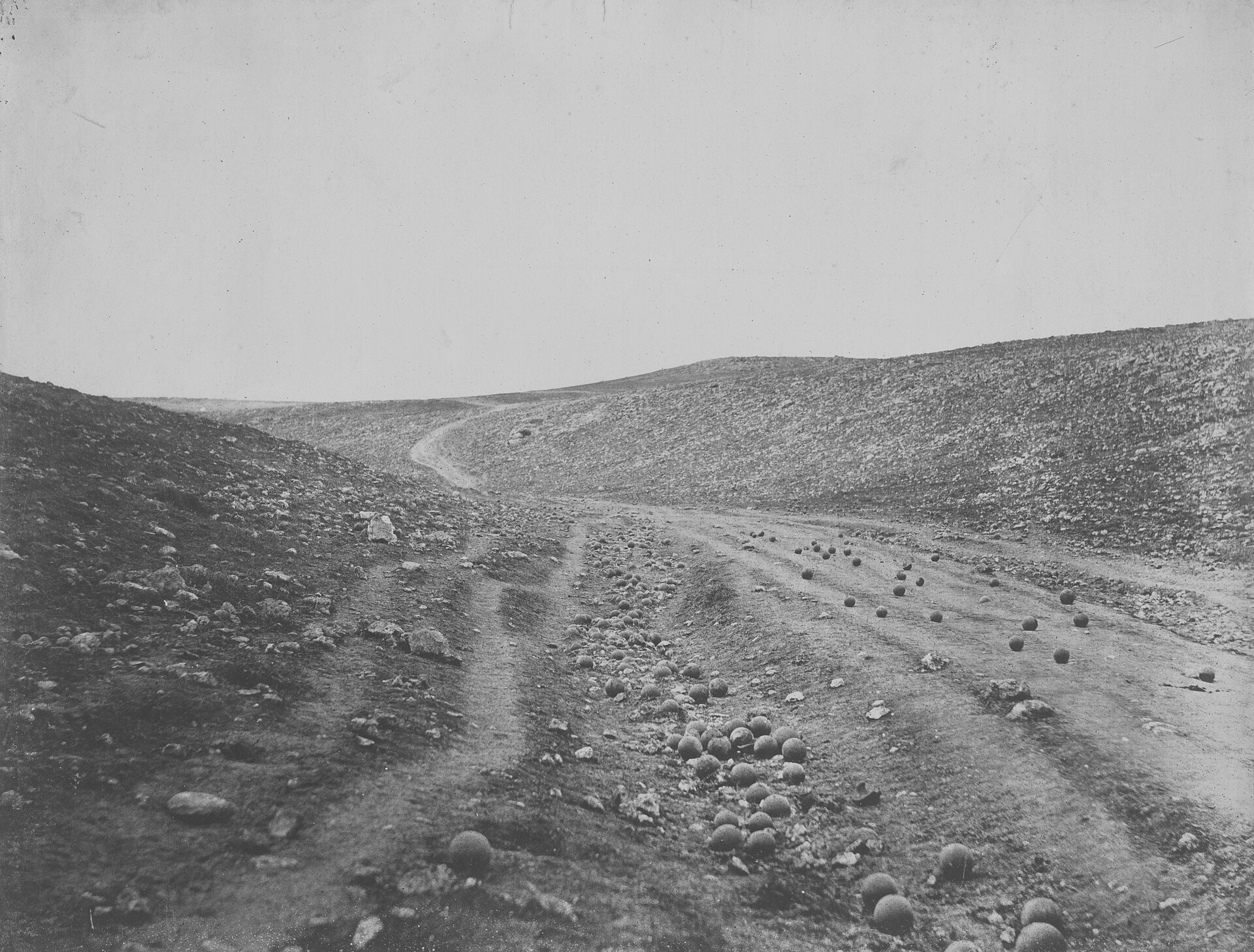
A single lot result is not the whole transaction either
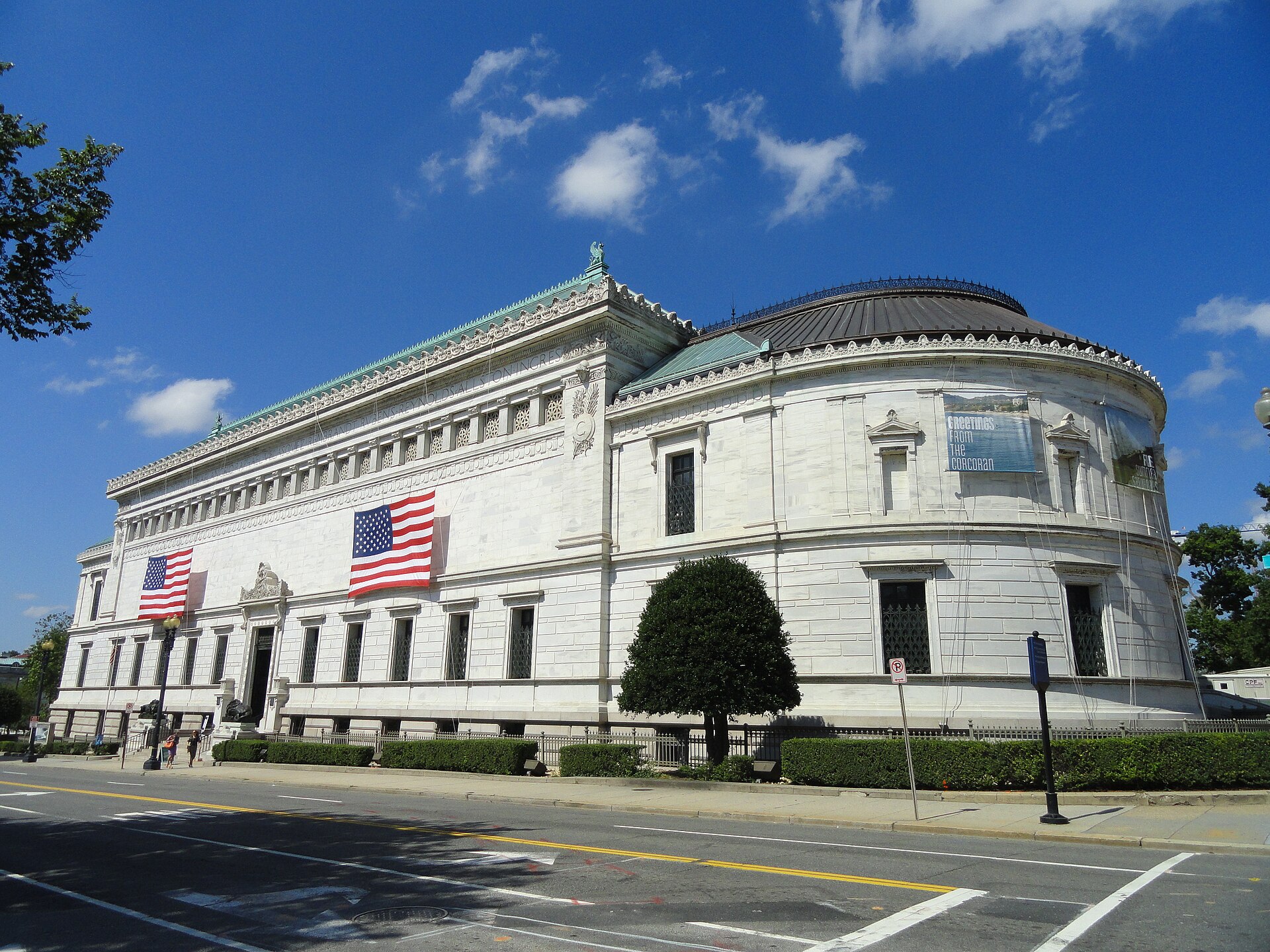
Even a fully resolved hammer answers a narrower question than it appears to. When the Corcoran Gallery of Art sold the Clark sickle-leaf carpet at Sotheby's in New York on 5 June 2013, the carpet was lot 12 in a sale of 25 carpets consigned by the same museum. The lot figure is one number, the sale total is another, and what the museum actually received after the house's charges is a third.
So we carry the group alongside the lot in that record, because a museum's decision to deaccession is a transaction at the level of the consignment and not of the single best object in it. A reader working out whether the Corcoran did well needs all three figures, and the one most often quoted is the one that flatters the outcome most.
The carpet's own hammer, incidentally, is derived rather than reported, and the caveat on it stands.
What the missing number costs a reader
Fifty-three of the 232 auction results in this archive have no hammer published by the house that sold the object. That is not a rounding problem, it is roughly a quarter of the sales we hold, and it falls hardest on exactly the objects a researcher cares about, because the contested and the expensive attract the most reporting and the reporting quotes the inclusive figure.
We recovered 22 of them and we could not recover 31. Some of those are old sales whose conditions are no longer online, and at least one schedule survives only as an Internet Archive capture of a document Christie's has since removed from its own site. That is a real risk to the record: the arithmetic is only reproducible while the schedule is readable, and the schedule is the part nobody archives on purpose.
Where we could not recover a hammer, the field says so. An unresolved figure recorded as unresolved is worth more than a smooth one that quietly reports a premium-inclusive total as a bid.
Why this archive is free to read
We do this for everyone who loves art. The people who have studied it for years, and the people who just stopped to look. Iconotheca exists so that what we learn belongs to all of them.
Nobody pays us for this. No ads, no sponsors, no commercial interest. These works belong to all of us, and we would rather share them with as many people as we can than keep them to ourselves.
If it gave you something today, tell us to keep going. Follow us, leave a like, or write a positive comment. We read every one, and they are what keeps us going.
Questions
The hammer price is the winning bid. The price realised is the hammer price plus the buyer's premium, a percentage the auction house charges the buyer on top of the bid. The price realised is the figure houses usually publish and the figure the press usually quotes.
Most publish the premium-inclusive total because that is the amount the buyer pays, and their conditions of sale define sale totals on that basis. The premium schedule is published separately, so the hammer can usually be calculated from the two, but the house does not do the calculation for you.
By applying the buyer's premium schedule printed in the conditions of sale for that sale in reverse. If a London total was GBP 1,225,800 under a schedule of 26 per cent to GBP 800,000 and 21 per cent above it, the first GBP 800,000 of hammer accounts for GBP 1,008,000 and the remaining GBP 217,800 divided by 1.21 gives GBP 180,000, so the hammer was GBP 980,000.
Because bidding moves in increments, a genuine hammer is a round figure. If the arithmetic returns a round number the schedule applied was almost certainly correct. If it returns a ragged one, the wrong schedule was used or the total includes charges the premium clause does not cover, and the hammer should be recorded as unknown.
No, and Christie's conditions of sale state plainly that no one may rely on an estimate as a prediction or guarantee of the actual selling price. Estimates are also quoted on a hammer basis and exclude the buyer's premium, so an estimate and a published result are not measured on the same basis.
Sources
- 1Christie's, Conditions of Sale, London, August 2023, clause D1, The Buyer's Premium. Read in full as a PDF from the house's media library. christies.com/media-library/...
- 2Christie's, Conditions of Sale, New York, 19 October 2023, clause D1, The Buyer's Premium, and the estimates clause. Read in full as a PDF. christies.com/-/...
- 3Christie's, lot 19, Rembrandt, Christ crucified between the two Thieves (The Three Crosses), Old Masters Part I, London, 7 December 2023. christies.com/en/...
- 4Christie's, lot 20, Rembrandt, Christ crucified between the two Thieves (The Three Crosses), Exceptional Impressions: The Alan and Marianne Schwartz Collection, New York, 23 October 2024. christies.com/en/...
- 5Christie's, lot 17, Rembrandt, The Three Trees, Old Masters Part I, London, 7 December 2023, the lot whose inclusive result of GBP 869,400 had been misread onto the Three Crosses row. christies.com/en/...
- 6Swann Auction Galleries, lot 53, Dorothea Lange, Migrant Mother (horizontal variant), Fine Photographs, 11 March 2021. catalogue.swanngalleries.com/Lots/...
- 7Swann Auction Galleries, lot 54, Dorothea Lange, Migrant Mother (vertical, the familiar frame), Fine Photographs, 11 March 2021. catalogue.swanngalleries.com/Lots/...
- 8Swann Auction Galleries, results post for the sale of 11 March 2021, whose body text and caption disagree with each other and with the lot pages. swanngalleries.com/news/...
- 9Swann Auction Galleries, lot 114, Dorothea Lange, Migrant Mother, Fine Photographs, 20 October 2022, sold at USD 305,000 inclusive of premium. catalogue.swanngalleries.com/Lots/...
- 10Christie's, via the Internet Archive, Conditions of Sale, New York, 2 September 2022, the schedule needed for the March 2023 Hokusai sale and since removed from the house's own site. web.archive.org/web/...
- 11Antiques and The Arts Weekly, 'Christie's Amends Buyer's Premium Thresholds', on the changes to the schedule that make the date of a sale decisive for this arithmetic. antiquesandthearts.com/christies-amends-buyers-premium-th...
More in The Market
The partThe Objects Whose Price Was Set by a Tax Bill and Not a Buyer
The Louvre did not buy the most famous Vermeer in France. It accepted it against a death duty, and the acquisition price is not withheld, it does not...
The House That Cannot Be Asked: Who Keeps the Price After the Sale
Half this archive's sale record sits with two firms you can still write to. The other half sits with houses that shut, and with bodies that were...
The Underbidder Set the Price
Fourteen records show the underbidder sets the hammer price and is almost never named.