How Contested Objects Actually Go Home
Across the disputed objects in this archive, the instrument that delivered one to its claimant was almost never a judgment. The most complete legal victory on record has moved nothing.
Records in this piece: Statue of a Victorious Youth, Cult Statue of a Goddess, The Weary Herakles, Gilded Coffin of Nedjemankh, The Gilgamesh Dream Tablet, Bild mit Haeusern (Painting with Houses), Portrait of Wally Neuzil, The Cleveland Apollo: Apollo Sauroktonos (Lizard-Slayer) or Apollo the Python-Slayer, Adam and Eve, The Astronomer, The Sevso Treasure, The Parthenon Sculptures in the British Museum, The Rosetta Stone
On this page 6 sections
ContentsClose
In short
- The Statue of a Victorious Youth is subject to an Italian forfeiture order upheld by the Court of Cassation on 2 January 2019 and by the European Court of Human Rights on 2 May 2024, and it is still in the Getty Museum's collection as object number 77.AB.30.
- The two objects that left American museums fastest, the Coffin of Nedjemankh and the Gilgamesh Dream Tablet, moved on a search warrant and an import offence, not on any finding about who owned them in antiquity.
- Turkey claimed the upper half of the Weary Herakles in 1990 and received it by agreement on 22 September 2011. No lawsuit was ever filed in twenty-one years.
- The Dutch Restitutions Committee held on 22 October 2018 that Amsterdam was not obliged to return Kandinsky's Bild mit Haeusern. The city returned it anyway in 2022.
- Portrait of Wally was settled in July 2010 for nineteen million dollars paid by the Leopold Museum, which kept the painting.
The instrument that moves an object is possession, not a ruling
Across the contested objects recorded in this archive, the legal instrument that actually delivered an object to its claimant was almost never a judgment on the merits. Twenty-one published records carry a restitution, repatriation, forfeiture or negotiated transfer in their ownership history. Seven of those are disputes of the shape that dominates the public argument about restitution: a named institution holding a specific object, and a claimant who wanted it back. Sorted by what physically moved the object rather than by who was found to be right, those seven fall into a pattern that is uncomfortable for anyone who assumes a claim is won in a courtroom.
The cases that ended with the object in a crate are the cases where the party holding it either chose to let it go or was subject to the police power of the state it was standing in. The case with the most complete and most final judicial victory is the case where the object has not moved at all.
This is not an argument that the law is irrelevant. It is an argument about which law, and against whom. A forfeiture order is enforceable by the state that issues it against property within its reach. Against a museum on another continent, the same order is a document. Diligence work that starts from the strength of the claim and stops there has skipped the question that decides the outcome.
The Getty bronze has lost at every instance and has not moved
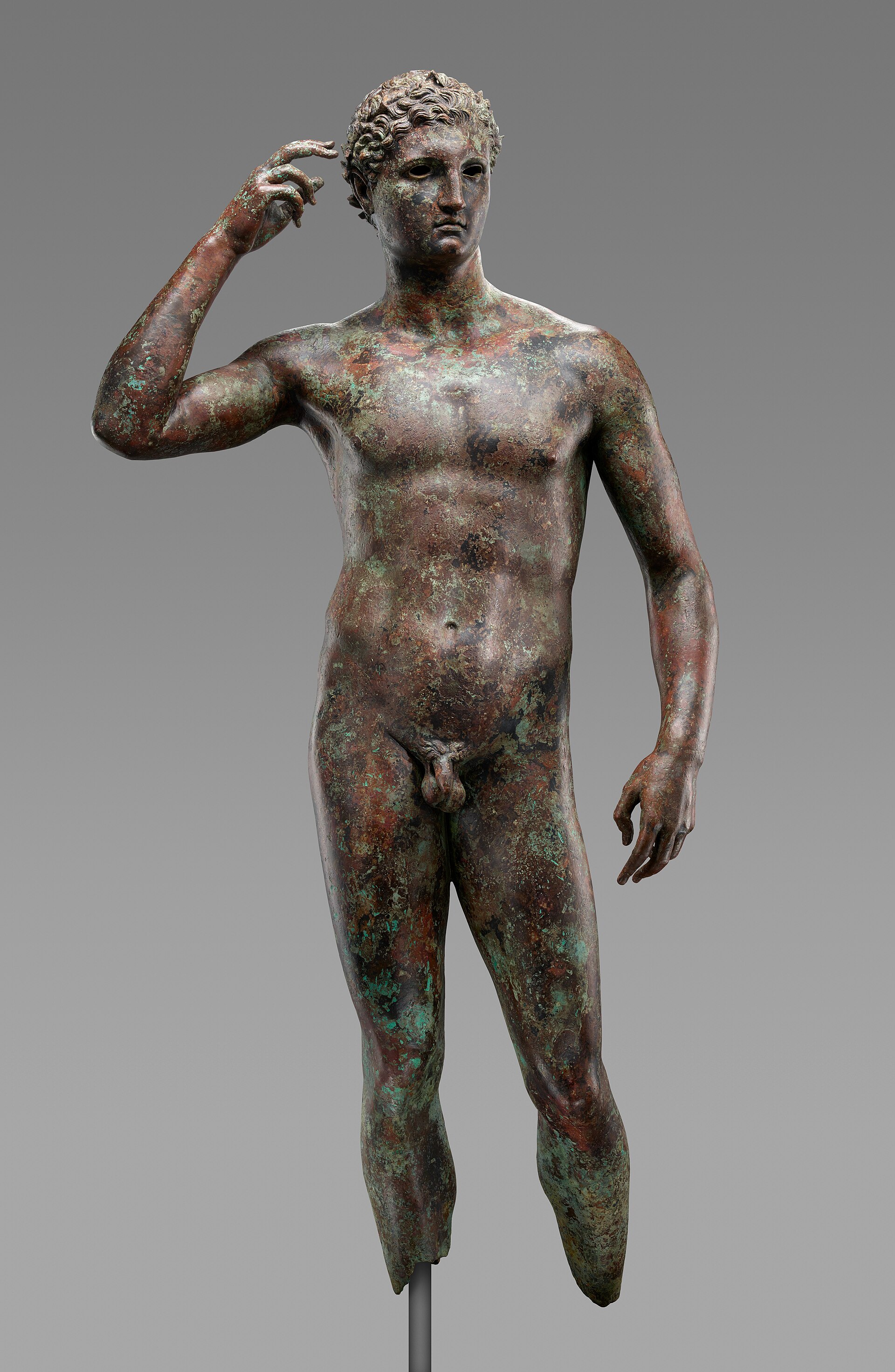
The Statue of a Victorious Youth carries a final Italian forfeiture order and a European human rights judgment upholding it, and it remains in the J. Paul Getty Museum's collection as object number 77.AB.30. Netted by a fishing crew in the Adriatic in 1964 and bought by the Getty Trust in 1977 for 3,950,000 dollars, the bronze has been through Italian criminal proceedings, a forfeiture ordered by the preliminary investigations judge at Pesaro in 2010, a re-issued order in 2018, and confirmation by the Court of Cassation on 2 January 2019.
The Trust took the case to Strasbourg. On 2 May 2024 the First Section of the European Court of Human Rights held that there had been no violation of Article 1 of Protocol No. 1. The Court endorsed the domestic findings and described the Trust's conduct in the purchase as negligent, if not in bad faith, at paragraph 390, reasoning that a buyer who acquires an object despite serious doubts about its provenance assumes the risk that it will later be recovered without compensation.
That is as complete as a restitution victory gets, and the case report accompanying the judgment states the limit plainly: the Getty can no longer appeal to the Grand Chamber, and enforcement of the Italian order by United States authorities remains uncertain. The Court could rule on the confiscation. It could not carry the statue out of Malibu.
One detail on the museum's own record is worth setting down. Read on 23 August 2026, the Getty's published collection entry for the object gives the place found as Europe, and its published ownership history begins in 1971 with a Munich dealer. The seven years between the trawler and that dealer, which is the stretch the Italian courts spent four decades examining, do not appear.
Where the state holding the object is the claimant, it moves in months
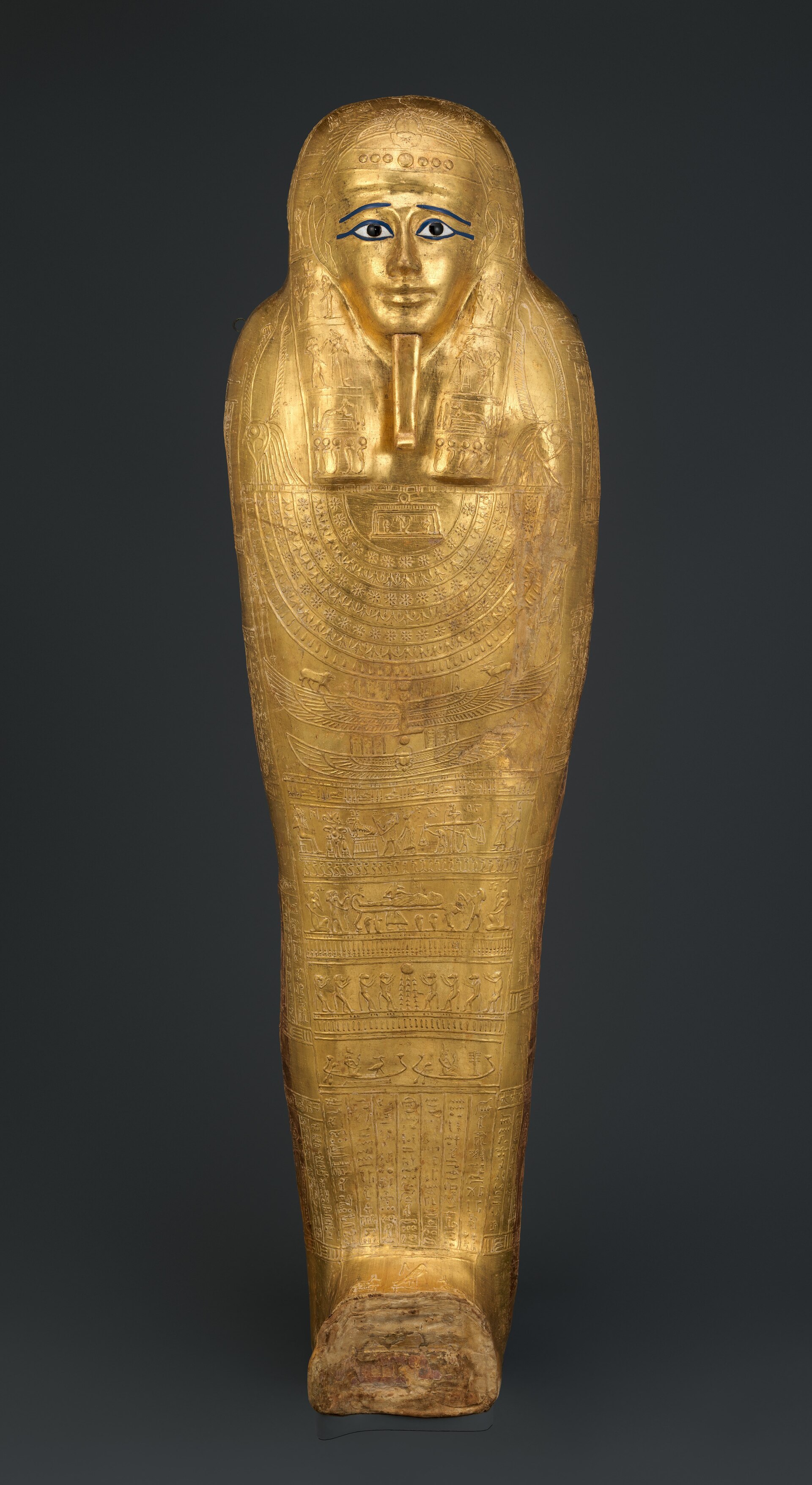
Two objects in this archive left American museums within a year of being seized, because the authority that took them was the state in whose territory they were sitting. The Metropolitan Museum of Art bought the gilded Coffin of Nedjemankh in July 2017 for about four million dollars and made it the centrepiece of an exhibition from July 2018. The exhibition closed on 12 February 2019, when the Manhattan District Attorney's office executed a search warrant on the strength of a judge's satisfaction that the museum was likely holding stolen property. The coffin was handed to Egypt's foreign minister on 25 September 2019, seven months later. The museum did not contest the seizure.
The Gilgamesh Dream Tablet followed the same route on a longer clock. Federal agents seized it from the Museum of the Bible in September 2019 under a judicially authorised warrant. The United States filed a civil forfeiture action in the Eastern District of New York, Hobby Lobby consented, and forfeiture was entered in July 2021 on the ground of the tablet's illegal importation into the United States in 2014. A ceremonial certificate transferring ownership was signed at the Smithsonian Institution's Museum of the American Indian on 23 September 2021 by Steve K. Francis of Homeland Security Investigations and Fareed Yasseen, Iraq's ambassador to the United States.
Note what neither case required. No court determined where either object was dug out of the ground, or who owned it, or when it was taken. The lever in one was a state search warrant and in the other a federal import offence, and in both the government that pulled it already had the object in hand.
Negotiation delivers the object and costs about two decades
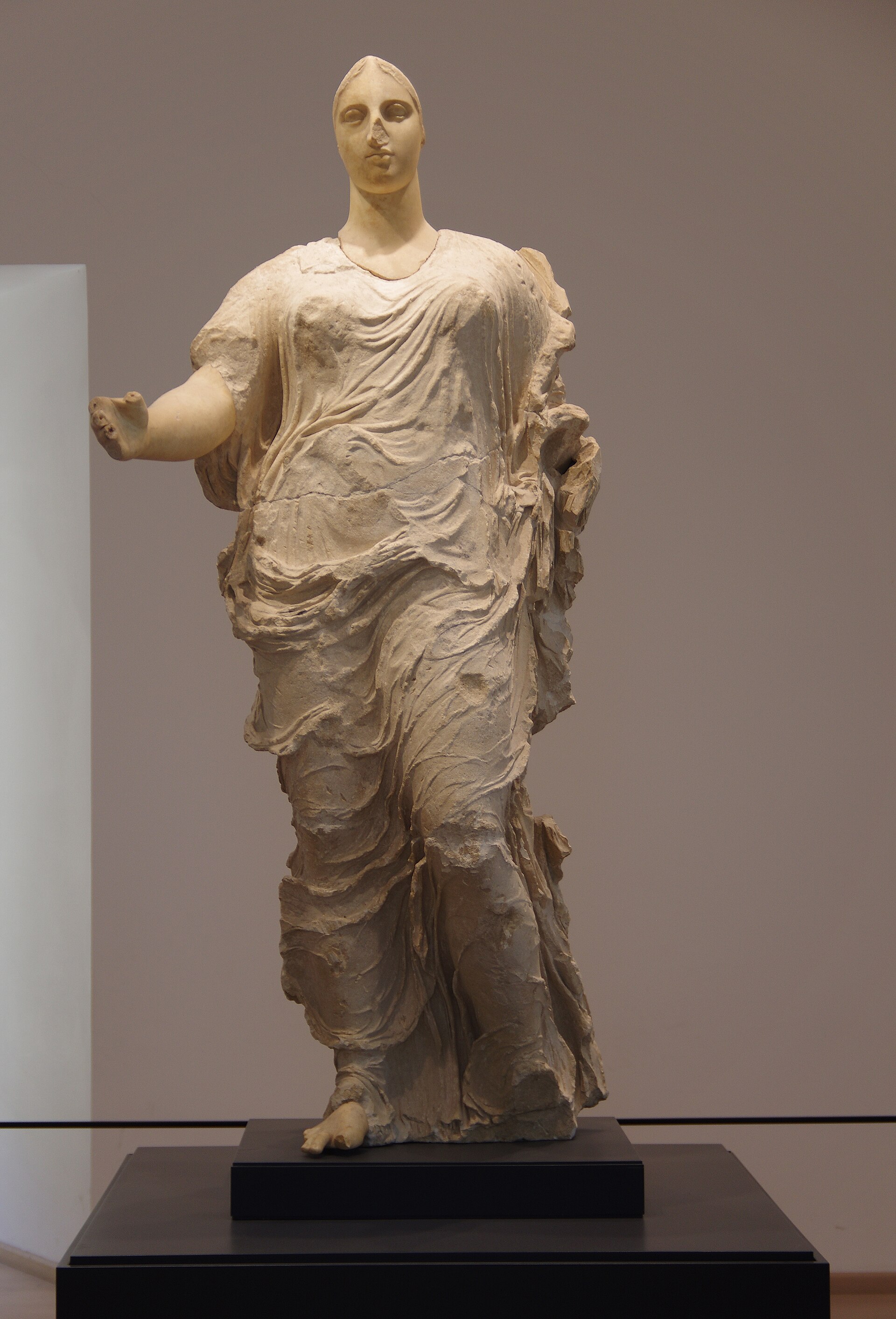
The two objects in this archive that came back from American museums by agreement rather than by force each took about twenty years from first claim to transfer. The Getty bought the Cult Statue of a Goddess on 25 July 1988 for eighteen million dollars, on the recommendation of its antiquities curator. Italian investigators opened a case, petrographic analysis of the limestone body established a Sicilian origin, and the Getty declined to give the statue up. In 2007 the museum signed an agreement with the Italian Ministry of Culture covering forty disputed objects, and the statue was installed at the museum in Aidone in 2011, twenty-three years after the claim began.
The Weary Herakles is the cleaner case. The Museum of Fine Arts, Boston acquired a half interest in the upper half in 1981 from a dealer in Frankfurt, with the collectors Leon Levy and Shelby White holding the other half. Turkey claimed it in 1990 after a scholar noticed the resemblance to the lower half excavated at Perge in 1980. In 1992 casts of the two halves were compared and found to fit. The museum did not accept that this settled ownership. Levy died in 2003, the museum took sole title, negotiations resumed, and the agreement transferring the sculpture was signed on 22 September 2011.
No lawsuit was ever filed. That is the finding, and it cuts both ways: the claim did not need litigation to succeed, and declining to litigate it cost twenty-one years.
A panel can refuse restitution and the object can still go back
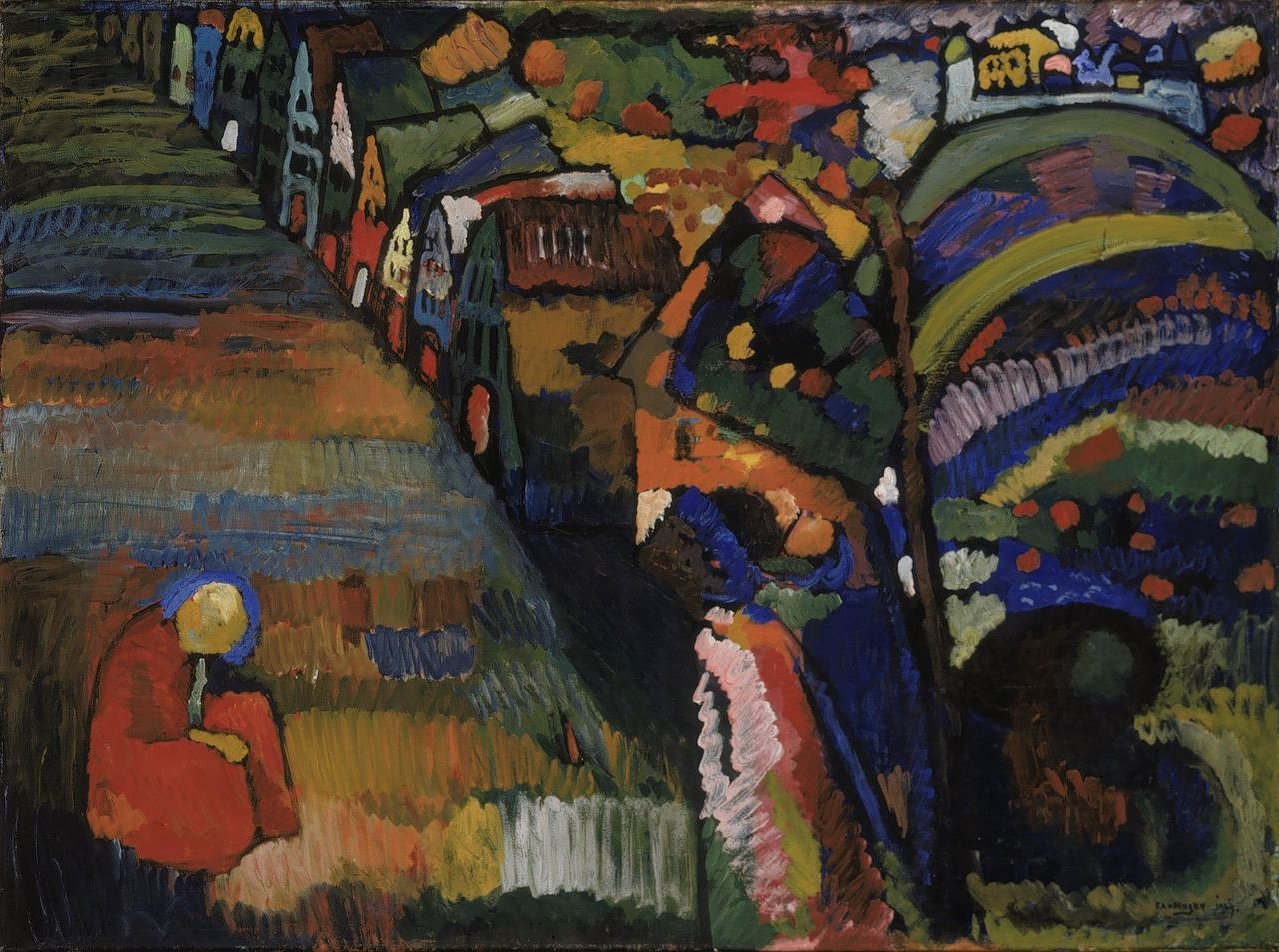
The Dutch Restitutions Committee told Amsterdam that it was not obliged to return Kandinsky's Bild mit Haeusern, and the city returned it regardless. The painting was sold as lot 205 at Frederik Muller and Company in Amsterdam on 9 October 1940, five months into the German occupation, and bought for the City of Amsterdam by the Stedelijk Museum's director at 160 guilders hammer, against the 500 guilders the collector Emanuel Lewenstein had paid for it in 1923. The heirs lodged their claim in 2013.
The Committee's binding opinion of 22 October 2018 concluded that Amsterdam City Council is not obliged to return the painting. In 2021 the city council and the mayor announced that it would go back anyway, without waiting for reconsideration under the framework revised that year, and the transfer took place in 2022. The painting was sold privately in 2023 for more than sixty million euros, the most valuable object the Netherlands has restituted.
The instrument here was neither a court nor a panel. It was the owner, acting against the finding of the body it had itself referred the question to. For a claimant, that is the single most useful line in this record: the entity to persuade is whoever can sign the transfer, and it is not always the entity that decides the merits.
| Object | Claim or seizure | Instrument that resolved it | Object moved |
|---|---|---|---|
| Coffin of Nedjemankh | Seized February 2019 | New York County search warrant | 25 September 2019 |
| Gilgamesh Dream Tablet | Seized September 2019 | Consented civil forfeiture, July 2021 | 23 September 2021 |
| Weary Herakles, upper half | Claimed 1990 | Negotiated agreement, no lawsuit filed | 22 September 2011 |
| Cult Statue of a Goddess | Claimed from 1988 | Negotiated agreement, 2007 | Installed at Aidone, 2011 |
| Bild mit Haeusern | Claimed 2013 | Owner's decision, against its own panel | 2022 |
| Portrait of Wally | Seized 1999 | Settlement, July 2010 | Did not move |
| Statue of a Victorious Youth | Claimed from 1989 | Forfeiture upheld to the ECtHR, 2024 | Has not moved |
Sometimes what moves is the money and not the object
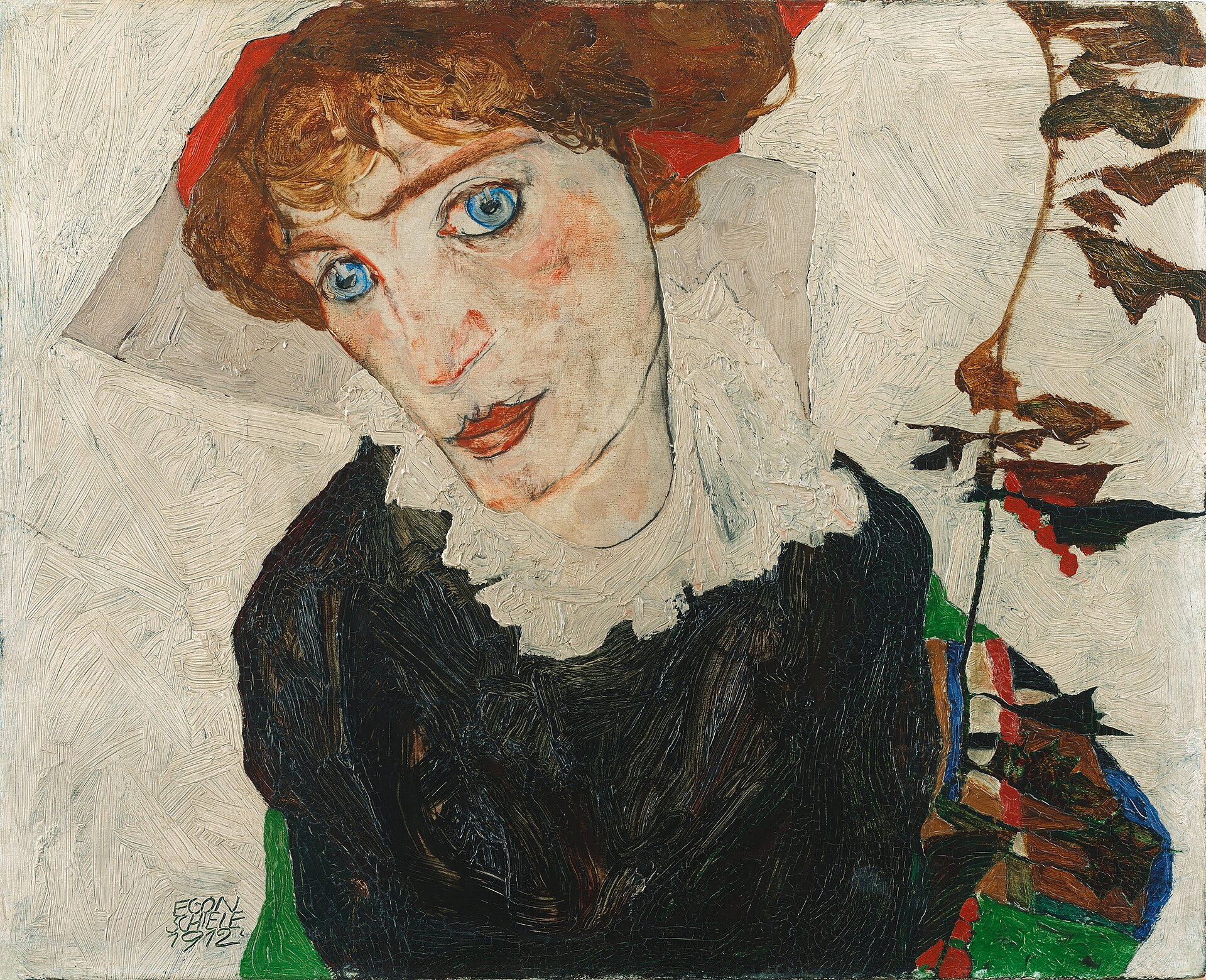
Egon Schiele's Portrait of Wally never went back to the family it was taken from, and the case is still counted as a resolution. The painting was restituted in error to the wrong heirs in 1950. It was seized in New York in 1999 after a loan to the Museum of Modern Art brought it into a jurisdiction where a claim could be filed, and it sat in United States government custody through thirteen years of proceedings.
The settlement of July 2010 had the Leopold Museum pay nineteen million dollars to the estate of the dealer Lea Bondi Jaray in exchange for the release of all claims to the painting, and undertake to display signage setting out the true provenance beside it, at the Leopold and at any future display. The picture went back to Vienna.
Read as a precedent this is a purchase, not a restitution, and it is the outcome a well-resourced holder can always reach for when the object itself is not negotiable. It also produced something the other cases in this archive did not: a permanent, contractually required statement on the wall. Where the object cannot be moved, the label is the remedy that remains.
Questions
Because a forfeiture order binds property within the issuing state's jurisdiction. Where the object sits abroad, the order has to be recognised and enforced by the courts of the state that holds it, and that is a separate proceeding with its own requirements. In the Victorious Youth case the European Court of Human Rights upheld Italy's order in 2024, and the accompanying case report records that enforcement by United States authorities remains uncertain. The statue is still in the Getty's collection.
Because the state that took them was the state they were physically in, and because neither case turned on proving the original theft. The coffin was seized on a New York search warrant; the tablet was forfeited on the ground of illegal importation in 2014. Both are domestic law-enforcement instruments executed against property in the same jurisdiction, which is why they ran in months rather than decades.
No. A panel advises or issues a binding opinion between the parties that referred the question to it; it does not remove the holder's ability to transfer the object voluntarily. The Dutch Restitutions Committee found on 22 October 2018 that Amsterdam was not obliged to return Bild mit Haeusern, and Amsterdam returned it in 2022. Read the panel's decision as one input into the holder's decision, not as the disposal of the claim.
Sources
- 1Case of The J. Paul Getty Trust and Others v. Italy, Judgment, European Court of Human Rights (First Section), 2 May 2024, application no. 35271/19; case report, American Journal of International Law. cambridge.org/core/...
- 2The J. Paul Getty Trust and Others v. Italy, HUDOC case record, application no. 35271/19. hudoc.echr.coe.int/eng
- 3Statue of a Victorious Youth, object number 77.AB.30, J. Paul Getty Museum collection record, including the museum's published provenance. Read 23 August 2026. getty.edu/art/...
- 4United States Returns to Iraq Rare Tablet Bearing Portion of the Epic of Gilgamesh, United States Department of Justice, Office of Public Affairs, press release 21-922, 23 September 2021. justice.gov/archives/...
- 5The Metropolitan Museum of Art Returns Coffin to Egypt, Metropolitan Museum of Art press release, February 2019. metmuseum.org/press-releases/...
- 6Weary Herakles, Antiquities and Cultural Property provenance statement, Museum of Fine Arts, Boston, giving the 1981 acquisition, the 1990 claim, the 1992 cast comparison and the agreement of 22 September 2011. mfa.org/collections/...
- 7Weary Herakles, Turkey and Museum of Fine Arts Boston, case chronology, Art-Law Centre, University of Geneva, recording that no litigation was ever filed. plone.unige.ch/art-adr/...
- 8Painting with Houses by Wassily Kandinsky, binding opinion of the Restitutions Committee, 22 October 2018. restitutiecommissie.nl/en/...
- 9Painting by Kandinsky handed over to the heirs of Jewish former owners, Stedelijk Museum Amsterdam. stedelijk.nl/en/...
- 10Portrait of Wally, United States and Estate of Lea Bondi and Leopold Museum, case chronology and settlement terms, Art-Law Centre, University of Geneva. plone.unige.ch/art-adr/...
- 11Getty Museum and Italian Ministry of Culture Sign Agreement in Rome and the Return of Objects, J. Paul Getty Trust news release, 2007. getty.edu/news/...
More in Provenance and Restitution
The partA return is a new arrangement, not a conclusion
Four contested antiquities, four different things a return turned out to be: a renaming, a rotating loan, a forfeiture nobody enforced and a broken...
When the Only Proof of Where an Object Was Is a Photograph
The Third Imperial Easter Egg was photographed once, in March 1902, and that single plate is what identified it in 2014.
Moved for Safekeeping Is a Link in the Chain
Nine evacuations in this archive: three objects never returned to the building they left, one came back unrecognised and title changed once, by a...