The Estimate Is the Newest Part of an Auction Record
Of 214 auction results in this archive, 52 carry a published pre-sale estimate. None of the 29 dated before 1900 do, and the estimate began life as a loose sheet that was never meant to survive.
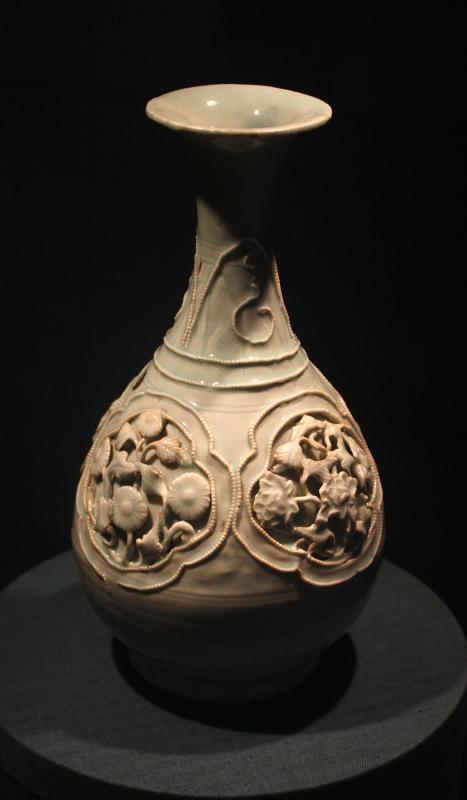
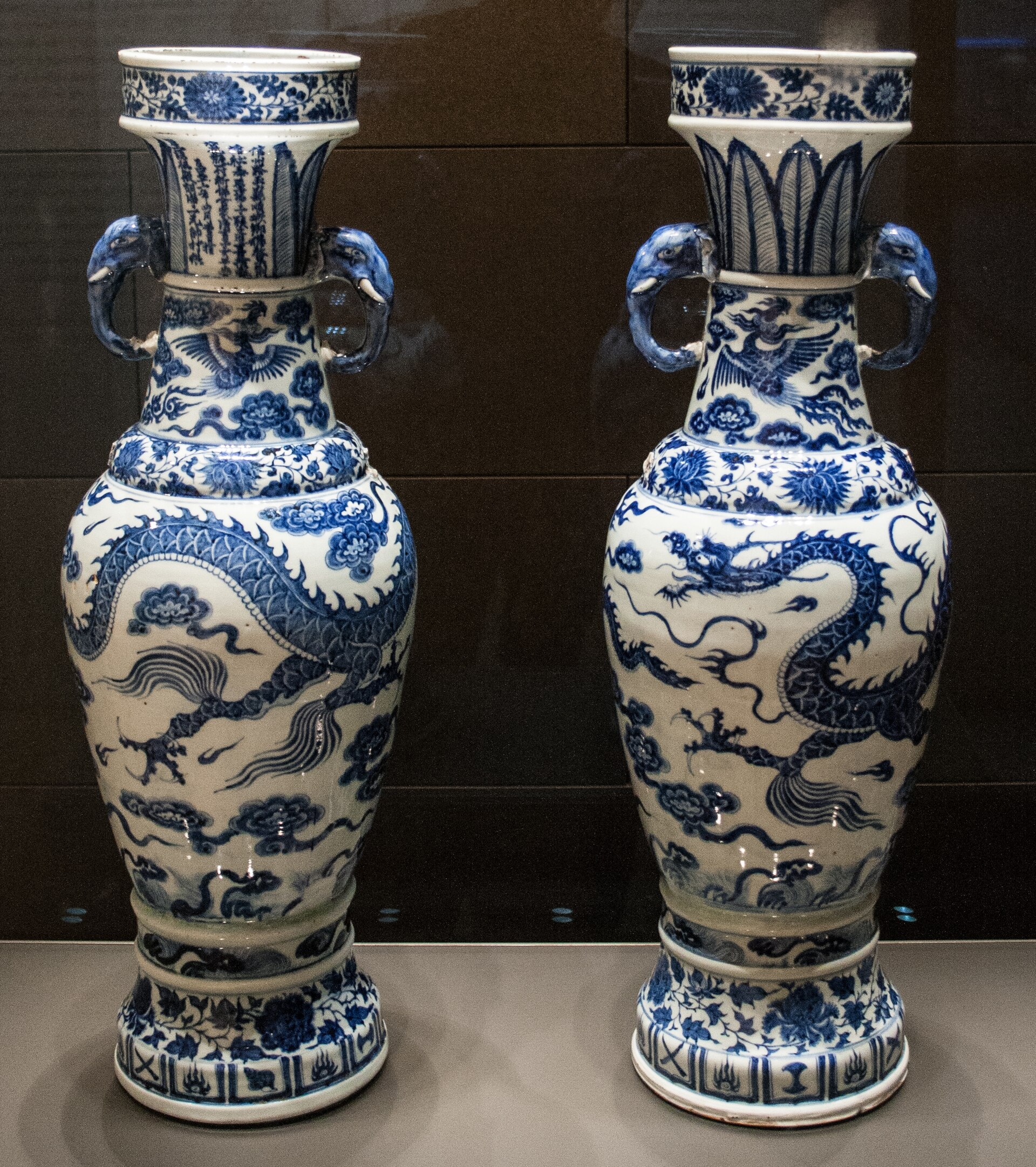
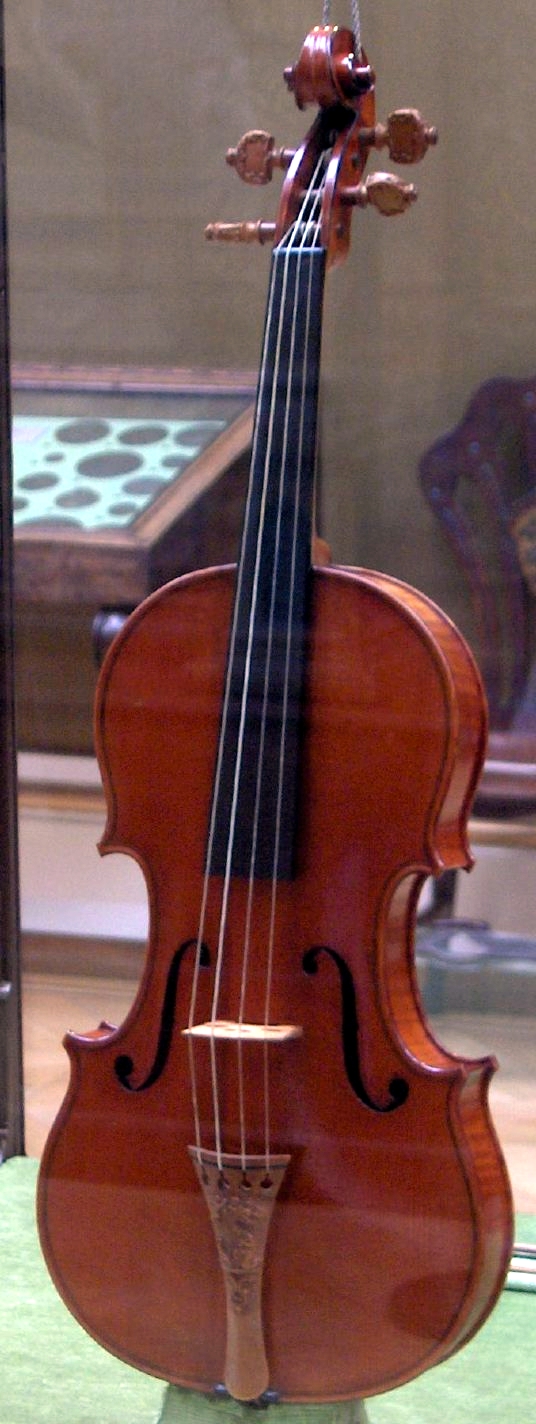
Records in this piece: Fonthill Vase, The David Vases, The Messiah, The Diamond Sutra, The Royal Gold Cup
On this page 8 sections
ContentsClose
In short
- Across 214 auction results in 130 published records, 52 carry a pre-sale estimate that was actually published. Not one of the 29 results dated before 1900 carries one.
- Of the 48 dated results before 1970, exactly one records a figure, and reading it shows it is not a house estimate at all. It is what Aurel Stein privately decided he was willing to pay.
- The survival rate climbs from 12 per cent for results dated in the 1970s and 1980s to 67 per cent from 1990 and 72 per cent since 2010. The change is in the catalogue, not in the market.
- The University of Pennsylvania, describing its own run of more than a thousand Sotheby's catalogues, records that catalogues before the late 1980s generally do not print estimates in the body, and that estimates were printed separately and inserted loose. A loose sheet is the part of a catalogue that does not survive.
- This archive records a missing estimate in four different ways, and they are four different facts. Only one of them means that no estimate ever existed.
A price and the estimate beside it are not the same age
The pre-sale estimate is a much younger part of the auction record than the price it sits next to. Across the 266 records published in this archive there are 214 dated or datable auction results, spread over 130 objects and running from the seventeenth century to 2024. Fifty-two of them carry an estimate that a source actually published. The other 162 do not, and the reason is almost never that the researcher failed to look.
Split those results by the century they fall in and the pattern is not a gradient at all. It is a step. The estimate does not fade out as you go back through the archive. It stops.
When the estimate appears in the record, by the date of the sale
Of the 214 auction results in this archive, 132 carry a sale year that can be read directly from the record, and the presence of a published estimate in those 132 rises from nothing to roughly three quarters within a single working lifetime. The 82 results with no readable year are mostly early sales known only from a reference in later literature, and none of them carries an estimate either.
| Sale date | Results | With a published estimate | Share |
|---|---|---|---|
| Before 1900 | 29 | 0 | 0 per cent |
| 1900 to 1949 | 13 | 1 | 8 per cent |
| 1950 to 1969 | 6 | 0 | 0 per cent |
| 1970 to 1989 | 16 | 2 | 12 per cent |
| 1990 to 2009 | 15 | 10 | 67 per cent |
| 2010 to 2026 | 53 | 38 | 72 per cent |
Read down the third column and the estimate arrives somewhere between 1970 and 1990. That is not when people began forming views about what a thing might fetch. Reserves, valuations and confidential instructions to the auctioneer are as old as the saleroom. It is when the view began to be printed and circulated.
The single figure in this archive before 1970 turns out not to be an estimate
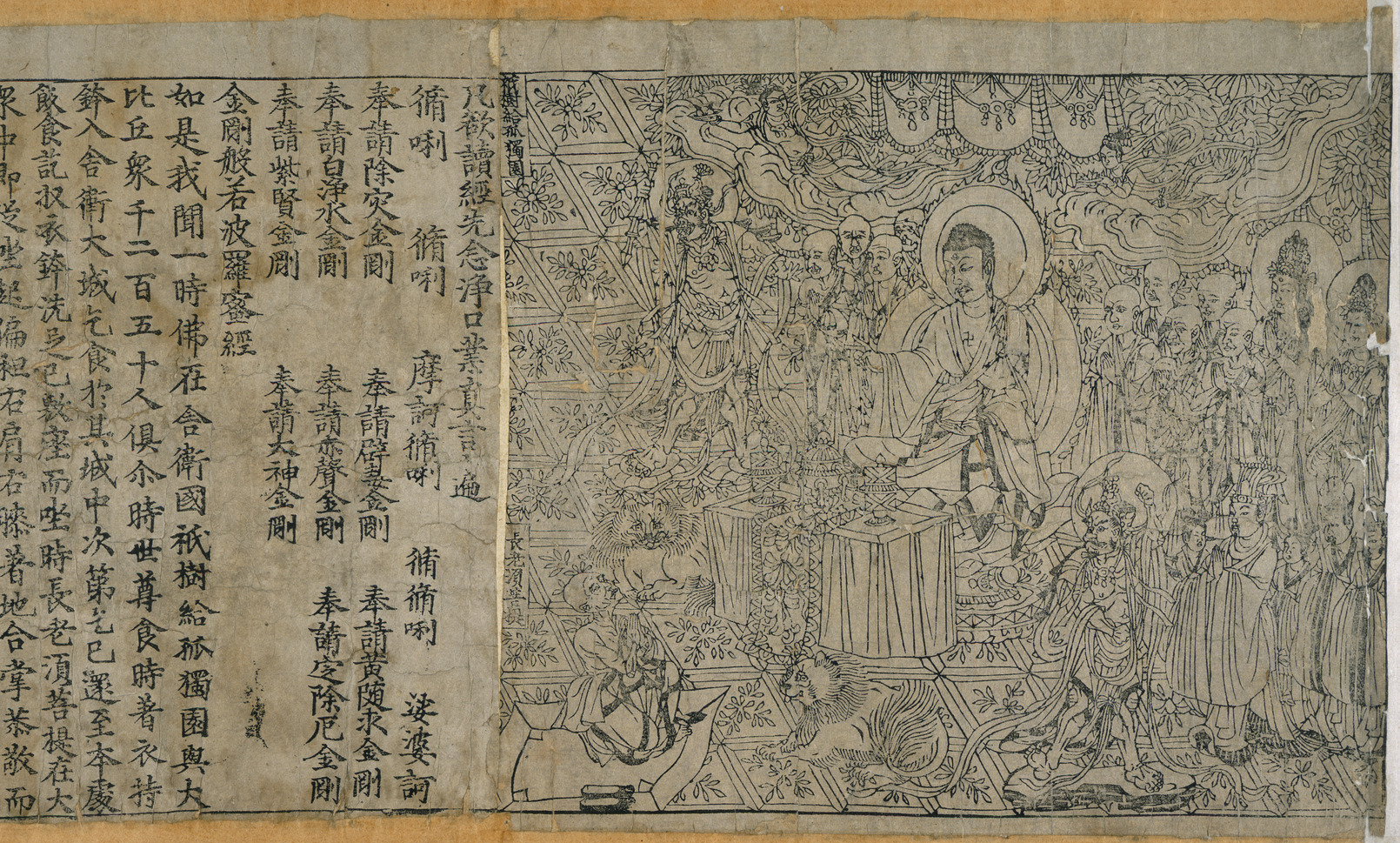
One result dated before 1970 in this archive carries something in the estimate field, and reading it shows it is a buyer's private ceiling rather than a house valuation. In 1907, negotiating at the Mogao caves for the manuscripts that included the printed Diamond Sutra of 868, Aurel Stein recorded that he was privately prepared to offer up to forty silver horse-shoes, about five thousand rupees. He paid four ingots. There was no catalogue, no auctioneer and no published figure, so what survives is the number in the buyer's own account of his own reasoning.
That is a useful accident, because it shows what an estimate actually is. A walk-away price is information the buyer keeps. A pre-sale estimate is information the seller publishes. They point in opposite directions, and it is only the second one that the modern record treats as part of the object's history.
The buyer's premium of 1975 changed what a catalogue had to disclose
The modern shape of the printed auction record begins with a charge, not with a valuation. On 8 March 1983 the House of Commons debated the abolition of the buyer's premium, and Andrew Faulds told the House that in 1975 the two leading fine art auctioneers got together somewhat surreptitiously and introduced a so-called buyer's premium of 10 per cent, in addition to the seller's 10 per cent commission. The debate is about the fee and says nothing about estimates.
It matters here anyway. Once the buyer was being charged a percentage, the catalogue had to become a document that explained itself to the buyer: what the premium was, what the estimate excluded, what the reserve could and could not be. The printed apparatus that a modern reader treats as standard grows out of that decade, which is exactly where the table above turns.
The estimate began as a loose sheet, which is why it is missing
The physical reason estimates do not survive with old catalogues is that they were not bound into them. The University of Pennsylvania's Kislak Center, describing the more than one thousand Sotheby's catalogues in Print Collection 42, states plainly that catalogues before the late 1980s generally do not include printed price estimates in the body of the catalog, and that these were often printed separately and inserted in the catalogue. The same note records that sheets listing prices realised and buyers' names were frequently mailed out after the sale.
Bibliographical descriptions of individual copies confirm it at the level of the object. A dealer's catalogue of sale catalogues describes Sotheby's sales of June 1978 with a list of estimates loosely inserted, a Christie's sale of 12 December 1980 with an estimate list loosely inserted, and other copies as annotated, partly priced or lacking price list. A loose sheet is the first thing to fall out of a pamphlet, the first thing a binder discards, and the last thing anyone digitises. The estimate is missing from the historical record for the same reason a ticket stub is.
Four ways of saying there was no estimate, and only one of them means it
An empty estimate field and a field that says no estimate existed are different claims, and this archive keeps them apart. Of the 162 results here with no published estimate, 100 leave the field empty, 38 say the figure was not published in the sources consulted, nine say it is not applicable because there was no sale to estimate, and one records that the house catalogued the lot as estimate upon request. The remainder use other wordings to the same effect.
Those are four separate statements about the world. Not applicable says the event did not have an estimate. Not published in the sources consulted says a figure may well have existed and the research could not reach it. Estimate upon request says the figure existed, was known to selected people, and was deliberately withheld. An empty field says only that nothing has been asserted. A catalogue or database that collapses all four into a blank cell, or worse into a zero, destroys the distinction that tells a researcher whether there is anything left to look for.

What to do with a price that has no estimate beside it
A price without an estimate is a complete fact about a sale and an incomplete fact about expectation. It tells you what the object made and nothing about whether that was a surprise. For everything in this archive sold before about 1970, that is the normal condition of the evidence, and it is not going to improve: the sheet that carried the number was ephemeral and the annotated copies that carry prices in manuscript are scattered through a few dozen research libraries.
The practical consequence is that comparisons across the step in the table are not like for like. A modern result can be read against its estimate to say something about how the market behaved on the day. An 1890 result cannot, and a researcher who treats the absence as a gap in the record rather than a feature of the period will go looking for a document that was never bound, never archived and in most cases never kept.
Why this archive is free to read
We do this for everyone who loves art. The people who have studied it for years, and the people who just stopped to look. Iconotheca exists so that what we learn belongs to all of them.
Nobody pays us for this. No ads, no sponsors, no commercial interest. These works belong to all of us, and we would rather share them with as many people as we can than keep them to ourselves.
If it gave you something today, tell us to keep going. Follow us, leave a like, or write a positive comment. We read every one, and they are what keeps us going.
Questions
Printed estimates became normal in the body of a catalogue only in the late 1980s. The University of Pennsylvania's finding aid for its Sotheby's catalogue collection records that earlier catalogues generally do not print estimates in the body, and that estimates were printed separately and inserted loose. In this archive the share of auction results carrying a published estimate goes from 12 per cent for sales in the 1970s and 1980s to 67 per cent from 1990.
Because the estimate was usually a separate sheet rather than part of the printed catalogue. Loose inserts fall out, get discarded at binding and are rarely digitised, so the figure does not survive alongside the lot description. In this archive not one of the 29 auction results dated before 1900 carries a published estimate.
In 1975, by Sotheby's and Christie's in London, at 10 per cent, in addition to the existing 10 per cent seller's commission. The figure and the date were stated in the House of Commons on 8 March 1983 during a debate on abolishing the premium.
A reserve is the confidential minimum the seller will accept and is agreed between seller and auctioneer. An estimate is a published range that the house circulates before the sale. The reserve is older than the printed estimate by centuries, which is why early records can show evidence of a floor price with no estimate anywhere.
Not necessarily, and the wording matters. This archive distinguishes not applicable, meaning there was no sale or no estimate to record, from not published in the sources consulted, meaning a figure may have existed and could not be reached, from estimate upon request, meaning a figure existed and was deliberately withheld from the catalogue.
Sources
- 1University of Pennsylvania, Kislak Center for Special Collections, Rare Books and Manuscripts, finding aid for Sotheby's auction catalogs, 1931-2025, Print Collection 42. Biography/History note, read in full 12 September 2026: 'Catalogs before the late 1980s generally do not include printed price estimates in the body of the catalog. These were often printed separately and inserted in the catalogue.' findingaids.library.upenn.edu/records/...
- 2Buyers' Premium (Abolition), HC Deb 8 March 1983, Hansard, historic Hansard text at parliament.uk. Andrew Faulds on the 1975 introduction of a 10 per cent buyer's premium by Sotheby's and Christie's in addition to the 10 per cent seller's commission. api.parliament.uk/historic-hansard/...
- 3Robin Halwas Limited, bibliographical descriptions of art auction sale catalogues, including Sotheby's London sales of 23 and 26 June 1978 ('List of estimates loosely inserted') and Christie, Manson and Woods, London, 12 December 1980 ('Estimate list loosely inserted'). A trade bibliographical source, cited for the physical description of individual copies. robinhalwas.com/217-art-tradeart-auction-sale-catalogues
- 4National Museum of Ireland, Collections Online, object entry for the Fonthill Vase, registration DC:1882.3941, and the Museum's own account of the 1882 purchase. museum.ie/collections/...
- 5Ashmolean Museum, University of Oxford, 'Messiah Violin, by Stradivari', museum page for the 1716 instrument. ashmolean.org/messiah-violin-stradivari
- 6Frances Wood and Mark Barnard, The Diamond Sutra: The Story of the World's Earliest Dated Printed Book (London: British Library, 2010), for the 1907 acquisition at Mogao and the terms Stein recorded. worldcat.org/isbn/...
More in The Market
The partThe hammer is the one number most auction houses do not print
Of 232 auction results in this archive, 53 carry no hammer price published by the house that sold the object.
The Objects Whose Price Was Set by a Tax Bill and Not a Buyer
The Louvre did not buy the most famous Vermeer in France. It accepted it against a death duty, and the acquisition price is not withheld, it does not...
The House That Cannot Be Asked: Who Keeps the Price After the Sale
Half this archive's sale record sits with two firms you can still write to. The other half sits with houses that shut, and with bodies that were...