The Anonymous Owner
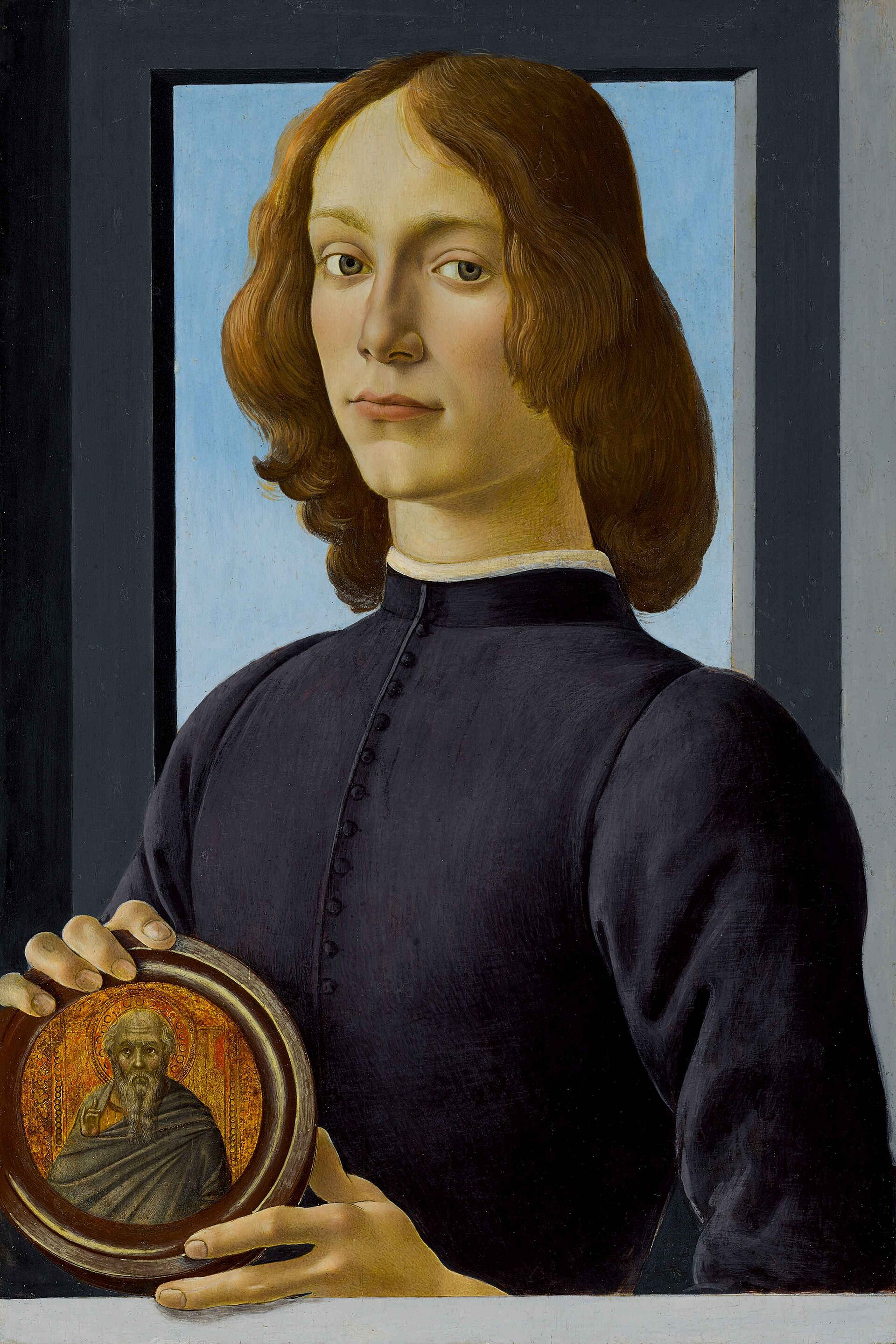
Bill Gates was named the day after he bought the Codex Leicester. The buyer of the Botticelli sold in January 2021 has not been named in five and a half years. Anonymity is granted at both ends of an object's life, and at the museum end it is permanent.
Records in this piece: Portrait of a Young Man Holding a Roundel, The Mocking of Christ, Codex Leicester, The Rothschild Prayerbook, "Ombelliferes" (Cow Parsley) Cabinet, Henricus Martellus's World Map
On this page 10 sections
ContentsClose
In short
- Anonymity in this archive is granted at both ends of an object's life and almost never to the same person. Of 255 published records, 15 carry an anonymous buyer, consignor or private collector and 5 carry an anonymous donor or gift. No record carries both.
- The interval between a sale and the naming of the buyer varies from one day to never. Bill Gates was named on 12 November 1994, the day after he bought the Codex Leicester. Kerry Stokes was named eight months after buying the Rothschild Prayerbook, on his own terms, on Australian television.
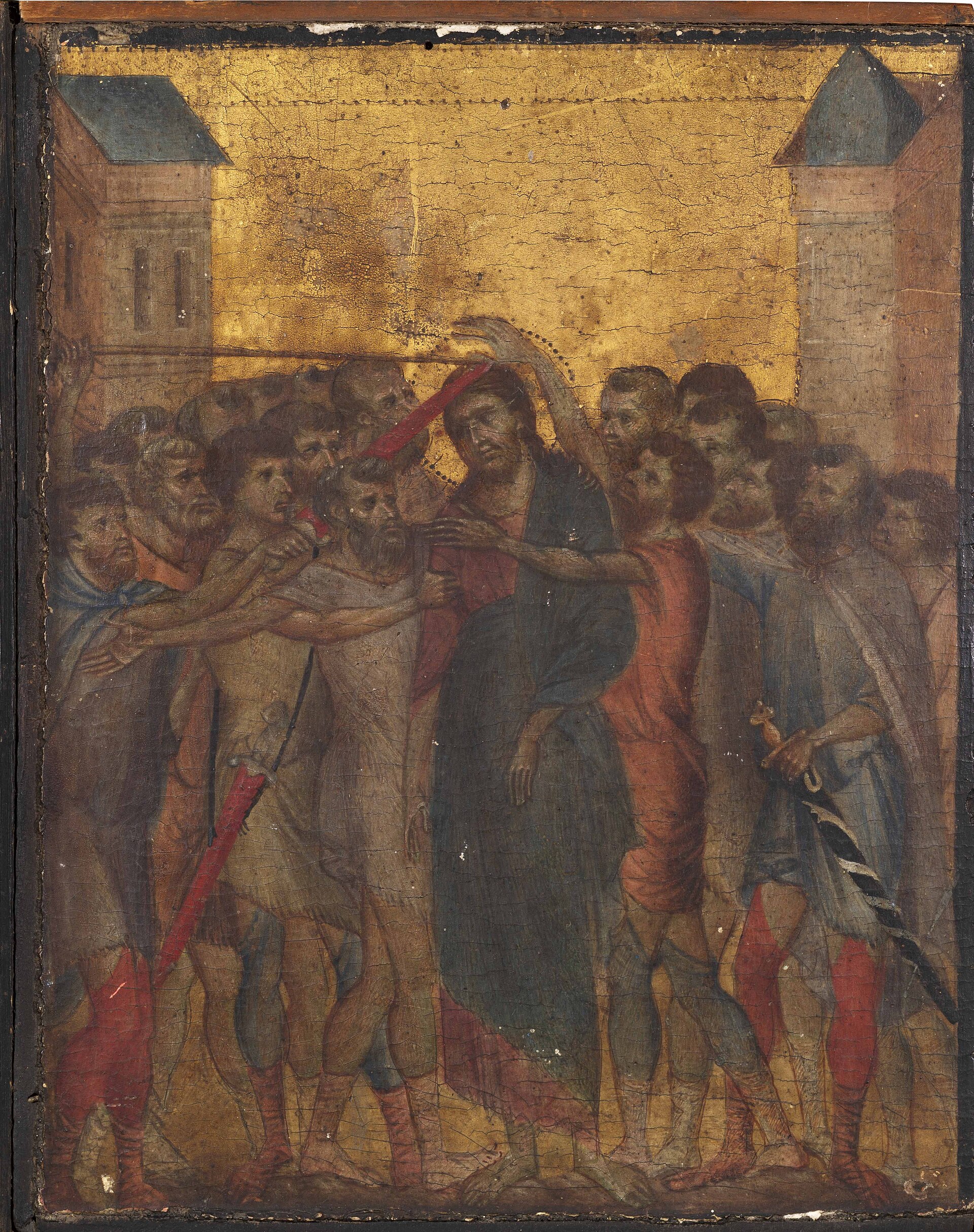
- The buyer of Cimabue's Mocking of Christ at Senlis in October 2019 was never officially named and is still described in the trade press as the likely buyer. A French export ban gave the state thirty months to raise the money, and the panel went to the Louvre in November 2023 without the buyer's identity ever being confirmed.
- The buyer of Botticelli's Portrait of a Young Man Holding a Roundel, sold on 28 January 2021 for a hammer of 80 million dollars, has not been named in the five years and seven months since. The winning bid was taken on the telephone by a Sotheby's director on the Russia desk in London.
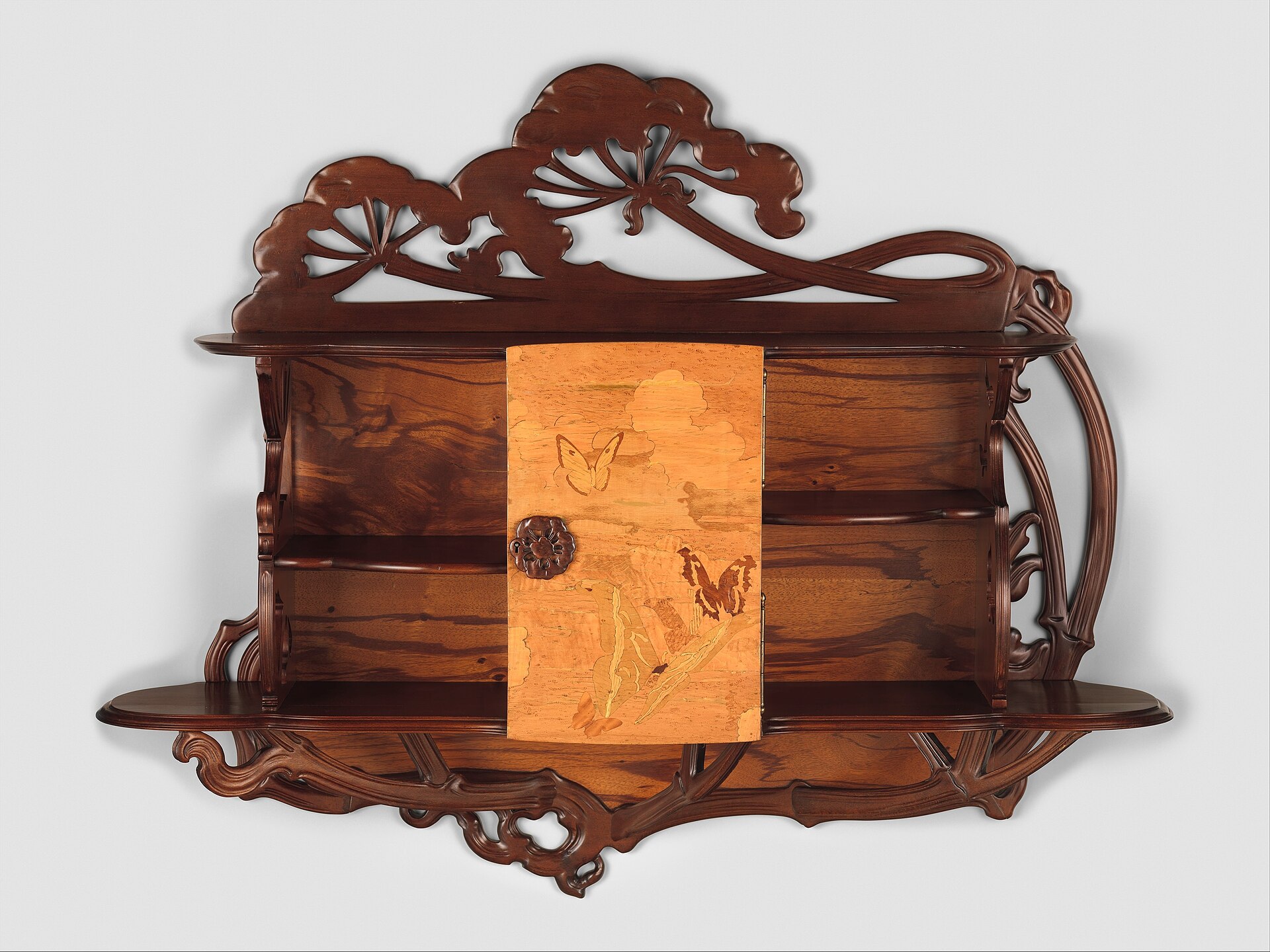
- At the museum end the anonymity is not temporary, it is printed. The Metropolitan's Galle cabinet carries the credit line Anonymous Gift, 1982, and that line will be on the object's label for as long as the Museum holds it.
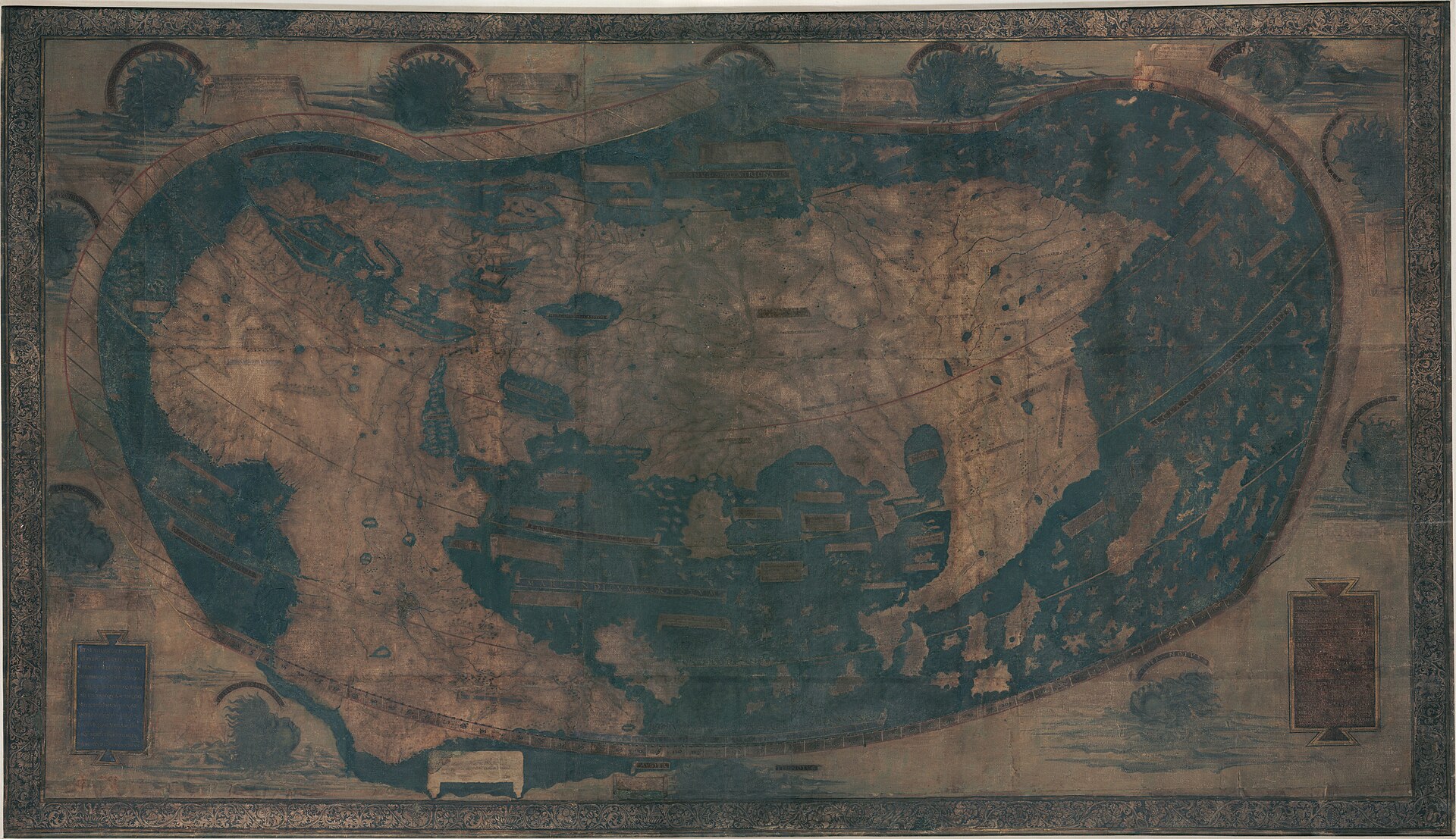
- Donor anonymity can delete a provenance rather than shorten it. The Beinecke Library received the Martellus world map in 1962 as the gift of an anonymous donor, and the map's ownership before that date is not established.
Anonymity is granted at both ends of an object's life, and to different people
Two quite separate customs are usually filed under the same word. A saleroom protects the identity of a buyer or a consignor, and a museum protects the identity of a donor, and although both produce a blank where a name should be, they are granted by different institutions for different reasons and they behave differently over time. A buyer's anonymity is a position that can be abandoned, and frequently is. A donor's anonymity is a term of the gift and it goes onto the label.
Across the 255 published records in this archive, 15 carry an anonymous buyer, consignor or unnamed private collector, and 5 carry an anonymous donor, gift or benefactor. One carries an anonymous loan. What we did not find was a single record carrying both, which makes sense once the two are separated: the same object rarely passes through a market that will not name its buyer and then into a museum from a donor who will not be named.
The interesting question is not whether anonymity is legitimate. It is, on both sides, and the alternative in a market this size would be its own kind of problem. The interesting question is what a record can still say when the name is missing, and how long the missing name usually stays missing.
Four sales, and four completely different lengths of silence
The gap between a hammer falling and a buyer being identified runs from one day to permanent. These four objects are among the most conspicuous sales of their respective decades, all of them at the top of the market, all of them covered internationally, and the outcomes have nothing in common.
| Object | Sold | Buyer identified | Interval |
|---|---|---|---|
| Codex Leicester | Christie's New York, 11 November 1994 | Bill Gates, 12 November 1994 | 1 day |
| The Rothschild Prayerbook | Christie's New York, 29 January 2014 | Kerry Stokes, September 2014 | about 8 months |
| Cimabue, The Mocking of Christ | Acteon, Senlis, 27 October 2019 | Never officially; reported as a likely buyer | unresolved after almost 7 years |
| Botticelli, Portrait of a Young Man Holding a Roundel | Sotheby's New York, 28 January 2021 | Not named | 5 years 7 months and counting |
Read down the right-hand column and the variable is not the price, the medium or the country. It is whether some third party had a reason and a means to make the name public, and in these four cases that party was the press, the buyer himself, a government, and nobody.
One day, because the buyer was already the story
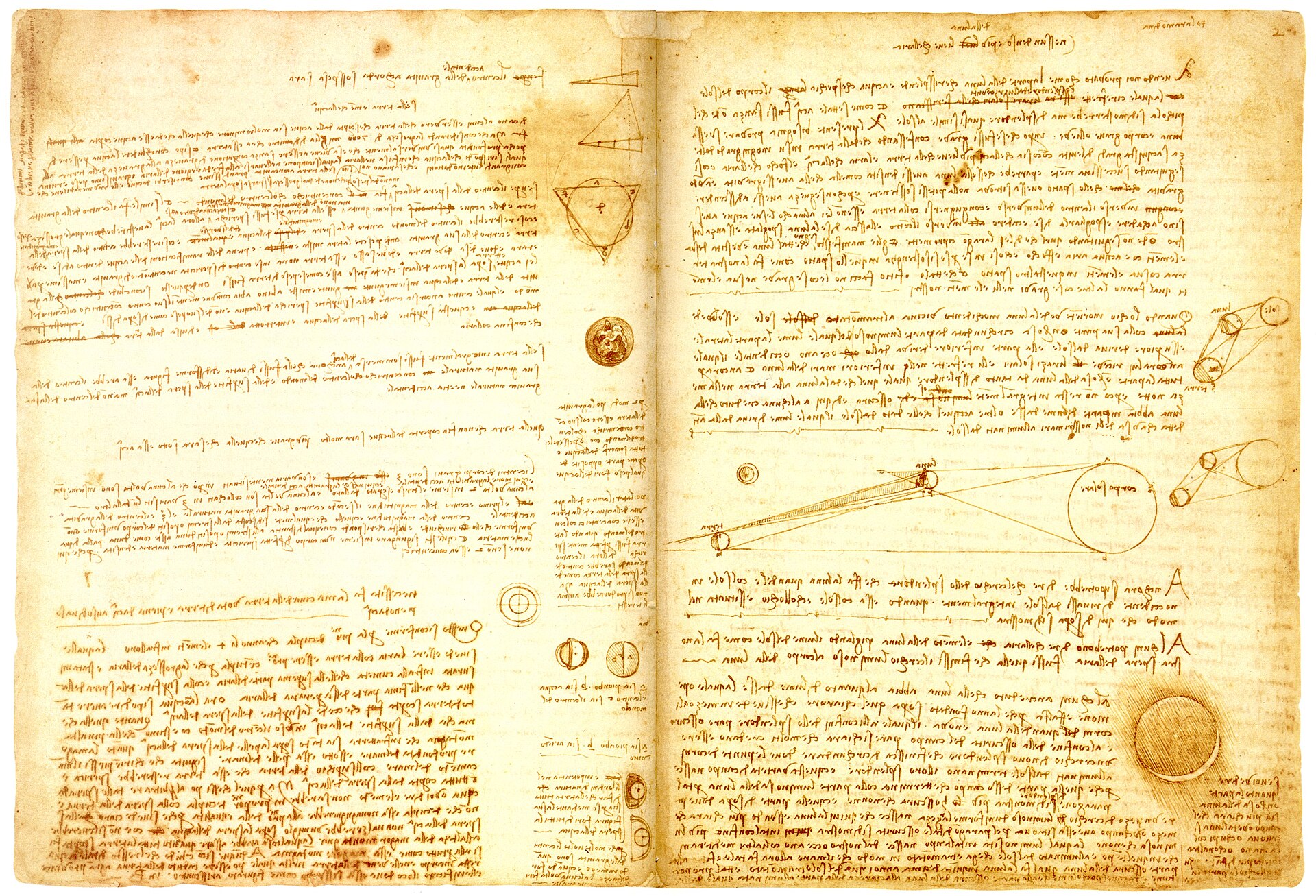
The winner of the Codex Leicester bid by telephone through a representative and was anonymous in the room, and by the following day everybody knew. Bill Gates was named on 12 November 1994, one day after the sale, and the naming was not a leak so much as an inevitability: in 1994 the identity of the person who had just paid 30.8 million dollars for a Leonardo notebook was a bigger story than the notebook.
What the speed bought, from our side of the desk, is a clean record. The object has had a named owner continuously since the day after the sale, it has been lent regularly, and the last loan we can document is to the Uffizi Galleries in Florence from 30 October 2018 to 20 January 2019. Every one of those loans is a dated fix on the object's location and custody, and none of them would exist in the public record if the owner had stayed anonymous.
That is the underrated cost of a silent buyer. It is not secrecy about a person. It is the loss of the whole apparatus of loans, catalogues and exhibition entries that a named owner generates as a matter of course.
Eight months, and the buyer chose the moment himself
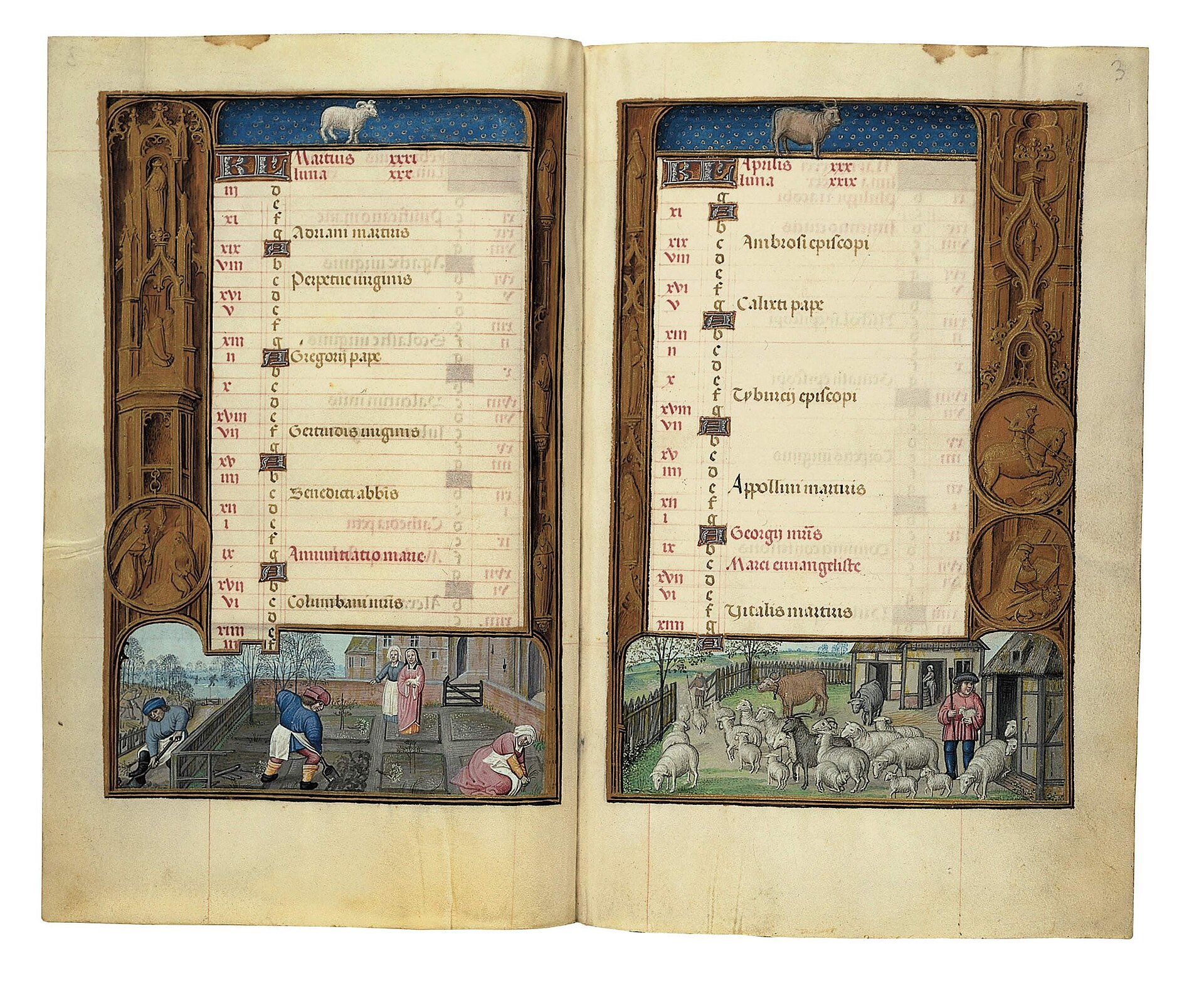
The Rothschild Prayerbook had an anonymous buyer for eight months and then the buyer named himself on television. Kerry Stokes, the Australian businessman and owner of the Seven Network, was identified in September 2014 on the programme Sunday Night, and the manuscript had by then been shipped to Perth.
The mechanism there is worth separating from the Gates case, because it looks similar and is not. Gates was named by other people almost immediately. Stokes controlled both the timing and the venue of his own disclosure, and used it. The manuscript went on to public display in Australia and into an exhibition and a book, all of which followed from the owner being known.
An eight-month silence is also long enough to matter to anybody working on the object during it. For those eight months the honest entry in a provenance was private collection, and the correct entry now names a collection, a city and a pattern of public display. Nothing about the object changed. The available record changed completely.
Never officially, and the state took the object anyway
The buyer at Senlis was anonymous on the day and stayed officially anonymous through everything that followed. The bid was made in the room by Francesco Ortenzi of the London gallery Moretti on behalf of a client, against a Brussels contemporary gallery, after the Paris dealer Giovanni Sarti had stopped at around 15 million for another client. The trade press has since reported the likely buyer as the Alana Collection of Italian Renaissance paintings, formed by Alvaro Saieh and Ana Guzman, and the qualifier likely is still attached almost seven years later.
Early reporting was worse than uninformative. The BBC told its readers the panel had gone to an anonymous buyer from northern France and the Associated Press placed a buyer near Chantilly. The Louvre's own record has since contradicted both. A vacuum where a name should be does not stay empty in the press; it fills with guesses that then circulate as facts, and a researcher reading the 2019 coverage today would be misled in a specific and confident direction.
The ending is the part we find genuinely interesting. France declared the panel a national treasure, blocked its export, and gave the culture ministry thirty months to raise the money. The Louvre announced the acquisition on 3 November 2023, matching the 24.1 million euro sale price with income from the Louvre Abu Dhabi brand licence, a final million from the Societe des Amis du Louvre and support from the American patrons Harry and Linda Fath. The object changed hands twice and reached a national museum, and at no point did the state need to make the buyer's name public to do any of it.
Five years and seven months, and nothing at all
The Botticelli sold on 28 January 2021 to an anonymous telephone bidder and the buyer has not been named since. The lot carried no guarantee and no irrevocable bid. Bidding was thin and slow from 78 to 80 million dollars and closed between Lilija Sitnika, a Sotheby's director and senior client liaison on the Russia desk in London, and Alexander Bell of the London Old Master department, whose underbidder was acting for an Asian collector. Sitnika's client won.
That is a remarkable amount of detail about a transaction whose central fact is unknown. We can name the two people who took the final bids, describe the increments, and reconcile the published totals of 92.2 and 92.1 million to a single figure of 92,184,000 dollars. We cannot say who owns the picture.
Nor has anything happened since to force the question. Our record notes that no loan, no exhibition and no further sale has been reported in the five years and seven months to date, which is the more consequential absence. A named owner accumulates a public record almost involuntarily. This one has generated nothing, and the object's entry has stood unchanged at private collection since the day of the sale.
At the museum end the anonymity is permanent, and it is printed on the label
A museum credit line is not a temporary condition, it is a caption that will outlive everybody involved. The Metropolitan's Galle cabinet entered the collection in 1982 and its credit line reads Anonymous Gift, 1982. That is what appears beside the object in the gallery, in the catalogue and in the database, and there is no mechanism analogous to a journalist naming a buyer by which it will ever change.
An anonymous gift is a completely ordinary way for a museum to receive an object and we want to be clear that nothing about this one suggests otherwise. Donors decline to be named for tax reasons, family reasons, security reasons and simple modesty, and museums honour the condition because refusing to would cost them the gift.
The consequence for the record is still real. For this cabinet no market transaction at any date could be found, so the object has no price history, no saleroom appearance and no named prior owner: it arrives in the public record already inside the Museum. Where a buyer's anonymity leaves a gap at the end of a chain, a donor's anonymity often removes the chain.
The gift that ended the provenance rather than continuing it
The Martellus world map has a provenance that begins in 1962, and 1962 is when it was given away. The Beinecke received it as the gift of an anonymous donor, and everything earlier is unestablished. Secondary summaries repeat an account in which the map belonged to a family in Tuscany for many years, surfaced on the market in Bern in the late 1950s and passed through named dealers before an anonymous purchase and donation, but our attempts to confirm that chain against a source we could actually read ran into paywalls and login walls, so this archive does not treat it as established.
Set that against the object's importance. This is one of the most studied cartographic objects in an American collection, subjected to multispectral imaging that recovered text invisible to the eye, and cited constantly in the literature on what Columbus could have known. Its ownership before the Kennedy administration is a blank.
The anonymity did that, and not by concealing a scandal. A donor who wants no name attached to the gift has no reason to supply the paperwork that would document where the object came from, and the receiving institution has no standing to insist. The gap is a by-product, it is permanent, and it sits at exactly the point in the chain where a researcher most needs a name.
What a record can still say when the name is missing
Record the anonymity itself as a fact with a date, not as an absence. Bought at Sotheby's New York on 28 January 2021 by an anonymous telephone bidder is a stronger entry than private collection, because it fixes the venue, the date and the manner, and because it can be superseded cleanly if a name appears.
Then record who took the bid, if you can. Naming Lilija Sitnika of the Russia desk and Alexander Bell of the Old Master department does not identify the owner and is not intended to, but it establishes the desk through which the transaction ran, and that is information a future researcher can use.
Distinguish never named from not yet named, and give the elapsed time rather than the word anonymous. One day, eight months, and five years and seven months are three different situations, and only the last of them justifies treating the silence as settled.
Be careful with press attributions of an unnamed buyer. Likely buyer is not an identification, and the Cimabue file shows what happens to guesses in the meantime: two international agencies placed the buyer in northern France and near Chantilly, and the Louvre's record has since contradicted both. A record that repeats such a claim as fact is worse than one that says nothing.
And where a donor is anonymous, say explicitly that the chain begins at the gift. The Beinecke map is not a case of unknown early provenance in the ordinary sense. It is a case where a specific and legitimate condition of a specific 1962 transaction closed the record, and a reader is entitled to know which of those two situations they are looking at.
Why this archive is free to read
We do this for everyone who loves art. The people who have studied it for years, and the people who just stopped to look. Iconotheca exists so that what we learn belongs to all of them.
Nobody pays us for this. No ads, no sponsors, no commercial interest. These works belong to all of us, and we would rather share them with as many people as we can than keep them to ourselves.
If it gave you something today, tell us to keep going. Follow us, leave a like, or write a positive comment. We read every one, and they are what keeps us going.
Questions
Nobody has said. The picture sold at Sotheby's New York on 28 January 2021 for a hammer of 80 million dollars, 92,184,000 with fees, to an anonymous telephone bidder whose bid was taken by Lilija Sitnika, a Sotheby's director on the Russia desk in London. Five years and seven months later the buyer has not been named and no loan, exhibition or resale has been reported.
There is no usual. Bill Gates was named on 12 November 1994, the day after he bought the Codex Leicester. Kerry Stokes was named eight months after buying the Rothschild Prayerbook, by himself, on Australian television. The buyer of the Senlis Cimabue has never been officially named at all.
No. The buyer stayed officially anonymous throughout, and the trade press still refers to a likely buyer. France declared the panel a national treasure, blocked its export and gave the culture ministry thirty months to raise the funds; the Louvre announced the acquisition on 3 November 2023, matching the 24.1 million euro sale price.
It means the donor made anonymity a condition of the gift, and unlike a buyer's anonymity it does not lapse. The Metropolitan Museum's Galle cabinet, accession 1982.246, carries Anonymous Gift, 1982, and that is the object's permanent public statement about its origin.
It can remove it. The Beinecke Library received the Martellus world map in 1962 as the gift of an anonymous donor and the map's ownership before that date is not established. A donor who wants no name attached has no reason to supply the documentation that would record where the object came from.
Sources
- 1The Art Newspaper, Cimabue kitchen painting placed under export ban ends up at the Louvre, 6 November 2023. Read for the description of the Alana Collection as the likely buyer, the thirty months the culture ministry was given after the export ban, the Louvre's announcement on 3 November 2023, the matching of the 24.1 million euro sale price, and the funding from the Louvre Abu Dhabi brand licence, the Societe des Amis du Louvre and Harry and Linda Fath. theartnewspaper.com/2023/...
- 2Iconotheca, record for Botticelli, Portrait of a Young Man Holding a Roundel. The archive's own record of the 28 January 2021 Sotheby's sale, the absence of a guarantee or irrevocable bid, the bidding from 78 to 80 million dollars, the two named Sotheby's specialists who took the final bids, the reconciliation of the published totals to 92,184,000 dollars, and the position as at the last check that the buyer remains anonymous and no loan, exhibition or further sale has been reported. iconotheca.com/artworks/...
- 3Iconotheca, record for the Codex Leicester. The archive's own record of the Christie's New York sale of 11 November 1994, the reconstruction of the 30,802,500 dollar total from a hammer of 28 million under the tiered premium of the period, the telephone bid, the naming of Bill Gates on 12 November, and the loan history including the Uffizi Galleries from 30 October 2018 to 20 January 2019. iconotheca.com/artworks/...
- 4Iconotheca, record for the Rothschild Prayerbook. The archive's own record of the Christie's New York sale of 29 January 2014, sale 2819 lot 157, the 13,605,000 dollar premium-inclusive total, the eight months of buyer anonymity, and the present location in the Kerry Stokes Collection, Perth, lent for public display in Australia. iconotheca.com/artworks/...
- 5Metropolitan Museum of Art, collection record for the Ombelliferes (Cow Parsley) cabinet by Emile Galle, accession 1982.246. Read for the credit line Anonymous Gift, 1982, and for the Museum's statement that only one other example of the model is known. collectionapi.metmuseum.org/public/...
- 6Yale News, Hidden secrets of Yale's 1491 world map revealed via multispectral imaging, 11 June 2015. Read for the sentence that Martellus' map arrived at Yale in 1962, the gift of an anonymous donor, for the map's date of about 1491, and for the National Endowment for the Humanities multispectral imaging project of August 2014. news.yale.edu/2015/...
- 7Artist Profile, The Rothschild Prayerbook. Read for the account of the 29 January 2014 Christie's New York sale and for the buyer remaining anonymous until September 2014, when Kerry Stokes was named on the Australian television programme Sunday Night. artistprofile.com.au/rothschild-prayerbook
More in Collectors and Collections
The partThe credit line names the collector, and the accession number tells you what happened
Morgan died in March 1913, and the Metropolitan credits him with gifts made in 1917. The credit line names the collector.
The Longest Ownership Links Here Belong to Owners That Were Not People
The 28 longest institutional ownership links in this archive run 7,434 years between them. Three end in a completed sale.
The Name in the Buyer's Column Is Often an Employee
Across 126 years of sales in this archive the winning bidder is repeatedly not the owner.