The only time the public saw it was a pre-sale view
For some of the best-known objects in this archive, the whole public exhibition history is a viewing arranged in order to sell them, scheduled to close before the sale.
Records in this piece: The Mocking of Christ, Codex Sassoon, The Sevso Treasure, Codex Leicester
On this page 6 sections
ContentsClose
In short
- Two hundred and twenty-two of the 291 objects in this archive carry no exhibition history at all. Among those that do, a recurring kind of entry is not a museum show but a viewing arranged by whoever was selling the object.
- A pre-sale view is designed to end. It is scheduled to close before the sale, and the object it advertises usually leaves for a private collection immediately afterwards, so the showing is both the first and the last public access in a generation.
- Codex Sassoon toured five cities in 2023 because it was for sale. Its previous public appearance had been forty years earlier, at the British Museum, while it was owned by a pension fund. Both of its modern showings happened under financial ownership.
- The Sevso Treasure was never publicly exhibited before Hungary acquired it. Every viewing in its recorded history until 2014 was private and arranged around a sale or a possible sale.
Most objects in this archive have no exhibition history at all
Two hundred and twenty-two of the 291 objects recorded here carry no exhibition entry whatsoever. That is 76 per cent, and the proportion is not evenly spread: of the fourteen photographs and thirteen maps we hold, not one has a recorded exhibition, while sculpture and textiles are shown at more than four times that rate. Some of this is our own coverage rather than the world's, and we say so plainly. An exhibition history is one of the harder things to research, and an absent entry here sometimes means nobody has published the loan register rather than that the object never travelled.
But among the objects that do carry an exhibition record, a particular kind of entry keeps appearing, and it is not a museum show. It is a viewing put on by whoever was trying to sell the object. Once you start reading for it, the pattern is hard to unsee: a substantial part of the recorded public access to some very famous things was arranged by a seller, lasted days, and was designed to stop.
This piece is about what that does to an exhibition history, and to anyone trying to read one as evidence.
A pre-sale view is scheduled to close before the sale
The defining property of a selling exhibition is that its end date is fixed by the auction calendar rather than by a curator. A museum show closes because the loans run out or the galleries are needed. A pre-sale view closes because the lot is coming up, and the object then goes wherever the buyer takes it, which for the objects in this archive has usually been out of public sight.
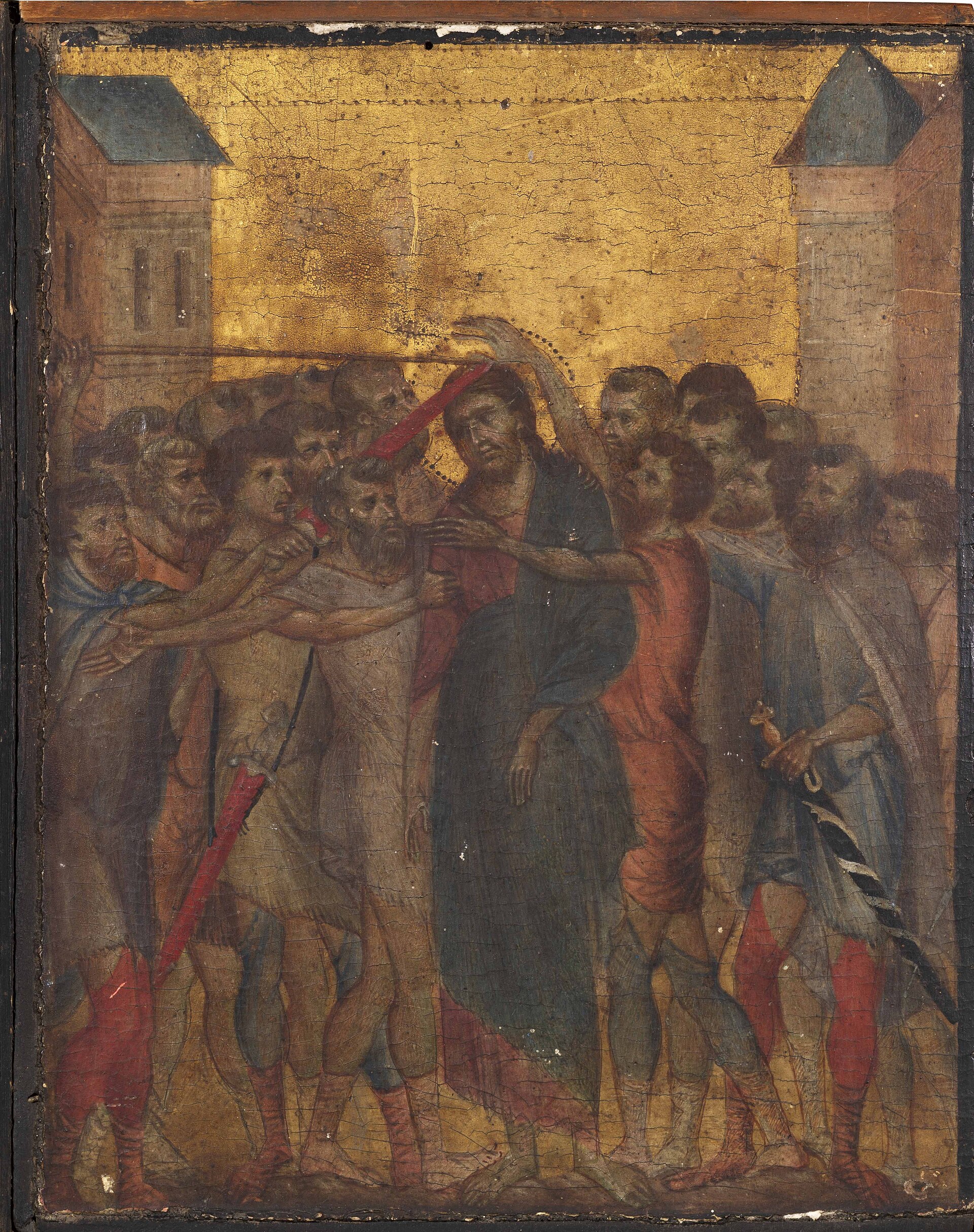
The Cimabue is the compressed version. The panel was recognised in a kitchen at Compiegne in 2019, shown to the public on Wednesday 23 October in the town hall there, where a little over four hundred people came to see it, and sold four days later at Senlis by the auctioneers Acteon against an estimate of four to six million euros. It made 19.5 million euros at the hammer and 24.18 million with fees. One day of public access, and it was arranged by the people selling the picture, in a municipal building, because there was nowhere else to put it.
What happened next is the part that complicates the story, and we should be fair to it. France refused the export certificate in December 2019, the panel was classified a national treasure, and the Louvre acquired it in 2023; it has since been shown properly, in the Salle Rosa in 2025 and at the Petit Palais in Avignon. So the one-day view was not the end. It was the end of the private phase, and the object only escaped that phase because a state intervened to stop it leaving.

The selling tour can be larger than any museum loan the object ever gets
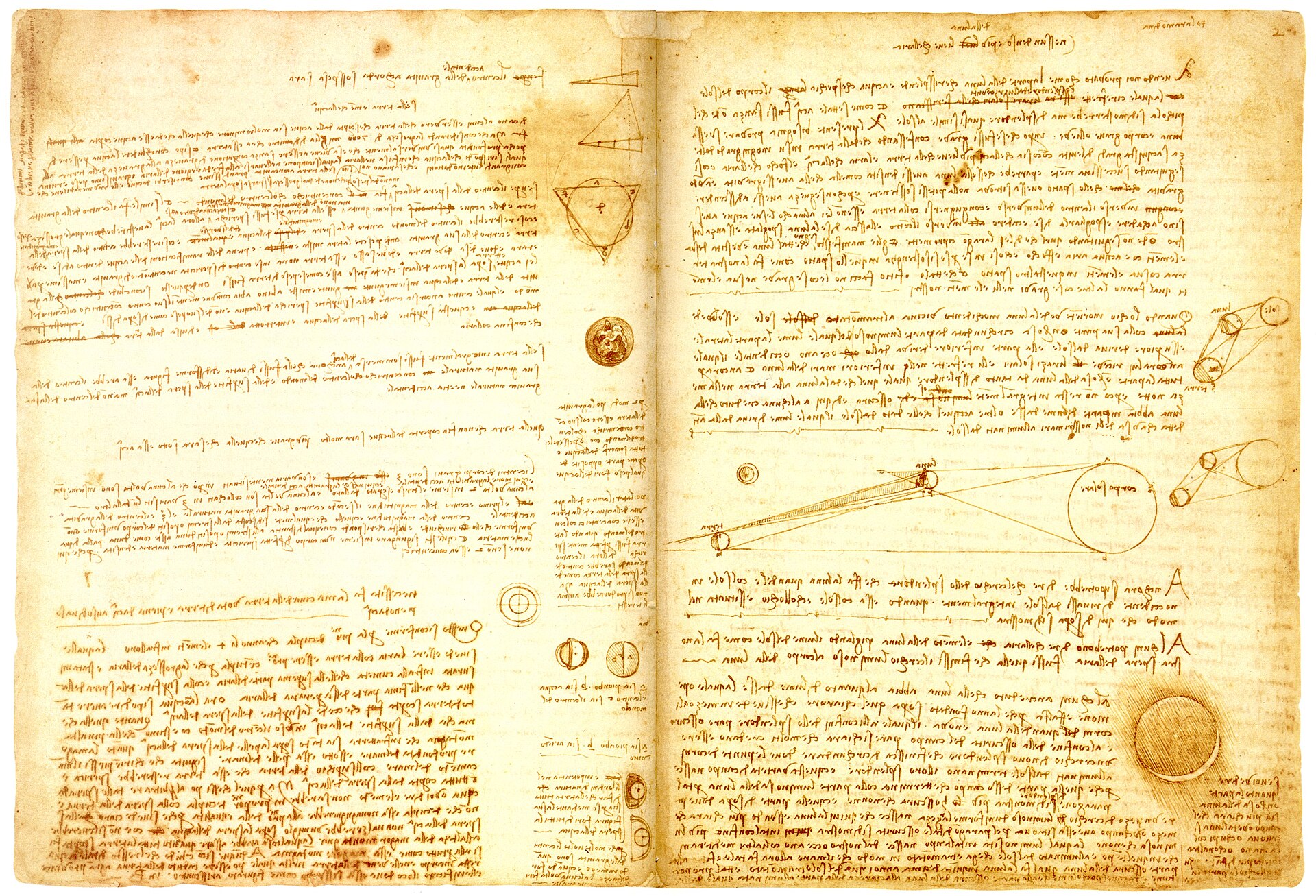
A pre-sale tour is not a small thing. When Sotheby's offered Codex Sassoon in 2023 it showed the manuscript in London from 22 to 28 February, then in Tel Aviv, Dallas, Los Angeles and New York, with an estimate of 30 to 50 million dollars. Five cities on two continents is more public exposure than most manuscripts of that importance receive from the institutions that hold them, and the house's own article noted that the codex's last appearance had been forty years before.
That earlier appearance is the detail that turns this from an anecdote into a pattern. Codex Sassoon was displayed at the British Museum in 1982, during the period when it was owned by the British Rail Pension Fund, which had bought art as an investment. So both of the manuscript's modern public showings happened while it was held as a financial asset, and the second happened because that asset was being liquidated. In the four decades between, when it sat in private hands and on deposit, the public saw nothing.
We are not making a complaint here. A seller who tours an object gives people access they would not otherwise have had, and the scholarship that gets done in those weeks is real. The point is narrower: if you read an exhibition history as evidence of an object's public life, you will badly misread objects like this one, because their public life is a function of their availability for purchase.
The Sevso Treasure was never publicly exhibited at all until a state bought it
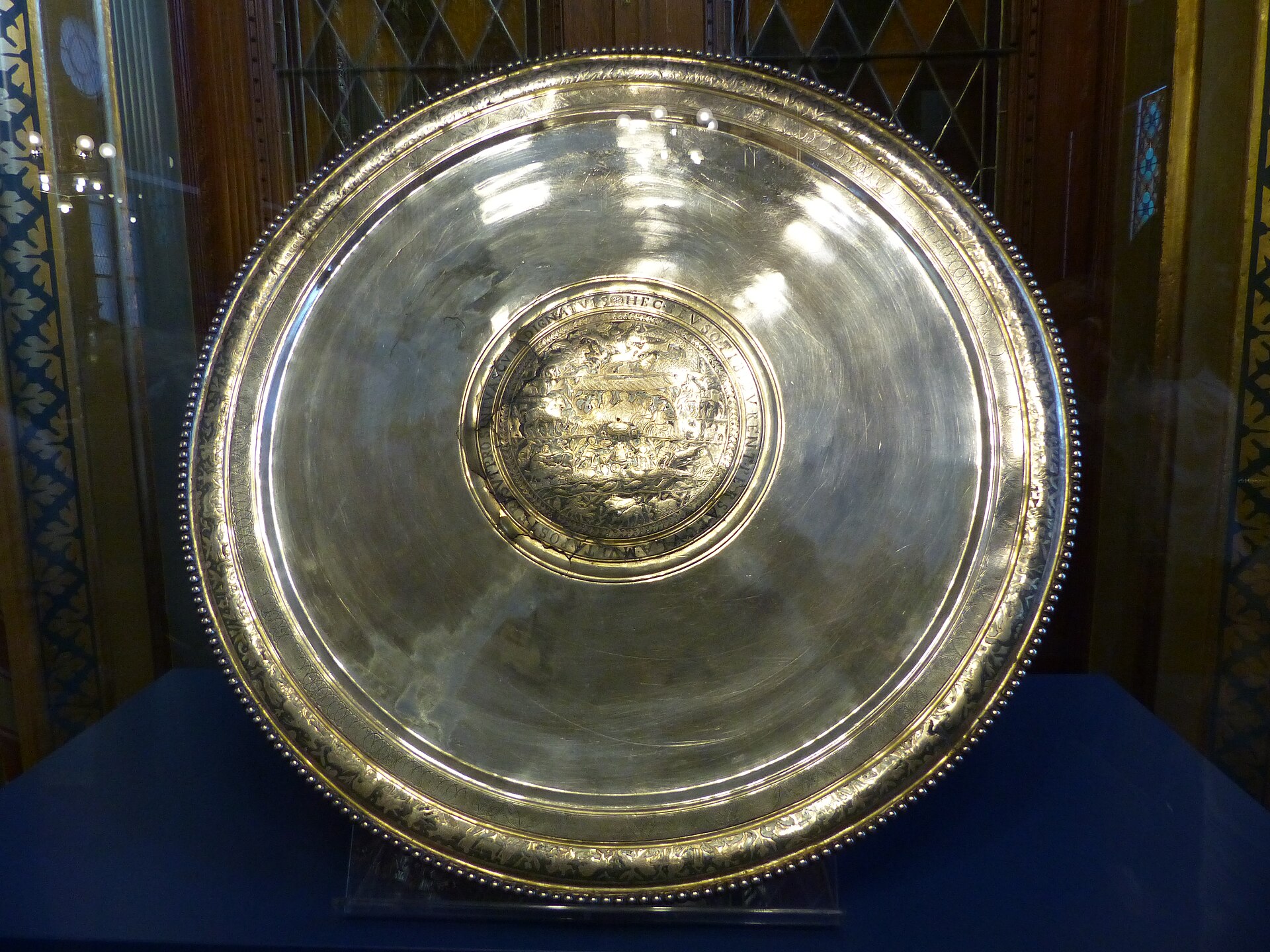
The strongest case in this archive runs the other way, and it is the one that shows what the selling exhibition is actually for. The Sevso Treasure, fourteen pieces of late Roman silver, has a recorded viewing history before 2014 that contains no public exhibition whatsoever. Scholars saw it in 1982 in a bank vault in Zurich. The Getty examined it in 1984 on approval. In November 2006 it was placed on display at Bonhams in London for an invited audience of academics, curators, collectors and dealers, and it was not offered for sale. Sotheby's announced a New York sale in February 1990, an announcement rather than a showing.
Every one of those is a private viewing, and every one is organised around a transaction that either happened, failed or was being contemplated. A bank vault, a museum's due diligence, a room of invited professionals at an auction house. Anyone who was not a scholar, a curator, a collector or a dealer had no route to this object for the whole of its modern existence.
The treasure went on public display only after Hungary bought the first tranche in 2014 and the second in 2017, when it was shown in the Parliament Building in Budapest and then toured regional museums. The object became publicly visible at precisely the moment it stopped being for sale. That is the inversion worth holding onto: for this group of silver, private ownership meant private viewing, and public ownership was what produced a public.
What this does to an exhibition history as evidence
An exhibition line in a catalogue entry carries an implication that it has not earned: that the object was studied, published and seen. A museum loan usually does mean those things, because it comes with a catalogue, a condition report, a courier and a body of curatorial attention. A pre-sale view means the object was in a room with a label for a few days while people decided whether to bid on it.
The two look identical on the page. Both reduce to a year, a venue and a title, and the venue for a selling show can be a national museum, as the Cimabue's later Louvre displays were, or a town hall, or an auction house's own galleries. A researcher reading down a list has no way to tell which kind of entry they are looking at unless whoever compiled the list said so. We try to say so in these records, and when the sources do not let us we mark the entry rather than smooth it.
| Object | The showing | Arranged by | How long | What followed |
|---|---|---|---|---|
| Cimabue, The Mocking of Christ | Town hall, Compiegne, 23 October 2019 | The vendor and the auctioneers | One day | Sold 27 October; export refused; Louvre 2023 |
| Codex Sassoon | Tour of London, Tel Aviv, Dallas, Los Angeles, New York, 2023 | Sotheby's | Weeks, five cities | Sold 17 May 2023; now on display at ANU, Tel Aviv |
| Codex Leicester | No public showing recorded during 260 years of Leicester ownership | Nobody; it was not for sale | Not applicable | Sold 12 December 1980; shown publicly thereafter; sold again 1994 |
| Sevso Treasure | Bonhams, London, November 2006 | Bonhams, for an invited audience | One viewing, not a sale | No public display until Hungary acquired it, 2014 |
The practical rule that follows is short. When an exhibition entry sits within a few days of an auction date, read it as part of the sale and not as part of the scholarship. And when an object's exhibition history is thin, check whether it is thin because the object never travelled or because nobody was ever selling it.
Why this archive is free to read
We do this for everyone who loves art. The people who have studied it for years, and the people who just stopped to look. Iconotheca exists so that what we learn belongs to all of them.
Nobody pays us for this. No ads, no sponsors, no commercial interest. These works belong to all of us, and we would rather share them with as many people as we can than keep them to ourselves.
If it gave you something today, tell us to keep going. Follow us, leave a like, or write a positive comment. We read every one, and they are what keeps us going.
Questions
It is a public or invited showing of a lot arranged by the auction house in the days or weeks before it is sold. Its closing date is set by the sale calendar rather than by a curator, and the object usually leaves public view immediately afterwards.
It appears in an exhibition history in the same form as a museum loan, which is the problem. It rarely produces a catalogue, a condition report or sustained curatorial study, so it carries much less evidential weight than the line in a catalogue implies.
Once. It was shown to the public at the town hall in Compiegne on 23 October 2019, where a little over four hundred people saw it, and it was sold four days later at Senlis for 19.5 million euros at the hammer.
Because it was in private hands and on deposit rather than on display. Its previous public appearance was at the British Museum in 1982, when it was owned by the British Rail Pension Fund, and its next was the Sotheby's selling tour of 2023.
No. The recorded viewings before 2014 were private: scholars in a Zurich bank vault in 1982, the Getty examining it on approval in 1984, and an invitation-only display at Bonhams in London in November 2006. Public display began after Hungary acquired the pieces in 2014 and 2017.
Sources
- 1Trafficking Culture, 'Sevso Treasure' case study, Scottish Centre for Crime and Justice Research, University of Glasgow. Source for the Sotheby's announcement of 10 February 1990, the 1982 viewing by scholars in a Zurich bank vault, the Getty's examination on approval in 1984 and the invited display at Bonhams in November 2006 at which the silver was not offered for sale. traffickingculture.org/encyclopedia/...
- 2Will Fenstermaker, 'The remarkable history of Codex Sassoon', Sotheby's, 15 February 2023. Source for the pre-sale tour through London, Tel Aviv, Dallas, Los Angeles and New York, the estimate of 30 to 50 million dollars and the statement that the codex's last appearance had been forty years earlier. sothebys.com/en/...
- 3Musee du Louvre, collections online, La Derision du Christ, inv. RFML.PE.2023.33.1, Departement des Peintures. Source for the accession number, the support, the dimensions and the museum's holding of the panel. collections.louvre.fr/en/...
- 4Ministere de la Culture, press release, 'Un panneau peint par Cimabue vers 1280, representant La Derision du Christ, reconnu tresor national'. Source for the classification of the panel as a national treasure following the refusal of the export certificate. culture.gouv.fr/presse/...
- 5Anna Brady, 'Kitchen Cimabue sells for 24.1m euros', The Art Newspaper, 27 October 2019. Source for the sale at Senlis, the estimate of four to six million euros and the result. theartnewspaper.com/news/...
- 6Wikipedia, 'La Derision du Christ (Cimabue)', French edition. Used only for the public showing at the town hall of Compiegne on 23 October 2019 and the figure of a little over four hundred visitors, which we have not been able to confirm against a primary source. fr.wikipedia.org/wiki/...
- 7The Art Newspaper, 'Leonardo codex on the market', 1 June 1994. Source for the Christie's sale of 12 December 1980 at 2 million pounds excluding premium and for the length of the Earl of Leicester's ownership. theartnewspaper.com/1994/...
- 8Museo Galileo, 'The European circulation of the Codex Leicester', online exhibition. Source for Thomas Coke's acquisition of the manuscript in Italy about 1717 and its presence in his London residence between 1719 and 1759. mostre.museogalileo.it/codiceleicester/...
More in Museums and Exhibitions
The partThe complete object is a temporary arrangement
For a dispersed set, being complete is an event with a date and a duration. Twelve Renaissance tazze were whole and correct for two days in 2014, and...
When the Holder Is Not a Museum, the Accession Number Is Replaced by Law
Fourteen records here are held by a cathedral, a diocese, a cathedral works, a charitable trust or a monuments agency.
A Closing Date That Moves Both Ways, and Who Actually Moved It
Of 937 exhibitions tracked here, only 7 ever had a date move, and three of those flipped between the same two dates again and again.