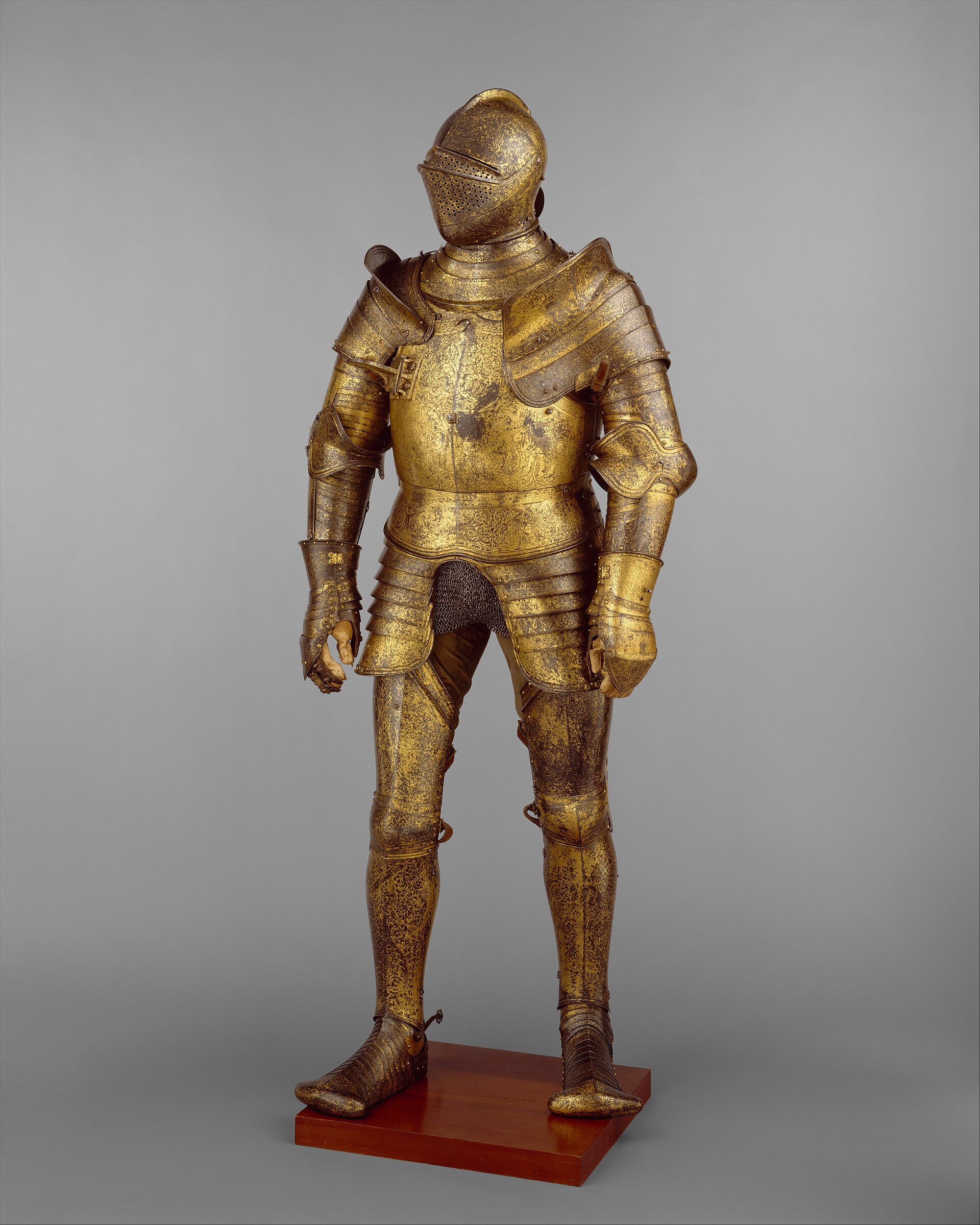
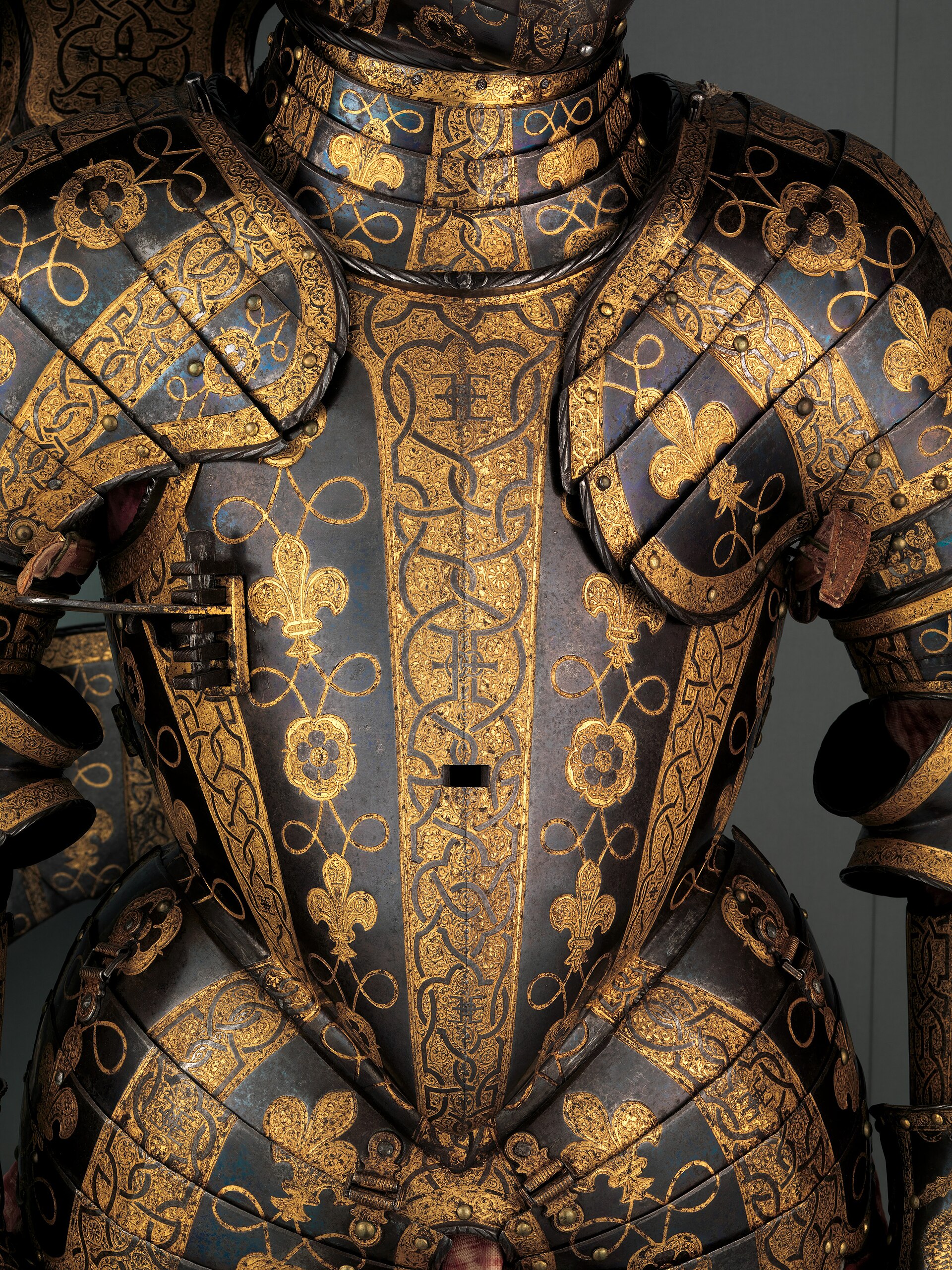
Armor Garniture, Probably of King Henry VIII of England
dated 1527 · Steel
The Metropolitan Museum of Art, New York, on view in Gallery 371
Museum · Founded 1870
Open, admission and hours confirmed 6 September 2026 · 24 sources
The Met's strength is that it does not specialise. Roughly 30,000 ancient Egyptian objects, one of the largest such holdings outside Cairo, and the Museum states that almost all of them are on view. About 2,500 European paintings, including five of the fewer than thirty-five works accepted as Vermeer's by 1979. The most comprehensive collection of American painting, sculpture and decorative arts anywhere, by the Museum's own account. Greek and Roman galleries reinstalled over fifteen years and reopened in 2007, rooted in the Cesnola Collection of Cypriot material bought in 1874 to 1876. Arms and armour, Islamic art, Asian art, medieval art, drawings and prints, photographs, musical instruments, costume, and the arts of Africa, the ancient Americas and Oceania in a wing rebuilt and reopened in 2025. Nineteen collecting areas in all, by the count the Museum used when it created its provenance research team. Tens of thousands of objects are on view at any one time in a two-million-square-foot building, and in a normal year about 1,700 Met objects are out on loan elsewhere. The consequence for a visitor is that the Met cannot be seen; it can only be sampled. The consequence for this archive is that no other single institution accounts for so many of our records.
| Kind | Museum |
|---|---|
| Founded | Incorporated 13 April 1870; opened on the Fifth Avenue site 30 March 1880 |
| City and country |  New York, United States New York, United States |
| Address | 1000 Fifth Avenue, New York, NY 10028, United States |
| Website | metmuseum.org |
| Status | Open, confirmed 6 September 2026 |
| Record last verified | 6 September 2026 |
Prices and hours change. We take them from the institution's own pages and print the day we read them, and you can check the current position at the source we used. Confirm before you travel.
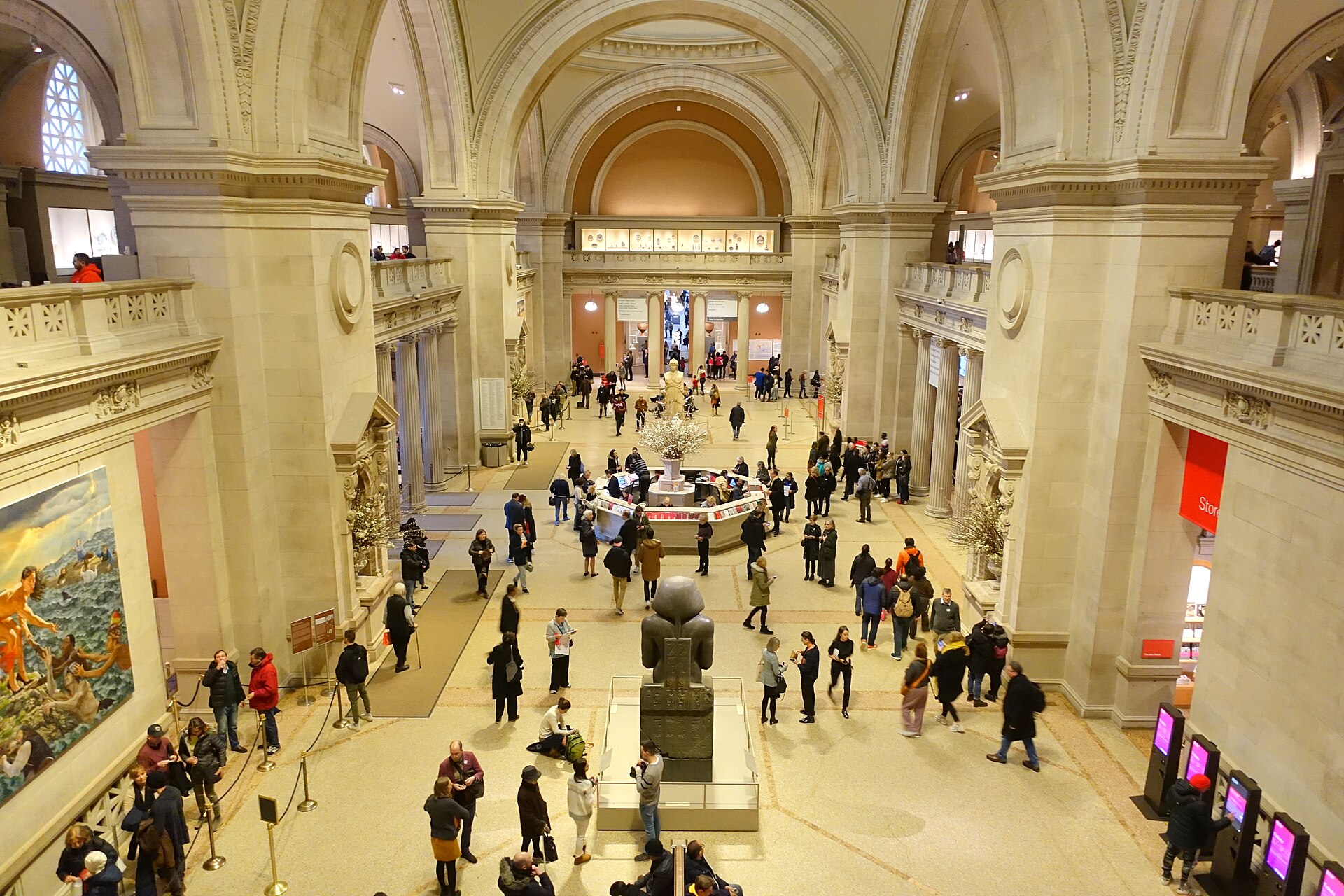
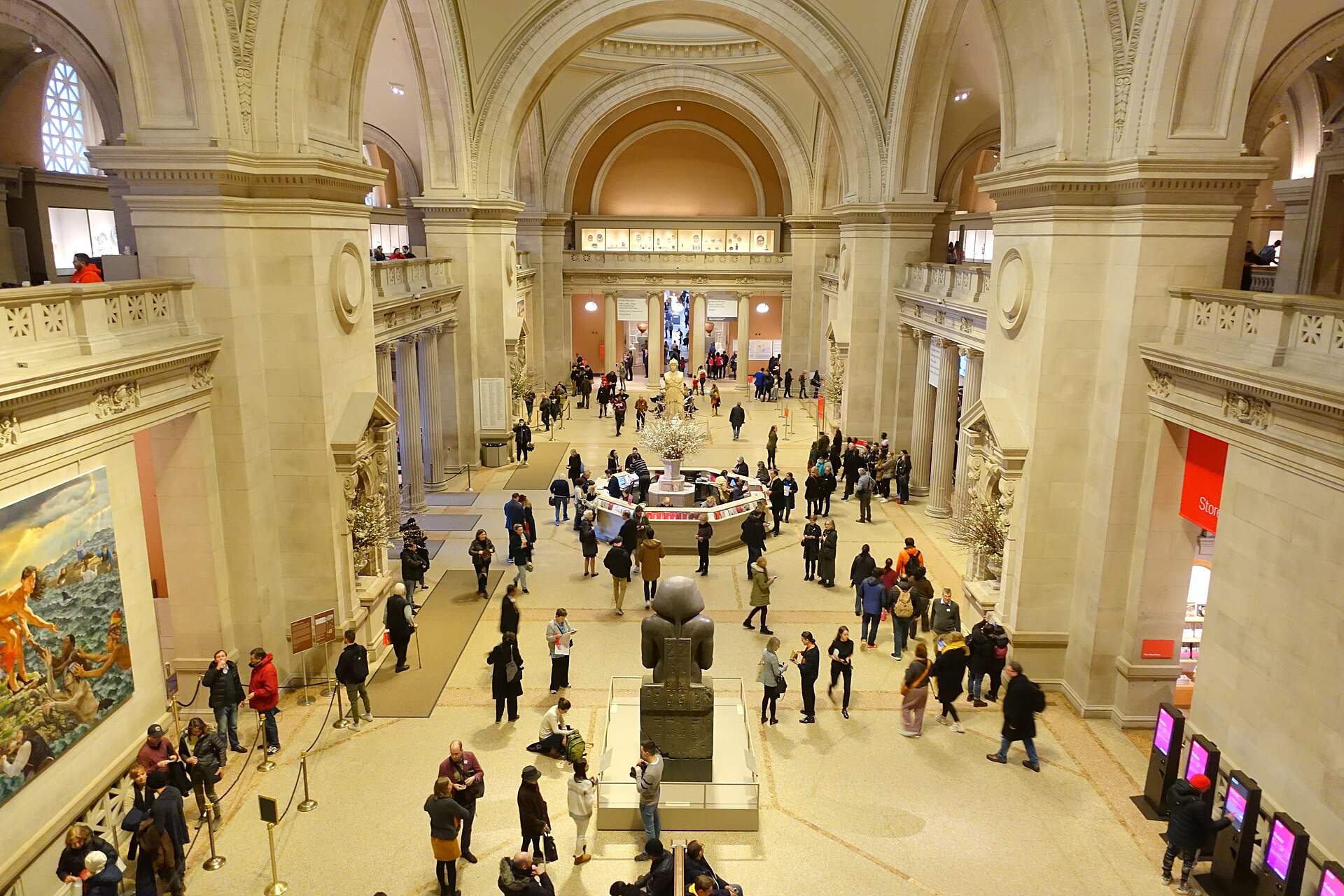
Richard Morris Hunt's domed Beaux-Arts entrance hall of 1902, and the decision point for the whole building: the admissions desks, the membership desk, the great flower urns and the four passages that lead to Egypt, to Greece and Rome, to medieval Europe and up the Grand Staircase to the European paintings. It is a room designed to make a municipal museum feel like a palace, and it works.
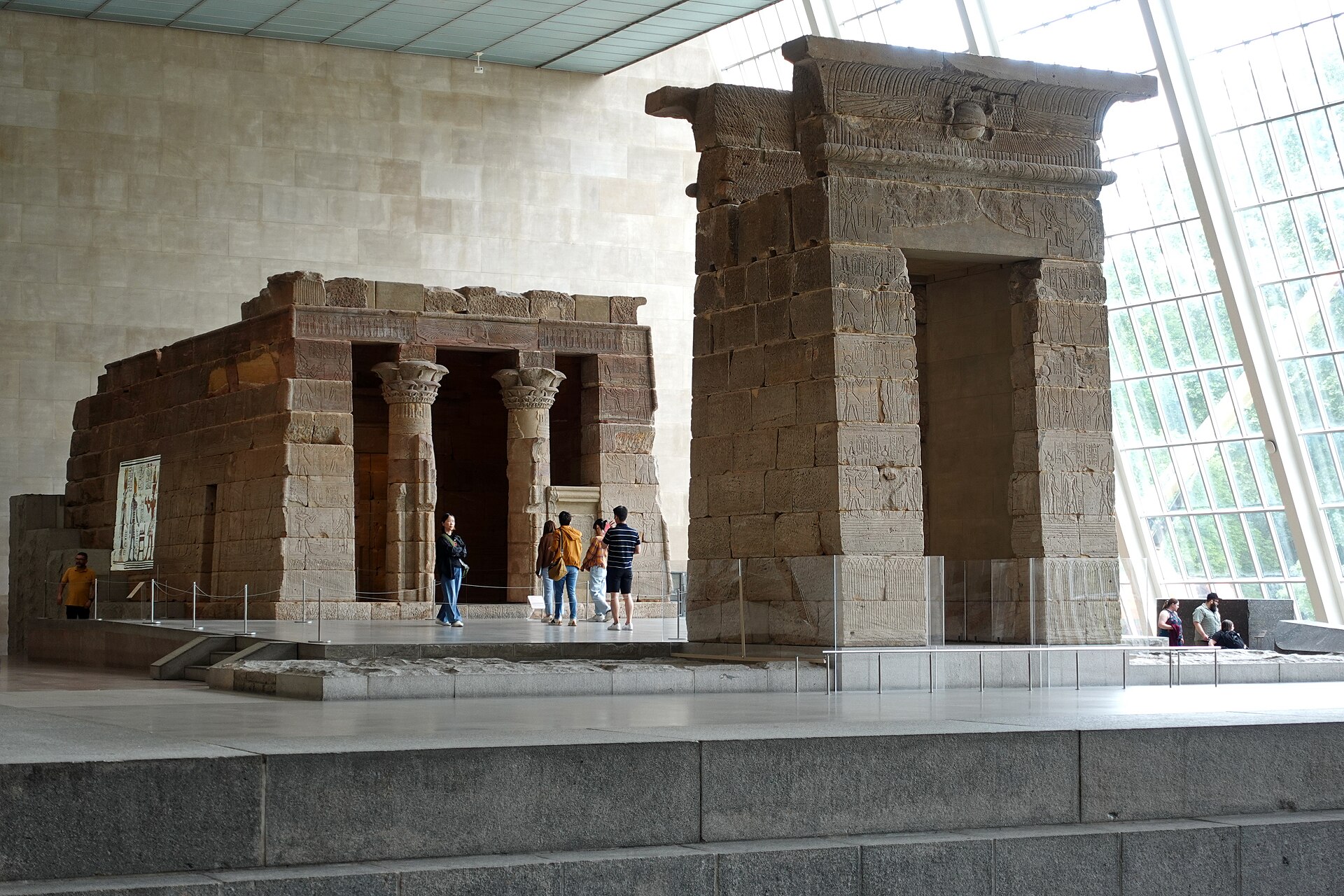
Roughly 30,000 ancient Egyptian objects, one of the largest holdings of Egyptian art outside Cairo, and the Museum states that almost all of them are on display rather than in store. The sequence ends in the glass-walled hall built in 1978 for the Temple of Dendur, a complete Nubian sandstone temple with its gate, set beside a reflecting pool with Central Park behind the glass. Galleries 115 and 120 were closed on 5 September 2026, narrower than the 115-to-119 range closed on 4 August 2026.
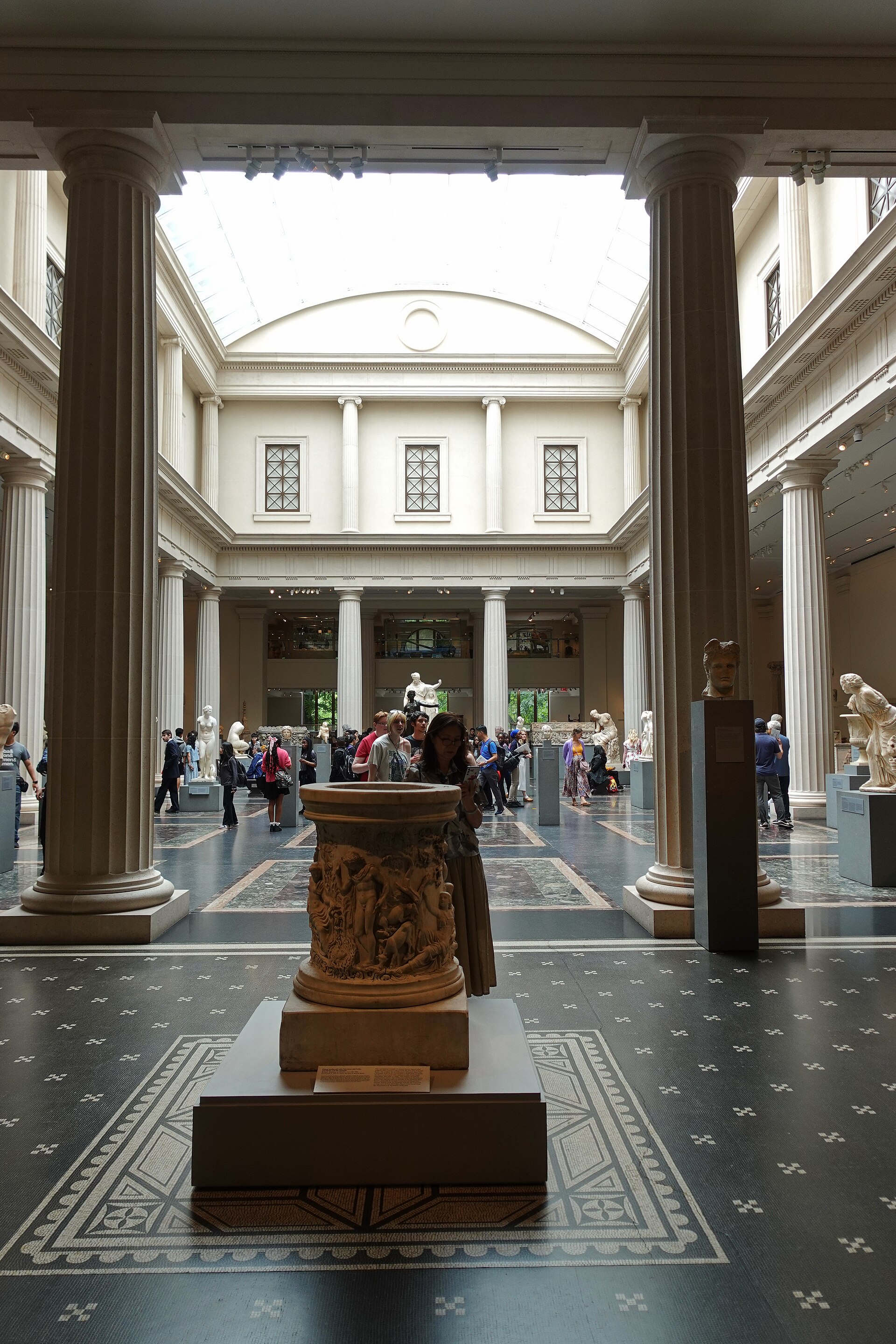
The suite reopened in 2007 after a fifteen-year renovation and reinstallation, the longest single gallery project in the building's history. Its centre is the Leon Levy and Shelby White Court, a top-lit two-storey Roman peristyle with a mosaic floor, ranged with marbles, and the Cesnola Collection of Cypriot art bought in 1874 to 1876 sits at the root of the department. This archive's Greek bronze horse and the Antioch Chalice are both held here (the bronze horse itself, accession 23.69, is in Gallery 164). Gallery 176 appeared as a new partial closure on the Museum's gallery closures page read 5 September 2026, not listed on 4 August 2026; it does not affect Gallery 164.
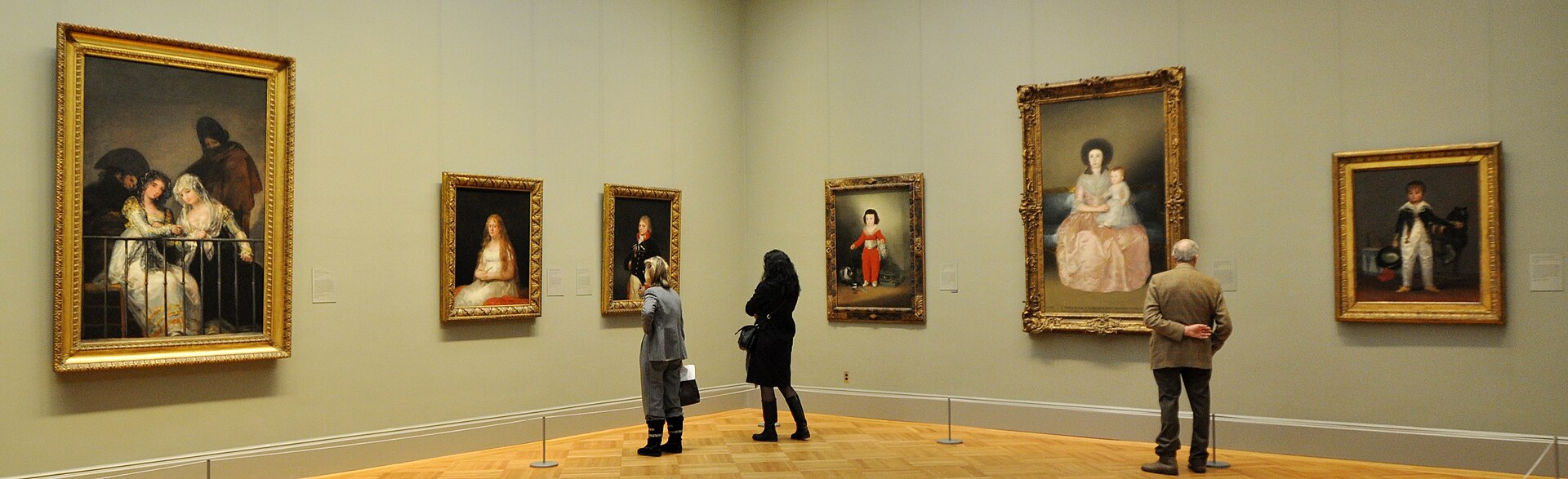
About 2,500 European paintings in all, which the Museum reckons one of the greatest such collections anywhere, hung at the top of the Grand Staircase and rehung under the title Look Again. By 1979 the Museum owned five of the fewer than thirty-five paintings then accepted as Vermeer's. Four of this archive's records hang in these rooms: the Bruegel Harvesters, Caravaggio's Musicians, Georges de La Tour's Fortune-Teller and the van Eyck Crucifixion and Last Judgment. Galleries 602 to 603 and 606 to 607, closed on 4 August 2026, had reopened by the Museum's own gallery closures page read 5 September 2026 and no longer appear on it.
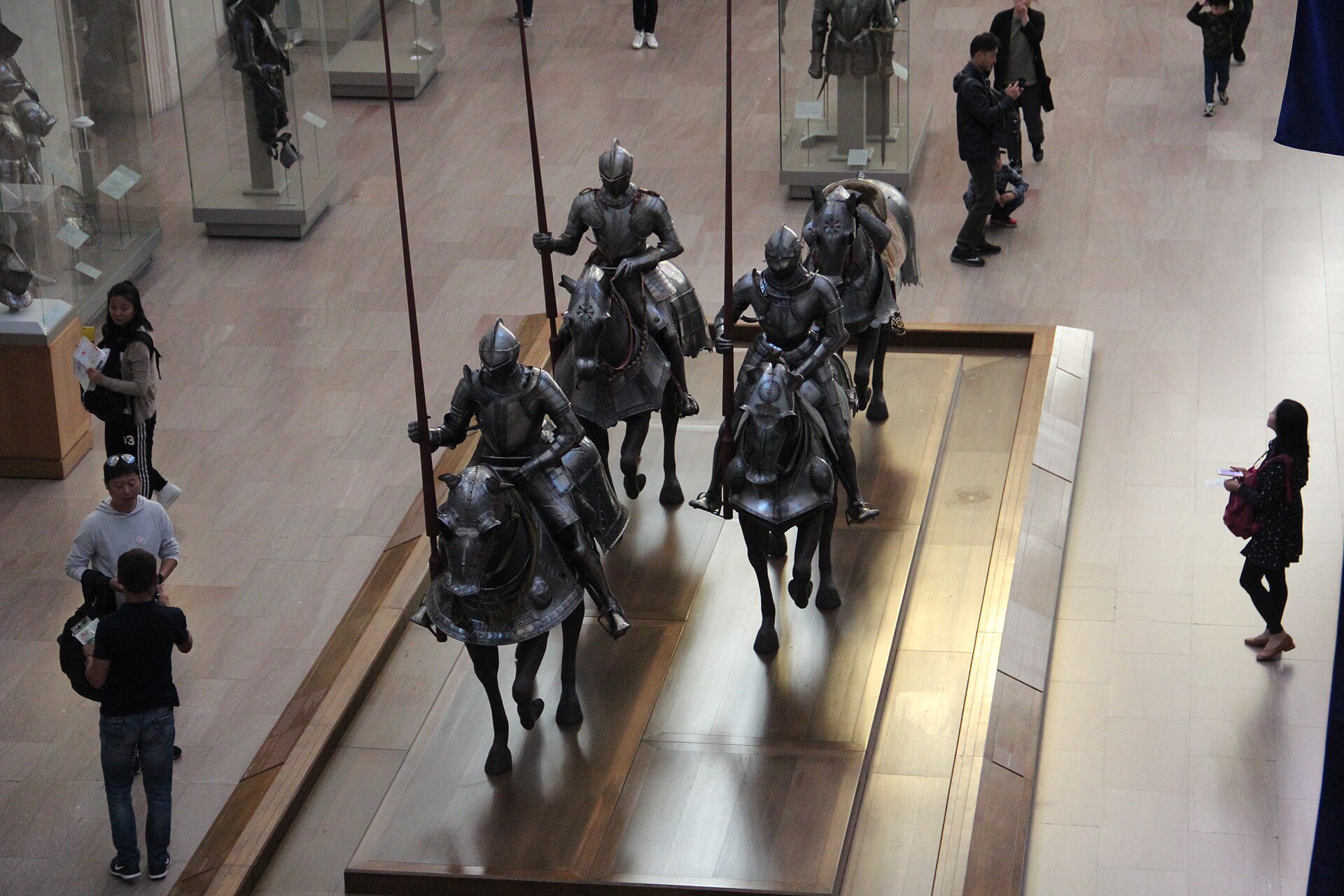
Gallery 371, the equestrian court, where four armoured men on armoured horses ride down the middle of the room with lances up. It is the single most theatrical display in the building and the reason many children remember the Met at all. Two of this archive's records are here: the Greenwich garniture probably made for Henry VIII in 1527, and Filippo Negroli's embossed helmet all'antica of about 1532 to 1535.
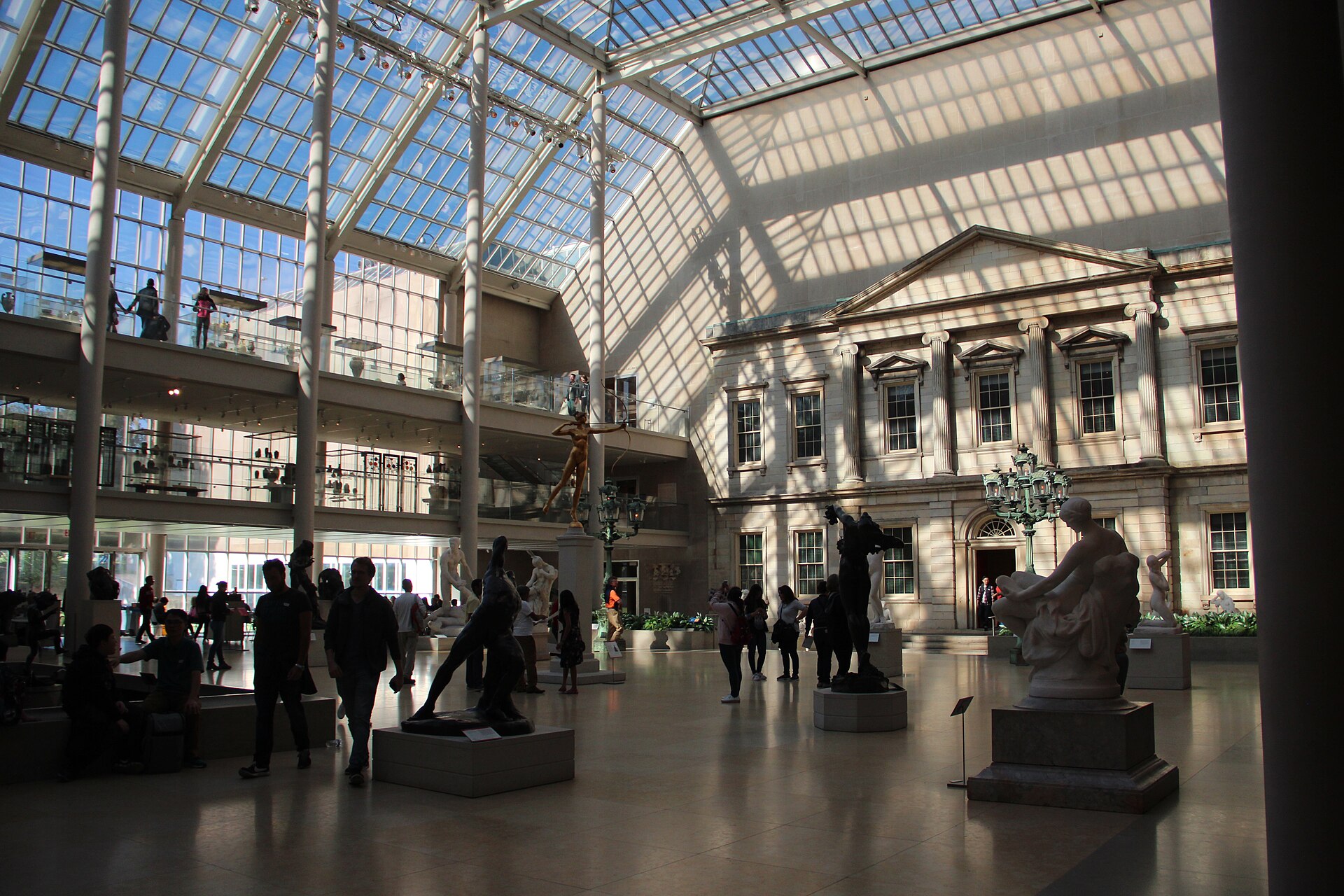
The most comprehensive collection of American paintings, sculpture and decorative arts in the world, by the Museum's own account, opened in 1980 and completed in its third and final renovation phase in January 2012, with twenty-five period rooms. The glass-roofed Engelhard Court is built around a real building front: the marble facade of the Second Branch Bank of the United States of 1822 to 1824, dismantled from Wall Street and re-erected indoors. Galleries 773 to 774 and 774A were closed on 4 August 2026.
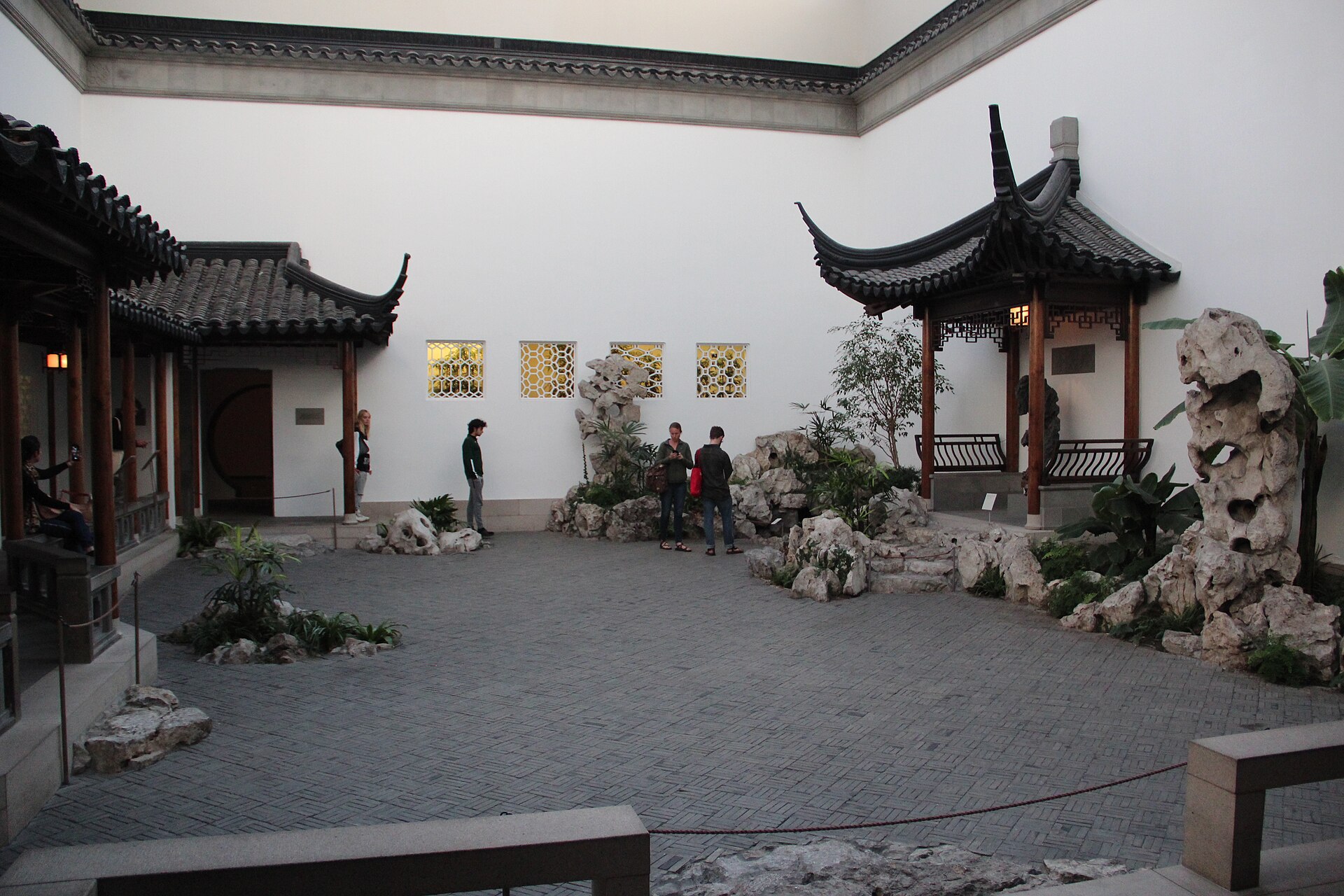
Galleries covering the arts of Asia, completed as a suite when the Arts of Korea gallery opened in 1998. Their quietest room is the Astor Court, a Ming-style scholar's courtyard with a pavilion, latticed windows, scholar's rocks and a grey brick floor, built as a working piece of Chinese architecture rather than a display case. This archive's Longmen relief of Emperor Xiaowen and his entourage, cut from the Binyang Central Cave and bought in 1935, is in Gallery 206, confirmed still on view there on the Museum's own object page, read 6 September 2026. The Museum's gallery closures page read the same day lists a new partial closure at Galleries 229 to 232, which does not affect Gallery 206.
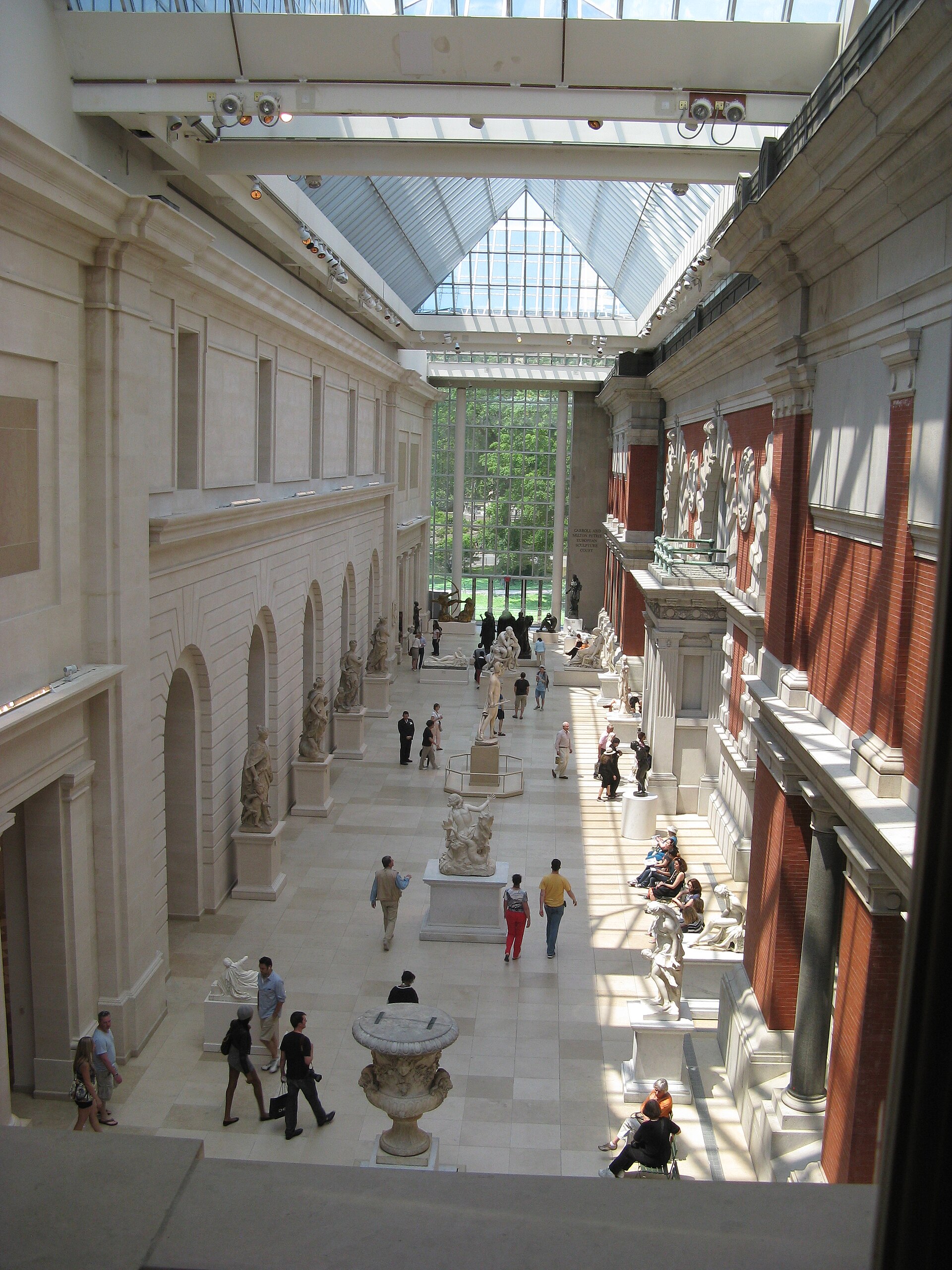
The Henry R. Kravis Wing of 1991 covers the Renaissance to the early twentieth century. Its Carroll and Milton Petrie European Sculpture Court is the best place in the building to see what the Met actually is: the entire south facade of Theodore Weston's classical addition of 1888 stands inside the room as one of its walls, red brick and limestone, glazed over and pointed at Central Park. This archive's Farnese Table and Rospigliosi Cup are in this department, in Galleries 503 and 556, neither affected by the new partial closure of Gallery 543 that appeared on the Museum's gallery closures page read 5 September 2026 (not listed there on 4 August 2026).
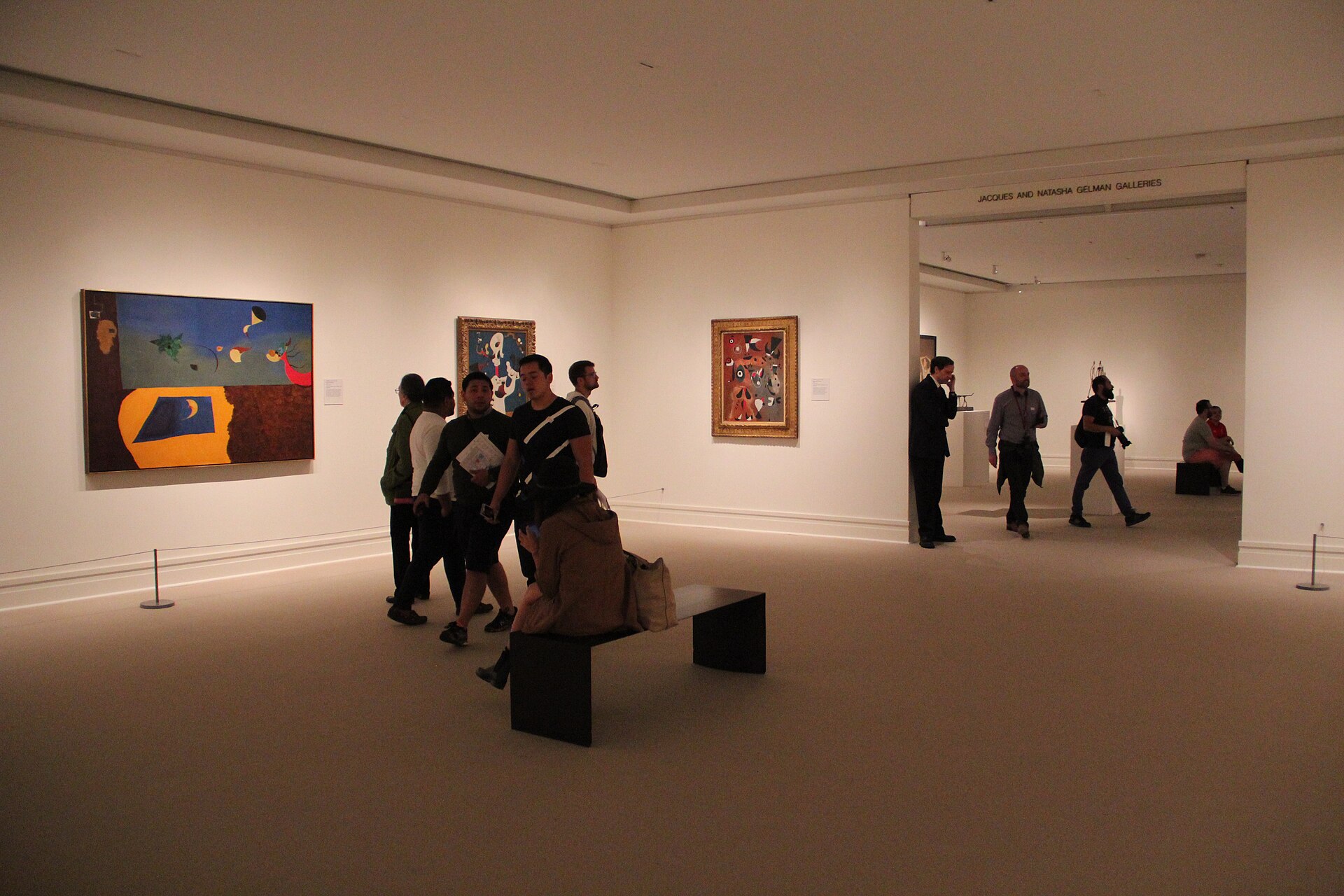
The Lila Acheson Wallace Wing of 1987, including the Jacques and Natasha Gelman Galleries. This is the part of the Museum in the worst shape and the part about to change most: galleries 399, 900 to 913, 917 and 919 to 925 were all closed on 4 August 2026, as was the Cantor Roof Garden, ahead of demolition for a wholly new wing. Anyone visiting for twentieth-century art should check what is open before buying a ticket.
Over 40,000 square feet on the south side holding the arts of Africa, the ancient Americas and Oceania as three separate collections rather than one lumped category, with more than 1,800 works. Closed from 2021, it reopened to the public on 31 May 2025 after a rebuild by Kulapat Yantrasast of WHY Architecture with Beyer, Blinder, Belle, reported at 70 million dollars. Its opening day drew 33,700 people, the Museum's busiest single day since 2017. No plate is offered here because the free-licence photographs we located show the pre-2021 installation, which no longer exists.
Medieval Europe at Fifth Avenue, distinct from the separate Met Cloisters uptown. The Mary and Michael Jaharis Galleries for Byzantine Art occupy the brick, arch-vaulted space underneath the Grand Staircase, which is not a designed gallery at all but the structural undercroft of Hunt's 1895 entrance pavilion, opened up and hung with objects. This archive's Antioch Chalice, a sixth-century Syrian silver cup once published as a first-century relic, is in Gallery 300.
The 1975 wing built to hold Robert Lehman's collection of Old Masters together with Impressionist and Post-Impressionist painting, under a pyramidal glass roof over a skylit atrium, and shown as a private collection rather than dispersed into the departments. The Ramadan Prayer Space was closed on 5 September 2026; galleries 956 to 959, closed alongside it on 4 August 2026, no longer appear on the Museum's gallery closures page. Its west wall is the surviving west facade of the original 1880 building.
The Crosby Brown Collection, given in 1889, one of the few museum holdings that treats instruments as objects of art rather than equipment. This archive's 1720 Bartolomeo Cristofori grand piano, one of the three surviving instruments by the inventor of the piano, is in Gallery 684.
The department behind the Museum's largest-audience exhibitions: Sleeping Beauties: Reawakening Fashion drew 401,000 visitors and Superfine: Tailoring Black Style more than 291,000. Its benefit closes the whole Museum on the first Monday in May. Galleries 980 to 981 were closed on 4 August 2026, and Costume Art was on show until 10 January 2027.
A complete Egyptian temple with its gate, given by Egypt to the United States and housed in a purpose-built glass hall in 1978. The Museum lists it first among its own collection highlights, and it is the only object here that is also a building.1
Bought at Christie's in London on 27 November 1970 and accessioned in 1971, the acquisition that defined Thomas Hoving's directorship. The Museum lists it among its own highlights; this archive holds a full record of it.1
Full record in this archiveOne of the surviving panels of Bruegel's series of the seasons, bought with the Rogers Fund in 1919 and marked by the Museum as a work that may not be lent, so it can only be seen here. Named on the Museum's own highlights list and recorded in this archive.1
Full record in this archiveOne of the Museum's Vermeers; by 1979 it owned five of the fewer than thirty-five paintings then accepted as his, which is the largest concentration anywhere and the reason this is a Vermeer destination and not merely a museum with a Vermeer.1
Named on the Museum's own highlights list, and the anchor of a Dutch holding that also carries the two paintings in this archive marked as never to be lent.1
The portrait that ended Sargent's Paris career and made his London one. The Museum lists it among its highlights, and its Sargent and Paris exhibition drew more than 427,000 visitors in the 2025 financial year, the biggest draw of that year.1
The founding image of American national self-portrayal, painted in Dusseldorf by a German artist, hanging in the American Wing. On the Museum's own highlights list.1
The Museum's central Pollock and one of the reasons the modern galleries matter, which makes their partial closure on 4 August 2026 worth checking before a visit built around it.1
A Ming-style scholar's courtyard built inside the Museum by Chinese craftsmen using traditional methods, listed by the Museum among its highlights as an object in its own right rather than as a room containing objects.1
A real Wall Street building front, dismantled and re-erected indoors as the back wall of the Charles Engelhard Court. It makes explicit what the whole Met does: absorbs architecture into itself.1
Named on the Museum's highlights list and now shown in the rebuilt Michael C. Rockefeller Wing, where the reinstallation was explicitly designed to foreground the artists responsible rather than the collectors.1
An eighteenth-century Damascene reception room installed in the galleries for the Art of the Arab Lands, Turkey, Iran, Central Asia and Later South Asia, which opened on 1 November 2011.1
On the Museum's own highlights list, and a useful test of the Museum's new provenance apparatus: South Asian bronzes are precisely the category the Met has been returning, and it signed a memorandum with India's Ministry of Culture in February 2024.1
The Museum's unofficial mascot by its own admission, and the clearest demonstration that an encyclopaedic museum's most loved object need not be its most important one.3
Commissioned by Count Jan and Countess Valeria Tarnowski and listed by the Museum among its own highlights; the marble that anchors the Petrie Court sequence where the 1888 facade stands indoors.1
Shown in the Mary and Michael Jaharis Galleries for Byzantine Art, Gallery 300, the brick undercroft of Hunt's 1895 entrance pavilion opened up beneath the Grand Staircase. Once published as a first-century relic of the Last Supper and now dated to the sixth century. This archive holds a full record of it.1
Full record in this archiveHung in the European Paintings galleries at the top of the Grand Staircase, part of the roughly 2,500-painting collection the Museum reckons among the greatest anywhere. This archive holds a full record of it.1
Full record in this archiveIn the Crosby Brown Collection of musical instruments, given in 1889, Gallery 684; one of only three surviving instruments by the inventor of the piano. This archive holds a full record of it.1
Full record in this archiveHung with the Museum's European Paintings, 1250 to 1800, a department rehung under the title Look Again. This archive holds a full record of it.1
Full record in this archiveDisplayed in Gallery 371, the equestrian court, where armoured men on armoured horses ride down the room; probably made for Henry VIII. This archive holds a full record of it.1
Full record in this archiveBought in 1935 and shown in Gallery 206 in the Asian Art galleries near the Astor Chinese Garden Court. This archive holds a full record of it.1
Full record in this archiveHeld in the Greek and Roman galleries reinstalled over fifteen years and reopened in 2007; its own attribution was substantially revised by the Museum, from early Classical to late Hellenistic. This archive holds a full record of it.1
Full record in this archiveDisplayed alongside the Greenwich garniture in Gallery 371, the theatrical equestrian court that many visitors remember as the Met's single most dramatic room. This archive holds a full record of it.1
Full record in this archiveShown in Gallery 556 in European Sculpture and Decorative Arts, and one of the most instructive objects in the building for how far an attribution can travel before a museum settles it. This archive holds a full record of it.1
Full record in this archiveHung with the Museum's European Paintings, 1250 to 1800, and marked by the Museum as a work that may not be lent, so it can only be seen at Fifth Avenue. This archive holds a full record of it.1
Full record in this archiveThe Met and the Neue Galerie announced a landmark agreement to merge in 2028, bringing the Neue Galerie's collection of twentieth-century Austrian and German art, including Klimt's Portrait of Adele Bloch-Bauer I, and its William Starr Miller House under Met ownership as the Met Ronald S. Lauder Neue Galerie. Ronald S. Lauder and Aerin Lauder Zinterhofer are also planning direct gifts of 13 paintings to the combined institution. Still pending as of 10 August 2026, not yet closed, so it does not change this venue's holdings or address today.19
dated 1527 · Steel
The Metropolitan Museum of Art, New York, on view in Gallery 371
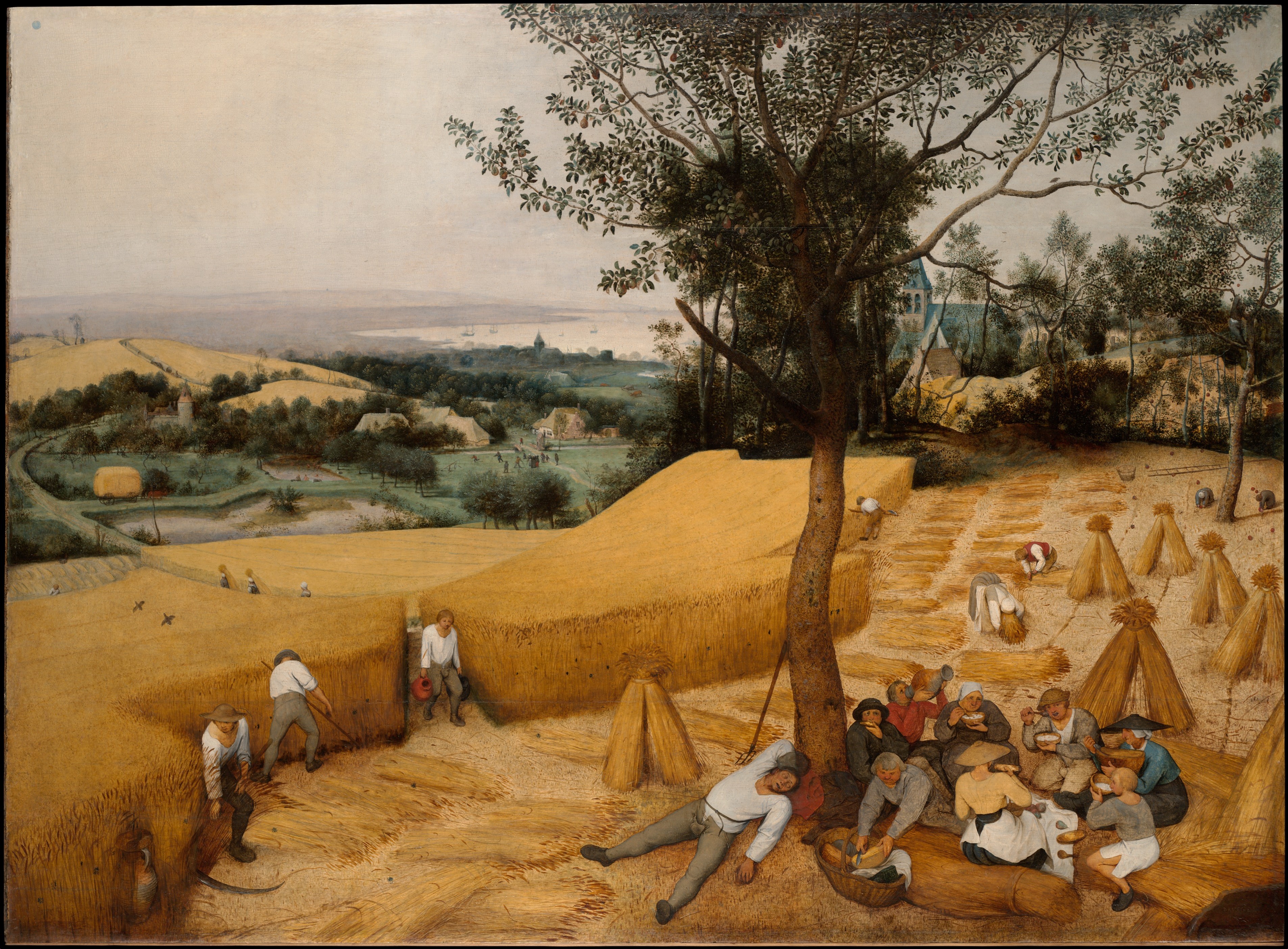
1565 · Oil on oak
The Metropolitan Museum of Art, New York
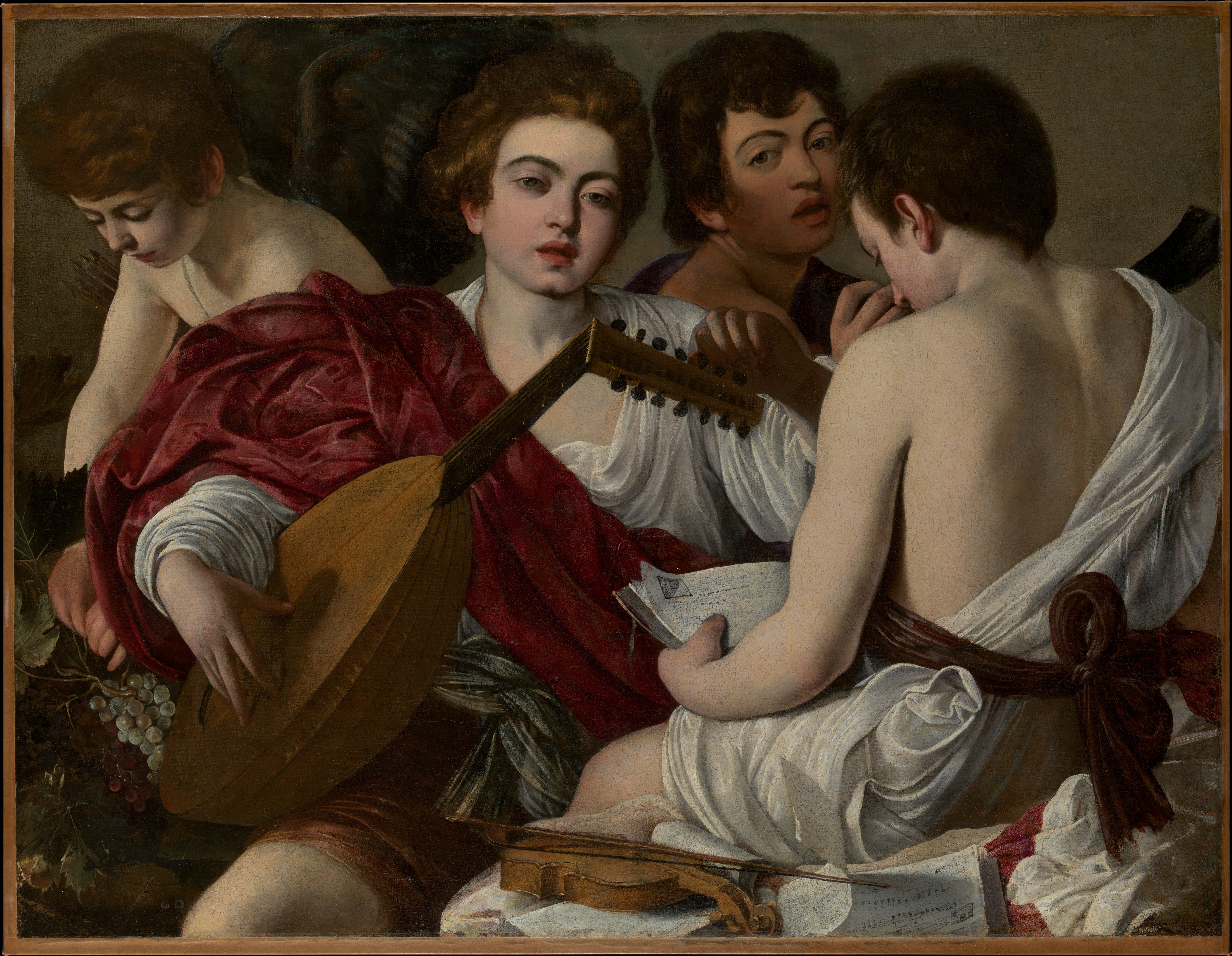
1597 · Oil on canvas
The Metropolitan Museum of Art, New York
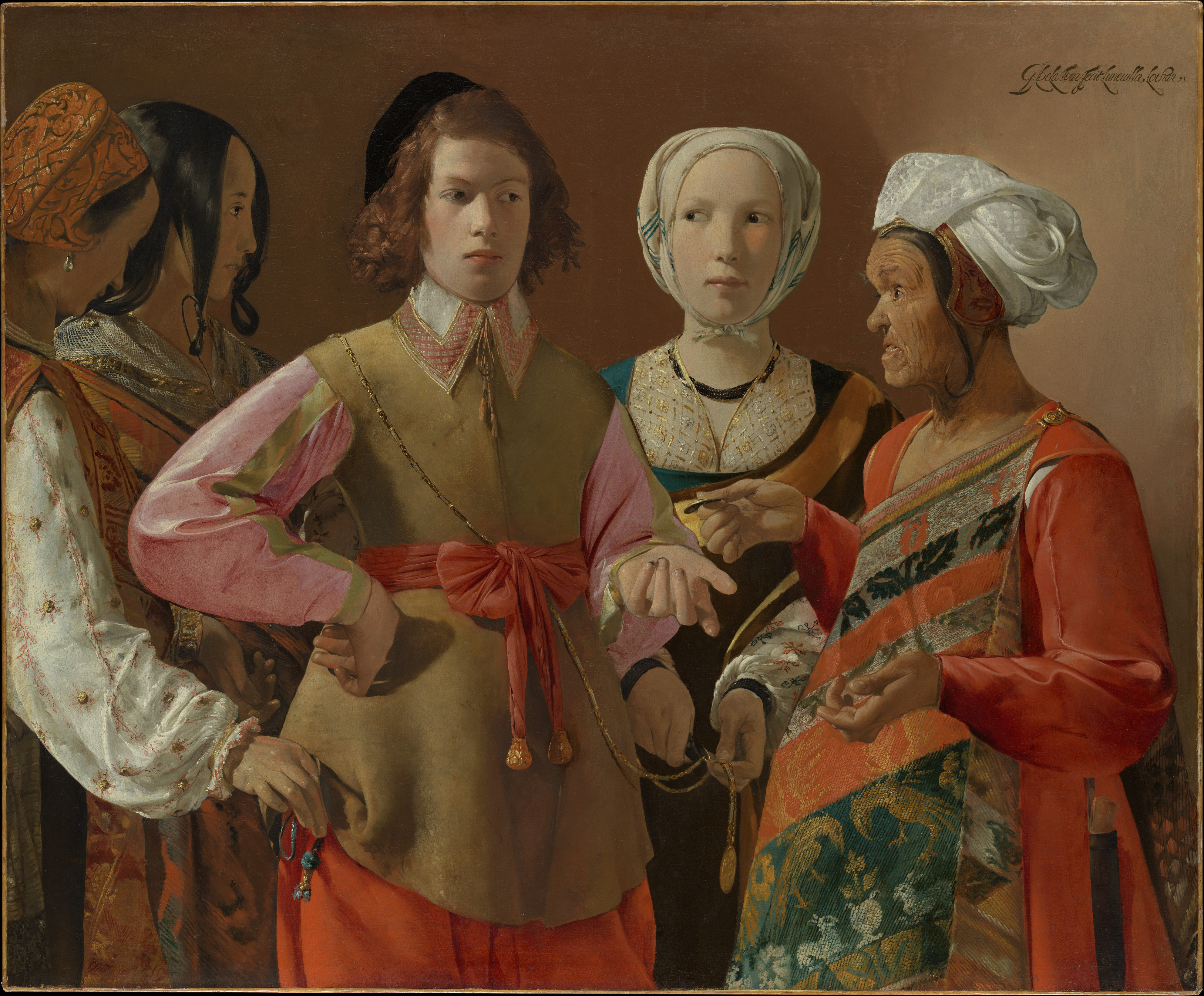
Probably 1630s · Oil on canvas
The Metropolitan Museum of Art, New York
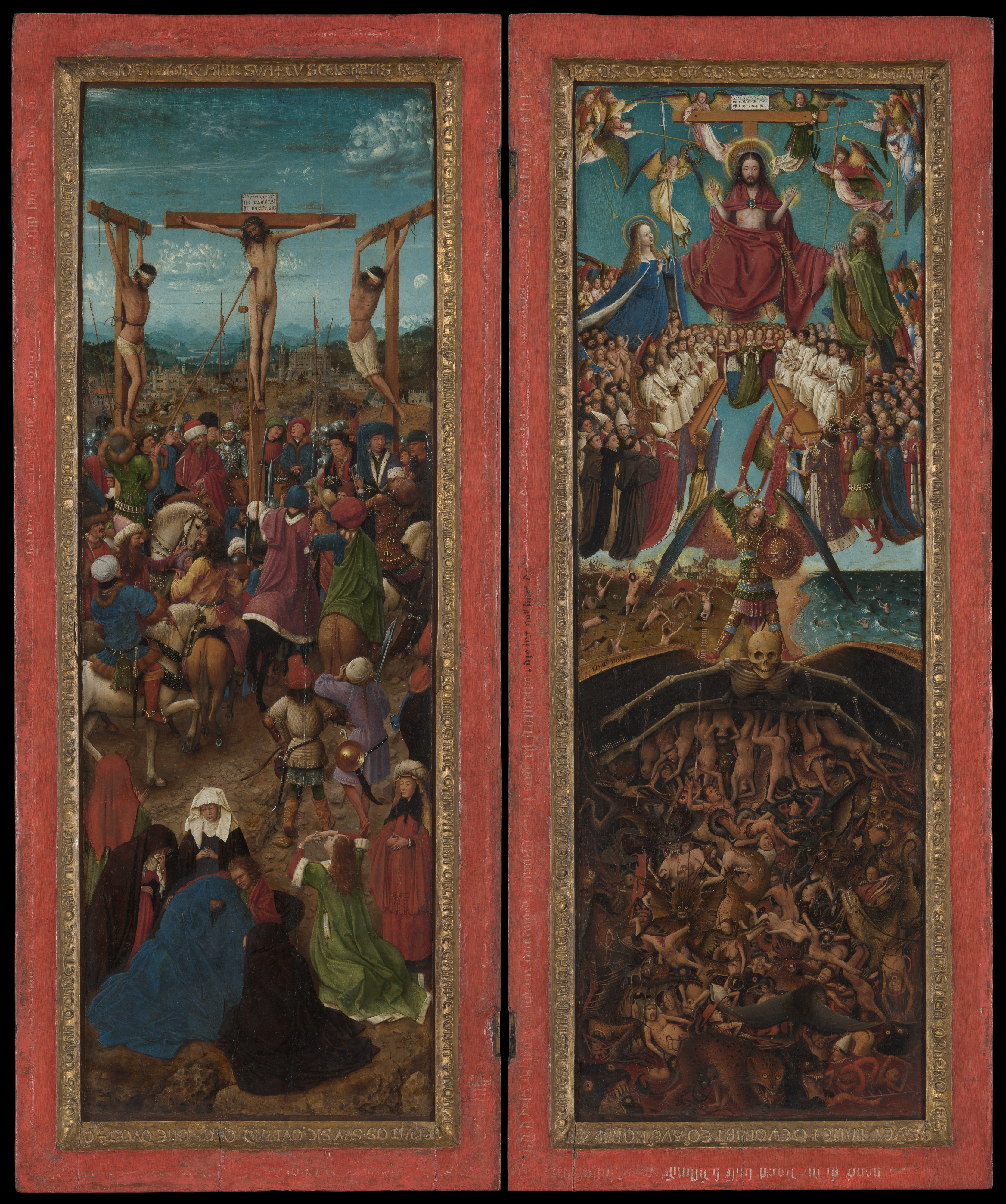
ca. 1436-38 · Oil on canvas
The Metropolitan Museum of Art, New York
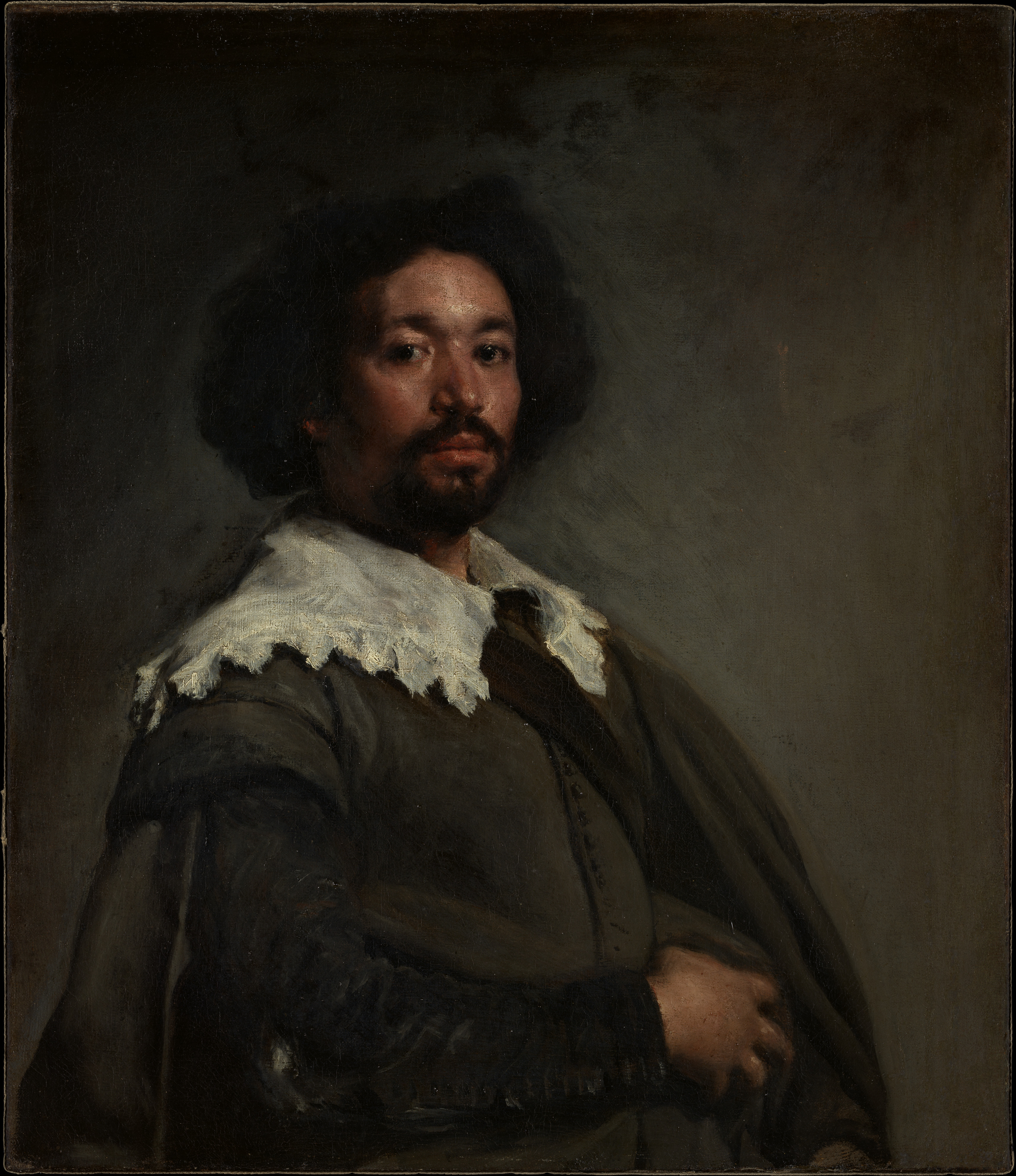
1650 · Oil on canvas
The Metropolitan Museum of Art, New York
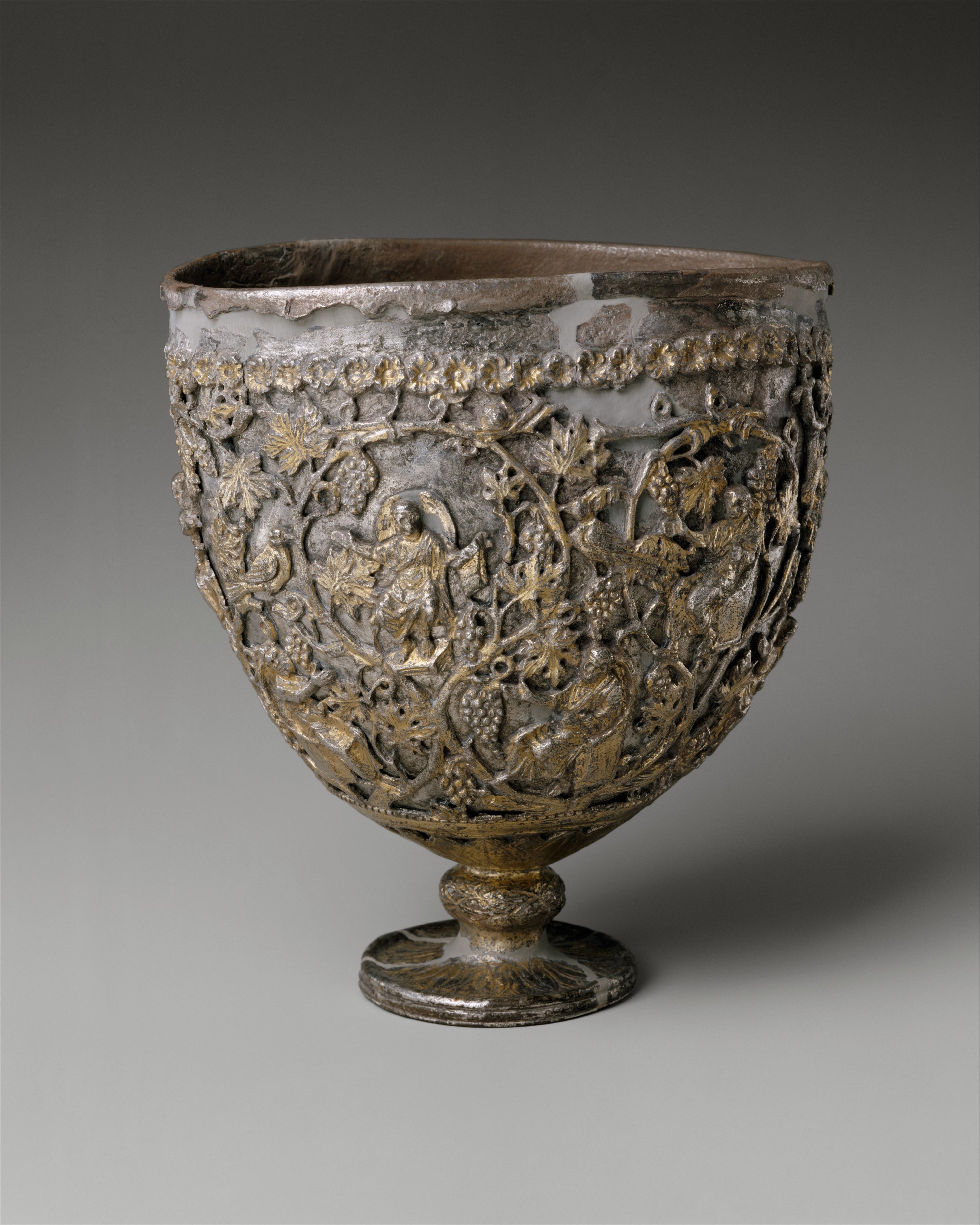
500-550. Formerly published as second half of the first... · Silver
Metropolitan Museum of Art, New York, Gallery 300
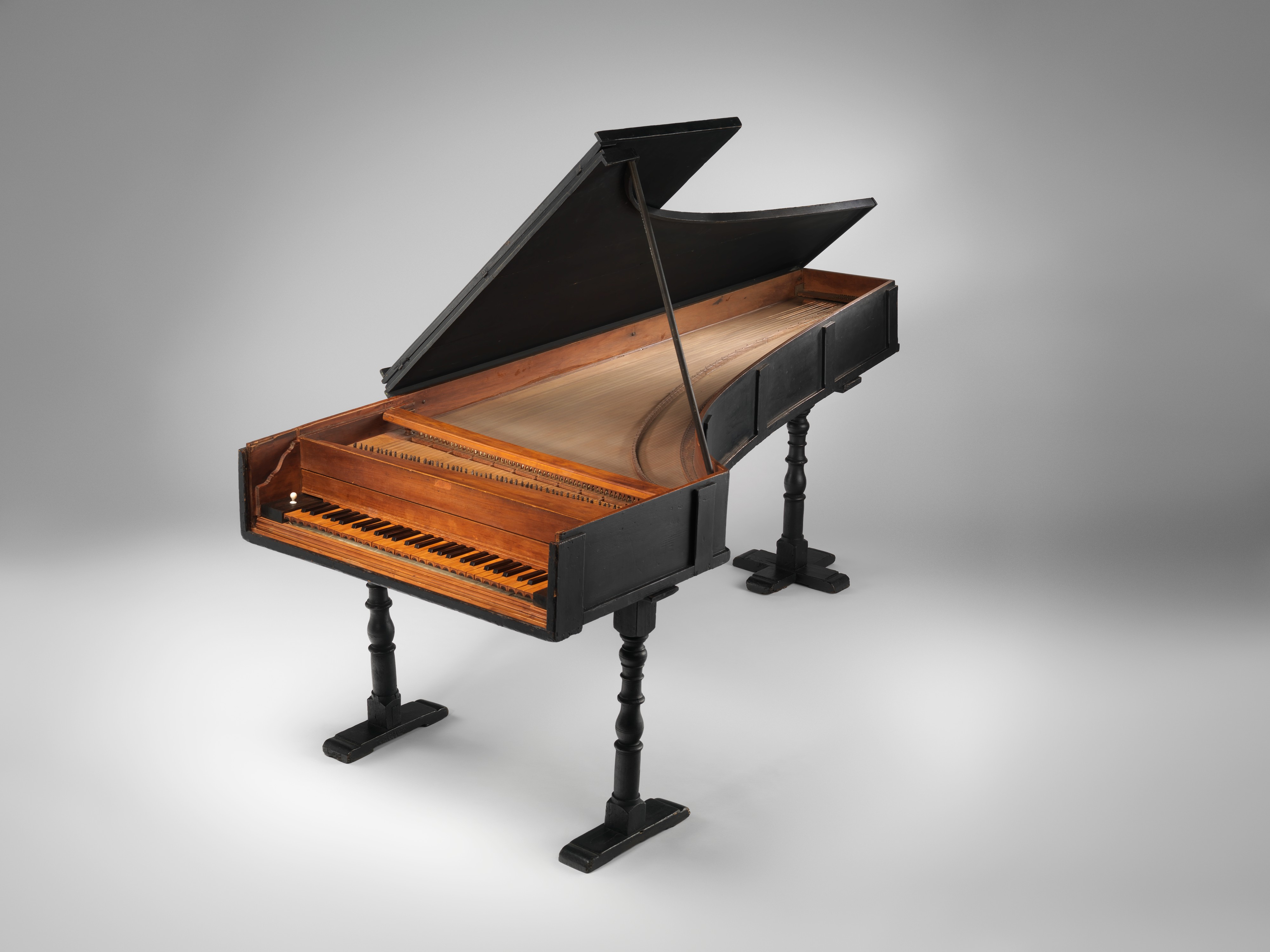
1720 · Cypress
Metropolitan Museum of Art, New York, Gallery 684
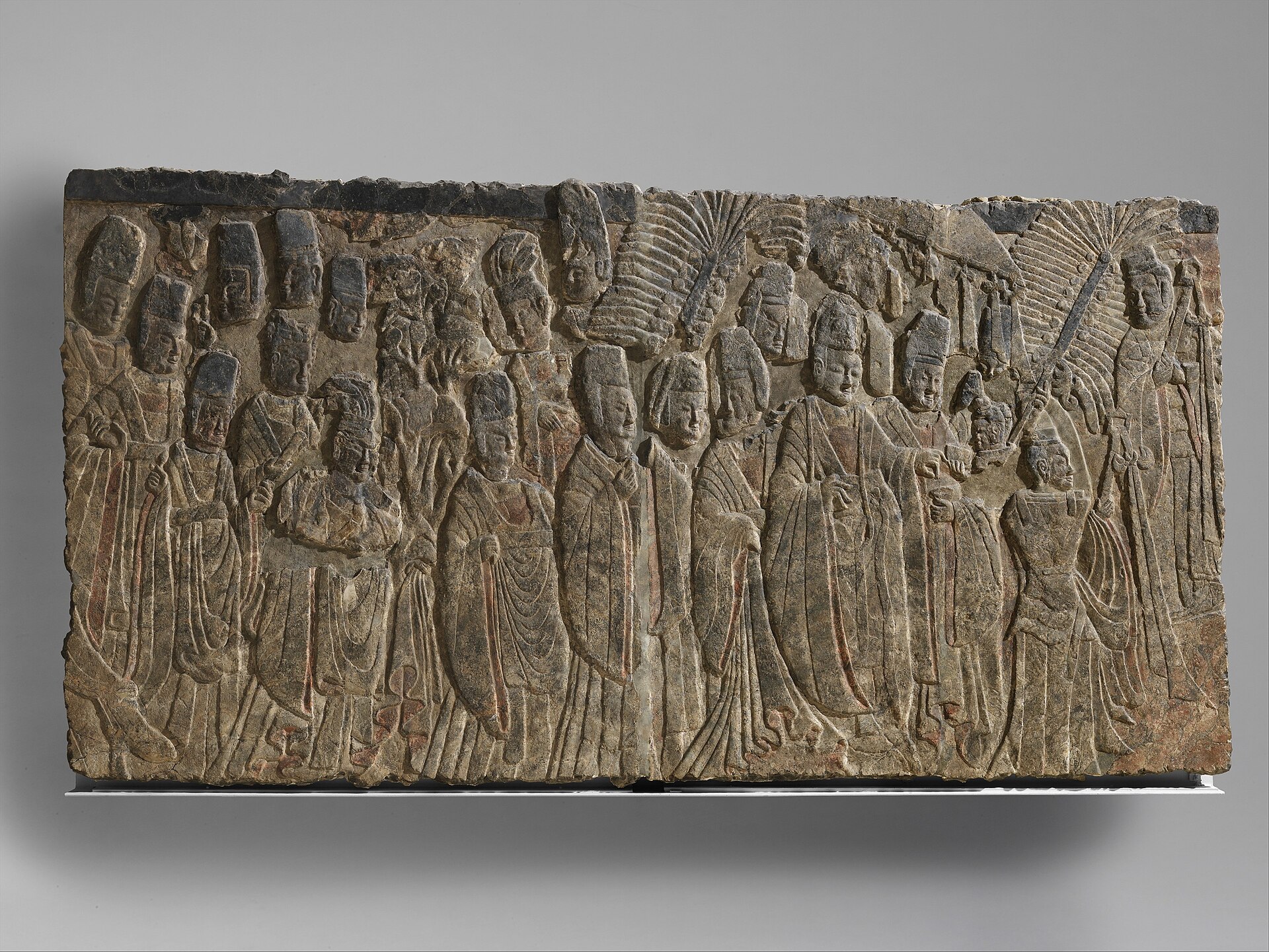
ca. 522-23 · Limestone with traces of pigment
The Metropolitan Museum of Art, New York, Gallery 206
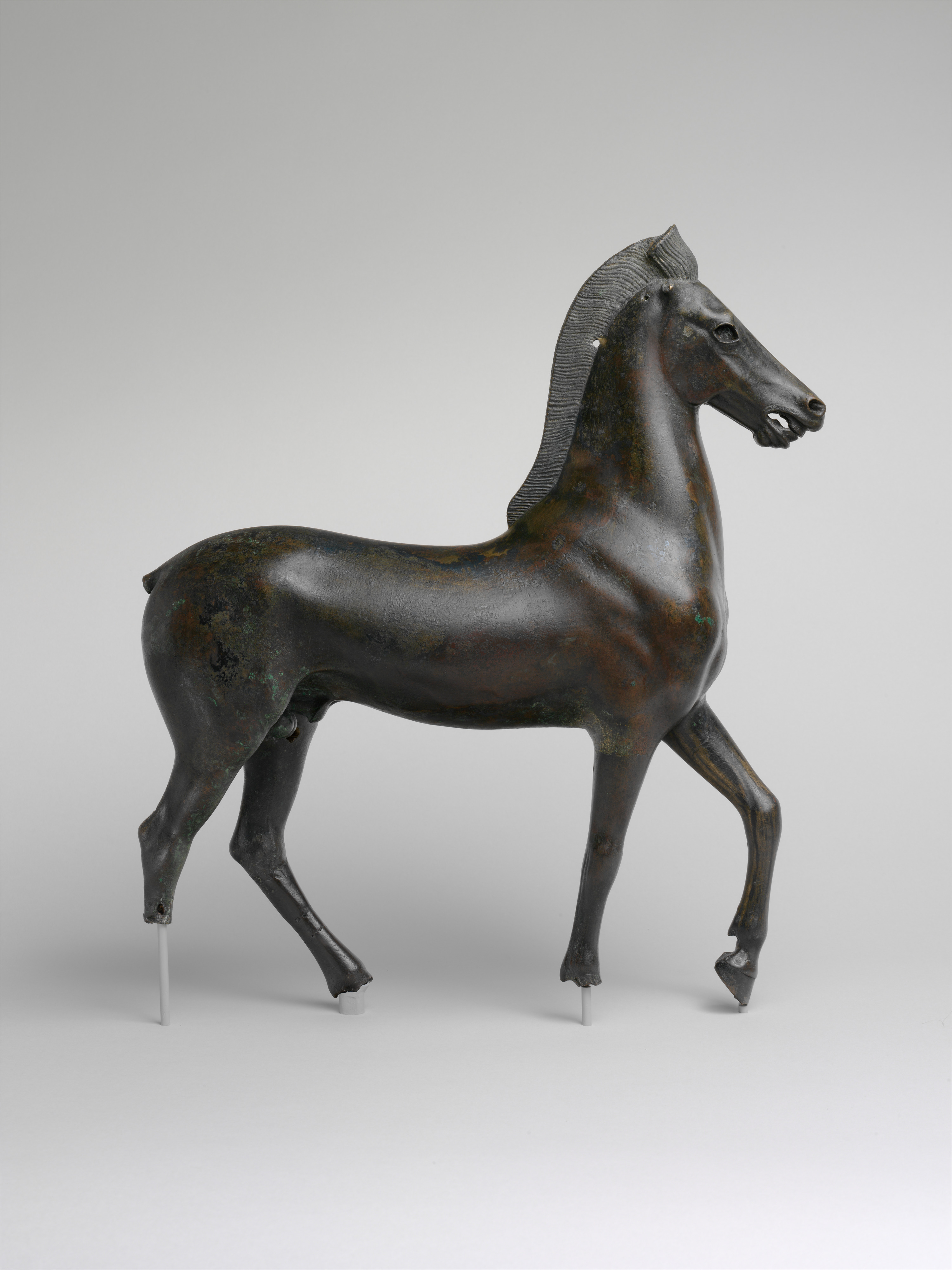
Late Hellenistic, late 2nd to 1st century BCE. · Bronze
The Metropolitan Museum of Art, New York, Department of Greek...
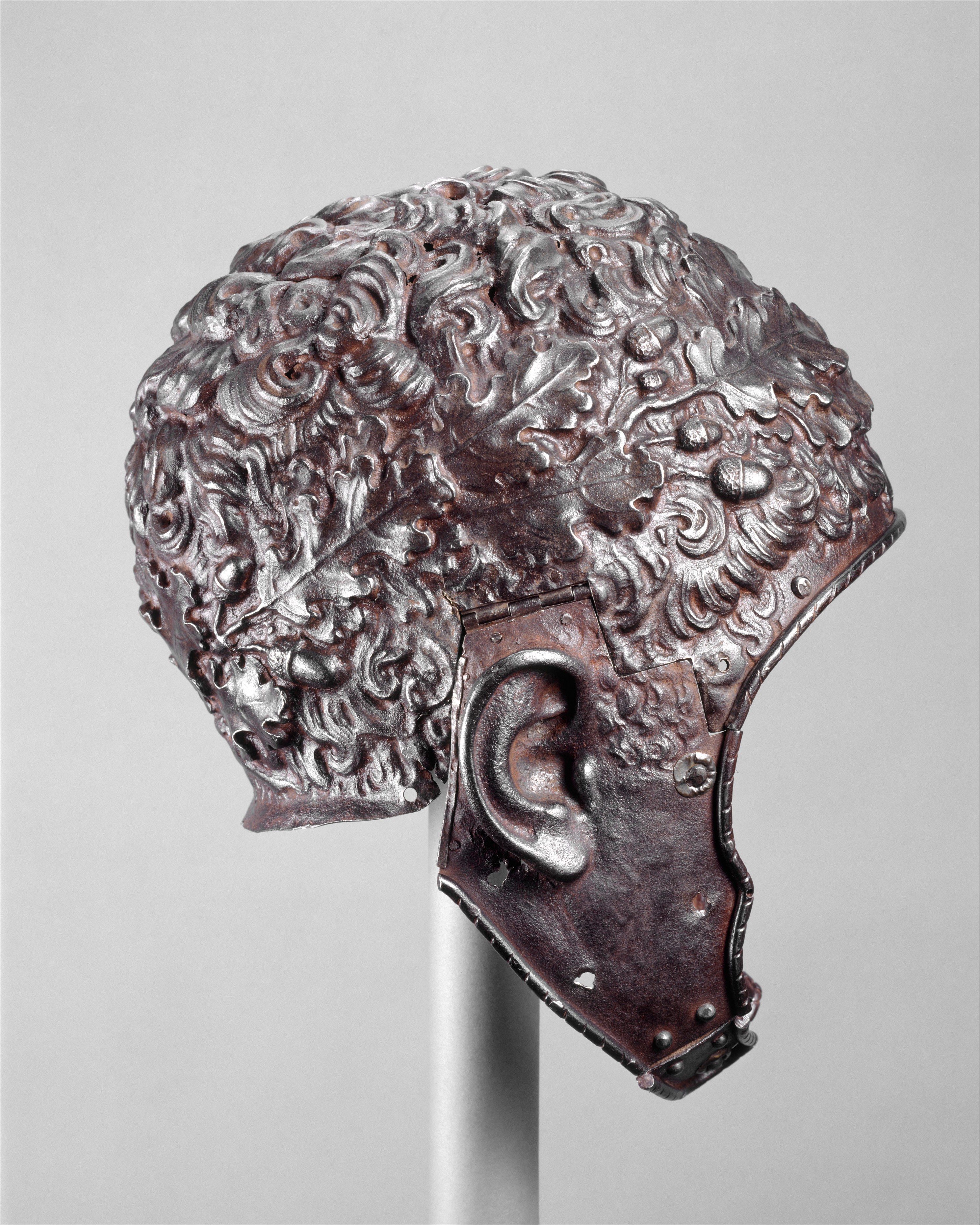
ca. 1532-35 · Steel
Metropolitan Museum of Art, New York, Gallery 374
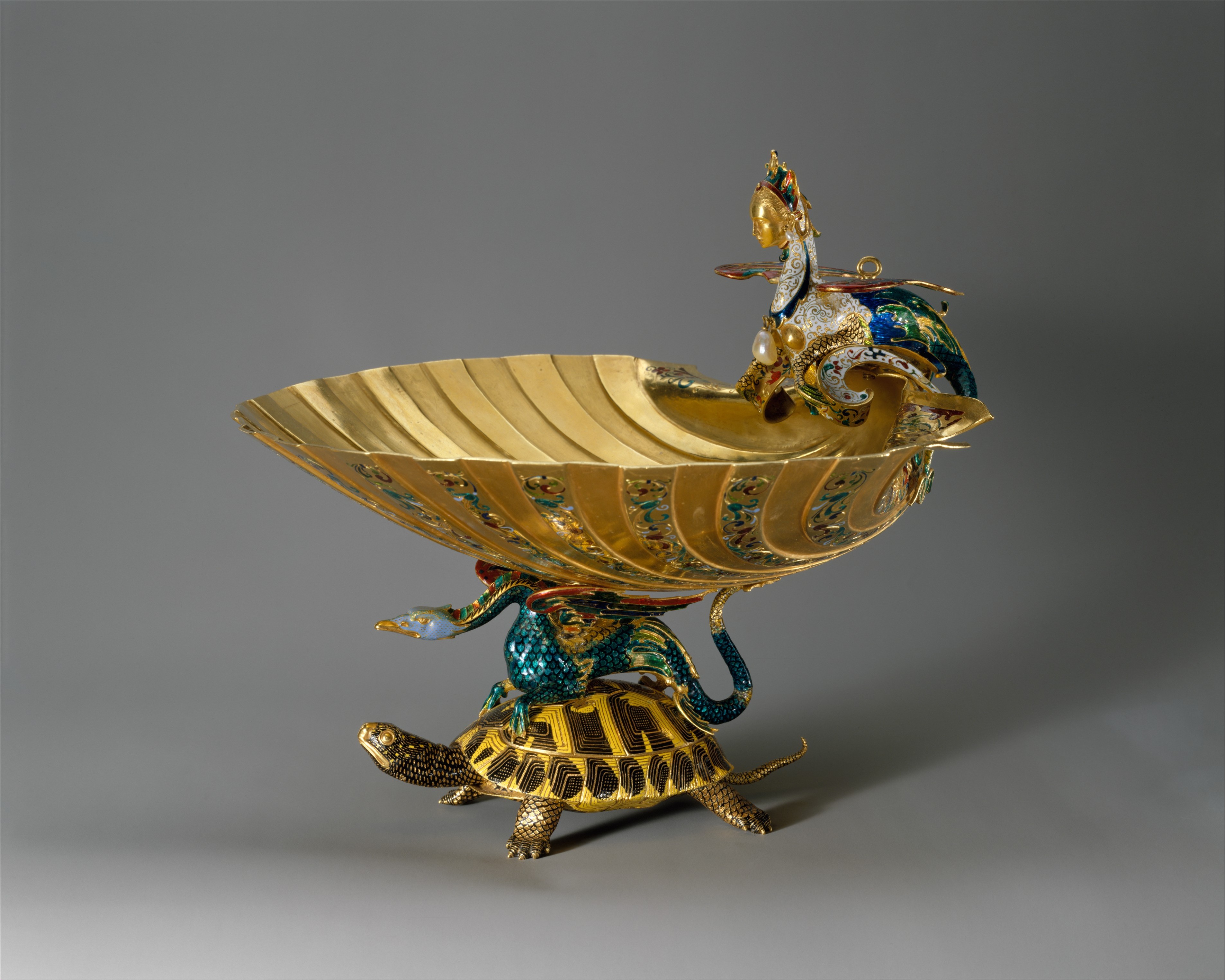
Nineteenth century. Metropolitan Museum: probably ca. · Gold
Metropolitan Museum of Art, New York, Gallery 556
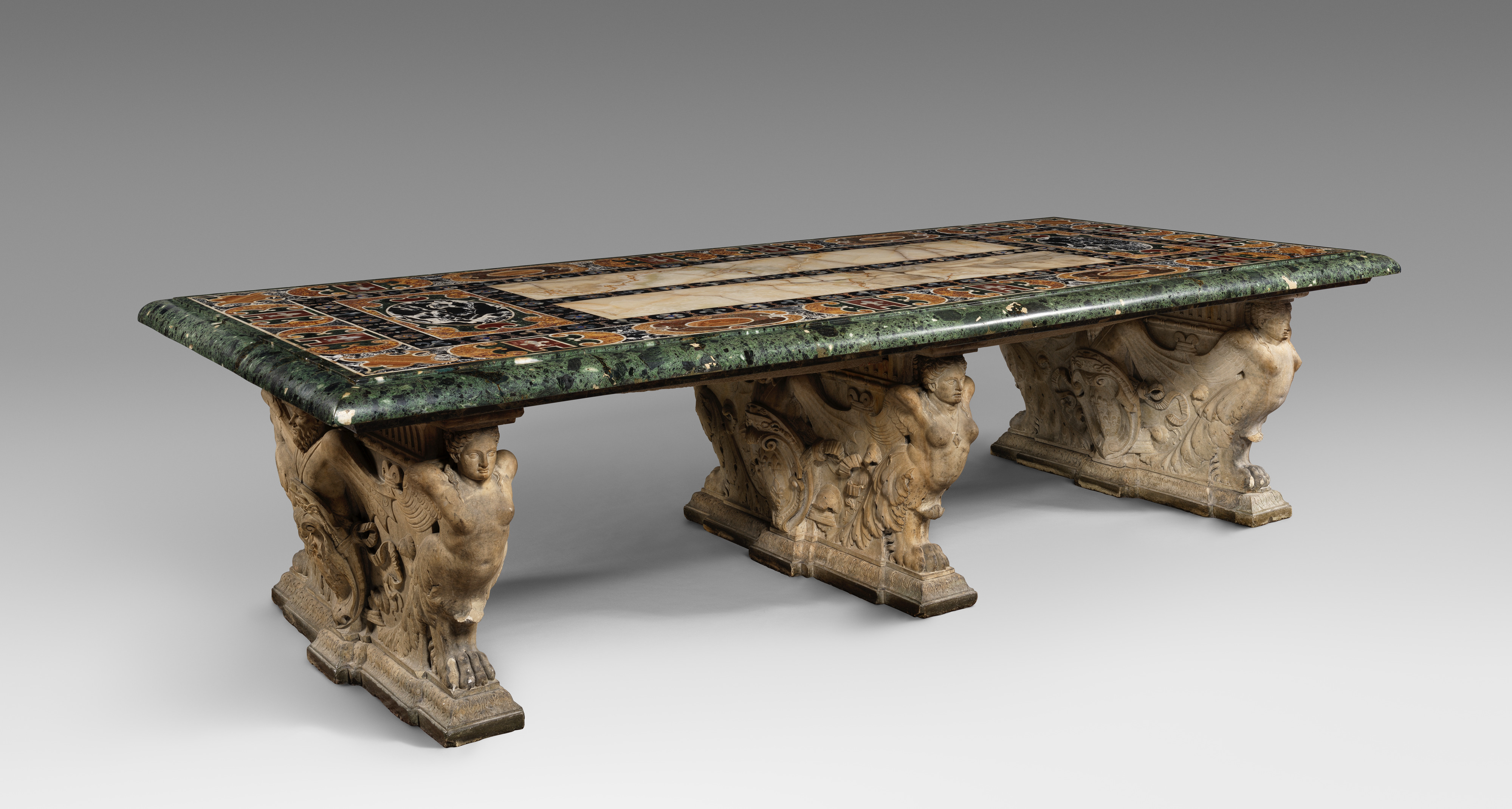
ca. 1565-73 per the Museum's own date line · Marble of different colours
Metropolitan Museum of Art, New York, Gallery 503
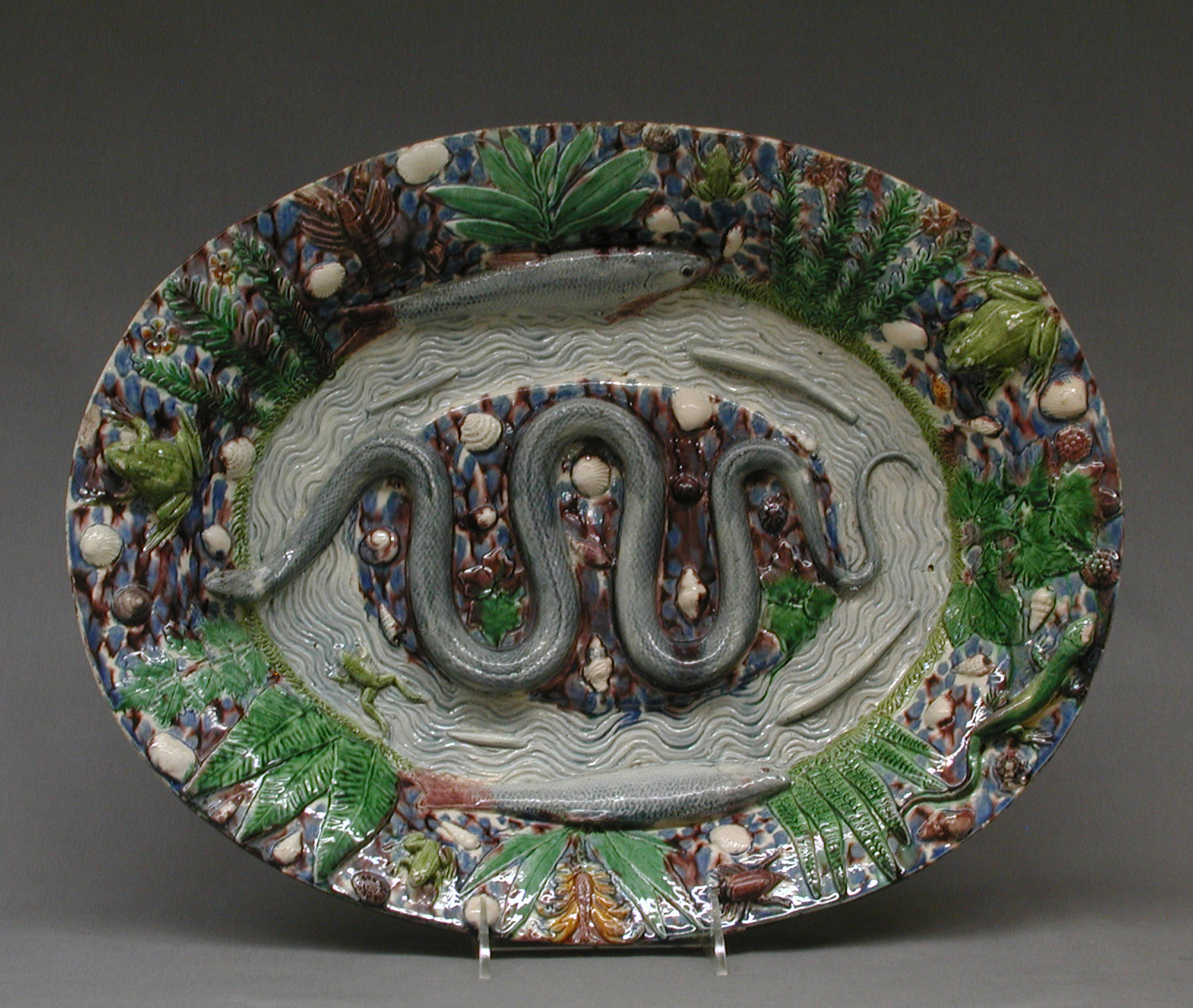
second half 19th century · Lead-glazed earthenware
Metropolitan Museum of Art, New York, European Sculpture and...
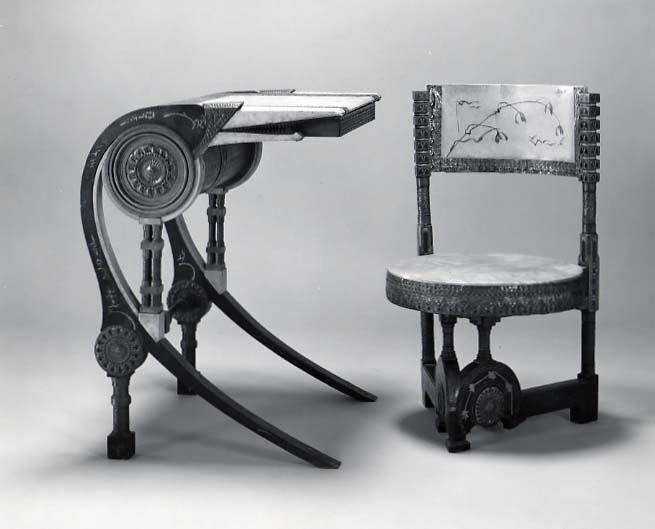
ca. 1902 · Walnut
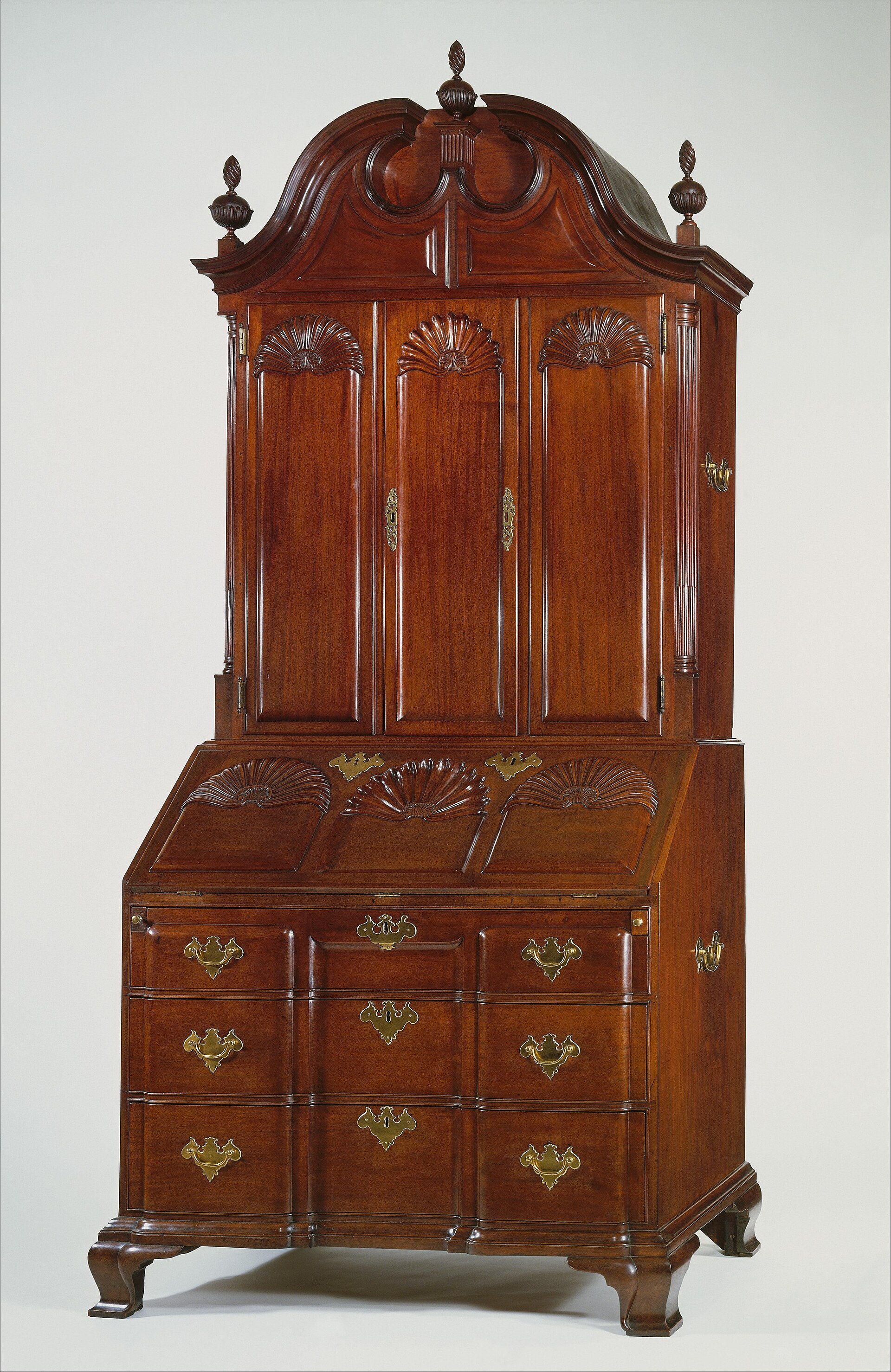
1760-90 · Mahogany
Metropolitan Museum of Art, New York, on permanent view in...
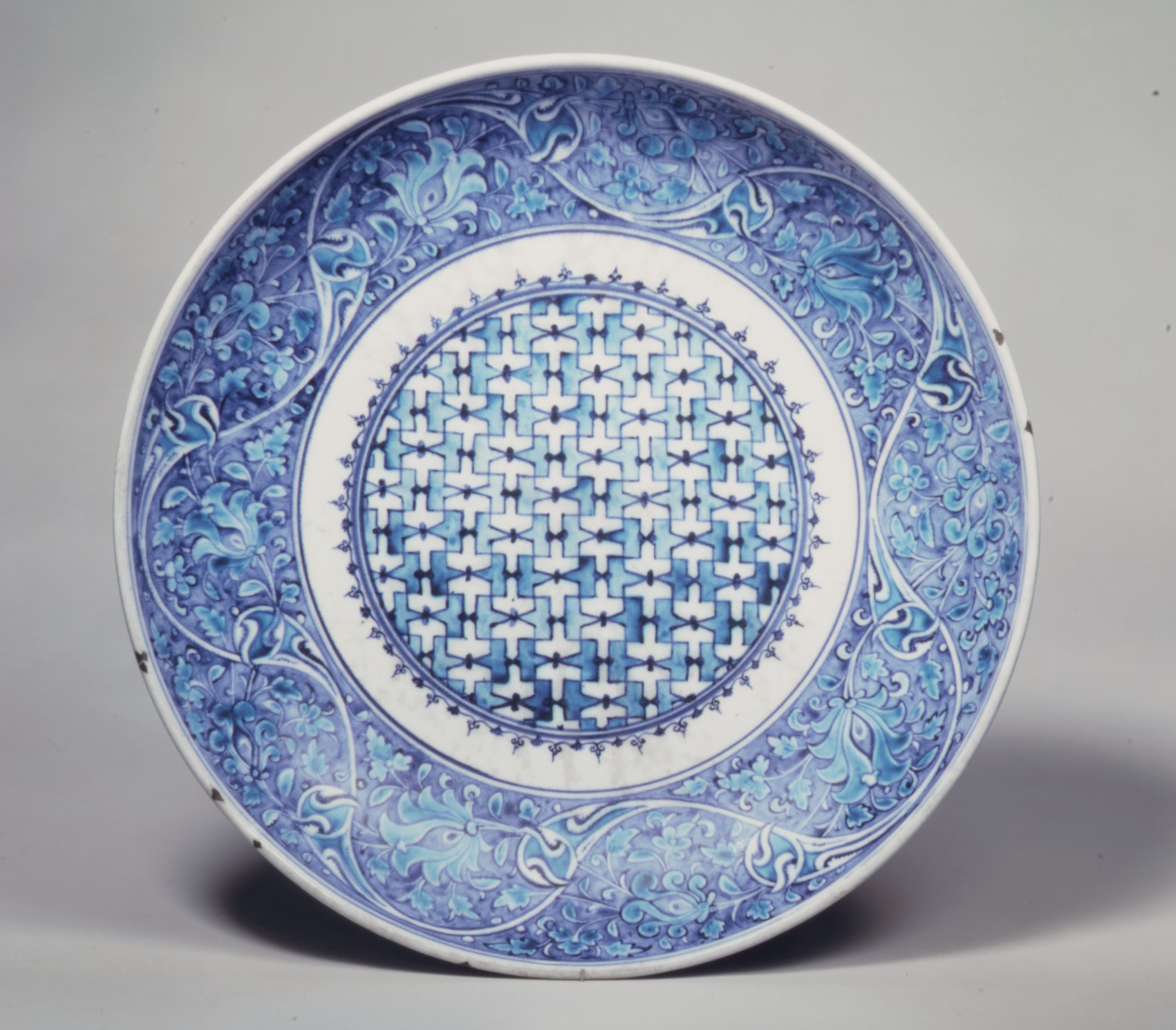
Mid-16th century · Stonepaste
Metropolitan Museum of Art, New York, Department of Islamic...
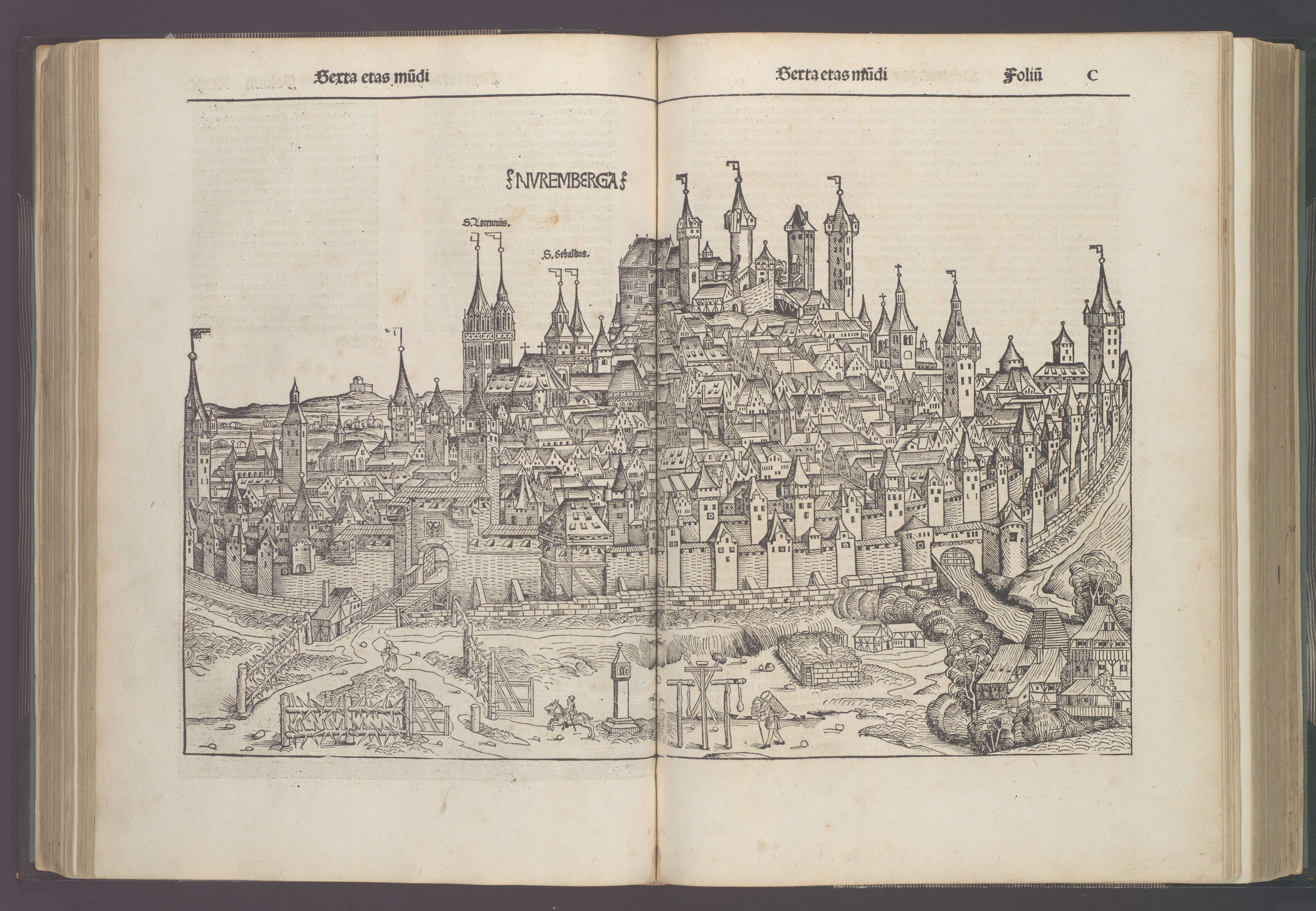
Nuremberg, printed by Anton Koberger · Letterpress on paper
The Metropolitan Museum of Art, New York, Department of...
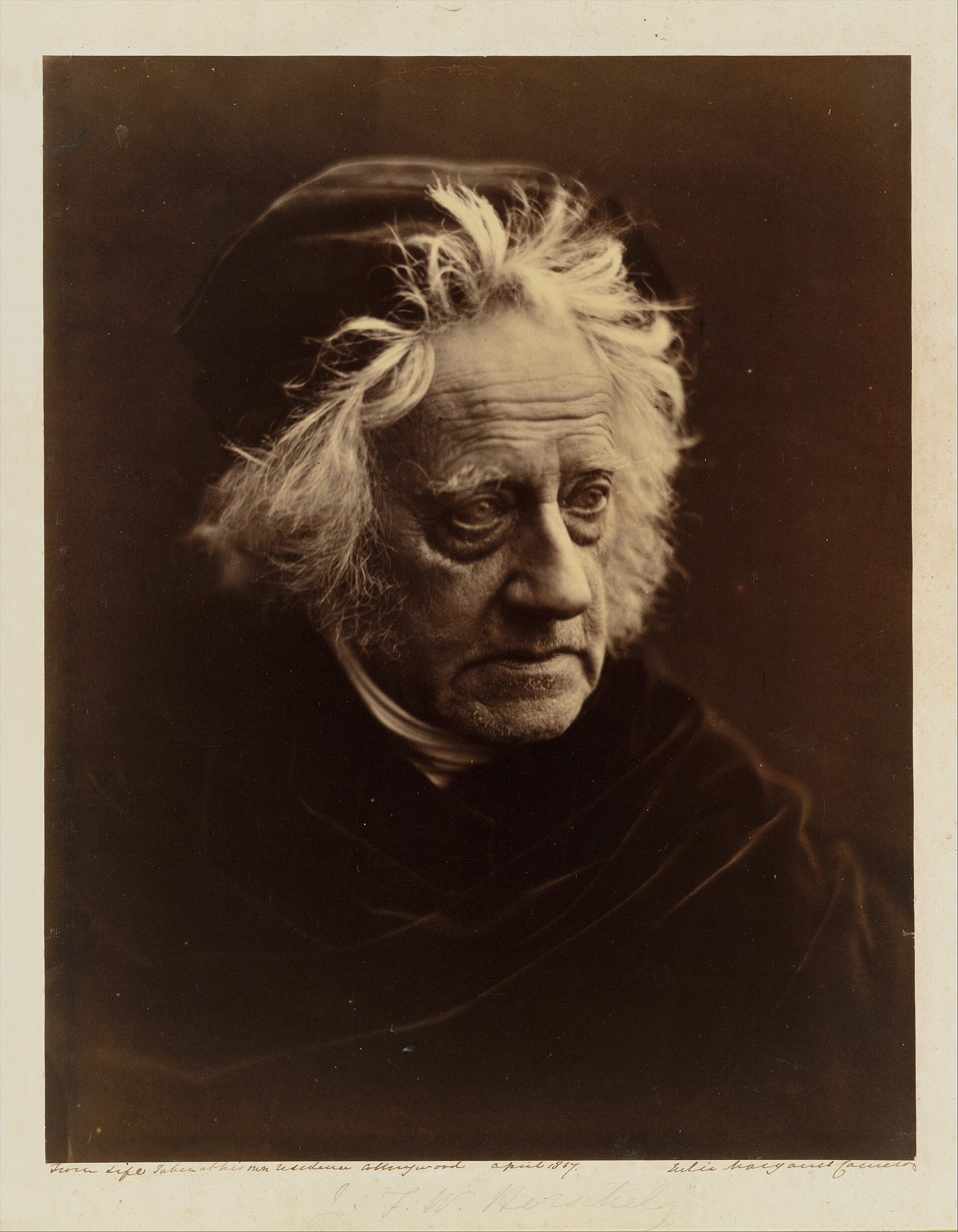
April 1867 · Albumen silver print from a wet collodion...
Metropolitan Museum of Art, New York, Department of Photographs
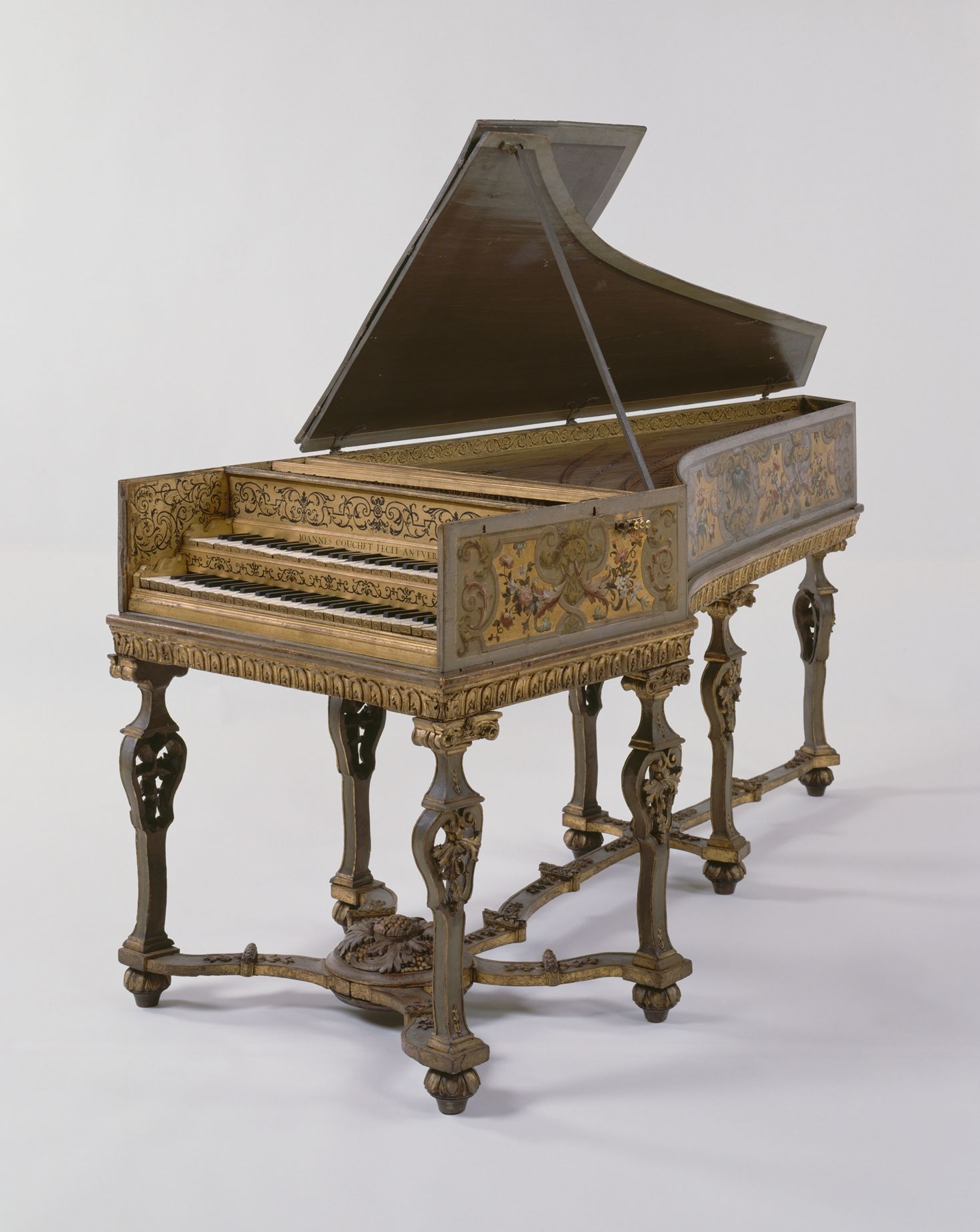
ca. 1650 · Wood and various materials
Metropolitan Museum of Art, New York, Department of Musical...
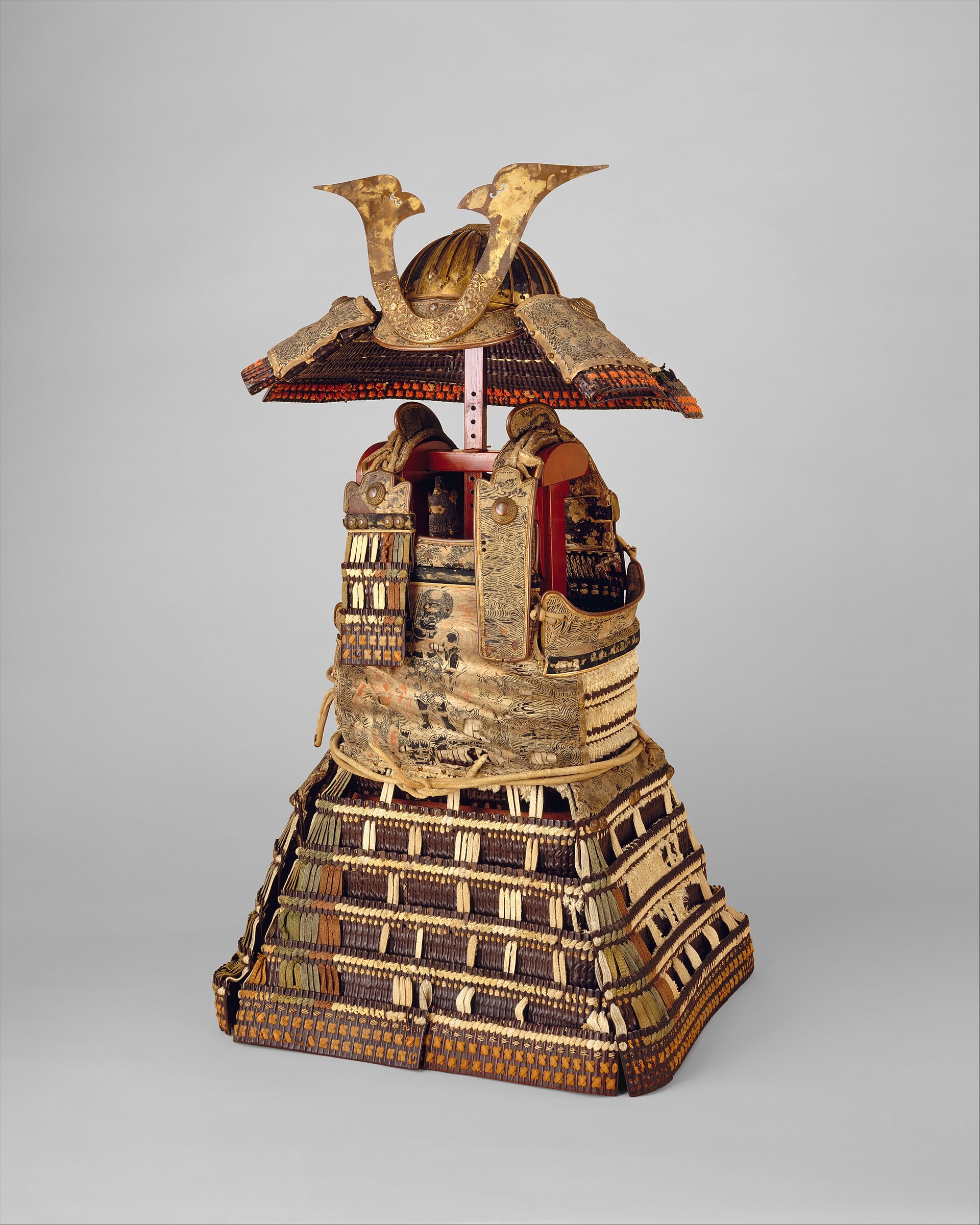
Cuirass, skirt and waidate: early 14th century, before... · Iron
The Metropolitan Museum of Art, New York, Gallery 377
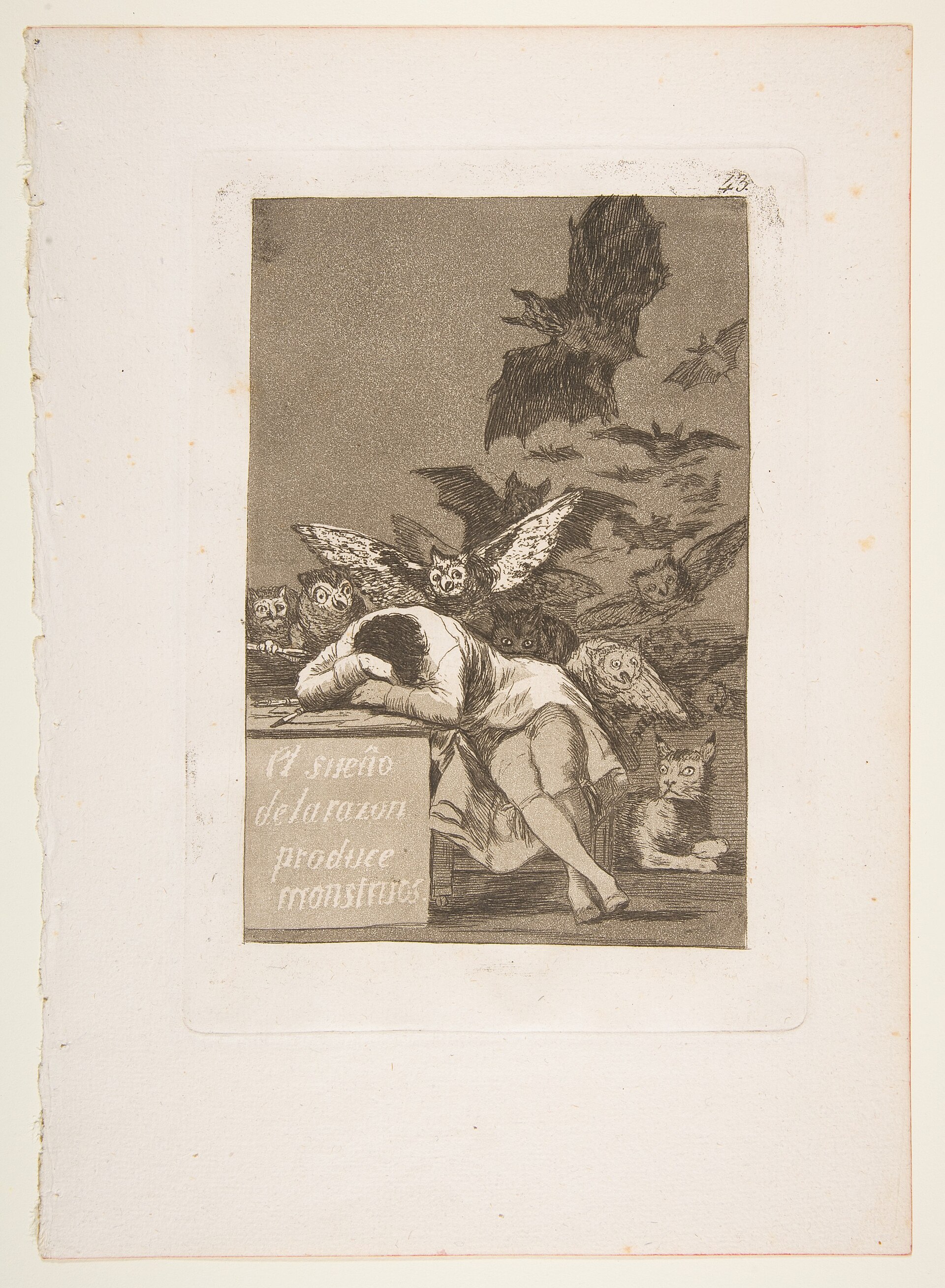
Designed and etched 1797-1799 · Etching
The Metropolitan Museum of Art, New York
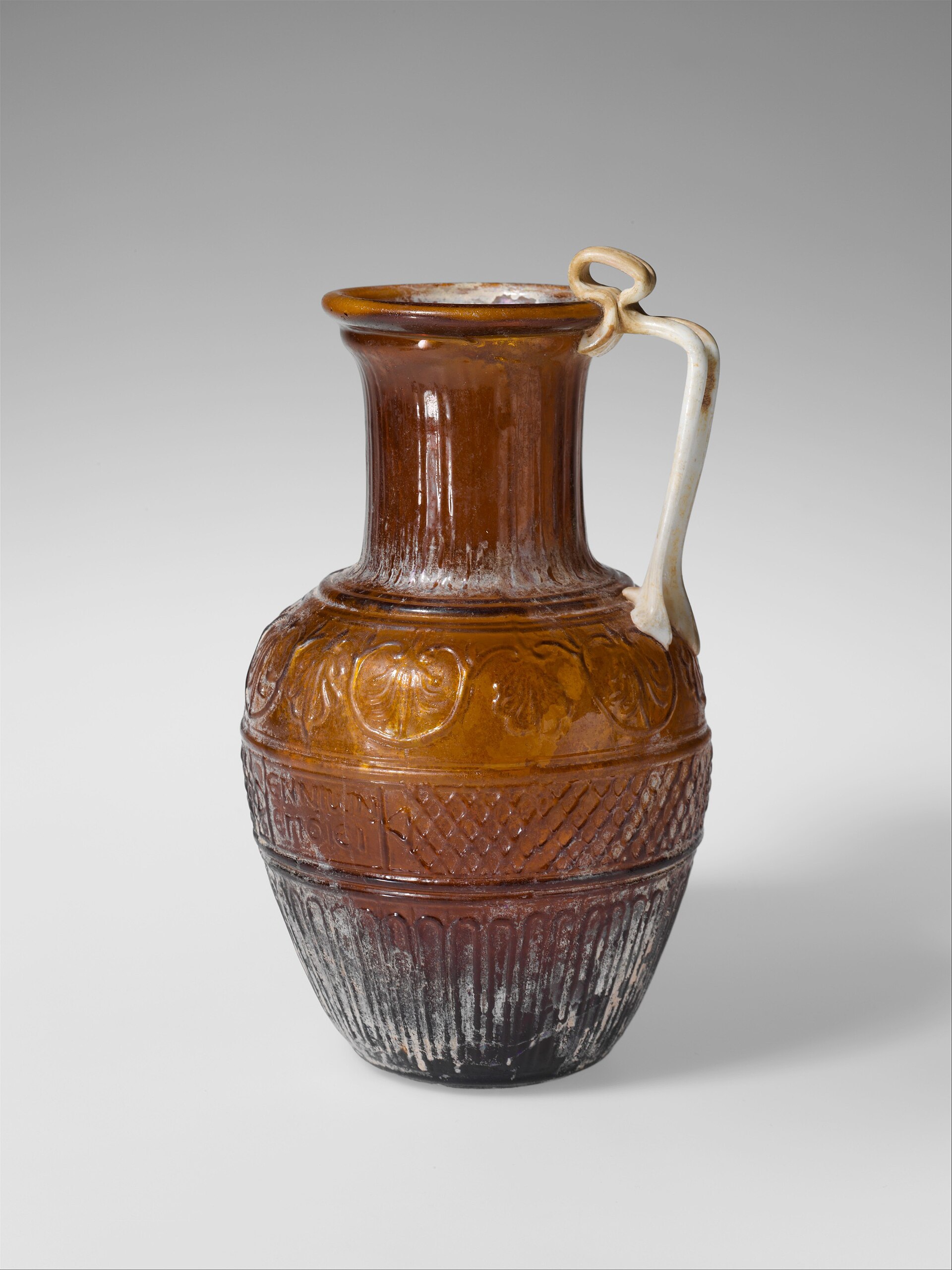
1st half of the 1st century CE · Glass
The Metropolitan Museum of Art, New York, Gallery 166
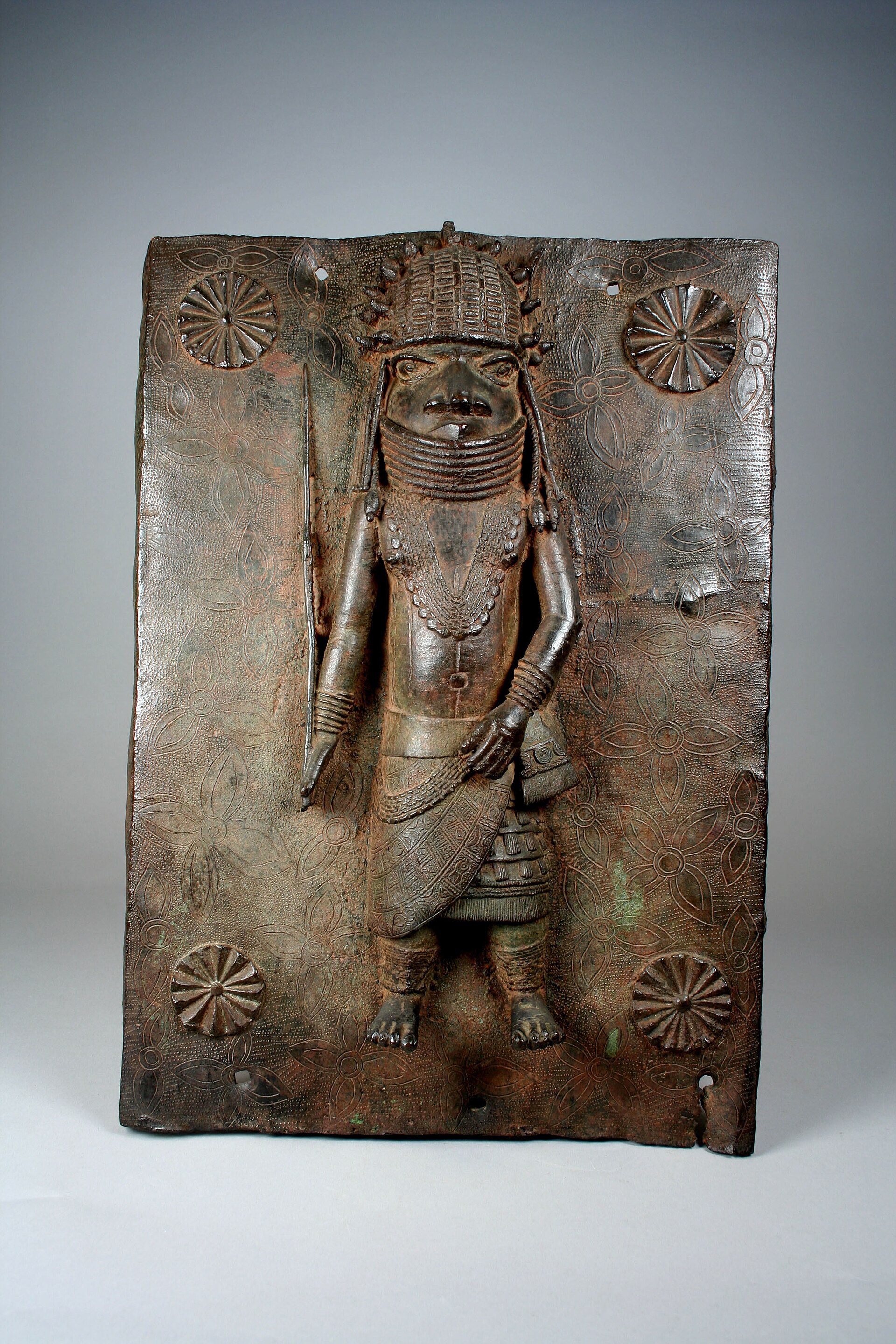
ca. 1540-70 · Brass
Metropolitan Museum of Art, New York, on view in Gallery 342...
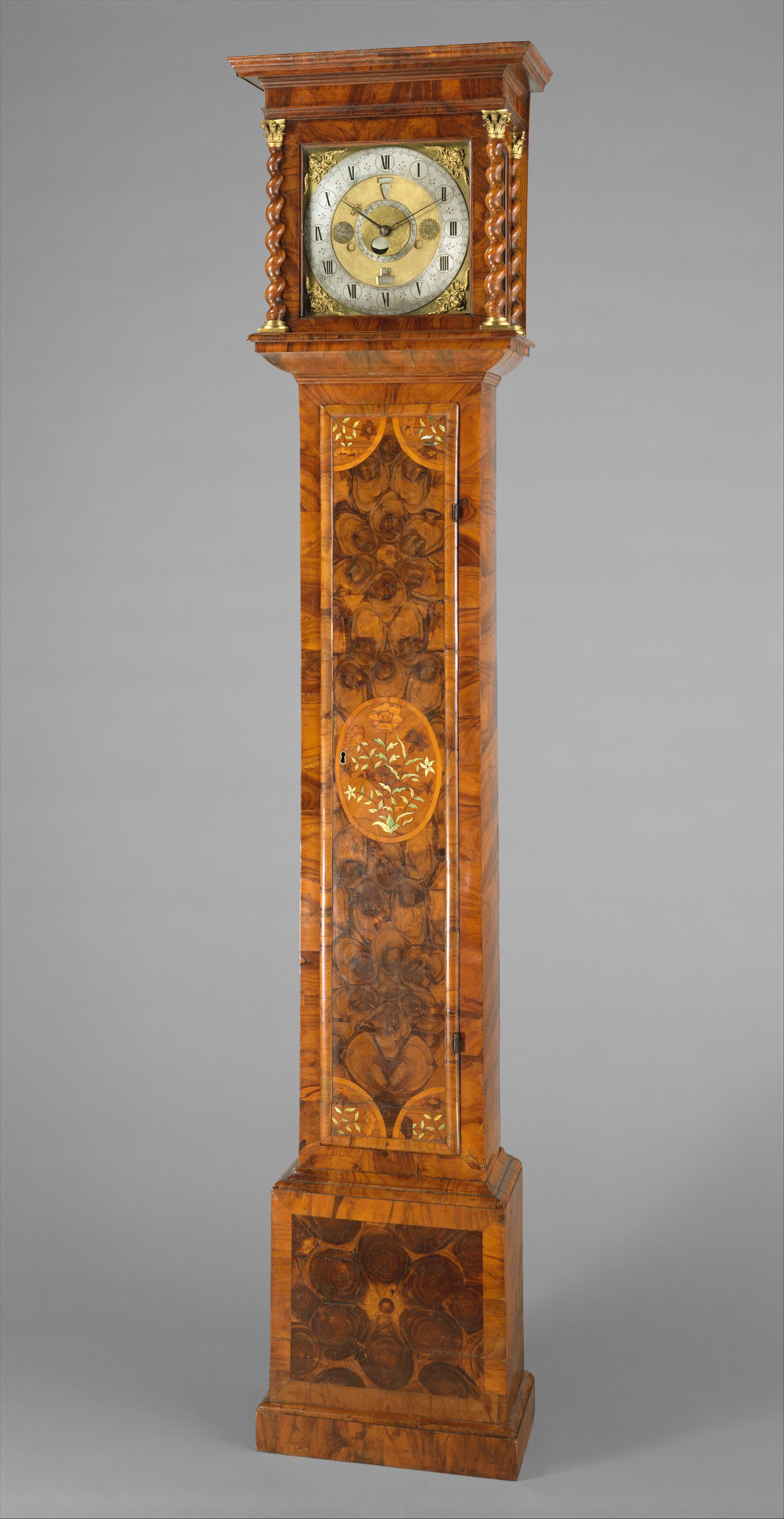
ca. 1677-80 · Case
Metropolitan Museum of Art, New York
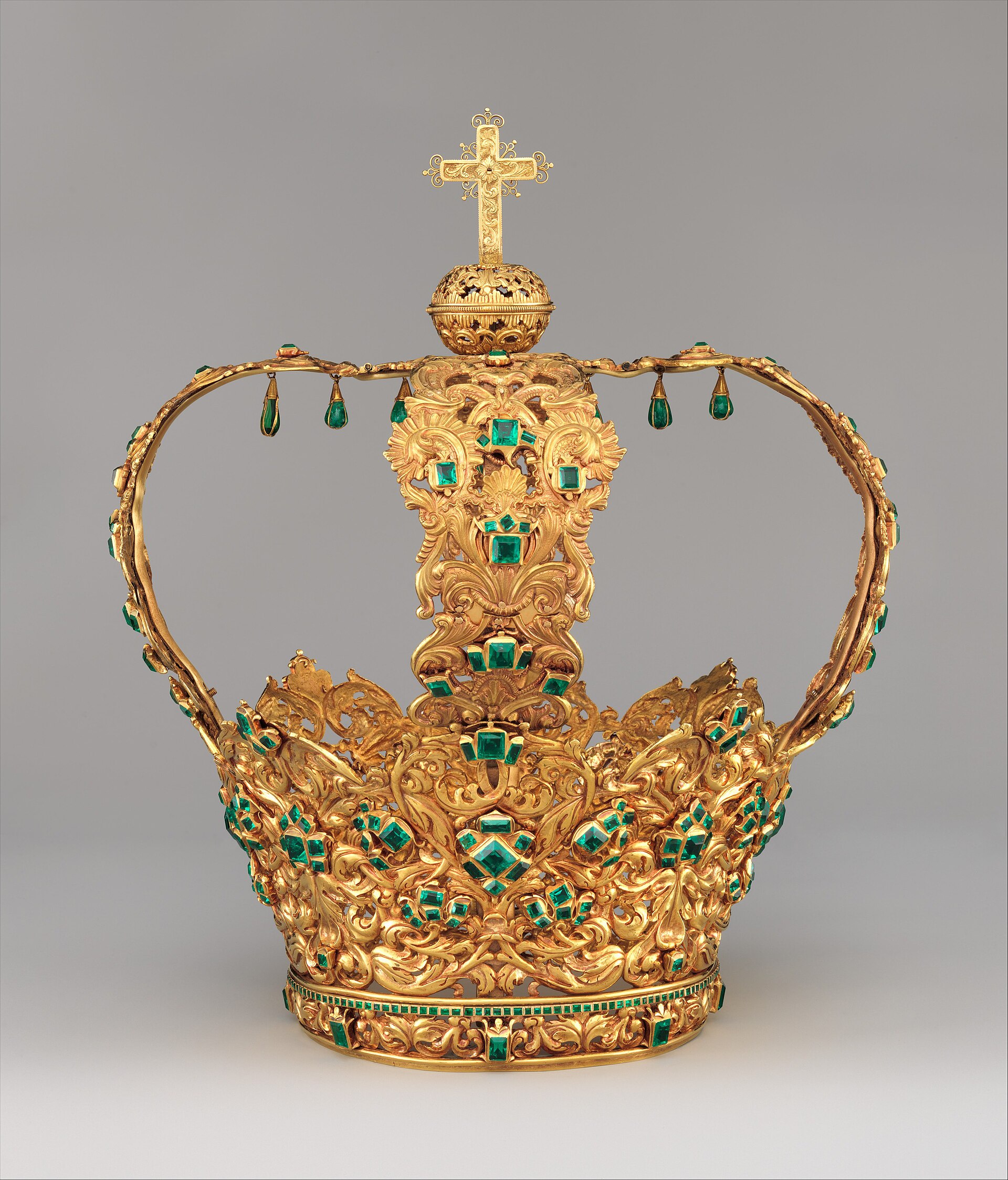
16th century · Gold
Metropolitan Museum of Art, New York
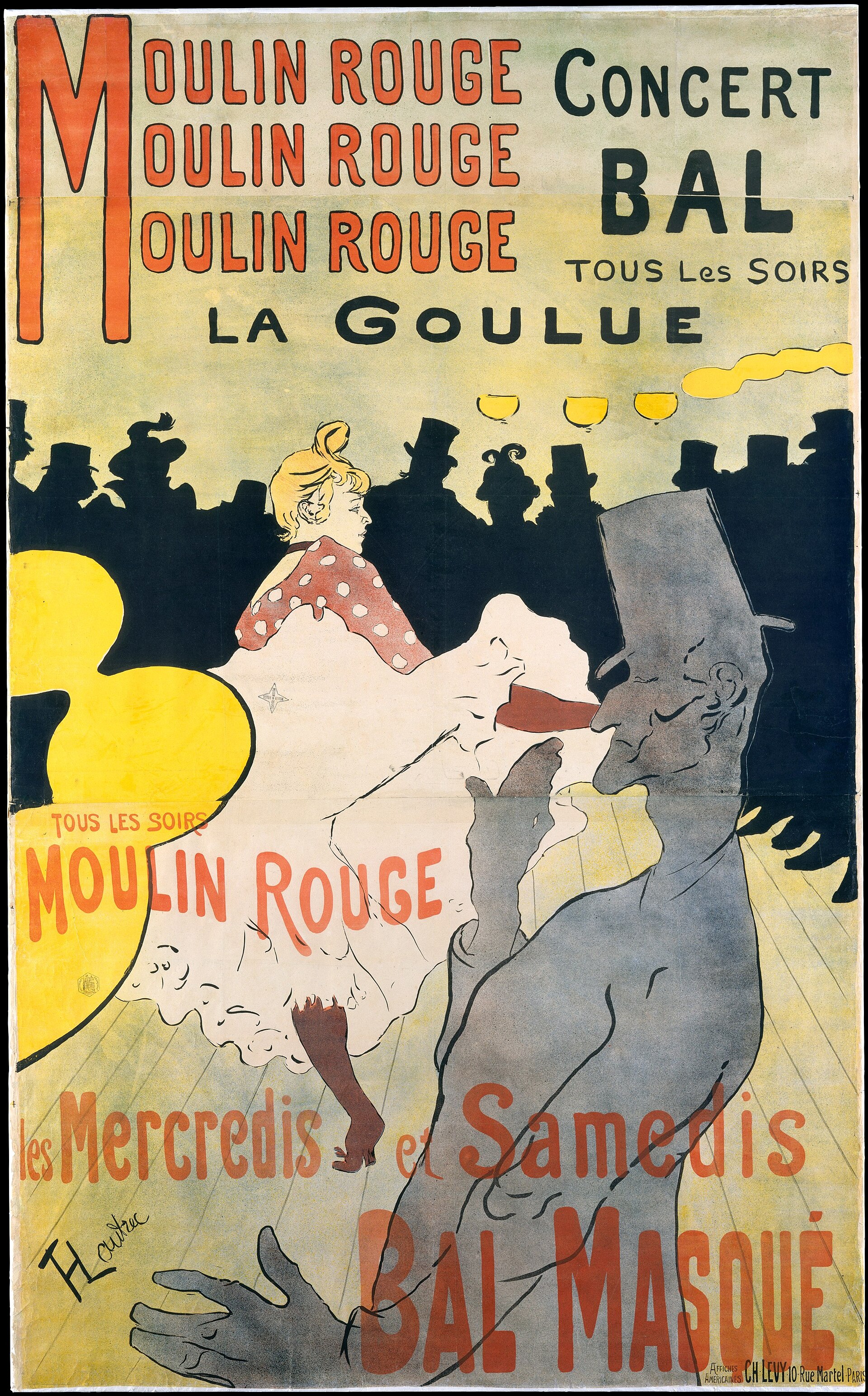
1891 · Color lithograph printed in four colors...
The Metropolitan Museum of Art, New York, Department of...
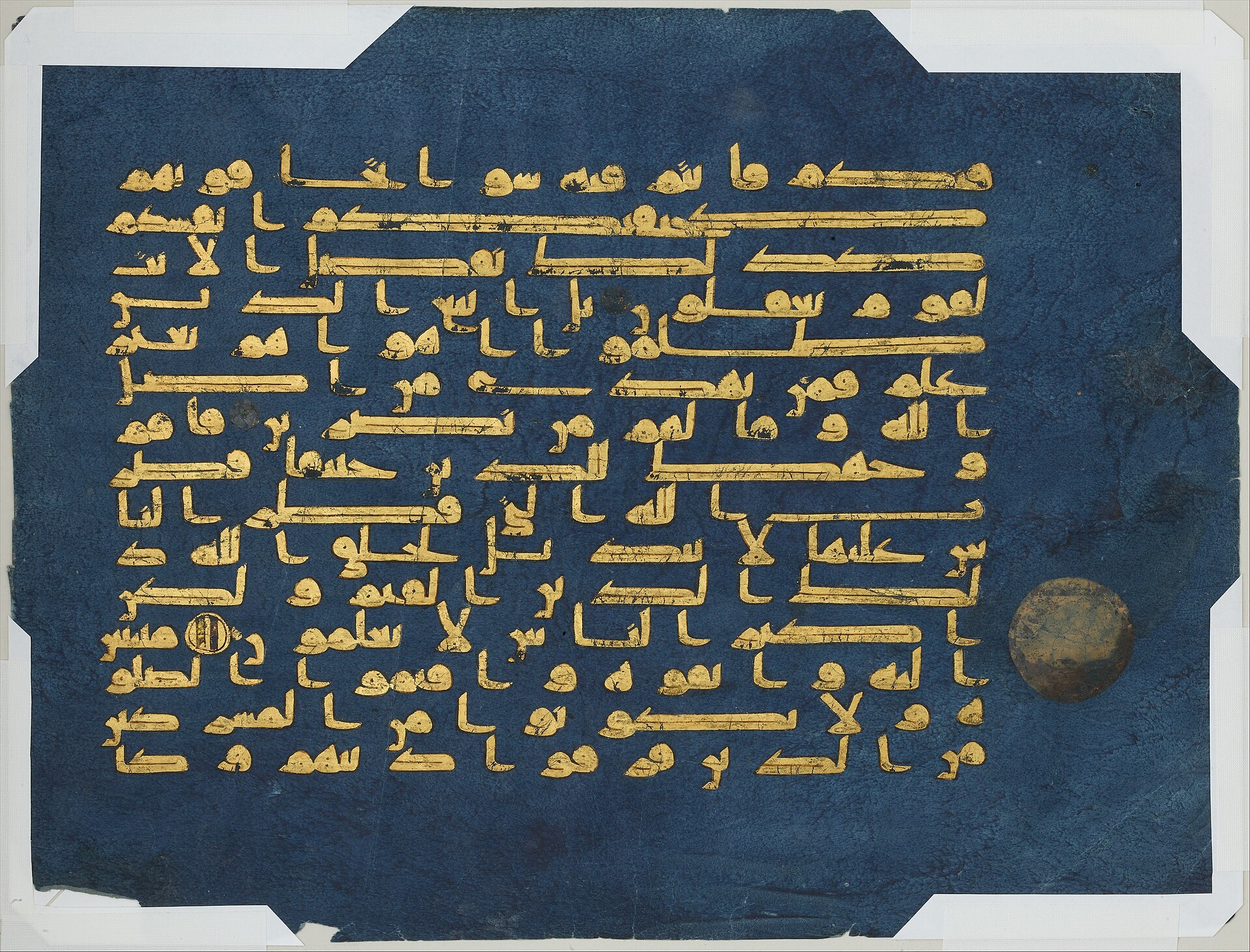
second half 9th century - mid 10th century CE · Gold and silver on indigo-dyed parchment
Metropolitan Museum of Art, New York, Department of Islamic Art
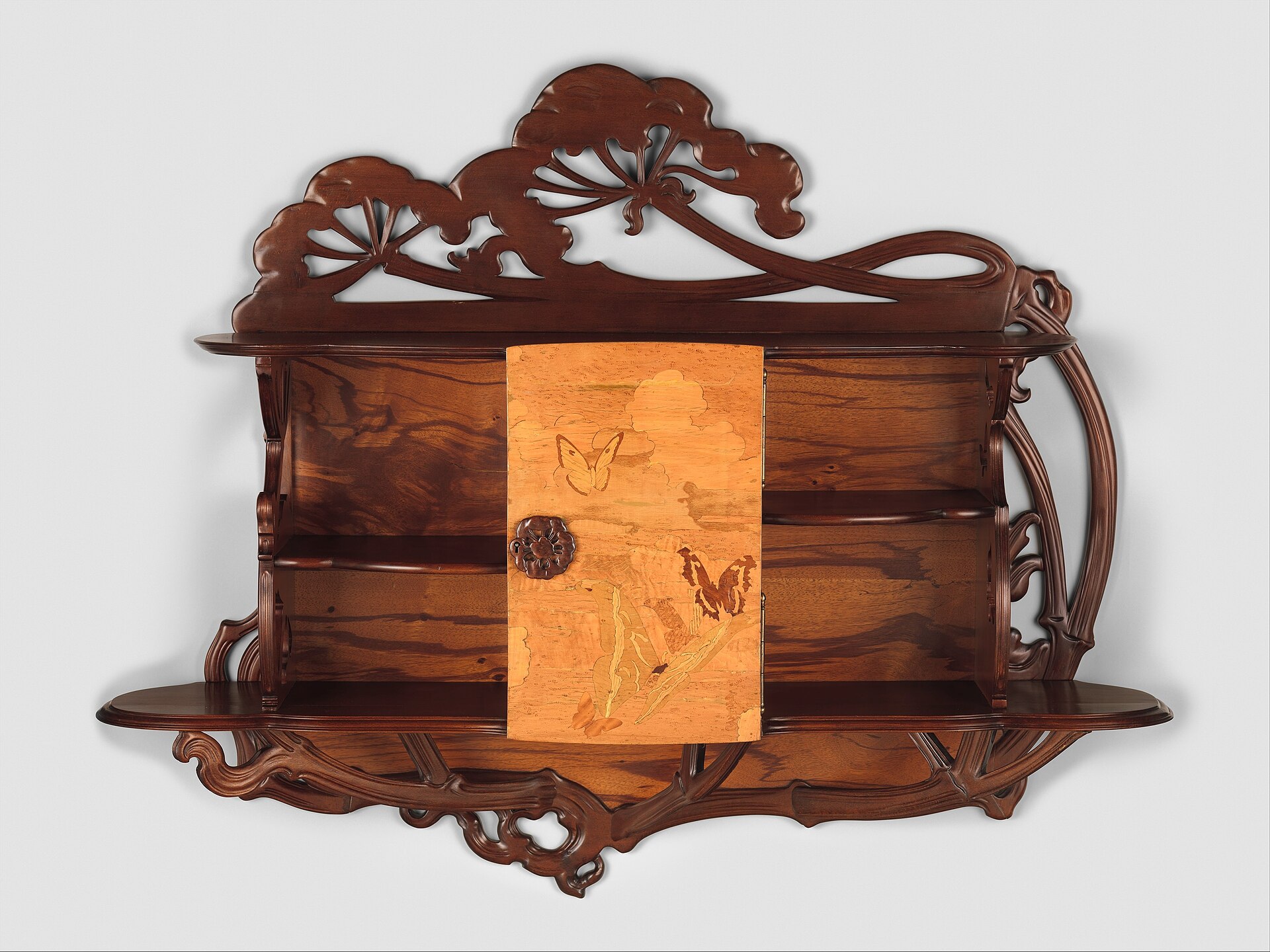
ca. 1900 · Case and carved elements in stained beech
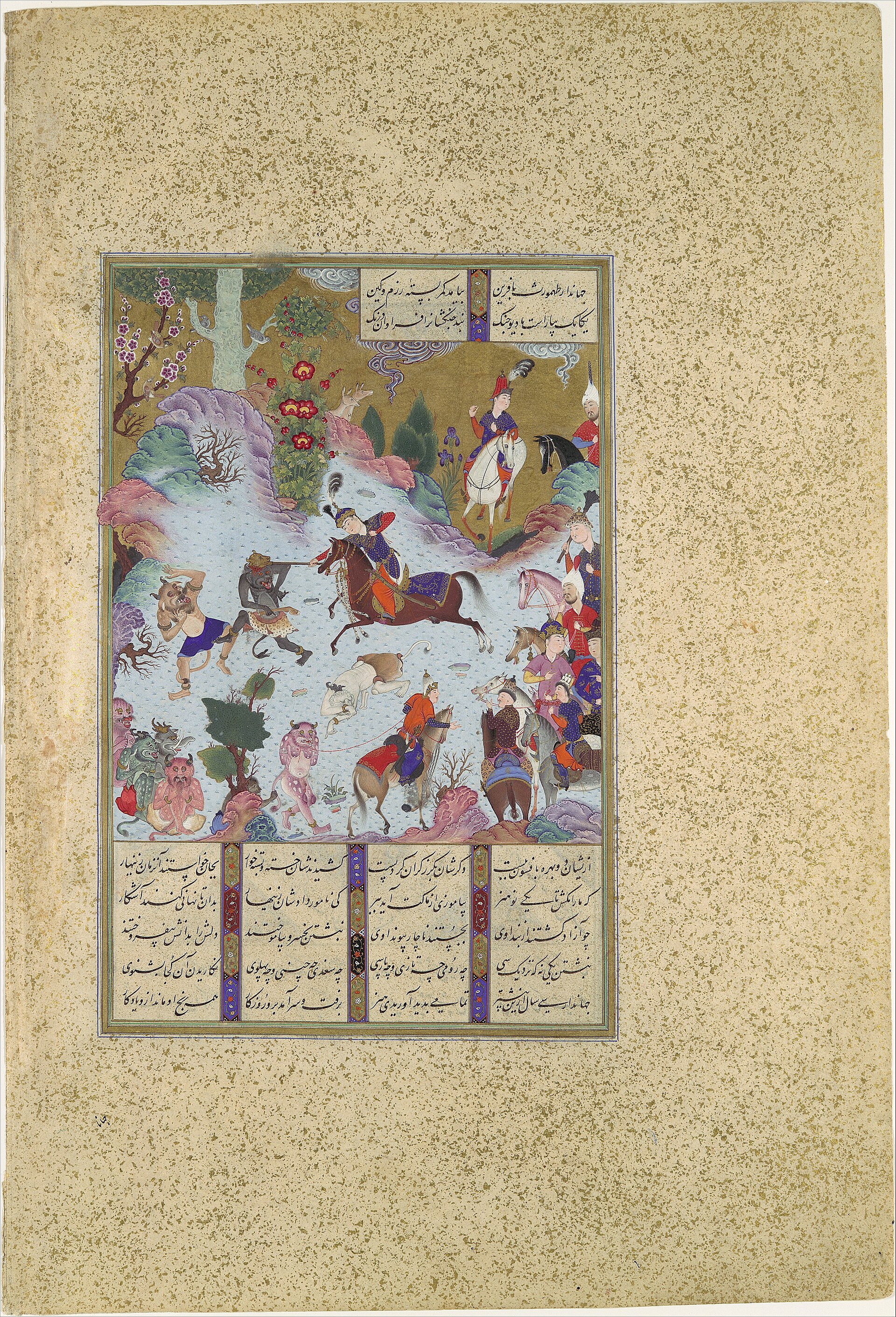
ca. 1525 · Opaque watercolor
Metropolitan Museum of Art, New York, Department of Islamic Art
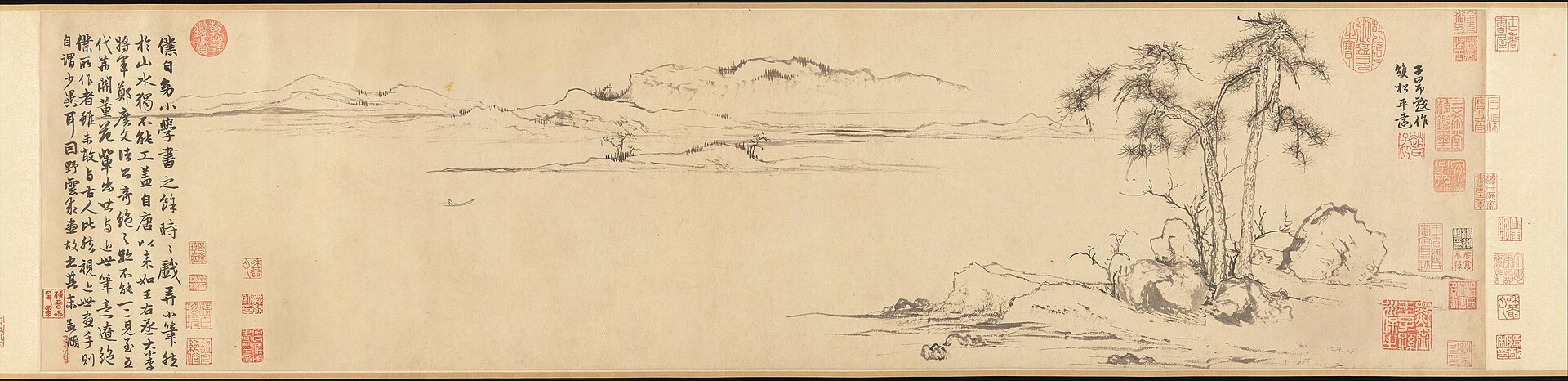
ca. 1310 · Handscroll
The Metropolitan Museum of Art, New York, Department of Asian...
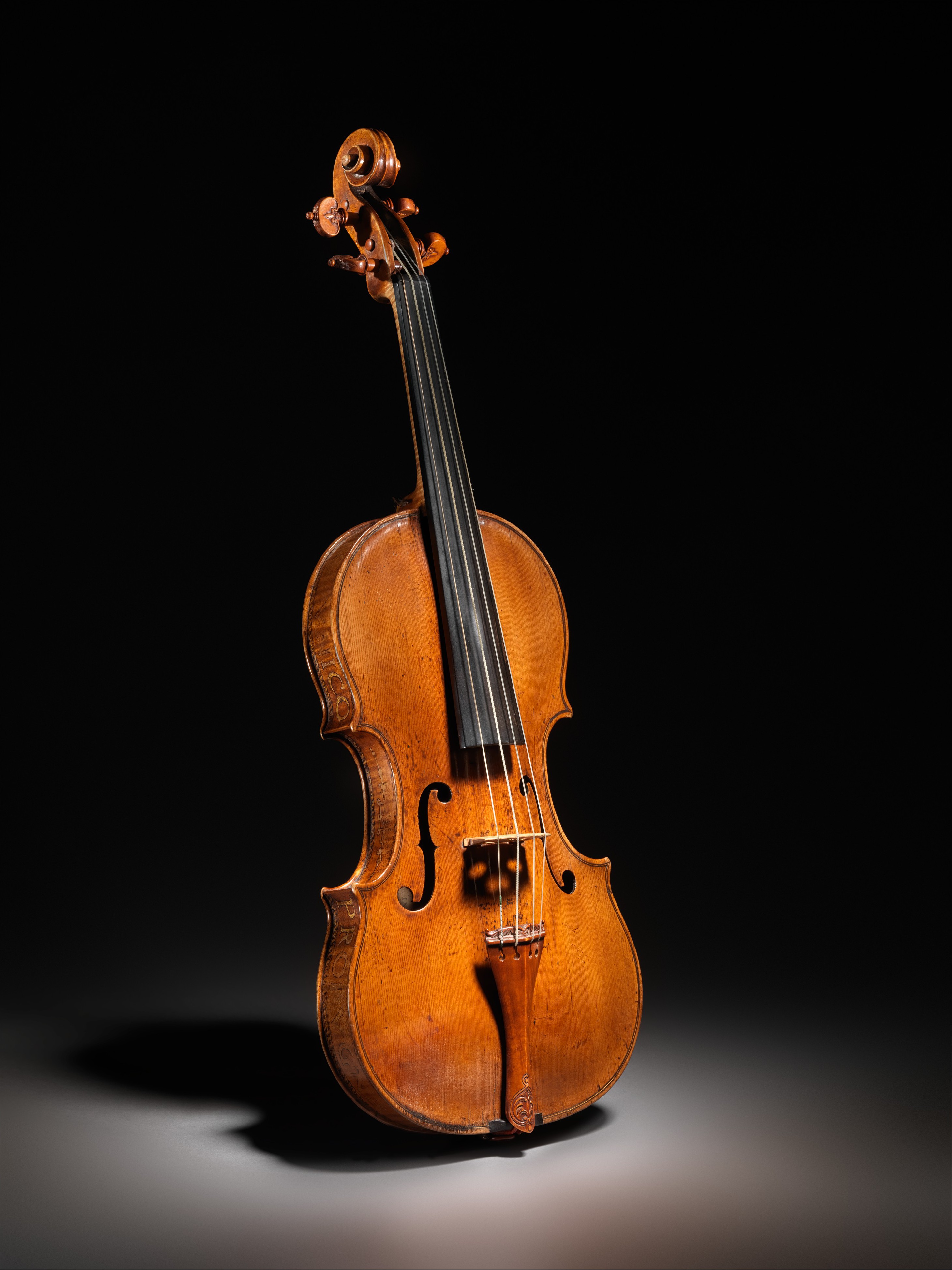
ca. 1560 · Spruce
Metropolitan Museum of Art, New York, Department of Musical...
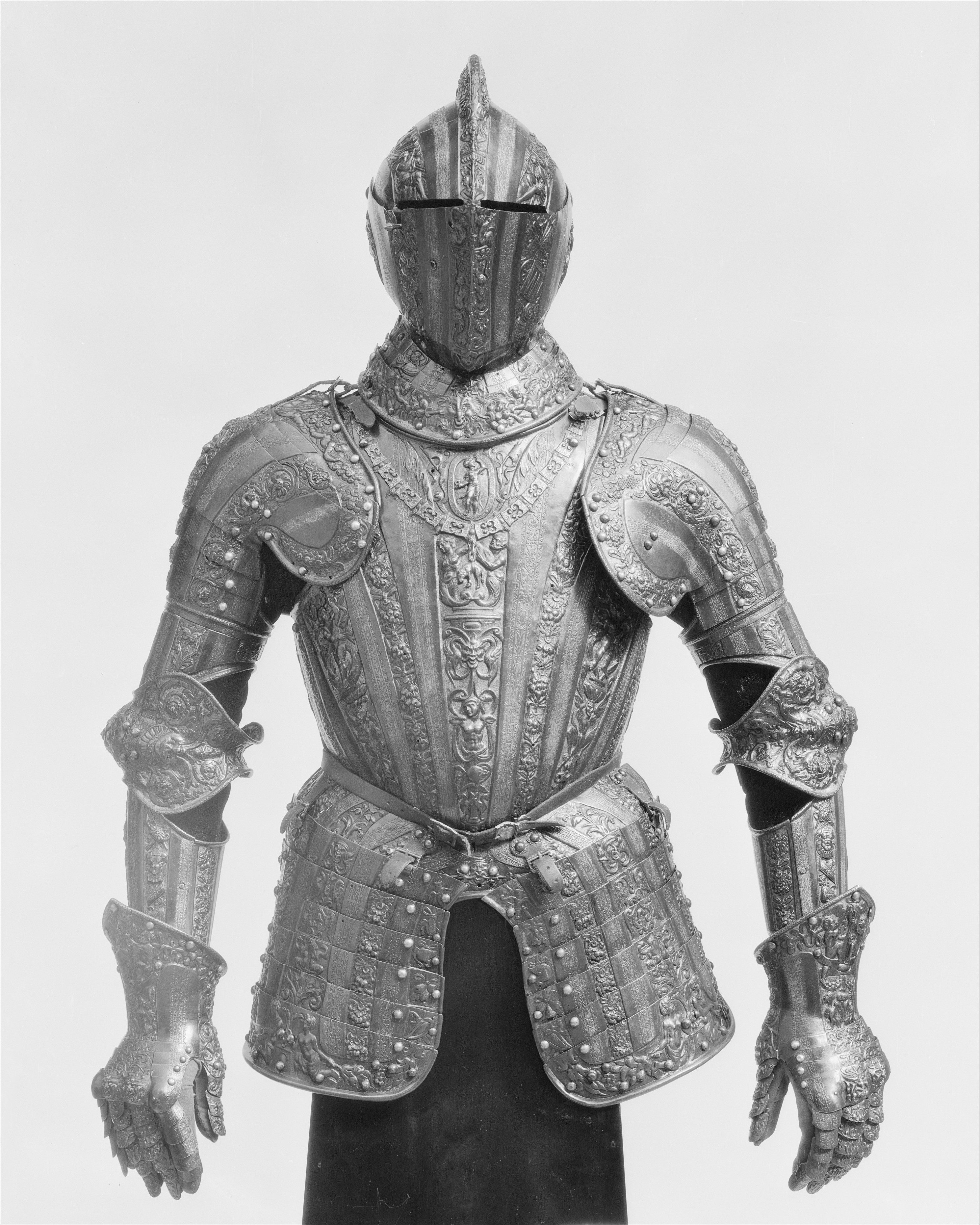
Partially mid-16th century · Steel and gold
Metropolitan Museum of Art, New York
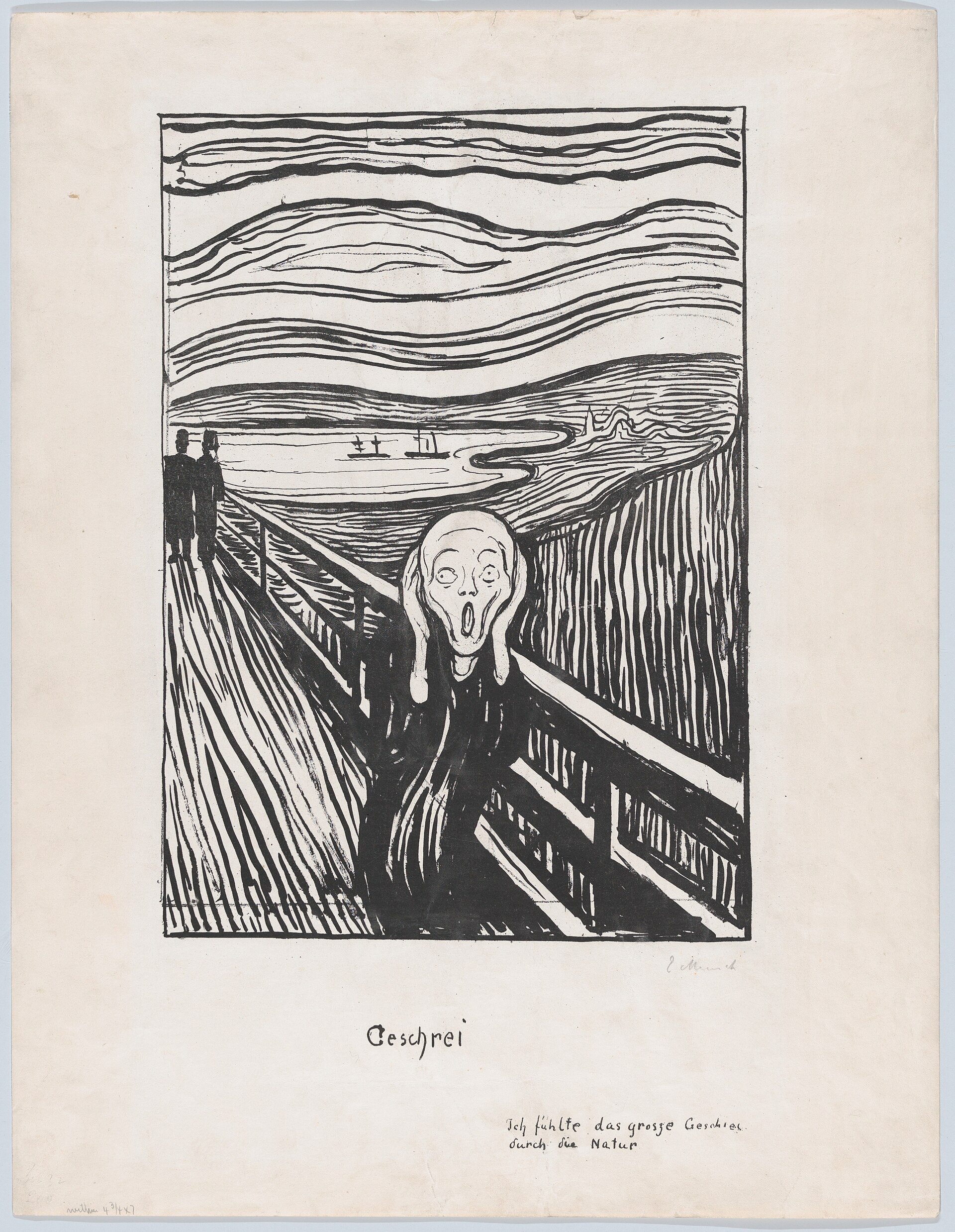
1895 · Lithograph in black ink on wove paper
Metropolitan Museum of Art, New York, Department of Drawings...
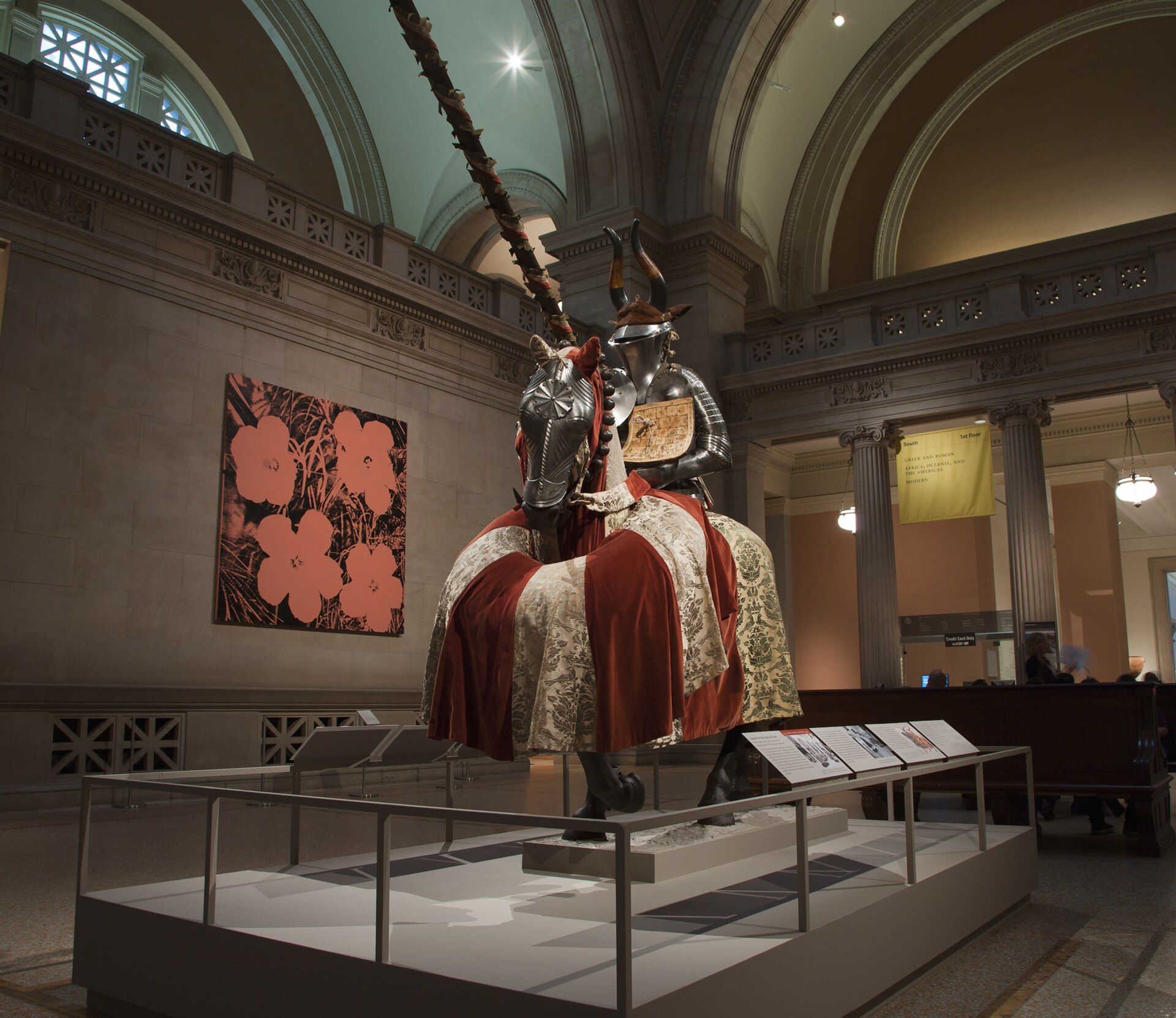
Genuine elements probably late 15th century · Steel
The Metropolitan Museum of Art, New York, Department of Arms...
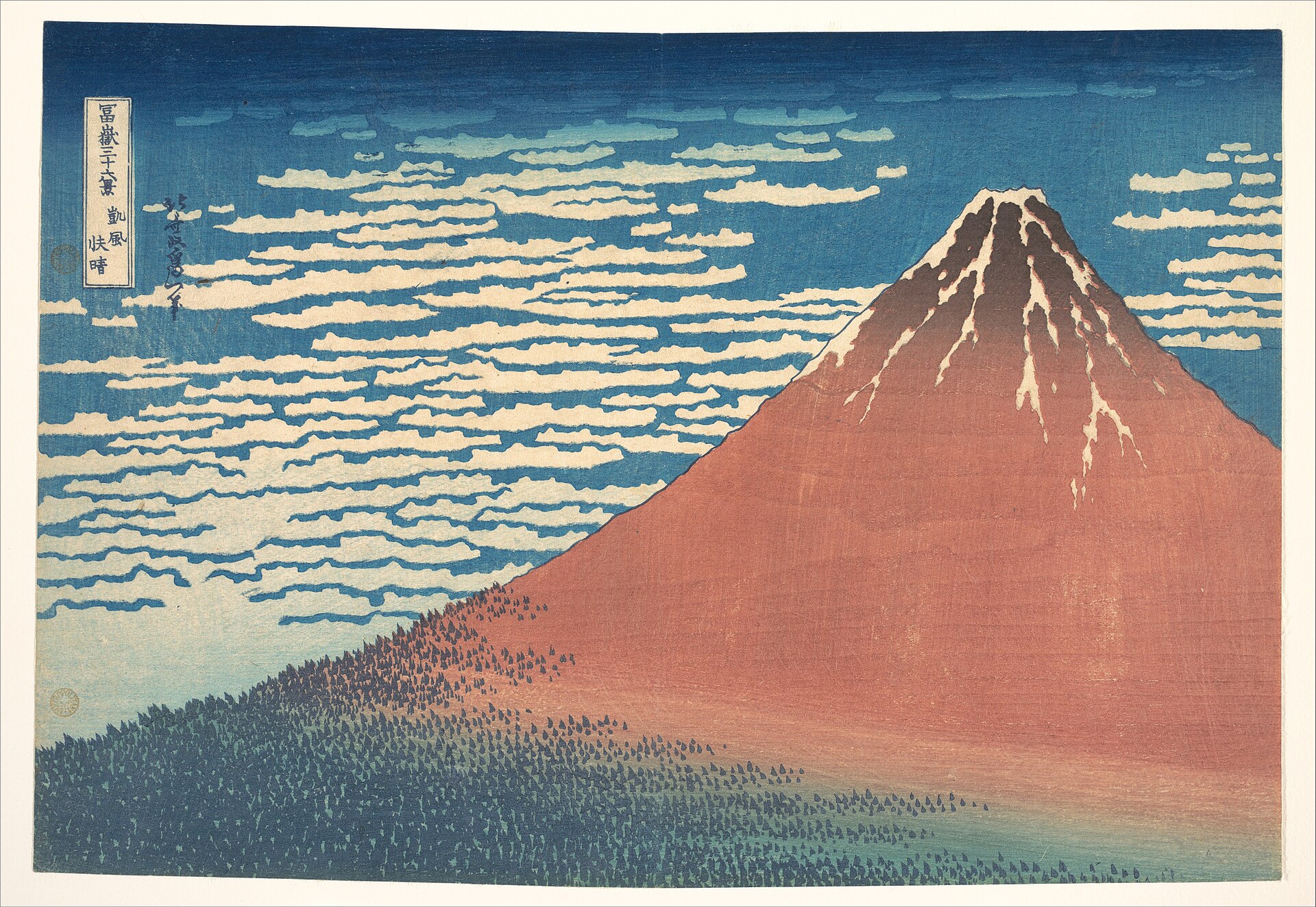
c. 1830-32 · Woodblock print
Metropolitan Museum of Art, New York
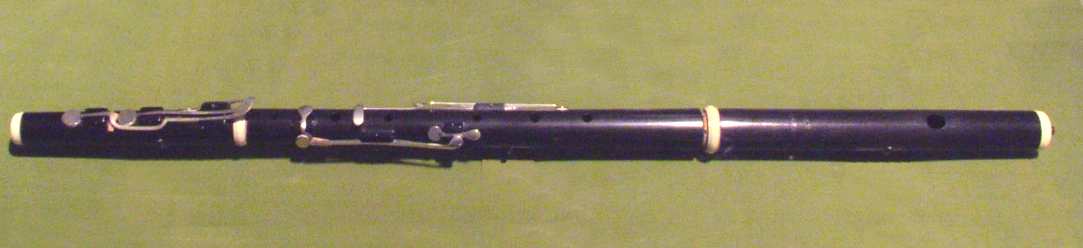
1828-1832 · Ebony
Metropolitan Museum of Art, New York
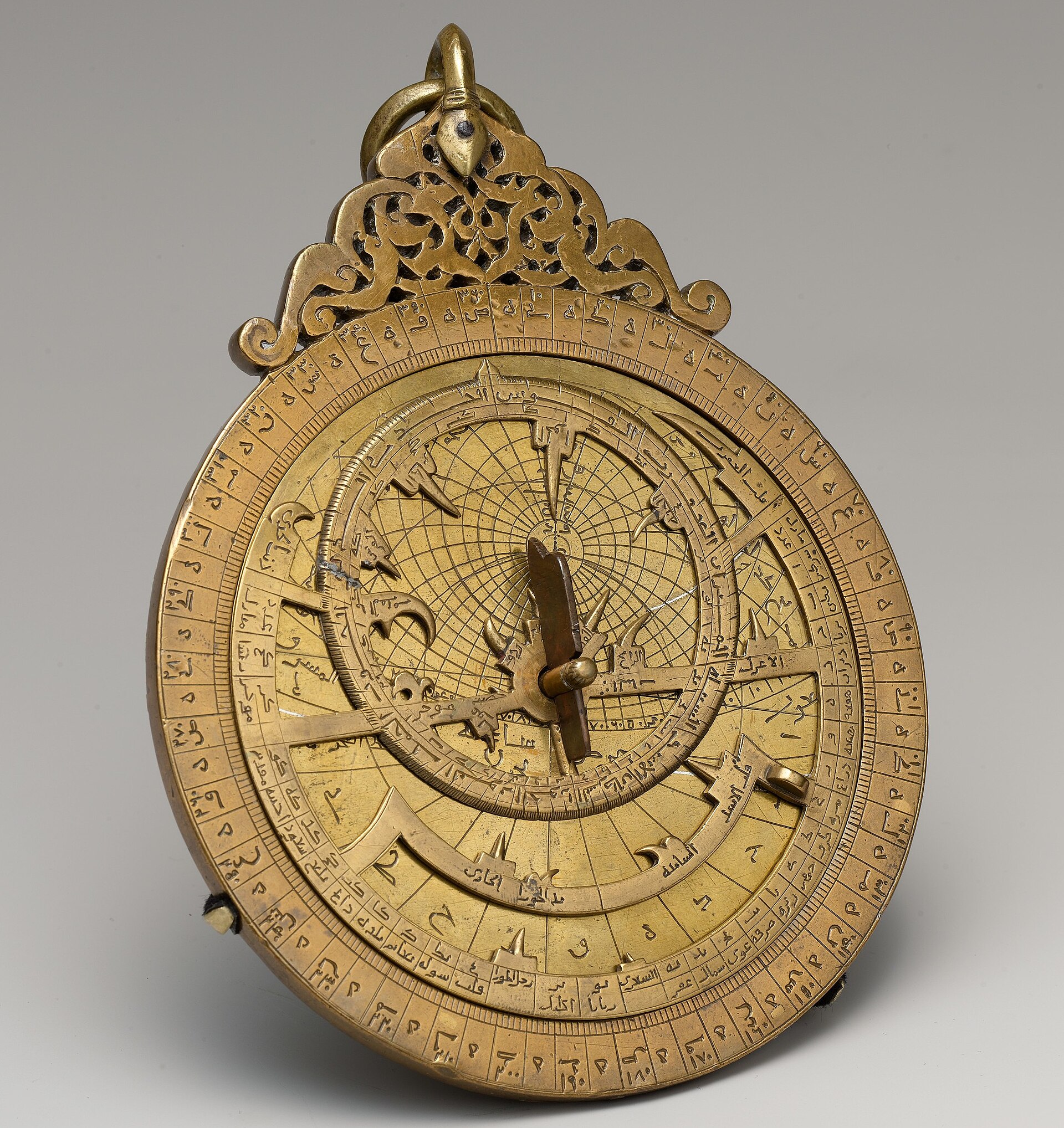
690 AH / 1291 CE · Brass
Metropolitan Museum of Art, New York, Department of Islamic Art
1586 · Steel
Metropolitan Museum of Art, New York, Department of Arms and...
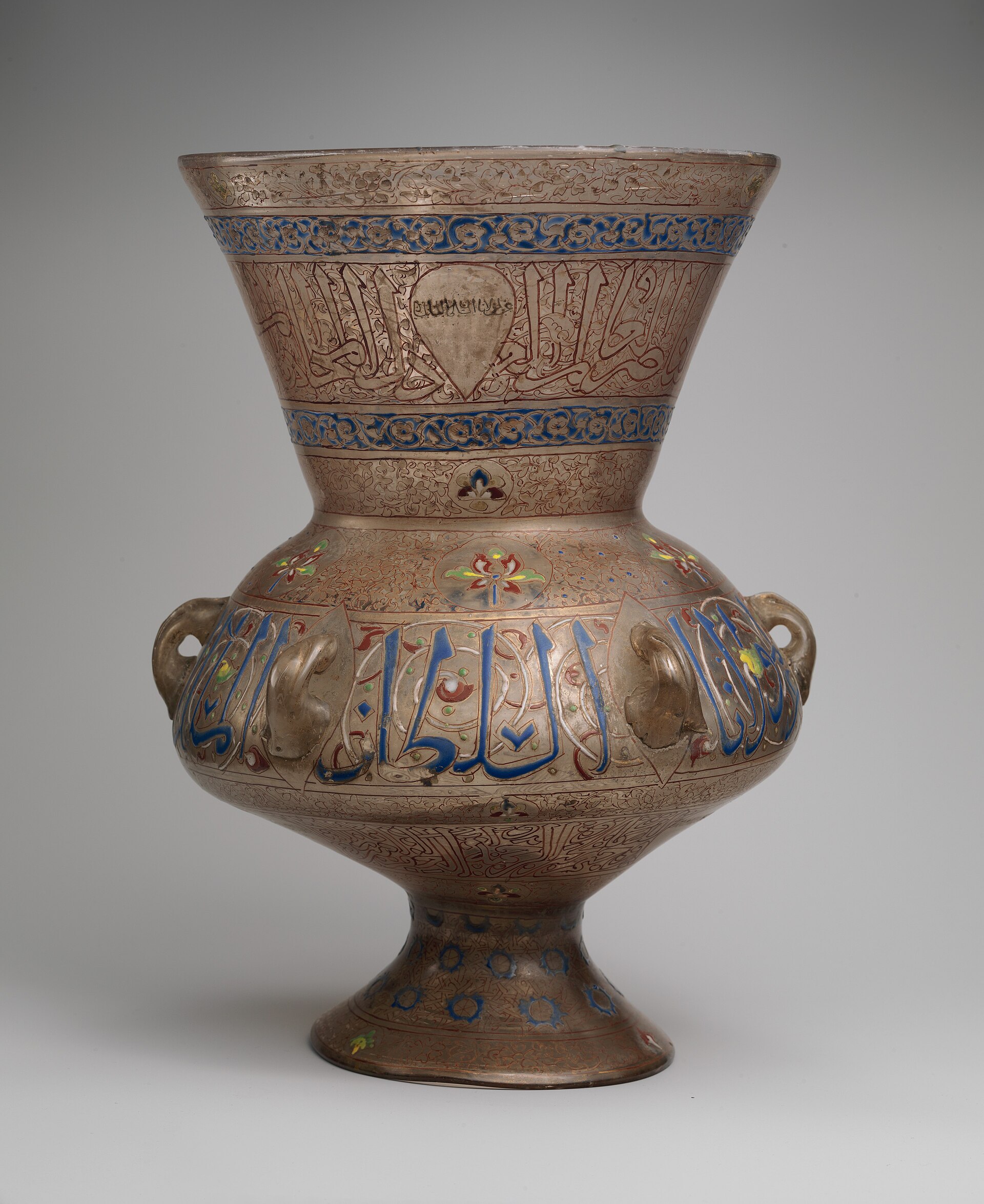
ca. 1340 · Glass
Metropolitan Museum of Art, New York
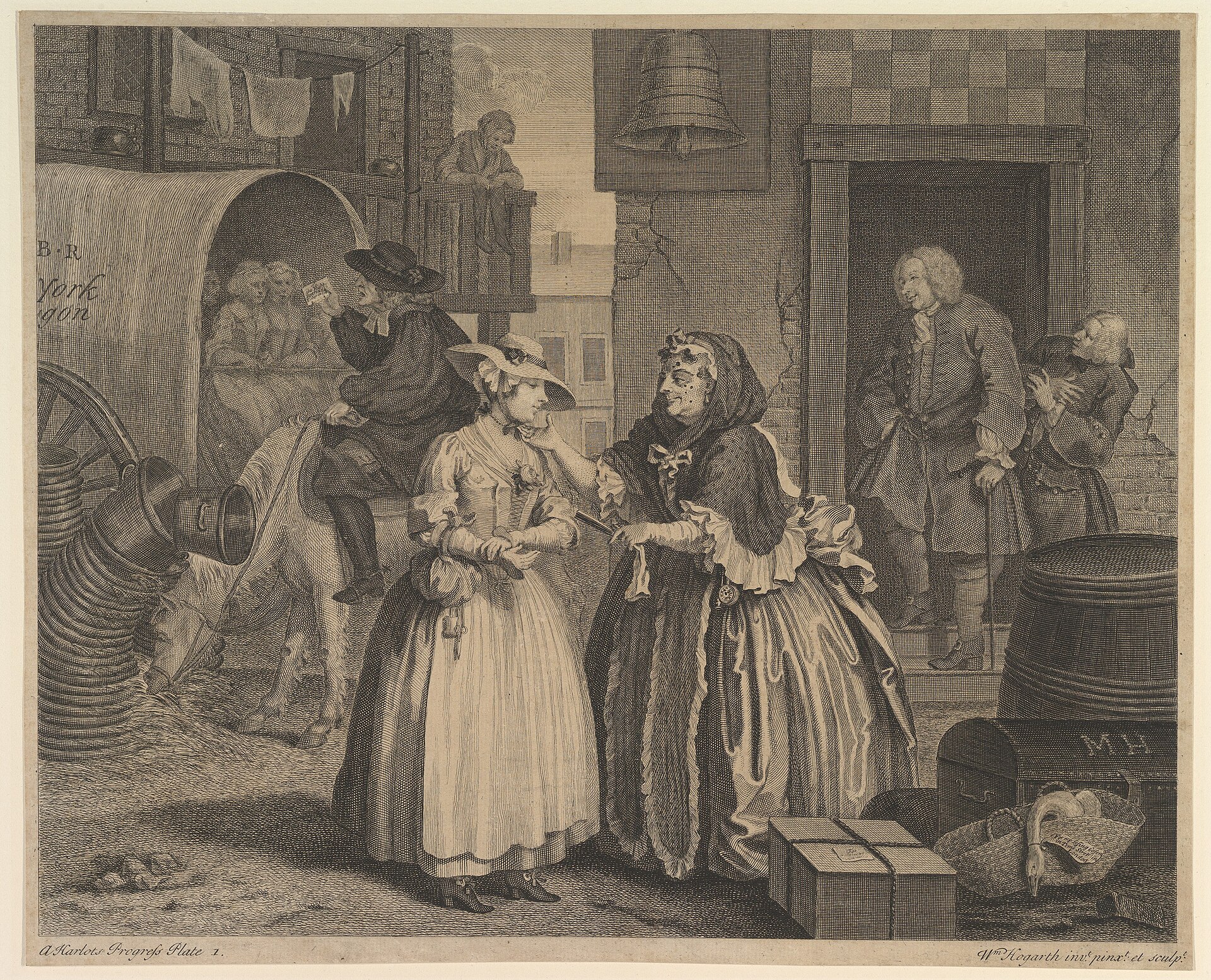
before April 1732 · Etching and engraving on laid paper
Metropolitan Museum of Art, New York, Department of Drawings...
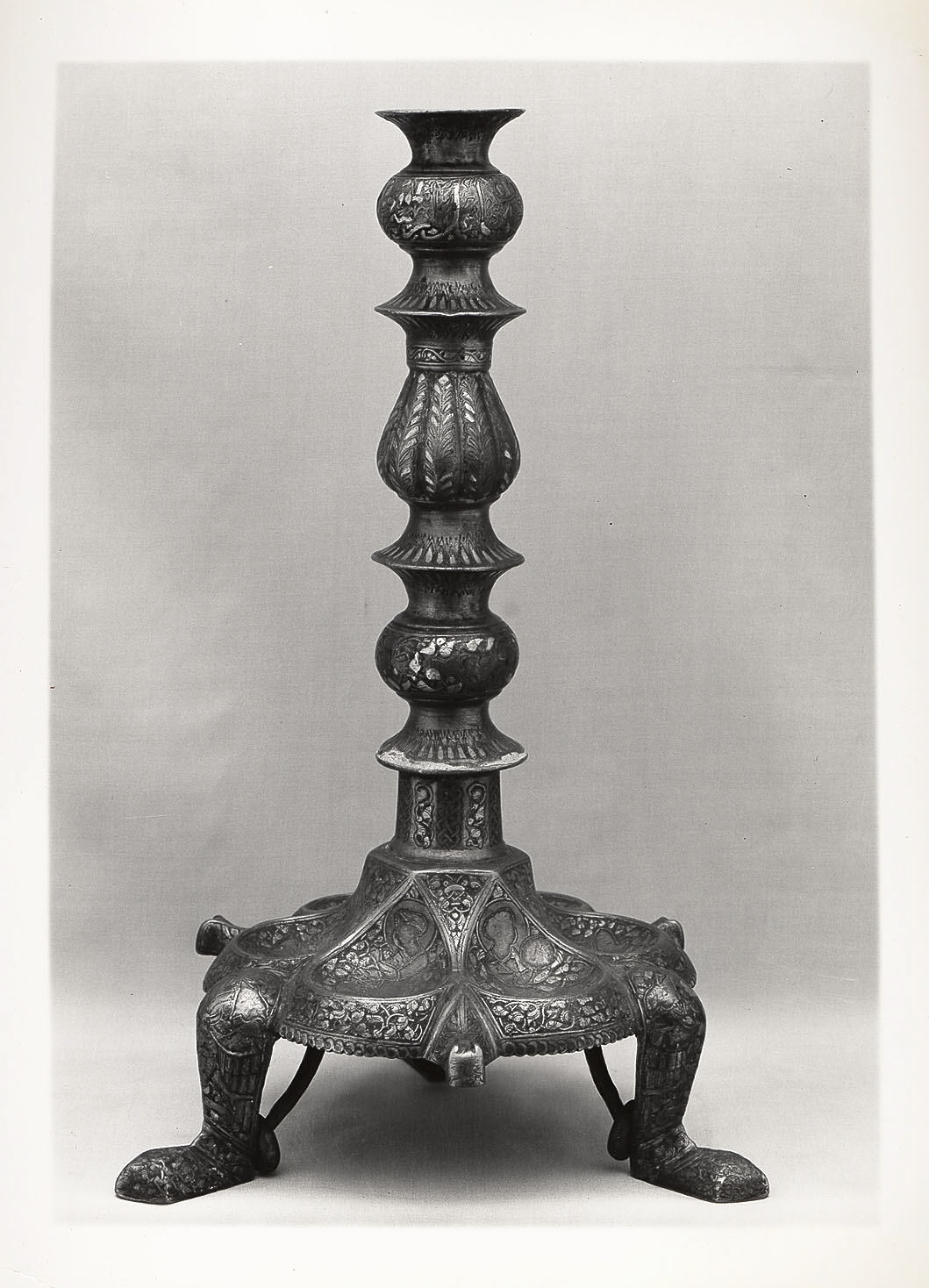
1250-1300 · Brass
The Metropolitan Museum of Art, New York, Islamic Art...
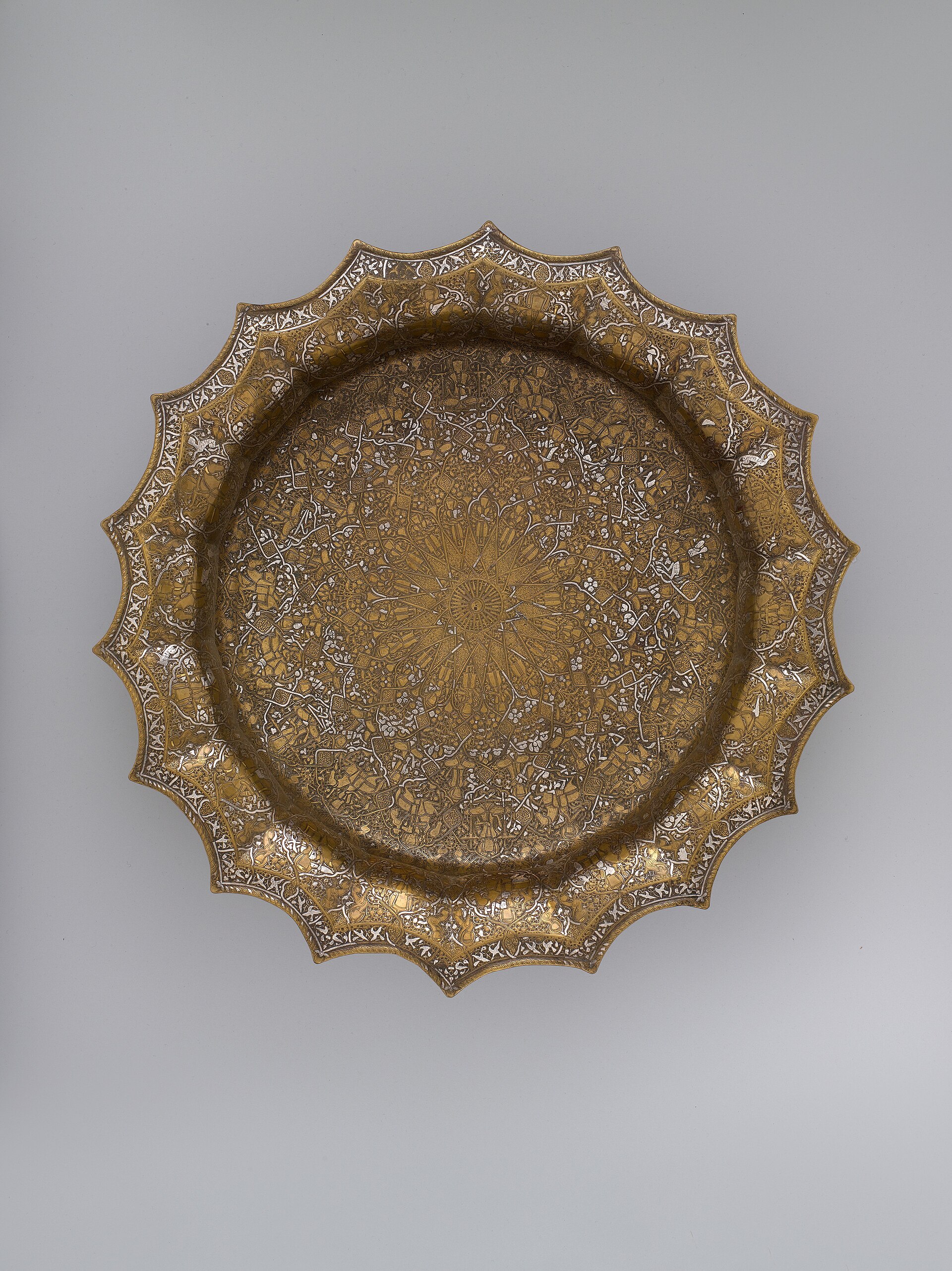
early 14th century · Brass
The Metropolitan Museum of Art, New York, Islamic Art...
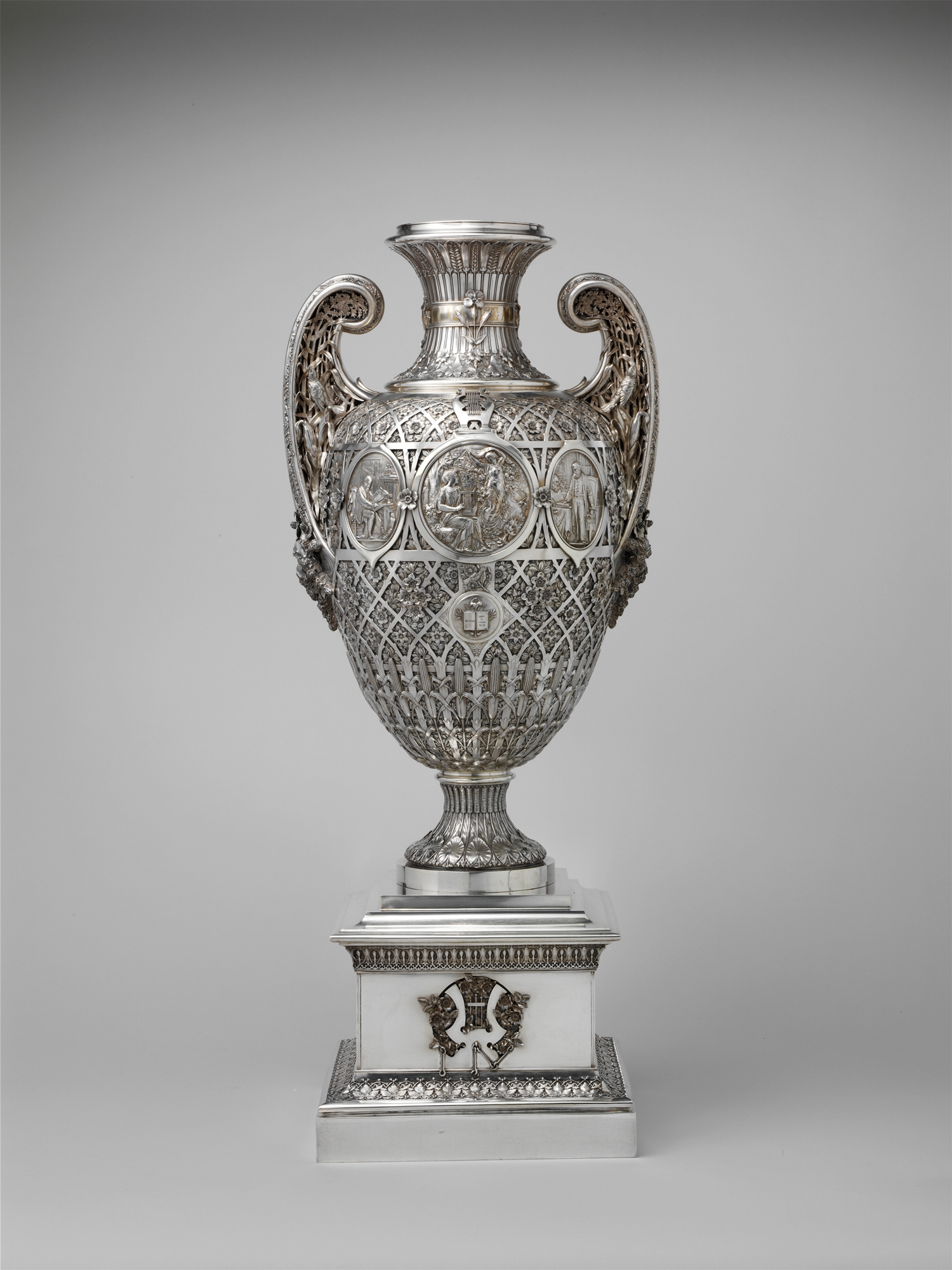
1875-1876 · Silver and gold
Metropolitan Museum of Art, New York
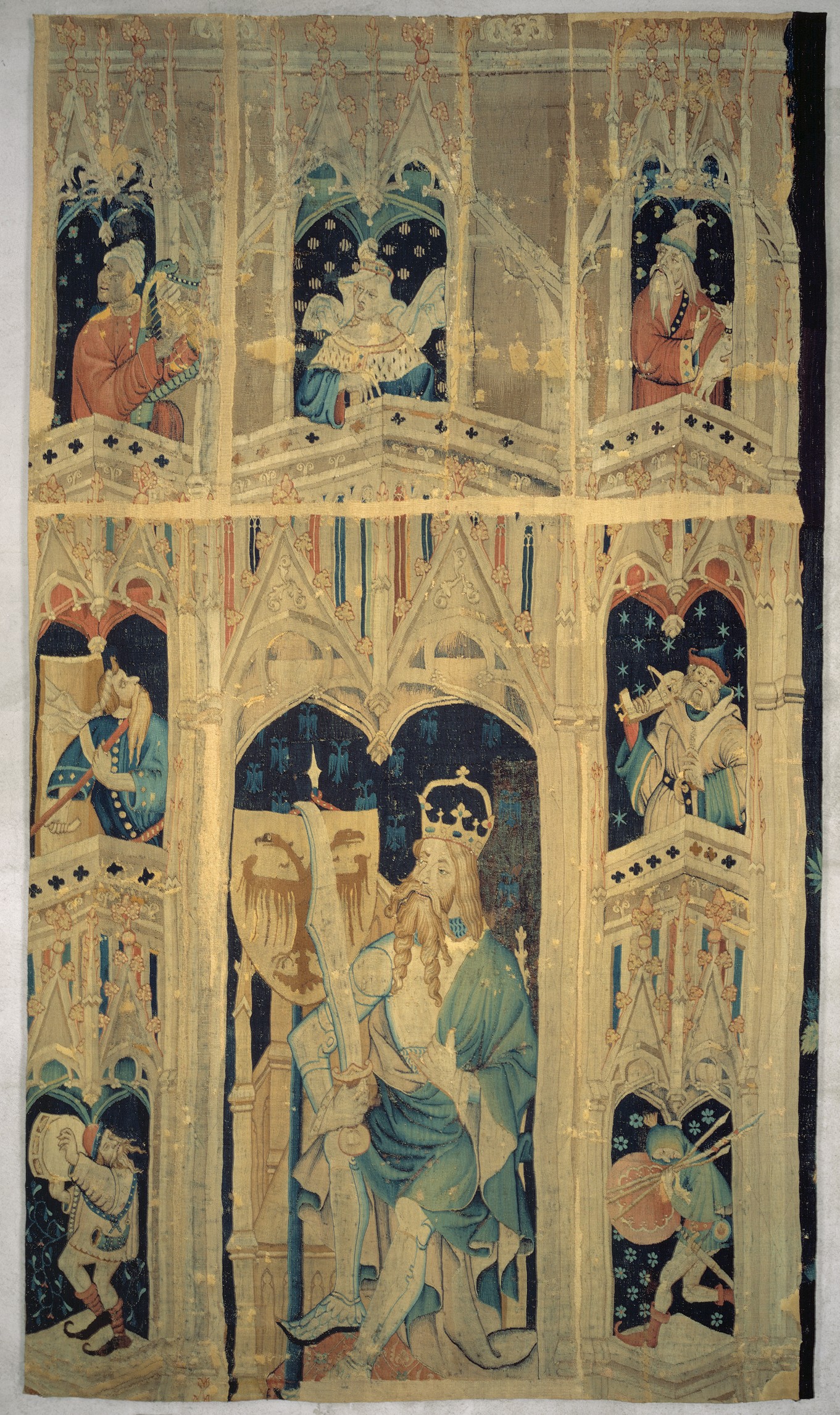
ca. 1400-1410 · Wool warp
The Metropolitan Museum of Art, The Cloisters, New York...
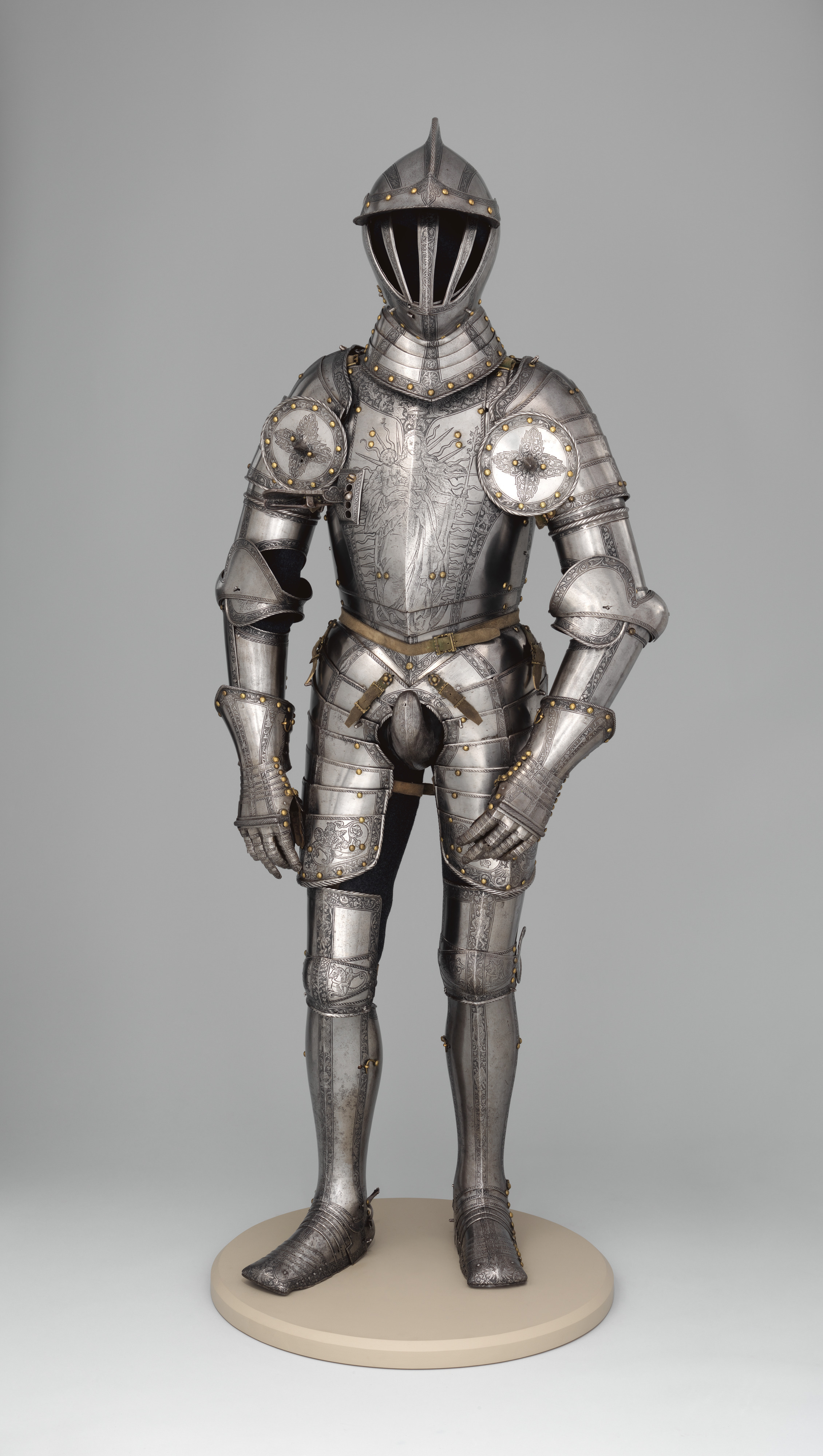
dated 1549 · Steel
Metropolitan Museum of Art, New York, Arms and Armor...
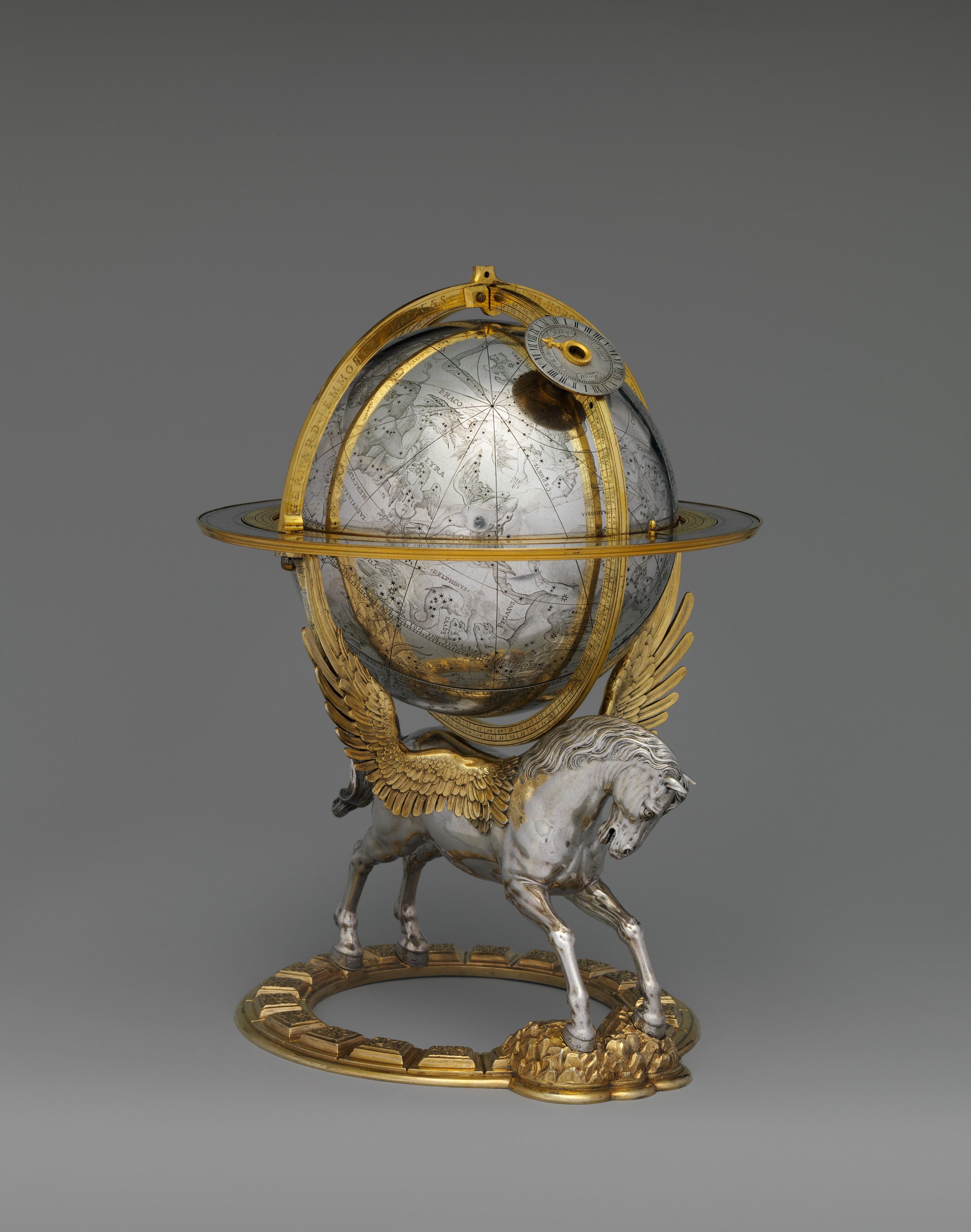
1579 · Case
Metropolitan Museum of Art, New York, Gallery 520
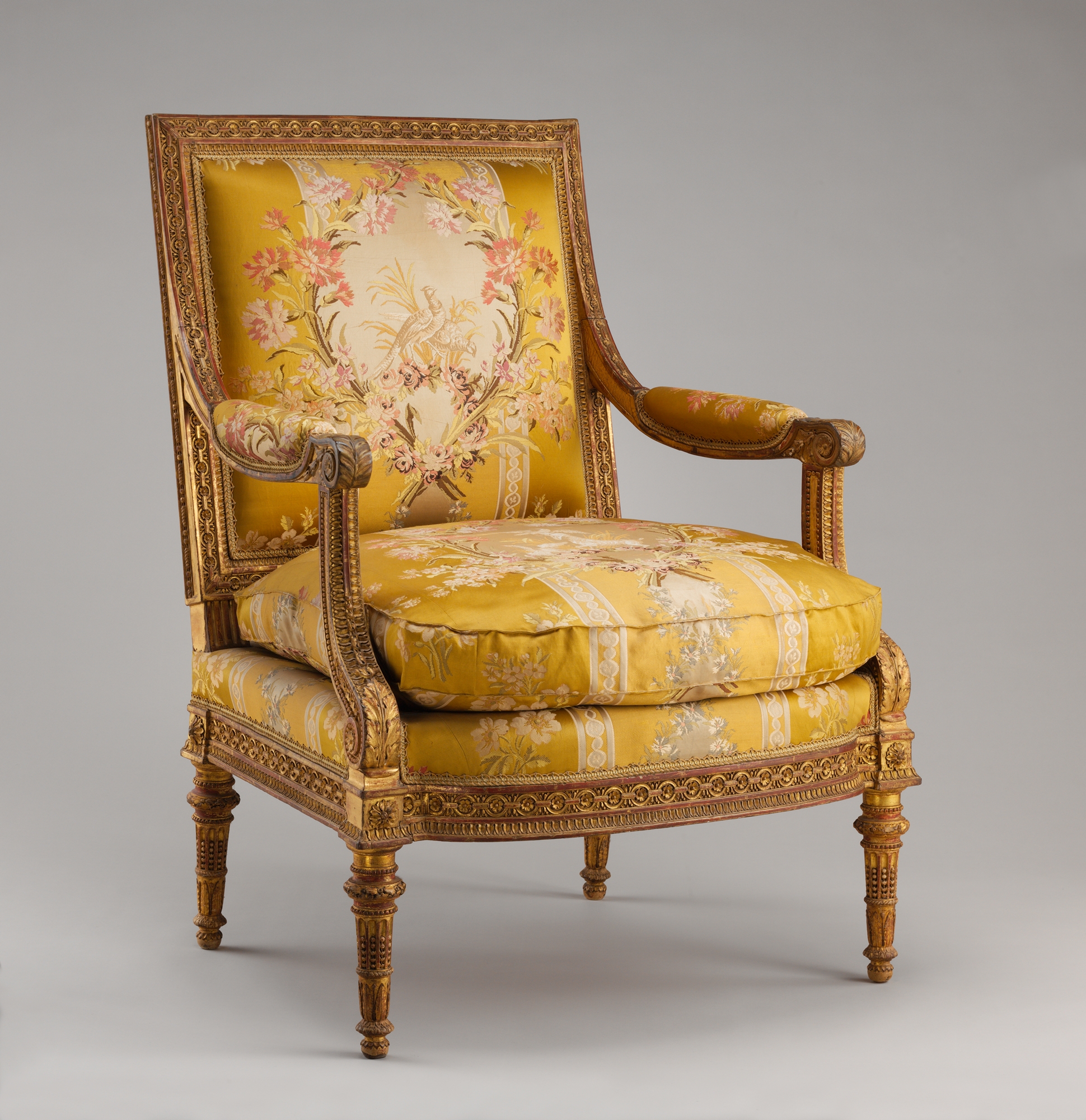
1788 · Carved and gilded walnut
The Metropolitan Museum of Art, New York, Gallery 527
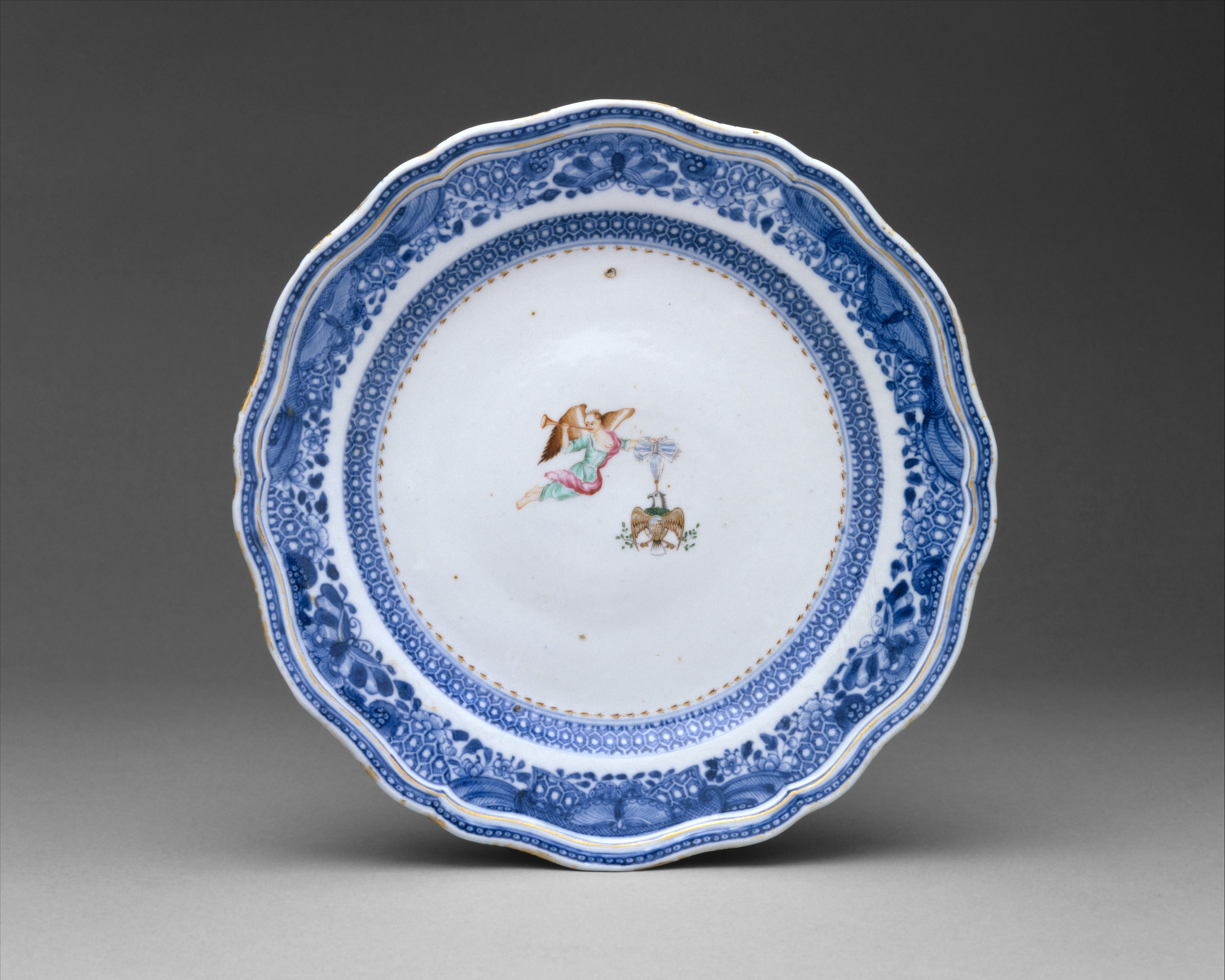
ca. 1785 · Hard-paste porcelain
Metropolitan Museum of Art, New York, The American Wing
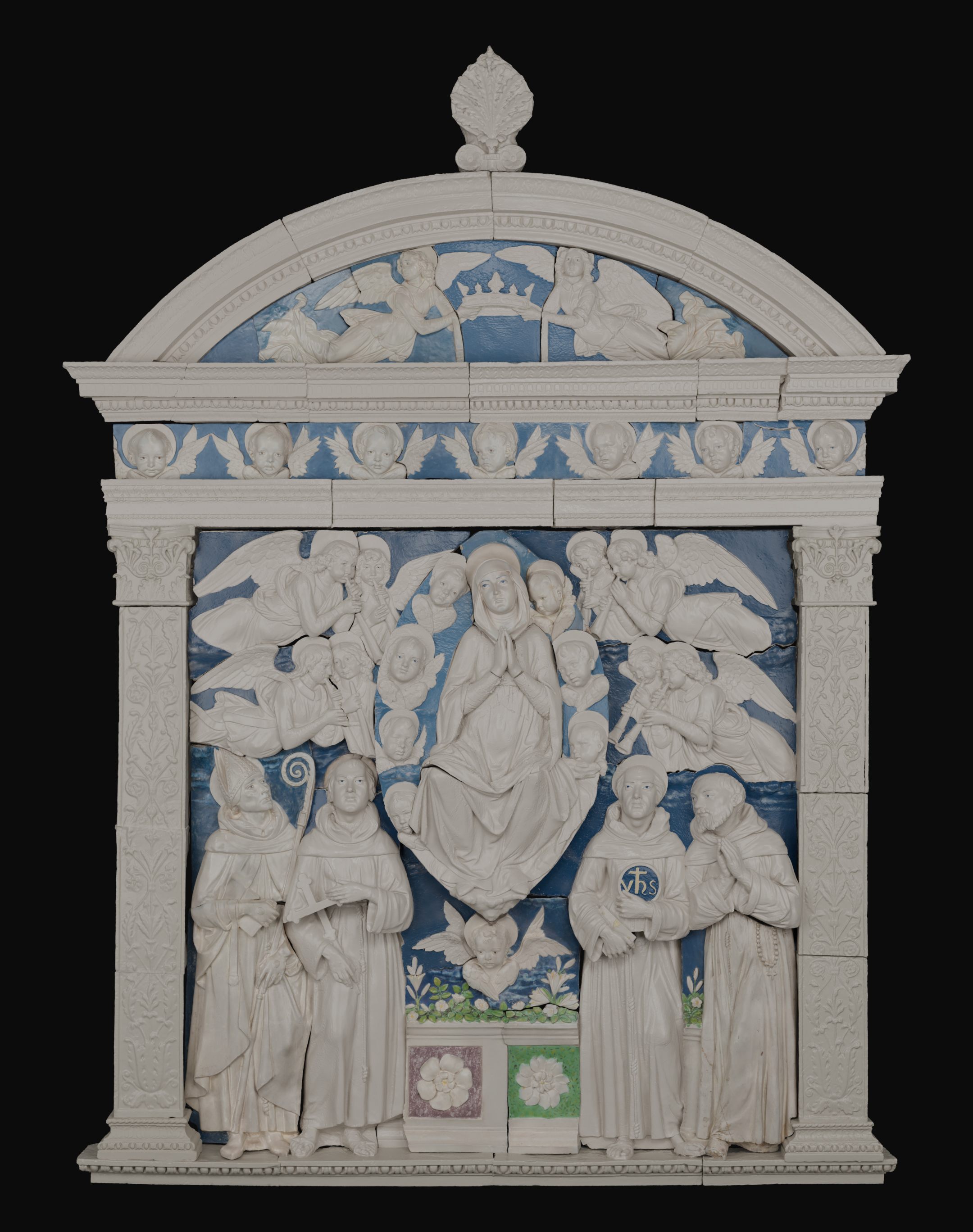
ca. 1485 · Glazed terracotta
Metropolitan Museum of Art, New York, Gallery 521
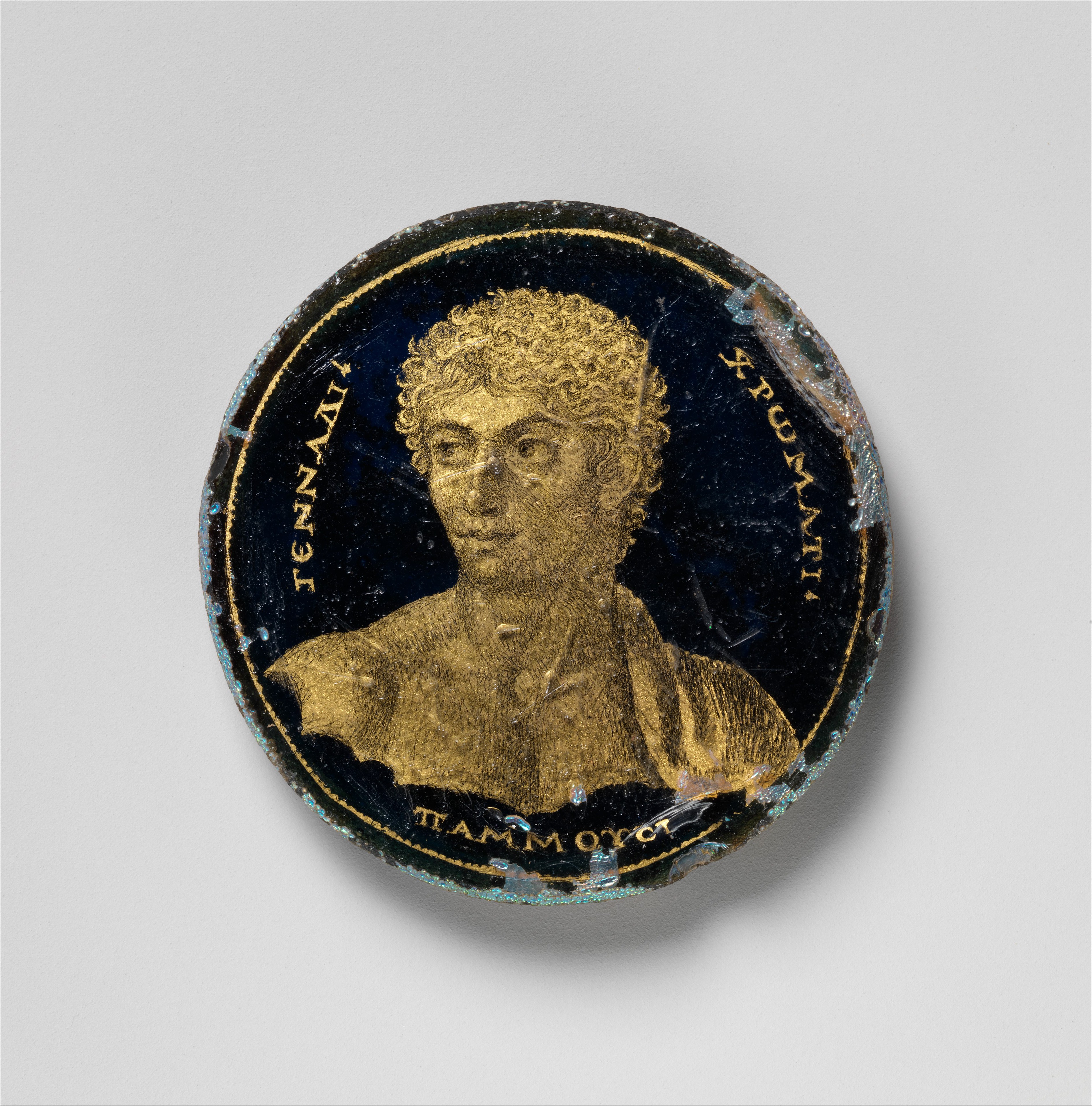
250-300 CE · Glass
Metropolitan Museum of Art, New York
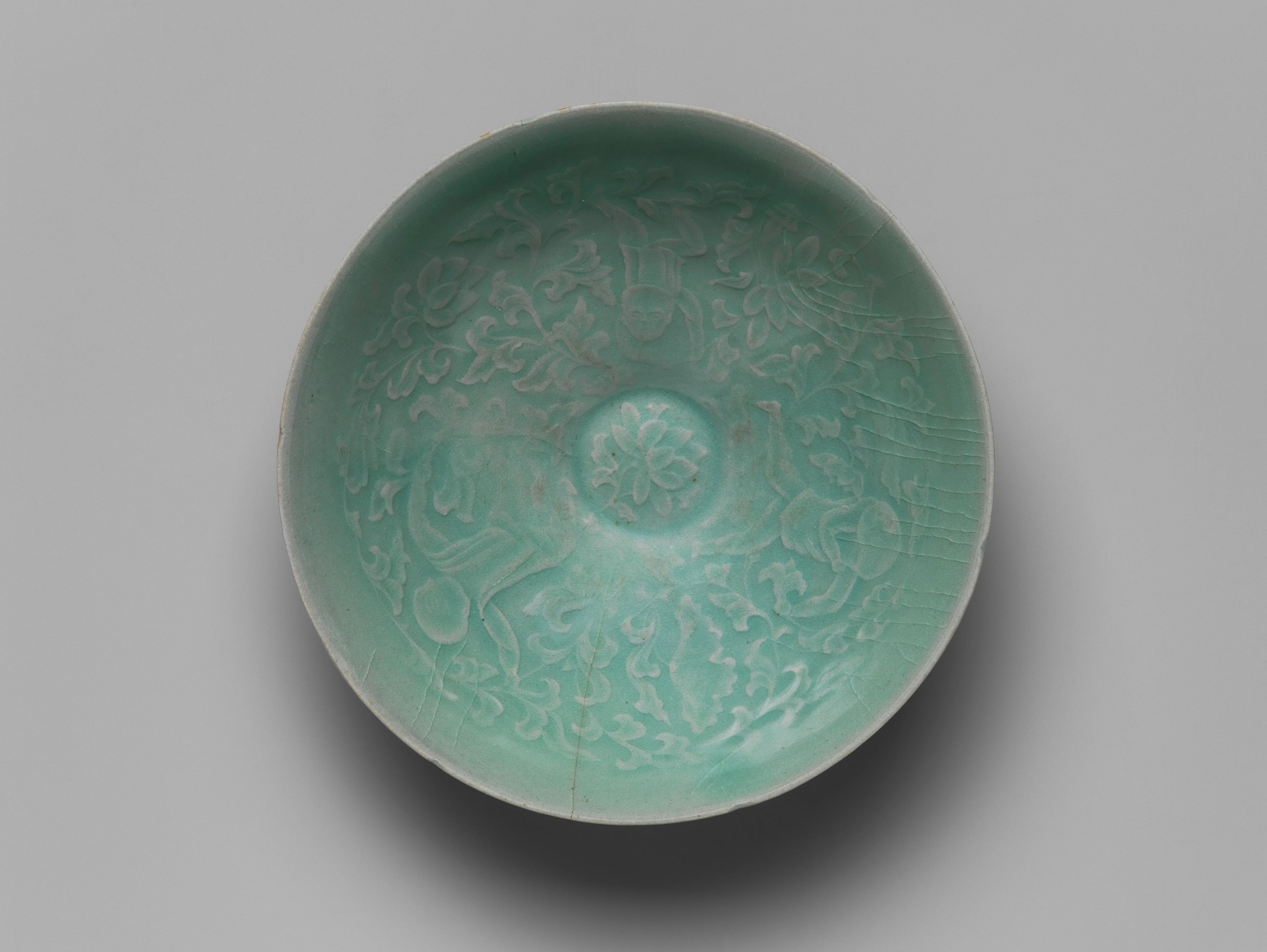
Early 12th century, Goryeo dynasty · Stoneware with mold-impressed design under...
Metropolitan Museum of Art, New York, Department of Asian Art...
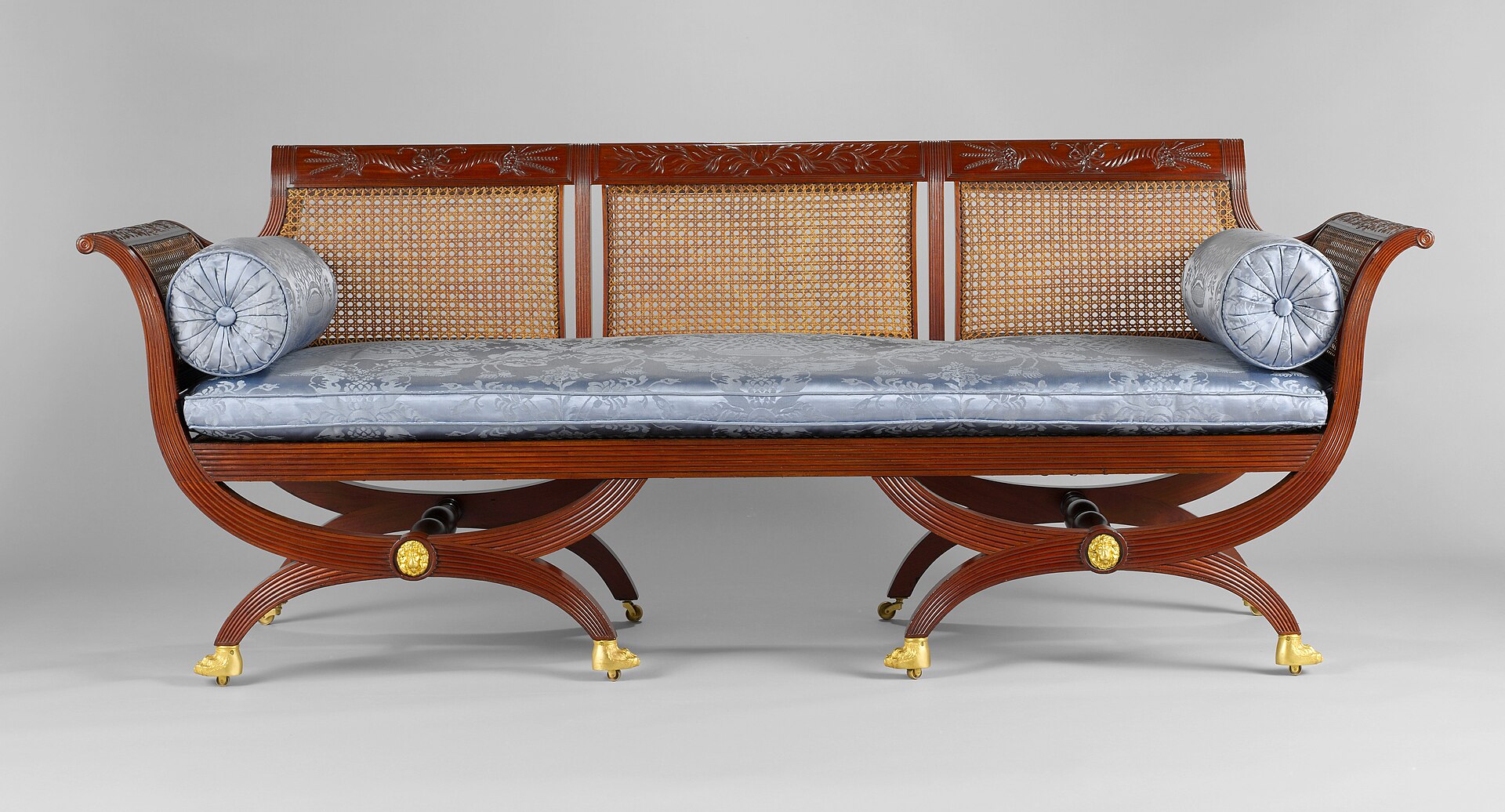
circa 1810-1820 · Mahogany
Metropolitan Museum of Art, New York, on view in the American...
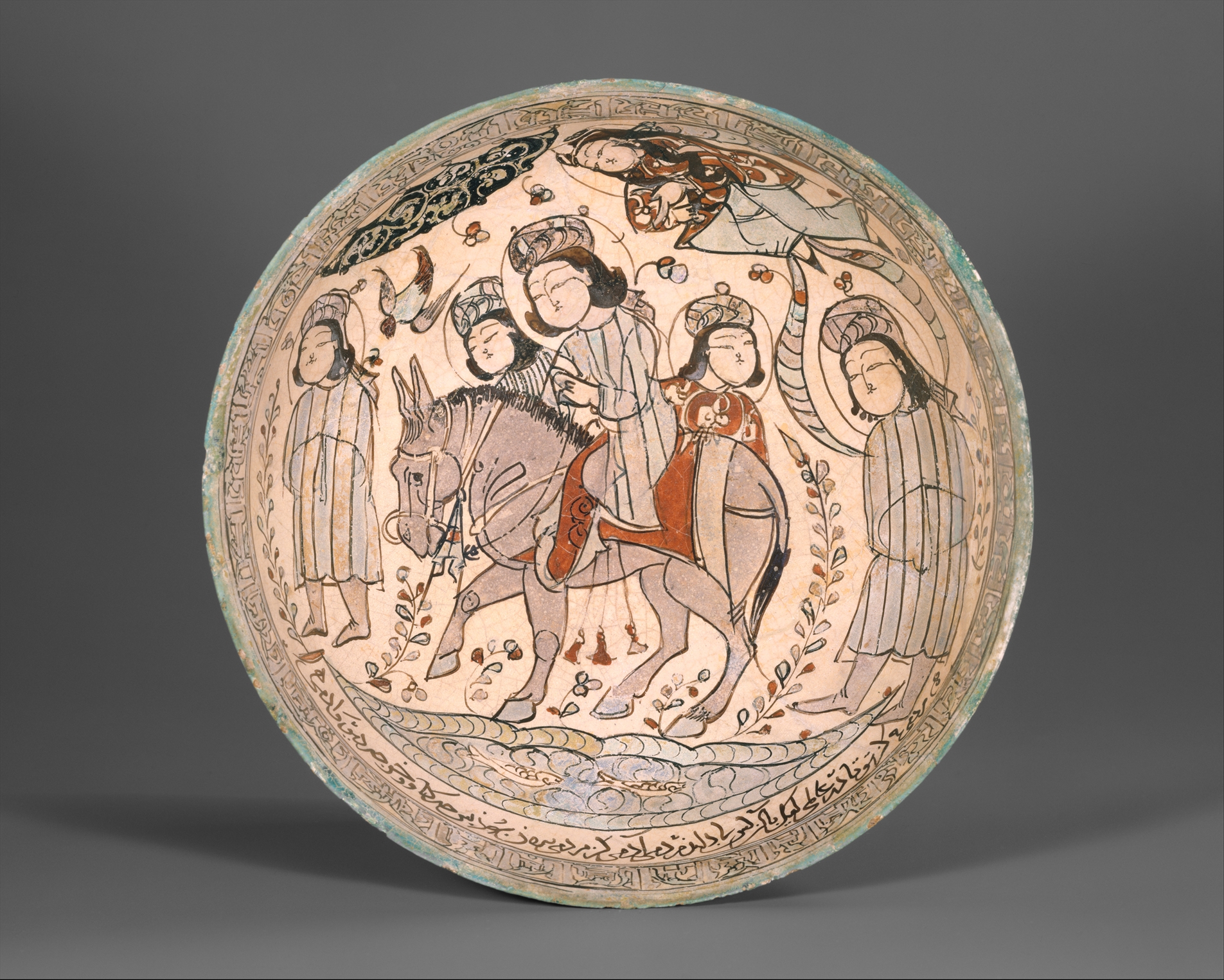
Dated 583 AH / 1187 CE · Stonepaste
Metropolitan Museum of Art, New York
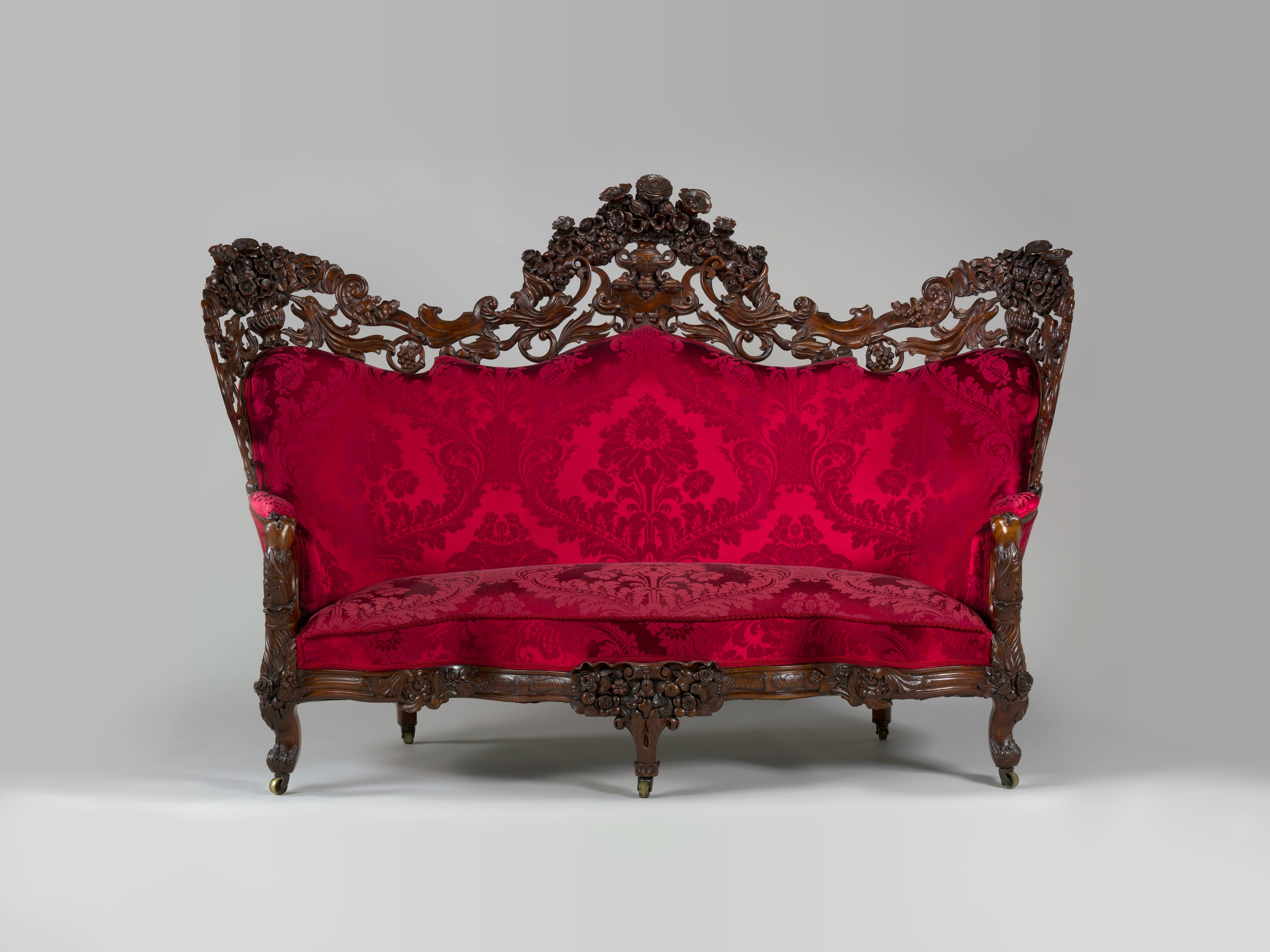
c. 1850-1860 · Laminated and carved rosewood with rosewood...
The Metropolitan Museum of Art, New York, The American Wing...
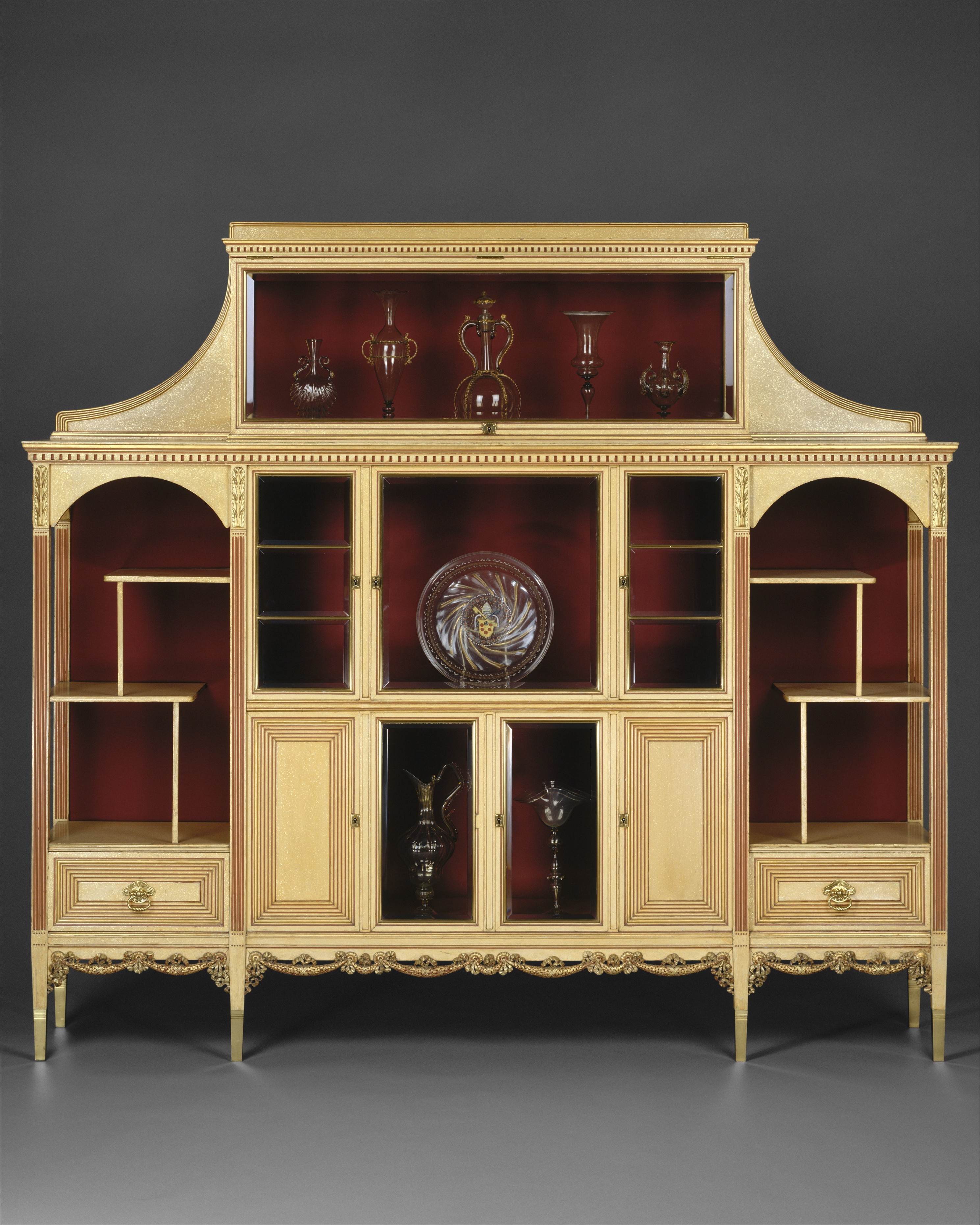
ca. 1883 · Maple
Metropolitan Museum of Art, New York, The American Wing
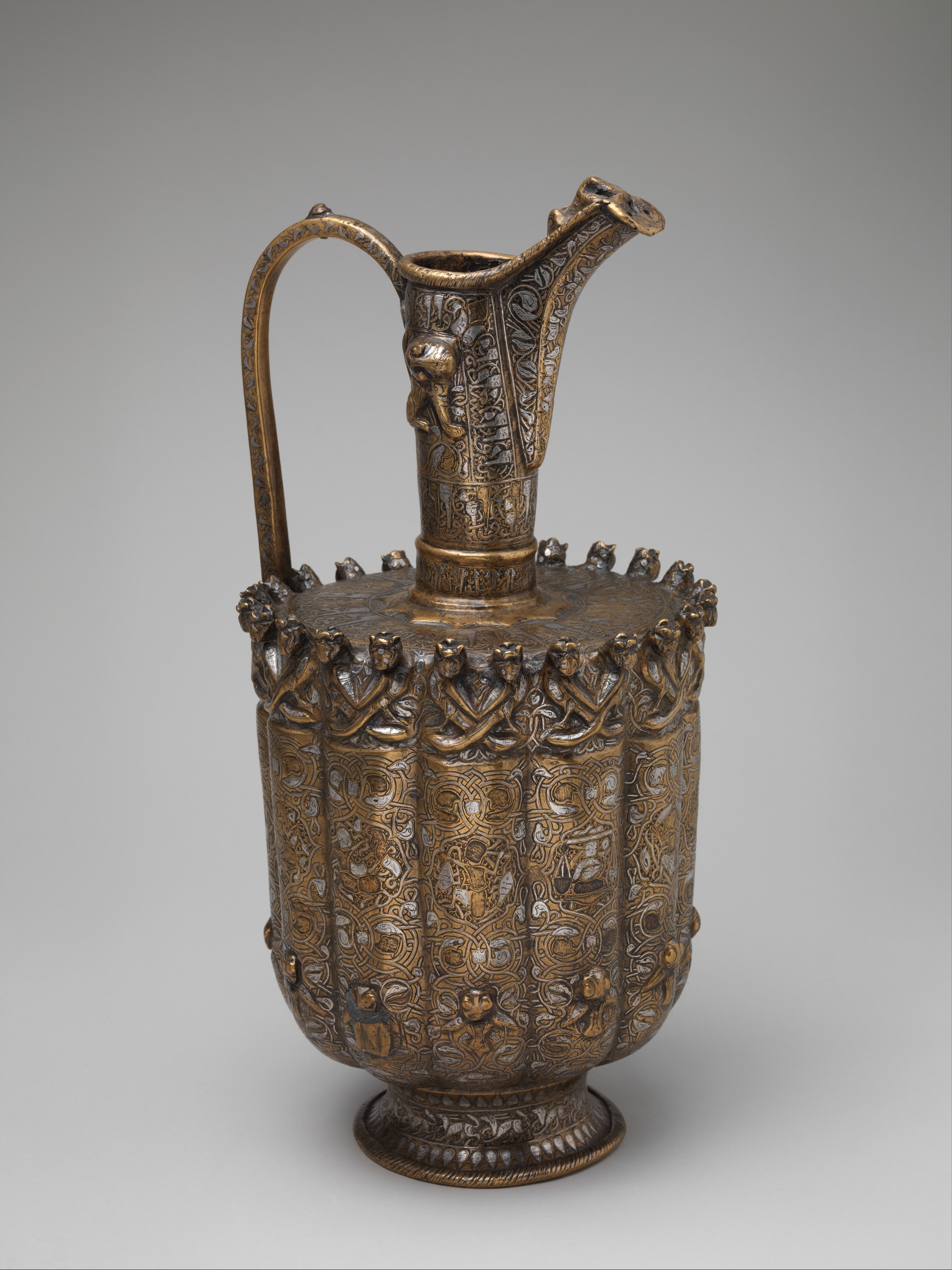
ca. 1180-1210 · Brass
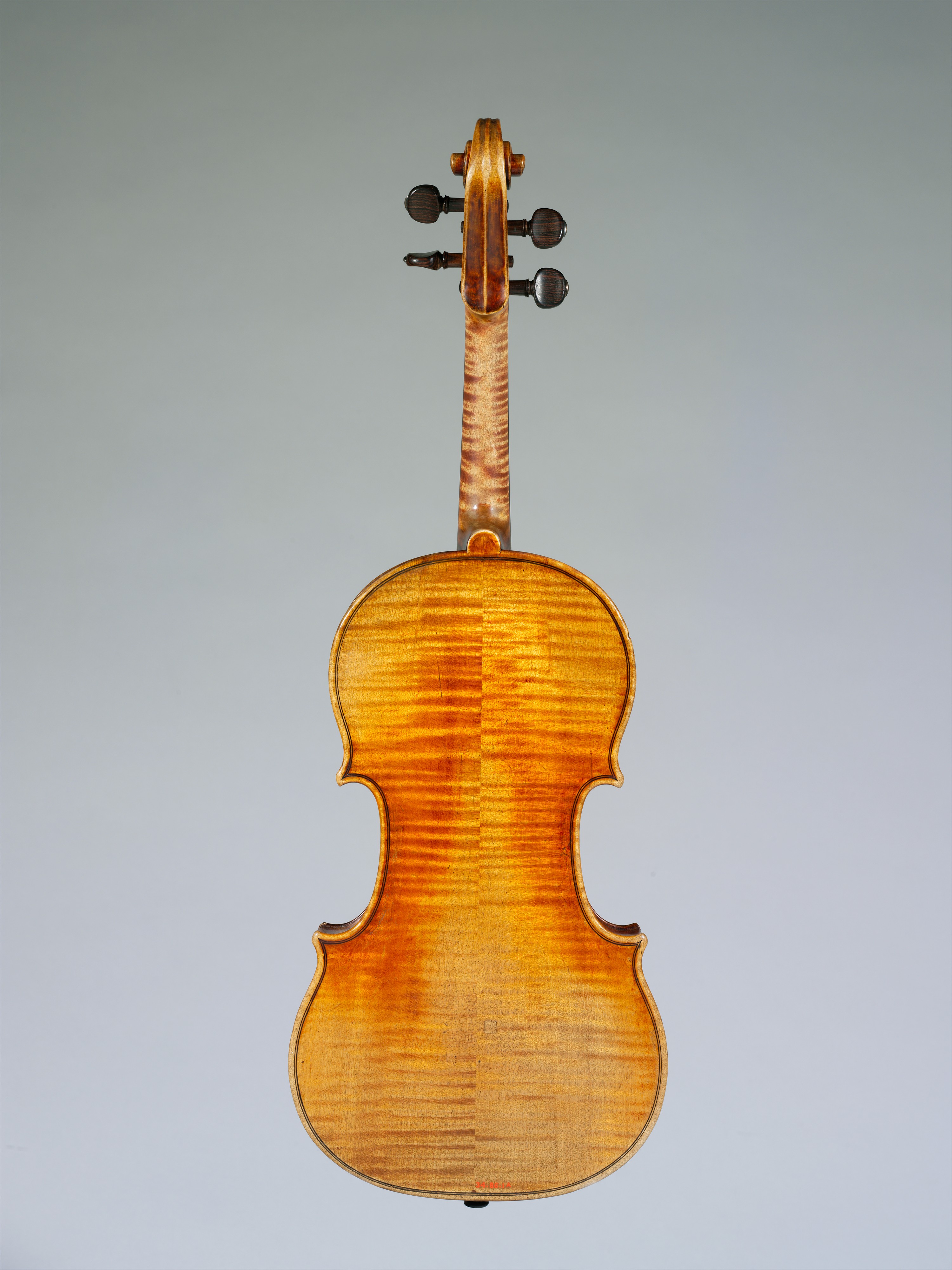
1711 · Maple
The Metropolitan Museum of Art, New York, on view in Gallery 684

500-1000 CE · Ceramic
Metropolitan Museum of Art, New York, Michael C.
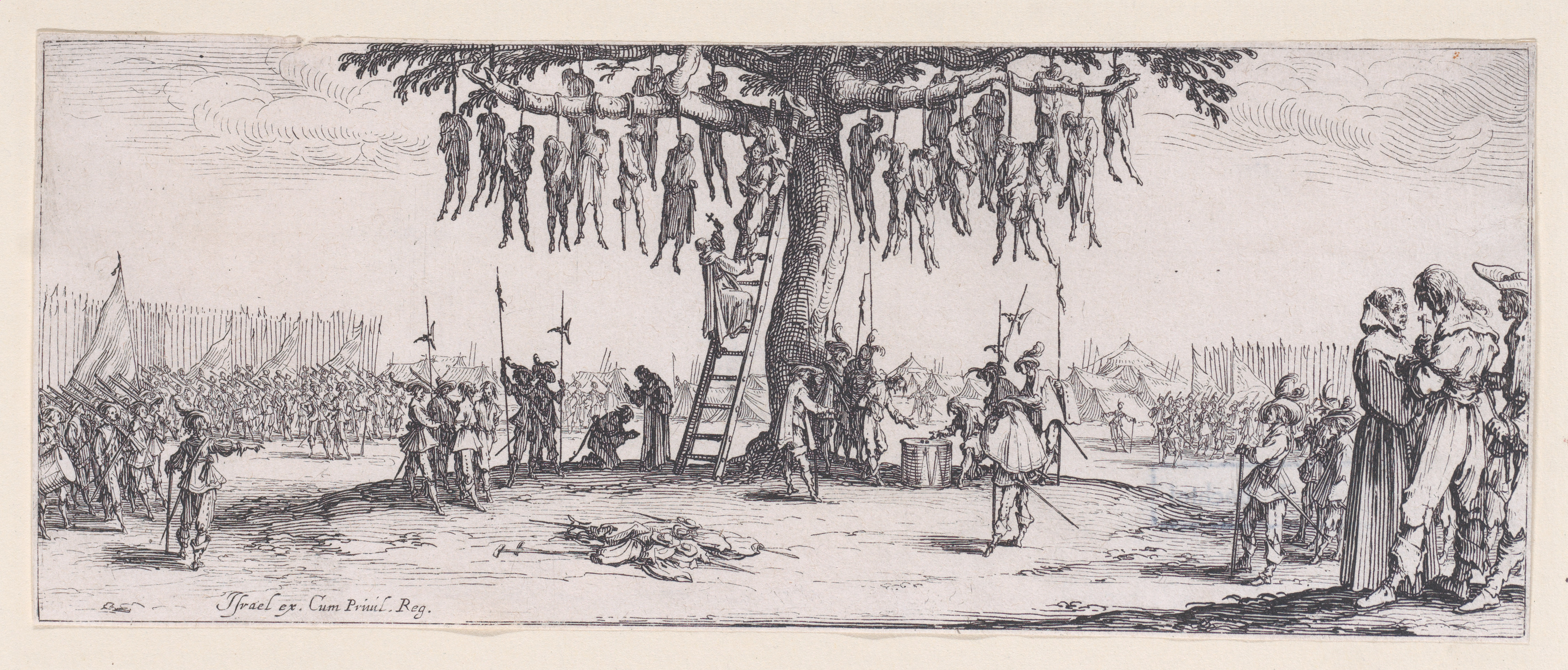
1633 · Etching
Metropolitan Museum of Art, New York, Department of Drawings...
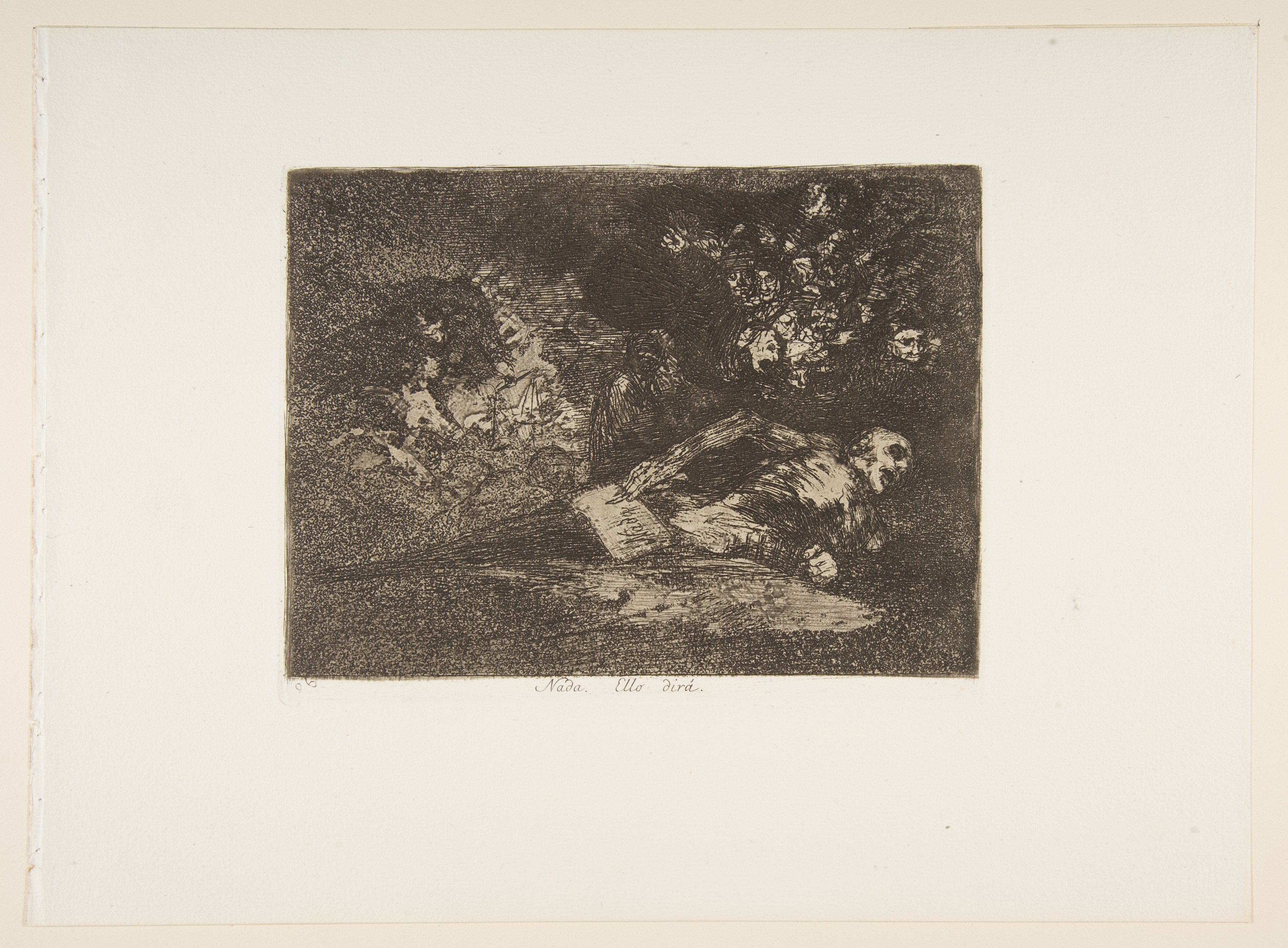
Etched c. 1814-1815 · Etching
Metropolitan Museum of Art, New York
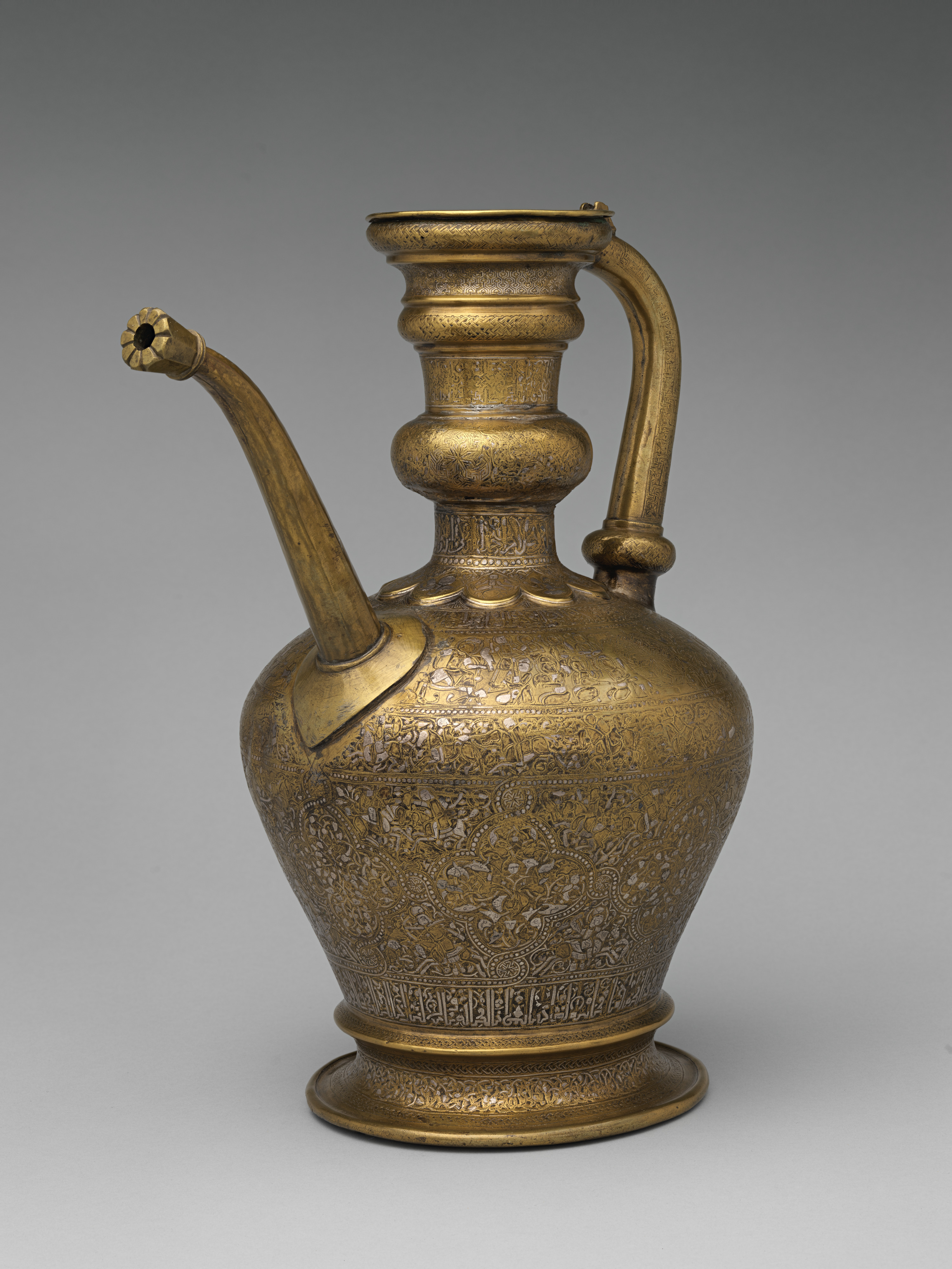
623 AH / 1226 CE · Brass
Metropolitan Museum of Art, New York, Department of Islamic Art
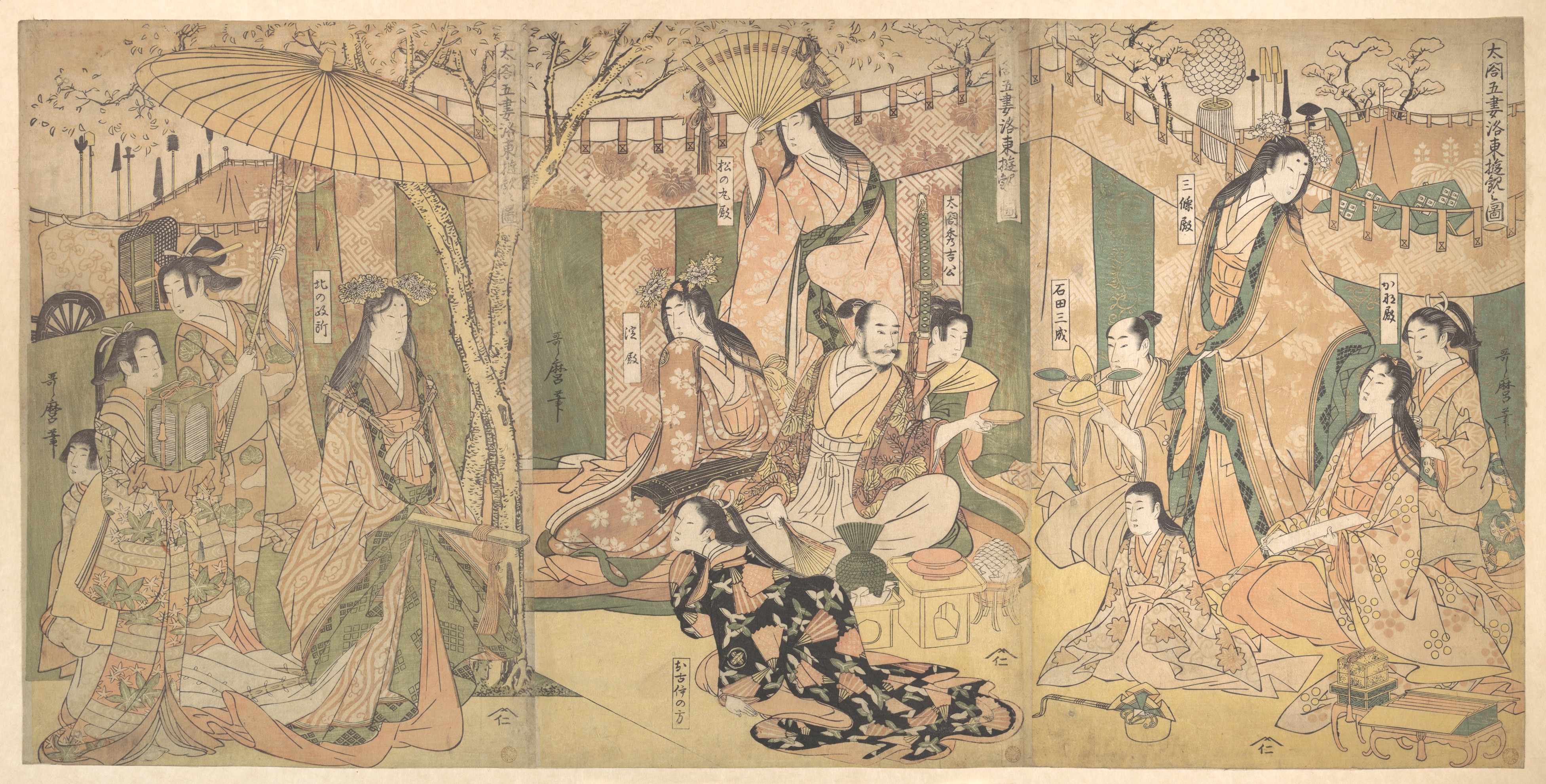
1804 · Triptych of woodblock prints
Metropolitan Museum of Art, New York, Department of Asian Art
The Metropolitan Museum of Art was not founded in New York. Its earliest roots are in Paris in 1866, where a group of Americans agreed to create a national institution and gallery of art for the American people; the lawyer John Jay proposed it and pursued it on his return. The Museum was incorporated on 13 April 1870 and opened to the public that year in the Dodworth Building at 681 Fifth Avenue. Its first object, acquired on 20 November 1870, was a Roman sarcophagus. In 1871, 174 European paintings entered the collection, among them works by van Dyck, Poussin and Tiepolo.
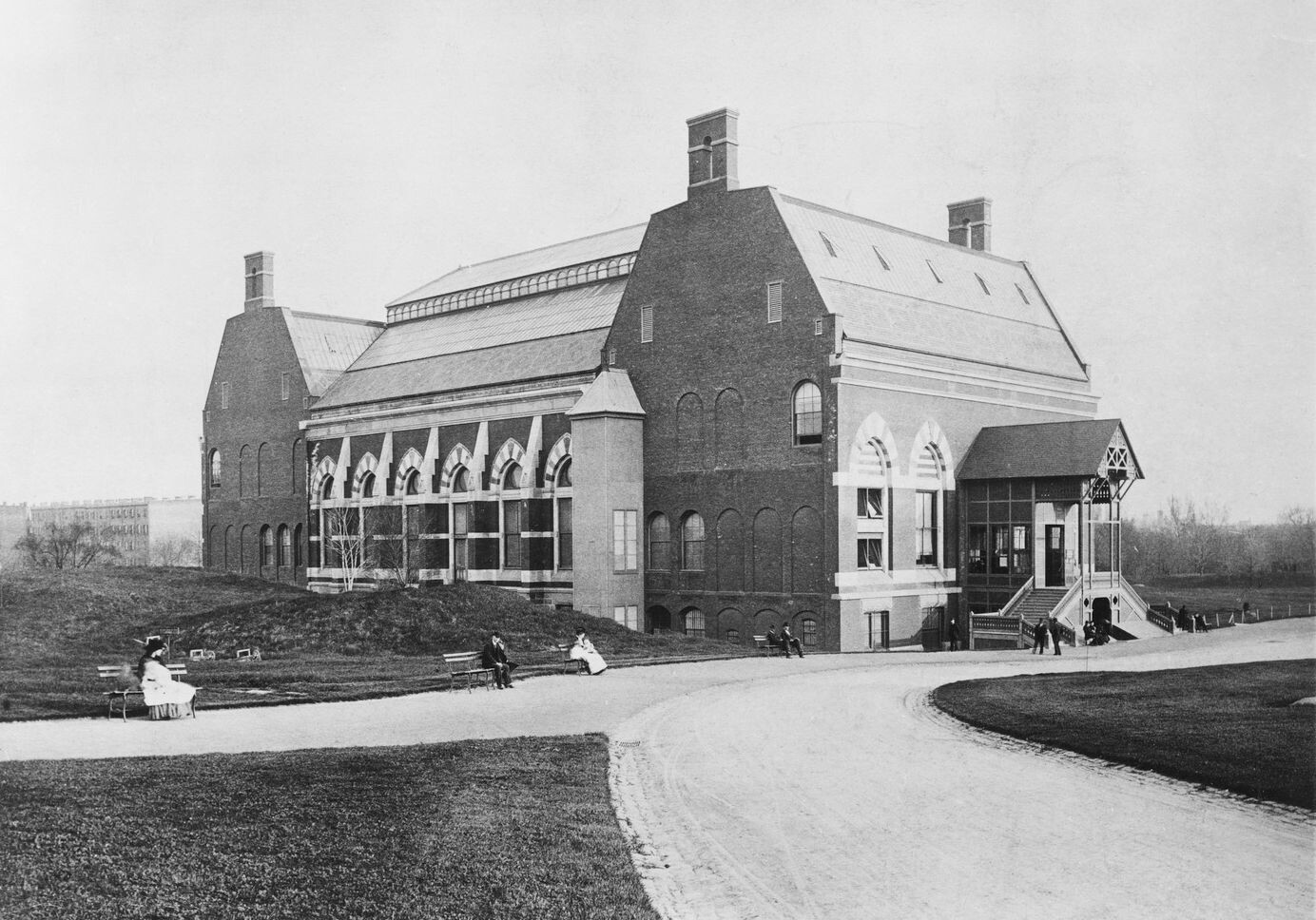
It reached its present site by way of a further move, to the Douglas Mansion at 128 West 14th Street, and opened at Fifth Avenue and 82nd Street on 30 March 1880 in a Ruskinian Gothic building by Calvert Vaux and Jacob Wrey Mould. That building still exists, and this is the single most important thing to understand about the Met: it was not demolished, it was engulfed. Additions began as early as 1888 and now completely surround the original structure. Its west facade survives as a wall inside the Robert Lehman Wing.
The Museum is unusually candid about this and will show you the seams. Two of the four staircases from the 1880 building were uncovered and restored in 1995, and their decorative ironwork is visible near the European Paintings and Medieval Art galleries. A banded-granite pointed arch from Vaux and Mould's 1880 facade survives at the entrance to the Robert Wood Johnson, Jr. Gallery near the top of the Grand Staircase. The entire south facade of Theodore Weston's classical addition of 1888 now stands inside the glass-roofed Carroll and Milton Petrie European Sculpture Court, serving as one of its walls. Even the wing now being designed to replace the modern galleries is constrained by the buried original: the Museum states it will rise no higher than the 1880 wing at the centre of the complex.
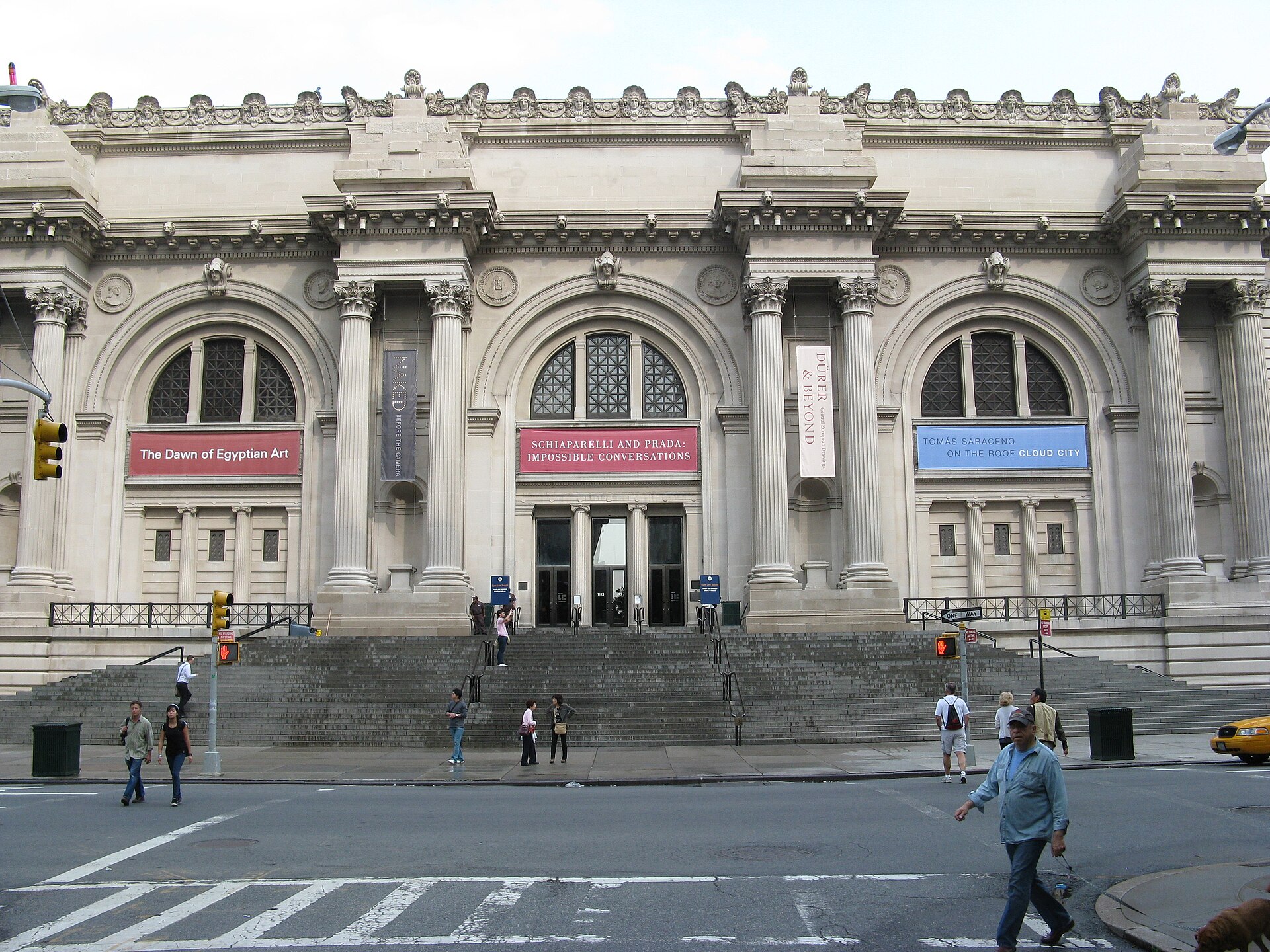
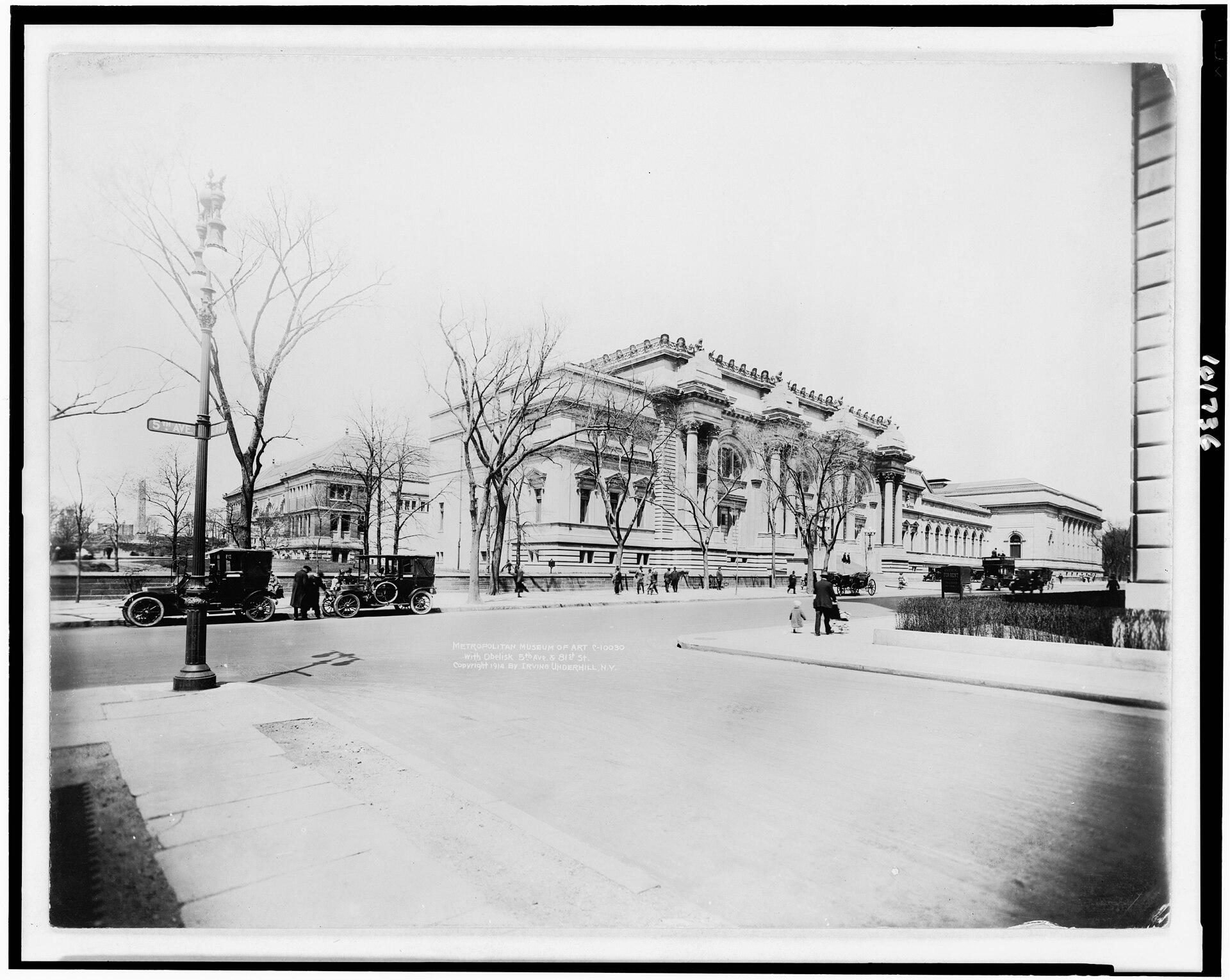
What the world pictures as the Met is not the 1880 building but the front that was put on it. By the 1890s the red-brick Gothic museum set back from Fifth Avenue was inadequate to the collection, and the trustees turned to Richard Morris Hunt, himself a founding trustee of the Museum. His Beaux-Arts Fifth Avenue facade and Great Hall were designed in 1895 and opened to the public in December 1902, seven years later. The facade carries four caryatids representing the four branches of art, painting, sculpture, architecture and music, and it set the terms for the northern and southern extensions built by McKim, Mead and White in 1904.
The facade also has four niches, and they are the most interesting thing about it, because the Museum treats them as a site for statues that has never settled. Since 2019 it has filled them with commissioned contemporary sculpture in a rolling series: the South Korean artist Lee Bul's Long Tail Halo occupied them from 12 September 2024 to 10 June 2025 as the fifth commission in the sequence, and Liu Wei's Speculation is scheduled from 17 September 2026 to 8 June 2027. A permanent Beaux-Arts front that has spent more than a century borrowing its figures from living artists is a strange and rather good thing, and it is of a piece with a building that has never stopped being provisional. What Hunt himself intended for those niches, and whether the uncarved stone reported to sit above the paired columns is unfinished ornament or was always meant to be plain, we could not establish from any source we actually read, and we do not assert it.
Hunt's Great Hall has one further trick beneath it. The brick, arch-vaulted undercroft of his 1895 entrance pavilion, structure rather than architecture, was opened up and is now the Mary and Michael Jaharis Galleries for Byzantine Art. Visitors walk down into the foundations of the front door to look at Byzantium.
The accretion has a plan behind it. A comprehensive architectural scheme by Kevin Roche John Dinkeloo and Associates was approved in 1971 and completed in 1991, and it produced most of what a visitor now walks through: the Robert Lehman Wing in 1975, the glass hall built for the Temple of Dendur in 1978, the American Wing in 1980, the Michael C. Rockefeller Wing in 1982, the Lila Acheson Wallace Wing for modern and contemporary art in 1987, and the Henry R. Kravis Wing for European sculpture and decorative arts in 1991.
Refinement continued after the envelope was finished. The Arts of Korea gallery opened in 1998, completing the Asian suite. The Ancient Near Eastern galleries reopened in 1999. In 2007 the south end of the building delivered several projects at once, the largest being the fifteen-year renovation and reinstallation of the entire Greek and Roman sequence, alongside new galleries for Oceanic and Native North American art, for nineteenth- and early twentieth-century painting and sculpture, and the Ruth and Harold D. Uris Center for Education. The galleries for the Art of the Arab Lands, Turkey, Iran, Central Asia and Later South Asia opened on 1 November 2011. The American Wing's third and final renovation phase reopened on 16 January 2012. In May 2021 the Museum installed a plaque on the Fifth Avenue facade recognising Lenapehoking, the homeland of the Lenape peoples, on whose land the building stands.
Two branches should not be confused with this one. The Met Cloisters, opened on 10 May 1938 in Fort Tryon Park in northern Manhattan, is a separate site devoted to medieval Europe and holds about 2,000 works, including the Unicorn Tapestries that are the subject of their own record in this archive; it is a different building with its own page. The Met Breuer, opened in Marcel Breuer's former Whitney building on 18 March 2016, was closed in the summer of 2020 and its lease transferred to the Frick Collection. Neither is the Metropolitan Museum of Art at 1000 Fifth Avenue.
The Met's admissions history is the best short account of what an encyclopaedic museum owes its city. Its suggested-admission model was created in 1970: a posted price that nobody was obliged to pay. Before that the Museum had run mandatory fees on certain days and charged for selected special exhibitions. The suggested model held for nearly half a century, and it decayed. The Museum's own figures, published when it changed the policy, are stark: in 2004, 63 per cent of visitors paid the full suggested amount; by 2018 only 17 per cent of adults did, a 73 per cent decline, and the average contribution per person had fallen to nine dollars. In 2017 admissions produced roughly 14 per cent of the operating budget, among the lowest of the Museum's New York peers, some of whom reached 31 per cent. New York City provided about 10 per cent of a 305 million dollar budget, most of it earmarked for utilities.
On 4 January 2018 the Museum announced that from 1 March it would charge a mandatory fee to visitors from outside New York State, while pay-as-you-wish continued for New York State residents and for students from New Jersey and Connecticut. The change needed the approval of the City's Department of Cultural Affairs, and the reason it needed it is the crux of the whole argument: the Fifth Avenue building stands on City-owned land. The Museum projected the new fee would affect 31 per cent of visitors, four out of five of whom were tourists spending an average of 1,200 dollars per person on their New York trips. The initial mandatory rates simply matched the old suggested prices, 25 dollars for adults, 17 for seniors and 12 for students. From 1 July 2022 they rose to 30, 22 and 17, and those are the rates charged on 4 August 2026.
Two details deserve to be recorded because they cut against the Museum. First, the 2018 announcement promised that a full-price ticket would be honoured for three consecutive days across the Museum's three locations. Today a ticket covers all exhibitions and both remaining locations for the printed date only. The concession offered when the fee was imposed has been withdrawn without fanfare. Second, the pay-what-you-wish route is gated by proof, not by need: an online purchase requires a New York State billing address, and students from New Jersey and Connecticut can only obtain the rate in person with a student ID. The Museum has improved this at the margin, introducing online reservation of pay-what-you-wish tickets for New York State residents, and 42 per cent of visitors in the 2025 financial year used some expedited entry route. But the structure remains one in which the cheapest admission is the hardest to arrange in advance.
This archive exists to record where objects have been and who held them, and on that subject the Metropolitan Museum of Art is not a neutral venue. It is one of the most heavily investigated collections in the world, and three of the records in this archive describe objects that passed through it and out again.
The Euphronios krater is the emblem. Bought by the Museum in 1972, it went back to Italy under an agreement negotiated by the then director Philippe de Montebello with the Italian culture ministry, and remained on view here only until 13 January 2008. What is worth reading closely is how the Museum announced it. The press release of 22 January 2008 is headlined on three vases lent by Italy for four years, and the krater's return appears inside it as the consideration for which those loans come to the Met. The framing is exchange, not restitution. The Lydian Hoard went to Turkey under a settlement of September 1993. The gilded coffin of Nedjemankh, bought in 2017, was seized under a New York search warrant in February 2019 and handed to Egypt that September. All three are records here.
The pressure did not stop. The New York District Attorney's office seized five Egyptian antiquities from the Museum under a warrant signed on 19 May 2022, together worth more than three million euros, including a Fayum portrait of Nero's reign; the Museum said its employees had been deceived by a criminal conspiracy and that it had cooperated fully. In March 2023 the International Consortium of Investigative Journalists reported at least 1,109 works in the Museum's own catalogue previously owned by people indicted or convicted of antiquities crimes, 309 of them then on display.
The Museum's answer has been institutional rather than defensive, and it should be credited as such. In spring 2023 it announced a suite of cultural property initiatives including a focused review of works in the collection. On 22 March 2024 it appointed Lucian Simmons, previously worldwide head of Sotheby's restitution department, as its first Head of Provenance Research, a post in the Director's Office coordinating work across nineteen collecting areas. New provenance posts were created in Asian Art, in the American Wing with a focus on Native American art, and in Egyptian Art, filled by Qamar Adamjee, Jennifer Day and Maxence Garde, and Maya Muratov's role in Greek and Roman Art was expanded; eleven staff are now engaged on provenance alongside the curators. The results are on the record: fourteen sculptures returned to Cambodia and two to Thailand in December 2023, including every Angkorian sculpture the Museum knew to be associated with the dealer Douglas Latchford; two stone sculptures transferred to Yemen; a thirteenth-century temple strut and a Vishnu stele to Nepal; a memorandum of understanding with India's Ministry of Culture in February 2024. The Museum has published object pages for restituted works stating that they were returned and to where, and it has installed more than fifty revised labels under the New York State law of August 2022 requiring museums to identify works that changed hands in Europe under duress between 1933 and 1945.
The honest summary is that the Met built this apparatus after criminal investigations and investigative journalism made the status quo untenable, and that having built it, it is now doing more disclosed provenance work than almost any peer. Both halves of that sentence are true and neither cancels the other.
A reader planning a visit needs the unflattering current facts, and the Museum publishes them. Its own gallery closures page, read again on 5 and 6 September 2026, no longer lists two of the areas closed when this entry was first researched: European Paintings 1250 to 1800, where four of this archive's own records hang, and the separate nineteenth- and early twentieth-century European painting and sculpture galleries. Both had reopened. The Robert Lehman Collection's closure narrowed to the Ramadan Prayer Space alone, down from galleries 956 to 959 as well. Set against that, three partial closures not present on 4 August 2026 had appeared by 5 September: Gallery 543 in European Sculpture and Decorative Arts, Gallery 176 in Greek and Roman Art, and Galleries 229 to 232 in Asian Art. Ten collection areas remained partially or wholly closed in total: the American Wing, the whole of Ancient West Asia and Ancient Cyprus, the Arab Lands galleries, Asian Art, the Costume Institute, Egyptian Art, European Sculpture and Decorative Arts, Greek and Roman Art, Modern and Contemporary Art, and the Robert Lehman Collection, plus the Iris and B. Gerald Cantor Roof Garden. The Eatery and the Patrons Lounge, both shut on 4 August, had reopened; the Cantor Roof Garden Bar and the Petrie Court Cafe remained closed, alongside Gallery 999.
Much of the standing closure is the price of the largest project the Museum has undertaken in a generation. The Oscar L. Tang and H.M. Agnes Hsu-Tang Wing, designed by the Mexican architect Frida Escobedo, will replace the modern and contemporary galleries with five storeys inside the existing 123,000-square-foot footprint, increasing gallery space for twentieth- and twenty-first-century art by nearly half, to more than 70,000 square feet. Escobedo is the first woman to design a wing in the Museum's history. The design was approved unanimously by the Landmarks Preservation Commission in April 2025; the Museum's own project page, read 6 September 2026, still describes construction as expected to begin in the summer of 2026 and gives no confirmation that it has started, and the wing is expected to open in 2030, funded by 550 million dollars in private donations announced in May 2024. The Cantor Roof Garden will move from the fifth floor to a larger fourth-floor terrace, growing from 7,500 to nearly 10,000 square feet, with a fifth-floor landscape by Thomas Woltz.
The recent precedent is encouraging. The Michael C. Rockefeller Wing closed in 2021 and reopened to the public on 31 May 2025 after a rebuild by Kulapat Yantrasast of WHY Architecture with Beyer, Blinder, Belle, reported at 70 million dollars, holding more than 1,800 works across over 40,000 square feet, with the arts of Africa, the ancient Americas and Oceania presented as three autonomous collections rather than one residual category. Its opening day drew 33,700 people, the Museum's busiest day since 2017. Whether the same reception greets the Tang Wing in 2030 is not yet a question anyone can answer.
More of our records name the Metropolitan Museum of Art as their current location than name any other institution, and they are spread across almost every department in the building. In European painting: Bruegel's Harvesters of 1565 and van Eyck's Crucifixion and Last Judgment, both marked by the Museum as works that may not be lent and therefore only ever visible here; Caravaggio's Musicians of 1597; Georges de La Tour's Fortune-Teller; and Velazquez's portrait of Juan de Pareja, bought at Christie's in November 1970. In arms and armour, in Gallery 371: the Greenwich garniture dated 1527 and probably made for Henry VIII, and Filippo Negroli's embossed helmet all'antica. In European sculpture and decorative arts: the Farnese Table in Gallery 503 and the Rospigliosi Cup in Gallery 556, the latter one of the most instructive objects in the building, since it has been attributed in turn to Benvenuto Cellini, to Jacopo Bilivert and to the forger Reinhold Vasters, and is now catalogued as nineteenth-century. In medieval art, Gallery 300: the Antioch Chalice, sixth-century Syrian silver once published as a first-century relic of the Last Supper. In Asian art, Gallery 206: the Longmen relief of Emperor Xiaowen and his entourage, cut from the Binyang Central Cave and bought in 1935. In musical instruments, Gallery 684: Bartolomeo Cristofori's grand piano of 1720. In Greek and Roman art: a bronze statuette of a horse catalogued as early Classical from 1923 until the 1970s and now dated late Hellenistic. Two of the twelve Aldobrandini Tazze are here as well.
That list is a working argument for why a venue page belongs in a provenance archive. Six of those objects have had their attribution or their date substantially revised by the Museum itself; three more objects that once stood in these galleries are now in Cerveteri, Usak and Cairo. The Met is where a great deal of our evidence is kept, and it is also where a good deal of it was contested. A reader who comes to this page for opening hours should leave it understanding that the institution holding these objects is part of their history and not merely their address.
This archive publishes no visitor prose and cites no platform star average, so what follows is drawn from the Museum's own published figures and from named journalism. The Met is the most visited museum in the United States and reported over 5.7 million visits across its two locations in the year to 30 June 2025, up 5 per cent, with local visitors from New York, Connecticut and New Jersey making up 62 per cent of the total and international visitors down to 15 per cent. Its own research finds 40 per cent of visitors come for one named exhibition, which is the honest shape of the place: nobody sees the Met, people see a part of it. What visitors get is the largest encyclopaedic collection in the country at a price the institution itself concedes is a barrier for anyone who cannot prove a New York address, in a building where a substantial number of galleries is shut at any given time. On 4 August 2026 the Museum's own closures page listed partial or total closures in thirteen collection areas plus the roof garden and four food outlets. The Met is also, unavoidably, one of the most scrutinised collections in the world on questions of provenance, and it has been building an apparatus to answer that scrutiny since 2023.
1000 Fifth Avenue, New York, NY 10028, United States.
New York State residents: USD 0.01; New York, New Jersey and Connecticut students: USD 0.01; Adults: USD 30; Seniors, 65 and over: USD 22; Visitors with a disability: USD 22. As confirmed 6 September 2026.
Sunday 10:00-17:00; Monday 10:00-17:00; Tuesday 10:00-17:00; Thursday 10:00-17:00; Friday 10:00-21:00; Saturday 10:00-21:00. Closed: Closed every Wednesday. Closed Thanksgiving Day, 25 December and 1 January. As confirmed 6 September 2026.
On foot: On the Upper East Side of Manhattan along Fifth Avenue, bordering Central Park, between 80th and 84th Streets. The main entrance is the great stair off Fifth Avenue at 82nd Street; Step-free entrances: Accessible entrances at 81st Street and Fifth Avenue, and through the parking garage at 80th Street and Fifth Avenue. Manual wheelchairs, standard and wide, are available at the 81st Street entrance on a first-come, first-served basis; Car and parking: On-site parking is available only on weekday evenings and weekends, capacity is reduced, and a space is not guaranteed even during public parking hours; the Museum asks visitors to pre-book; Subway, bus and rail: The Museum publishes its own directions by subway and bus, by sightseeing tour bus, by Metro-North Railroad and by car in expandable panels on its Plan Your Visit page. Those panels did not render to text when we read the page on 4 August 2026, so no line numbers are recorded here rather than guessed.
The Temple of Dendur (Nubian, completed by 10 CE); Juan de Pareja (Velazquez, 1650); The Harvesters (Pieter Bruegel the Elder, 1565); Young Woman with a Water Pitcher (Johannes Vermeer, ca. 1662); Self-Portrait (Rembrandt van Rijn, 1660); Madame X (John Singer Sargent, 1883-84).
One artwork and its story every Tuesday, with the picture: who owned it, what it made, and what closes soon in the exhibition calendar. No promotion, and nothing we cannot cite.
We send one email to confirm the address and keep nothing else. Every letter carries a one-click unsubscribe. How we handle your data.