One Fund Paid for 17 of the Met's Objects Here, Across 68 Years
Seventeen of the 72 Metropolitan Museum objects in the archive name the Rogers Fund in their credit line, from an Etruscan chariot in 1903 to a pyxis in 1971.
Records in this piece: Bronze chariot inlaid with ivory (the Monteleone chariot), Half Armor attributed to Don Gonzalo Fernandez de Cordoba y Fernandez de Cordoba, Duke of Sessa (1520/1524-1578), Armor for the Joust of Peace, Helmet all'Antica, South Wind, Clear Sky (Gaifu kaisei), also known as Red Fuji, from the series Thirty-six Views of Mount Fuji, Desk and Bookcase, Plate from the Society of the Cincinnati Service of George Washington, The Harvesters, Armor Garniture, Probably of King Henry VIII of England, Armor of Emperor Ferdinand I (1503-1564), The Emperor's Carpet, Ewer, The Musicians, The Fortune-Teller, Desk Chair, Pyxis Depicting Standing Saints or Ecclesiastics and the Entry into Jerusalem with Christ Riding a Donkey, Juan de Pareja (ca. 1608-1670)
On this page 4 sections
ContentsClose
In short
- Seventeen of the 72 Metropolitan Museum of Art objects in this archive name the Rogers Fund in their credit line, with accession years from 1903 to 1971, a span of 68 years.
- The next most common fund is the Fletcher Fund at 6 credit lines, then the Harris Brisbane Dick Fund at 4. The Rogers Fund appears nearly three times as often as the Fletcher Fund.
- The 17 include five pieces of arms and armour, four paintings, three objects from the Islamic world, two pieces of furniture, an Etruscan chariot, a Japanese print and a plate from a Washington service.
- The credit line names the money and the year. Only the record's provenance names the seller, and for 14 of the 17 it does: a dealer, an estate, a collection or a sale.
Seventeen of the 72 Met records name the Rogers Fund, from 1903 to 1971
Seventeen of the 72 Metropolitan Museum of Art objects in this archive name the Rogers Fund in their credit line, with accession years running from 1903 to 1971. The credit lines in the table are the museum's own, read from its Collection API on 23 November 2026. The last column gives the seller only where the archive's record names one.
| Year | Object | Credit line | Seller or source named in the record |
|---|---|---|---|
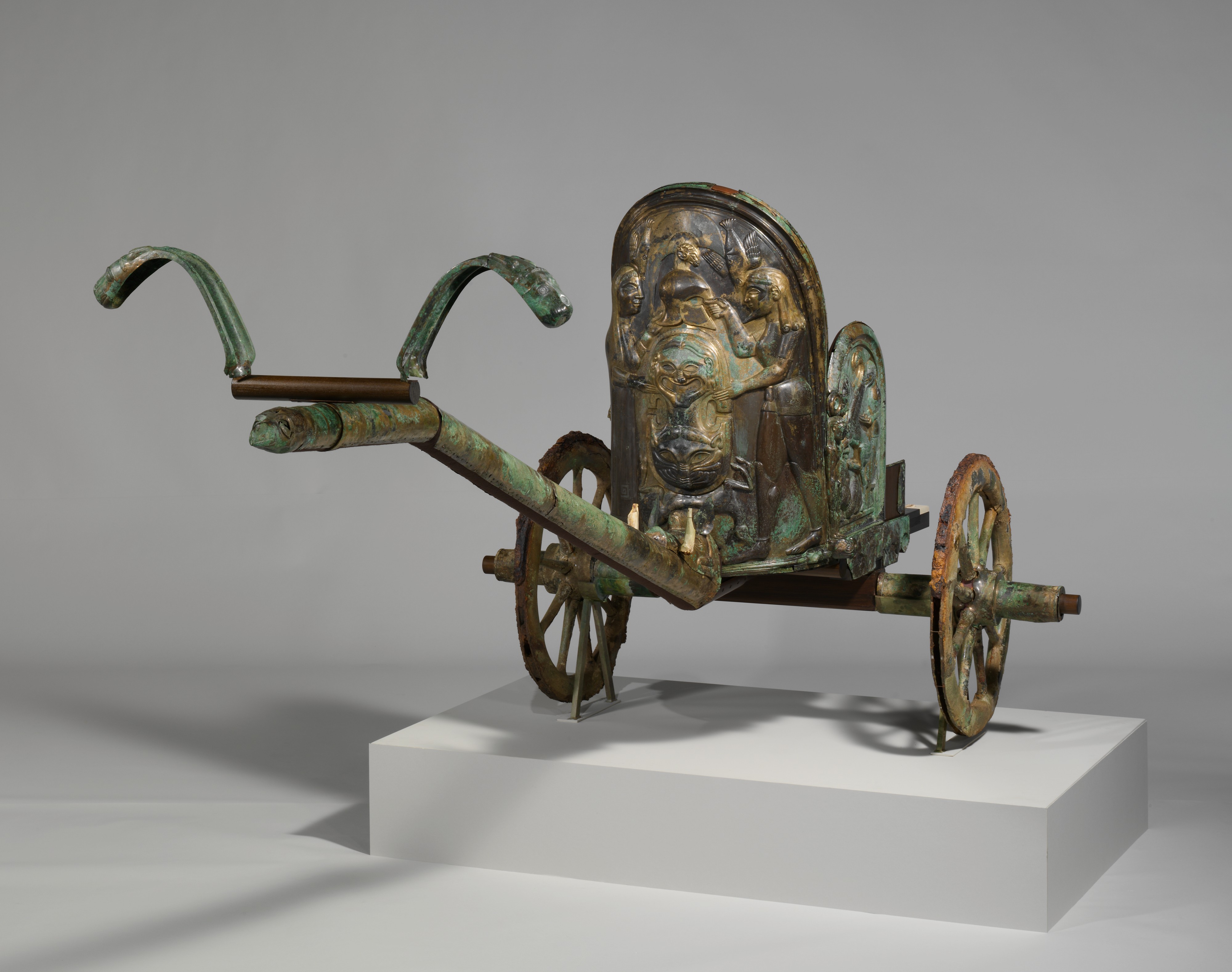
| 1903 | Monteleone chariot | Rogers Fund, 1903 | Vitalini, Paris |
| 1904 | Half armour of the Duke of Sessa | Rogers Fund, 1904 | Duc de Dino collection |
| 1904 | Joust of Peace armour | Rogers Fund, 1904 | Duc de Dino collection |
| 1904 | Negroli helmet all'antica | Rogers Fund, 1904 | Duc de Dino collection |
| 1914 | Hokusai, South Wind, Clear Sky | Rogers Fund, 1914 | not named in the record |
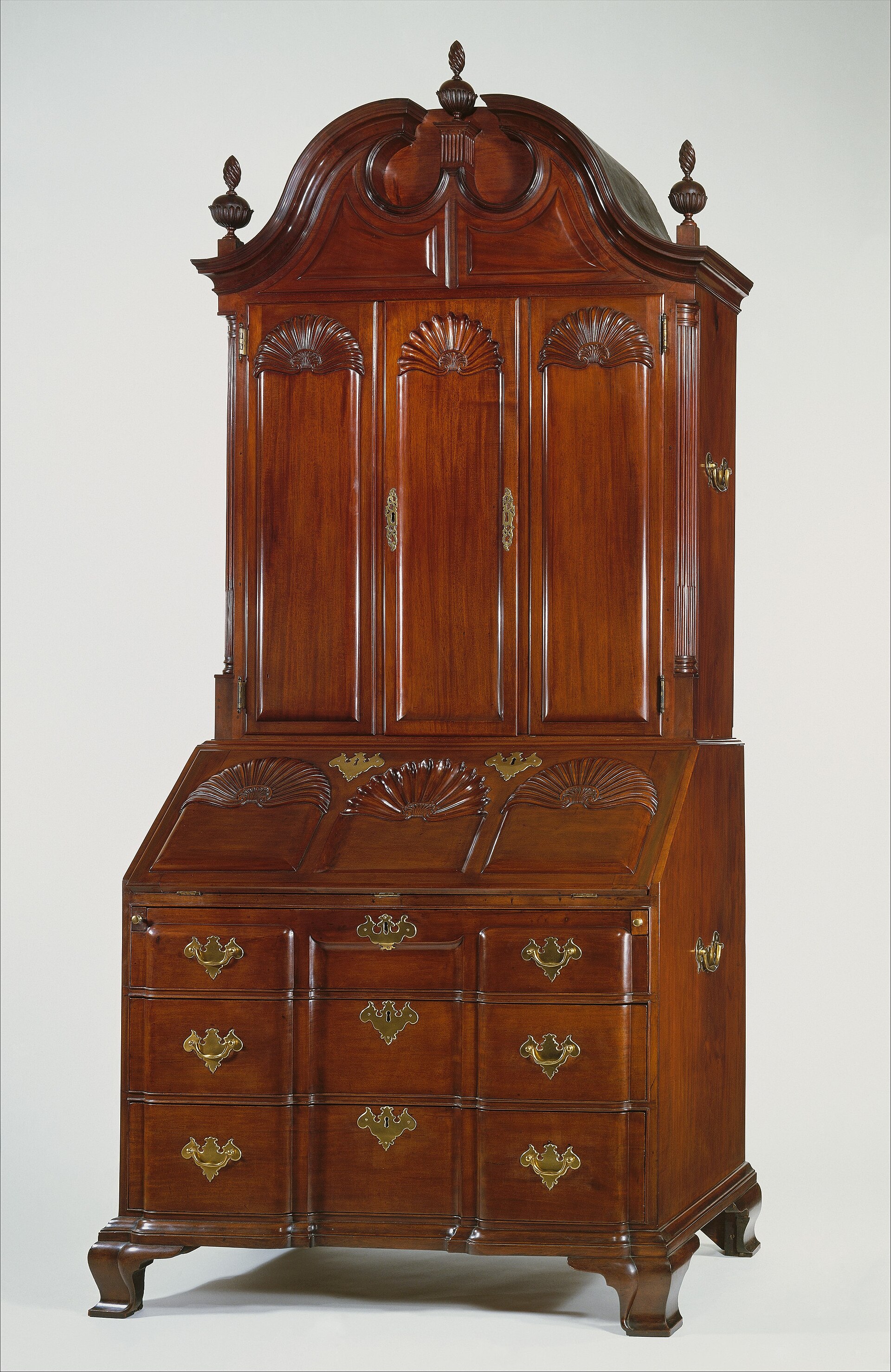
| 1915 | Goddard and Townsend desk and bookcase | Rogers Fund, 1915 | Estate of Richard Canfield |
| 1917 | Plate from the Cincinnati service | Rogers Fund, 1917 | not named in the record |
| 1919 | Bruegel, The Harvesters | Rogers Fund, 1919 | Paul Jean Cels, Brussels |
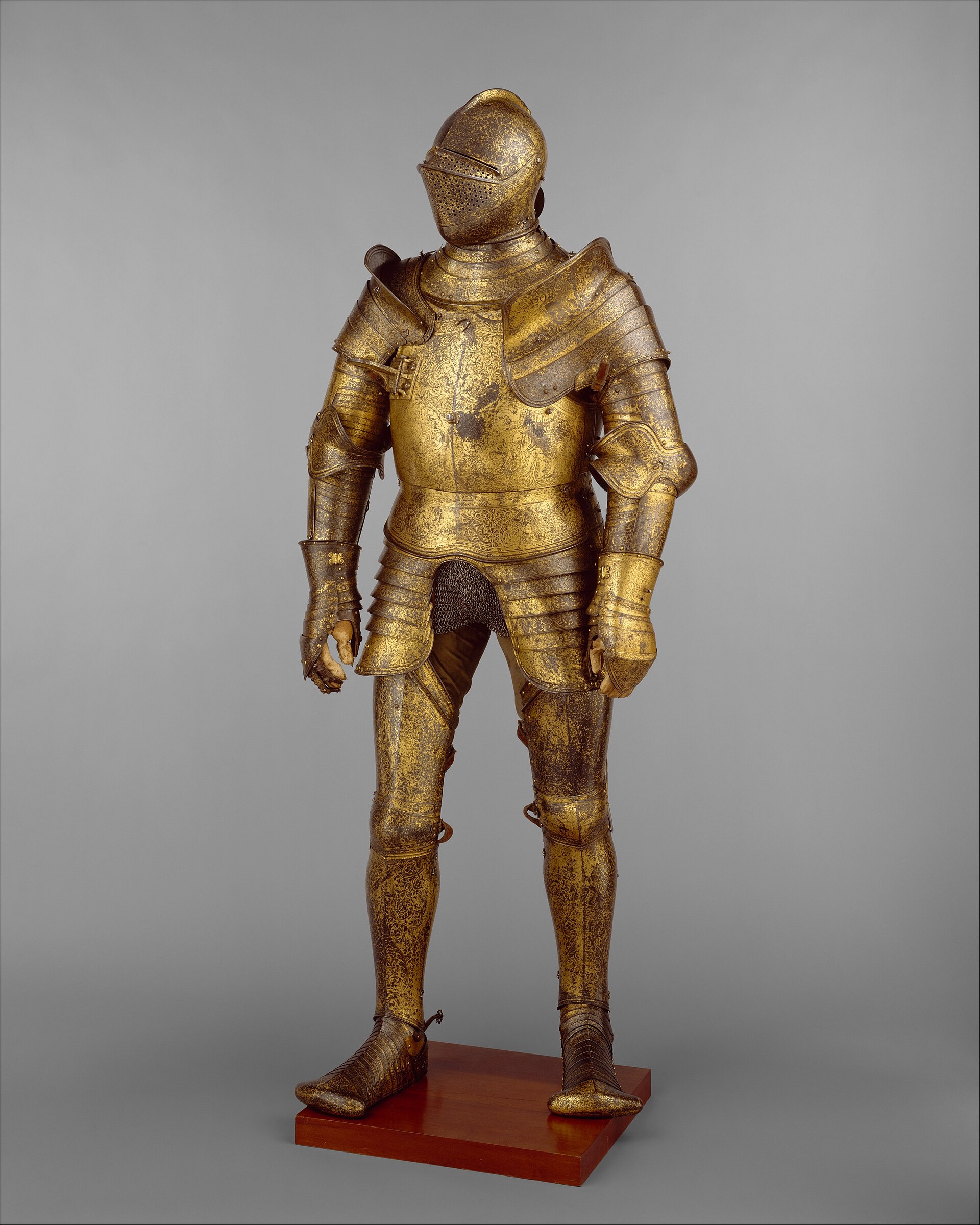
| 1919 | Greenwich armour of Henry VIII | Purchase, William H. Riggs Gift and Rogers Fund, 1919 | Duc d'Uzes line, owners until 1917 |
| 1933 | Armour of Emperor Ferdinand I | Purchase, Rogers Fund and George D. Pratt Gift, 1933 | not named in the record |
| 1943 | The Emperor's Carpet | Rogers Fund, 1943 | Arthur Upham Pope |
| 1944 | Khurasan ewer | Rogers Fund, 1944 | Estate of J. Pierpont Morgan |
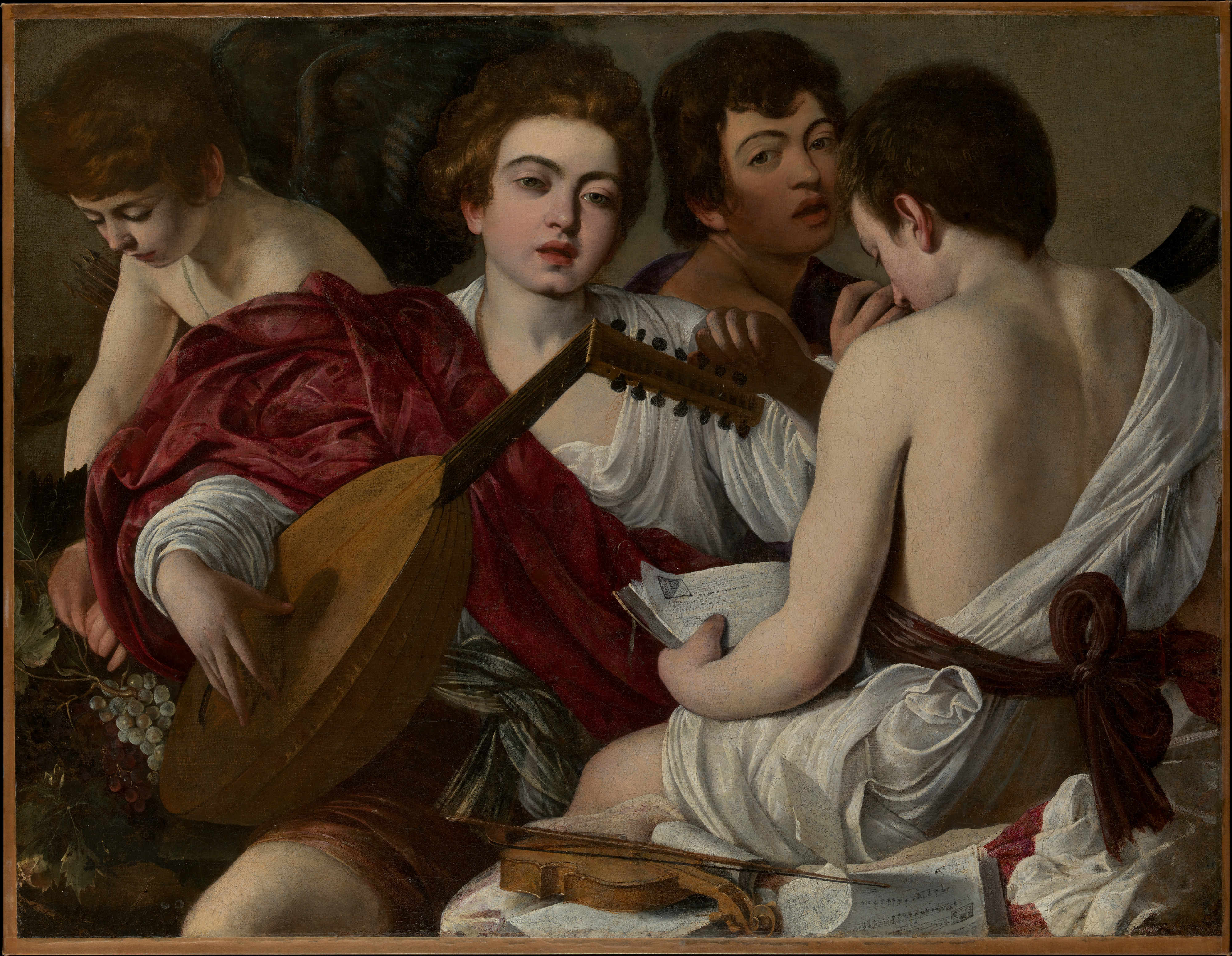
| 1952 | Caravaggio, The Musicians | Rogers Fund, 1952 | Surgeon Captain W. G. Thwaytes |
| 1960 | La Tour, The Fortune-Teller | Rogers Fund, 1960 | Wildenstein |
| 1970 | Bugatti desk chair | Rogers Fund, 1970 | Galerie du Luxembourg, Paris |
| 1971 | Pyxis with Christian imagery | Rogers Fund, 1971 | Kevorkian Foundation sale, Sotheby's London, 8 December 1970 |
| 1971 | Velazquez, Juan de Pareja | Purchase, Fletcher and Rogers Funds, and Bequest of Miss Adelaide Milton de Groot (1876-1967), by exchange, supplemented by gifts from friends of the Museum, 1971 | Christie's London, 27 November 1970, through Wildenstein |
Jacob S. Rogers left the museum most of his fortune in 1901
The Rogers Fund comes from Jacob S. Rogers, a locomotive manufacturer who died on 2 July 1901 and left most of his fortune to the Metropolitan Museum. Wikipedia reports the sum as 8 million dollars and says the museum still buys in his name. That is a tertiary source, and a museum or probate source should replace it.
The first Rogers Fund object in the archive was accessioned in 1903, two years after his death, and the latest in 1971. The archive does not hold every Met object and cannot say what the fund has bought since, or how much of its income it has spent on the 17. What the table shows is a single name on 17 credit lines over 68 years.
The fund paid for armour, paintings, a chariot and a carpet
Across the 17 objects the Rogers Fund paid for five pieces of arms and armour, four paintings, three objects from the Islamic world, two pieces of furniture, an Etruscan chariot, a Japanese print and a plate from a Washington service. The five armours include three bought together in 1904 from the collection of the Duc de Dino, and the Greenwich armour of Henry VIII accessioned in 1919 with a gift from William H. Riggs.
The four paintings are the Bruegel Harvesters in 1919, the Caravaggio in 1952, the La Tour in 1960 and the Velazquez Juan de Pareja in 1971, the last bought at Christie's in London on 27 November 1970 through Wildenstein with the Fletcher Fund and a bequest as well. Because some credit lines name more than one fund, the count is of credit lines naming the Rogers Fund and not of objects it paid for alone.
The credit line names the money, and the provenance names the seller
A credit line such as Rogers Fund, 1952 names the money and the year and leaves out the seller, whom only the record's provenance supplies. For 14 of the 17 objects the archive names a seller or source: Paul Jean Cels for the Bruegel in 1919, Surgeon Captain Thwaytes for the Caravaggio in 1952, Wildenstein for the La Tour in 1960, the Canfield estate for the Goddard desk in 1915 and the Morgan estate for the ewer in 1944.
For the other three it names no seller, which is a gap in the record and not evidence that the museum bought from nobody. The next largest funds are the Fletcher Fund at 6 credit lines and the Harris Brisbane Dick Fund at 4, so the Rogers Fund leads the next fund by 11 credit lines.
Questions
It is an acquisition fund of the Metropolitan Museum of Art that comes from the bequest of Jacob S. Rogers, a locomotive manufacturer who died in 1901. Wikipedia reports the bequest as most of a fortune of 8 million dollars.
The latest Rogers Fund credit line among the 72 Met objects here is 1971, so this archive cannot say. The museum itself would have to confirm whether the fund is still spent.
A credit line records who paid for the object and when. The seller belongs to the provenance, which the museum lists separately.
Sources
- 1Metropolitan Museum of Art Collection API, object 435844, Caravaggio, The Musicians: credit line "Rogers Fund, 1952", accession 52.81. Read 23 November 2026, with the 16 other Rogers Fund objects listed in the table. collectionapi.metmuseum.org/public/...
- 2Metropolitan Museum of Art Collection API, object 247020, Monteleone chariot: "Rogers Fund, 1903", accession 03.23.1. The earliest Rogers Fund credit line among the 72 Met objects here. collectionapi.metmuseum.org/public/...
- 3Metropolitan Museum of Art Collection API, object 452211, pyxis with standing saints: "Rogers Fund, 1971", accession 1971.39a, b. The latest Rogers Fund credit line among them. collectionapi.metmuseum.org/public/...
- 4Metropolitan Museum of Art, collection page for The Musicians, Caravaggio, with the provenance naming Surgeon Captain W. G. metmuseum.org/art/...
- 5Wikipedia, Jacob S. Rogers, read 23 November 2026. en.wikipedia.org/wiki/...
More in Museums and Exhibitions
The partHow Often a Famous Scroll Is Allowed to Travel
Qingming left the mainland twice and was then listed as banned from exhibition abroad. Fuchun's two halves met once in 360 years.
Most of the Exhibition Record in This Archive Was Written After 1975
Of 233 dated exhibition entries across 69 records, 166 fall in 1975 or later and only 4 before 1850. What that says about an exhibition history.
The Longitude Clocks Are Held on Four Different Terms
Harrison's four timekeepers, H5, Kendall's K1, Le Roy's chronometer and Earnshaw 509 sit in four institutions on four terms: state property, a loan...