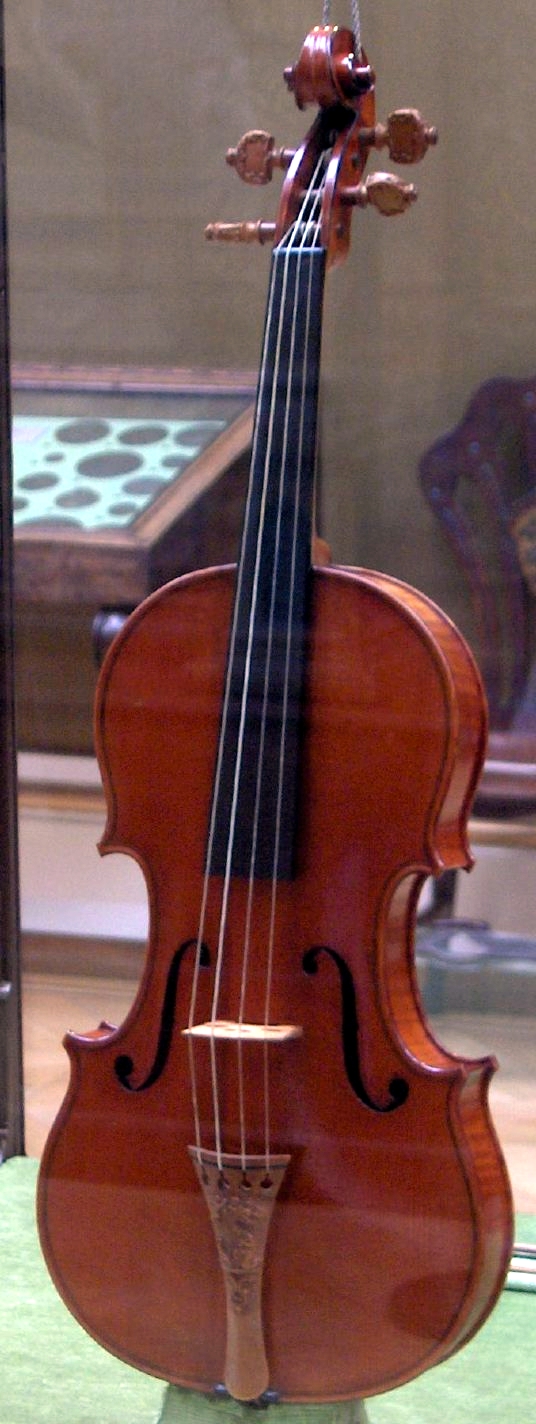
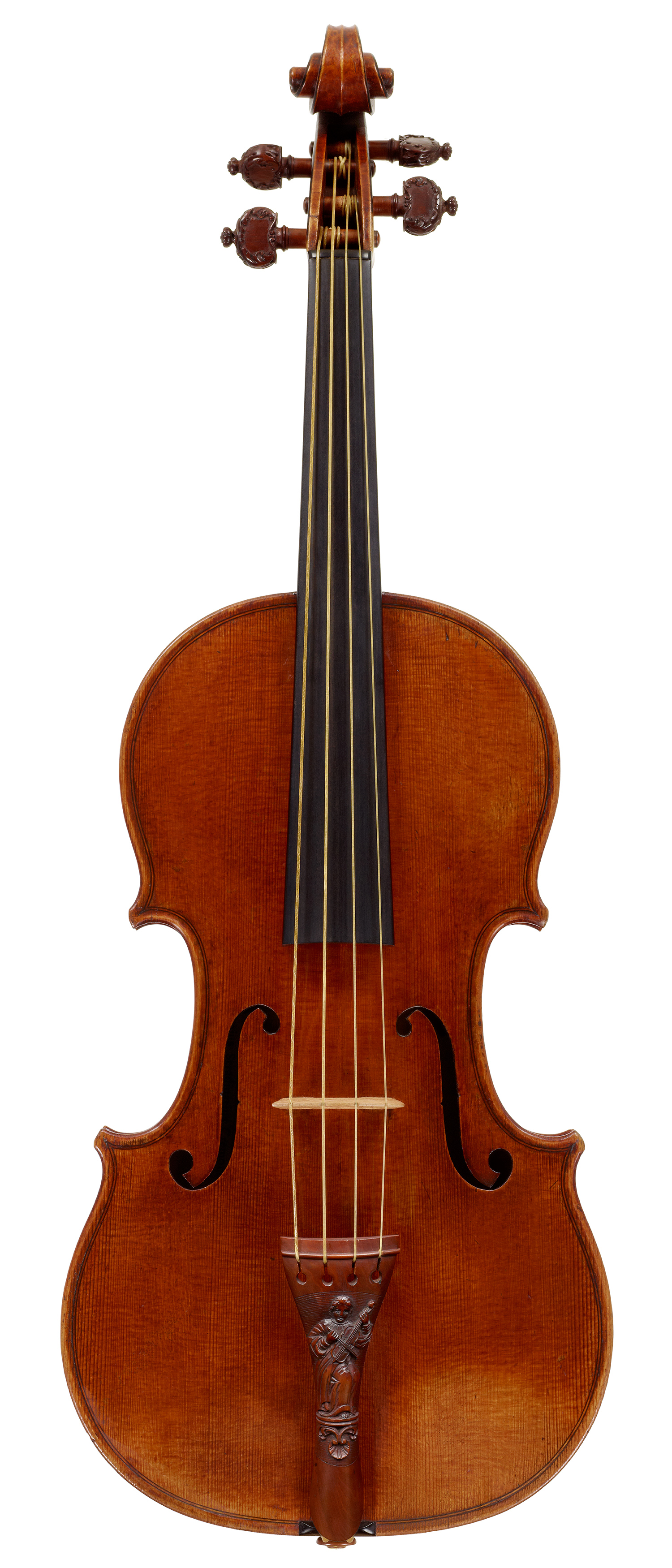
The Messiah
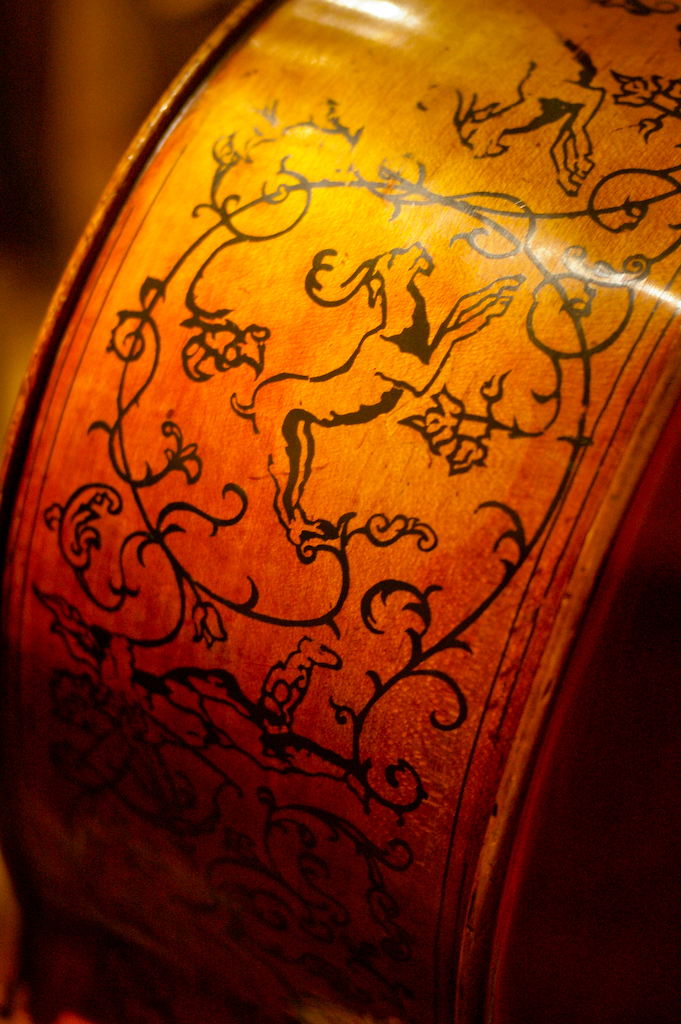
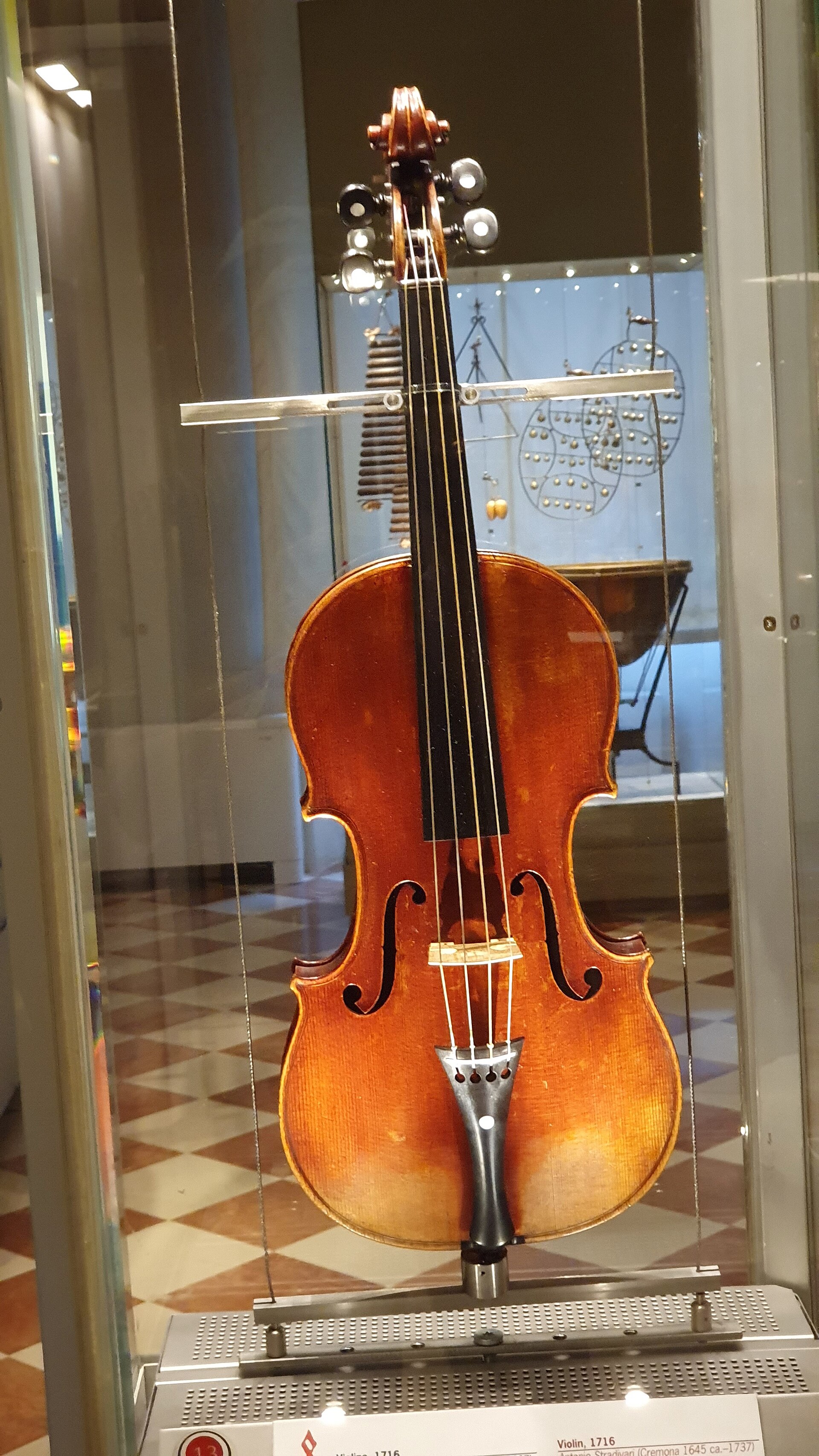
1716 · Spruce table
Ashmolean Museum, University of Oxford, on display in Gallery 39
 Italian (Cremonese) · 1644-1737
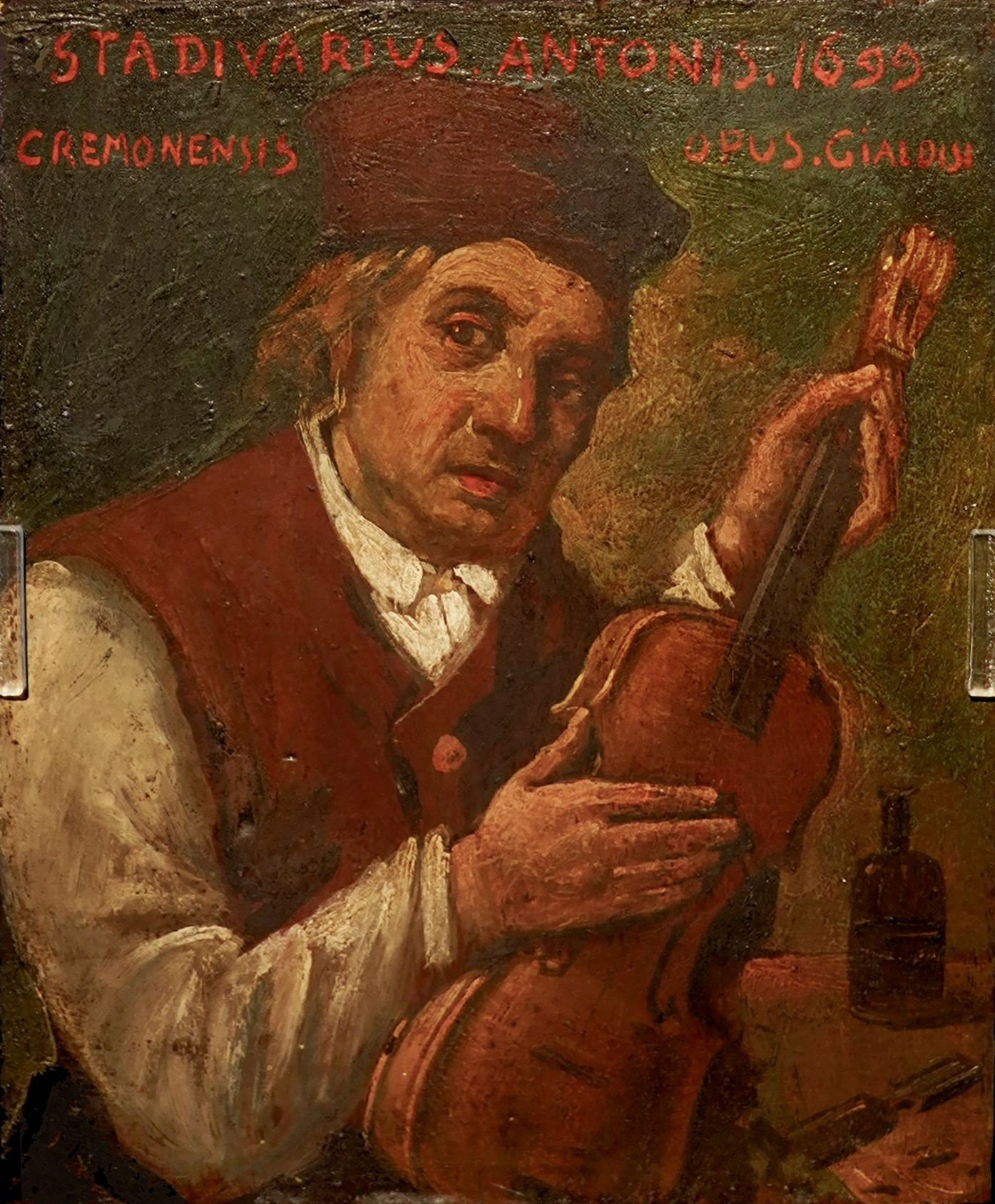
A 1712 copy, possibly by the Cremonese painter Francesco Gialdisi, of a 1691 original, found in a private Italian collection and first published in 2019. Technical examination dated the panel and a Latin inscription on the reverse to the period claimed, and the Museo del Violino's curator Fausto Cacciatori called the discovery significant, but the identification of the sitter as Stradivari rests on the inscription and circumstantial dating rather than a confirmed contemporary record, and has not been independently settled in peer-reviewed publication. Every other widely circulated image of Stradivari, including one long mislabelled portrait of Claudio Monteverdi, was painted after his death and has no claim to be a likeness from life.
Private collection; image via Wikimedia Commons| Full name | Antonio Stradivari, whose instrument labels Latinize the name as Antonius Stradivarius |
|---|---|
| Worked as | Luthier |
| Born | c. 1644 (no baptismal record has been located · Cremona, Duchy of Milan (now Lombardy, Italy) |
| Died | 18 December 1737 · Cremona |
| Nationality | Italian (Cremonese) |
| Movement | Cremonese school of violin making |
| In this archive | 5 artworks |
| Sources | 28 cited |
| Last verified | 17 September 2026 |
About this page 5 artworks in the archive · Last verified 17 September 2026 · 28 sources cited
Antonio Stradivari made stringed instruments in Cremona for roughly seven decades, from an apprenticeship in the 1660s to instruments dated the year before his death in 1737. He signed nothing that survives as a personal document, sat for no portrait that can be proven genuine, and left no workshop manual. What survives instead is the objects themselves, a family of makers around him, a documentary trail that runs through a Piedmontese count and a Paris dealer-restorer, and a market that has never stopped paying attention to his name.
The single most useful thing a reader can know going in is that almost every specific number attached to Stradivari is contested, and contested by named people using named methods, not by rumour. How many instruments he made, how many survive, how many violas are left, which portrait if any shows his face, whether his violins actually outperform a fine modern instrument under blind conditions: on every one of these the honest answer names two positions and the person or study behind each. This page tries to keep that discipline rather than flatten it into a single tidy figure.
The other thing worth knowing early is how much of the market in his name is not really about him at all. Millions of trade violins made in the nineteenth and early twentieth centuries carry a printed label reading his name; almost none of their owners were ever meant to be deceived, and almost none of the instruments are his.
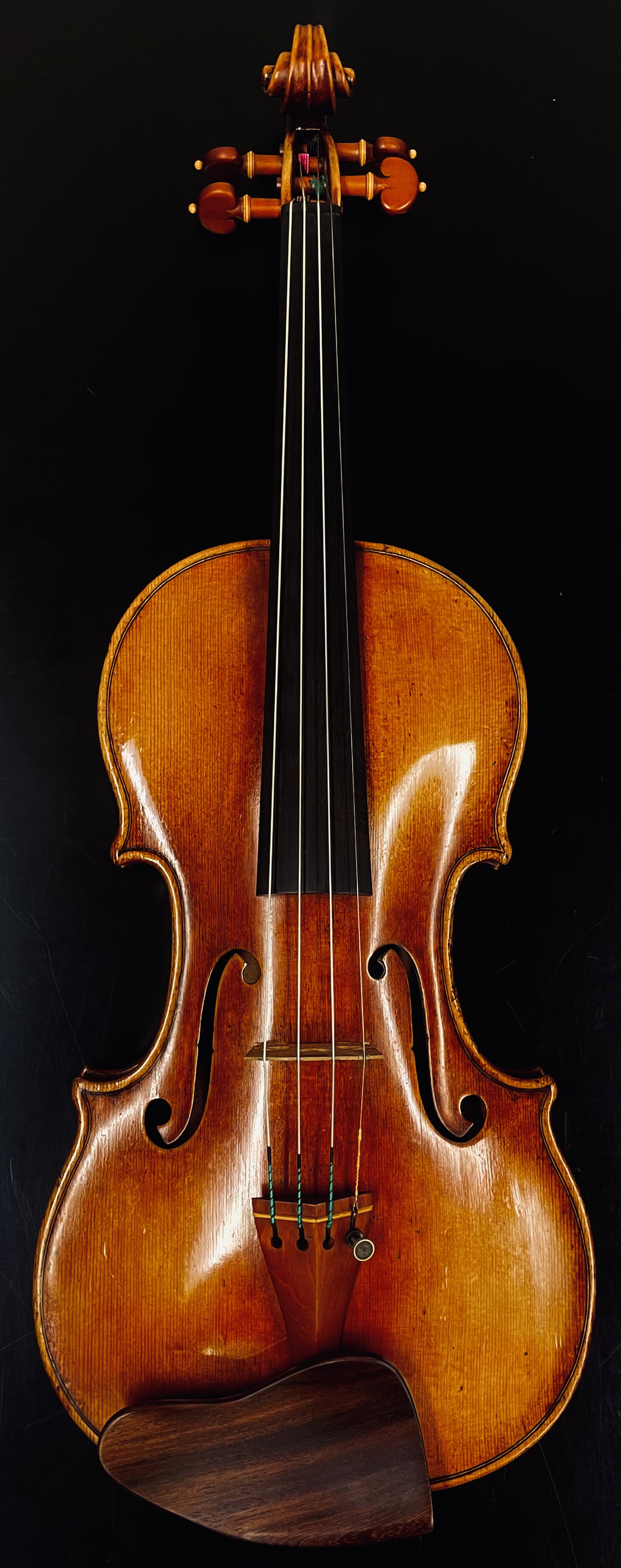
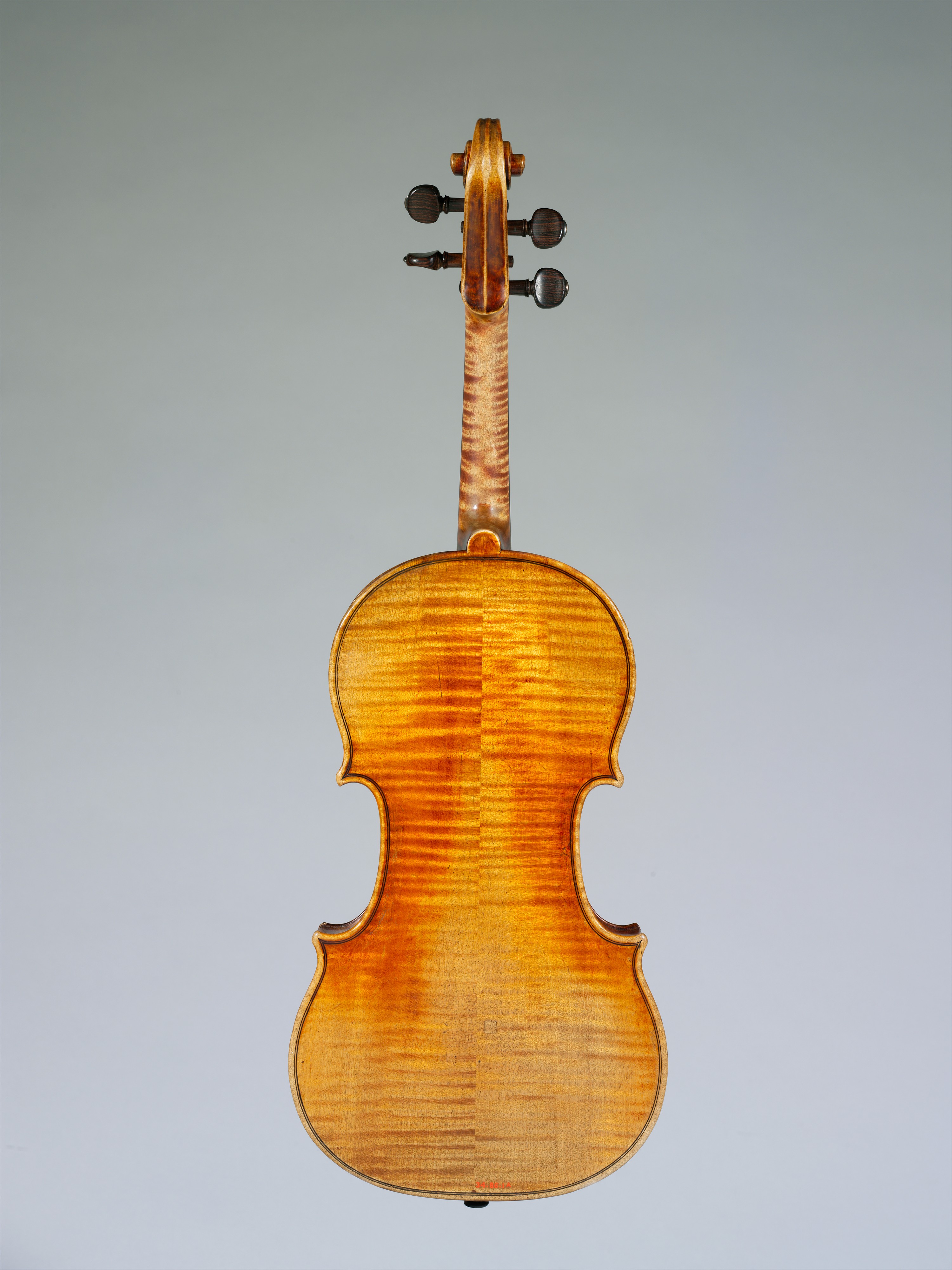
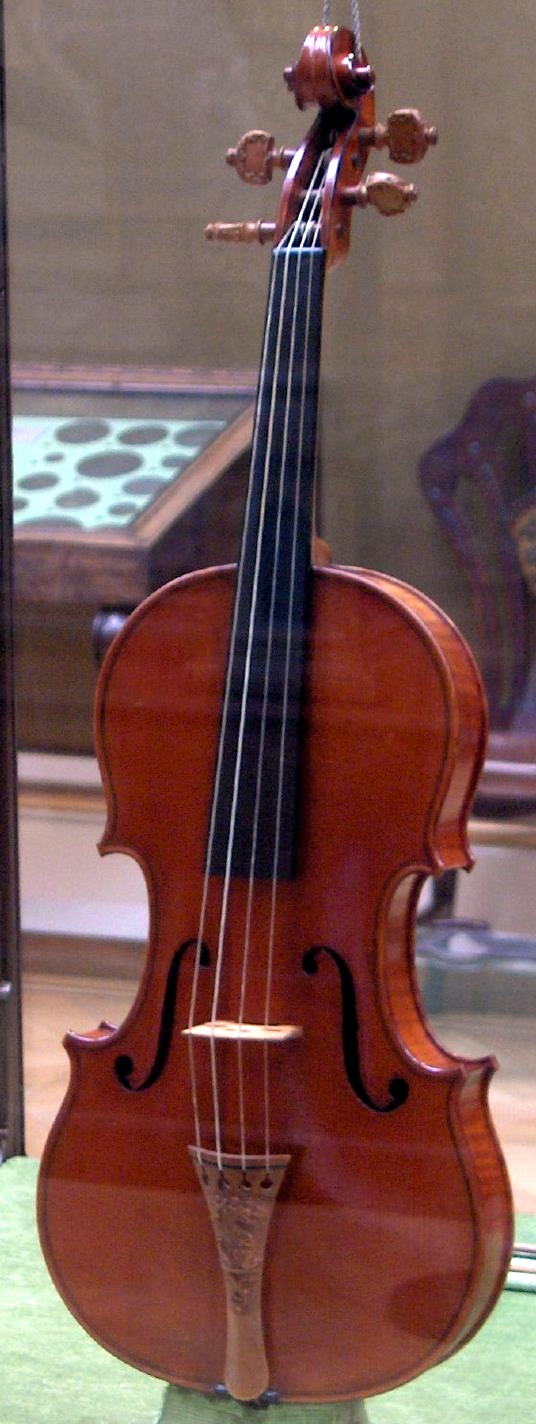
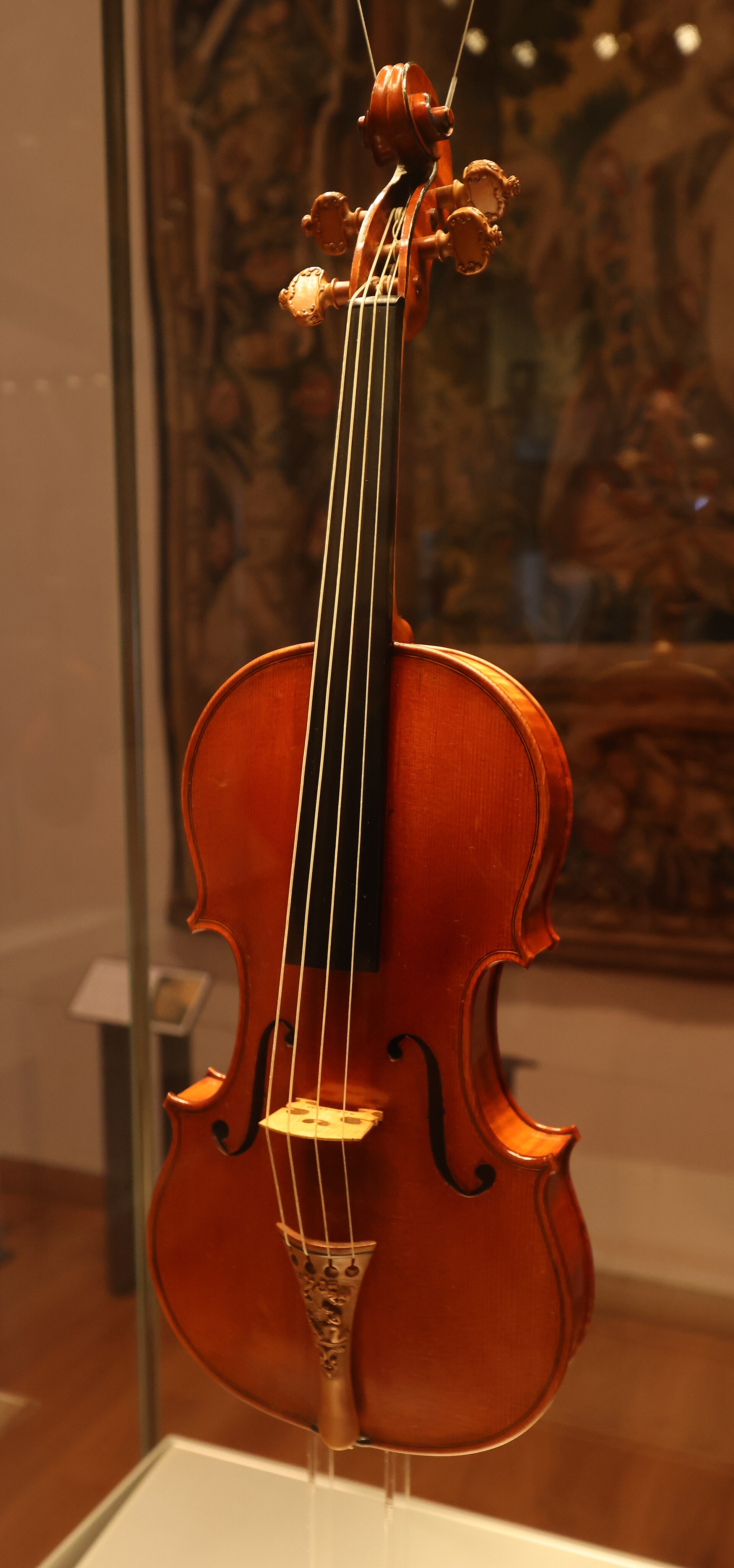
1716 · Spruce table
Ashmolean Museum, University of Oxford, on display in Gallery 39
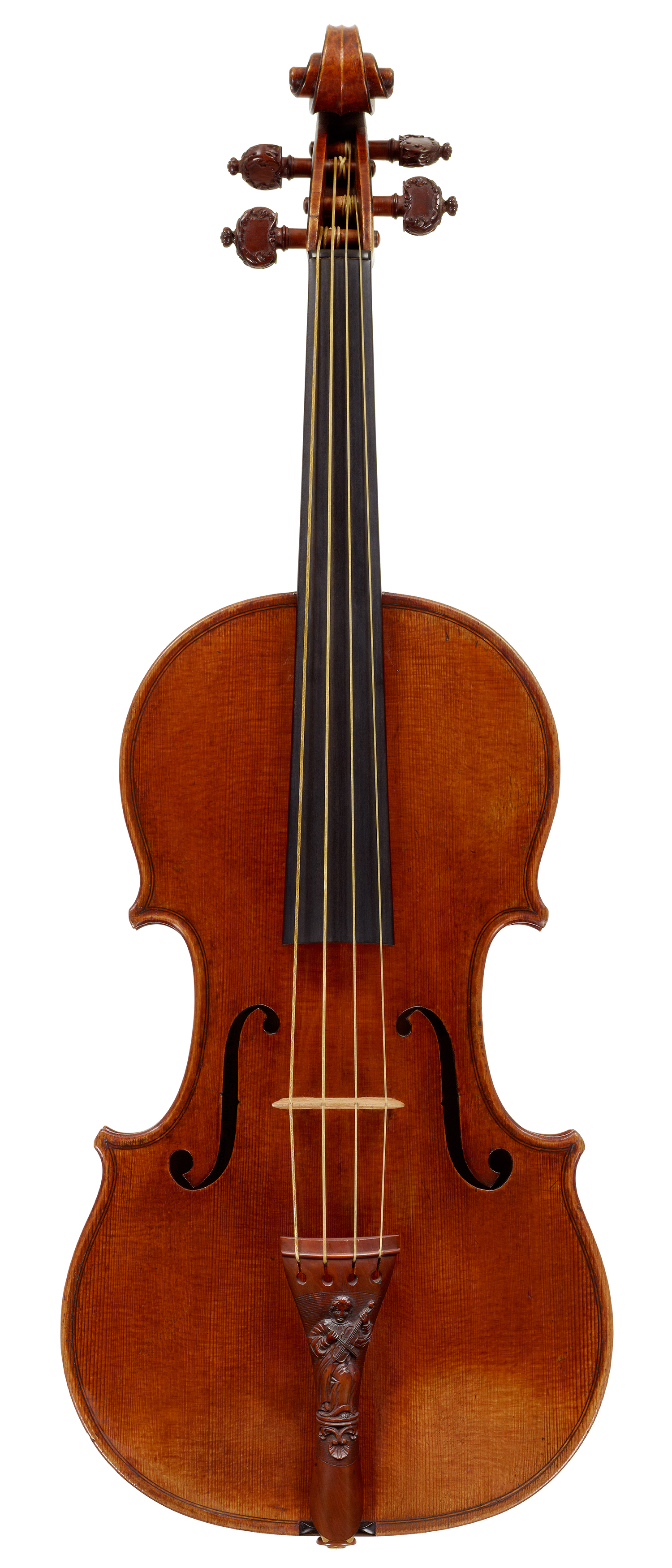
1721 · Spruce top
Private collection, owner not publicly identified
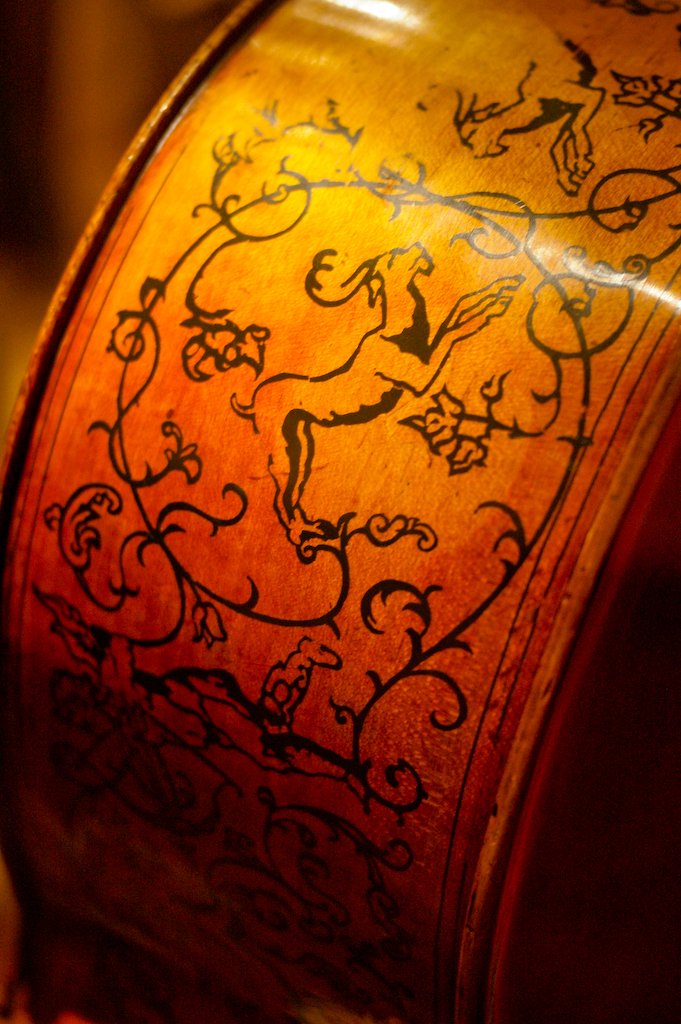
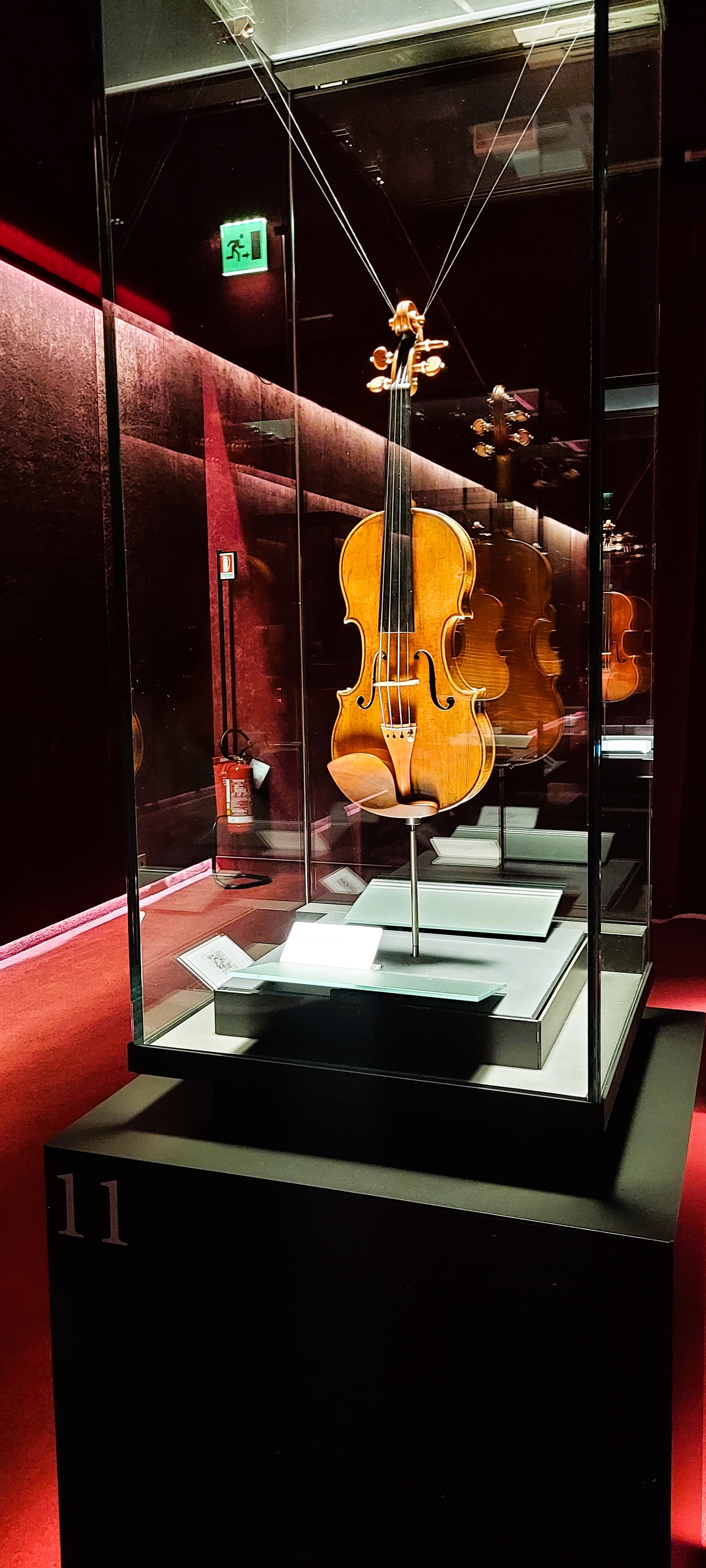
1688 · Spruce top
Smithsonian Institution, National Museum of American History
1732 · Carved spruce top
University of California, Los Angeles, Herb Alpert School of...
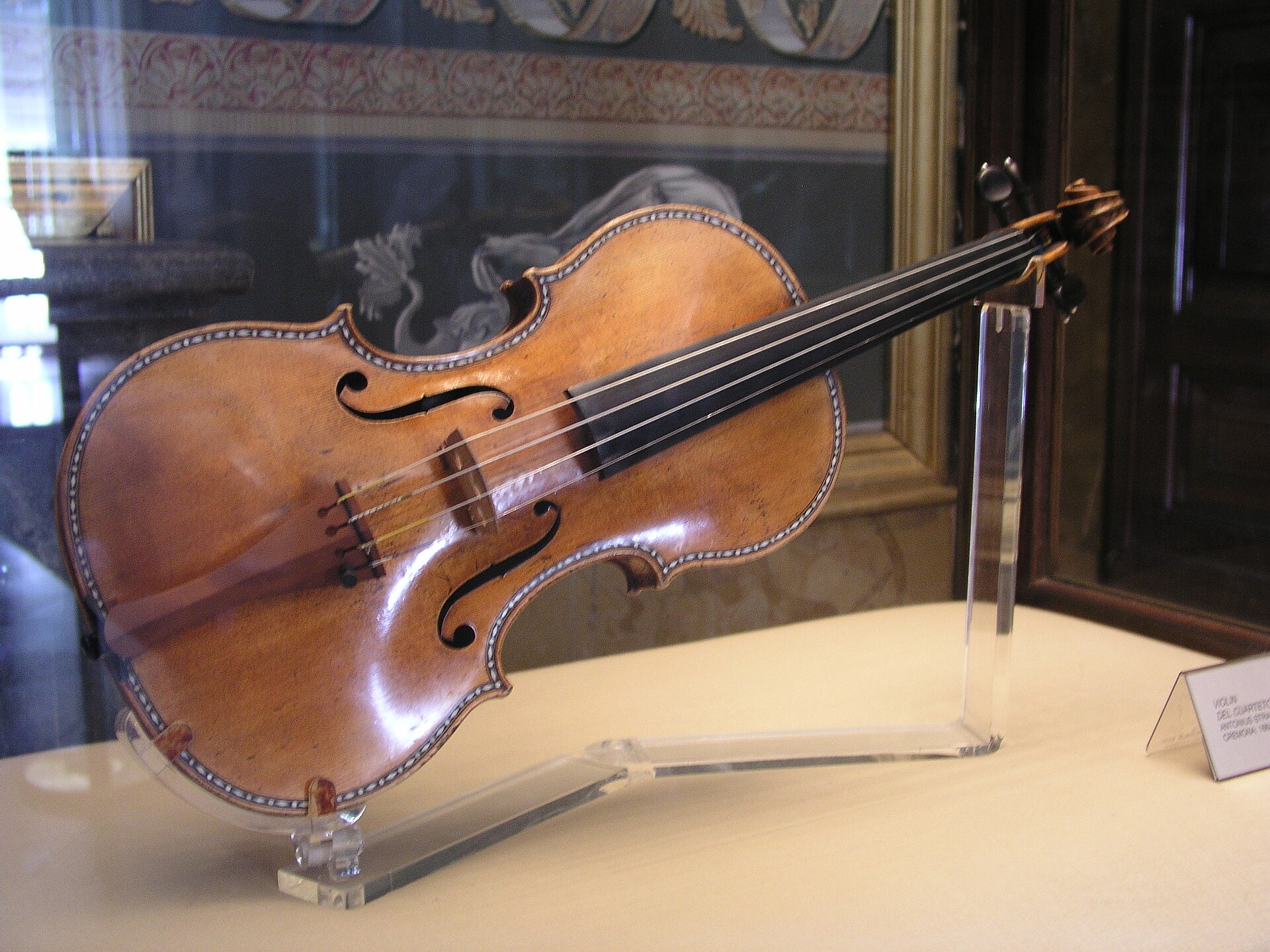
1711 · Maple
The Metropolitan Museum of Art, New York, on view in Gallery 684
Born in Cremona; no baptismal record survives and the date is not documented.2
Earliest surviving labelled instrument, describing him as a pupil of Nicolo Amati; the training claim is disputed by later scholars.2
Son Francesco born; later the son most involved in the workshop and principal heir.2
Son Omobono born; left the workshop at eighteen, later returned, and made instruments under his own name.2
Makes the contralto viola later known as the Tuscan-Medici, acquired by the Library of Congress in 2025.23
Makes the decorated cello, viola and two violins later called the Stradivarius Palatinos, intended as a gift to Philip V of Spain.3
The golden period: the years from which the most consistently prized instruments survive, coinciding with wood sourced almost exclusively from the Val di Fiemme forest in the Dolomites.212
Makes the violin later called the Messiah, kept unsold in the workshop until his death.2
Purchases a family tomb in the Chapel of the Rosary, Basilica of San Domenico, Cremona.21
Dies in Cremona on 18 December, aged about ninety-three; buried in the tomb bought eight years earlier.212
Count Cozio di Salabue buys the remaining workshop contents, ten finished unsold instruments and all surviving tools, moulds and drawings, from Paolo Stradivari and his son.16
The Basilica of San Domenico and its monastery, where Stradivari is buried, are demolished; the site becomes the public gardens of Piazza Roma, Cremona.21
Roughly seven million bowed trade instruments, many carrying a generic printed Stradivarius label, are exported from the Markneukirchen district of Germany alone.15
The McKinley Tariff Act requires goods imported into the United States to be marked with their country of origin, dating unmarked German trade violins to before this year.15
W. E. Hill and Sons publish Antonio Stradivari: His Life and Work, the catalogue that set the terms of Stradivari scholarship for most of the twentieth century.26
The violin maker Giuseppe Fiorini buys the remaining Stradivari workshop artefacts and papers from Paola Dalla Valle for 100,000 lire.16
Fiorini donates the collection to the city of Cremona; it forms the core of what becomes the Museo del Violino's Stradivari holdings.16
Gertrude Clarke Whittall gives five Stradivari instruments to the Library of Congress.23
Alfred and Arthur Hill give the Messiah to the Ashmolean Museum, Oxford, in memory of their father, on condition it never be played again.2
The Ames Stradivari of 1734 is stolen from the violinist Roman Totenberg after a concert at the Longy School.18
The Cozio Archive is founded by Philip E. Margolis to make instrument documentation publicly accessible; later acquired and operated by Tarisio.1
The Lady Blunt Stradivarius of 1721 sells through Tarisio for a hammer price of 8.75 million pounds, proceeds pledged to Japan earthquake and tsunami relief.67
The Ames Stradivari surfaces in Manhattan after thirty-five years missing and is returned to Totenberg's heirs.1819
The 1714 da Vinci, ex-Seidel Stradivari sells through Tarisio for 15.34 million dollars.8
The Library of Congress acquires the 1690 Tuscan-Medici viola outright, valued at 30 million dollars.23
J and A Beare publish Antonio Stradivari: The Complete Works, a six-volume catalogue documenting nearly 850 works.17
Realised prices tracked in the Cozio Archive's own price-history data move from 115 to 140 pounds sterling for two violins sold at Cremona in November 1850, to roughly 84,500 pounds by 1971, to about 902,000 pounds by 1990, to a run of eight- and nine-figure dollar sales since 2011. The escalation is not a smooth curve; individual sales in 2023 and 2024 realised prices well below the 2011 and 2022 peaks, which tracks the condition, documentation and fame of the specific instrument as much as any general market trend.
Three sales anchor the top of the market. The Lady Blunt of 1721 remains the highest price realised at public auction. The da Vinci, ex-Seidel of 1714 is the second-highest public sale. The Baron Knoop of 1715 commands the highest reported price overall, but as a private treaty sale rather than an auction its figure is not directly comparable to a hammer price.
| Date | Sale | Work | Result | Note |
|---|---|---|---|---|
| 20 June 2011 | Tarisio | Lady Blunt Stradivarius, 1721 | Hammer GBP 8,750,000 With premium Approximately GBP 9,800,000 total with buyer's premium (approx. USD 15.9 million) GBP | Sold on behalf of the Nippon Music Foundation, entire proceeds pledged to the foundation's Northeastern Japan Earthquake and Tsunami Relief Fund following the March 2011 disaster. Highest price for a Stradivari at public auction in the sources consulted. |
| 9 June 2022 | Tarisio | da Vinci, ex-Seidel Stradivarius, 1714 | Hammer Not separately disclosed in the sources consulted With premium USD 15,340,000 total realised (approx. GBP 12,290,000) USD | Previously owned by the violinist Toscha Seidel, who bought it in 1924 for USD 25,000; heard on the soundtrack of The Wizard of Oz. Second-highest public sale of a Stradivari in the sources consulted. |
Hammer is the price at which the bidding stopped; with premium adds the fee the house charges the buyer on top. Hammer price and buyer's premium in the glossary.
| Institution | City | Holdings | Note |
|---|---|---|---|
| Ashmolean Museum, University of Oxford | Oxford | The Messiah, 1716 | On permanent display, Gallery 39. Given by the Hill family in 1939 on condition it is never played. |
| Library of Congress | Washington, D.C. | Six Stradivari instruments, including the Tuscan-Medici contralto viola of 1690 | Five from the 1935 Whittall gift; the viola acquired outright in 2025 after decades on loan. |
| Palacio Real de Madrid (Patrimonio Nacional) | Madrid | The Stradivarius Palatinos: cello, viola and two violins | Made c. 1694-1709 for the Spanish crown. On display and occasionally played in public concerts. |
| Museo del Violino | Cremona | The Clisbee, Francalucci violin of c. 1669; the Sabionari guitar of 1679; fourteen violin moulds and three viola moulds from the original workshop | The Clisbee was donated by Evelyn and Herbert Axelrod in 2003. The moulds descend from the Cozio-Fiorini chain of ownership. |
| Galleria dell'Accademia (Conservatorio Luigi Cherubini collection) | Florence | A 1716 violin and other instruments from the Medici court commission | The Medici court in Florence commissioned a set of instruments from Stradivari in the late seventeenth century; several remain in the city. |
| National Museum of American History, Smithsonian Institution | Washington, D.C. | The Marylebone (Cazenove) cello of 1688; the Ole Bull violin of 1687 | Part of the Smithsonian's string instrument collection. |
| San Pietro a Maiella Conservatory | Naples | A small portable harp (arpetta), 1681 | The only Stradivari harp known to survive. |
The popular version of Stradivari is a lone genius guarding a lost secret.
The popular version of Stradivari is a lone genius guarding a lost secret. The documented version is harder and more interesting: a working family shop that produced instruments of visibly uneven quality depending on whose hands touched them, a wood supply that can now be traced to a specific stretch of the Italian Alps and a specific cold spell in the climate record, and a market that took more than a century after his death to separate the man from the flood of instruments manufactured to carry his name. The secret-formula story survives because it is simpler than the real one, not because it is better supported.
It is also worth saying plainly that no portrait of Stradivari can be shown, with confidence, to be a genuine likeness taken from life. Every image in wide circulation is either a later Romantic invention or, in one recently proposed case, a technically plausible but not independently confirmed identification. That absence is itself a finding about how thin the contemporary documentary record around him actually is.
The earliest instrument by Stradivari to survive is dated 1666 and carries a label describing him as a pupil of Nicolo Amati, the leading Cremonese maker of the generation before him, working in a...
The earliest instrument by Stradivari to survive is dated 1666 and carries a label describing him as a pupil of Nicolo Amati, the leading Cremonese maker of the generation before him, working in a family workshop that had itself supplied violins to the French royal court. That label is the entire basis for the standard claim that Stradivari trained under Amati.
The claim is disputed. Stradivari did not go on to credit Amati as consistently as other documented Amati pupils did, and construction details on his early instruments, including the absence of Amati's characteristic dorsal pin technique, have led some specialists to argue for training instead, or in addition, under Francesco Rugeri, another Cremonese maker of the period. Neither position is settled in the sources consulted for this page, and the honest position is that Stradivari's earliest training is argued rather than documented.
Stradivari had two sons who worked alongside him: Francesco, born 1671, and Omobono, born 1679.
Stradivari had two sons who worked alongside him: Francesco, born 1671, and Omobono, born 1679. Francesco stayed in the workshop for most of his working life and inherited the bulk of his father's estate; independent instruments carrying his own name are rare. Omobono left the family shop at eighteen and later returned, and instruments under his own name, including a 1732 example known as the Blagrove, do survive.
The workshop attribution question this raises is a real one and not merely academic. The purfling, the thin inlaid strip that runs around the edge of the top and back plates, is one of the most diagnostic details a specialist can read, and on instruments where the sons' hands are identified in this work it has been described as startlingly poor next to Antonio's own. A violin that is substantially his father's design and material, finished in part by a son, is a different object from an autograph Stradivari, and the difference sits in exactly this kind of technical detail rather than in the label, which says nothing about who actually cut the purfling.
The years from roughly 1700 to 1725 are conventionally called Stradivari's golden period, the stretch of his career from which the instruments most consistently prized by players and collectors...
The years from roughly 1700 to 1725 are conventionally called Stradivari's golden period, the stretch of his career from which the instruments most consistently prized by players and collectors survive. Before about 1706 his spruce came from mixed Alpine sources; from around that point he drew it almost exclusively from Norway spruce growing in the Val di Fiemme forest in the Dolomites, a single identifiable region.
A dendrochronological study led by Mauro Bernabei of the Italian National Research Council, published in the journal Dendrochronologia in February 2026 and building on tree-ring measurements taken over decades by the late British dendrochronologist John Topham, analysed 314 tree-ring patterns from 284 Stradivari violins. It found that the wood grew unusually dense and even, consistent with trees that matured during an abnormally cold spell in the historical climate record and, in some cases, at altitudes higher than Norway spruce grows in that region today. The correlation between that wood and the golden period's reputation is real and measured; whether the wood alone explains the reputation, as against varnish, technique, or the way the instruments have simply been played and adjusted for three centuries, is not something the tree-ring evidence by itself can settle.
Beyond where the spruce grew, there is a separate and more contested claim about how it was treated before it was carved.
Beyond where the spruce grew, there is a separate and more contested claim about how it was treated before it was carved. Joseph Nagyvary, a biochemist at Texas A&M University, has argued since the 1970s that Cremonese makers, Stradivari and Guarneri del Gesu among them, chemically treated their wood, and that minerals identified in samples, described in coverage of his 2006 Nature paper as consistent with borax and other salts, point to a deliberate preservative treatment aimed at protecting the wood from worm and fungal damage, with an altered acoustic quality as an incidental effect.
Nagyvary himself has said he was criticized and ridiculed for the claim before the Nature paper appeared. The claim has not been independently replicated by other laboratories in the sources consulted here, and the same mineral traces could in principle result from three centuries of varnish, rosin, restoration chemicals and ordinary handling rather than from a single deliberate eighteenth-century treatment. The varnish itself, an oil-based, typically orange-red ground, remains a subject of active chemical analysis with no single accepted account of its exact recipe. Treat any claim to have found Stradivari's secret, this one included, as argued rather than settled.
Stradivari's estate passed to Francesco, and after Francesco's and Omobono's deaths the remaining workshop contents passed to another son, Paolo.
Stradivari's estate passed to Francesco, and after Francesco's and Omobono's deaths the remaining workshop contents passed to another son, Paolo. In 1775 and 1776 the Piedmontese collector Count Ignazio Alessandro Cozio di Salabue acquired those contents from Paolo and Paolo's son, Antonio Stradivari the younger, in a single transaction: ten finished, unsold instruments, among them the violin later called the Messiah, and all the surviving tools, moulds and drawings from the bench itself.
Cozio kept and catalogued this material for decades; an inventory of the moulds he began in February 1823 survives. After his death in 1840 the collection passed through his family, eventually to a cousin, Rolando Giuseppe Dalla Valle, and in 1920 the violin maker Giuseppe Fiorini bought the remaining Stradivari artefacts and papers from Paola Dalla Valle for 100,000 lire. Fiorini donated the collection to the city of Cremona in 1930. The Museo del Violino in Cremona now exhibits fourteen wooden violin moulds and three wooden viola moulds from that gift; some pieces recorded in 1930 have since disappeared from the public record, and additional moulds are held at the Musee de la Musique in Paris.
The foundational modern catalogue is Antonio Stradivari: His Life and Work, published in 1902 by the London dealing firm W.
The foundational modern catalogue is Antonio Stradivari: His Life and Work, published in 1902 by the London dealing firm W. E. Hill and Sons, itself a family business of violin makers and dealers with direct access to a large share of the surviving instruments. It set the terms of Stradivari scholarship for most of the twentieth century and is still cited as an authority, though its plates were watercolours rather than photographs, a limitation of its era rather than a criticism of its judgement.
In 2025 the London dealing firm J and A Beare published Antonio Stradivari: The Complete Works, a six-volume catalogue edited by John Dilworth and colleagues, combining high-resolution photography with provenance research the Hill brothers could not have assembled. It documents, by its own count, nearly 850 works: 736 violins, 14 violas, 69 cellos, 6 guitars, 6 small violins, 2 violas d'amore, 2 coristo mandolins, a pochette and a harp. Separately, the Cozio Archive, founded in 2003 by Philip E. Margolis and now operated by the dealer and auction house Tarisio, holds over 36,000 instrument and bow records across all makers, including photographs, certificates and auction price history, and functions as the working documentary register for the trade rather than a fixed catalogue.
The figure most often repeated, ultimately derived from Hill-era estimates, is that Stradivari made around 1,116 instruments, about 960 of them violins, and that roughly 650 survive today, including...
The figure most often repeated, ultimately derived from Hill-era estimates, is that Stradivari made around 1,116 instruments, about 960 of them violins, and that roughly 650 survive today, including something in the range of 450 to 512 violins. The 2025 Beares catalogue gives a different figure for what it documents: nearly 850 works across all instrument types. The two figures are not directly comparable on the evidence available here, since it is not established in the sources consulted whether the newer catalogue's count includes fragmentary or historically documented-but-lost instruments on the same basis as the older survival estimate, and this page does not attempt to reconcile them into one number.
The viola count alone shows the same instability. The Library of Congress, on acquiring its Tuscan-Medici viola in 2025, described it as one of ten surviving Stradivari violas. The Nippon Music Foundation's own description of its Mendelssohn viola, part of the Paganini Quartet it lends out, calls it one of just thirteen surviving violas. The Beares 2025 catalogue counts fourteen. Three institutions, three figures, all published in the same few years. None of them is wrong on its own terms; they simply are not counting quite the same thing in quite the same way, and no source consulted here explains the gap.
Individual Stradivari instruments are known by names rather than catalogue numbers in ordinary use: the Messiah, the Lady Blunt, the Dolphin, the Jupiter, the da Vinci.
Individual Stradivari instruments are known by names rather than catalogue numbers in ordinary use: the Messiah, the Lady Blunt, the Dolphin, the Jupiter, the da Vinci. A name typically records a notable owner, a nickname coined by a dealer, or occasionally a physical feature, and the same instrument can carry several names across its history as it changes hands, which is precisely why careful identification of exactly which named instrument a photograph or a claim refers to matters as much as it does on this page.
The clearest case of an instrument made as a set rather than assembled by history is the group now called the Stradivarius Palatinos, made between about 1694 and 1709: a cello, a viola and two violins, decorated with ivory-inlaid purfling and painted ornament, the only decorated quartet Stradivari is known to have conceived as a single ensemble and the only cello he is known to have decorated at all. He intended the set as a gift to Philip V of Spain but did not present it in his own lifetime. It originally included a second, tenor viola, making it a quintet; both violas went missing during the Napoleonic Wars, when French troops looted the Royal Palace in Madrid, and only the smaller, alto viola was ever recovered, returned to the Spanish state collection in 1951. The tenor viola has never resurfaced. The surviving instruments belong to Patrimonio Nacional and remain on display and, on occasion, in performance, at the Royal Palace in Madrid.
The single most important thing a reader needs to understand about a violin carrying a Stradivari label is that the label proves almost nothing on its own.
The single most important thing a reader needs to understand about a violin carrying a Stradivari label is that the label proves almost nothing on its own. Imitations of Stradivari's printed label began to be manufactured in Europe in the nineteenth century, and the great bulk of them were never intended as fraud. Mass-produced trade instruments, made anonymously by the hundred of thousands across Germany, France, central and eastern Europe, Britain, China and Japan from the mid-nineteenth century onward, routinely carried a Stradivarius label as a generic mark of quality in the way grand piano became a generic term, sold openly as copies at prices, in the case of period Sears Roebuck catalogue listings, as low as under two dollars, that made plain no buyer was meant to believe they had bought the genuine article. From the Markneukirchen violin-making district in Germany alone, roughly seven million bowed instruments were exported between 1880 and 1914, an unknown but large share of them carrying some version of the name.
The 1890 McKinley Tariff Act, requiring goods imported into the United States to be marked with their country of origin, is the reason a violin labelled Made in Germany can usually be dated after that year; earlier trade instruments typically carry no such mark at all. None of this bears on whether any specific instrument is genuine. Genuine attribution rests on construction, wood, varnish, dendrochronology and expert examination, the same evidence base this page has already described, and modern forensic comparison, including the simple observation that a fake label is often printed on paper of a type not manufactured until decades after Stradivari's death, continues to expose individual fakes one at a time.
Very few Stradivari instruments are privately held and privately played in the way an ordinary fine instrument is.
Very few Stradivari instruments are privately held and privately played in the way an ordinary fine instrument is. The Nippon Music Foundation, founded in 1994, owns twenty-one instruments by Stradivari and Guarneri del Gesu and lends them to young professional musicians under thirty-five rather than keeping them in storage; its loan roster has included the Dolphin of 1714, the Joachim of 1715, and the Jupiter of 1722, among others. The Stradivari Society, run through the Chicago dealing firm Bein and Fushi, arranges a similar pattern of ownership by patrons and long-term loan to performing musicians. The Library of Congress holds a smaller group outright: five instruments given by Gertrude Clarke Whittall in 1935, joined in 2025 by the Tuscan-Medici viola of 1690, acquired as a gift to the nation funded by a 20 million dollar donation from David and Amy Fulton and a further 10 million dollar in-kind contribution from the family of the viola's former owner, the collector Cameron Baird; the viola had already been on loan to the library since 1977 and was valued at the time of the gift at 30 million dollars.
The pattern across all of these arrangements is the same: outright private ownership by the person actually playing the instrument is now the exception. Foundations, museums and the small number of dealer-brokered patron arrangements hold the instruments; performers use them on loan.
Survival to the present is not guaranteed by fame.
Survival to the present is not guaranteed by fame. In May 1980 the Ames Stradivari of 1734, named for a nineteenth-century owner, was stolen from the violinist Roman Totenberg after a concert at the Longy School in Cambridge, Massachusetts, along with two of his bows. It stayed missing for thirty-five years. Totenberg died in 2012 without recovering it. In June 2015 the violin surfaced in Manhattan, brought in for appraisal by a woman who had received it from her former husband, who had died in California in 2011; the FBI and the Manhattan US Attorney's office returned it to Totenberg's heirs. After restoration it went on long-term loan to the young violinist Nathan Meltzer.
The case is worth recording for what it shows about how a well-known named instrument can vanish from the documented record for decades without being destroyed, resold, or detected by the trade, and then return intact. It is a reminder that the corpus figures discussed elsewhere on this page are current best counts, not fixed totals; an instrument presumed lost can still turn up.
Prices realised for Stradivari instruments, tracked in the Cozio Archive's own price-history data, show roughly a hundred and fifty years of modest, then explosive, appreciation.
Prices realised for Stradivari instruments, tracked in the Cozio Archive's own price-history data, show roughly a hundred and fifty years of modest, then explosive, appreciation. A violin sold at Cremona in November 1850 for the equivalent of 115 pounds sterling; another the same day made 140 pounds. By 1971 a sale reached about 84,500 pounds. By 1990 that had grown to roughly 902,000 pounds. By 2011 a single violin, the Lady Blunt of 1721, reached a realised price with premium of approximately 9.8 million pounds, sold by Tarisio on behalf of the Nippon Music Foundation with the entire proceeds pledged to the foundation's relief fund for the March 2011 earthquake and tsunami in northeastern Japan; the hammer price was 8.75 million pounds. It remains, on the figures gathered here, the highest price a Stradivari has made at public auction.
The 1714 da Vinci, ex-Seidel violin, previously owned by the Russian-American virtuoso Toscha Seidel, who bought it in 1924 for 25,000 dollars and whose playing of it appears on the soundtrack of The Wizard of Oz, sold through Tarisio on 9 June 2022 for 15.34 million dollars; the sources consulted do not separately disclose a hammer figure distinct from the total realised price for this online-format sale. The Baron Knoop of 1715, sold privately by the collector David L. Fulton, who had bought it in February 1992 for 2.75 million dollars, changed hands again in a private sale reported in March 2025 at 23 million dollars, described at the time as the highest price ever paid for a violin; as a private treaty sale rather than a public auction, no hammer-and-premium split applies, and the identity of the buyer has not been published.
The claim that old Italian violins, Stradivari's above all, sound objectively better than the finest modern instruments has been tested directly, and the results have not gone the way popular belief...
The claim that old Italian violins, Stradivari's above all, sound objectively better than the finest modern instruments has been tested directly, and the results have not gone the way popular belief expects. In 2012 the acoustics researcher Claudia Fritz and the violin maker Joseph Curtin brought ten professional soloists to Paris for a double-blind comparison of six new violins against six old Italian instruments, five of them by Stradivari, across sessions in a rehearsal room and a concert hall; six of the ten soloists chose a new instrument, and a single new violin was the most preferred of all twelve, with results published in the Proceedings of the National Academy of Sciences in 2014. A separate 2017 study in the same journal, testing listener rather than player preference, concluded, in its own words, that the results were unambiguous: listeners found new violins projected better than those by Stradivari, and generally preferred the new instruments.
The finding has not settled the argument. The science writer Philip Ball has argued the tests understate psychological and contextual factors that matter in a real concert, where an audience already knows what instrument it is hearing; Fritz has responded by characterising the preference for old instruments as closer to a placebo effect than a demonstrated acoustic advantage. Both positions are actively held in the field. This page does not resolve it, because the sources consulted do not resolve it either.
Luthier. c. 1644-1737.
Born c. 1644 (no baptismal record has been located; the exact date and month are not documented), Cremona, Duchy of Milan (now Lombardy, Italy); died 18 December 1737, Cremona.
The nineteenth and twentieth century trade-label industry. Hundreds of thousands of anonymously made trade violins, produced chiefly in Germany, France, central and eastern Europe, Britain, China and Japan from the mid-nineteenth century onward, carried a printed Stradivarius label as generic marketing rather than a claim of authenticity. Roughly seven million bowed instruments were exported from the Markneukirchen district of Germany alone between 1880 and 1914, sold openly in mail-order catalogues at prices, in some documented cases, of under two dollars.
Ashmolean Museum, University of Oxford (Oxford); Library of Congress (Washington, D.C.); Palacio Real de Madrid (Patrimonio Nacional) (Madrid); Museo del Violino (Cremona); Galleria dell'Accademia (Conservatorio Luigi Cherubini collection) (Florence); National Museum of American History, Smithsonian Institution (Washington, D.C.).
Realised prices tracked in the Cozio Archive's own price-history data move from 115 to 140 pounds sterling for two violins sold at Cremona in November 1850, to roughly 84,500 pounds by 1971, to about 902,000 pounds by 1990, to a run of eight- and nine-figure dollar sales since 2011. The escalation is not a smooth curve; individual sales in 2023 and 2024 realised prices well below the 2011 and 2022 peaks, which tracks the condition, documentation and fame of the specific instrument as much as any general market trend.Three sales anchor the top of the market.
Does the Val di Fiemme wood and its unusually dense, cold-period growth fully explain the golden period's reputation, or is it one factor among several including varnish, craftsmanship and three centuries of playing and adjustment? The 2026 dendrochronology study establishes correlation, not sole causation.
The profession defines provenance as a chain running from creation to the present.
8 min read
The Ashmolean says the Messiah Stradivari owes its fame not to the sounds it makes but to its condition.
9 min read
Objects here that sit in museums carry a last recorded sale a median 26 years old and a mean of 57.
12 min read
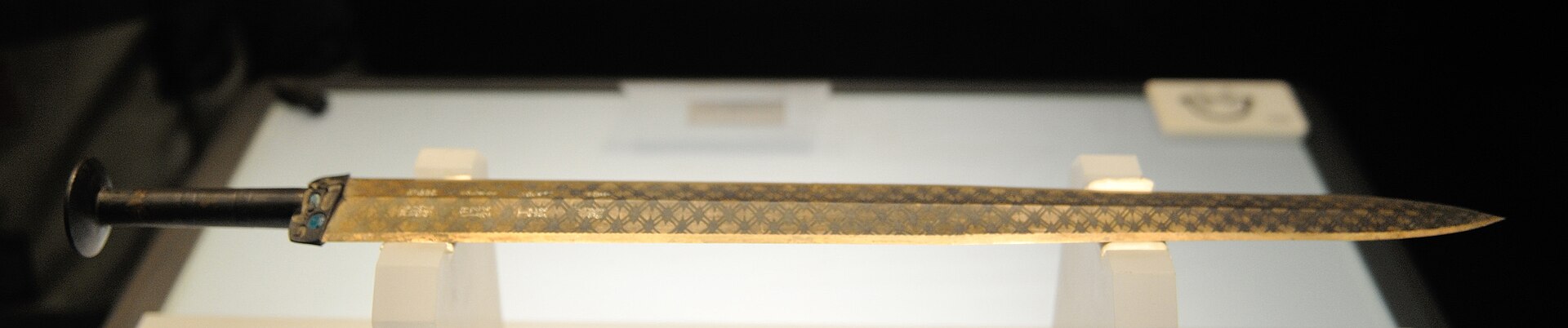
Six objects in this archive carry writing that settled what they are. In every case the reading is an event with a date and a...
10 min read
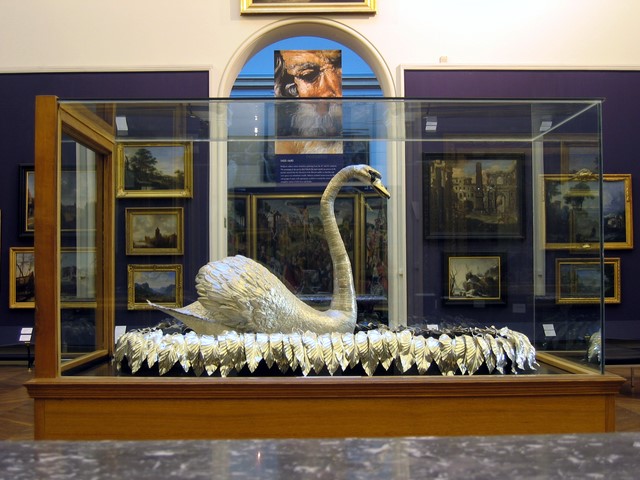
Six objects in this archive are still wound, played or demonstrated by the institutions that hold them.
10 min read
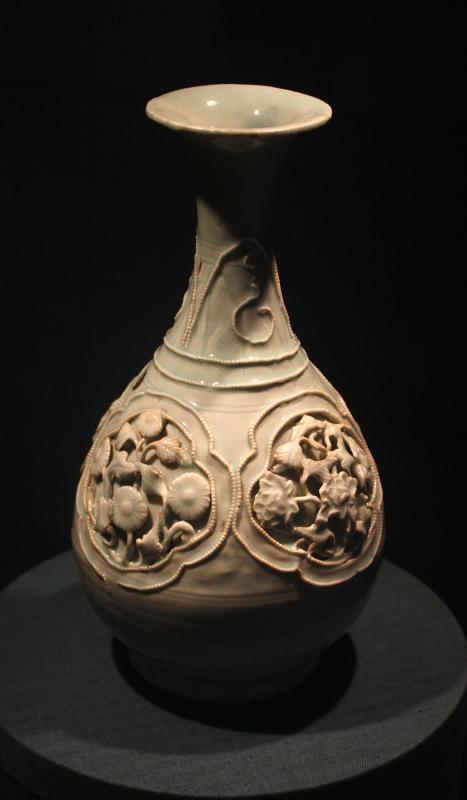
Of 214 auction results in this archive, 52 carry a published pre-sale estimate.
9 min read
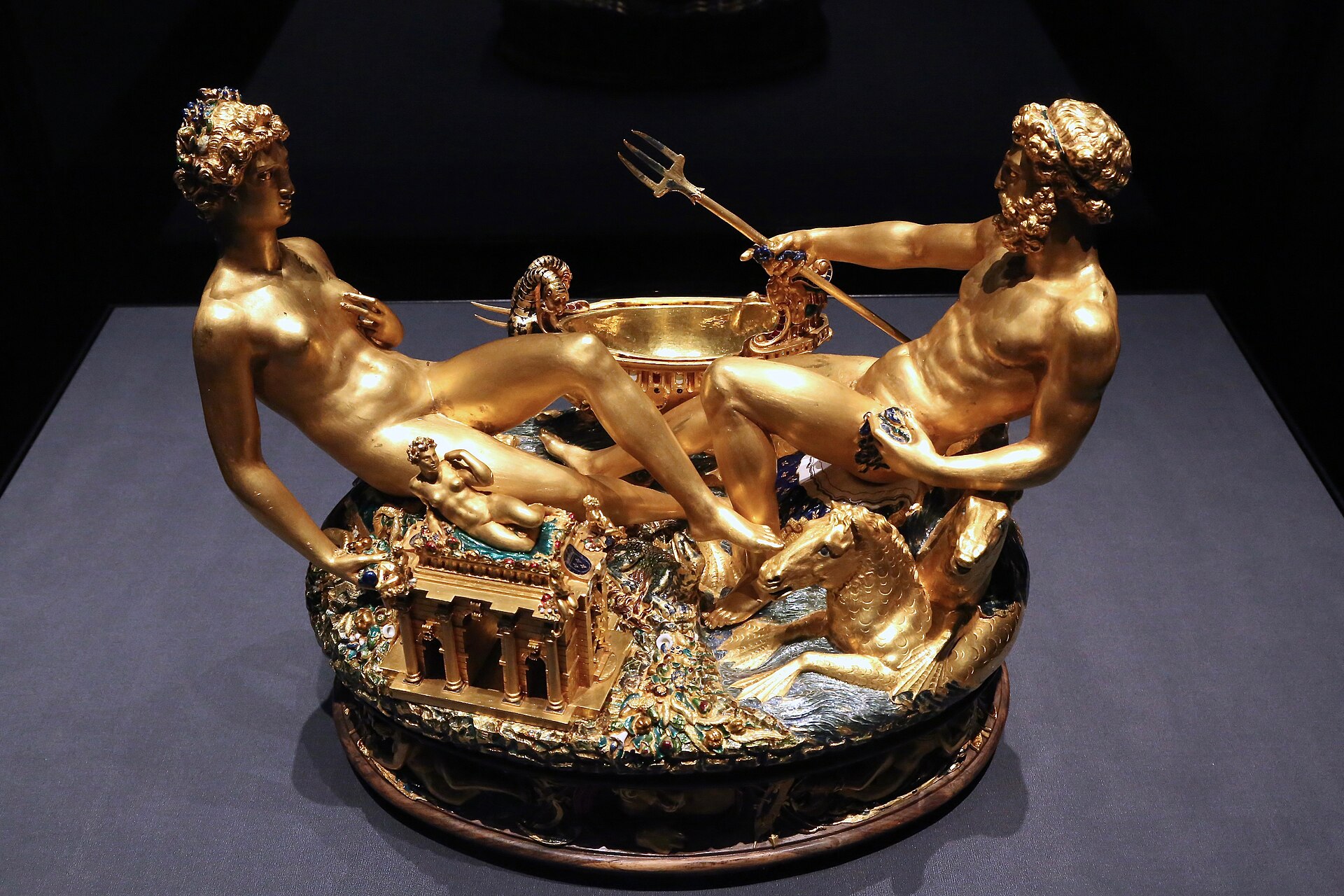
Ten objects in this archive were stolen, some twice. In no case does the thief appear as an owner.
11 min read
Last verified 17 September 2026
One artwork and its story every Tuesday, with the picture: who owned it, what it made, and what closes soon in the exhibition calendar. No promotion, and nothing we cannot cite.
We send one email to confirm the address and keep nothing else. Every letter carries a one-click unsubscribe. How we handle your data.