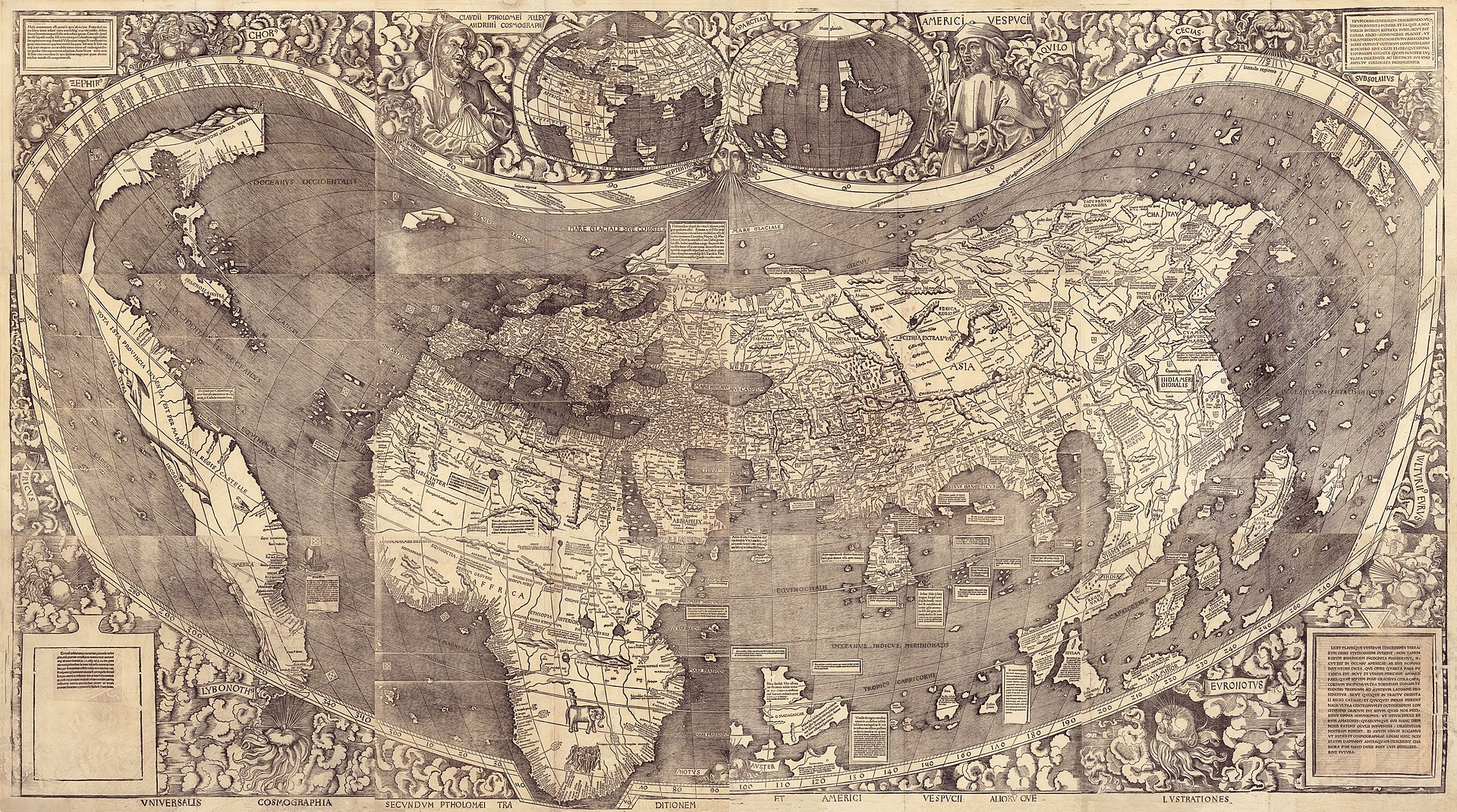
Universalis Cosmographia secundum Ptholomaei Traditionem et Americi Vespucii aliorumque Lustrationes
1507, in a printing of the sheets whose date is disputed · Woodcut with letterpress text on twelve...
Library · Founded 1800
Open, admission and hours confirmed 7 August 2026 · 31 sources
178.2 million items recorded across the collections in fiscal year 2023, spread over the three Capitol Hill buildings, the High Density Storage Facility at Fort Meade, Maryland, and the Packard Campus in Culpeper, Virginia: more than 25.77 million cataloged books, 78.5 million manuscripts, 17.5 million microforms, 15.7 million photographs, 8.2 million pieces of sheet music, 5.8 million maps and 4.3 million audio items, in more than 470 languages. It holds the largest rare-book collection in North America and, by its own description, the world's largest collection of legal materials, films, maps, sheet music and sound recordings. Unlike a museum, almost none of this is curated for display; the Library exists first to serve Congress, and only afterward the public that can see a small fraction of it in the Great Hall and the Treasures Gallery.
| Kind | Library |
|---|---|
| Founded | 1800 as an institution, with a 5,000 dollar appropriation for books; the Thomas Jefferson Building opened in 1897 |
| City and country |  Washington, D.C., United States Washington, D.C., United States |
| Address | 10 First Street SE, Washington, DC 20540 |
| Website | loc.gov |
| Status | Open, confirmed 7 August 2026 |
| Record last verified | 2 September 2026 |
Prices and hours change. We take them from the institution's own pages and print the day we read them, and you can check the current position at the source we used. Confirm before you travel.
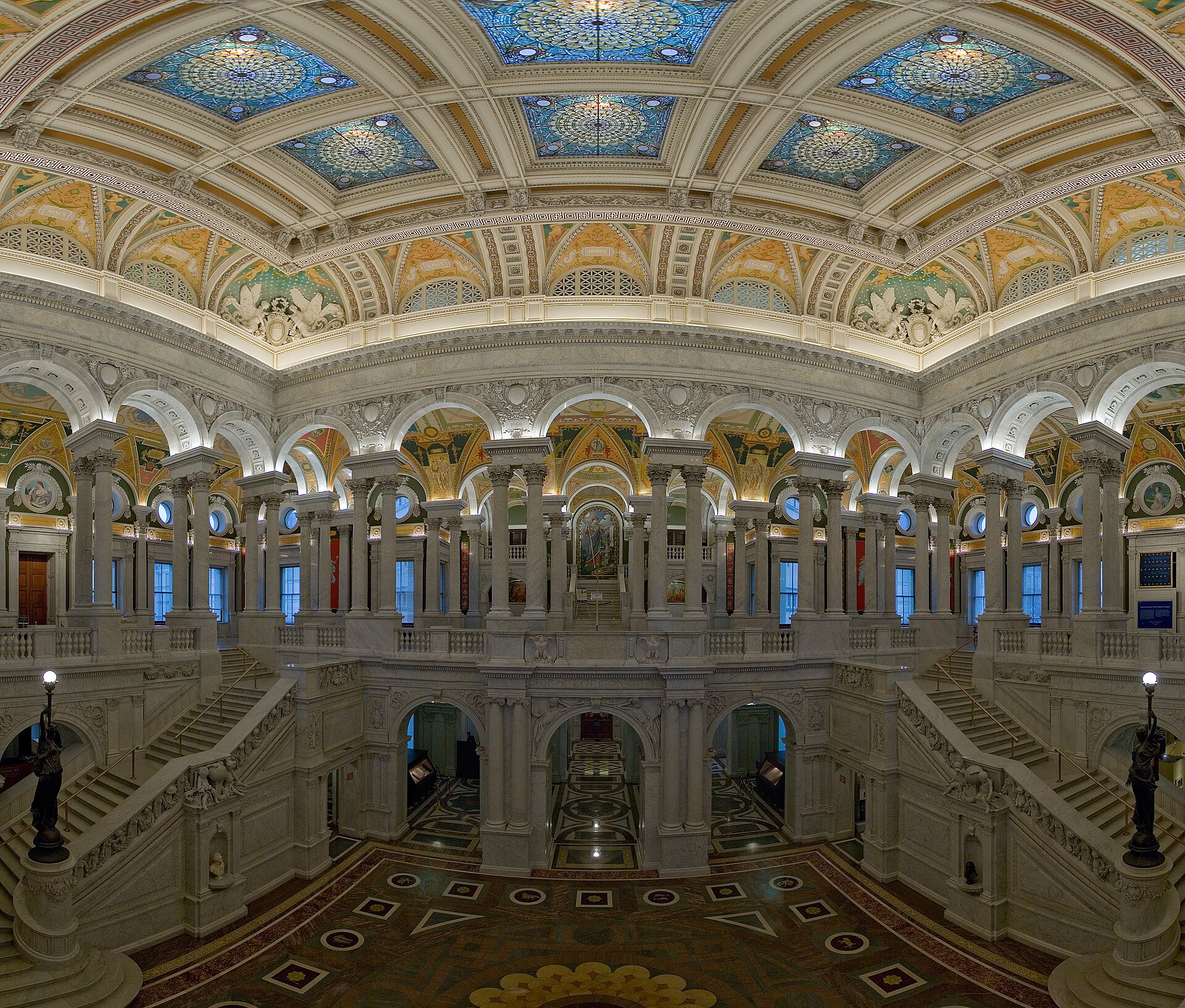
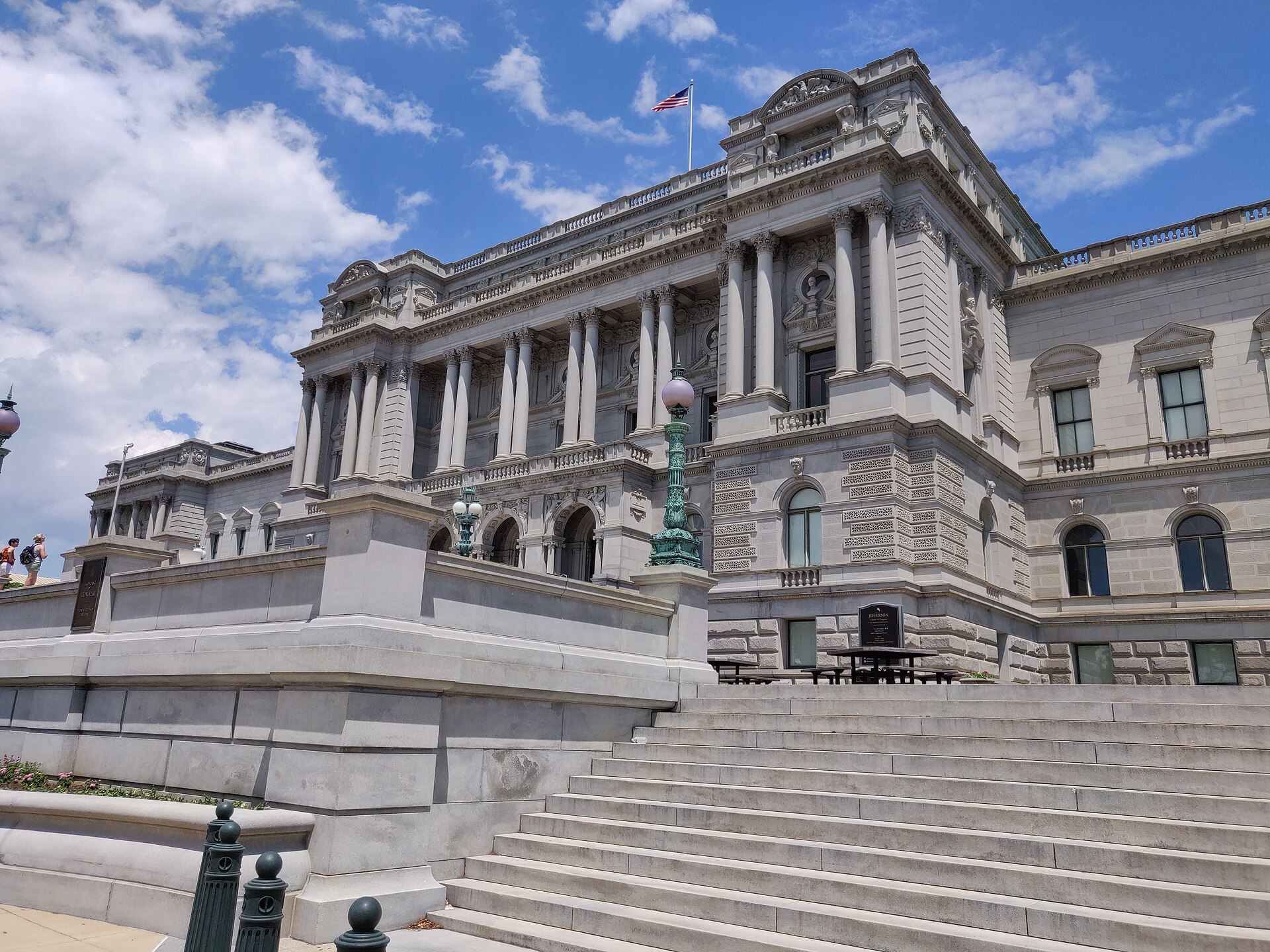
The formal entrance hall of the 1897 building: a two-story Beaux-Arts space of Italian marble, mosaic floors and stencilled, gilded ceiling panels that the Library and outside critics both point to as one of the most ornate civic interiors in the country. A Gutenberg Bible, one of only three complete vellum copies known to survive, stands on permanent display here. On Thursday evenings the same room becomes the venue for Live! at the Library, with drinks and snacks served under a view toward the Capitol dome.
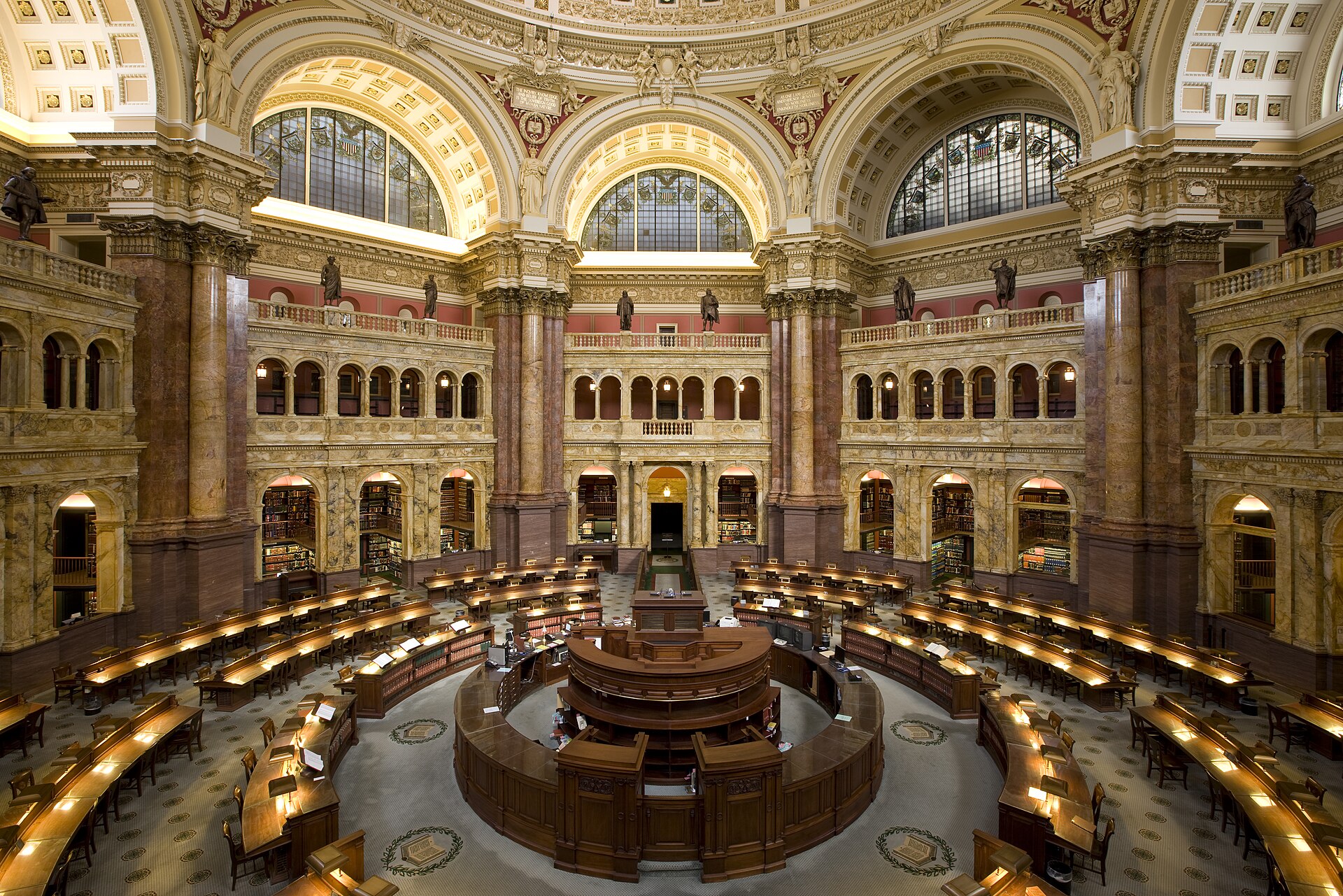
The domed central reading room of the Jefferson Building, ringed by allegorical statues and murals and still organised around its original circular center desk, which survived a 2019 to 2022 renovation plan that would have cut a viewing oculus through the floor above it. Ordinarily reserved for credentialed researchers, the room opens to the public for short escorted walkthroughs several times a week and for longer viewing on Thursday evenings, both on a first-come, first-served ticket basis inside the Great Hall.
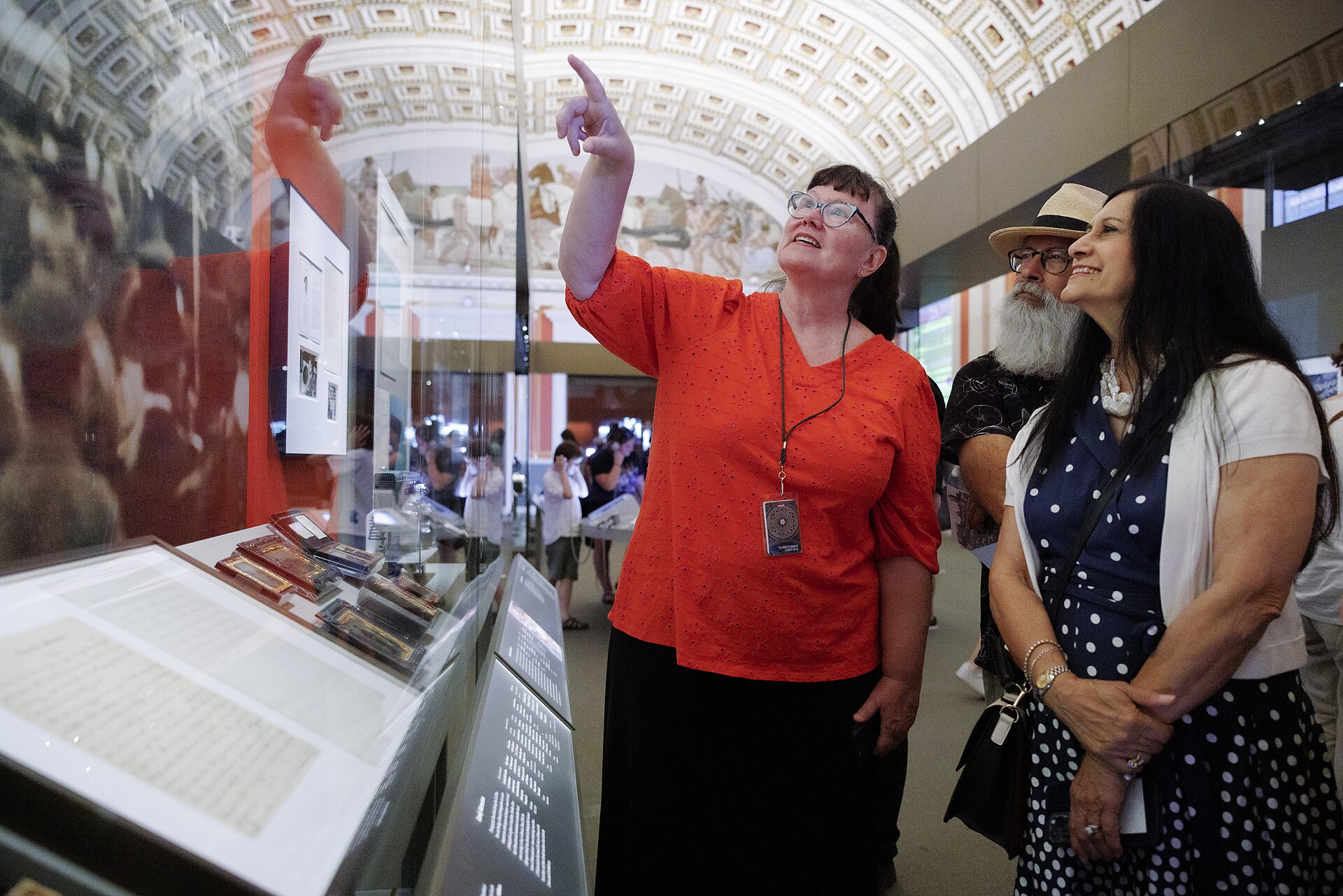
Opened in June 2024 as the first completed element of the Library's A Library for You renovation, this purpose-built gallery holds changing, thematic exhibitions of the Library's own collections behind state-of-the-art cases; it is named for its lead donor, David M. Rubenstein, chairman of the Library's James Madison Council. Its inaugural rotation, Collecting Memories, ran items including Lincoln's Gettysburg Address, Maya Lin's original Vietnam Veterans Memorial drawings and James Madison's crystal flute. Since July 2026 the gallery has held The Declaration's Promise: A Revolutionary Idea, on view through July 2027.
An interactive research gallery for children eight and older and their families, opened in the building's former gift-shop space in May 2026 as the education-center element of A Library for You. Visitors pull card-catalogue-style drawers to trigger artifacts, light and sound, and can handle a mock microfilm reader and watch period newsreel and film clips at a small projection booth. Reader cards for the Library's own research reading rooms are restricted to visitors 16 and older, which is the gap this space is built to bridge for younger researchers and school groups.
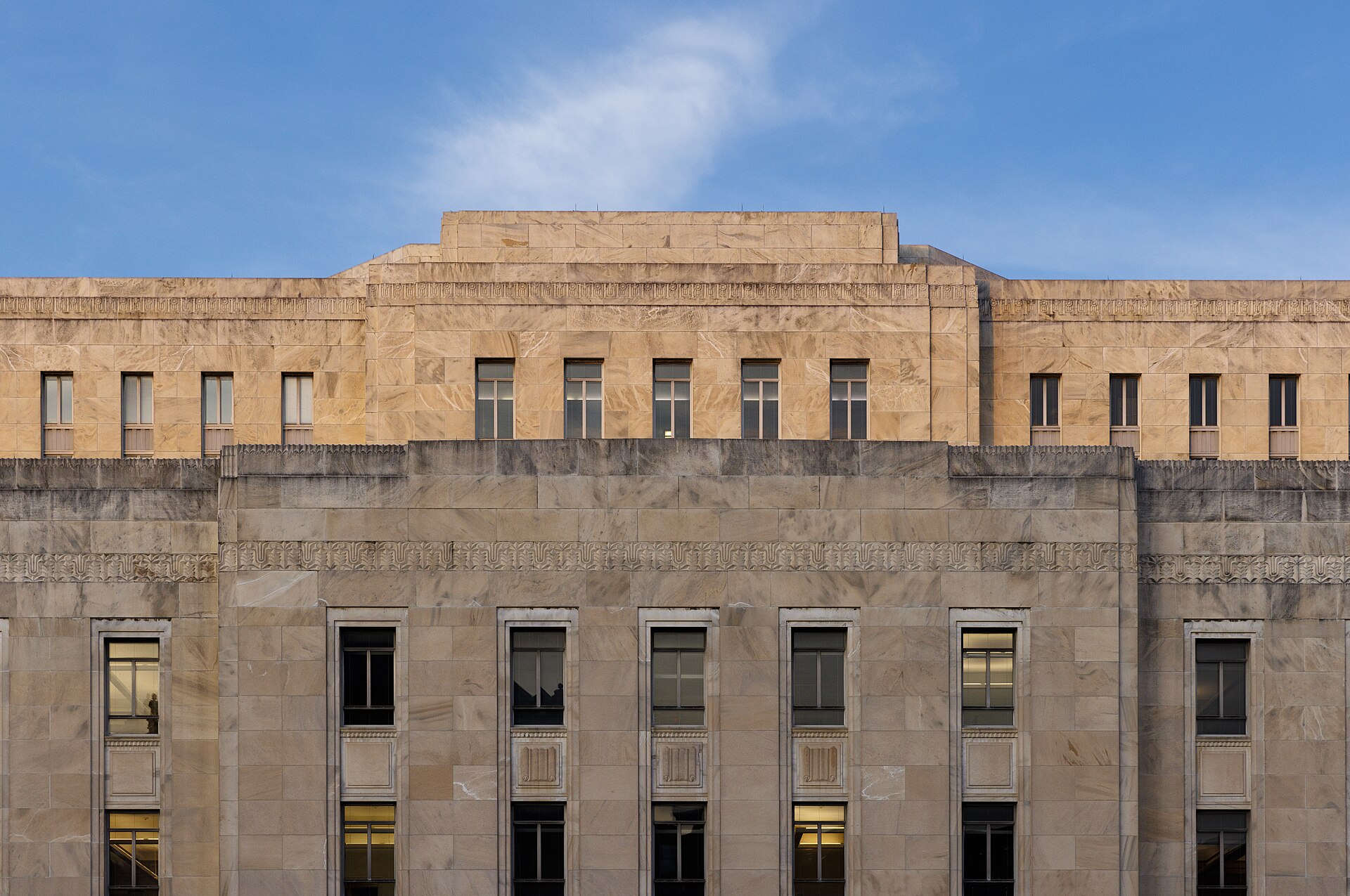
The Library's first annex, on Second Street SE facing the Jefferson Building across a courtyard, planned under Librarian Herbert Putnam to hold as many as ten million books across twelve tiers of book stacks. It opened in 1938 in a limestone Art Deco style deliberately plainer than its neighbor, and took its present name only in 1980, the same year the original building became the Thomas Jefferson Building. It now holds several of the Library's subject reading rooms, including Science, Serials and Government Publications.
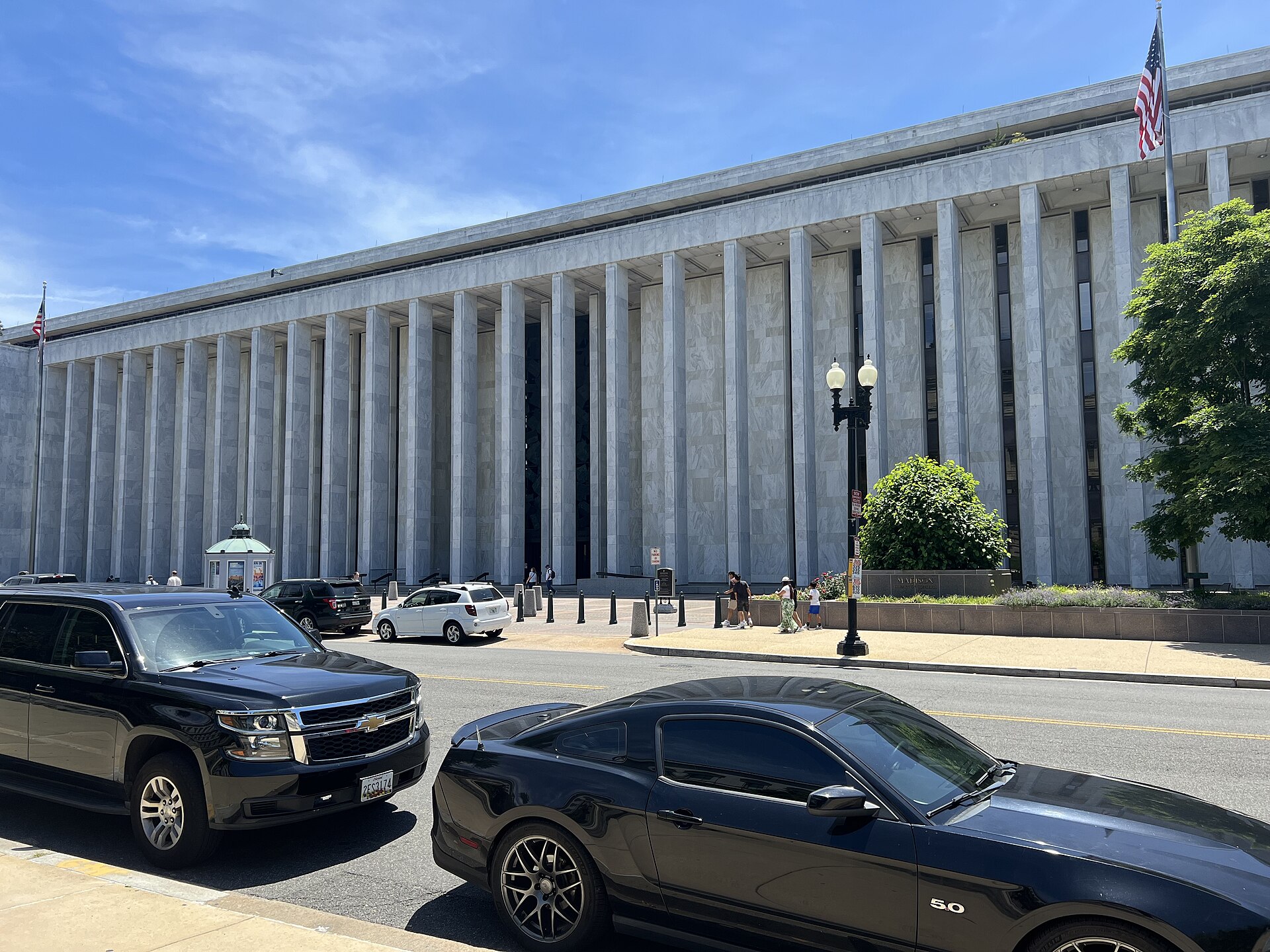
The Library's third and largest building, on Independence Avenue SE, authorized by Congress in 1965 and opened in 1980 both to relieve overcrowding in the older two buildings and to serve as the nation's official memorial to its fourth president; a statue of Madison by Walker K. Hancock stands in its Memorial Hall. It was the largest library building in the world when it opened, and today holds the Manuscript, Music, Motion Picture and Law Library reading rooms along with the offices of the Librarian and the Congressional Research Service.
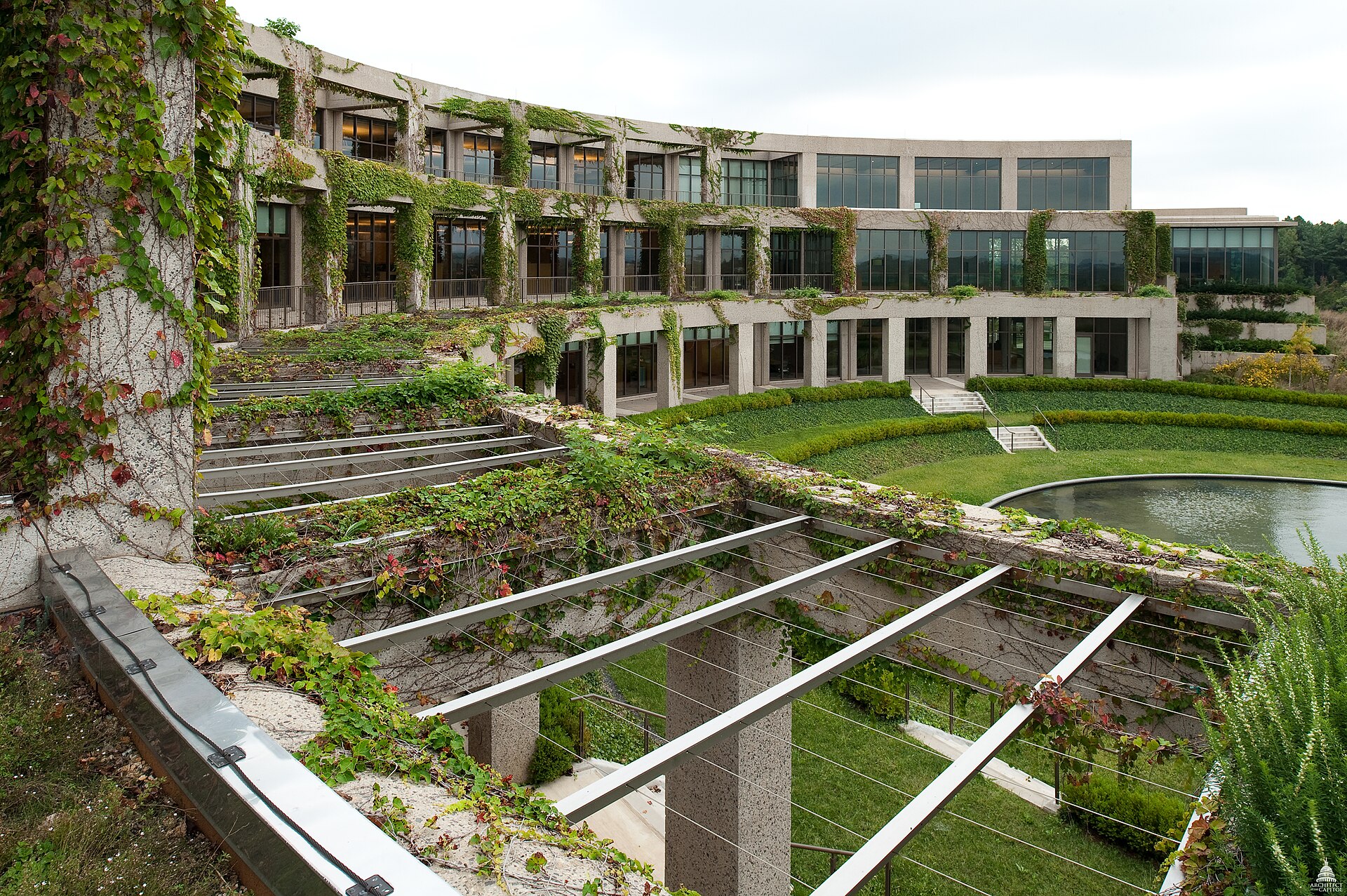
The Library's film, television, radio and recorded-sound preservation facility, built into the side of Mount Pony about 75 miles southwest of Washington and opened in 2007 with a 155 million dollar gift from David W. Packard. The 45-acre site reuses a Cold War era Federal Reserve bunker that once stored several billion dollars in shrink-wrapped currency for use after a nuclear attack; it now holds 124 nitrate-film vaults, the largest concentration in the western hemisphere, and a 200-seat theater with a pipe organ that rises from beneath the stage to accompany silent-film screenings, all free and walk-in, no timed-entry ticket required.
One of only three complete copies printed on vellum known to survive, on permanent display in the Great Hall rather than behind a rotating exhibition schedule.9
The only surviving copy of the first printed map to name America, held in the Geography and Map Division; this archive carries a full record of it.16
Full record in this archiveA contralto Stradivari held in the Music Division since 2025, the subject of a full record in this archive tracing its route from the Medici court through the Fulton and Baird families.17
Jefferson's own working draft, not the signed parchment (which is held by the National Archives), showing the committee's edits in progress; on view in the current Treasures Gallery exhibition.15
One of five manuscript copies Lincoln wrote out by hand, and the one closest to his delivery text; on view in the current Treasures Gallery exhibition.15
The Library's own manuscript of Douglass's speech, chosen for the current exhibition precisely because it argues against the holiday it shares its title with.15
Personal objects rather than manuscripts, included in the current Treasures Gallery exhibition to make the writer physically present rather than only quoted.15
Henson's own copyright deposit materials for Kermit, shown alongside the era in which the Muppets played the Second Continental Congress; the lightest object in an otherwise solemn exhibition, and a reminder that the Library's Copyright Office touches everything printed, filmed or performed in the country.15
A shelf-by-shelf recreation of the personal library Jefferson sold to Congress in 1815 to replace what the British had burned, arranged by his own three-part scheme of Memory, Reason and Imagination; on permanent display in the Southwest Pavilion since 2008.9
George's own piano and desk and Ira's typewriter and typing table, shown with self-portraits each brother painted in oil, in a gallery devoted to the pair since 2008.9
1507, in a printing of the sheets whose date is disputed · Woodcut with letterpress text on twelve...
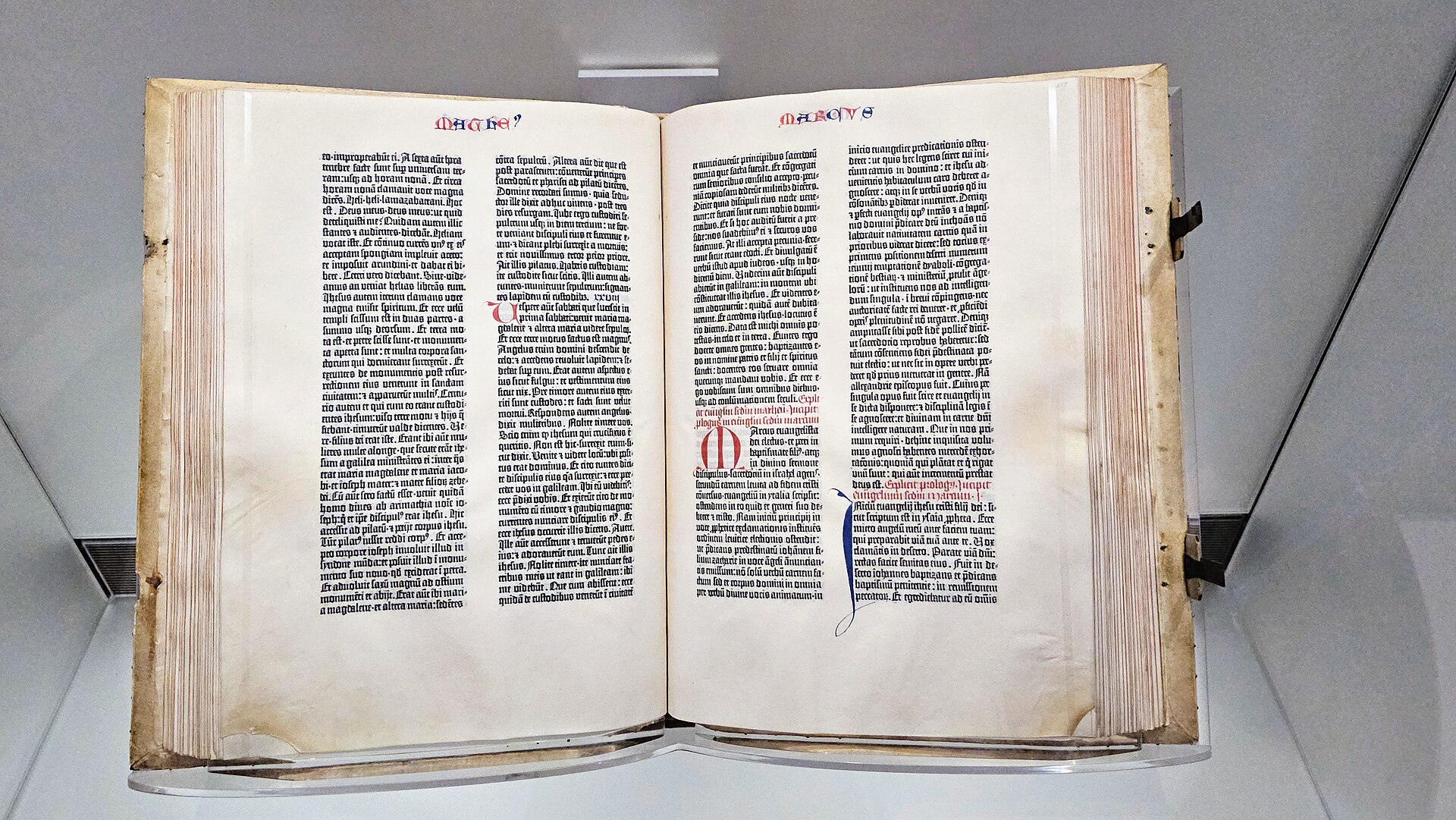
Mainz, between 1454 and 1455, not after 1456 · Printed from movable metal type on vellum
Library of Congress, Rare Book and Special Collections...
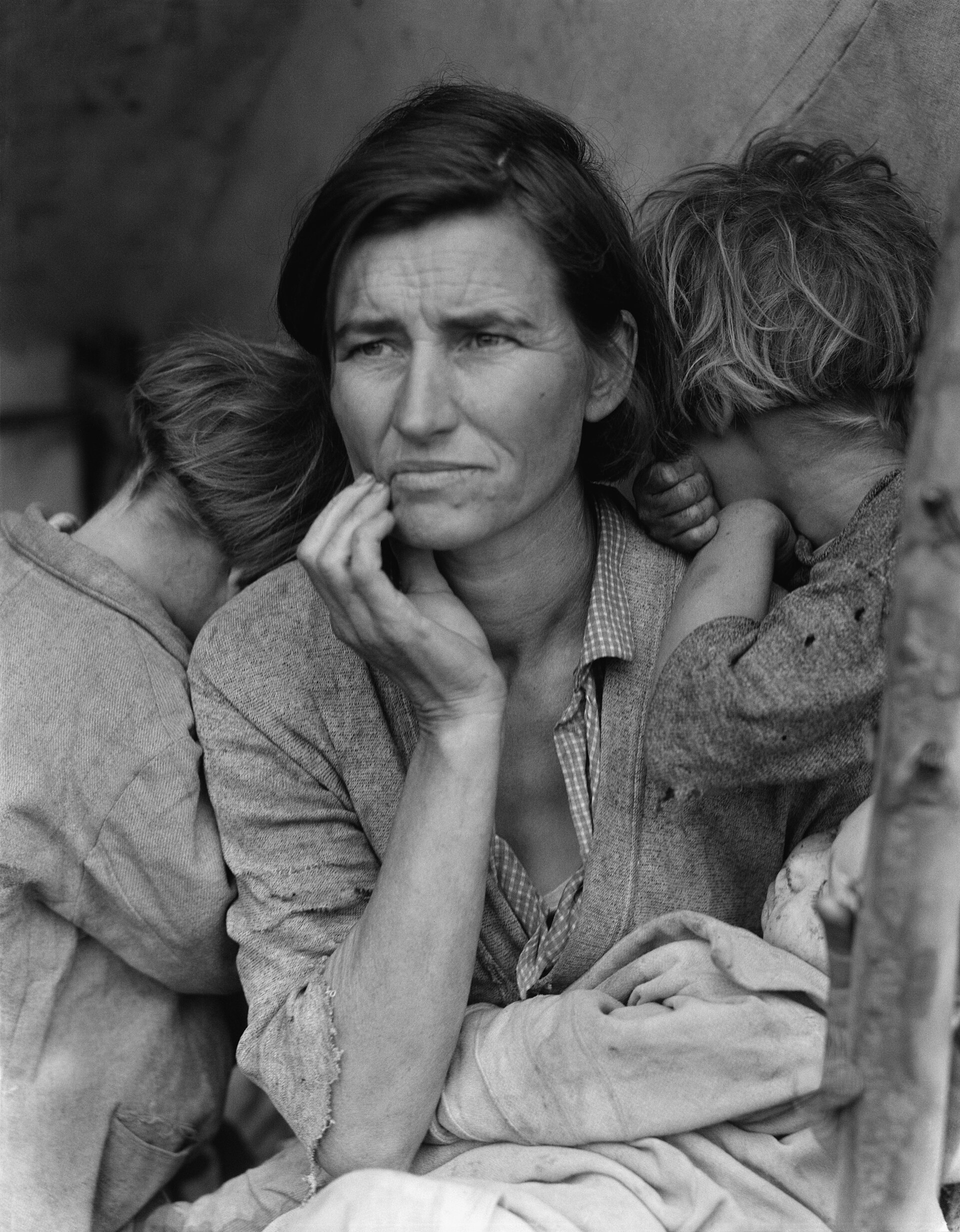
1936-03-06 · Photographic negative
Library of Congress, Prints and Photographs Division...
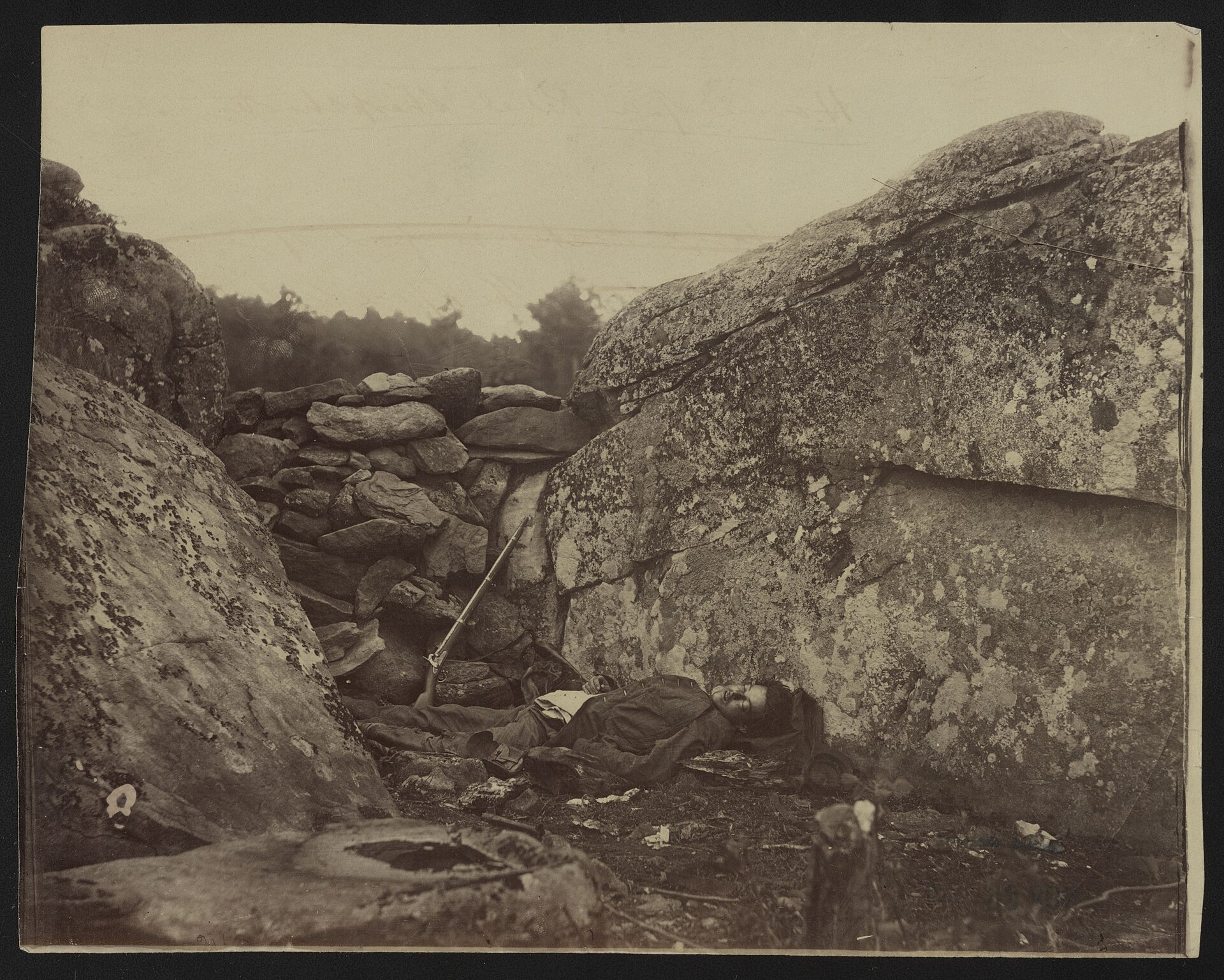
Early July 1863 · Albumen silver print from a wet collodion...
Library of Congress, Prints and Photographs Division...
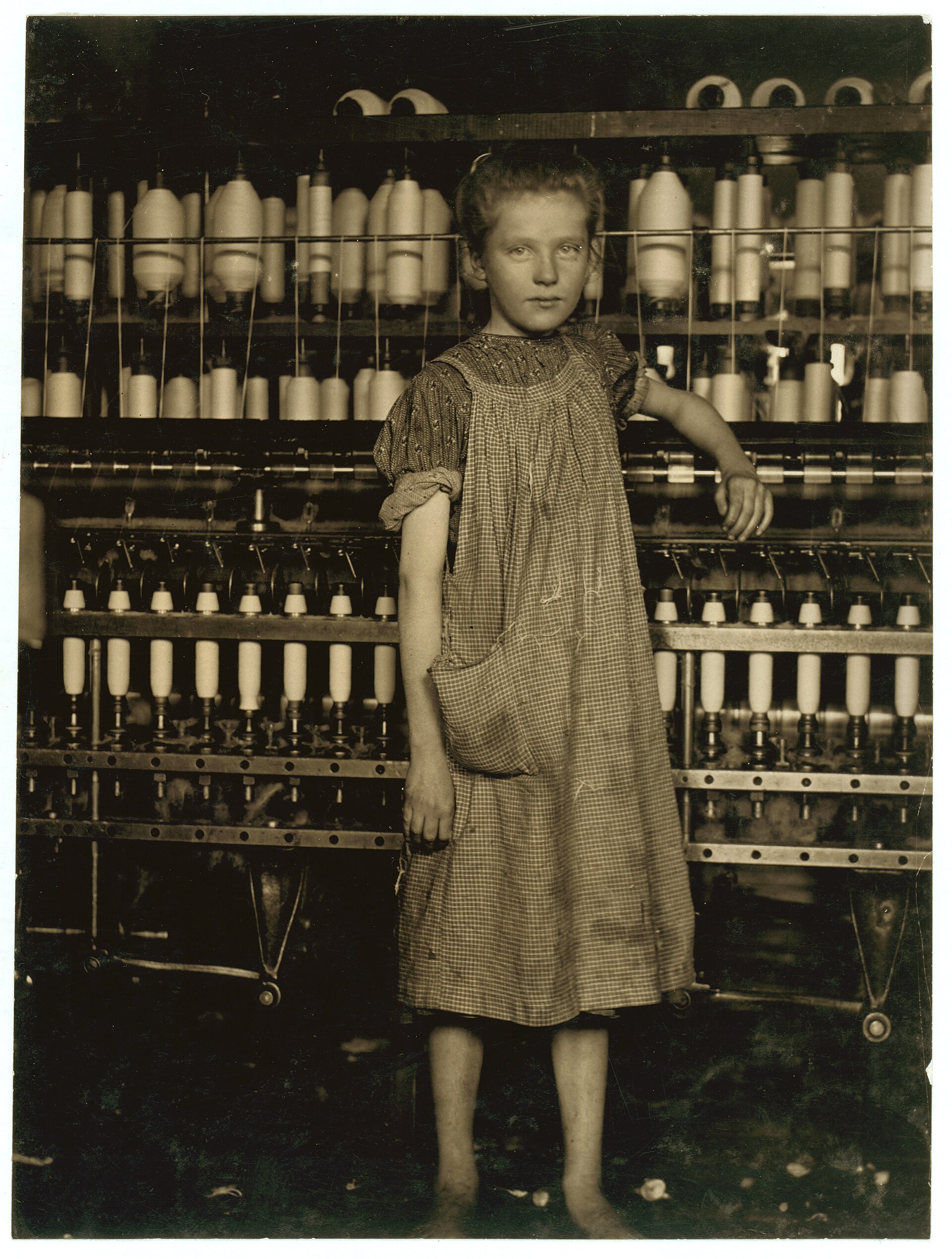
1910 · Gelatin silver print. The Library of...
Library of Congress, Prints and Photographs Division...
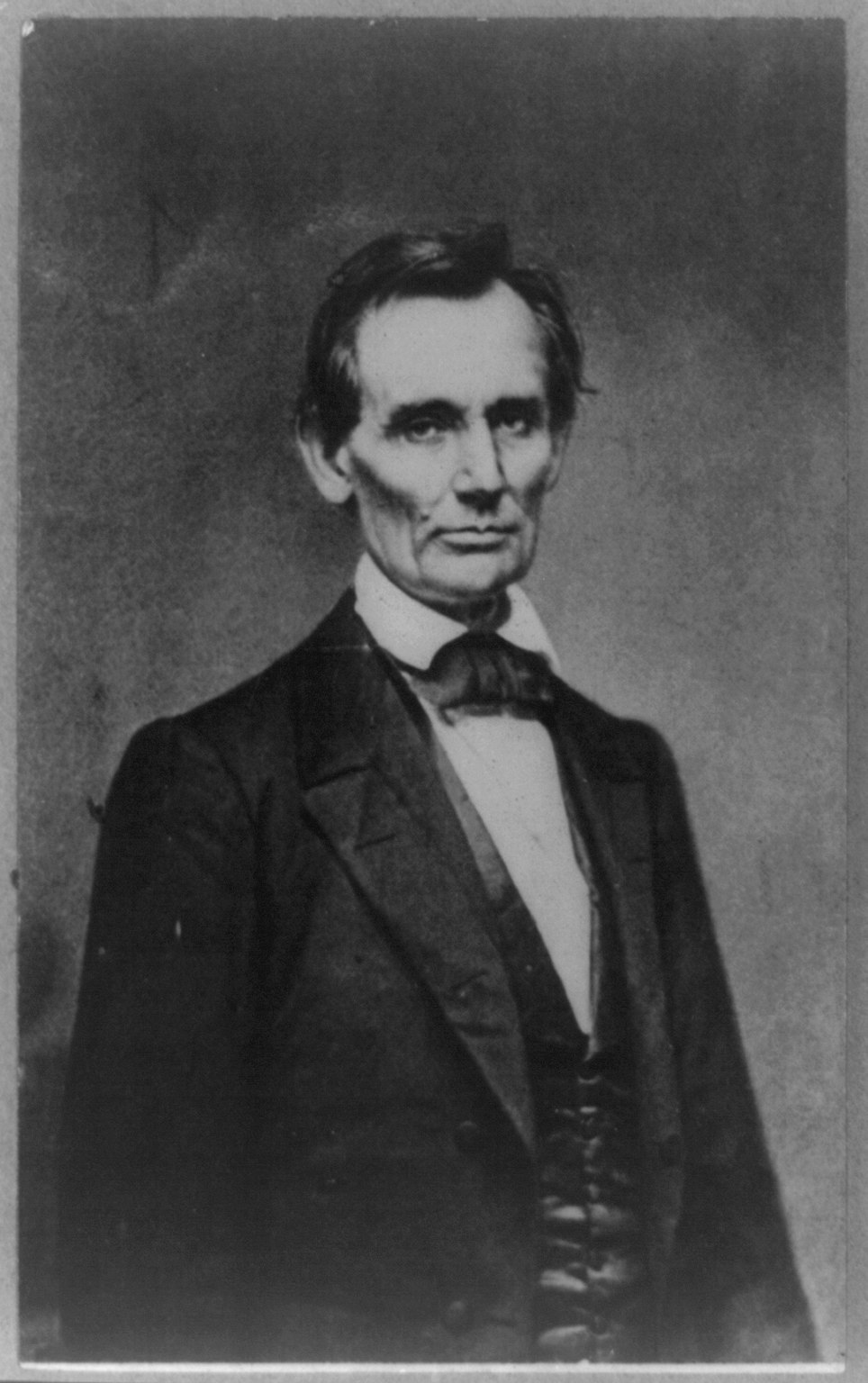
1860-02-27 · Wet-plate
Library of Congress, Prints and Photographs Division...
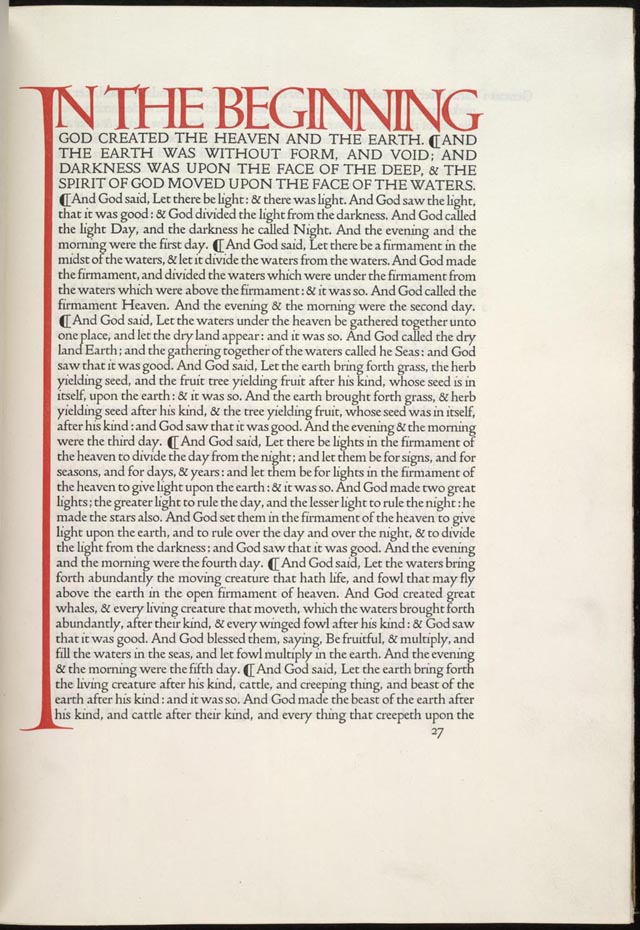
1903-1905 · Letterpress in the Doves Type
Library of Congress, Rare Book and Special Collections...
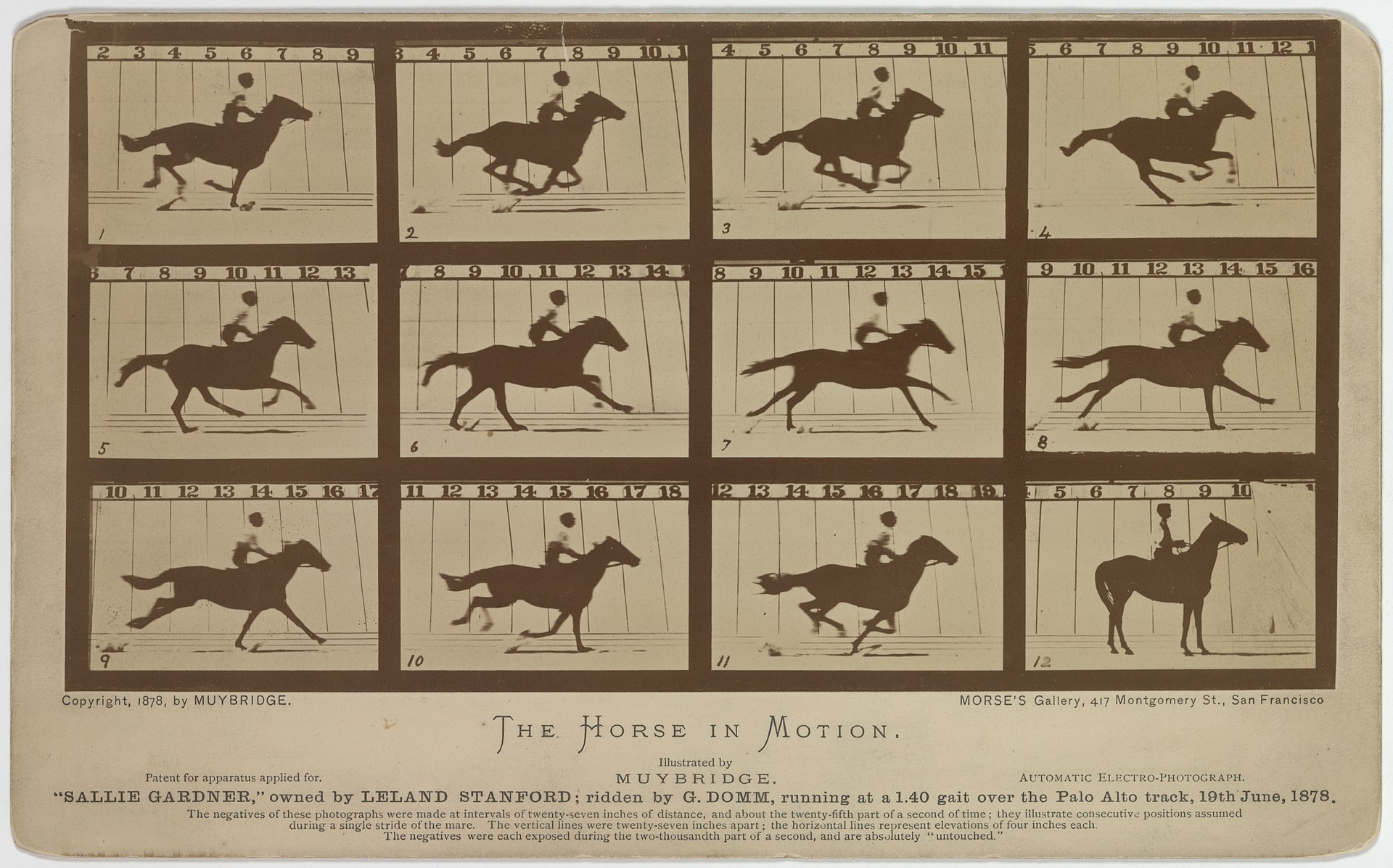
19 June 1878 · Sequence of wet-collodion glass-plate...
Library of Congress, Prints and Photographs Division...
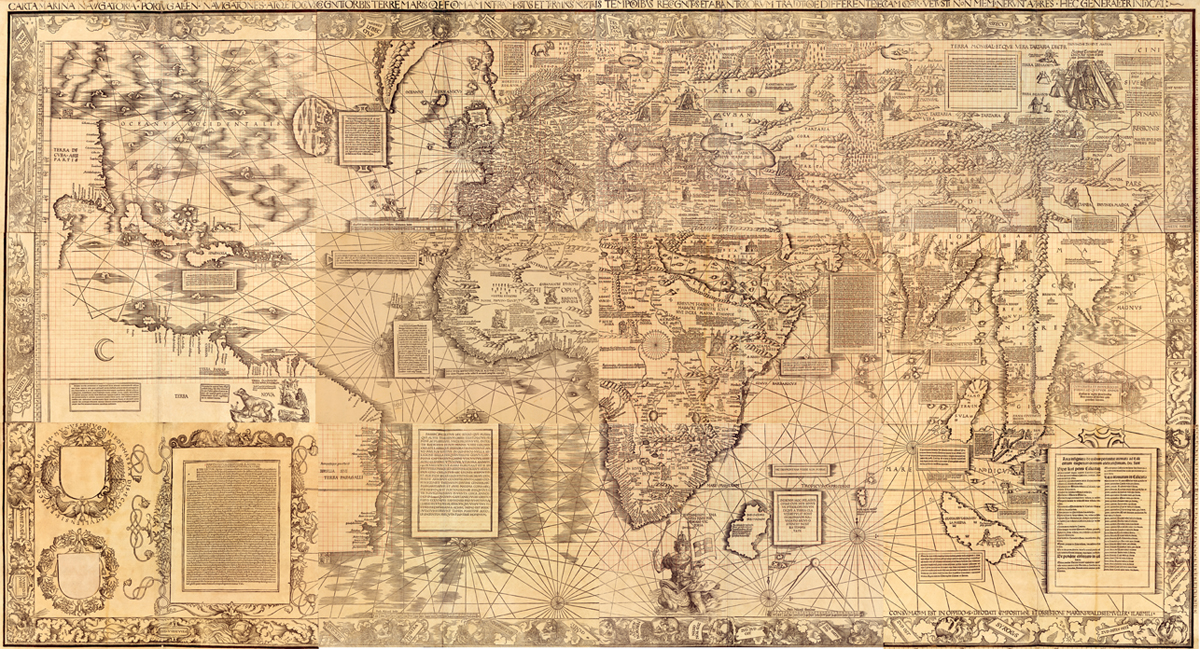
1516 · Woodcut with letterpress text on twelve...
Library of Congress, Geography and Map Division, Jay I.
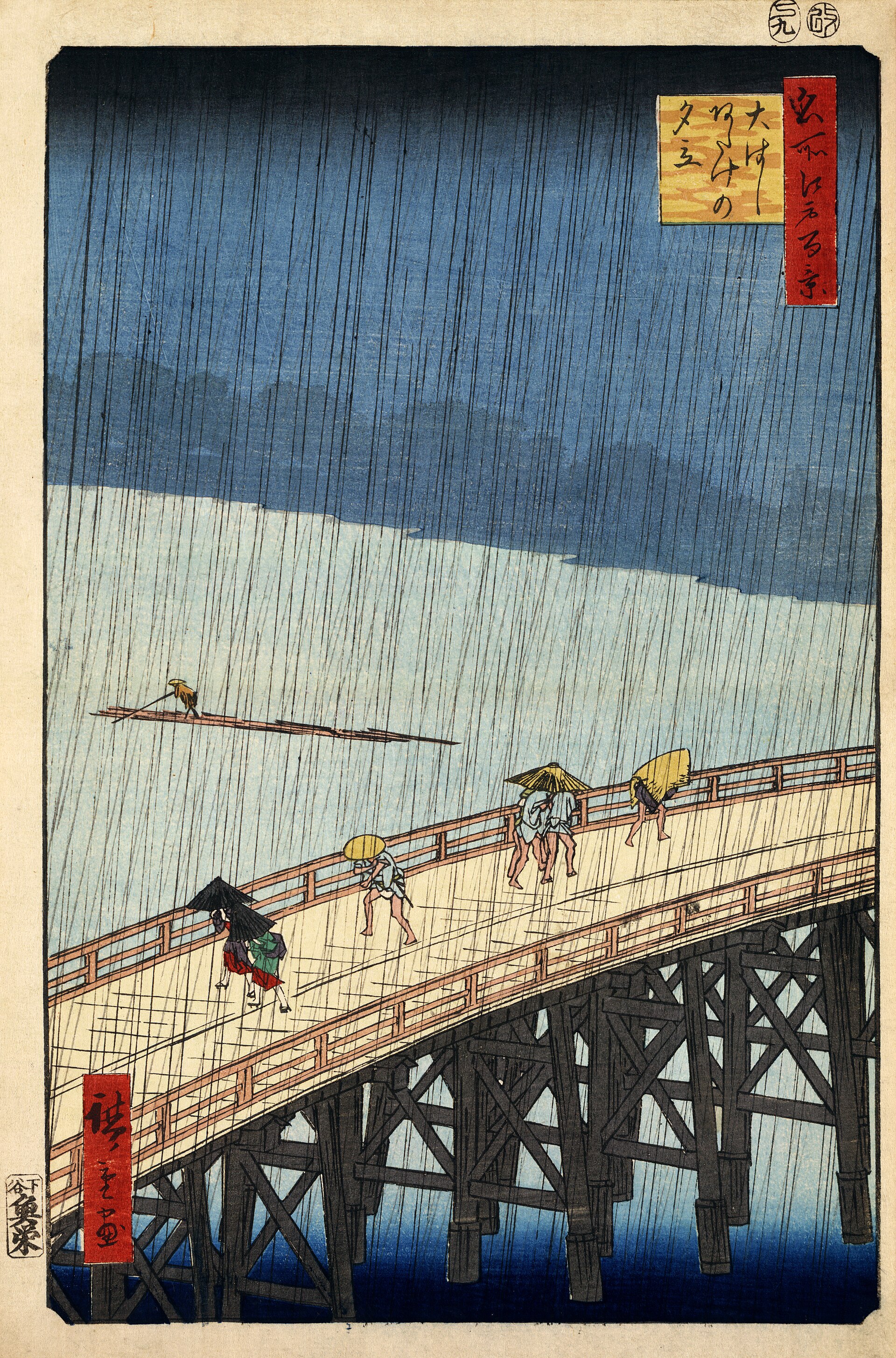
1857 · Woodblock print
Library of Congress, Prints and Photographs Division...
After 29 April 1493 · Letterpress print on paper
Library of Congress, Rare Book and Special Collections...
The Library of Congress began in 1800 as a line in an act of Congress moving the government from Philadelphia to Washington: 5,000 dollars for books for the use of Congress, overseen by the first joint committee the two chambers ever formed. It was a working collection for a legislature, not a national institution, and for its first fourteen years it lived inside the Capitol itself. In August 1814, during the War of 1812, British troops burned the Capitol and the small congressional library inside its north wing along with it. Thomas Jefferson, retired to Monticello and in debt, offered Congress his own personal library to recommence its own: 6,487 volumes, sold for nearly 24,000 dollars in 1815. Jefferson had organized his own shelves by subject rather than by size or acquisition date, and his three-part scheme, after Francis Bacon, of Memory, Reason and Imagination is the reason the Library's collecting policy has been comprehensive rather than narrowly legislative ever since; a recreation of his library, built around the surviving core of his own volumes, stands on permanent display today.
Fire struck the library again more than once over the following decades as Congress moved between temporary quarters, and it was not until after the Civil War, under Librarian Ainsworth Rand Spofford, that the case for a separate, purpose-built library building was won. An architectural competition opened in 1873; the building did not open until 1897, and it was not renamed the Thomas Jefferson Building until 1980, the same year its first annex became the John Adams Building and its third building, the James Madison Memorial Building, opened. All three buildings therefore carry the names of the presidents most associated with the Library's founding and its ideals, but none of the three buildings was actually called by that name when it first opened.
What is now called the Library of Congress is not one building. The Thomas Jefferson Building, an 1897 Italian Renaissance structure in Beaux-Arts dress, is where almost all public display happens: the Great Hall, the Main Reading Room, the Treasures Gallery and The Source. The John Adams Building, opened in 1938 on Second Street SE, is plainer and functional, planned to store up to ten million books across twelve tiers of stacks. The James Madison Memorial Building, opened in 1980 on Independence Avenue SE, was the largest library building in the world when it was built and now houses several of the Library's largest reading rooms along with the offices of the Librarian and the Congressional Research Service.
Two further sites are not on Capitol Hill and are rarely what a visitor pictures when they hear the Library's name. The High Density Storage Facility at Fort Meade, Maryland, opened in 2002, holds millions of items under inventory control. The Packard Campus for Audio-Visual Conservation, in Culpeper, Virginia, opened in 2007 with a 155 million dollar gift from David W. Packard, built into a former Cold War Federal Reserve bunker at Mount Pony that once stored several billion dollars in currency against a nuclear attack. It now holds the Library's film and recorded-sound collections and runs a free public theater on a walk-in basis, with no timed-entry ticket and no connection to the Jefferson Building's reservation system.
The Library is, formally, an agency of the legislative branch, and two of its functions have nothing to do with lending books. The Congressional Research Service answers confidential, nonpartisan research requests from members of Congress and their staff; in fiscal year 2023 it and the rest of the Library together responded to more than 681,000 reference requests. The U.S. Copyright Office, also housed within the Library, administers the nation's copyright law, issued more than 441,500 copyright registrations that same year, and advises Congress and the courts on copyright policy: the Kermit the Frog copyright deposit materials on view in the current Treasures Gallery exhibition are a light-hearted example of a function that is otherwise entirely administrative. A June 2026 bill passed by the House would strip the Copyright Office out from under the Librarian of Congress and give its head, the register of copyrights, a separate presidential appointment; at the time of writing it had not passed the Senate.
The National Library Service for the Blind and Print Disabled, also a division of the Library, circulated more than 24.5 million braille, audio and large-print items to blind and print-disabled patrons nationwide in fiscal year 2023, free of charge through the mail. The Library pairs this national lending service with in-person accessibility measures at the Jefferson Building itself, including a Touch History tour that lets visitors with visual impairments experience the building's architectural detail by hand, and an Interpreting Services Program that captions the Library's major public film screenings for deaf and hard-of-hearing visitors.
In 2019 the Library introduced a roughly 60 million dollar renovation plan, later branded A Library for You, intended to modernize the visitor experience around the Jefferson Building's public spaces. Its most contested element was a proposal to remove the Main Reading Room's historic 16-foot center desk tower and cut a floor-level window, which the Library called an oculus, to give visitors in a new orientation gallery below a view up into the room's dome. A retired Library researcher, Thomas Mann, filed a whistleblower complaint with the Library's inspector general in April 2022 arguing the Library lacked authority to alter the room. The DC Preservation League added the Main Reading Room to its Most Endangered Places list that August, the Society of Architectural Historians wrote in opposition, and the union representing more than 1,350 Library employees called the plan a threat to a national treasure. Then Librarian of Congress Carla Hayden defended the plan publicly through 2022, but told Congress in a November 2022 letter that fire-safety requirements had shrunk the oculus from 24 feet to 16 feet in diameter while its cost rose, and the Library dropped the oculus and the center-desk removal entirely in favor of a glass vestibule linking the Great Hall to the Main Reading Room. The center desk the plan would have removed is the one visible in the room today.
The rest of A Library for You went ahead. The David M. Rubenstein Treasures Gallery, named for its lead donor and funded through the James Madison Council, opened in June 2024 as a dedicated space for rotating exhibitions of the Library's own holdings. The Source, an interactive research gallery built for children eight and older, opened in the Jefferson Building's former gift-shop space in May 2026. A reimagined gallery for the Jay I. Kislak Collection on the Native cultures of the Americas is scheduled for late 2026, and the orientation gallery itself, now without an oculus, remains the final and latest-arriving piece of the plan.
In March 2016 the Library's own Policy and Standards Division announced it would cancel the subject heading Illegal aliens, in use since 1993, and replace it with two headings, Noncitizens and Unauthorized immigration, following a two-year campaign begun by an undocumented Dartmouth College student, Melissa Padilla, and the university's librarians. The Library's own published rationale called the phrase pejorative and noted the older, broader heading Aliens was also being revised to Noncitizens because the word was easily misread as extraterrestrial rather than legal status. Congressional Republicans objected immediately; on 10 June 2016 the House voted 237 to 170 to instruct the Library to keep using the original terminology to match the wording of federal immigration law, the first time in the Library's history that Congress had intervened directly in a routine cataloguing decision. The final appropriations language that year stopped short of forcing a reversal, but it froze the heading in place. More than forty individual libraries and university systems, including Harvard and Dartmouth itself, revised the heading locally in their own catalogs rather than wait. It was not until 12 November 2021, five and a half years after the original announcement, that the Library replaced Aliens with Noncitizens and Illegal aliens with Illegal immigration in its own catalog, terms distinct from either the 2016 proposal or the wording Congress had tried to preserve.
Carla Hayden, the first woman and first African American to serve as Librarian of Congress, was appointed by President Barack Obama in 2016 to a ten-year term. On 8 May 2025 President Donald Trump fired her by a two-sentence email from the White House personnel office; the White House press secretary cited concerns over diversity programming and children's book selections. The dismissal drew criticism from congressional Democrats including Senator Chuck Schumer and Representative Hakeem Jeffries, and a Republican member of the House Administration Committee had publicly praised Hayden's own staff and their digitization work only days earlier, at a hearing largely about the Main Reading Room renovation. Principal Deputy Librarian Robert Newlen and White House aide Todd Blanche both subsequently served as acting librarian; as of this writing no permanent successor has been confirmed by the Senate. On 8 June 2026 the House passed, by voice vote, a bill that would remove the President's power to appoint the Librarian of Congress and the head of the Government Publishing Office and give it instead to House and Senate leadership, while separately giving the President new authority to appoint the register of copyrights; the bill's sponsor, Representative Morgan Griffith, said it was not about any individual, but it followed directly from the Hayden firing and from the President's separate attempt to remove the register of copyrights, Shira Perlmutter, who has challenged her own dismissal in court. The bill had not passed the Senate at the time of writing.
We publish no visitor review prose and no single platform's own phrasing, so what follows draws on the Library's own operational statements and a tertiary aggregate read below. Visitors return an unusually high score for a national institution that requires an advance reservation just to get in the door, and repeatedly single out the scale of the Great Hall's decoration and the rare chance to stand inside the Main Reading Room. The complaints that recur are procedural rather than architectural: same-day tickets can sell out during the March to July peak, and there is nowhere inside the building to buy a meal.
TripAdvisor: 4.7 from 9,235 ratings, read 7 August 2026
A platform average is a tertiary source: it moves, it is not audited, and we quote no visitor's words.
10 First Street SE, Washington, DC 20540.
General admission, Thomas Jefferson Building: free. As confirmed 2 September 2026.
Tuesday, Wednesday, Friday, Saturday 10:00-17:00; Thursday 10:00-20:00; Sunday, Monday closed. Closed: Sunday and Monday, and select federal holidays. The Packard Campus theater in Culpeper, Virginia keeps its own separate, walk-in screening schedule and is not covered by these hours. As confirmed 2 September 2026.
Metro: Capitol South, on the Orange, Blue and Silver Lines, about two blocks north on First Street SE from the main exit; Metro, alternative: Union Station on the Red Line, about half a mile away, and also the stop for Amtrak, MARC and Virginia Railway Express trains; Air: Ronald Reagan Washington National Airport, 4.4 miles away and the closest of the three regional airports, reachable by the Metro Blue and Yellow Lines; Car: Only limited two-hour metered street parking near the building; the Library points visitors to the public lot at Union Station.
Gutenberg Bible (Printed by Johann Gutenberg's workshop, Mainz, about 1455); Universalis cosmographia (the Waldseemuller map) (Martin Waldseemuller, Saint-Die, 1507); Tuscan-Medici viola (Antonio Stradivari, Cremona, 1690); Jefferson's draft of the Declaration of Independence (Thomas Jefferson, with edits in the hands of John Adams and Benjamin Franklin, 1776); Gettysburg Address, the Nicolay Copy (Abraham Lincoln, 1863); The Meaning of July Fourth for the Negro (Frederick Douglass, delivered 1852).
One artwork and its story every Tuesday, with the picture: who owned it, what it made, and what closes soon in the exhibition calendar. No promotion, and nothing we cannot cite.
We send one email to confirm the address and keep nothing else. Every letter carries a one-click unsubscribe. How we handle your data.