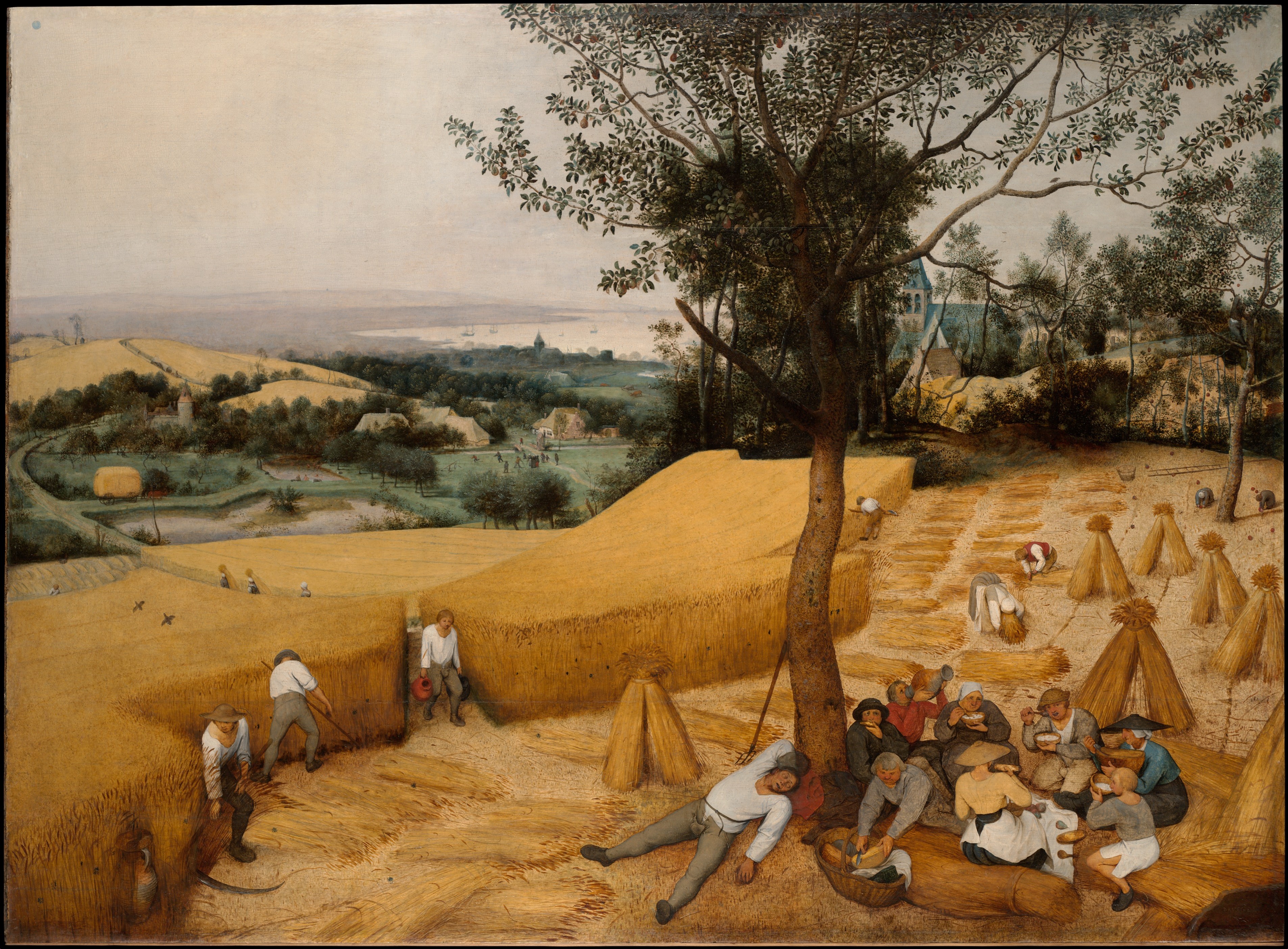
The Harvesters
1565 · Oil on oak
The Metropolitan Museum of Art, New York
 Netherlandish (Brabant) · 1525-1569
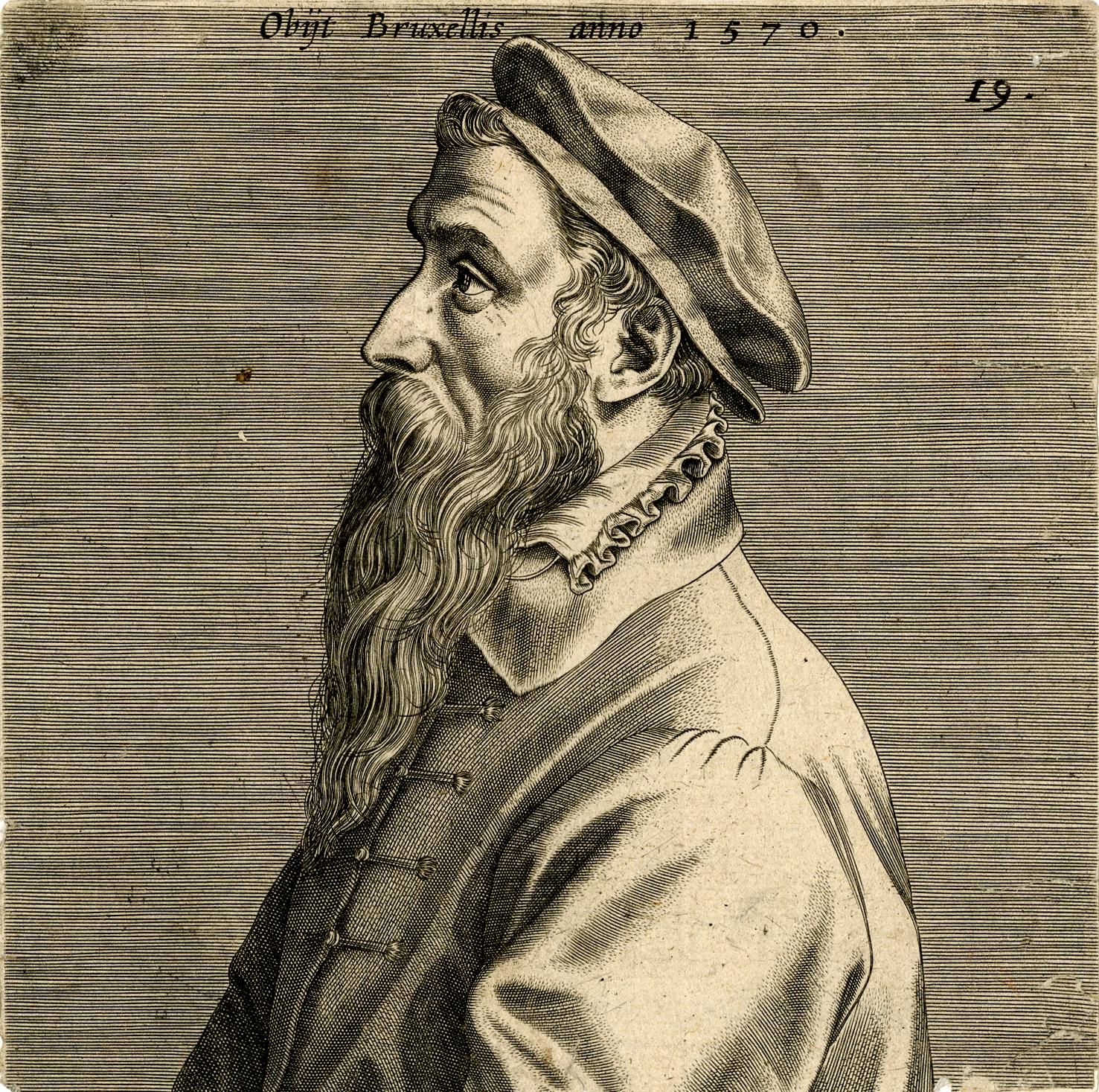
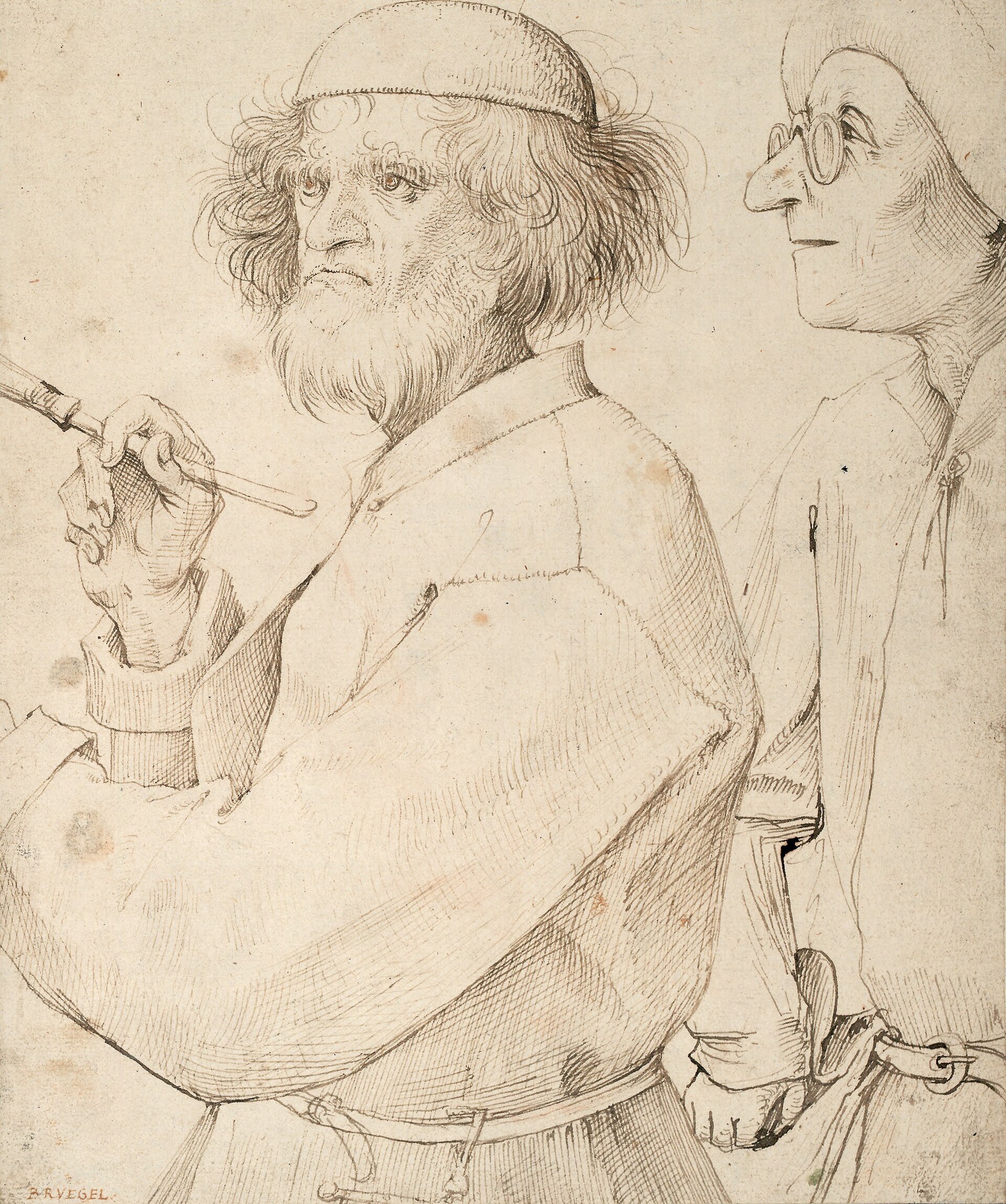
No portrait of Bruegel was made during his lifetime, and no self-portrait is known with confidence; see the disputed drawing in Images below. This is a posthumous engraved portrait, plate 19 in the print series Pictorum Aliquot Celebrium Germaniae Inferioris Effigies, published in 1572, three years after Bruegel's death, by Volcxken Diericx, the widow of the print publisher Hieronymus Cock; the engraving is attributed to Johannes Wierix. The plate is explicitly captioned as a portrait of Bruegel in the British Museum's own catalogue, but it was not made from life and there is no way to check how closely it resembles him. Its inscription gives his death year as 1570, one year later than the date on his own son's funerary monument; that discrepancy is unresolved.
The British Museum, London| Full name | Pieter Bruegel (also spelled Brueghel before 1559) |
|---|---|
| Worked as | Painter, Draughtsman, Print designer |
| Born | c. 1525-1530 · Unknown. Karel van Mander wrote in 1604 that he came from a... |
| Died | 9 September 1569 · Brussels |
| Nationality | Netherlandish (Brabant) |
| Movement | Northern Renaissance |
| In this archive | 2 artworks |
| Sources | 13 cited |
| Last verified | 17 September 2026 |
About this page 2 artworks in the archive · Last verified 17 September 2026 · 13 sources cited
Pieter Bruegel the Elder is the best-known painter of the sixteenth-century Netherlands and one of the least documented. The surviving record covers perhaps nineteen years of a life that ran from somewhere around 1525 to 1569, and it says nothing about where exactly he was born, what he believed, or how he was trained beyond one later writer's unverified claim. What survives instead is a corpus of about forty accepted paintings and sixty-one accepted drawings, nearly all of it now in museum collections that acquired it generations ago and essentially never sell it.
The hardest fact to get right about Bruegel is which pictures are actually his. His elder son, Pieter Brueghel the Younger, ran a copying workshop for decades after his father's death, and for at least one popular composition the number of surviving painted versions runs into the hundreds. Telling the father's hand from the son's, and either from a later forgery, is now done with dendrochronology and infrared imaging as much as with connoisseurship, and the accepted corpus has moved as a result: a picture long shown as a Bruegel has been re-dated, on the evidence of its own tree rings, to a year after the artist was already dead.
He was also not, despite roughly three centuries of received opinion, an uneducated painter who lived among the peasants he painted. His documented friends were a geographer, an Antwerp mint master and the circle around an archbishop; the geographer, writing his eulogy on Bruegel's death, called him the most perfect painter of the century, and meant it as one educated man judging another.
1565 · Oil on oak
The Metropolitan Museum of Art, New York
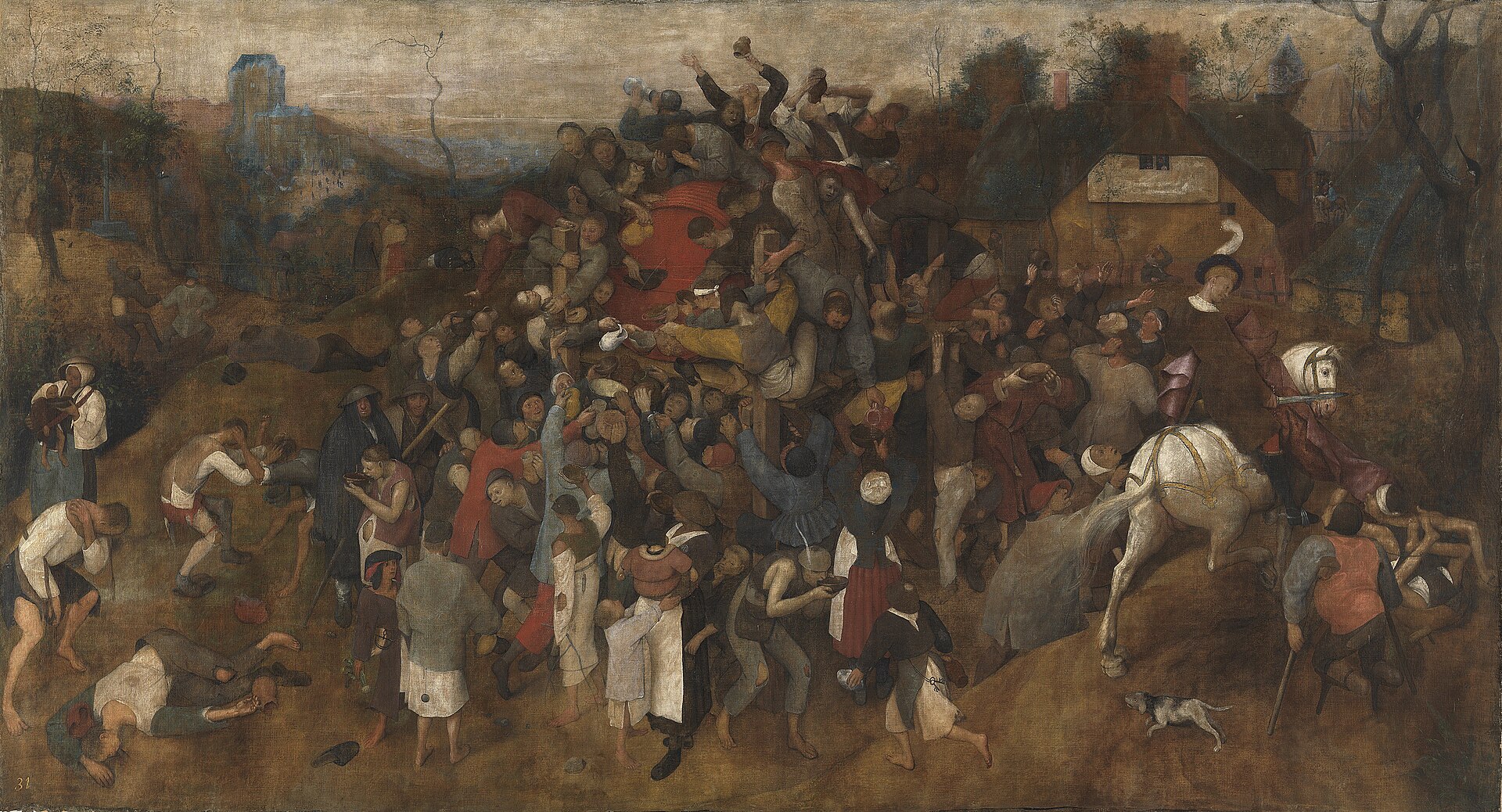
c. 1565-1568 · Glue-size tempera
Museo Nacional del Prado, Madrid
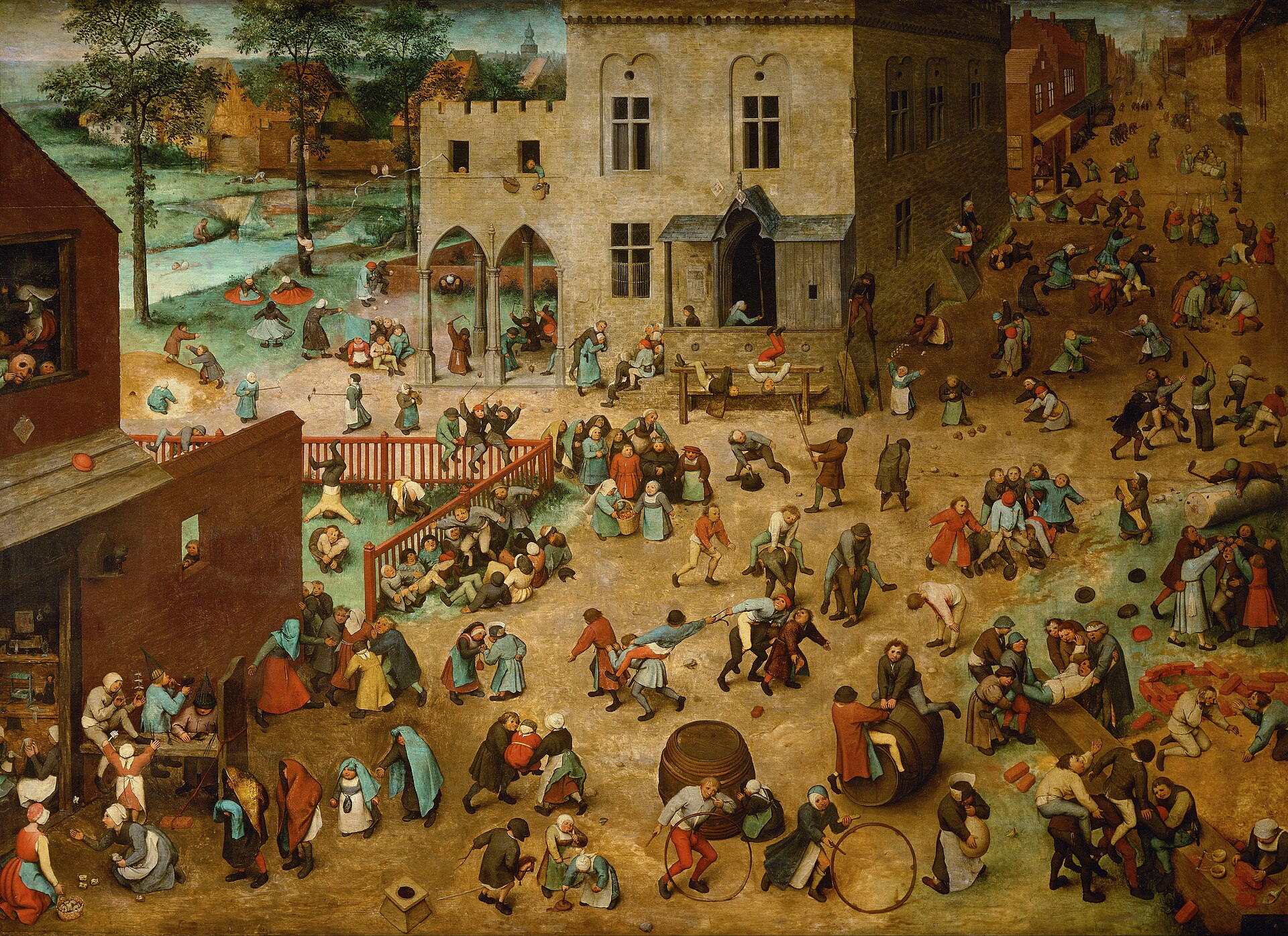
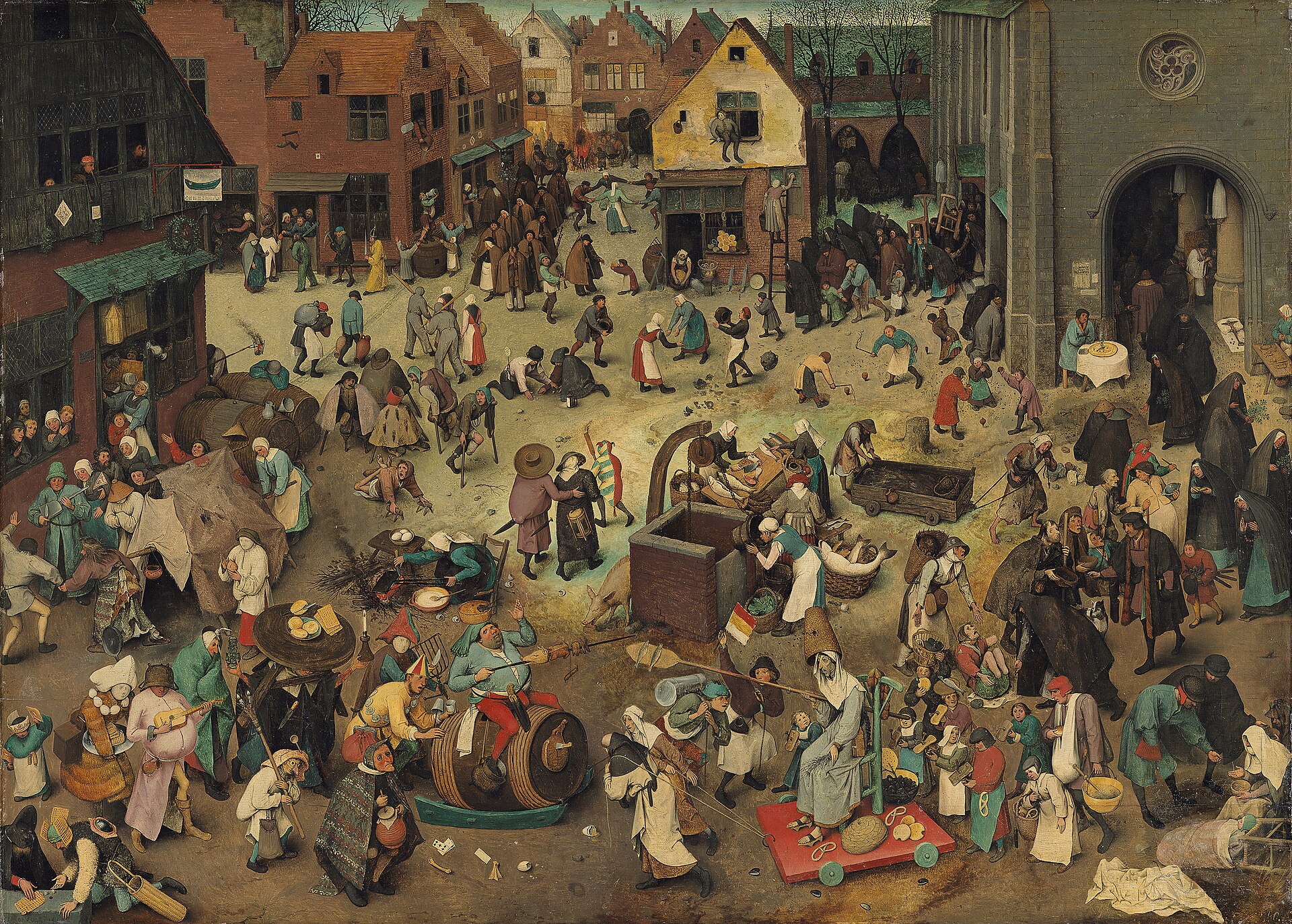
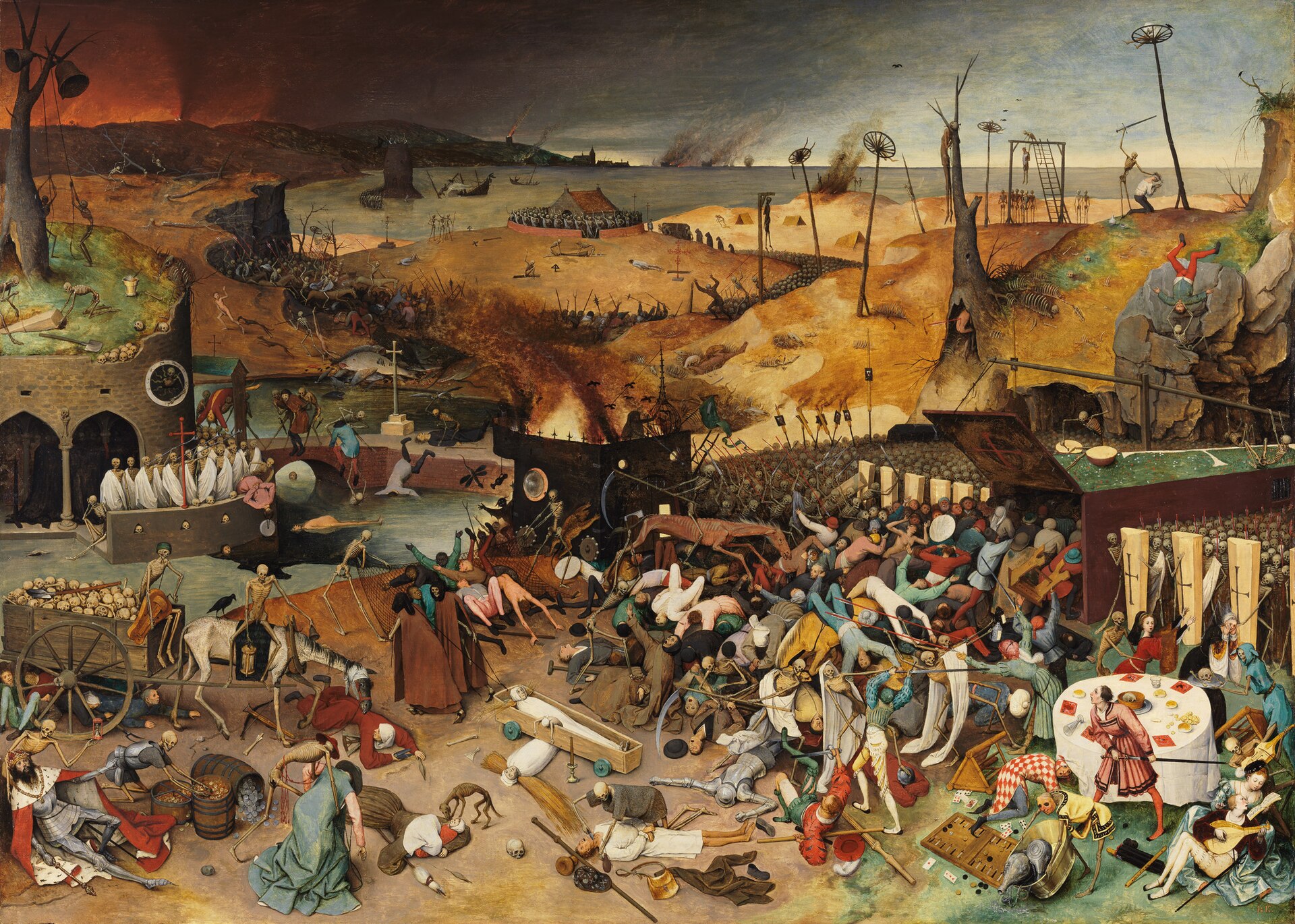
Born, place and exact date undocumented; the traditional 'near Breda' does not fit any known village, and Manfred Sellink has proposed a city birth, possibly Antwerp.2
First securely documented, at Mechelen, collaborating with Peeter Baltens on a lost altarpiece for the city's Glovemakers' Guild.1
Admitted a free master of the Guild of St Luke, Antwerp; the register enters him as 'Peeter Brueghels, schilder'.1
Travels to Italy, reaching Rome, where he works alongside the miniaturist Giulio Clovio, and as far south as Reggio Calabria.12
Back in Antwerp, working for the print publisher Hieronymus Cock, supplying drawings for engraving rather than paintings.1
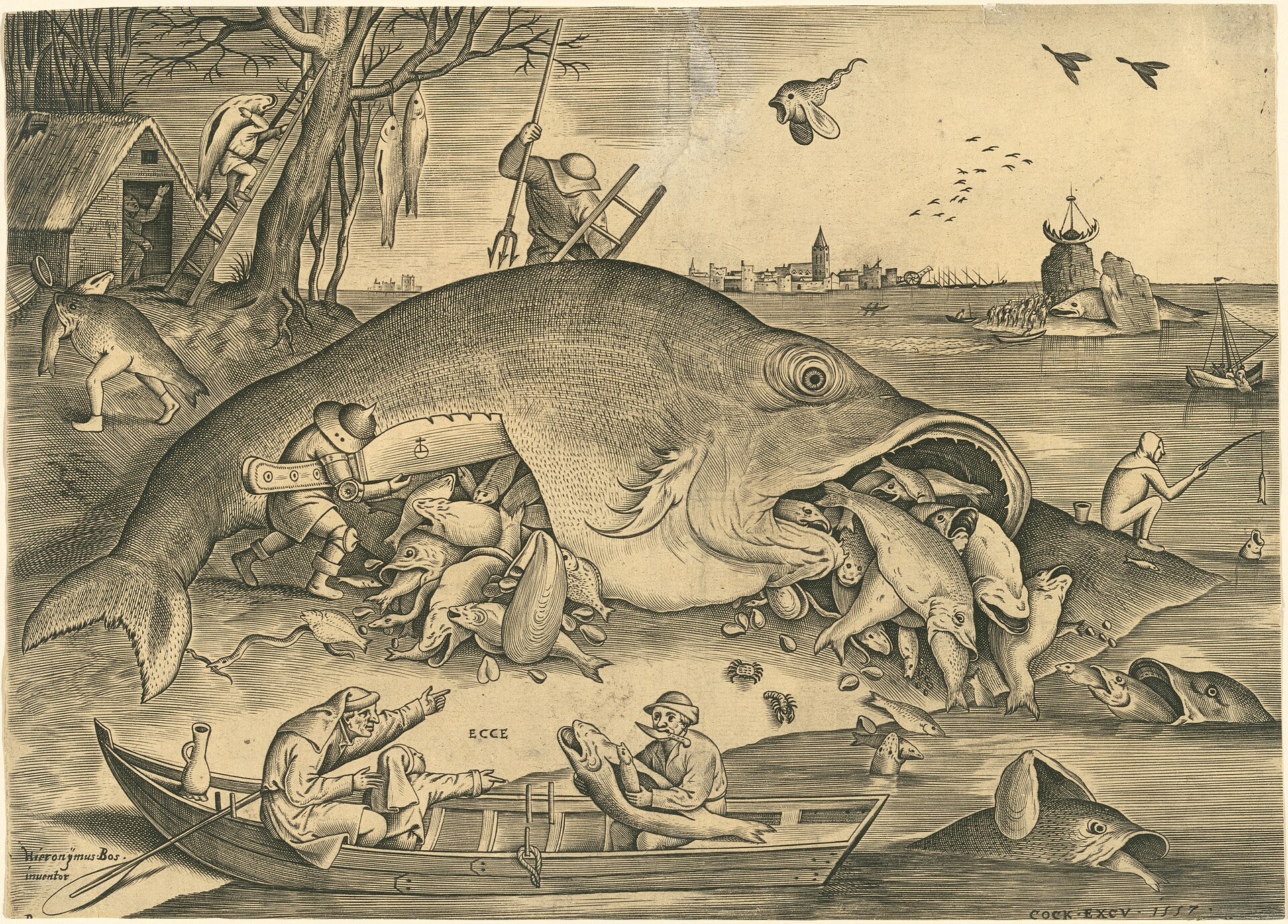
Cock's workshop publishes 'The Big Fish Eat the Little Fish', an engraving after Bruegel's 1556 drawing, crediting the invention to Hieronymus Bosch, dead forty-one years, rather than to Bruegel.78
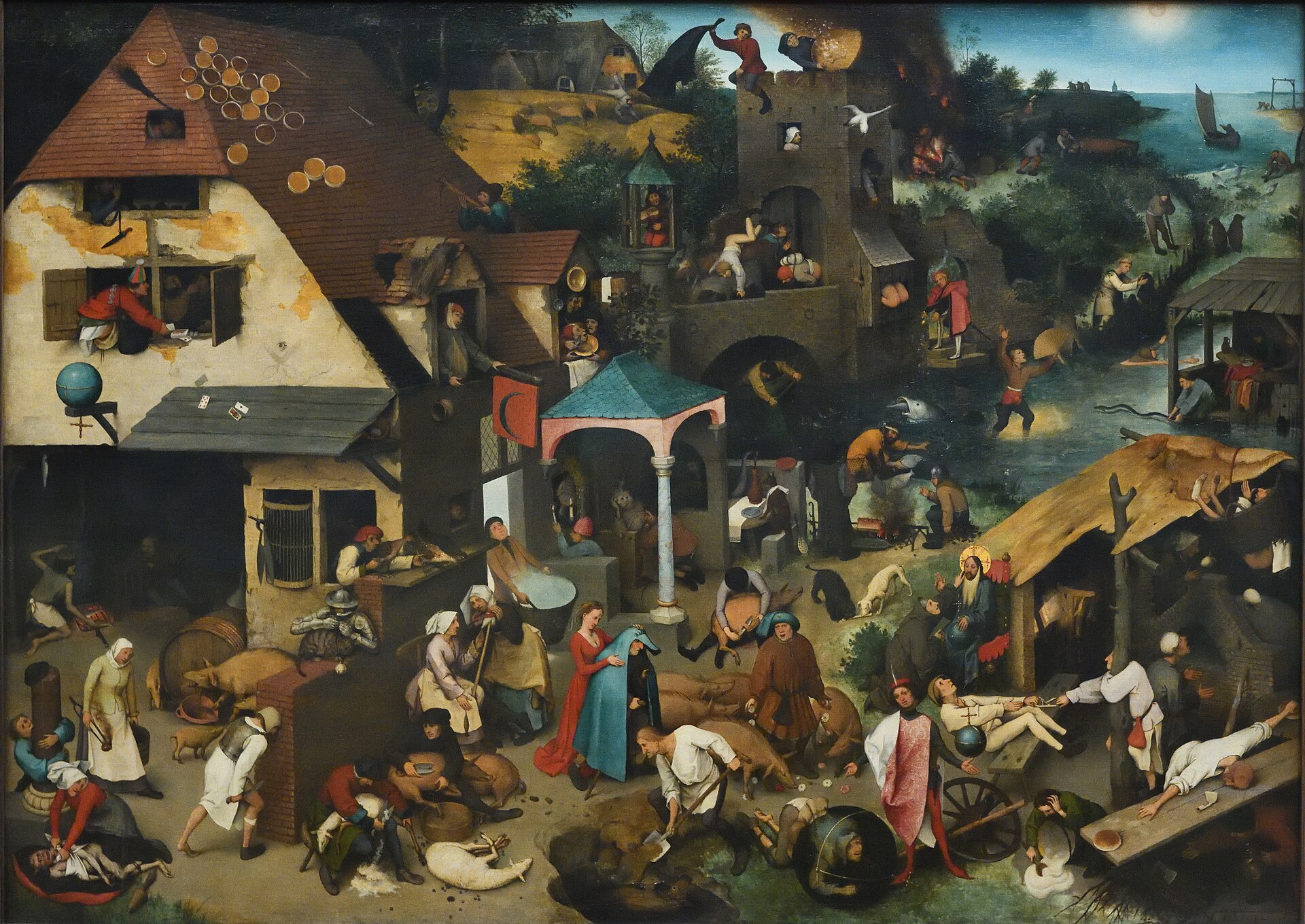
Paints the Netherlandish Proverbs. From this year he drops the 'h' from his name, signing paintings 'Bruegel'; his sons kept the older spelling 'Brueghel'.210
Marries Mayken Coecke, daughter of the painter Pieter Coecke van Aelst, in Brussels, and settles there for the rest of his life.12
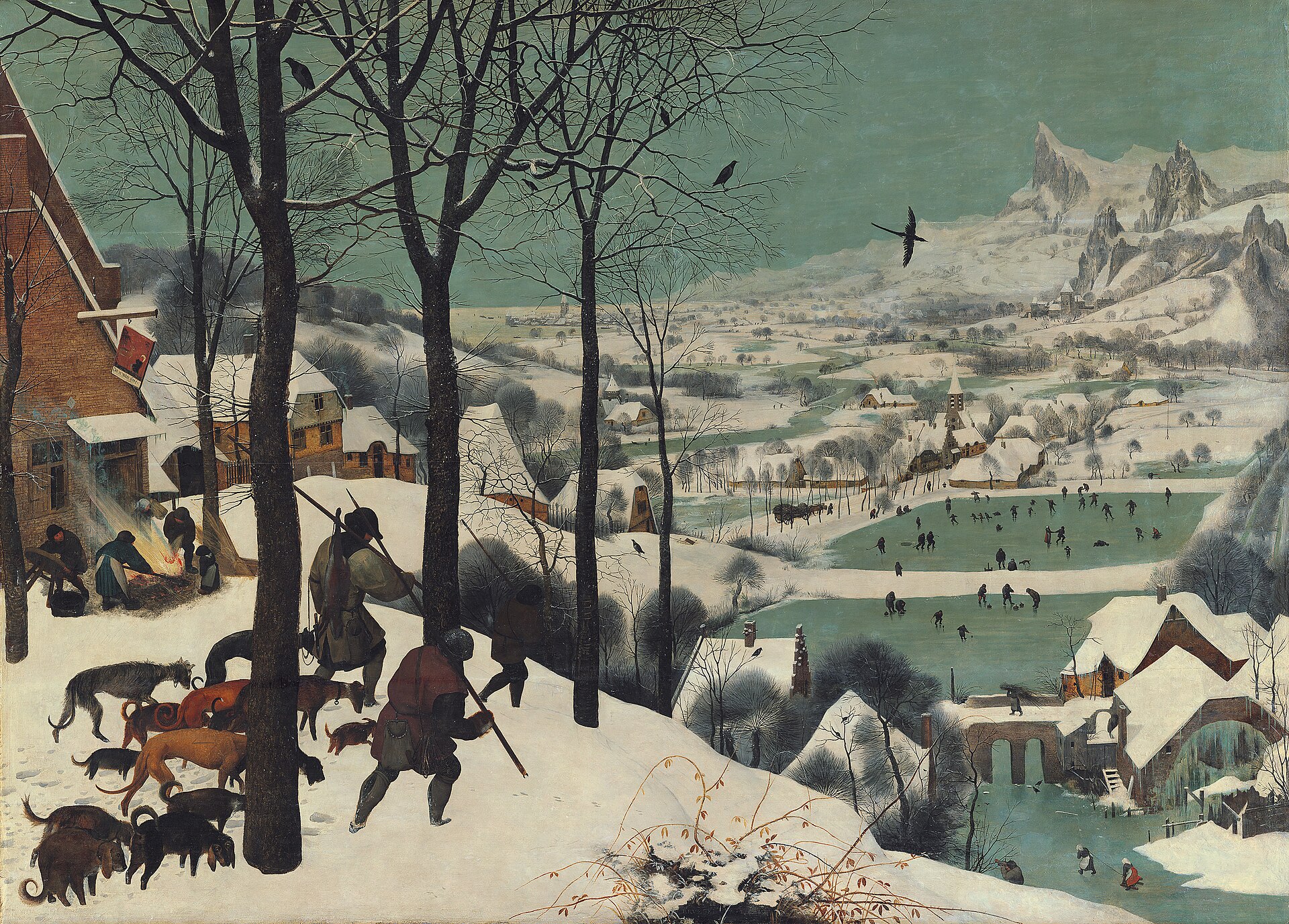
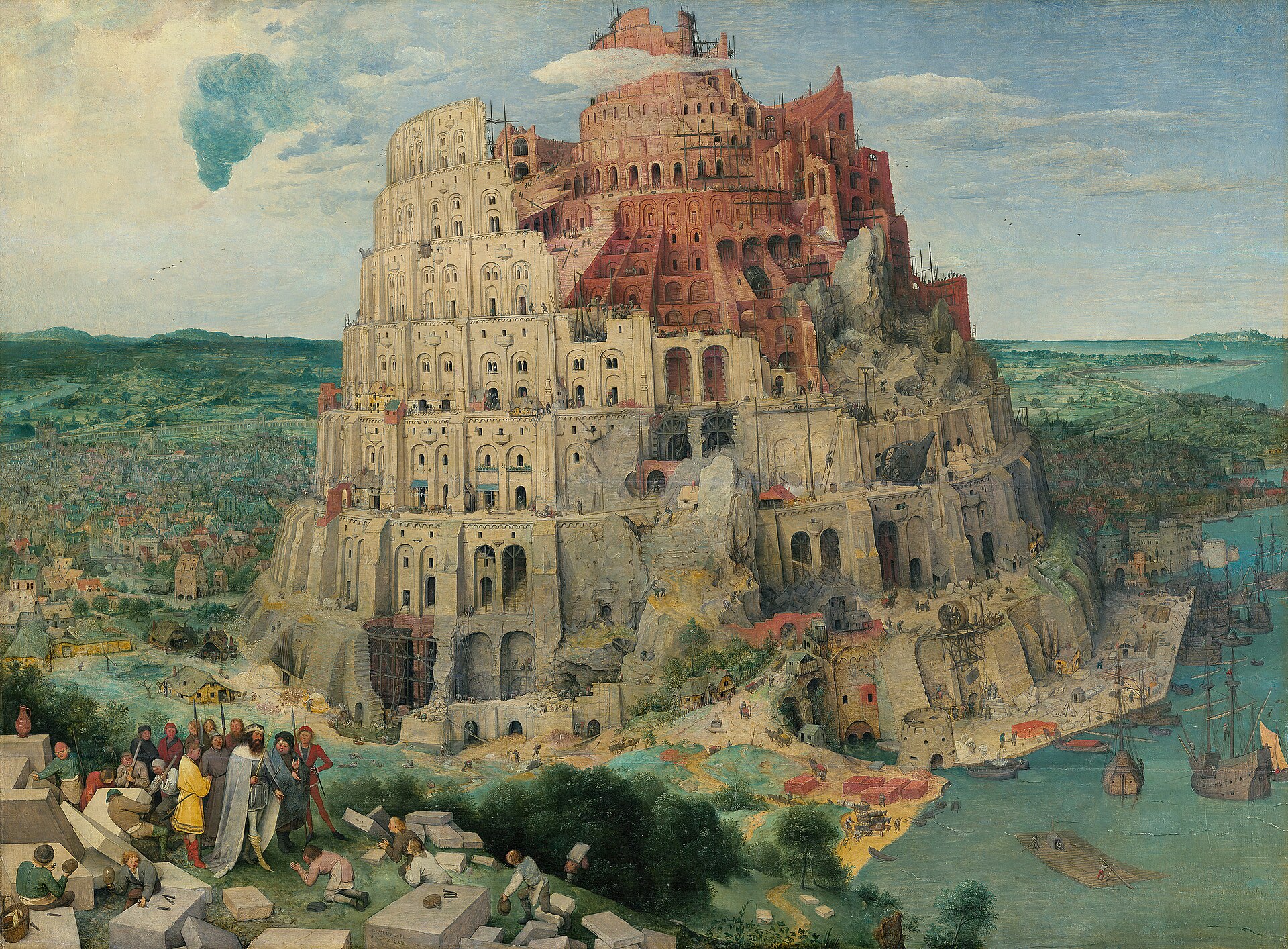
Paints the Months series, of which the Hunters in the Snow survives, and the Tower of Babel, for the Antwerp collector Nicolaes Jonghelinck's villa outside the city walls.1
An Antwerp city document records Jonghelinck's collection, including 'sixteen pieces by Bruegel', pledged as collateral on a tax debt; when the debtor defaults, the city seizes the paintings.1
The city of Antwerp gives the seized Jonghelinck paintings to Archduke Ernst, the newly arrived Habsburg governor of the Netherlands; his secretary Blasius Hutter catalogues them. Their custody in the intervening 28 years is not documented in the sources consulted.1
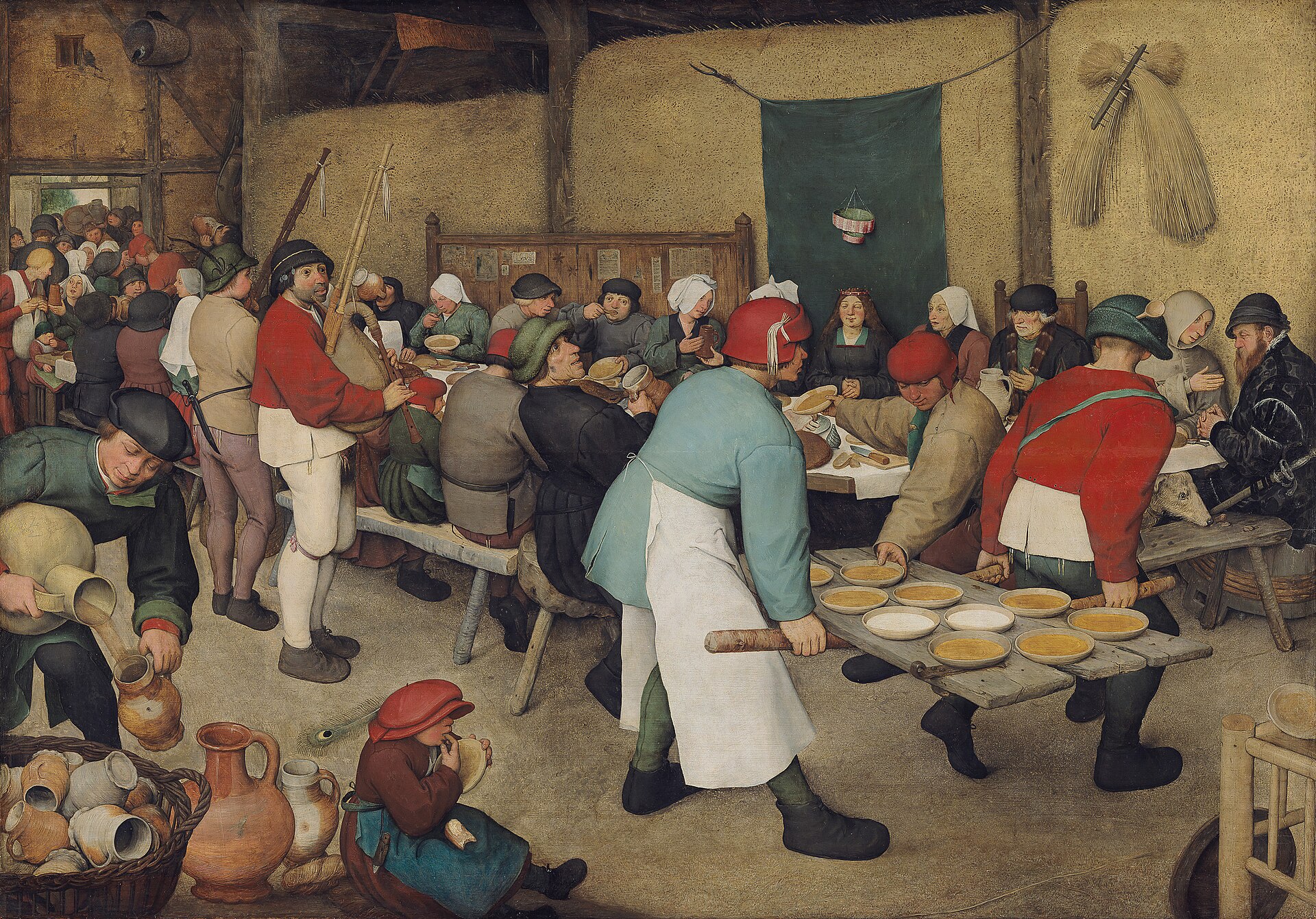
Paints the Peasant Wedding and other peasant subjects, among the five Bruegels later recorded in the 1572 inventory of Jean Noirot, master of the Antwerp mint.1
Dies in Brussels on 9 September; buried at Notre-Dame de la Chapelle, where his son Jan later erects a funerary monument giving the year of death as MDLXIX.1
Provost Maximilien Morillon writes to Cardinal Granvelle that Bruegel's paintings have become rarer and costlier than ever, three years after the artist's death.1
Hieronymus Cock's widow, Volcxken Diericx, publishes the print series 'Pictorum Aliquot Celebrium Germaniae Inferioris Effigies', including a posthumous engraved portrait of Bruegel inscribed with a death date of 1570.6
Abraham Ortelius writes his eulogy for Bruegel in his Album Amicorum, calling him 'the most perfect painter of his century'.1
Hans Mielke publishes the catalogue raisonne of the drawings, fixing the accepted total at sixty-one sheets and removing a group of landscapes forged decades after Bruegel's death by Jacob Savery.111
A small painted roundel, 'The Drunkard pushed into the Pigsty', known since 1975 only from an old engraving, is confirmed as an autograph Bruegel panel in the Burlington Magazine and lent to the National Gallery, London.4
The roundel sells at Christie's, London, for GBP 3,306,650 against an estimate of GBP 3,000,000 to 4,000,000, a documented instance of an autograph Bruegel painting reaching the open market.45
The Kunsthistorisches Museum, Vienna, and the Getty Foundation run the Inside Bruegel research project, dendrochronologically dating and technically imaging the museum's twelve panels.3
The museum stages 'Bruegel. Once in a Lifetime', the largest gathering of his paintings, drawings and prints ever assembled, and a new collaborative catalogue raisonne is announced.3
Three years after Bruegel's death, Provost Maximilien Morillon wrote to Cardinal Granvelle, who was trying to recover paintings looted from his palace at Mechelen, that Bruegel's works had become rarer and more expensive than ever and that Granvelle should not count on finding any more except at a very high price. The market has stayed in essentially that condition for four and a half centuries: of the roughly forty accepted paintings, nearly all are in museum collections and have been for generations.
The clearest exception in living memory is a single small roundel, rediscovered, published, authenticated and finally sold at auction within a single generation. Painted copies by Pieter Brueghel the Younger, by contrast, circulate freely and are not rare; they belong to a different market entirely and should never be read as a proxy for what the father's own paintings would fetch, because his own paintings do not come up to test the question.
| Date | Sale | Work | Result | Note |
|---|---|---|---|---|
| 10 July 2002 | Christie's | The Drunkard pushed into the Pigsty (oil on wooden roundel) | Hammer Not published separately in the sources consulted With premium GBP 3,306,650 (price realised, hammer plus buyer's premium, as recorded by Christie's without a published split) GBP | Sale 6604, 'Important Old Master Pictures', London, lot 37. Estimate GBP 3,000,000 to 4,000,000. The picture was known since 1975 only from an old engraving, first published as a possible Bruegel by Josef de Coo, then confirmed as autograph by Roger van Schoute and Helene Verougstraete in the Burlington Magazine, March 2000, and lent to the National Gallery, London, 2000-2001, before this sale. |
| 2014-01 | Sotheby's, New York | Winter Landscape with a Bird Trap (version, workshop of Pieter Brueghel the Younger) | Hammer Not separated in the source consulted With premium USD 2,300,000 (combined figure as reported) USD | A copy by the son's workshop, not by Bruegel the Elder. Included here only to show the price gap between the father's essentially absent market and the son's active one; the two should never be conflated. |
| 2014-07 | Sotheby's, London | Winter Landscape with a Bird Trap (version, workshop of Pieter Brueghel the Younger) | Hammer Not separated in the source consulted With premium GBP 3,400,000 (combined figure as reported) GBP | A second copy by the son's workshop, again included only for the price contrast with the father's market, not as a Bruegel the Elder result. |
Hammer is the price at which the bidding stopped; with premium adds the fee the house charges the buyer on top. Hammer price and buyer's premium in the glossary.
| Institution | City | Holdings | Note |
|---|---|---|---|
| Kunsthistorisches Museum | Vienna | Twelve of the roughly forty accepted paintings, more than any other collection, including the Tower of Babel, the Peasant Wedding, the Hunters in the Snow and the Fight Between Carnival and Lent. | Subject of the museum's own Inside Bruegel technical research resource, with high-resolution, infrared and X-ray imagery of the twelve panels published online. |
| Gemaldegalerie, Staatliche Museen | Berlin | The Netherlandish Proverbs (1559). | |
| Museo del Prado | Madrid | The Triumph of Death. | |
| Royal Collection | London (Hampton Court Palace) | The autograph Massacre of the Innocents. | Its original content, the bodies of murdered infants, was overpainted between 1604 and 1621 and recovered only by later infrared imaging; the picture on public display therefore carries a documented history of censorship as well as of authorship. |
| Royal Museums of Fine Arts of Belgium (Oldmasters Museum) | Brussels | Winter Landscape with a Bird Trap (1565). | Acquired only in 1973, by bequest; its authenticity was questioned repeatedly before verification in 2012. |
The modern reference catalogue, Manfred Sellink's 'Bruegel: The Complete Paintings, Drawings and Prints' (2007), treats about forty paintings as autograph.
The modern reference catalogue, Manfred Sellink's 'Bruegel: The Complete Paintings, Drawings and Prints' (2007), treats about forty paintings as autograph. Sixty-one drawings have been accepted since Hans Mielke's 1996 catalogue raisonne removed a substantial group of earlier attributions, and Bruegel designed roughly forty further compositions that survive only as prints, made for engravers to cut and Hieronymus Cock's press to publish. Twelve of the accepted paintings, more than in any other single collection, are in the Kunsthistorisches Museum, Vienna.
Those numbers describe what can be checked, not what once existed. Martin Royalton-Kisch has estimated that the surviving drawings represent only about one percent of Bruegel's total original output on paper. Whatever proportion held for paintings and prints, the working assumption behind every count in this record is that most of what Bruegel made is simply gone, and there is no way now to know what it looked like.
For three centuries the standard account, following Karel van Mander's 1604 biography, held that Bruegel dressed as a peasant to attend village weddings and fairs incognito, sketching the guests from...
For three centuries the standard account, following Karel van Mander's 1604 biography, held that Bruegel dressed as a peasant to attend village weddings and fairs incognito, sketching the guests from the inside as one of them. Gustav Gluck's study of 1910 dismantled the story, and Arthur Popham's 1931 publication of Abraham Ortelius's eulogy for Bruegel, ending 'Ortelius dedicated this with grief to the memory of his friend', confirmed a different picture: a man Ortelius called mediocriter literati, moderately lettered, moving in a circle of humanists, merchants and cultured collectors in Antwerp and Brussels.
The documented owners of his paintings support the correction. Nicolaes Jonghelinck, a wealthy Antwerp merchant, owned sixteen; Jean Noirot, master of the Antwerp mint, owned five, including the Peasant Wedding, which hung in his own dining room; Ortelius himself commissioned a grisaille; the Antwerp banker Niclaes Cornelius Cheeus owned the Twelve Proverbs; Cardinal Granvelle, archbishop of Malines, owned several more. Peasant subjects were bought by bankers and mint masters to hang in the best rooms of their town houses, for a sophisticated audience that read them as commentary on folly and the human condition, not as ethnography from the inside.
The first secure documentary trace of Bruegel is from 1550, at Mechelen, where he collaborated with the painter Peeter Baltens on a lost altarpiece for the city's Glovemakers' Guild.
The first secure documentary trace of Bruegel is from 1550, at Mechelen, where he collaborated with the painter Peeter Baltens on a lost altarpiece for the city's Glovemakers' Guild. He joined Antwerp's Guild of St Luke as a free master before October 1551 or in 1552; the register enters him as 'Peeter Brueghels, schilder'. Van Mander's claim that he trained under Pieter Coecke van Aelst has no strong stylistic support, though a transcription of Coecke's own lost epitaph names a disciple, 'Peter Bruegel the painter, to whom he gave his daughter in marriage' - evidence for the marriage, not conclusive proof of the apprenticeship.
He then travelled to Italy, reaching Rome by about 1553, where he worked alongside the miniaturist Giulio Clovio, and as far south as Reggio Calabria. By 1556 he was back in Antwerp and working for the print publisher Hieronymus Cock, supplying drawings to be engraved. His first dated paintings do not appear until 1557; for the first years of his independent career, Bruegel's public reputation was built entirely on prints designed for someone else's press, not on paintings at all.
Cock had founded his publishing house, Aux Quatre Vents, in Antwerp around 1548, and between 1555 and 1557 he issued thirteen Bruegel landscape engravings under Bruegel's own name alongside forty-six...
Cock had founded his publishing house, Aux Quatre Vents, in Antwerp around 1548, and between 1555 and 1557 he issued thirteen Bruegel landscape engravings under Bruegel's own name alongside forty-six prints attributed to Hieronymus Bosch, who had died in 1516. In 1557 Cock published an engraving after a Bruegel drawing of 1556, 'The Big Fish Eat the Little Fish', cut by Pieter van der Heyden - and credited the invention to Bosch rather than to the living artist who had actually drawn it. Bosch's name still carried more weight in the market than Bruegel's did.
The attribution did not stay fixed. When the plate was reprinted in 1619 by the Amsterdam publisher Claes Jansz. Visscher, Bruegel's own name replaced Bosch's - a reversal that only makes sense if, by then, a design once considered more saleable as Bosch's had become more saleable as Bruegel's. The original drawing, signed and dated by Bruegel in 1556, survives in the Albertina, Vienna, and settles the question the print itself was built to obscure.
In 1563 Bruegel married Mayken Coecke, daughter of Pieter Coecke van Aelst and the miniaturist and watercolourist Mayken Verhulst, and moved to Brussels, where he lived for the rest of his short life.
In 1563 Bruegel married Mayken Coecke, daughter of Pieter Coecke van Aelst and the miniaturist and watercolourist Mayken Verhulst, and moved to Brussels, where he lived for the rest of his short life. Nearly all of the paintings on which his modern reputation rests date from the six years between the marriage and his death in 1569: the Tower of Babel and the Months series, of which the Hunters in the Snow is the best known survivor, both from 1565; the Peasant Wedding and the Fight Between Carnival and Lent; the Triumph of Death; and the Netherlandish Proverbs of 1559, painted just before the move.
He had two sons, Pieter Brueghel the Younger, born 1564, and Jan Brueghel the Elder, born 1568, both of whom became painters. Bruegel died before either was old enough to be trained by him directly, a fact that matters for everything that follows about how their father's compositions were later copied.
An Antwerp city document dated 21 February 1566 (new style) records Nicolaes Jonghelinck pledging his art collection as collateral against a tax debt owed by Daniel de Bruyne; the document lists...
An Antwerp city document dated 21 February 1566 (new style) records Nicolaes Jonghelinck pledging his art collection as collateral against a tax debt owed by Daniel de Bruyne; the document lists 'sixteen pieces by Bruegel', including the Tower of Babel, the Carrying of the Cross and the Months, all decorating Jonghelinck's villa outside the Antwerp walls. When de Bruyne defaulted, the city seized the paintings; where they were held for the next twenty-eight years is not documented in the sources consulted. The city of Antwerp gave them to Archduke Ernst, the incoming Habsburg governor of the Netherlands, only in 1594, the year of his arrival, and his secretary Blasius Hutter catalogued them; Ernst's heir, Emperor Rudolf II, inherited the group, which became the core of the Kunsthistorisches Museum's Bruegel holdings. The provenance of three of the museum's most famous paintings therefore has one real, undocumented gap - 1566 to 1594 - bridged here by naming it rather than smoothing over it, before running without further gaps from Ernst's 1594 gift to a public collection today.
Jean Noirot, master of the Antwerp mint from 1562 to 1572, owned five Bruegels according to his own 1572 inventory, including the Peasant Wedding, hung in his rear dining room. Abraham Ortelius, the cartographer, was very probably the first owner of Bruegel's grisaille 'The Death of the Virgin': a 1578 letter from Dirck Volckertszoon Coornhert to Ortelius, thanking him for an engraved copy, reads 'Bruegel and Philips have surpassed themselves. Neither of them, methinks, could have done better. Their friend Abraham Ortelius's favour has spurred on their natural talents.' Cardinal Antoine Perrenot de Granvelle, archbishop of Malines, owned several more.
Since 2012 the Kunsthistorisches Museum, Vienna, with Getty Foundation funding, has run the Inside Bruegel research project: infrared reflectography and X-radiography of its twelve panels to read...
Since 2012 the Kunsthistorisches Museum, Vienna, with Getty Foundation funding, has run the Inside Bruegel research project: infrared reflectography and X-radiography of its twelve panels to read underdrawing and pentimenti, X-ray fluorescence to identify pigments, and dendrochronology to date the wood itself. The technical work has changed compositions understood as fixed - infrared imaging showed that in one painting a foreground hunter was added only after the snow and tree trunk around him had already been painted, a change made when the picture was already far advanced.
Dendrochronology has also demoted a painting once shown as autograph. A version of the Massacre of the Innocents was dated by the growth rings of its panel: the tree could not have been felled before 1569, and allowing for the sapwood normally removed and the seasoning time normally required, the panel cannot be earlier than about 1594 - a quarter of a century after Bruegel's death. The picture is now understood to be the work of Pieter Brueghel the Younger's workshop, not the father's. The autograph original is in the Royal Collection at Hampton Court, its status confirmed independently by a conservator's discovery of faint remnants of a signature. That original had itself been altered: between 1604 and 1621 an unknown hand painted over the bodies of the murdered infants, turning them into bundles, geese and animals, a change only recovered by later infrared imaging that revealed the massacre Bruegel had actually painted underneath.
Pieter Brueghel the Younger ran a workshop that produced painted copies of his father's most popular compositions for decades after 1569, on a scale that has to be stated in hundreds rather than in...
Pieter Brueghel the Younger ran a workshop that produced painted copies of his father's most popular compositions for decades after 1569, on a scale that has to be stated in hundreds rather than in individual pictures. Klaus Ertz's 2000 catalogue of the younger Brueghel records 127 surviving versions of the Winter Landscape with a Bird Trap alone: forty-five he accepts as autograph works of Pieter the Younger himself, fifty-one he marks as doubtful, and thirty-one he rejects outright as neither father's nor son's. At least thirteen faithful copies of the Massacre of the Innocents are separately recorded. Christa Currie and Dominique Allart's three-volume technical study, 'The Brueg(H)el Phenomenon' (2012), reconstructs how the son's shop actually worked: copies were produced to commission, using patterns and tracings taken from the father's originals, and the workshop's practices are now understood well enough to be diagnostic in their own right.
This has a direct practical consequence for anyone trying to understand the market for 'Bruegel'. A painting catalogued as Pieter Brueghel the Younger is not a lesser version of a Bruegel the Elder; it is a different, if related, category of object, made after the father's death by an artist working in his own right, and it should never be read as evidence for what the father's paintings are worth.
Beyond Cock's commercial relabelling of the Big Fish print, deliberate forgery of Bruegel's name began within a generation of his death.
Beyond Cock's commercial relabelling of the Big Fish print, deliberate forgery of Bruegel's name began within a generation of his death. A group of pen-and-ink landscape drawings carries false Bruegel signatures and dates in the early 1560s; watermark analysis of the paper showed it could not have been manufactured before the 1590s, decades after Bruegel died, exposing the sheets as the work of the printmaker Jacob Savery. Hans Mielke's 1996 catalogue raisonne of the drawings removed these and other spurious attributions, which is why the accepted total stands at sixty-one rather than higher.
The dendrochronological demotion of the Kunsthistorisches Museum's Massacre of the Innocents, described above, is not usually filed alongside these cases because nobody set out to deceive: the picture had been catalogued in good faith as at least studio work for three and a half centuries before tree-ring science could test it. It belongs in the same discussion anyway, because the practical effect - a painting long shown as Bruegel's, now known not to be - is identical.
The Netherlandish Proverbs of 1559 depicts, by the most widely cited modern count, upward of a hundred distinct Dutch proverbs and idioms staged as literal actions in a single village scene; because...
The Netherlandish Proverbs of 1559 depicts, by the most widely cited modern count, upward of a hundred distinct Dutch proverbs and idioms staged as literal actions in a single village scene; because more than one proverb can sometimes be read into the same figure, and because language change has obscured others, no two scholarly counts agree exactly, and none should be treated as final. The picture's earlier titles, 'The Blue Cloak' and 'The Folly of the World', describe its actual subject more precisely than the modern one does: this is a catalogue of human folly, not an illustrated dictionary.
That kind of moralising, proverb-based invention did not come from nowhere. Antwerp's leading chamber of rhetoricians, the Violieren, had merged with the city's Guild of St Luke, the painters' guild Bruegel joined in 1551, as early as 1480; painters and rhetoricians shared the same civic institution and, on Walter Gibson's argument, the same intellectual culture of proverb, allegory and moral wordplay that Bruegel's paintings put on panel. This is Gibson's documented argument, not Bruegel's own stated intention, which is nowhere recorded; no letter, inventory note or contract explains what the painter himself believed the picture meant, and none should be invented to fill that gap.
Three years after Bruegel's death, Provost Maximilien Morillon wrote to Cardinal Granvelle, who was trying to recover paintings looted from his palace at Mechelen, that Bruegel's works had become...
Three years after Bruegel's death, Provost Maximilien Morillon wrote to Cardinal Granvelle, who was trying to recover paintings looted from his palace at Mechelen, that Bruegel's works had become rarer and more expensive than ever and that Granvelle should not count on finding any more except at a very high price. The market has stayed in essentially that condition for four and a half centuries. Of the roughly forty accepted paintings, nearly all are in museum collections, and the great majority arrived there generations ago.
The one clear exception in living memory is a small painted roundel, 'The Drunkard pushed into the Pigsty', known since 1975 only from an old engraving and confirmed as an autograph Bruegel panel by Roger van Schoute and Helene Verougstraete in the Burlington Magazine in March 2000, following its rediscovery. Lent to the National Gallery, London, for the 2000-2001 exhibition season, it was sold at Christie's, London, on 10 July 2002 (sale 6604, lot 37) against an estimate of GBP 3,000,000 to GBP 4,000,000; the price realised, hammer plus buyer's premium as Christie's records it without separating the two figures, was GBP 3,306,650. Christie's own catalogue does not publish the hammer price alone, so this record states the combined figure and says so rather than guessing at a split.
Set against that single sale, painted copies by Pieter Brueghel the Younger circulate freely and are not rare: versions of his father's Winter Landscape with a Bird Trap have made $2.3 million at Sotheby's New York in January 2014 and GBP 3.4 million at Sotheby's London in July 2014, again without a published hammer and premium split in the sources consulted. Those are healthy prices for a workshop copyist working two generations after the original, and they say nothing at all about what the father's own paintings would fetch, because his own paintings simply do not come up.
Bruegel died in Brussels on 9 September 1569.
Bruegel died in Brussels on 9 September 1569. His son Jan Brueghel the Elder later erected a funerary monument at Notre-Dame de la Chapelle recording the year of death in Roman numerals as MDLXIX, 1569. A separate posthumous engraved portrait of Bruegel, published in 1572 in the print series 'Pictorum Aliquot Celebrium Germaniae Inferioris Effigies', is inscribed 'Obiit Bruxellis anno 1570' - died in Brussels in the year 1570. The discrepancy between a son's own funerary inscription and a publisher's engraved caption three years after the death is recorded here as exactly that: unresolved in the sources consulted, and worth a specialist's attention rather than a guess.
Abraham Ortelius wrote his eulogy for Bruegel in his Album Amicorum around 1573, calling him 'the most perfect painter of his century'. That judgment did not immediately settle into consensus. Giorgio Vasari and, at greater length, Karel van Mander framed Bruegel chiefly as a comic successor to Hieronymus Bosch, a reading that outlasted the artist by centuries. His current reputation, built substantially on the winter landscapes once good colour reproduction could circulate them widely, is a twentieth-century development as much as a sixteenth-century one.
Painter; Draughtsman; Print designer. c. 1525-1569.
Born c. 1525-1530; no document records the year, Unknown. Karel van Mander wrote in 1604 that he came from a village called Brueghel near Breda, but no such village fits: the two candidates neither lie near Breda nor, in one case, inside the Netherlandish provinces at all. Manfred Sellink has proposed that Bruegel may have been born in a city, possibly Antwerp; died 9 September 1569, Brussels.
The Big Fish Eat the Little Fish, credited to Hieronymus Bosch. Bruegel's 1556 drawing was engraved by Pieter van der Heyden and published by Hieronymus Cock in 1557 crediting the invention to Bosch, who had died in 1516; Bosch's name carried more weight in the market than the living Bruegel's did.
Kunsthistorisches Museum (Vienna); Gemaldegalerie, Staatliche Museen (Berlin); Museo del Prado (Madrid); Royal Collection (London (Hampton Court Palace)); Royal Museums of Fine Arts of Belgium (Oldmasters Museum) (Brussels).
Three years after Bruegel's death, Provost Maximilien Morillon wrote to Cardinal Granvelle, who was trying to recover paintings looted from his palace at Mechelen, that Bruegel's works had become rarer and more expensive than ever and that Granvelle should not count on finding any more except at a very high price. The market has stayed in essentially that condition for four and a half centuries: of the roughly forty accepted paintings, nearly all are in museum collections and have been for generations.The clearest exception in living memory is a single small roundel, rediscovered, published, authenticated and finally sold at auction within a single generation.
Where and when exactly was Bruegel born. The record is silent, and even the traditional birthplace, 'near Breda' per Karel van Mander, does not correspond to any known village; Manfred Sellink has proposed a city birth, possibly Antwerp, unresolved.
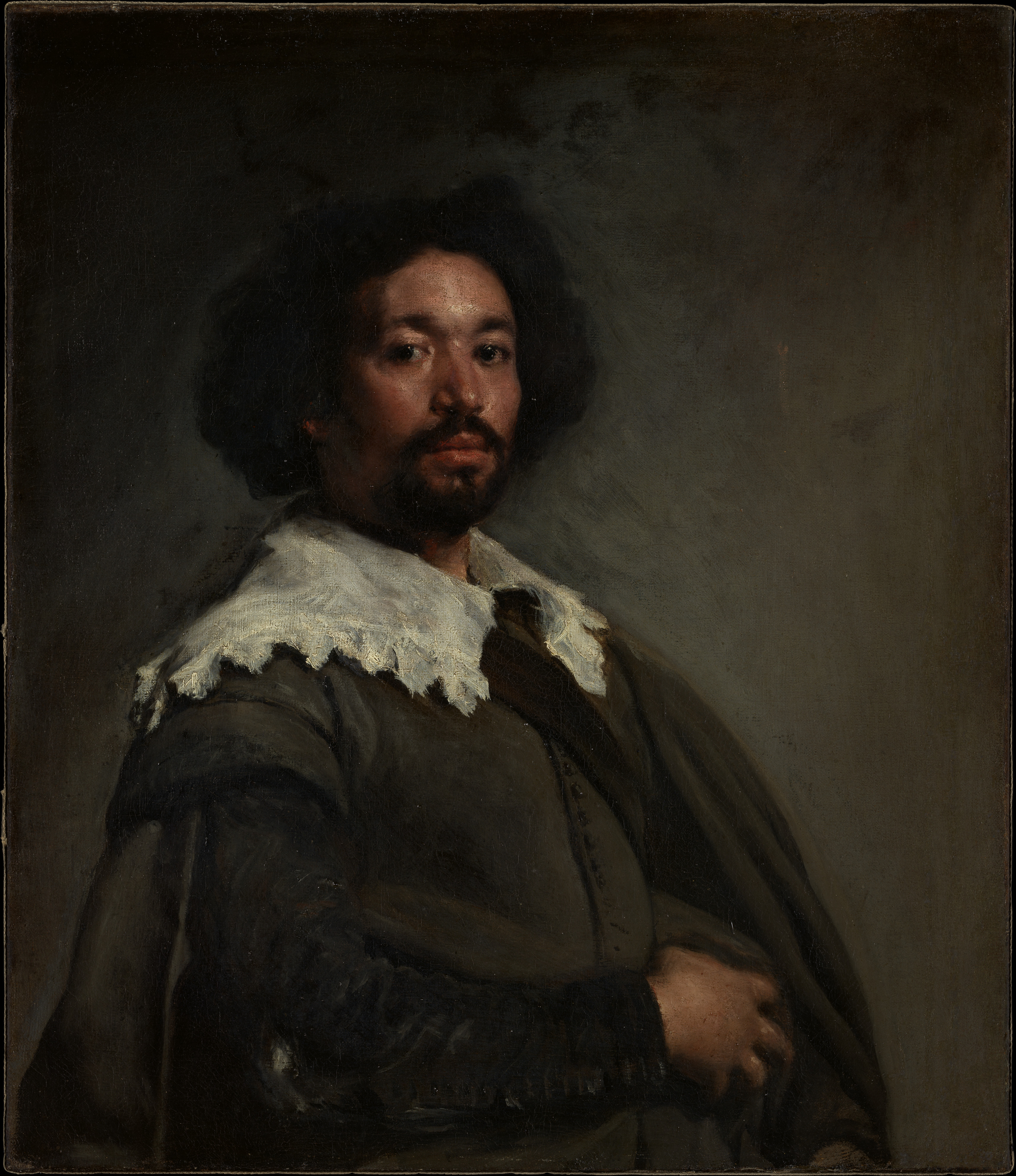
Of 187 auction results in this archive, 106 state a currency and they use sixteen different descriptions of it.
11 min read
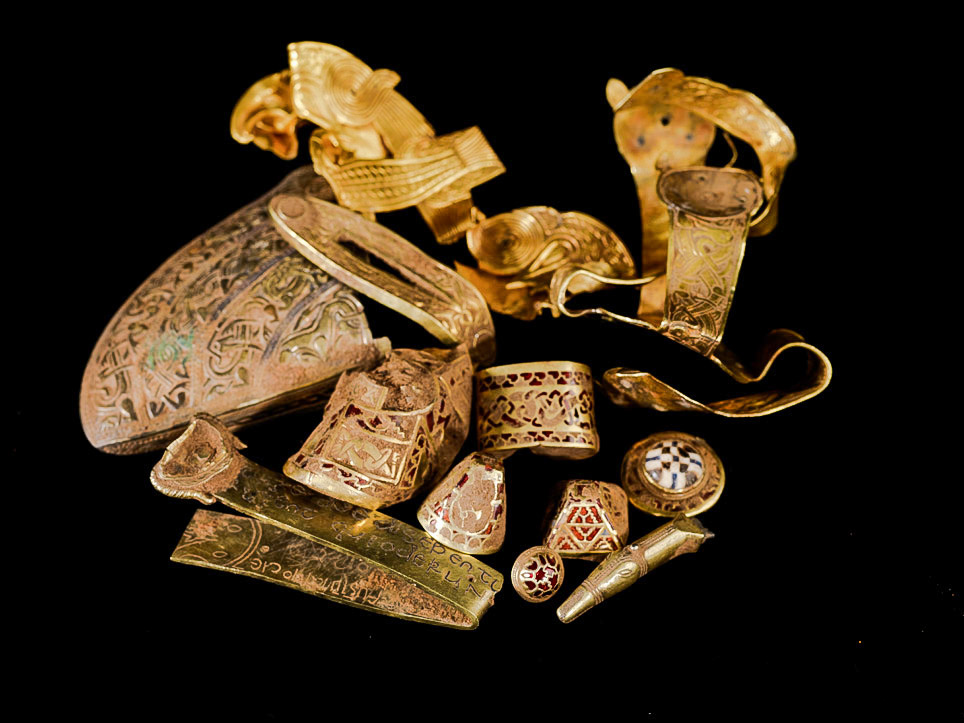
A committee valued the Staffordshire Hoard at 3,285,000 pounds and nobody bid.
9 min read
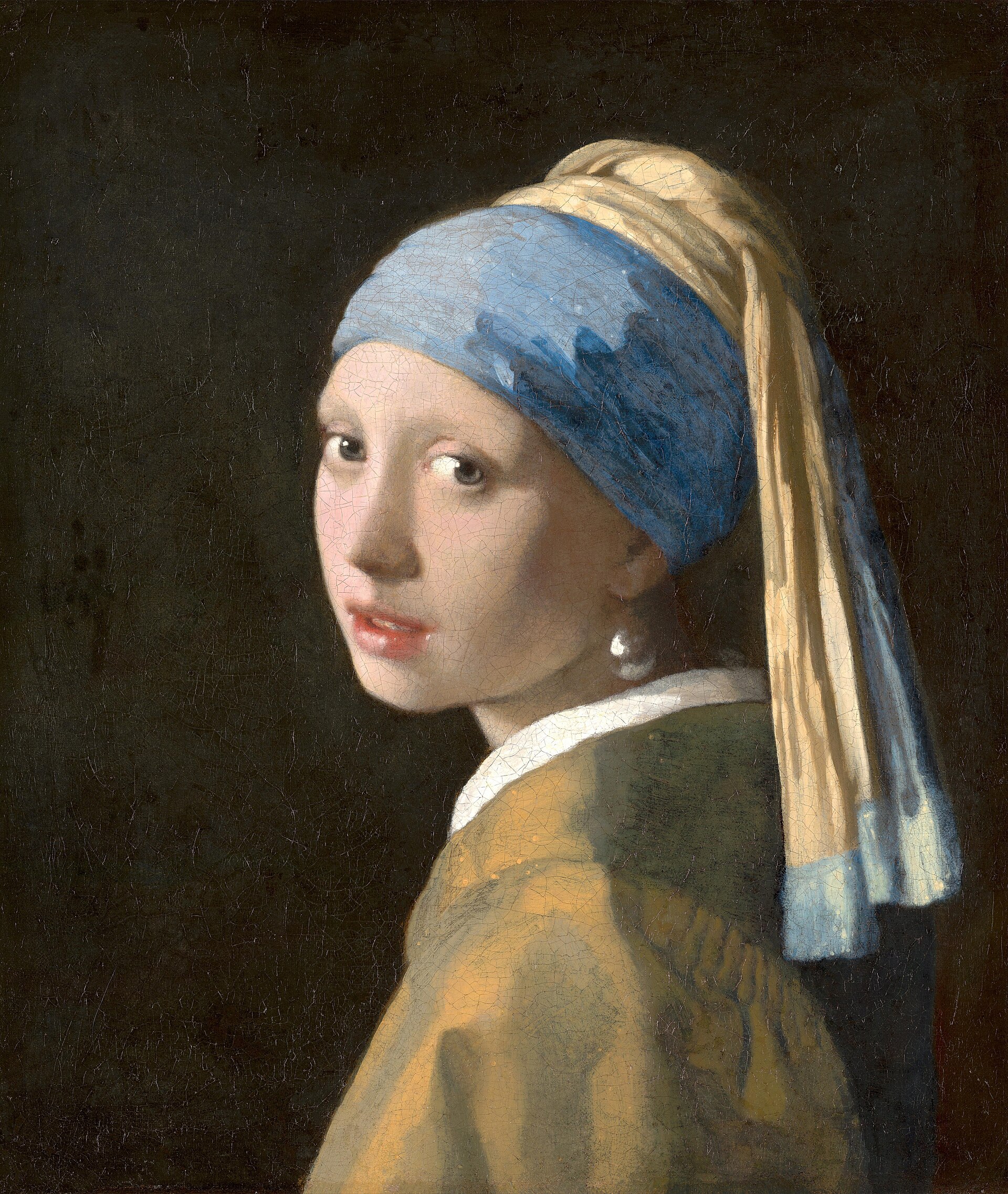
Objects here that sit in museums carry a last recorded sale a median 26 years old and a mean of 57.
12 min read
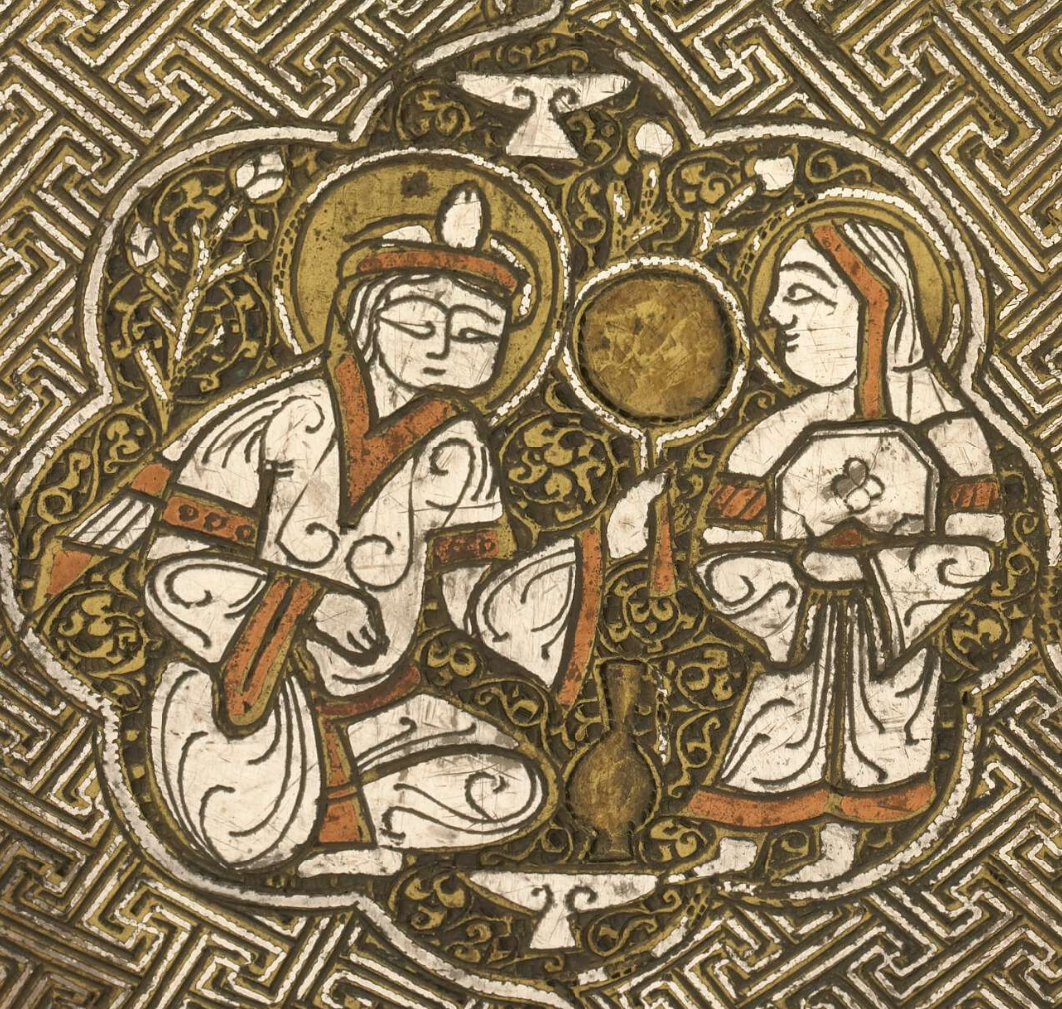
This archive grades 1,797 ownership links. 271 are marked unknown and 160 disputed, and the two do not fall on the same objects.
10 min read
Thirty-two objects in this archive were bought on the income of six named endowment funds, and in every case the person named had...
10 min read
Last verified 17 September 2026
One artwork and its story every Tuesday, with the picture: who owned it, what it made, and what closes soon in the exhibition calendar. No promotion, and nothing we cannot cite.
We send one email to confirm the address and keep nothing else. Every letter carries a one-click unsubscribe. How we handle your data.
.jpg)