How Much of an Ownership Chain Is Documented Depends on the Object
Of 2,439 provenance links in 330 records, 75 per cent are documented. Clocks reach 83 per cent and arms and armour 65. One sword moves the second figure.
Records in this piece: John Harrison's Marine Timekeepers, H1 to H4, K1 Marine Chronometer, Armor Garniture, Probably of King Henry VIII of England, The Honjo Masamune, Armor (Yoroi) of Ashikaga Takauji, Armor of Emperor Ferdinand I (1503-1564)
On this page 4 sections
ContentsClose
In short
- Of the 2,439 provenance links across 330 published records, 1,836 (75.3 per cent) are graded documented, 357 unknown and 246 disputed.
- Clocks and instruments lead at 83 per cent documented (104 of 126 links), then furniture and photographs at 82 per cent. Arms and armour is last at 65 per cent (74 of 113).
- One record, the Honjo Masamune, holds 7 of the 23 disputed links in arms and armour. Without it the type rises to 70 per cent (72 of 103) and sits just above Islamic metalwork at 68.
- Painting has the most disputed links by count, 80 of the archive's 246, but at 17 per cent of its 474 links it is not the highest by share.
Three quarters of 2,439 links are documented, and the spread is 18 points
Across the 330 published records, 1,836 of 2,439 provenance links (75.3 per cent) are graded documented, 357 unknown and 246 disputed. The grades are the house rule: documented when a source we read states it, disputed when sources disagree, unknown when nobody recorded it, and never a guess to bridge a gap. By object type the documented share runs from 83 per cent for clocks and instruments to 65 per cent for arms and armour, a spread of 18 points.
| Object type | Links | Documented | Documented % | Unknown | Disputed |
|---|---|---|---|---|---|
| Clocks and instruments | 126 | 104 | 83 | 16 | 6 |
| Furniture | 119 | 98 | 82 | 18 | 3 |
| Photograph | 92 | 75 | 82 | 15 | 2 |
| Musical instrument | 145 | 118 | 81 | 18 | 9 |
| Textile | 138 | 112 | 81 | 15 | 11 |
| Printed book | 75 | 60 | 80 | 15 | 0 |
| Sculpture | 93 | 73 | 78 | 7 | 13 |
| Goldsmith's work | 136 | 106 | 78 | 18 | 12 |
| Silver | 107 | 80 | 75 | 20 | 7 |
| Antiquity | 149 | 111 | 74 | 18 | 20 |
| 89 | 66 | 74 | 22 | 1 | |
| Map | 131 | 96 | 73 | 24 | 11 |
| Manuscript | 174 | 127 | 73 | 22 | 25 |
| Ceramic | 85 | 62 | 73 | 18 | 5 |
| Painting | 474 | 341 | 72 | 53 | 80 |
| Glass | 102 | 71 | 70 | 22 | 9 |
| Islamic metalwork | 91 | 62 | 68 | 20 | 9 |
| Arms and armour | 113 | 74 | 65 | 16 | 23 |
Clocks lead because the object often names its own maker and keepers
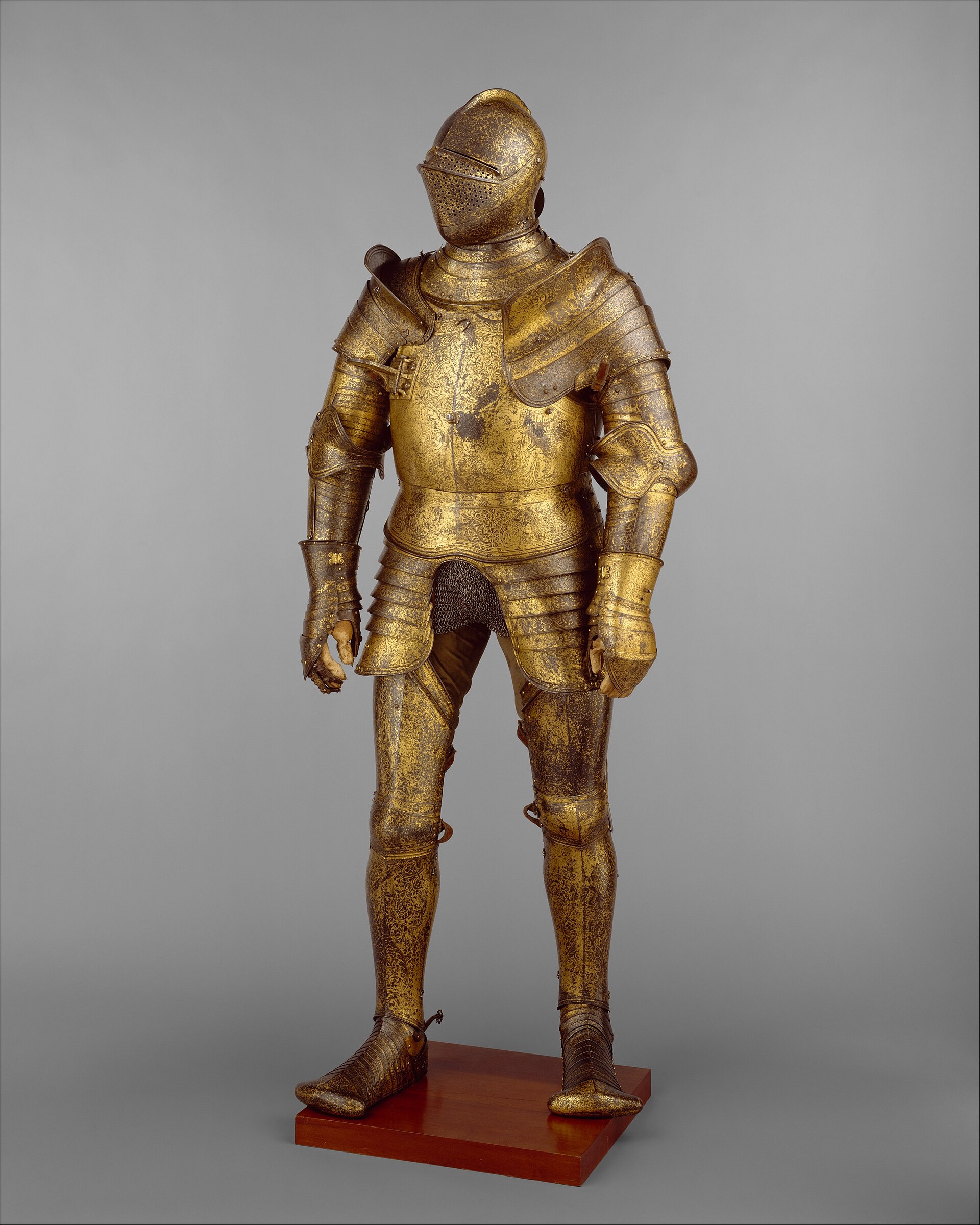
Clocks and instruments hold the highest documented share, 83 per cent, with 104 of 126 links. Harrison's four marine timekeepers H1 to H4 are graded documented on all 8 of their links. Larcum Kendall's K1 has 11 documented links of 12 and Thomas Earnshaw's Beagle chronometer 13 of 15. The plate captions in the Harrison record note that the H3 dial plate and the H4 movement carry his signature, so the maker is on the object before any document is read.
This is our reading of the table and not a finding. One explanation, which we have not tested, is that these chains lean on institutions that kept books, and an institution's book is the easiest document to cite. Where a chain runs through private houses and dealers the documents are scarcer.
Arms and armour sit last, and one sword moves the figure by five points
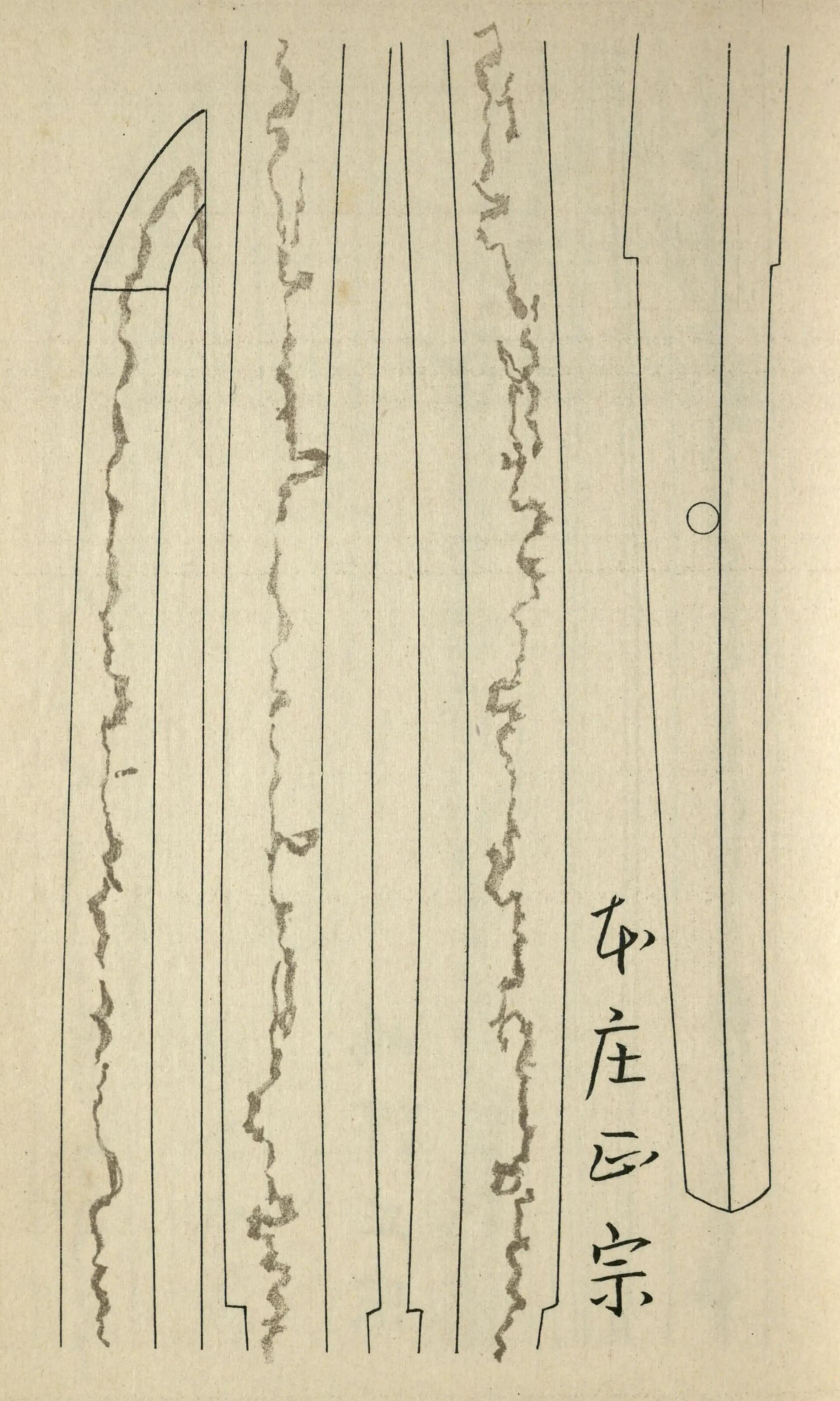
Arms and armour has the lowest documented share, 65 per cent (74 of 113 links), and one record, the Honjo Masamune, holds 7 of the type's 23 disputed links. Seven of its 10 links are graded disputed, because the sword is unsigned and later shortened, and its chain rests on a tradition recorded by the Honami family and on sources that disagree on who passed it to whom. Take the Honjo Masamune out and the type would sit at 70 per cent (72 of 103), just above Islamic metalwork at 68.
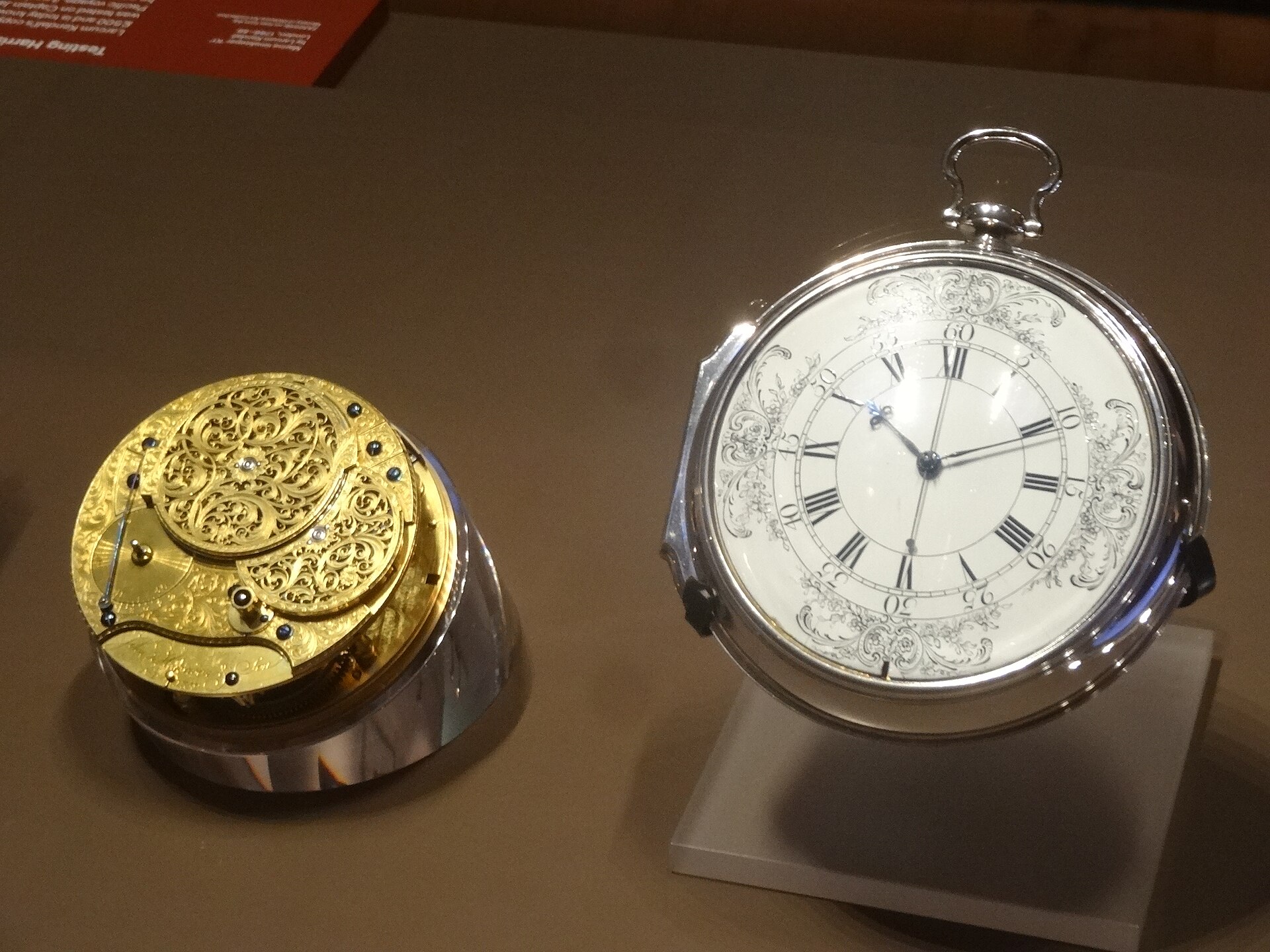
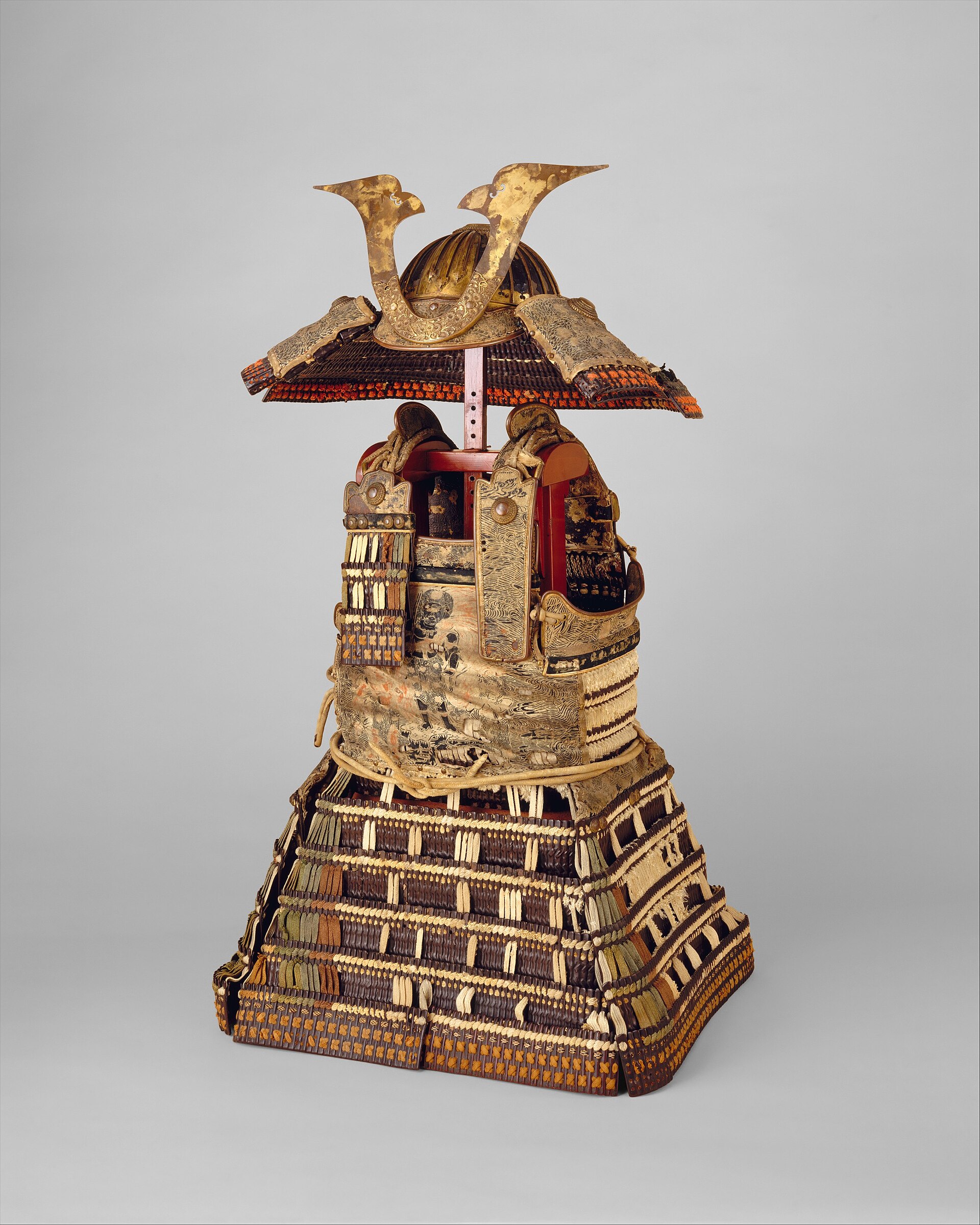
The type has a second, structural problem. Armours are assembled and reassembled. The Metropolitan's Takauji yoroi is a composite: a non-matching mid-fourteenth-century helmet and two non-matching shoulder guards are mounted with the cuirass, as Ogawa's 1989 comparison of Dean's 1905 photographs, his dealer receipt and the armour itself established. The armour of Ferdinand I was reattributed early in the twentieth century on the wearer's build and the heraldry on the sabatons. The passage of the Greenwich garniture from the vicomte de Turenne to his friend Galiot de Genouilhac after 1532 rests on the museum's own word presumably.
Painting has the most disputed links by count and a middling share
Painting holds 80 of the archive's 246 disputed links, a third of them, from 19 per cent of all the links. Its disputed share is 17 per cent. Arms and armour is higher at 20 per cent, manuscripts are at 14 per cent and antiquities at 13. The headlines about disputed paintings follow the fame, and the table follows the links.
A table like this is a way to find which chains to doubt first, not a verdict on any object. A record in a type with a low documented share is not weaker for it, and the figure should be read after the chain, not before it.
Questions
In 330 published records, 75.3 per cent of 2,439 links are graded documented, 14.6 per cent unknown and 10.1 per cent disputed. It runs from 83 per cent for clocks to 65 per cent for arms and armour.
Armours are composites and reattributions, and the Honjo Masamune alone has 7 disputed links of 10. Without that sword the type reaches 70 per cent.
No. It means more of its chains rest on tradition, silence or disagreement. The records say which, link by link, and the figure is a prompt to read the chain.
It means no source we read records the owner or the event, and the record says so instead of bridging it. It is graded separately from disputed, where sources disagree.
Sources
- 1Royal Museums Greenwich, collections catalogue, Marine timekeeper H1, object number ZAA0034. Source for the maker, the date range 1730 to 1735, the materials, the display dimensions of 620 by 680 by 450 mm, the description of it as the first relatively successful marine timekeeper of any kind, the two interconnected swinging balances, the temperature compensation, the absence of lubrication, the credit line and the exhibition history. rmg.co.uk/collections/...
- 2Royal Museums Greenwich, collections object record, 'K1'. rmg.co.uk/collections/...
- 3The Metropolitan Museum of Art, catalogue entry for Armor Garniture, Probably of King Henry VIII of England (reigned 1509-47), object 22741: curatorial text, inscription note, provenance field, exhibition history, the full reference bibliography, and the audio guide transcript for stop 4405 (Stuart W. Pyhrr and Donald J. La Rocca). metmuseum.org/art/...
- 4Agency for Cultural Affairs, Japan, register of nationally designated cultural properties whose whereabouts are unknown, entry 63: designated name katana, unsigned, attributed to Masamune; Important Cultural Property; designated Showa 14 (1939); length 65.2 cm; individual owner; Tokyo; no theft recorded. The register is published under the campaign title Let us recover our cultural properties and asks the public for information. bunka.go.jp/seisaku/...
- 5Morihiro Ogawa, "A Famous Fourteenth-Century Japanese Armor," The Metropolitan Museum Journal, vol. 24 (1989), pp. 75-83. resources.metmuseum.org/resources/...
- 6Metropolitan Museum of Art Collection API, object 23944 (fetched directly). Confirms accessionNumber 33.164a-x, isPublicDomain: true, isHighlight: true, title, medium, dimensions, credit line, department, and the full list of measured armor elements. collectionapi.metmuseum.org/public/...
More in Research and Method
The partA Caption Is a Claim: Three Photographs of the Dead
Three photographs of the dead, made in 1858 and 1863, each carried a caption that later evidence cut down.
The Edition Has a Census and the Copy Has a Gap
Counts of surviving Wicked Bibles and first-edition Principias keep rising. The copies in this archive still have no named owner for 239 to 354 years.
No Painting, Print, Map or Photograph Here Needs a Credit Line by Licence, and Twelve of Seventeen Clocks Do
Of 334 lead plates, none of 100 paintings, prints, maps and photographs needs a credit line by licence, against 12 of 17 clocks and instruments.