John Harrison's Marine Timekeepers, H1 to H4
John Harrison, with James Harrison on H1 and John Jefferys on the precursor watch to H4 · H1, 1730-1735. H2, 1737-1739. H3, begun 1740 and worked on for nineteen years, catalogued as 1759. H4, begun 1755 and catalogued as 1759.
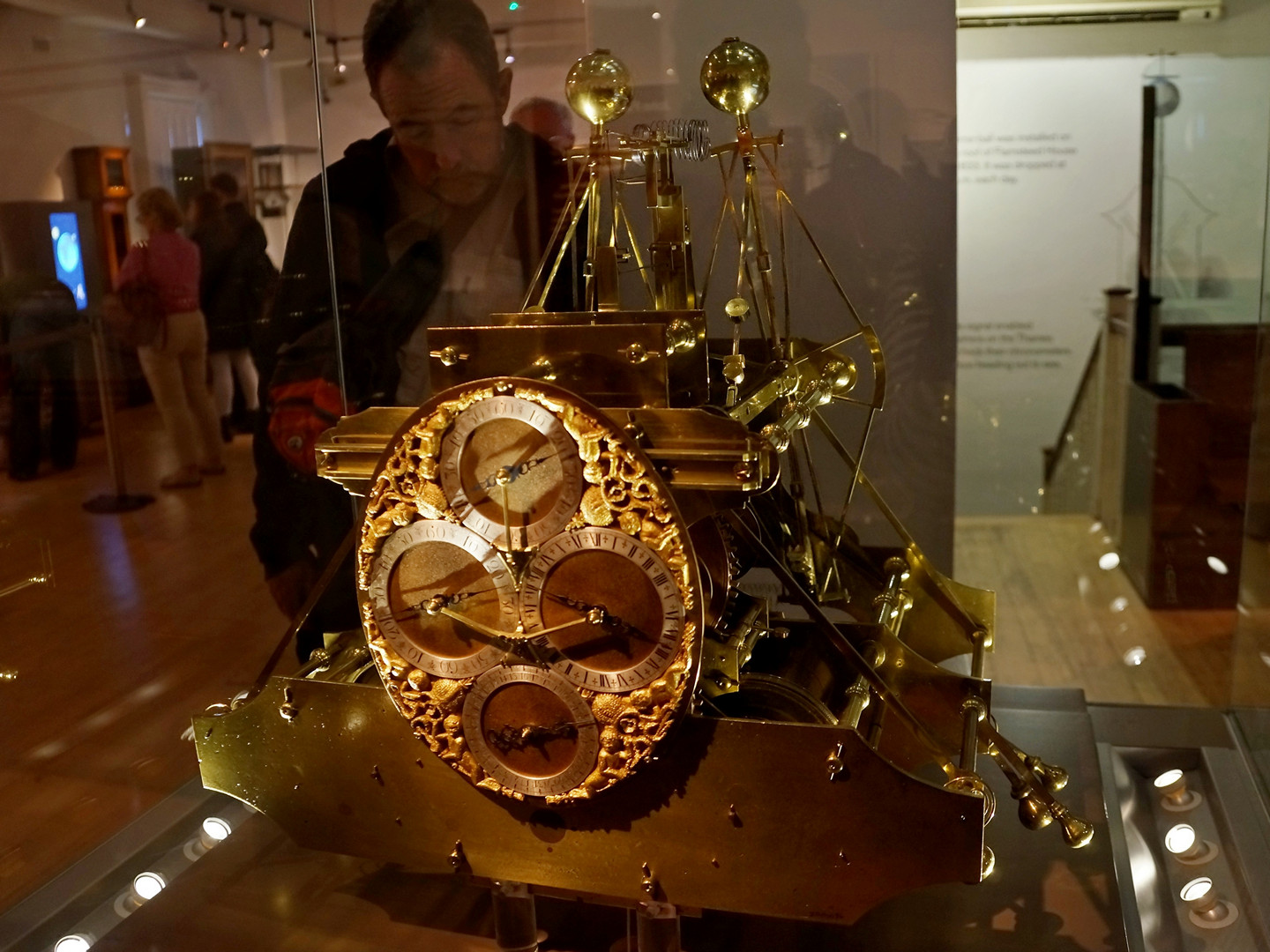
H1, on display in the Time galleries at the Royal Observatory, Greenwich. This is the first of the four timekeepers in this record: the brass machine Harrison brought to London in 1735 and sent to Lisbon and back aboard the Centurion and the Orford. The two dumbbell balances swinging in opposition at the top, linked by the helical springs between them, are the feature that makes it identifiable at a glance and are the reason it kept time in a seaway. The dial plate carries four subsidiary dials for hours, minutes, seconds and day of the month.
Royal Museums Greenwich; photograph by Tatters, CC BY-SA 2.0 via Wikimedia Commons · Photograph by Tatters ❀ from Brisbane, Australia| Artist | John Harrison, with James Harrison on H1 and John Jefferys on the precursor watch to H4 |
|---|---|
| Date | H1, 1730-1735. H2, 1737-1739. H3, begun 1740 and worked on for nineteen years, catalogued as 1759. H4, begun 1755 and catalogued as 1759. |
| Medium | H1: brass, bronze, steel, oak, lignum vitae and mahogany. H2: brass, bronze, steel and lignum vitae. H3: brass, bronze, steel and glass. H4: brass, steel, silver, diamond, ruby, enamel, copper and glass. |
| Dimensions | H1: 620 mm high, 680 mm wide, 450 mm deep overall on display. H2: 686 mm overall, weight 40 kg. H3: 622 mm high overall on display. H4: dial diameter 102 mm; overall 165 x 124 x 28 mm; weight 1.45 kg. |
| Where it is now | National Maritime Museum, Greenwich, on display at the Royal Observatory Greenwich; object numbers ZAA0034 (H1), ZAA0035 (H2), ZAA0036 (H3), ZAA0037 (H4)last confirmed 3 August 2026 |
| Attribution | AcceptedAll four are documented as John Harrison's own work, made under a public prize scheme whose administering body kept minutes, and the objects were surrendered to that body under statute, so the attribution rests on an unbroken official record rather than on connoisseurship. Full note |
| Object type | Clocks and instruments |
| Period | English, 1730-1759 |
| Inscriptions | Not transcribed in the sources consulted for this record. The Royal Museums Greenwich catalogue entries do not print the inscriptions and they are recorded here as unverified rather than guessed. |
| Owners on record | 8 links8 documented |
| Sources | 8 cited |
About this record Last verified 17 August 2026 · 8 sources cited · Change log
On this page 12 sections
ContentsClose
Four objects made by one man over twenty-nine years to answer a question the Royal Navy could not answer: where, east or west, a ship actually is. H1 is a 620 by 680 millimetre machine of brass and lignum vitae that runs without oil. H4 is a watch 165 millimetres across that weighs 1.45 kilogrammes. Between them lies the whole argument of eighteenth-century precision engineering, and the bimetallic strip and the caged roller bearing, both invented for H3, are still in use.
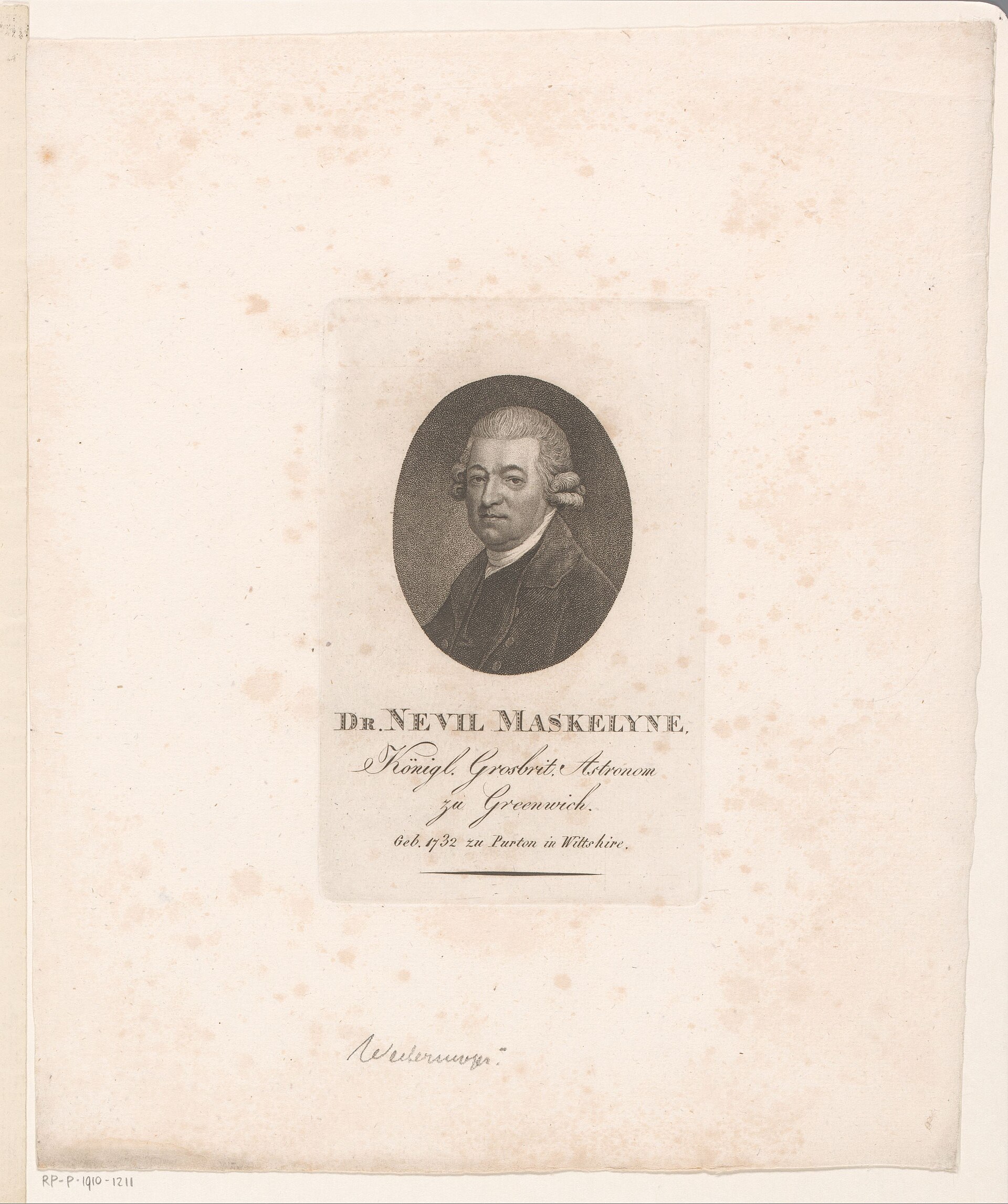
What makes this a provenance record rather than an engineering story is what the state did with them. The Longitude Act of 1714 offered up to 20,000 pounds; the body set up to administer it did not meet for twenty-three years; and when Harrison's watch met the Act's terms the Board rewrote the terms. Under the Act of 1765 he was required to dismantle H4 and explain it to nominated experts before he could be paid half the money, and to surrender all four timekeepers. The Astronomer Royal, Nevil Maskelyne, who was also the leading advocate of the rival lunar-distance method, took possession of them in 1766 and tested H4 himself for ten months.
Harrison never received the prize as such. He received 23,065 pounds across forty years, the last 8,750 of it by a separate Act of Parliament in 1773, when he was eighty. The four objects have been public property ever since and have never been on the market.
Provenance
Each link is graded. Documented: a cited source supports it. Disputed: the identification is argued but not established. Unknown: no owner for that span, and the gap is not smoothed into a narrative. The grades in the glossary.
- 1730 - 1765John Harrison, at Barrow upon Humber and then in Londondocumented
H1 made 1730 to 1735 at Barrow upon Humber, probably with his brother James, and brought to London in 1735. H2 completed 1739 and never sent to sea. H3 begun 1740 and worked on for nineteen years. H4 begun 1755 after the Jefferys watch of about 1751 to 1753 showed the way. Harrison kept the machines at his own house throughout.1234
- 1736 - 1736At sea, in the maker's care, aboard HMS Centurion and the Orforddocumented
Out to Lisbon aboard HMS Centurion in May 1736 and home aboard the Orford. On the return leg Harrison identified a landfall as the Lizard where the ship's officers reckoned the Start, and was right by about sixty miles. It is the only sea trial any of the three large machines received. The Commissioners of Longitude voted 500 pounds on 30 June 1737, with 250 paid up front.56
- 1761 - 1765In the custody of William Harrison for trial, on the Board's authoritydocumented
H4 to Jamaica in 1761 and 1762 in the care of Harrison's son William, and to Barbados in 1764, where Nevil Maskelyne conducted the competing astronomical observations. The Board accepted that the watch had met the terms of the 1714 Act and then declined to pay the prize.56
- 1765 - 1766The Board of Longitude, by statutedocumented
Under the Act of 1765 Harrison was required to dismantle H4 and explain its principles to nominated experts to receive 10,000 pounds less prior payments, to wait for a second 10,000 pounds until other makers could produce comparable watches, and to surrender the timekeepers. The Royal Museums Greenwich catalogue entry for H2 records that Harrison kept it at his residence until 1766, when the Astronomer Royal claimed it under the conditions of the longitude prize. The disclosure was published by the Board in 1767 as The Principles of Mr Harrison's Time-Keeper.267
- 1766 -The Royal Observatory, Greenwich, under Nevil Maskelyne as Astronomer Royaldocumented
Maskelyne received H4 on 5 May 1766 and tested it for ten months. It did not perform well and he published the result; Harrison disputed it. Maskelyne was the leading advocate of the lunar-distance method, the competing solution, which is the conflict of interest at the centre of the whole dispute. No source consulted resolves whether the poor result was the watch, the handling or the observer.6
- 1773 - 1828The Crown, through the Board of Longitude and the Admiraltydocumented
Harrison received 8,750 pounds by a separate Act of Parliament in 1773, at the age of eighty, bringing his total receipts to 23,065 pounds. He never received the 20,000 pound prize as such and never recovered the objects. The Board of Longitude was abolished in 1828 and replaced by a Resident Committee for Scientific Advice to the Admiralty whose members included Thomas Young, Michael Faraday and Edward Sabine.57
- 1920s - 1930sRestored by Rupert Gould while in official custodydocumented
Rupert Gould, a retired Royal Navy officer, restored all of the timekeepers after the First World War at his own cost and without payment, established the designations H1 to H5 that are now universal, and published The Marine Chronometer: Its History and Development in 1923. The names by which these four objects are known are his.5
- - presentNational Maritime Museum, Greenwichdocumented
Object numbers ZAA0034 (H1), ZAA0035 (H2), ZAA0036 (H3) and ZAA0037 (H4). H2, H3 and H4 are displayed at the Royal Observatory Greenwich; H1 is undergoing conservation at the Prince Philip Maritime Collections Centre and a replica is shown in its place. The exact date and instrument of transfer from Admiralty custody to the National Maritime Museum is not established in the sources consulted for this record.12348
Prices realised
None of these four objects has ever been sold. They passed from their maker directly into state ownership by statute in 1765 and 1766 and have been public property continuously since. There is no hammer price, no premium, no estimate and no insurance or probate valuation in the public record for any of them, and any figure offered for what H4 would be worth is speculation about an object that cannot be sold. The sums below are payments made by the Crown for a method, not prices paid for objects.
| Date | Sale | Estimate | Result | Note |
|---|---|---|---|---|
| 30 June 1737 | Commissioners of Longitude, an award and not a sale | Not applicable | Hammer Not applicable; no sale took place With premium GBP 500 voted, of which GBP 250 was paid up front GBP | Voted after the Lisbon trial of H1, against Harrison's undertaking to build an improved machine within two years. It is the first award the Board of Longitude ever made on a submission. |
| 1765 | Act of Parliament, a conditional award and not a sale | Not applicable | Hammer Not applicable; no sale took place With premium GBP 10,000 less sums already paid, on disclosure of the principles of H4 GBP | The Act also required Harrison to surrender the timekeepers, and made a further 10,000 pounds contingent on other makers producing watches of comparable performance, a condition he could not satisfy by his own effort. The disclosure was published by the Board in 1767. |
| 1773 | Act of Parliament, a settlement and not a sale | Not applicable | Hammer Not applicable; no sale took place With premium GBP 8,750 voted directly by Parliament GBP | Harrison was eighty. His lifetime receipts totalled 23,065 pounds across roughly forty years. The 20,000 pound prize of the 1714 Act was never awarded to anybody in the form the Act described. Modern equivalents quoted for these figures depend entirely on the conversion method used and none of the sources consulted states which method it applied. |
Hammer is the price at which the bidding stopped; with premium adds the fee the house charges the buyer on top. Hammer price and buyer's premium in the glossary.
Technical evidence
| Attribution note | All four are documented as John Harrison's own work, made under a public prize scheme whose administering body kept minutes, and the objects were surrendered to that body under statute, so the attribution rests on an unbroken official record rather than on connoisseurship. Two qualifications belong on the record. H1 was made at Barrow upon Humber and the Royal Museums Greenwich catalogue records that his brother James probably helped with it. H4 descends from a pocket watch Harrison commissioned from the London watchmaker John Jefferys around 1751 to 1753, whose balance arrangement he then built into H4; the Jefferys watch is the reason H4 exists in the form it does and it was not made by Harrison. |
|---|---|
| H1, materials and size | Brass, bronze, steel, oak, lignum vitae and mahogany. Overall display height 620 mm, width 680 mm, depth 450 mm. Object number ZAA0034.1 |
| H1, principle | Two interconnected swinging balances, coupled so that the motion of the ship affects both equally and cancels; temperature compensated; runs without any lubrication by means of extensive anti-friction devices. Lignum vitae is used because it is self-lubricating.1 |
| H2, materials and size | Brass, bronze, steel and lignum vitae. 686 mm overall, weight 40 kg. A larger and more solidly built H1 with a remontoire added to keep the drive to the two balances uniform. Object number ZAA0035.2 |
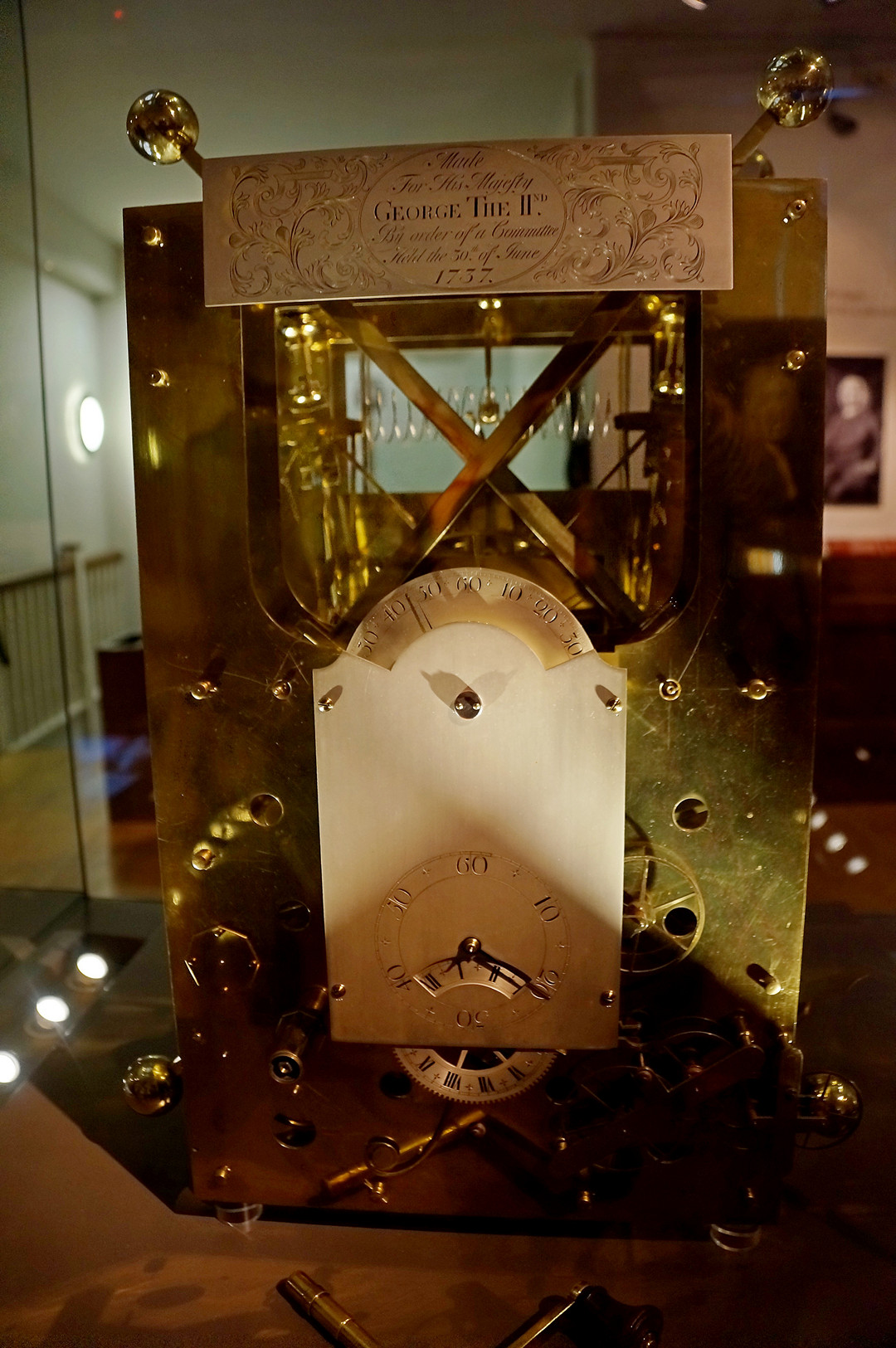
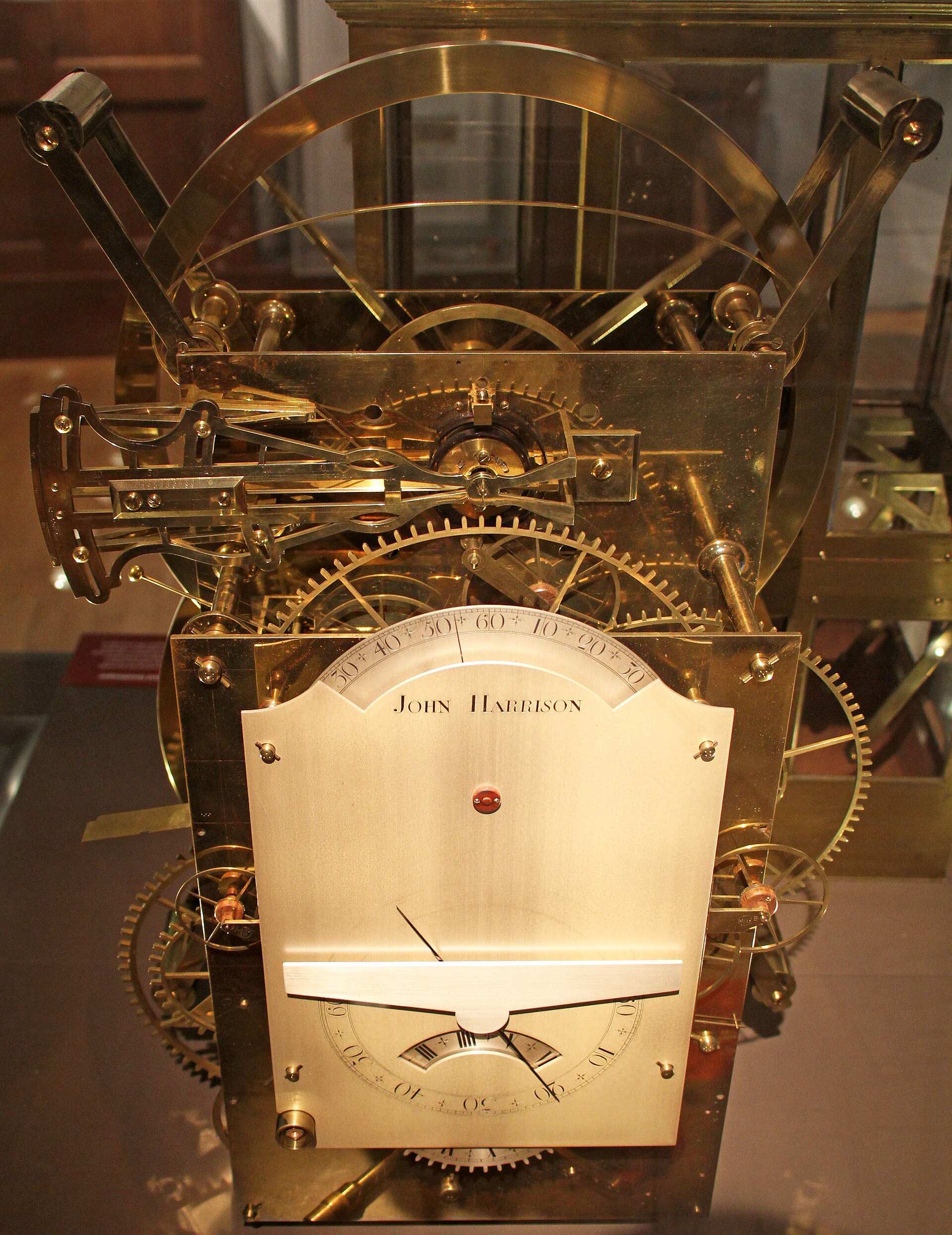
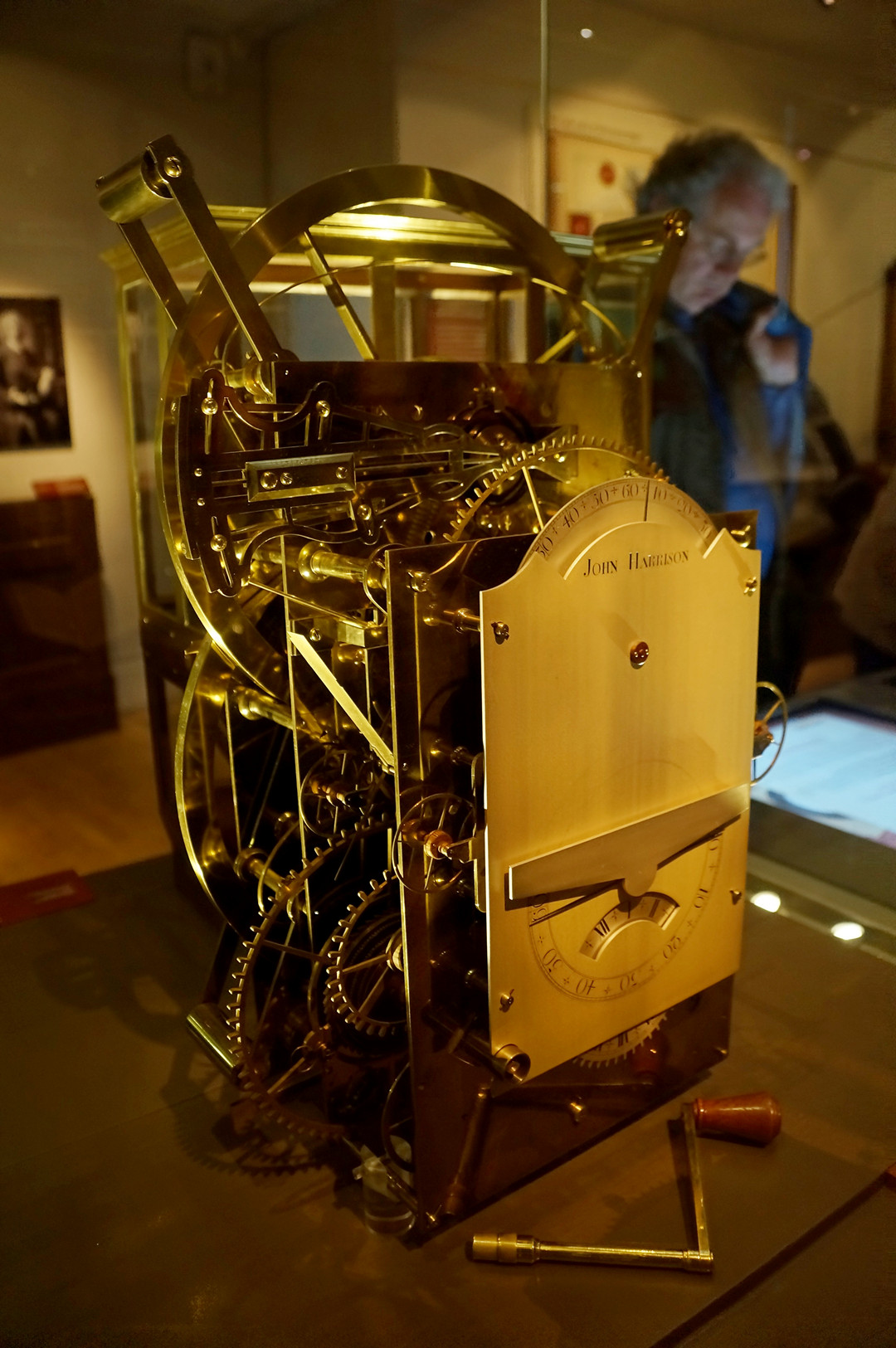
| H3, materials and size | Brass, bronze, steel and glass. Overall display height 622 mm. Nineteen years of work from 1740. Object number ZAA0036.3 |
| H3, the two inventions | The bimetallic strip, still in use worldwide in thermostats, and the caged roller bearing, found in nearly all modern mechanical engineering. Both were made for a timekeeper that never won the prize.3 |
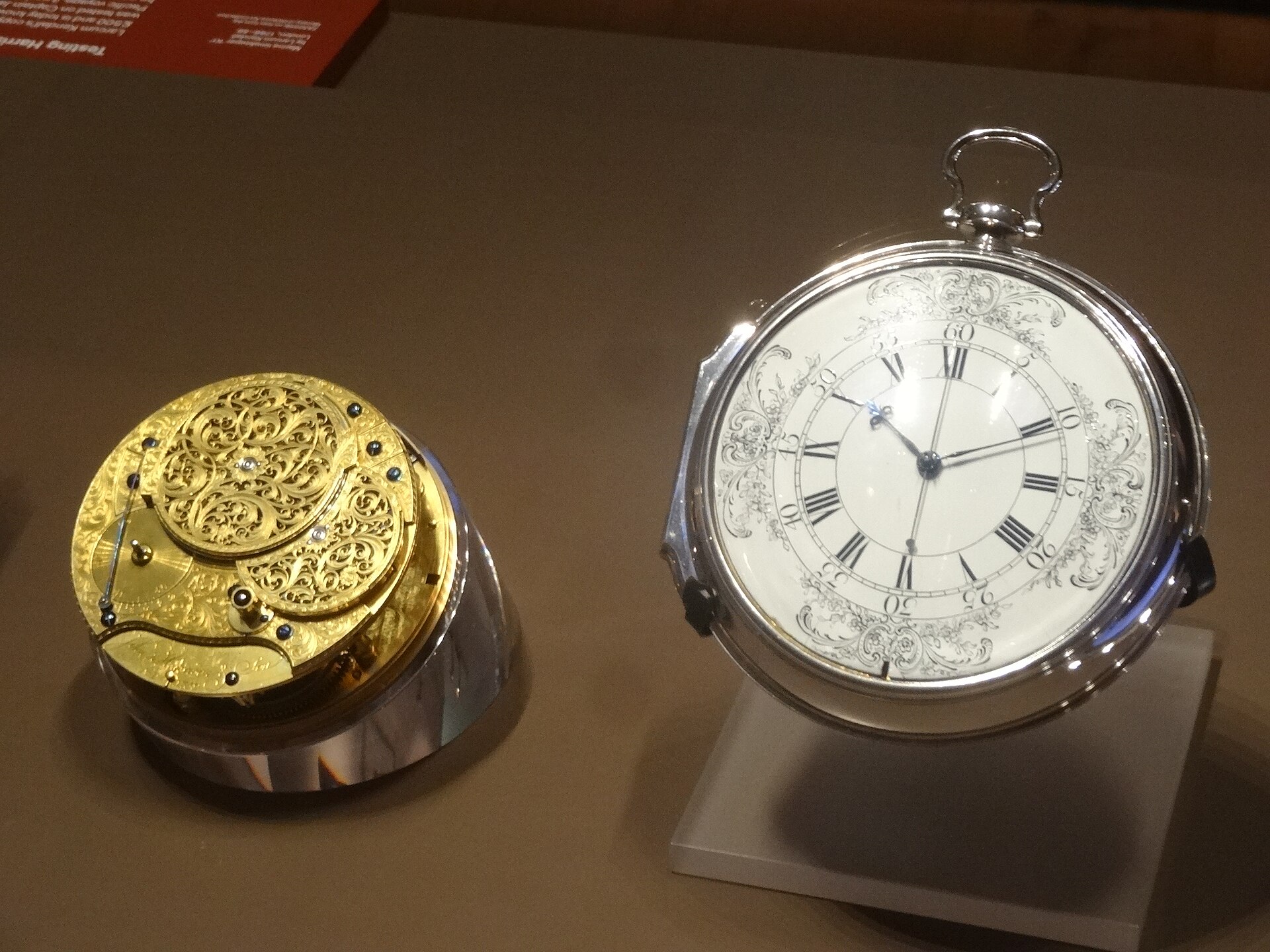
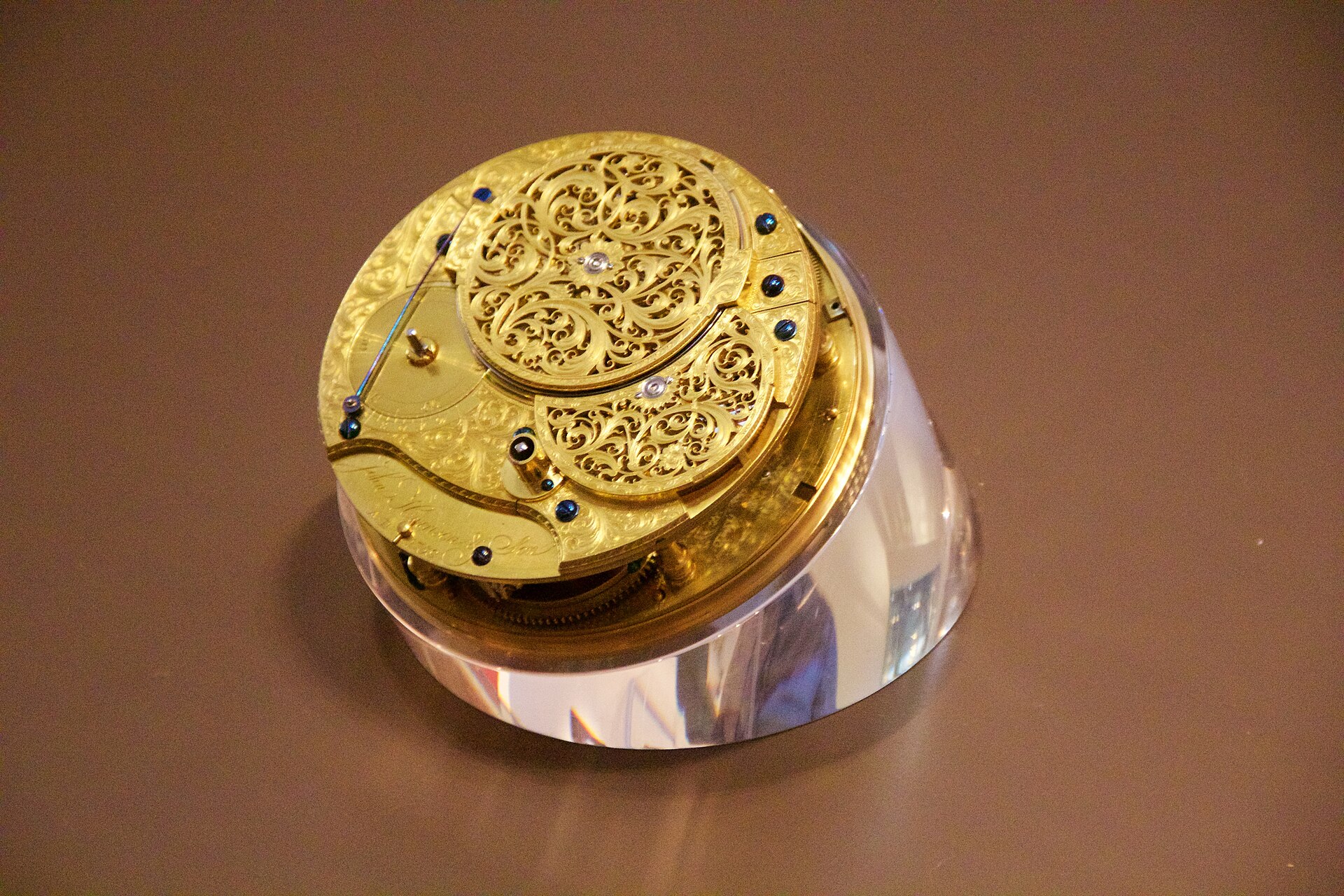
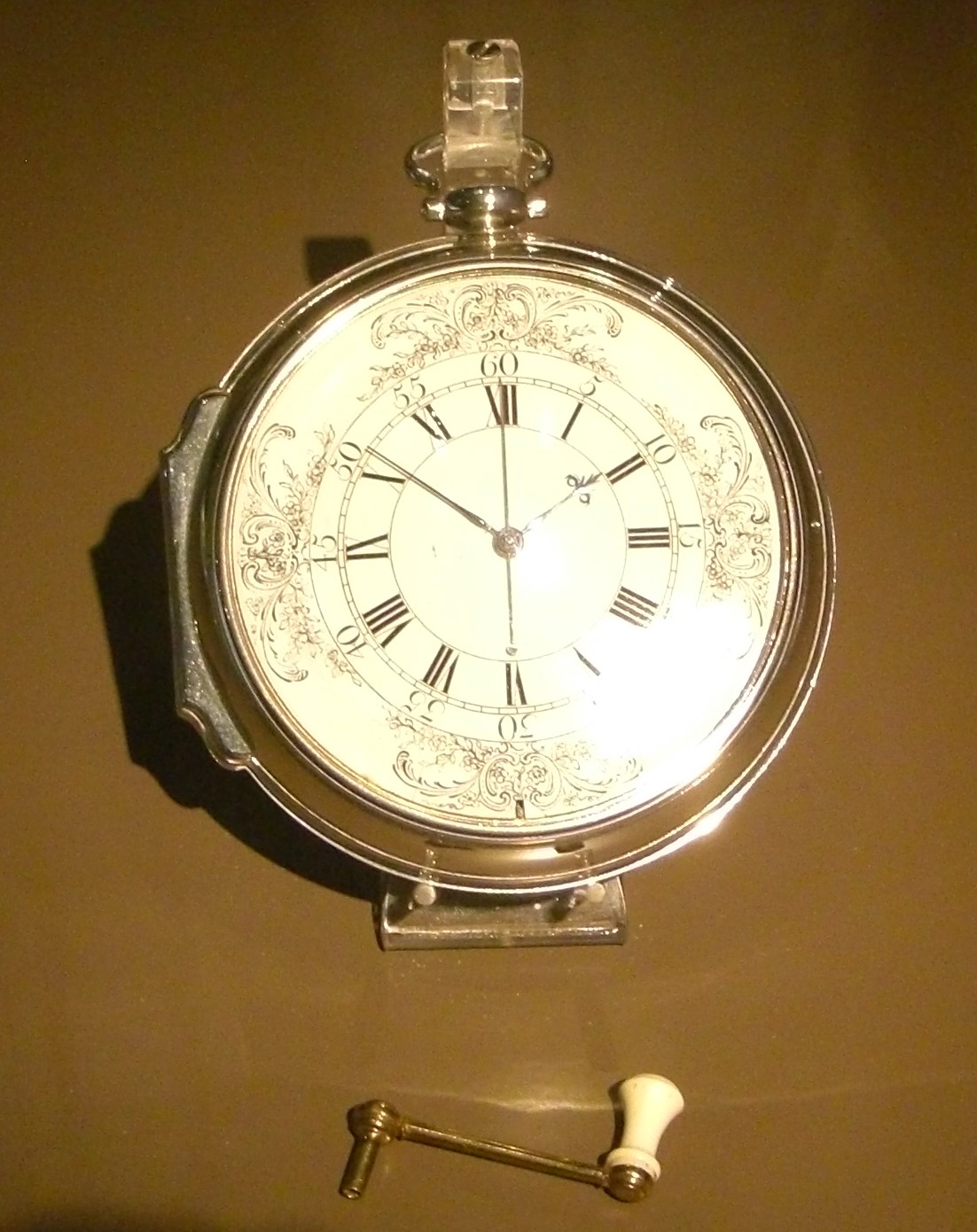
| H4, materials and size | Brass, steel, silver, diamond, ruby, enamel, copper and glass. Dial diameter 102 mm; overall 165 x 124 x 28 mm; weight 1.45 kg. Object number ZAA0037.4 |
| H4, frequency | Ticks five times a second. Its balance beats faster and with larger oscillations than a typical watch of the period, which is what makes the rate insensitive to the motion of a ship.5 |
| H4, ancestry | Descends from a pocket watch Harrison commissioned from the London watchmaker John Jefferys around 1751 to 1753, incorporating Harrison's balance arrangement. Harrison began H4 in 1755.45 |
| Jamaica trial, 1761-1762 | Lost 3 minutes 36.5 seconds over 81 days. After the rate was applied the residual error was 5 seconds slow, corresponding to about 1.25 minutes of arc of longitude, roughly one nautical mile.6 |
| Barbados trial, 1764 | Kept time to within 39 seconds, giving an error in the longitude of Bridgetown of less than 10 miles.6 |
| Prize tiers, Longitude Act 1714 | 10,000 pounds for accuracy to one degree of longitude, 15,000 pounds for forty minutes of arc, 20,000 pounds for half a degree. Half a degree at the equator is about thirty nautical miles.7 |
Images
The record in full
Chapter 1The problem, and what the state was prepared to pay for it
Latitude can be read from the sun. Longitude cannot: it is a measure of time difference, and to know how far east or west a ship is, the navigator must know what time it is at a reference meridian at...
Latitude can be read from the sun. Longitude cannot: it is a measure of time difference, and to know how far east or west a ship is, the navigator must know what time it is at a reference meridian at the moment of a local observation. On land that is easy. On a wooden ship, in temperature swings, salt air and constant motion, no clock of 1714 could hold a rate well enough to be worth carrying.
The Longitude Act of 1714 put public money behind the problem in three tiers: 10,000 pounds for a method accurate to one degree of longitude, 15,000 pounds for forty minutes of arc, and 20,000 pounds for half a degree. Half a degree at the equator is about thirty nautical miles, and to hold it across a voyage to the West Indies a timekeeper has to keep within roughly three seconds a day for weeks.
The Act created a body of commissioners drawn from politics, the Navy, astronomy and mathematics. It is a fact worth holding on to that the Board of Longitude did not convene at all until about 1737, twenty-three years after it was created, and that what brought it together was John Harrison.
Chapter 2H1: a machine that runs without oil
Harrison built H1 at Barrow upon Humber between 1730 and 1735, probably with the help of his brother James, and brought it to London in 1735.
Harrison built H1 at Barrow upon Humber between 1730 and 1735, probably with the help of his brother James, and brought it to London in 1735. The Royal Museums Greenwich catalogue calls it the first relatively successful marine timekeeper of any kind.
It is 620 millimetres high, 680 wide and 450 deep as displayed, in brass, bronze and steel with oak, mahogany and lignum vitae. Two interconnected swinging balances, coupled so that the motion of the ship acts on both equally and cancels, replace the pendulum that no seagoing clock could use. It compensates for temperature. And it runs without lubrication, through an extensive set of anti-friction devices, because Harrison had understood that eighteenth-century oils thickened, dried and changed viscosity with heat, and that a clock which depends on oil is a clock whose rate depends on the weather.
That decision is the intellectual centre of the whole project. Lignum vitae is self-lubricating, which is why a tropical hardwood is a structural material in a precision instrument.
Chapter 3The Lisbon trial, and the sixty miles
H1 went to sea in May 1736, out to Lisbon aboard HMS Centurion and home aboard the Orford.
H1 went to sea in May 1736, out to Lisbon aboard HMS Centurion and home aboard the Orford. It is the only one of the four large machines ever tested at sea.
The episode that made Harrison's name happened on the return leg. Harrison, reading his own timekeeper, identified a landfall as the Lizard where the ship's officers had reckoned the Start. He was right and they were about sixty miles out. A single instance of a navigator's dead reckoning being corrected is not a proof of anything statistically, but it was the demonstration that mattered politically, and on 30 June 1737 the Commissioners of Longitude approved a payment of 500 pounds, with 250 pounds paid up front, against Harrison's promise to build a better machine within two years.
That meeting is the first the Board ever held on a submission. The organisation existed because of this problem and it was activated by this object.
Chapter 4H2 and H3: nineteen years spent on the wrong idea, and two inventions that outlived it
H2 was finished in 1739 to the promised timetable.
H2 was finished in 1739 to the promised timetable. It is a larger and more solidly built version of H1, 686 millimetres overall and weighing 40 kilogrammes, with a remontoire added so that the drive to the two balances is as uniform as possible. It never went to sea. Harrison had found a fundamental fault in the behaviour of its balances and withdrew it himself.
He began H3 in 1740 and worked on it for nineteen years. It is catalogued at 1759 and stands 622 millimetres high. It never achieved the accuracy he needed, because the problem was in the physics of the balance and the spring rather than in the workmanship, and he did not have the theory.
Two things came out of those nineteen years and both are still in use. The bimetallic strip, made by bonding two metals with different expansion rates so that the compound bends with temperature, is in thermostats worldwide. The caged roller bearing, which keeps rolling elements from touching each other, is in nearly all modern mechanical engineering. A record that describes H3 only as a failure has missed the two most consequential objects Harrison ever produced, neither of which is a clock.
Chapter 5H4: the answer was a watch, and it came from somebody else's
Around 1751 to 1753 Harrison commissioned a pocket watch from the London watchmaker John Jefferys, incorporating his own ideas about the balance.
Around 1751 to 1753 Harrison commissioned a pocket watch from the London watchmaker John Jefferys, incorporating his own ideas about the balance. It performed better than it had any right to, and it told him that the direction he had been travelling in for twenty years was wrong: the answer was not a bigger machine with slower balances but a small one with a fast, heavy, high-amplitude balance.
He began H4 in 1755. It is catalogued at 1759. The dial is 102 millimetres across, the whole object 165 by 124 by 28 millimetres, and it weighs 1.45 kilogrammes: a watch the size of a dessert plate. It beats five times a second, far faster than an ordinary watch of the period and with larger oscillations, which is what makes it insensitive to the motion of a ship. Its materials include diamond and ruby, used as bearing and pallet jewels, which is why the Royal Museums Greenwich materials list for a timekeeper reads like the description of a piece of jewellery.
The Jefferys watch matters for attribution. H4 is Harrison's, but the object that showed him the way was made by another man to Harrison's specification, and the record should say so.
Chapter 6The two trials, and the numbers the Act was measured against
H4 went to Jamaica in 1761 and 1762 in the care of Harrison's son William.
H4 went to Jamaica in 1761 and 1762 in the care of Harrison's son William. Over eighty-one days it lost three minutes thirty-six and a half seconds in total; after the rate was applied the residual error was five seconds slow, which corresponds to an error in longitude of about one and a quarter minutes of arc, roughly one nautical mile. That is inside the top tier of the 1714 Act by a wide margin.
The Board did not pay. It ruled that the result could have been luck and ordered a second trial. H4 went to Barbados in 1764, and kept time to within thirty-nine seconds, giving an error in the longitude of Bridgetown of less than ten miles. Nevil Maskelyne, who was appointed to conduct the astronomical observations against which the watch was judged, was at that date the leading practitioner and advocate of the lunar-distance method, which is to say the champion of the competing solution was placed in charge of assessing the timekeeper. He became Astronomer Royal the following year.
The Board accepted that the watch had met the terms of the Act. It then declined to pay the prize.
Chapter 7The Act of 1765: pay half, take the objects, and make him explain
What Parliament passed in 1765 was not the 1714 Act being honoured.
What Parliament passed in 1765 was not the 1714 Act being honoured. It was a new bargain imposed on a man who had already met the old one.
Harrison would receive 10,000 pounds, less what he had already been paid, when he demonstrated the principles of H4 to nominated experts. He would receive a second 10,000 pounds only when other makers had shown that watches of the same performance could be made by somebody other than him. To collect the first half he had to dismantle H4 in front of a committee and explain every part of it, and he had to surrender all of his timekeepers.
The second condition is worth reading carefully, because it is a condition no inventor can satisfy by his own effort: it made Harrison's payment contingent on the future behaviour of his competitors. The Board's stated purpose was to ensure the nation got a reproducible method rather than a single irreplaceable object, which is a defensible public policy and was also, in practice, the instrument by which an eighty-year-old man was kept out of his money.
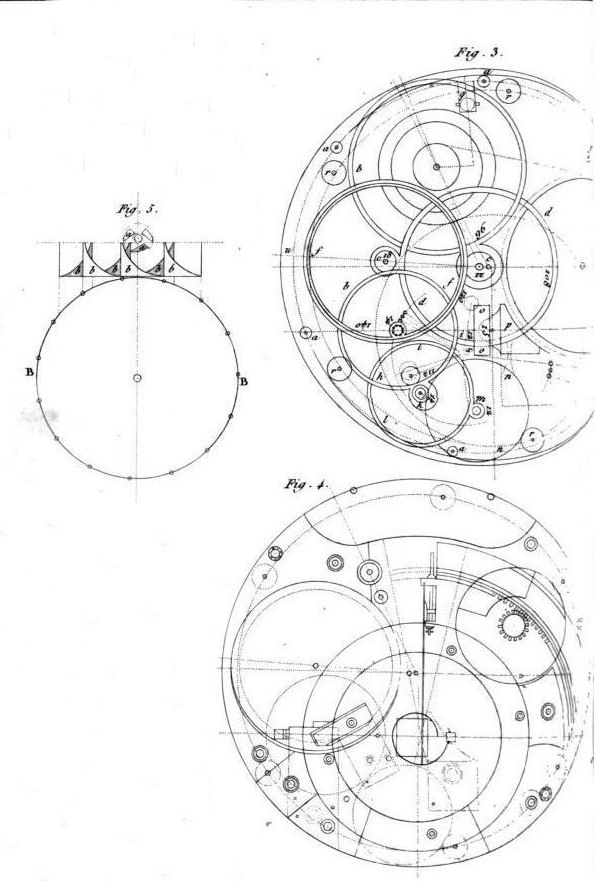
The disclosure produced a book. In 1767 the Board of Longitude published The Principles of Mr Harrison's Time-Keeper, with plates. A private trade secret was converted by statute into a public specification, and that publication is why the H4 escapement is documented at all.
Chapter 8Confiscation, and ten months in Maskelyne's hands
The surrender was real. The Royal Museums Greenwich catalogue entry for H2 states it plainly: Harrison kept H2 at his own house until 1766, when the Astronomer Royal claimed it under the conditions...
The surrender was real. The Royal Museums Greenwich catalogue entry for H2 states it plainly: Harrison kept H2 at his own house until 1766, when the Astronomer Royal claimed it under the conditions of the longitude prize. The same applies to the rest.
Maskelyne received H4 on 5 May 1766 and tested it at the Royal Observatory for ten months. It did not perform well, and he published the results. Harrison disputed them, and the objections he raised were not frivolous: a watch that has been dismantled by a committee, transported, and run in a fixed location by a man with a declared interest in the competing method is not being tested under the conditions the Act contemplated.
No source consulted here resolves whether the poor result was the watch, the handling or the observer, and this record does not arbitrate it. What is not in doubt is the custody: from 1766 the objects were in the hands of the state, in the keeping of the principal advocate of the rival system, and their maker never had them back.
Chapter 9What Harrison was actually paid, and when
The 20,000 pound prize was never awarded to anybody, for any method, in the form the 1714 Act described.
The 20,000 pound prize was never awarded to anybody, for any method, in the form the 1714 Act described. Harrison received 23,065 pounds in total across roughly forty years, in instalments, most of them discretionary encouragements rather than prize money.
The sequence: 500 pounds voted in 1737 with 250 paid immediately; a further 500 in 1741; further sums across the middle decades; 10,000 pounds under the 1765 Act on disclosure, less prior payments; and finally 8,750 pounds voted directly by Parliament in 1773, when Harrison was eighty, after he petitioned the King. He died three years later.
Two things follow for anyone reading a price into this. First, the 20,000 pounds is a figure that is quoted constantly and was never paid as a prize; the modern equivalents attached to it in popular accounts, of the order of several million pounds, depend entirely on which conversion method is used and should not be repeated without naming the method. Second, none of these sums is the value of the objects. They are the price of a method, paid by a government, to a man it did not much want to pay.
Chapter 10Kendall's K1: the copy that decided the argument
The Board's second condition, that others must be able to make such a watch, was tested on an object.
The Board's second condition, that others must be able to make such a watch, was tested on an object. Larcum Kendall was commissioned to make a copy of H4. K1 went with James Cook on his second and third voyages and performed well enough that Cook's published praise settled the question in the Navy's mind. A later Kendall, K2, was aboard the Bounty at the mutiny.
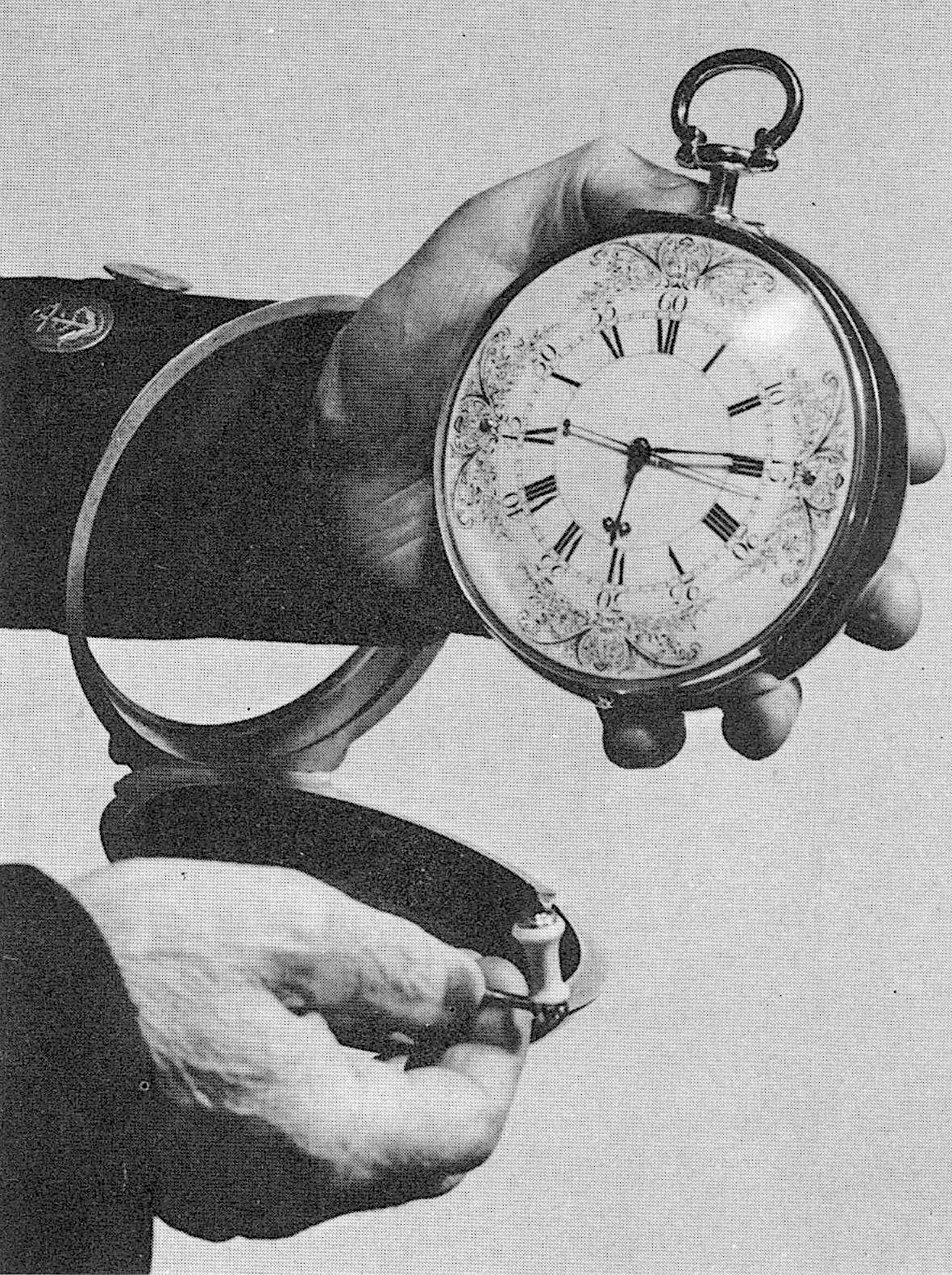
K1 is the reason marine chronometry became a trade rather than a single man's achievement, and it is also the object most often photographed and captioned as Harrison's watch. It is not. It is Kendall's copy, made after H4 had been dismantled and published, and any record on H1 to H4 has to say so, because the two objects look alike by design.
Chapter 11A century in a cellar, and the officer who put them back together
The four timekeepers went into official custody in 1765 and 1766 and then, in large part, into neglect.
The four timekeepers went into official custody in 1765 and 1766 and then, in large part, into neglect. What rescued them was one man working unpaid.
Rupert Gould, a retired Royal Navy officer, spent years after the First World War restoring all of them at his own cost and on his own time. He gave them the designations H1 to H5 that the whole world now uses, which means that the very names in this record's title are his, not Harrison's. He published The Marine Chronometer: Its History and Development in 1923, still the standard account.
The Board of Longitude itself was abolished in 1828, its work considered done, and replaced by a Resident Committee for Scientific Advice to the Admiralty whose members included Thomas Young, Michael Faraday and Edward Sabine.
Chapter 12What is happening to them now
H2, H3 and H4 are on display at the Royal Observatory Greenwich, catalogued to the National Maritime Museum as ZAA0035, ZAA0036 and ZAA0037.
H2, H3 and H4 are on display at the Royal Observatory Greenwich, catalogued to the National Maritime Museum as ZAA0035, ZAA0036 and ZAA0037. H1, ZAA0034, is not currently in the gallery: the museum states that it is undergoing conservation at the Prince Philip Maritime Collections Centre, and a replica stands in its place.
That detail is the kind of thing this archive exists to record. A visitor who goes to Greenwich to see H1, or a writer who describes the four machines running side by side, is describing a display that is not currently there, and the object in the case is a replica. The museum says so; almost nothing written about Harrison does.
H5, the second watch, is not part of this record and is not in Greenwich at all. It belongs to the Worshipful Company of Clockmakers and has been shown at the Science Museum in London since 2015.
The artist
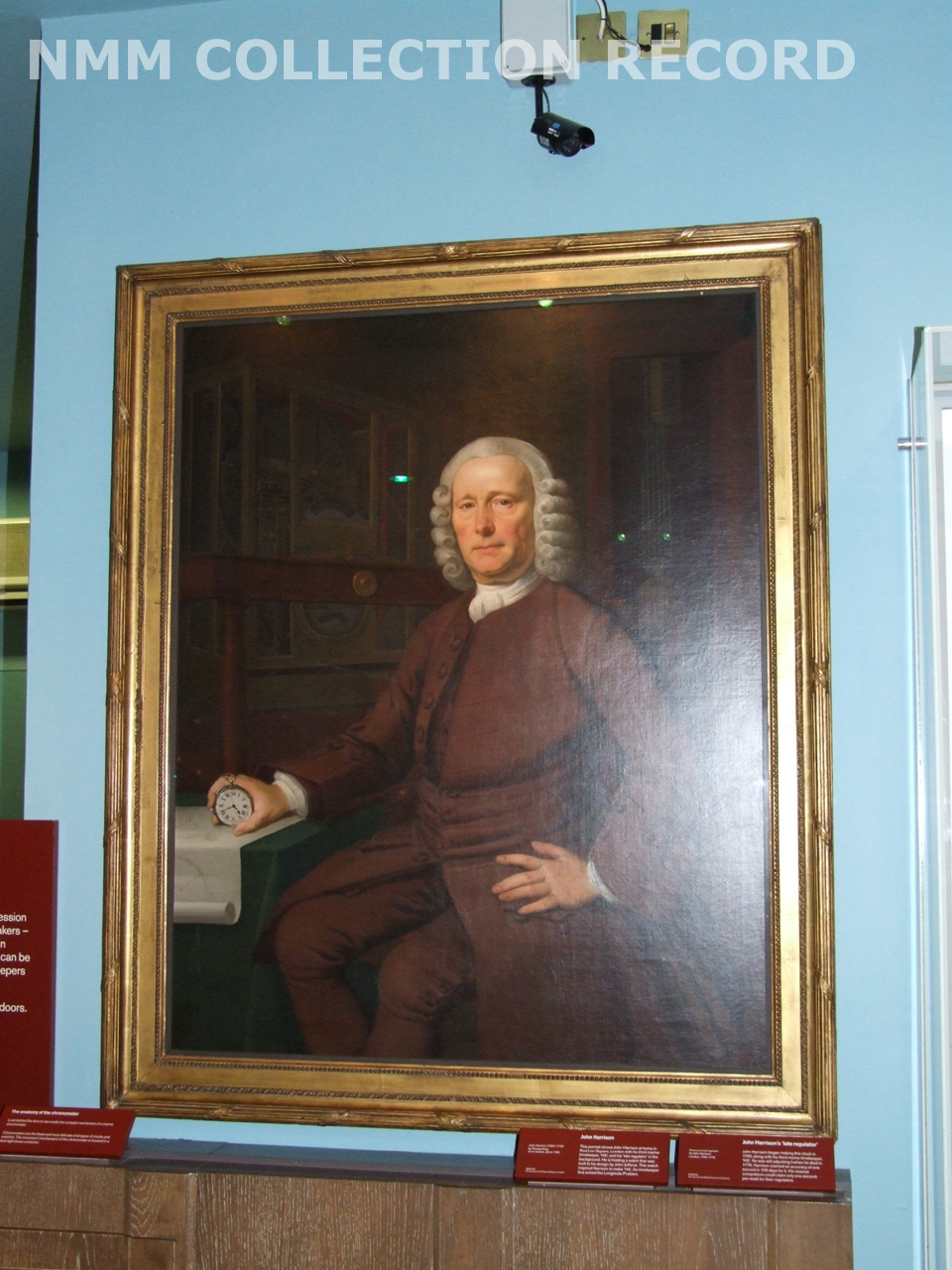
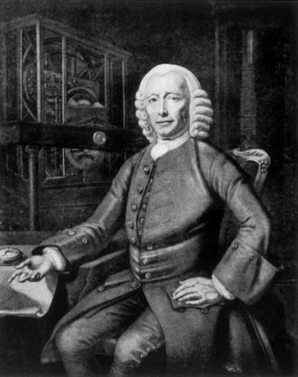
John Harrison
John Harrison was born in 1693 and trained as a carpenter, not as a clockmaker. That is the single most useful fact about him: his early clocks are largely wooden, he used lignum vitae as a self-lubricating bearing material because he understood timber, and he approached the problem of a sea clock as a structural problem rather than as a horological one. He was working at Barrow upon Humber in Lincolnshire, far from the London trade, when he began H1.
He spent forty years in dispute with the body that was supposed to reward him, was compelled by statute to give up both his secrets and his objects, and died in 1776 having received 23,065 pounds and never the prize. The four objects in this record are the only complete answer to the question of what he did, and he did not own any of them at the end of his life.
Exhibited
- 2014-2015Ships, Clocks & Stars: The Quest for LongitudeNational Maritime Museum, Greenwich · Listed in the Royal Museums Greenwich exhibition history for H1.
- Time and LongitudeRoyal Observatory Greenwich · Listed in the Royal Museums Greenwich exhibition history for H1. No dates are given in the catalogue entry.
Literature
- The Board of Longitude, The Principles of Mr Harrison's Time-Keeper, with Plates of the Same, London. The disclosure Harrison was compelled to make under the Act of 1765, published by the body that compelled it. A French edition, Principes de la montre de M. Harrison, appeared the same year. (1767)
- Rupert T. Gould, The Marine Chronometer: Its History and Development, London. Written by the officer who restored all of these objects unpaid and who assigned them the designations H1 to H5. (1923)
- Ferdinand Berthoud, Histoire de la mesure du temps par les horloges, vol. 2, Paris. Berthoud, Harrison's leading French rival, discusses Harrison at length and the volume carries engraved plates of watch movements. TERTIARY use only here; see notes_for_editor on a Wikimedia Commons file whose filename attributes its plate to the 1767 Principles while its own metadata attributes it to this volume. (1802)
Related works
| Work | Relation | Where it is |
|---|---|---|
| K1 Larcum Kendall, after Harrison | The authorised copy of H4, and the object most often mistaken for it Commissioned to test the Board's condition that other makers could reproduce H4. Carried by James Cook on his second and third voyages. Kendall's later K2 was aboard the Bounty at the mutiny. K1 was made after H4 had been dismantled and published, and it looks like H4 by design. | National Maritime Museum, Greenwich |
| H5 John Harrison | The fifth timekeeper, not part of this record Built while H4 was in official custody. Tested by George III in 1772 and found accurate to within one third of a second a day. It is not in Greenwich and is not National Maritime Museum property, which is a frequent source of confusion in citations. | Worshipful Company of Clockmakers; displayed at the Science Museum, London since 2015 |
| The John Jefferys watch John Jefferys, to Harrison's specification | The precursor from which H4 descends Made around 1751 to 1753. Its performance told Harrison that the answer was a small fast-beating watch rather than a larger machine, and it reversed the direction of twenty years of work. | Worshipful Company of Clockmakers collection |
| The lunar-distance method and the Nautical Almanac Nevil Maskelyne and the Royal Observatory | The competing solution, championed by the man who took custody of these objects The rival method required tables rather than machines and was cheap to distribute. Maskelyne's position as its leading advocate, and simultaneously as the assessor of Harrison's watch and the officer who took the timekeepers into custody in 1766, is the conflict at the centre of the dispute. | Royal Observatory, Greenwich |
Open questions
- The exact date and legal instrument by which the four timekeepers passed from Admiralty custody to the National Maritime Museum. The Royal Museums Greenwich catalogue entries give the credit line but no acquisition date, and none of the sources consulted here supplies one.
- Whether H4's poor showing under Maskelyne's ten-month test from 5 May 1766 was caused by the watch, by its dismantling and reassembly, by the handling, or by the observer. Harrison disputed the result and no source consulted resolves it.
- What the inscriptions and signatures on H1 to H4 actually read. The catalogue entries consulted do not print them.
- The identity and terms of Harrison's suppliers and workmen. H1 was probably made with his brother James, and the Jefferys watch was bought in, but no workshop account for any of the four appears in the sources consulted.
- How long H1 will remain out of the gallery at the Prince Philip Maritime Collections Centre, and what the conservation programme involves. The museum states the fact of the conservation but not its scope or its end date.
- Whether any of H1 to H4 is currently kept running, and on what regime. The Royal Museums Greenwich pages consulted do not state it, and popular accounts that describe them ticking may be describing a past display.
- The precise itemisation of the 23,065 pounds Harrison received. The 1737, 1741, 1765 and 1773 payments are documented; the intervening sums are aggregated in the sources consulted rather than listed.
Questions about this object
What is John Harrison's Marine Timekeepers, H1 to H4?
John Harrison's Marine Timekeepers, H1 to H4 is a clocks and instruments, dated H1, 1730-1735. H2, 1737-1739. H3, begun 1740 and worked on for nineteen years, catalogued as 1759. H4, begun 1755 and catalogued as 1759.. Medium: H1: brass, bronze, steel, oak, lignum vitae and mahogany. H2: brass, bronze, steel and lignum vitae. H3: brass, bronze, steel and glass. H4: brass, steel, silver, diamond, ruby, enamel, copper and glass.
Who made John Harrison's Marine Timekeepers, H1 to H4, and is the attribution settled?
The attribution to John Harrison, with James Harrison on H1 and John Jefferys on the precursor watch to H4 is recorded here as accepted. All four are documented as John Harrison's own work, made under a public prize scheme whose administering body kept minutes, and the objects were surrendered to that body under statute, so the attribution rests on an unbroken official record rather than on connoisseurship. Two qualifications belong on the record. H1 was made at Barrow upon Humber and the Royal Museums Greenwich catalogue records that his brother James probably helped with it. H4 descends from a pocket watch Harrison commissioned from the London watchmaker John Jefferys around 1751 to 1753, whose balance arrangement he then built into H4; the Jefferys watch is the reason H4 exists in the form it does and it was not made by Harrison.
Where is John Harrison's Marine Timekeepers, H1 to H4 now?
National Maritime Museum, Greenwich, on display at the Royal Observatory Greenwich; object numbers ZAA0034 (H1), ZAA0035 (H2), ZAA0036 (H3), ZAA0037 (H4). Last confirmed 3 August 2026. Surrendered to the Board of Longitude under statute in 1765 and 1766 and in public ownership continuously since. H2, H3 and H4 are on display at the Royal Observatory; H1 is undergoing conservation at the Prince Philip Maritime Collections Centre and a replica stands in its place.
What is still unknown about John Harrison's Marine Timekeepers, H1 to H4?
The exact date and legal instrument by which the four timekeepers passed from Admiralty custody to the National Maritime Museum. The Royal Museums Greenwich catalogue entries give the credit line but no acquisition date, and none of the sources consulted here supplies one.
Sources
- 1Royal Museums Greenwich, collections catalogue, Marine timekeeper H1, object number ZAA0034. Source for the maker, the date range 1730 to 1735, the materials, the display dimensions of 620 by 680 by 450 mm, the description of it as the first relatively successful marine timekeeper of any kind, the two interconnected swinging balances, the temperature compensation, the absence of lubrication, the credit line and the exhibition history. rmg.co.uk/collections/...
- 2Royal Museums Greenwich, collections catalogue, Marine timekeeper H2, object number ZAA0035. Source for the dates 1737 to 1739, the materials, the 686 mm overall size and 40 kg weight, the remontoire, the fact that it never went to sea, and the statement that Harrison kept it at his residence until 1766 when the Astronomer Royal claimed it under the conditions of the longitude prize. rmg.co.uk/collections/...
- 3Royal Museums Greenwich, collections catalogue, Marine timekeeper H3, object number ZAA0036. Source for the date of 1759, the materials, the 622 mm display height, the nineteen years of work from 1740, and the bimetallic strip and caged roller bearing. rmg.co.uk/collections/...
- 4Royal Museums Greenwich, collections catalogue, Marine timekeeper H4, object number ZAA0037. Source for the date of 1759, the materials including diamond and ruby, the 102 mm dial and 165 by 124 by 28 mm overall dimensions, the 1.45 kg weight, the John Jefferys watch of 1753 and the start of work in 1755. rmg.co.uk/collections/...
- 5Wikipedia, 'John Harrison'. TERTIARY, flagged for replacement with the Board of Longitude papers. Source for the three prize tiers, the construction dates, the Lisbon trial, the Jamaica and Barbados trial figures, the 1765 and 1773 payments, the total of 23,065 pounds, Larcum Kendall's K1 and K2, H5 and the George III test, and Rupert Gould's unpaid restoration and the H1 to H5 designations. en.wikipedia.org/wiki/...
- 6Royal Museums Greenwich, 'Harrison's clocks and the longitude problem'. Source for the May 1736 Lisbon trial aboard HMS Centurion and the Orford, the Lizard and Start landfall and the sixty miles, the payment of 500 pounds approved on 30 June 1737 with 250 up front, the nineteen years on H3 from 1740, the Jefferys watch of about 1751 to 1752, the five beats a second of H4, Maskelyne's appointment to the Barbados trial, the receipt of H4 by Maskelyne on 5 May 1766 and the ten-month test, and the current display state including H1's conservation at the Prince Philip Maritime Collections Centre. rmg.co.uk/stories/...
- 7Wikipedia, 'Board of Longitude'. TERTIARY, flagged for replacement with the Board's own minutes in the Cambridge Digital Library. Source for the 1714 Act, the three prize tiers of 10,000, 15,000 and 20,000 pounds, the twenty-four commissioners, the Board's failure to convene until about 1737, the conditions imposed on Harrison including the dismantling and explanation of H4, and the abolition of the Board in 1828 and its replacement by the Resident Committee for Scientific Advice to the Admiralty with Thomas Young, Michael Faraday and Edward Sabine. en.wikipedia.org/wiki/...
- 8Wikimedia Commons API and file description pages, used to verify extmetadata.LicenseShortName per file for every plate proposed in this record, and to read the full wikitext rather than the API summary. The K1 photograph is released under PD-UKGov as a National Maritime Museum staff photograph of about 1969 published in 1970. commons.wikimedia.org/wiki/...

Last verified 17 August 2026 · Published 4 August 2026
Change log
2 August 2026 - Record deepened to the house standard: narrative sections, technical evidence, artist dossier, related works and open questions added; provenance chain and auction results replaced with the researched versions; sources rebuilt.
4 August 2026 - Withheld from publication. This archive lists an object only when a photograph OF THAT OBJECT can be reproduced under a free licence. No such photograph has been found for this one, so the record is held rather than published beside pictures of other things. It will be released if a free reproduction appears.
4 August 2026 - Record created at the house standard: researched narrative, technical evidence, maker dossier, graded provenance chain, prices with hammer and premium separated, related works, open questions and sources.
17 August 2026 - Re-verified 2026-08-17: current location, attribution and all 5 checkable source URLs re-checked live (all resolve 200). H1 remains in conservation at the Prince Philip Maritime Collections Centre with a replica on display, matching the record; no change to attribution, litigation or export status found.