Five of the Six Hidings Here Have No Named Hider
Six objects in this archive were hidden on purpose. Only one hider has a name. For the buried hoards the date of the hiding is read from coins, a badge and a fire.
Records in this piece: The Cheapside Hoard, The Morgantina Treasure, The Trewhiddle Hoard, The Water Newton Treasure, Hereford Mappa Mundi, Portrait of a Young Man
On this page 6 sections
ContentsClose
In short
- Six records in this archive describe an object or group that was hidden on purpose before it was found or lost: the Cheapside Hoard, the Morgantina silver, the Trewhiddle Hoard, the Water Newton Treasure, the Hereford Mappa Mundi and Raphael's Portrait of a Young Man.
- In five of the six, no individual hider is named. The sixth, the Raphael, was hidden by the Czartoryski family and their caretaker Franciszek Kozlowski, and it is the only one of the six whose hiders came back for it.
- Where the hider never returned, the date of the hiding is read from the contents or from events around the deposit: a heraldic badge granted in 1640 and fire damage from 1666 at Cheapside, coins at Trewhiddle, the siege of 211 BC at Morgantina. No document of the hiding itself exists for any of the three.
- The Hereford account of a hiding in the 1640s rests on one tertiary source, and the record flags it for replacement. We count it among the six and say so.
Six hidings, and who is named in each
Six records in this archive describe an object that was hidden on purpose, and in five of them nobody who did the hiding is named. The six are the Cheapside Hoard, the Morgantina silver, the Trewhiddle Hoard, the Water Newton Treasure, the Hereford Mappa Mundi and Raphael's Portrait of a Young Man. The hidings run from the siege of 211 BC to the 1830s. The table sets out what each source says about when it was hidden, how that date is known and who is named as the hider.
| Object | Hidden | How the date is known | Named hider |
|---|---|---|---|
| Cheapside Hoard | Between 1640 and 1666 | A carnelian intaglio with a heraldic badge of 1640; survival of the Great Fire of 1666 | None |
| Morgantina silver | About 211 BC | The siege and sack of the city, as told by UVA Magazine | None; the city's residents, collectively |
| Trewhiddle Hoard | About 868 | The coins in the hoard | None |
| Water Newton Treasure | Not fixed | No firm date; Peterborough Archaeology says nobody is certain when or why it was buried | None |
| Hereford Mappa Mundi | 1640s | One tertiary account, the Wikipedia article, which places it in the Commonwealth period | None |
| Raphael, Portrait of a Young Man | 1831 to 1843 | The Polish Ministry of Culture's account of the Czartoryski collection | The Czartoryski family; the caretaker Franciszek Kozlowski |
The six are not a sample of hidden things. They are the records here in which the hiding is a link of its own in the ownership chain, and the archive holds them because they are notable, so five of six says something about these records and nothing about hoards in general.
At Cheapside the contents dated the hiding, because nobody came back
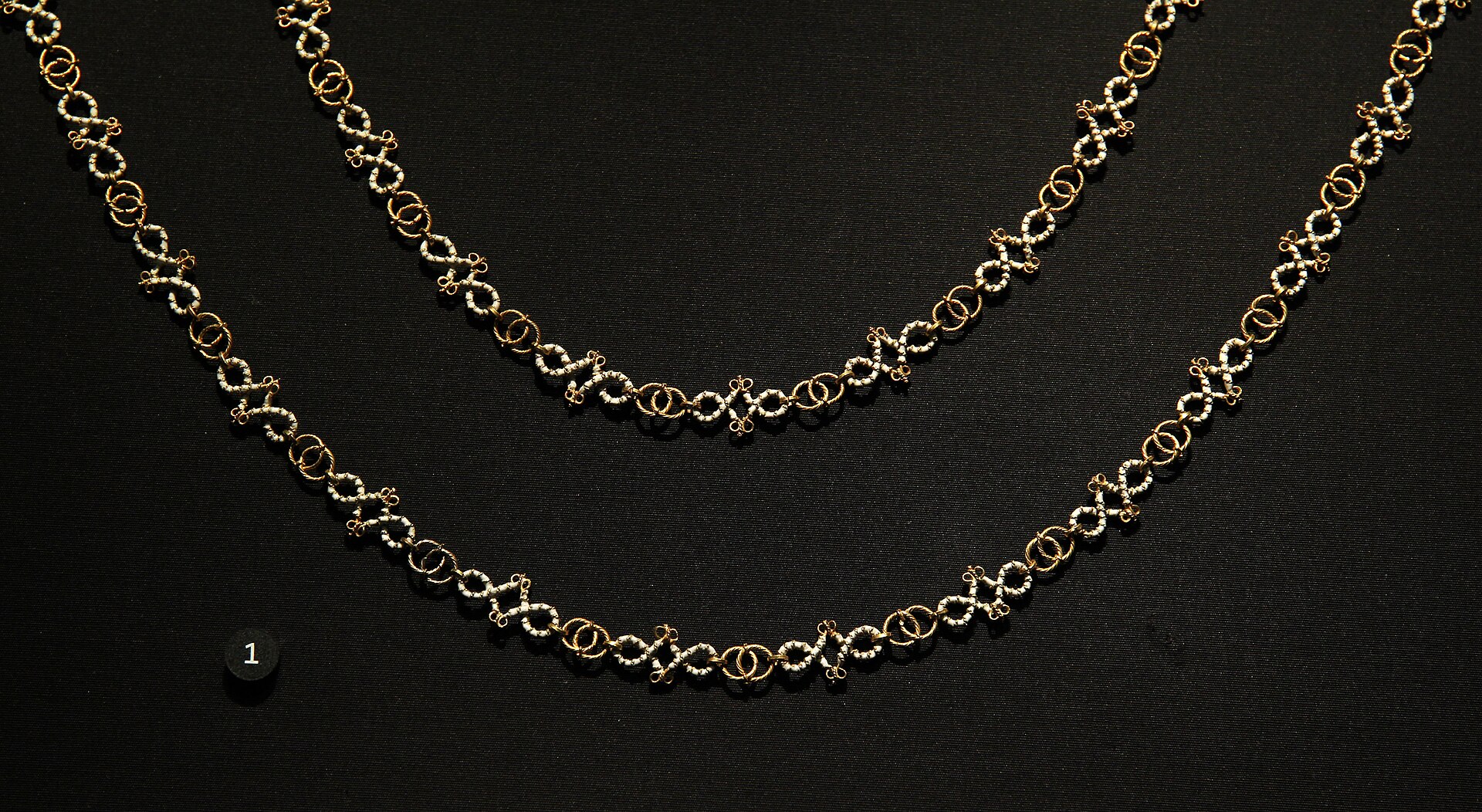
The Cheapside Hoard was buried between 1640 and 1666, and that window comes from the jewels and from the fire. Gems and Gemology says a carnelian intaglio from the collection carries the heraldic badge that William Howard received in 1640 when he became Viscount Stafford, which sets the earliest date of burial. The same article says the hoard was hidden well enough to survive the Great Fire of London in 1666 and that the owner never returned for it. The two limits are a dated object inside the deposit and a dated event above it.
The hiding has no other record. The London Museum describes workmen breaking up a cellar floor in Cheapside in June 1912 and noticing something glinting in the soil. The finder was never named and no inventory or photograph of the deposit was made, according to our own record of the object. A hider who never returned leaves no account of the hiding, so the only evidence of when it happened is what the hider left in the ground.
Coins at Trewhiddle and a siege at Morgantina set the dates
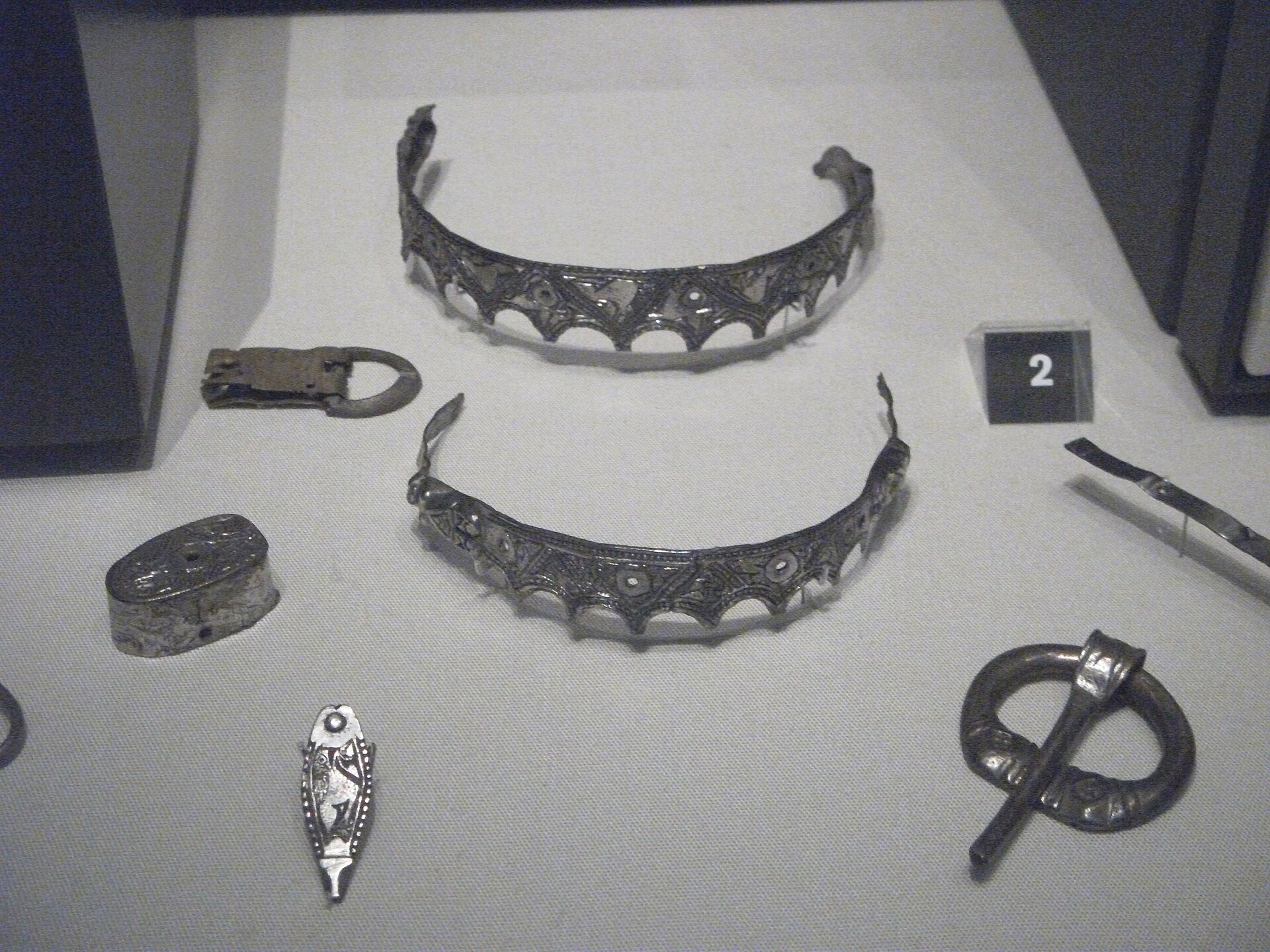
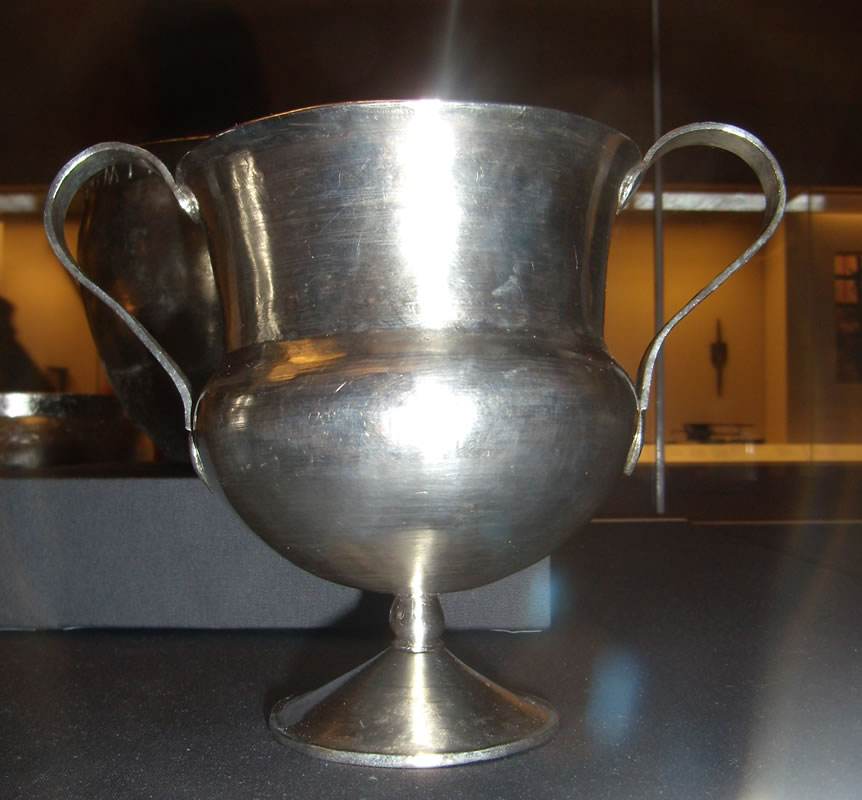
The Trewhiddle Hoard was hidden around 868, and the date is read from the coins found with the silver. Wikipedia reports that miners streaming for tin on 8 November 1774 uncovered 114 Anglo-Saxon coins with a silver chalice and other objects, and that the coins, mostly from Mercia and Wessex, point to a hiding in around 868, possibly to protect it from Viking raiders. That last clause is the article's own suggestion. Our record notes that the identity of whoever buried it and the immediate reason are not documented, and that a Viking connection is conventional but not independently evidenced.
The Morgantina silver is dated by a war. UVA Magazine tells it as a story of 211 BC, when the Romans gave the city to Spanish mercenaries and its prosperous residents buried their riches before the soldiers arrived. That is a narrative of a community, not a named person, and the magazine does not say what dates the burial itself. What the silver did after that is better recorded: Trafficking Culture reports that the Metropolitan Museum acquired it in two lots in 1981 and 1982 from the dealer Robert Hecht, for a total it gives as 2.7 million dollars, and our record notes that the sources disagree between 2.7 and 3 million. The hiding sits at one end of the chain and the sale at the other.
At Water Newton nobody can say when or why
The Water Newton Treasure was found in 1975, and nobody can say for certain when or why it was buried. Peterborough Archaeology states that there is no certainty about why or when the objects were buried and lists the possibilities: thieves hiding stolen silver, a church hiding its plate in a time of danger, or silver in transit near Ermine Street. It adds that the concealment may have been forced by the breakdown of rule of law in the late fourth or fifth centuries. Our record dates the burial to the early fifth century and notes that specialists dispute whether it was a hiding against a threat or a permanent votive deposit. The page itself says the hoard dates from no later than the fourth century, so the date of the objects and the date of the burying are different questions with different answers.
This is the weakest dating of the six. It rests on how the vessels were packed, which our record says was read as deliberate concealment rather than accidental loss. Nine silver vessels and nineteen plaques, with Christian symbols on many objects, were put in the ground by people whose fate is unrecorded.
The Raphael is the one hiding with names in it
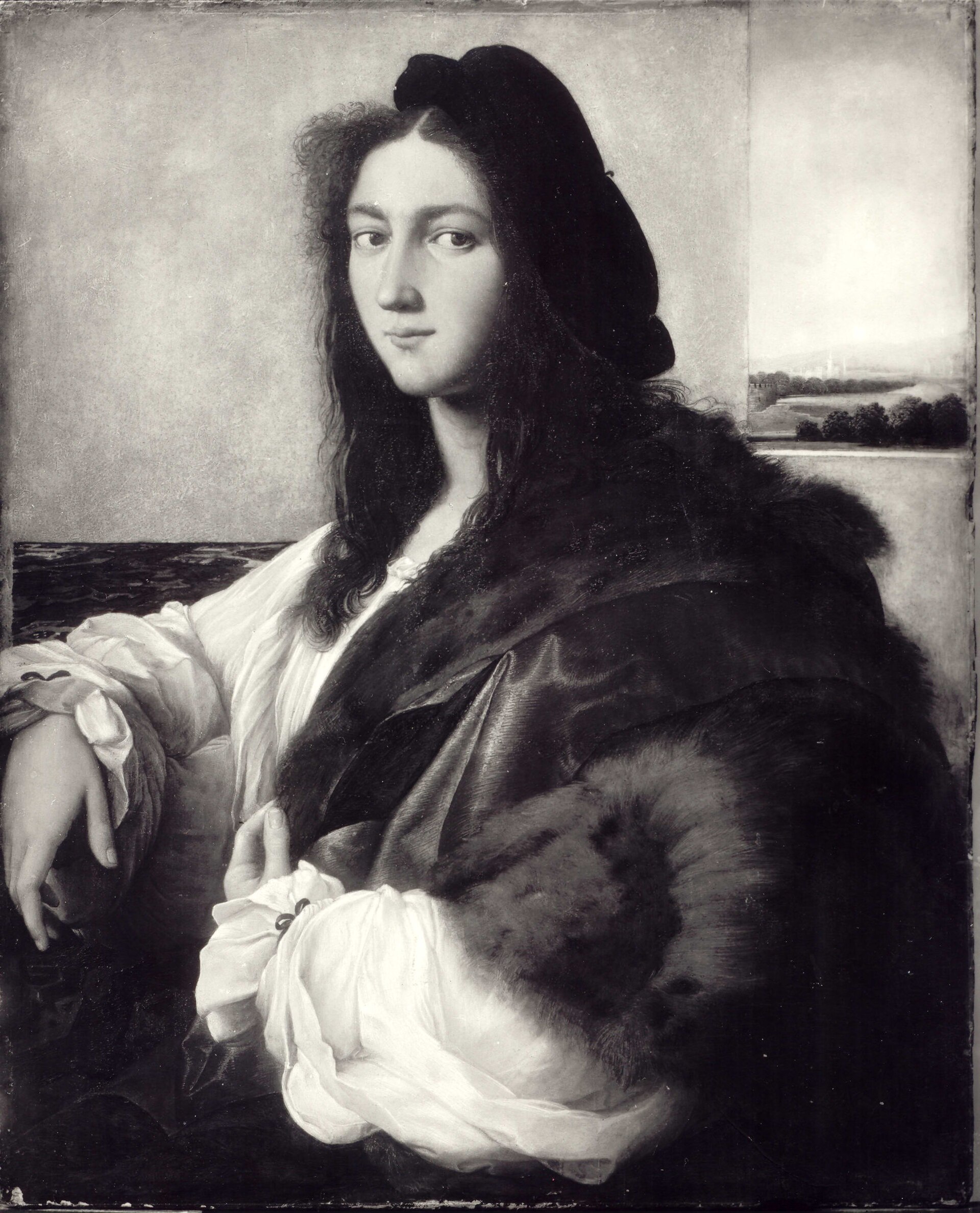
The Raphael is the only one of the six whose hiders are named, and it is the one that was hidden by people who meant to come back. The Polish Ministry of Culture's account says that after the November Uprising the Czartoryski collection became a target for Tsarist forces and that the most valuable pieces went undiscovered while hidden in the basement of the Temple of the Sibyl at Pulawy. It names the caretaker Franciszek Kozlowski, who moved works by night to the monastery at Kazimierz. In May 1832, with Daniel Ruprecht, Jozef Schmidt and the canon Pienkowski, he took the rest to the Zamoyski estate at Klemensow and then to the palace at Sieniawa.
That is a chain with people, places and a month. Those who hid it came back for it, so they left an account. The account ends in 1843 with the move to Paris, and the painting itself ends later: no verified sighting has been recorded since January 1945. A hiding in which the hider survives can be written down. One in which the hider is lost can only be read from the ground.
Hereford counts, with a caveat the record already carries
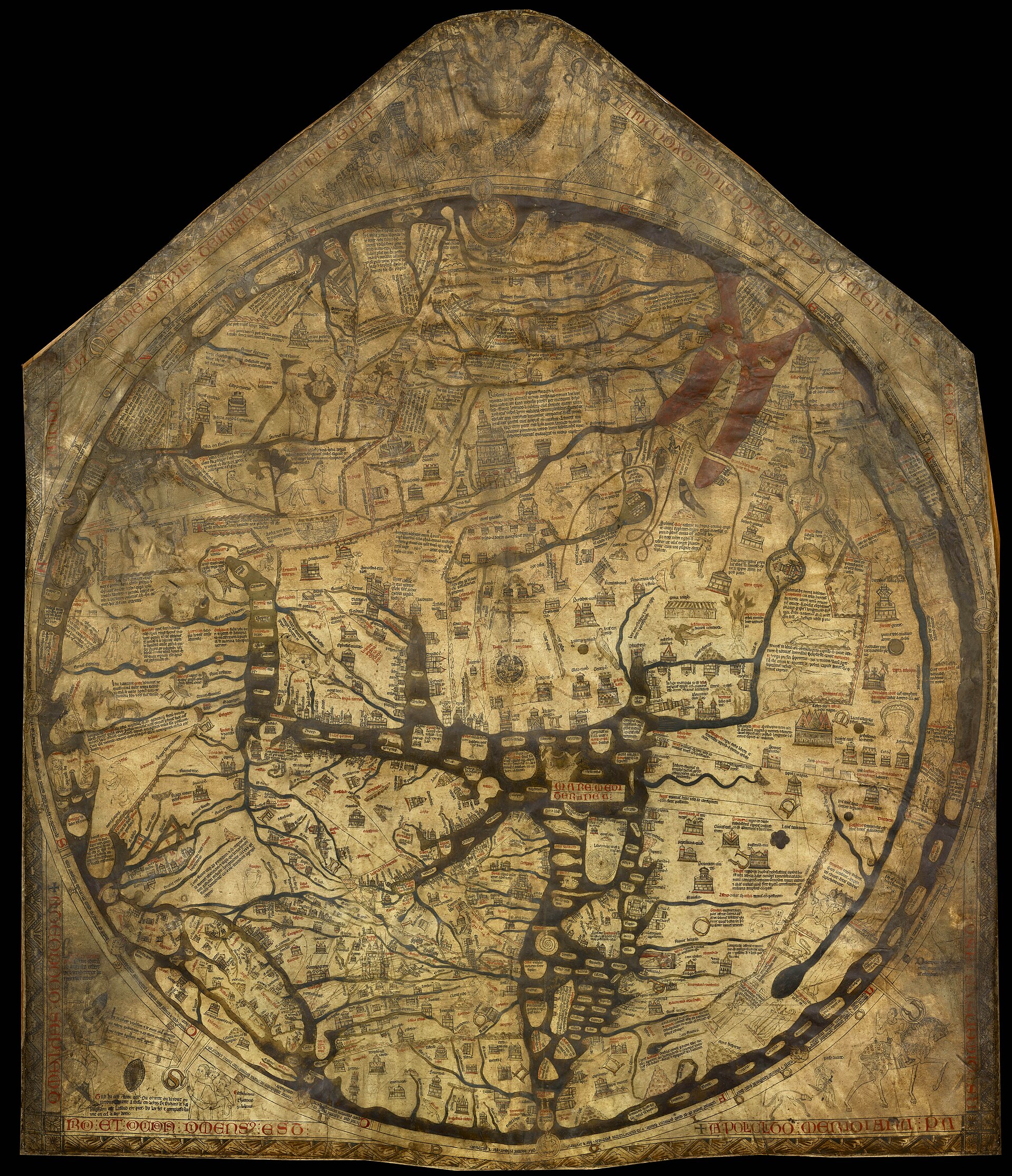
The Hereford Mappa Mundi is counted here on the strength of one sentence in a tertiary source. Wikipedia says that during the troubled times of the Commonwealth the map had been laid beneath the floor of Bishop Audley's Chantry, where it remained secreted for some time. No hider is named and no date is given beyond the period. Our record flags the account as resting solely on that article and as awaiting the cathedral's own archive. If the cathedral's records contradict it, the count here becomes five hidings and four unnamed hiders, and this piece will say so.
The pattern across the six is simple to state and awkward to prove. Where a person hid something and came back, the hiding has a name and a month. Where the person did not come back, it has a window, and the window is made of whatever the hider left behind. A reader who sees an exact year for a hoard burial should ask what dated it, since in these records the answer is never a document of the hiding.
Questions
In these records the date is a limit set by what is in or above the deposit. At Cheapside it is a heraldic badge of 1640 and survival of the 1666 fire. At Trewhiddle it is the latest coins. No document of the hiding exists for either.
No. Gems and Gemology says the owner never returned for it, and our record notes that the finder in 1912 was never named and no inventory of the deposit was made.
Raphael's Portrait of a Young Man. The Polish Ministry of Culture's account names the Czartoryski family and their caretaker Franciszek Kozlowski, who moved the collection in 1831 and 1832.
Because the record carries the account and flags it. It rests on one Wikipedia sentence about the Commonwealth period, and we will revise the count if the cathedral's archive contradicts it.
Sources
- 1Robert Weldon and Cathleen Jonathan, 'The Museum of London's Extraordinary Cheapside Hoard', Gems and Gemology, Fall 2013. Read in full as text, for the Stafford intaglio, the 1640 to 1666 window and the owner who never returned. gia.edu/gems-gemology/...
- 2London Museum, 'The Cheapside Hoard', collections page, read for the discovery in June 1912 during demolition work. londonmuseum.org.uk/collections/...
- 3Peterborough Archaeology, 'The Water Newton Treasure', read for the statement that there is no certainty about why or when the objects were buried and for the date no later than the fourth century. peterborougharchaeology.org/water-newton-treasure
- 4Maura Singleton, 'Plunder: The theft of the Morgantina silver', UVA Magazine, 5 February 2006, read for the burial before the soldiers arrived in 211 BC. uvamagazine.org/articles/...
- 5Suzie Thomas, 'Morgantina Silver', Trafficking Culture encyclopedia, read for the purchase by the Metropolitan Museum from Robert Hecht in two lots in 1981 and 1982 and the figure of 2.7 million dollars. traffickingculture.org/encyclopedia/...
- 6J. Robert Kudelski, 'Portrait of a Young Man - the story of a lost painting', Ministry of Culture and National Heritage of Poland, Lost Works pages (archived 2 March 2024), read for the hiding at Pulawy, Franciszek Kozlowski, the move in May 1832 and the purchase of the Hotel Lambert in 1843. web.archive.org/web/...
- 7Wikipedia, 'Trewhiddle'. en.wikipedia.org/wiki/...
- 8Wikipedia, 'Hereford Mappa Mundi'. en.wikipedia.org/wiki/...
More in Provenance and Restitution
The partA Loan Is Not a Return
Three manuscripts went back to the places their stories point at, or were refused to them. What each loan did, and what it left alone.
The Taking Clustered in Two Decades and the Returning Has Not Finished
Half of the 46 takings in the archive start in the 1930s and 1940s. Only 8 of the 37 returns do. A decade table built from the records.
A Textile's Provenance Begins on the Day Someone Wrote It Down
The Lady and the Unicorn, the Overhogdal hangings, the Syon Cope and the Emperor's Carpet each have centuries before the first document.