A Loan Is Not a Return
Three manuscripts went back to the places their stories point at, or were refused to them. What each loan did, and what it left alone.
Records in this piece: Codex Gigas (the Devil's Bible), Codex Amiatinus, The Book of Kells
On this page 5 sections
ContentsClose
In short
- A loan moves a book for a season and leaves its owner where it was. The Codex Gigas was shown in Prague from 20 September 2007 to March 2008 and then went back to Stockholm, where the Royal Library has held it since 1649.
- The three books left their first places by three different routes: war booty in 1648, a gift sent to Rome in 716, and a move for safekeeping in about 1653 that ended as a gift to a college in 1661. A loan answers none of those three stories.
- The lender chooses the borrower, and the choice is public. In 1999 Trinity College agreed to lend part of the Book of Kells to Canberra, and in June 2000 it declined a request from the town of Kells.
- The absences are long and the visits are short. The Gigas was away from Prague for 359 years and stayed about six months. The Amiatinus had been away from England for more than 1,300 years and stayed four.
A loan changes where a book is for a season and nothing else
A manuscript lent to an exhibition is somewhere new and still belongs to the lender, and a record has to say both. Three books in this archive were lent to, or refused to, the place their own histories point at, and set side by side they show what a loan does and what it leaves alone. Each book has a different reason to be somewhere else, and the borrowers asked for different things, so the table puts the three routes next to each other before the sections take them one at a time.
| Manuscript | How it left | What was asked of its holder | Result |
|---|---|---|---|
| Codex Gigas | Taken from Prague as war booty in 1648 | Loan to the National Library of the Czech Republic, Prague | On show from 20 September 2007 to March 2008, then back to Stockholm |
| Codex Amiatinus | Sent from Northumbria toward Rome as a gift for the pope in 716 | Loan to the British Library, London | On show from 19 October 2018 to 19 February 2019, then back to Florence |
| Book of Kells | Sent from Kells to Dublin for safekeeping about 1653, given to Trinity College in 1661 | Loan to Canberra in 2000, and a request from the town of Kells | Part lent to Canberra in 2000, the request from Kells declined in June 2000 |
The Codex Gigas was lent to the city it was carried off from
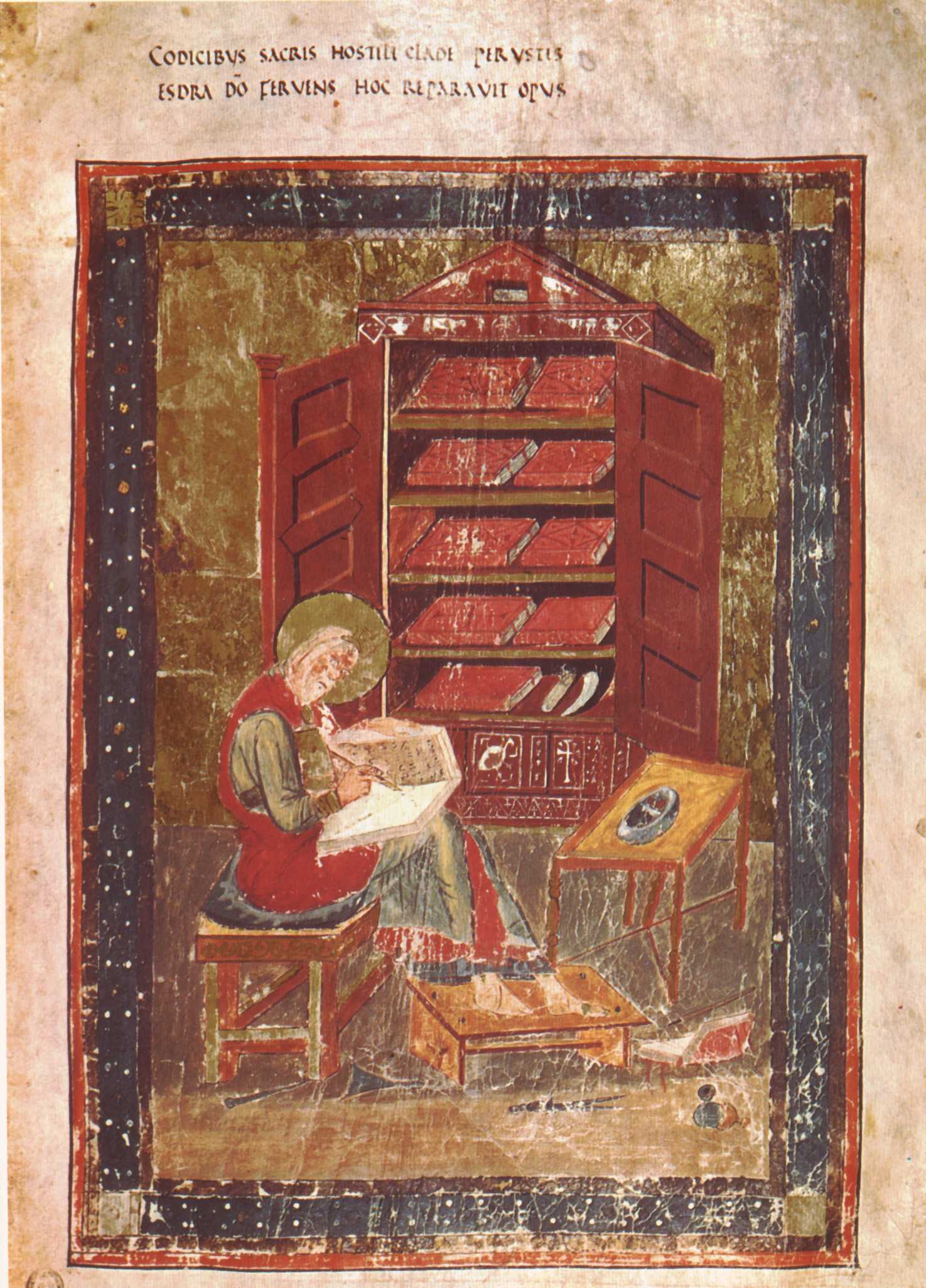
The Codex Gigas left Prague in 1648 as war booty and was acquired by the Royal Library in Stockholm in 1649, which is how the National Library of Sweden's own catalogue entry states it. The book is about 92 by 50.5 by 22 centimetres, runs to 624 pages and weighs about 75 kilograms, according to the figures AFP gave in 2005 when the Prague loan was first announced. AFP reported that Stockholm had agreed to lend it as an exception, for an exhibition in the Clementium, the former Jesuit college in Prague.
The loan opened on 20 September 2007. Its first closing date, 6 January 2008, was moved to March 2008, and Radio Prague reported that more than 61,000 people saw the book at the National Library in Prague. The same station had written in April 2007 that the book was taken by the Swedes at the end of the Thirty Years' War and has been Swedish property since, and that Prague had now been allowed to borrow it. On the last weekend it described the codex as permanently housed in Sweden and said it had been shown abroad only three times, in New York, Berlin and Prague.
The archive's record reads that as a visit after an absence of 359 years, which is the arithmetic from 1648 to 2007. It doesn't read it as a return. Nothing the lender or the borrower said in those reports moved the question of the 1648 taking anywhere, and the loan carried the book across a border and back without opening it.
The Codex Amiatinus was lent back to the country that made it
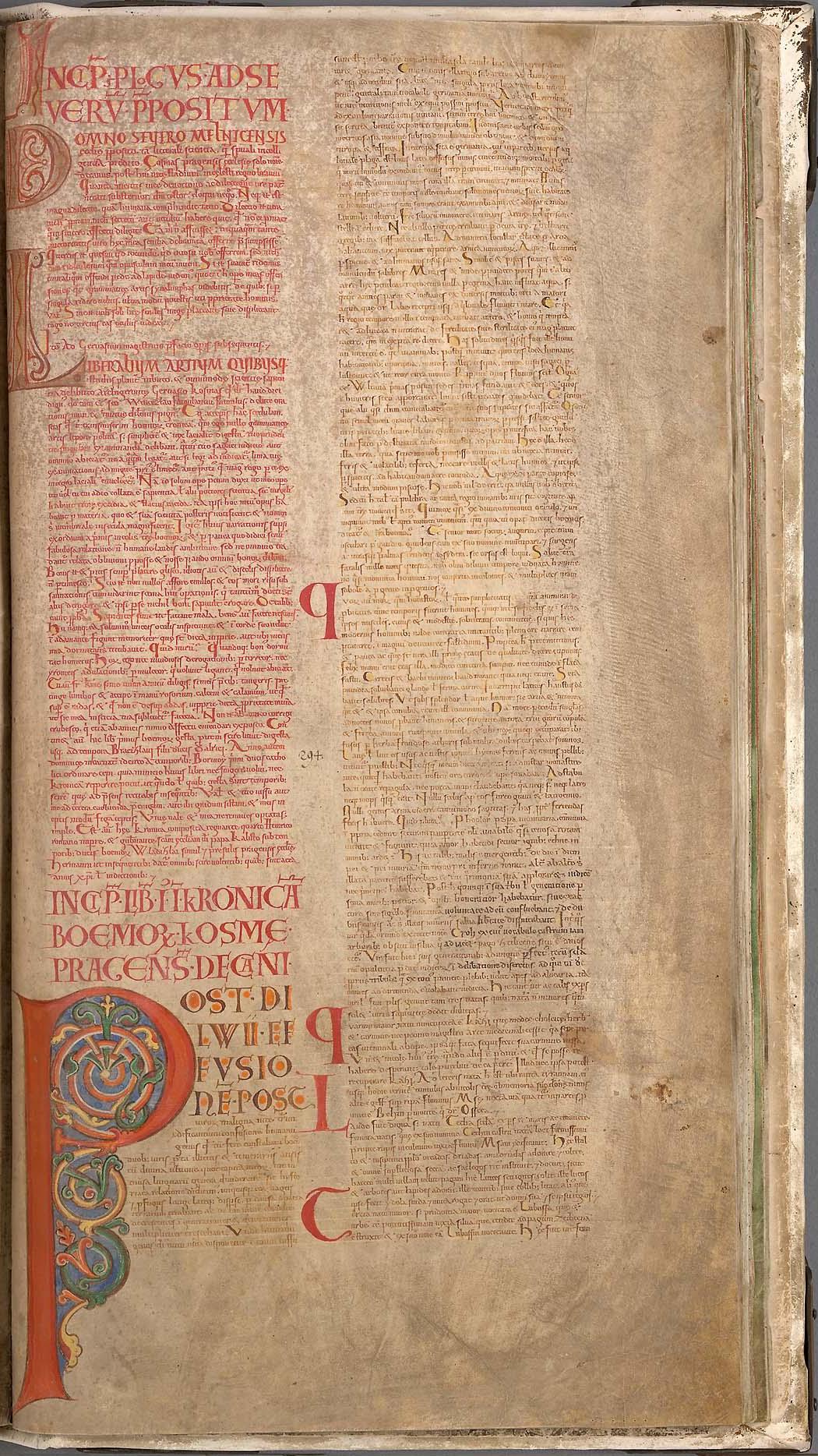
The Codex Amiatinus was made at the monastery of Wearmouth-Jarrow in the early eighth century and was taken to Italy in 716 as a gift for the pope, as the press reported when it came back to England in October 2018. The Biblioteca Medicea Laurenziana lent it to the British Library for Anglo-Saxon Kingdoms: Art, Word, War, which ran from 19 October 2018 to 19 February 2019, and the coverage called it the first visit in more than 1,300 years.
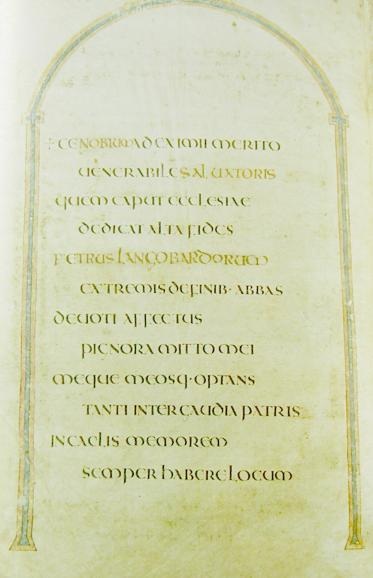
Nobody took this book. The abbot who ordered it, Ceolfrith, set out for Rome with it and died at Langres on the way, so the gift was never handed over by the man who made it, and the records here carry no document for the years between 716 and the abbey of San Salvatore on Monte Amiata. The dedication page shows what happened next. The verses on it now name a Peter, abbot from the farthest border of the Lombards, as the donor. J. F. Fenlon's 1908 entry in the Catholic Encyclopedia reports that the librarian Bandini saw the donor's and the recipient's names were written over erasures in a second hand, and that de Rossi, working from a passage in Bede, proposed that the lost name was Ceolfrith. The news of that reading broke in February 1887 and caused a sensation in Britain, according to the account Dennis Simanaitis summarised from Christopher de Hamel.
So the book that went back to England in 2018 had had its English donor's name written out of its own dedication by a later hand in Italy. The loan brought it to the country of the erased name, and it didn't touch who owned it.
The Book of Kells was lent to Canberra and refused to Kells
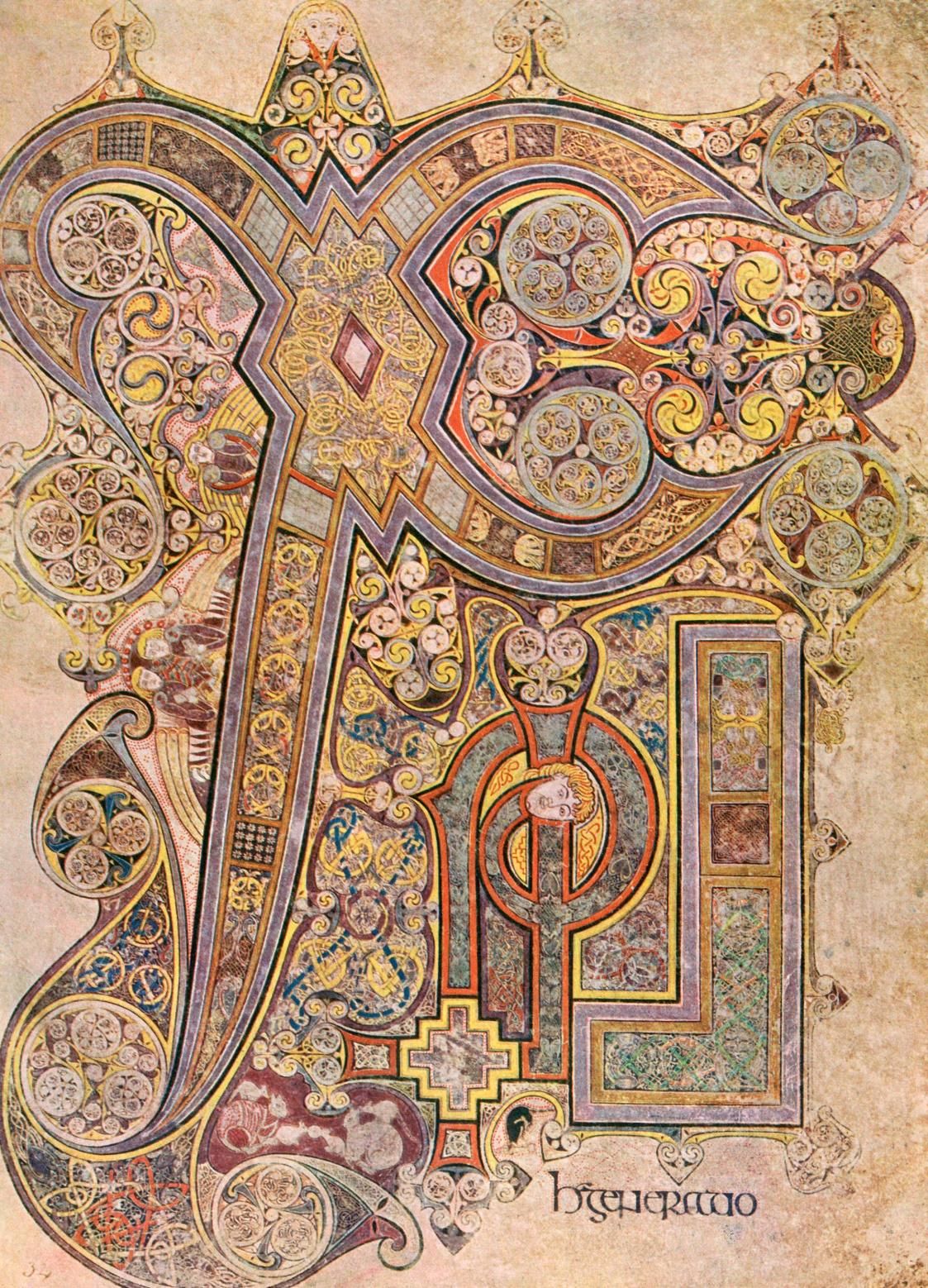
The Book of Kells is the reverse case, because nobody took it and it still left the town it is named for. Trinity College's own page says that about 1653 the governor of Kells, Charles Lambert, Earl of Cavan, sent the book to Dublin for safety, and that it reached the college through the bishop of Meath, Henry Jones, in 1661. The same page says the book has been on display in the Old Library since the mid nineteenth century and now draws more than 500,000 visitors a year.
The Irish Times reported on 24 December 1999 that part of the book, the Gospel of St Luke, would be lent to Canberra early in 2000, after lengthy discussions between Trinity, the Department of Arts and Heritage and Australian experts. On 22 June 2000 the same paper reported that the college board had declined a request from Kells Urban District Council to borrow four volumes for a heritage centre that had just been completed, citing security and environmental concerns. The council's chairman said the town had agreed to every condition Trinity set and that the centre's systems would better Trinity's own.
That is a loan decision made in public, and it says who the lender counted as an audience. It would be a mistake to read the refusal as a finding about ownership, because Trinity's reasons were given as conservation and security, and the report gives no others.
What a record has to write down when a book comes back for a season
A loan goes into the ownership chain as an event with a borrower and two dates, and the current-location line stays with the lender. Each of the three records here is written that way: the Gigas shows Prague from 20 September 2007 to March 2008 and then Stockholm, the Amiatinus shows London and then Florence after 19 February 2019, and the Kells shows Canberra in 2000.
The words matter as much as the dates. A record that says a book was returned to Prague or to England has made a claim about title that nobody in the sources made, and a record that says lent has made only the claim the lender made. The loans also give a reader a way to test a record. If the lender's own page, the borrower's exhibition page and the press all agree on the dates and the word lent, the event is documented, and if a closing day moved, as the Gigas date did from 6 January to March 2008, the record should say so.
Questions
No. It was lent to the National Library of the Czech Republic for an exhibition that opened on 20 September 2007 and ran to March 2008, and it then went back to Stockholm. The Royal Library has held it since 1649, when it was acquired as war booty according to the National Library of Sweden's catalogue.
It was lent by the Laurentian Library in Florence to the British Library for an exhibition from 19 October 2018 to 19 February 2019. The press called it the first visit to England in more than 1,300 years, since the book was taken toward Rome in 716.
No. In June 2000 the college board declined a request from Kells Urban District Council to borrow four volumes, citing security and environmental concerns, according to the Irish Times. Part of the book, the Gospel of St Luke, had been lent to Canberra earlier that year.
Sources
- 1Radio Prague International, 'Devil's Bible returns home but only for few months', 20 April 2007. Used for the Swedish taking, the loan to the National Library in Prague and the description of the book. english.radio.cz/node/...
- 2Radio Prague International, 'Devil's Bible to return to Sweden', 9 March 2008. Used for the 61,000 visitors, the three foreign showings and the permanent housing in Sweden. english.radio.cz/node/...
- 3AFP, 'Medieval eighth wonder to go on display in Prague', Taipei Times, 19 November 2005. Used for the book's dimensions and the Clementium exhibition plan. taipeitimes.com/News/...
- 4National Library of Sweden, manuscripta.se catalogue record for Codex Gigas (A 148). Used for the acquisition by the Royal Library in 1649 as war booty. manuscripta.se/ms/...
- 5Christian Today, 'Ancient Bible returns to England's shores for the first time in 1,300 years', 24 October 2018. Used for the making of the Codex Amiatinus at Wearmouth-Jarrow and the 716 gift to the pope. christiantoday.com/news/...
- 6J-P Mauro, Aleteia, 'The British Library traces the history of the world's oldest Latin Bible', 6 June 2018. Used for the exhibition dates, 19 October 2018 to 19 February 2019. aleteia.org/2018/...
- 7J. F. Fenlon, 'Codex Amiatinus', Catholic Encyclopedia vol. 4 (1908). Used for the overwritten dedication, Bandini's observation and de Rossi's reading of the lost name. newadvent.org/cathen/...
- 8Dennis Simanaitis, 'The Codex Amiatinus, a Bible with Legs, Part 2', 19 January 2019, summarising Christopher de Hamel. Used for the February 1887 announcement and the scheduled return to Florence. simanaitissays.com/2019/...
- 9Library of Trinity College Dublin, page on the Book of Kells. Used for the 1653 move to Dublin, the 1661 gift and the visitor figure. tcd.ie/library/...
- 10The Irish Times, 'Part of Book of Kells to go abroad', 24 December 1999. Used for the loan of the Gospel of St Luke to Canberra. irishtimes.com/news/...
- 11Kitty Holland, 'Book will not return to Kells-TCD', The Irish Times, 22 June 2000. Used for the declined request from Kells Urban District Council and the reasons given. irishtimes.com/news/...
More in Provenance and Restitution
The partThe Taking Clustered in Two Decades and the Returning Has Not Finished
Half of the 46 takings in the archive start in the 1930s and 1940s. Only 8 of the 37 returns do. A decade table built from the records.
A Textile's Provenance Begins on the Day Someone Wrote It Down
The Lady and the Unicorn, the Overhogdal hangings, the Syon Cope and the Emperor's Carpet each have centuries before the first document.
What Came Back in 1815, and What Did Not
Four objects in this archive were taken, held or borrowed in the Napoleonic wars. One was returned, one was swapped, one was ceded by treaty and one...