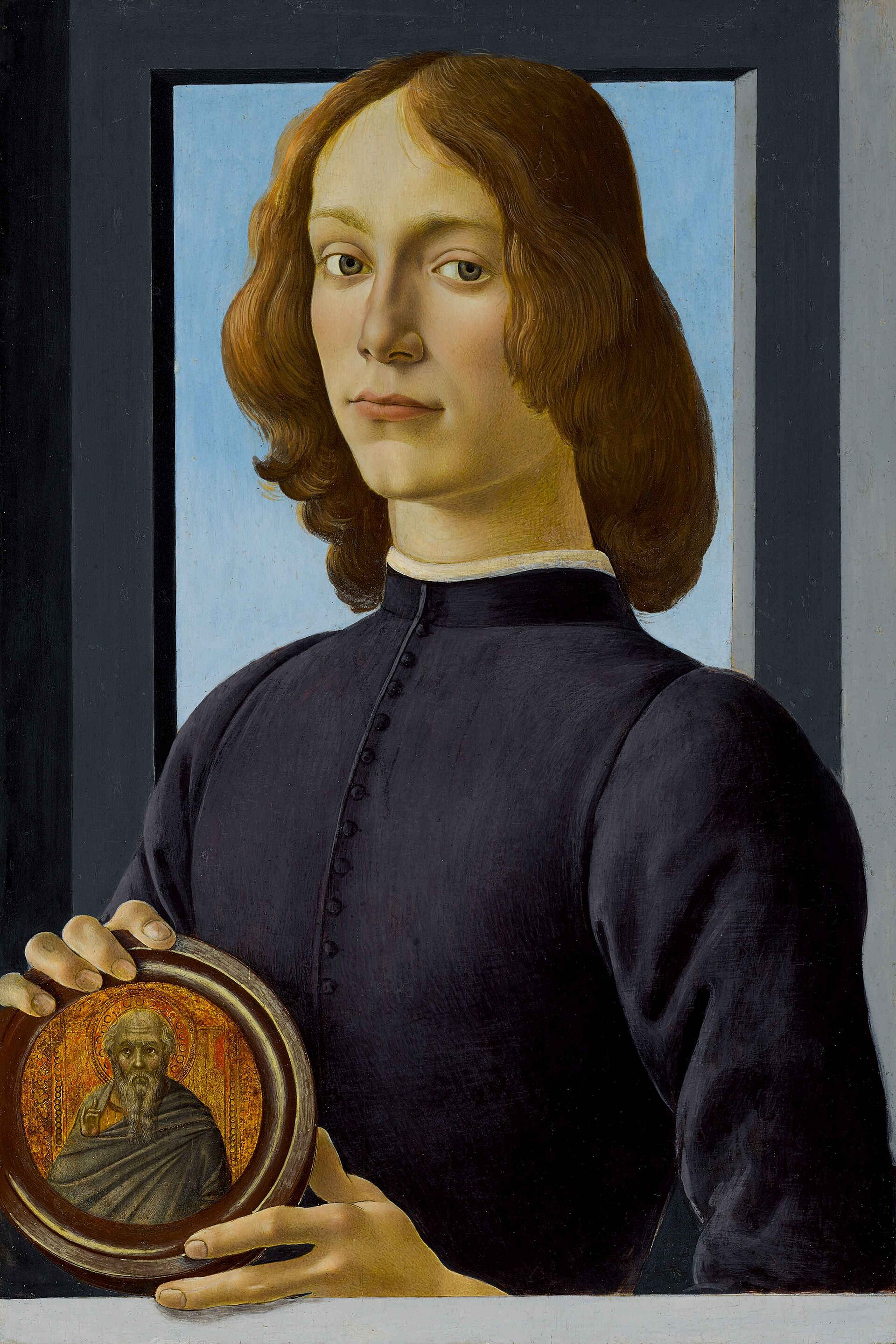
Portrait of a Young Man Holding a Roundel
c. 1480. Proposed dates run from about 1470 to about 1490 · Tempera on poplar panel
 Florentine · 1445-1510
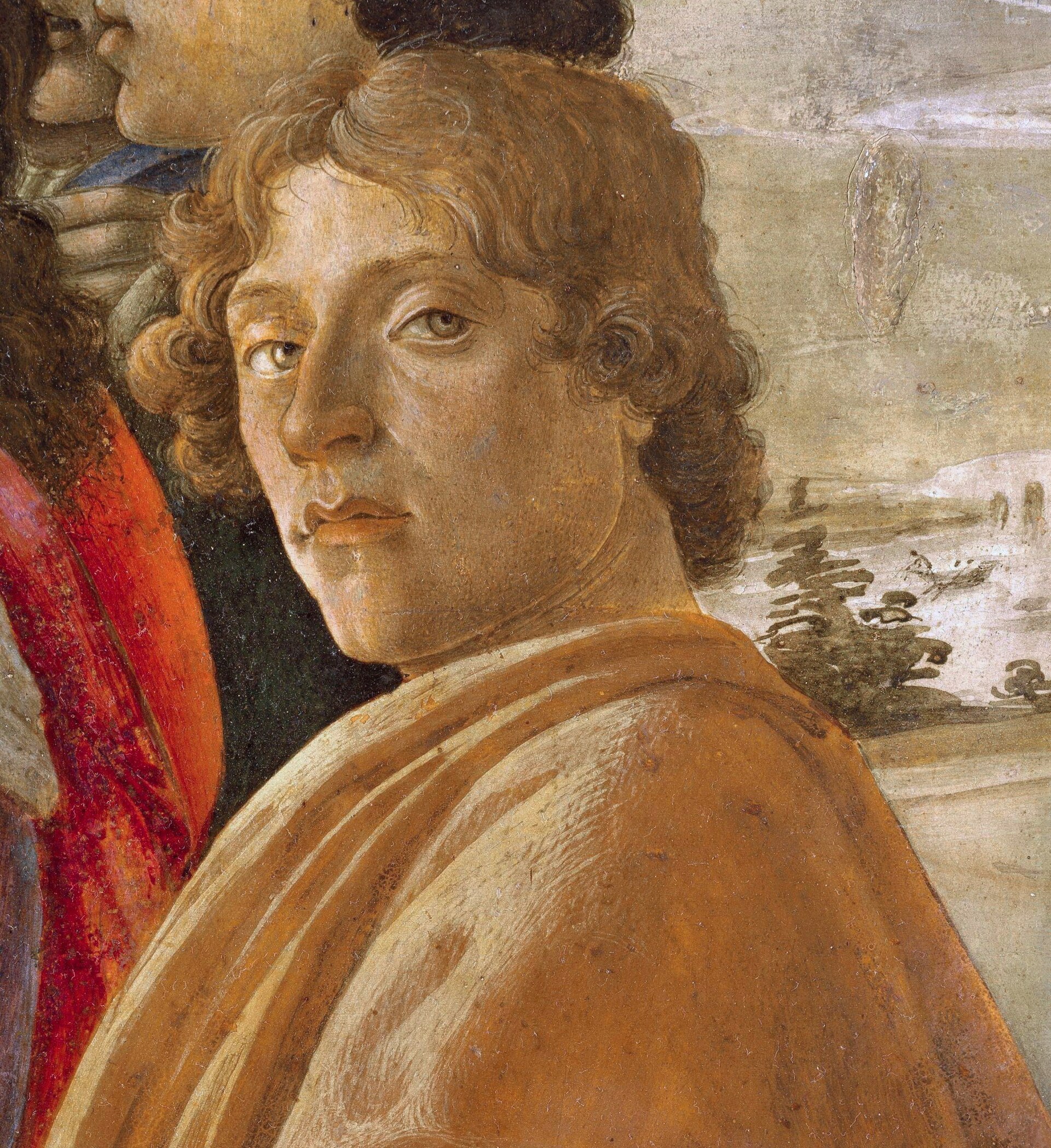
A detail from Botticelli's Adoration of the Magi, c. 1475-76, Uffizi: a young man in a tawny mantle at the right edge of the crowd, looking directly out at the viewer. Later writers have identified him as Botticelli himself since at least the nineteenth century, and the reading is now near-universal in the literature, but no inscription, label or contemporary document names him. If it is a self-portrait, it is the only one that survives; this page records the identification as traditional and undocumented, not certain.
Galleria degli Uffizi, Florence| Full name | Alessandro di Mariano di Vanni Filipepi, called Sandro Botticelli |
|---|---|
| Worked as | Painter |
| Born | c. 1445 (a tax declaration of 1 March 1447 records him as... · Florence |
| Died | 17 May 1510 · Florence |
| Nationality | Florentine |
| Movement | Early Renaissance, Florentine school |
| In this archive | 1 artwork |
| Sources | 18 cited |
| Last verified | 17 September 2026 |
About this page 1 artwork in the archive · Last verified 17 September 2026 · 18 sources cited
Botticelli is famous for two paintings that almost nobody can see in a museum without a queue, and the fame is a nineteenth-century invention. For three centuries after his death he was a minor name in guidebooks, his Primavera unlisted by title, his reputation revived only when John Ruskin and Walter Pater started writing about him in the 1870s. The corpus itself is unstable: roughly fifty paintings are now given wholly or partly to his own hand, and that number moves depending on which scholar is counting and how much workshop participation disqualifies a picture. A painting bought as a certain Botticelli in 2009 was being argued over in print again in 2022.
What is harder to find than the mythologies is how thin the documentary record actually is. No painting is signed. The most quoted fact about his old age, that he died poor and crippled, comes from Vasari and is contradicted by the guild's own membership rolls, which still show him paying his dues in 1505. The story that he burned his own paintings in Savonarola's bonfires has no contemporary source at all; Vasari says only that he was a devoted follower, and later writers did the rest.
This page follows the corpus problem, the Medici patronage behind the four great mythological panels, the Sistine Chapel commission, the Savonarola question with the evidence actually weighed, the forgeries that fooled real experts, and the market, where four sales across a single decade - a modest tondo, a national auction record, a disputed devotional panel, and a smaller Madonna deliberately not confused with the larger one in the Uffizi - tell a more precise story than any single headline price.
Born in Florence, son of the tanner Mariano di Vanni Filipepi; a tax declaration of 1 March 1447 records him as two years old, the only surviving evidence for his birth year.13
Apprenticed first to a goldsmith, then placed in the painting workshop of Filippo Lippi in Florence.1
Established as an independent master with his own workshop; paints his first securely dated work, Fortitude, for the Tribunale della Mercanzia.1
Matriculates in the Compagnia di San Luca, the Florentine painters' confraternity.3
Summoned to Rome with other Florentine and Umbrian painters to fresco the Sistine Chapel; completes three scenes in eleven months before his father's death recalls him to Florence in February 1482.1
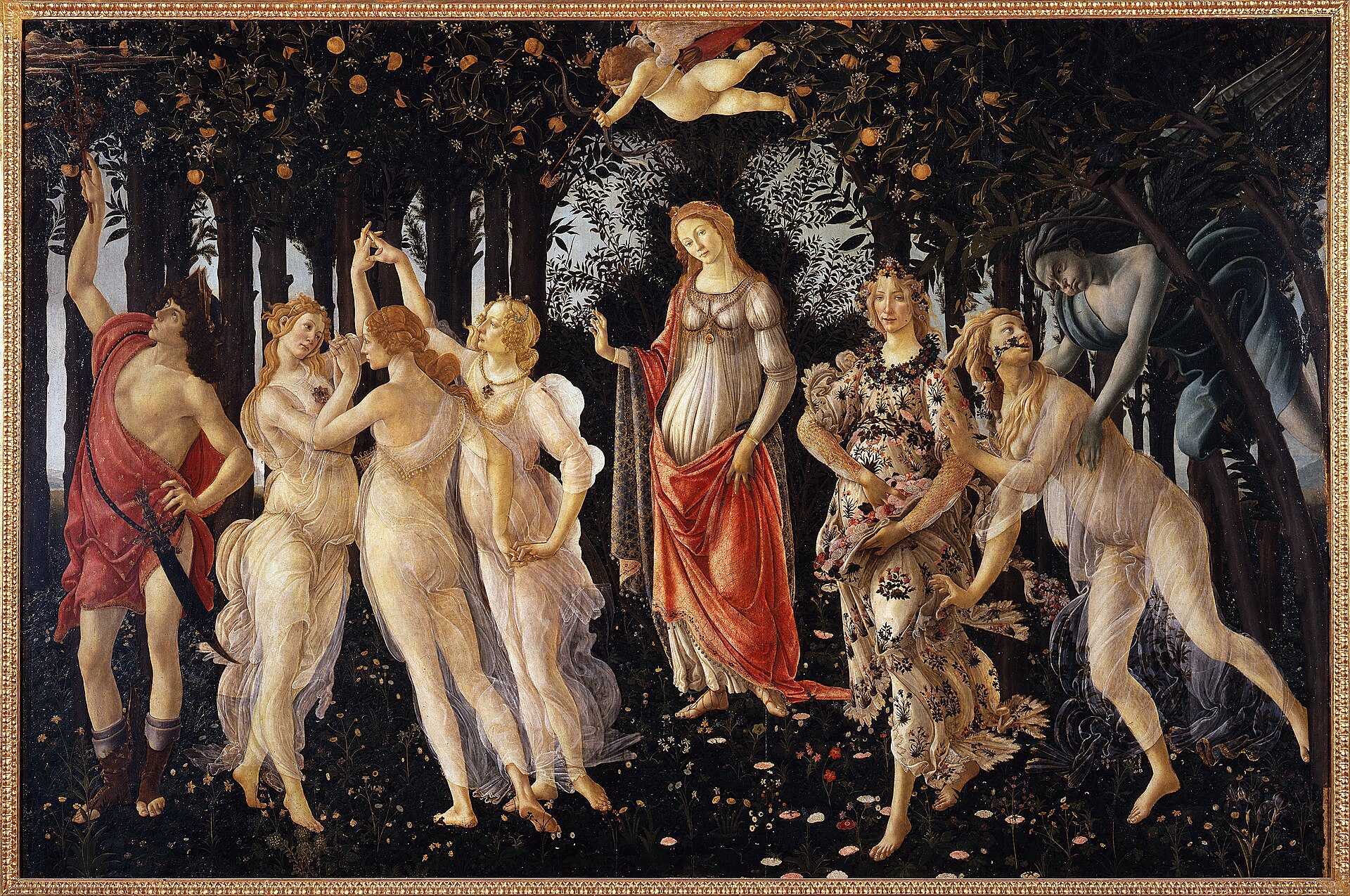
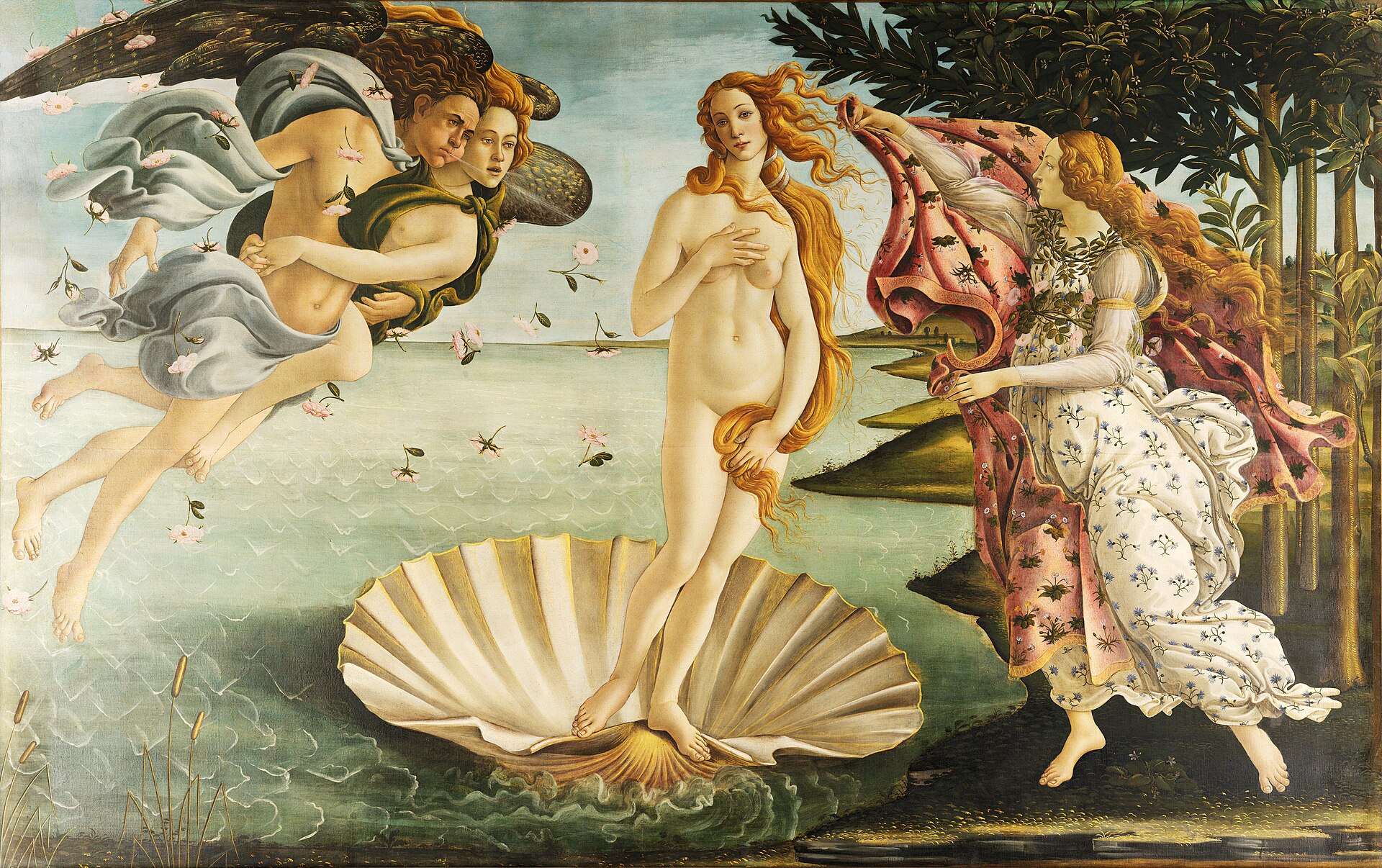
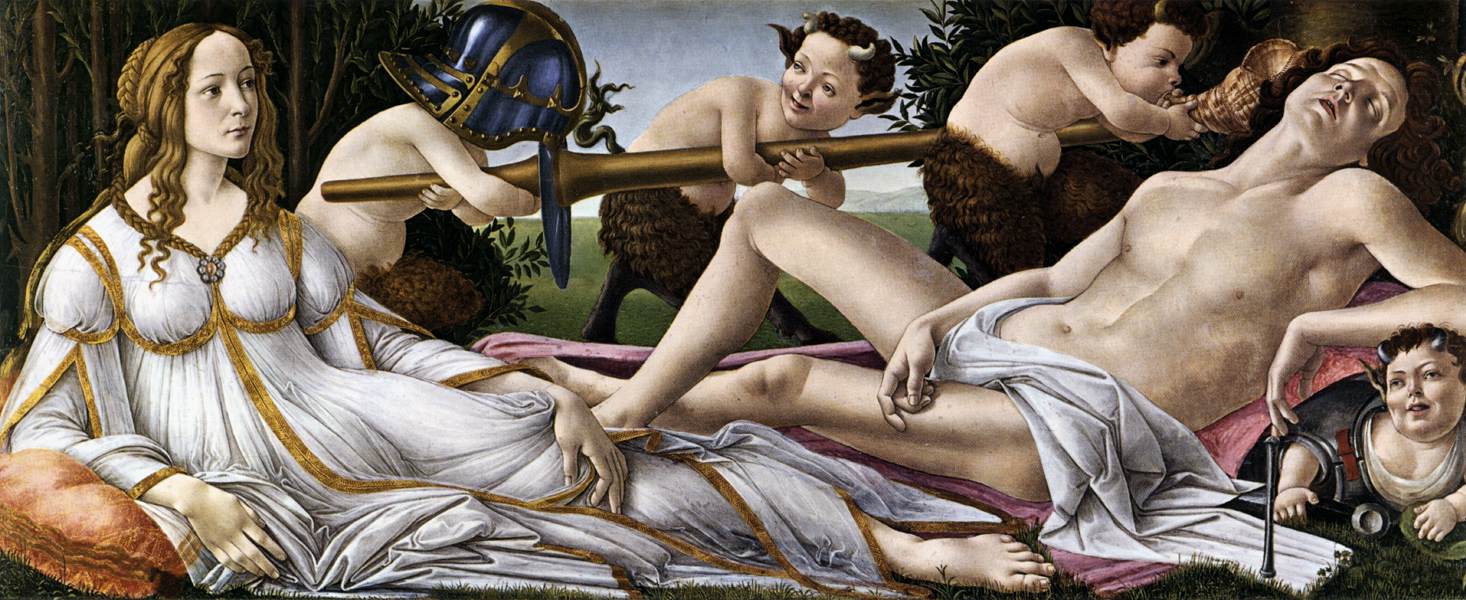
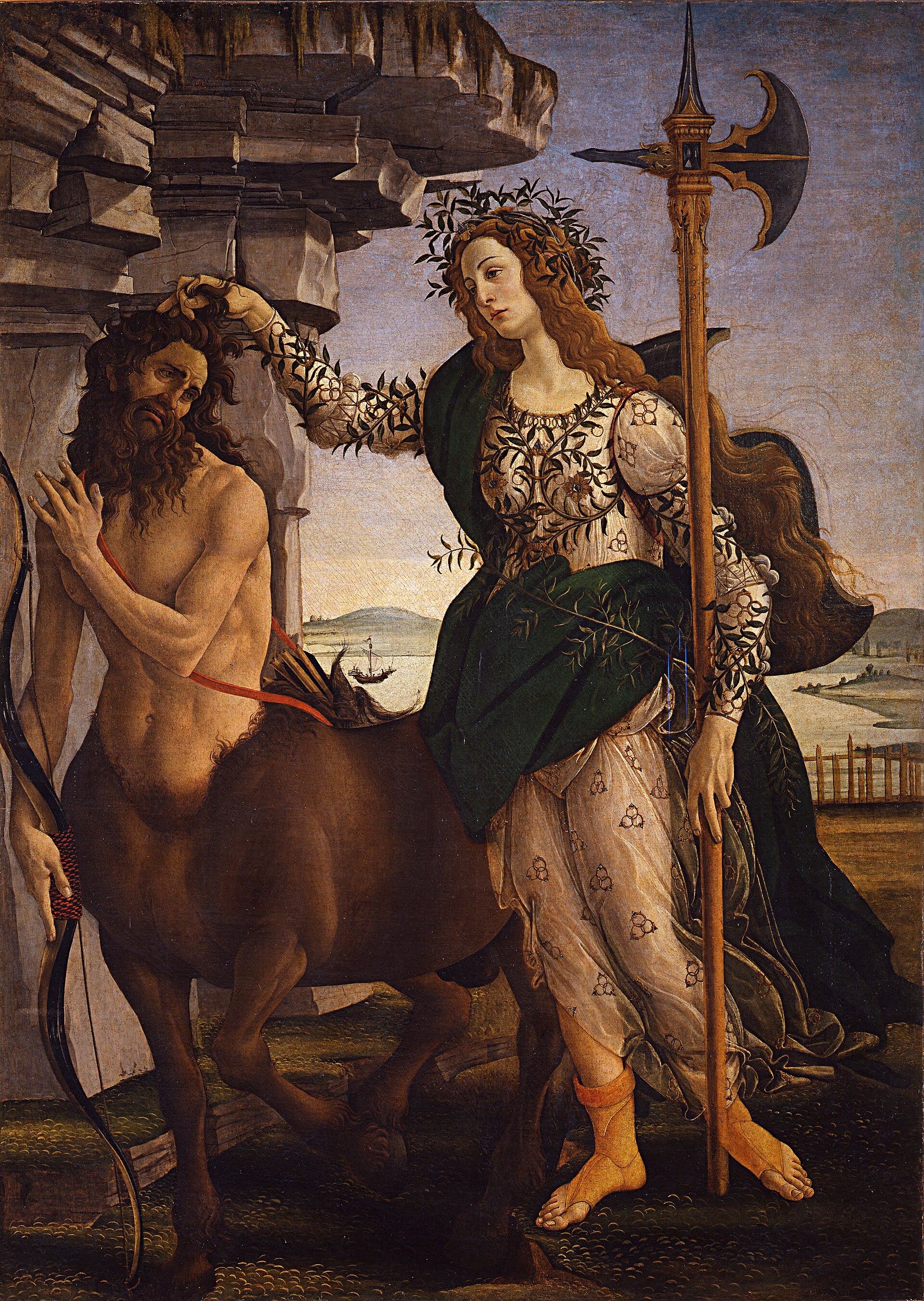
Paints La Primavera, Pallas and the Centaur, Venus and Mars and The Birth of Venus for the household of Lorenzo di Pierfrancesco de' Medici.1
The Medici are expelled from Florence; a republican government under Girolamo Savonarola's influence is installed. Vasari records Botticelli as a devoted follower.24
Savonarola is executed. No contemporary document records Botticelli surrendering any painting to the friar's bonfires.24
Still paying his dues, belatedly, to the Company of Saint Luke - evidence against Vasari's later account of poverty and physical collapse.2
Dies in Florence and is buried in the Church of Ognissanti.2
Walter Pater's essay on Botticelli appears in the Fortnightly Review, beginning the modern rehabilitation of a reputation left largely dormant for roughly three centuries.1415
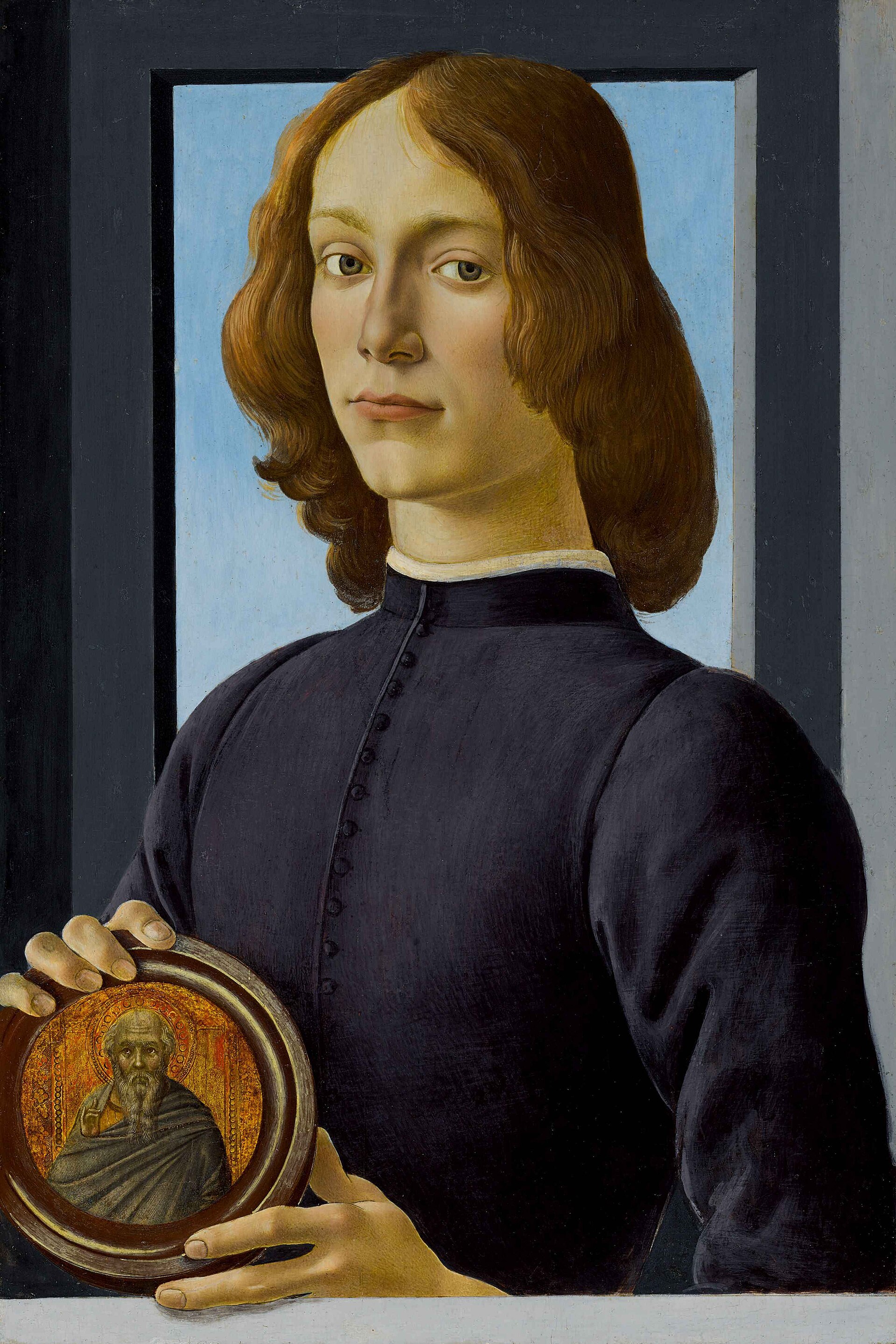
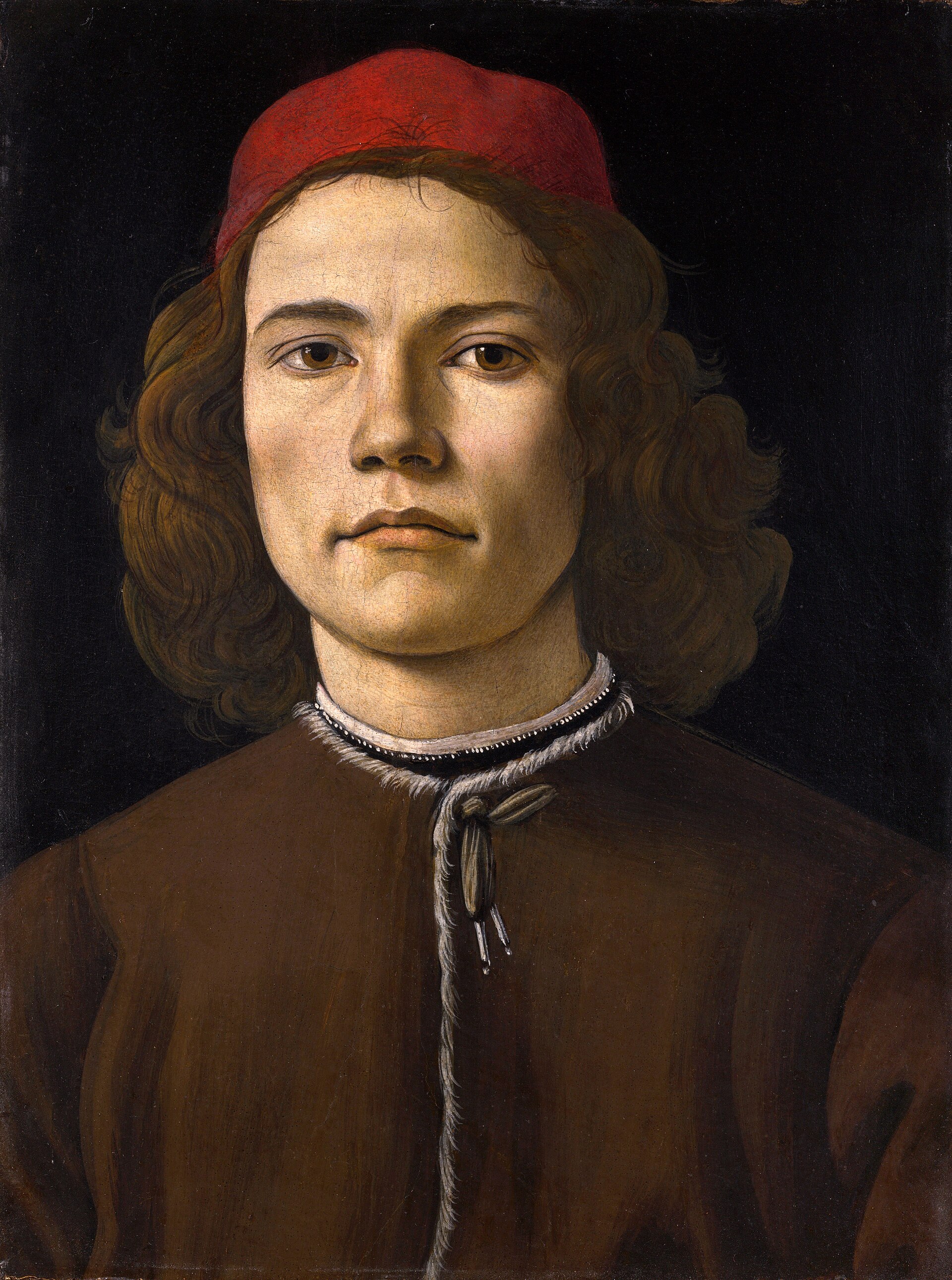
Portrait of a Young Man Holding a Roundel sells at Sotheby's New York for a hammer of USD 80 million, total USD 92.1-92.2 million with premium - the current auction record for the artist.67
Very few autograph Botticellis reach the open market, because most surviving pictures already sit in institutions or in collections that do not sell; when one does appear it draws unusually intense bidding. Four sales across a single decade give a sourced trajectory: a modest tondo at USD 10.4 million in 2013, the artist's auction record of USD 80 million hammer (USD 92.1 to 92.2 million with premium) in January 2021, a disputed devotional panel that sold just under estimate on three-bidder interest in January 2022, and a smaller Madonna of the Magnificat, deliberately distinguished here from the Uffizi's own larger tondo of the same subject, at USD 42 million hammer in November 2022. Attribution risk is visible directly in the price data: the one sale shadowed by a named scholar's public doubts drew the thinnest bidding of the four.
| Date | Sale | Work | Result | Note |
|---|---|---|---|---|
| 30 January 2013 | Christie's | Madonna and Child with the Young Saint John the Baptist (the Rockefeller Madonna) | Hammer not separated from premium in the sources consulted With premium total realized USD 10.4 million USD | Panel of 1493-1495, tempera oil and gold on panel, 46.3 x 36.8 cm. Sold against a pre-sale estimate of USD 5-7 million. |
| 28 January 2021 | Sotheby's | Portrait of a Young Man Holding a Roundel | Hammer USD 80 million With premium total with buyer's premium USD 92.1 million (Art Newspaper) / USD 92.2 million (Sotheby's own release) USD | Sold from the estate of Sheldon Solow, who had bought the panel at Christie's in 1982 for GBP 810,000. Underbidder identified by a Sotheby's spokeswoman only as an Asian collector; no name published. Current auction record for the artist. |
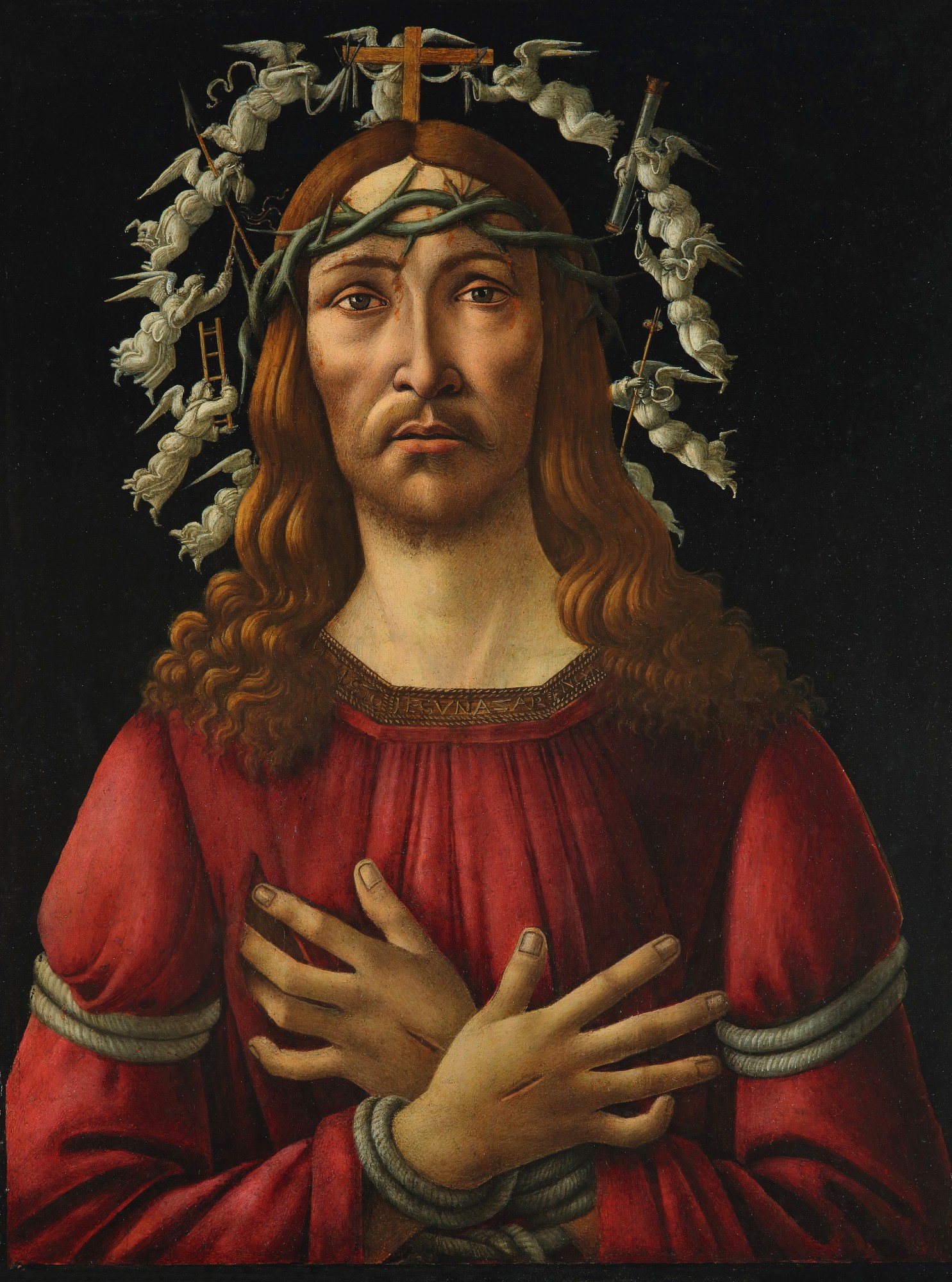
| 27 January 2022 | Sotheby's | The Man of Sorrows | Hammer USD 39.5 million With premium total with fees USD 45.4 million USD | Sold just under its USD 40 million estimate on interest from only three bidders; the attribution to Botticelli's own hand was publicly contested by the scholar Frank Zoellner within days of the sale. See Corpus. |
| 9 November 2022 | Christie's | Madonna of the Magnificat | Hammer not separately published by Christie's for this lot With premium price realised (with fees) USD 48,480,000 USD | A 24-inch tondo from the collection of Paul G. Allen, acquired privately in 1999; sold in Christie's 'Visionary' single-owner sale, lot 25, closed 9 November 2022, against an estimate available on request. Christie's own price database publishes only the price realised, not a separate hammer figure, for this lot. Distinct from, and smaller than, the roughly ten-foot tondo of the same subject in the Uffizi, said to come from a Florentine monastery - naming both precisely avoids the version confusion a shared title invites. |
Hammer is the price at which the bidding stopped; with premium adds the fee the house charges the buyer on top. Hammer price and buyer's premium in the glossary.
| Institution | City | Holdings | Note |
|---|---|---|---|
| Galleria degli Uffizi | Florence | La Primavera, The Birth of Venus, Pallas and the Centaur, the Adoration of the Magi from Santa Maria Novella, Fortitude, and the Madonna of the Magnificat tondo | The largest single holding of Botticelli's autograph work, including the Adoration of the Magi panel that carries the traditional self-portrait identification discussed above. |
| National Gallery | London | Venus and Mars, the Mystic Nativity, the Adoration of the Kings, and a Portrait of a Young Man | |
| Vatican Museums, Sistine Chapel | Vatican City | Three fresco scenes: the Punishment of Korah, the Temptation of Christ, and a cycle from the Life of Moses | Completed 1481-1482 as part of the chapel's original wall decoration. |
| Metropolitan Museum of Art | New York | The Three Miracles of Saint Zenobius | |
| Staedel Museum | Frankfurt | Formerly held the Man of Sorrows, reclassified as autograph there in 2009 | The panel was sold at Sotheby's in January 2022 and is now in a private collection; see Corpus and Market for the attribution dispute that accompanied the sale. |
He was born Alessandro di Mariano di Vanni Filipepi, son of a Florentine tanner.
He was born Alessandro di Mariano di Vanni Filipepi, son of a Florentine tanner. The name everyone uses is not his: Botticelli descends from the nickname of his elder brother Giovanni, a pawnbroker known as Botticello, "little barrel". By 1470 a document already calls the painter Sandro Mariano Botticelli, so the substitution had taken within his own working life.
Painting was not the first plan. His father apprenticed him to a goldsmith after his schooling finished, and only moved him into the workshop of Filippo Lippi, one of the most admired painters in Florence, once it was clear the boy preferred painting. Lippi taught him panel and fresco technique and a controlled linear perspective; the pale palette and graceful costuming Botticelli carried out of that workshop are visible even in his late pictures, laid now over a stronger and more resonant colour sense of his own. After Lippi left Florence for Spoleto, Botticelli studied the sculptural figure style of Antonio Pollaiuolo and Andrea del Verrocchio, the two dominant painters of the 1460s, and by 1470 he was established as an independent master with his own workshop and his first securely dated commission, the Fortitude painted for the merchants' tribunal.
The working number now used for Botticelli's autograph corpus is about fifty paintings, wholly or partly by his own hand, out of a working life of roughly forty years.
The working number now used for Botticelli's autograph corpus is about fifty paintings, wholly or partly by his own hand, out of a working life of roughly forty years. That figure is not a fixed catalogue entry; it is a consensus estimate, and it moves with how strictly a scholar weighs workshop participation against the master's own touch. Botticelli ran a busy shop, and Madonnas and other devotional panels were produced there in quantity; distinguishing an autograph picture from a good studio version is the single hardest connoisseurship problem his output presents, and it has been argued over since the corpus was first assembled.
The instability is not abstract. The Man of Sorrows, a small devotional panel showing Christ crowned with thorns, was catalogued as a workshop production in Ronald Lightbown's 1978 catalogue raisonne, then reclassified as fully autograph by the Staedel Museum in Frankfurt in 2009. It sold at that attribution at Sotheby's in January 2022. Weeks after the sale, the Leipzig art historian Frank Zoellner, a Botticelli specialist, told The Art Newspaper he still had doubts: he pointed to an anatomically awkward little finger on the right hand, described as looking as if it were made of "a flexible chunk of rubber", to an overall clumsiness in the hands he considered untypical of the master, and to angels he judged more stereotyped than those in the securely autograph Mystic Nativity. Two serious, named readings of the same panel, a decade and a half apart, have not been reconciled, and this page does not attempt to arbitrate between them.
La Primavera and The Birth of Venus, along with Pallas and the Centaur and Venus and Mars, were painted for the household of Lorenzo di Pierfrancesco de' Medici, the head of the junior Medici line...
La Primavera and The Birth of Venus, along with Pallas and the Centaur and Venus and Mars, were painted for the household of Lorenzo di Pierfrancesco de' Medici, the head of the junior Medici line, in the years around 1480 to 1485. None of the four enacts a known myth outright; the figures are used allegorically, and the paintings have been read by modern scholarship as meditations on different aspects of love: its kindling and its fruition in marriage in the Primavera, the subjugation of male desire by female chastity in Pallas, a woman's calm ascendancy after a man's exhaustion in Venus and Mars, and love's birth in the world in The Birth of Venus.
A specific intellectual reading of the two largest panels, tying them to the Neoplatonic philosophy of Marsilio Ficino and the poetry of Angelo Poliziano, both of whom moved in the same Medici circle as Botticelli, was argued at length by Edgar Wind, Ernst Gombrich and Erwin Panofsky in the twentieth century. Wind himself was careful about how far the argument could be pushed: he judged the connection between the paintings and Poliziano's verse, demonstrated by Aby Warburg's earlier study, as effectively established, but treated the fuller Ficinian programme urged by Gombrich as argued rather than proven. The paintings' apparent debt to a classical statue of the Three Graces in the Primavera and to an antique Venus Pudica type in The Birth of Venus is documented by direct visual comparison; the philosophical programme behind the choice of subject is a scholarly argument, made by named scholars who do not fully agree with each other, and this page reports it as exactly that rather than as settled fact.
In July 1481 Pope Sixtus IV summoned a team of Florentine and Umbrian painters to fresco the side walls of his new chapel in the Vatican.
In July 1481 Pope Sixtus IV summoned a team of Florentine and Umbrian painters to fresco the side walls of his new chapel in the Vatican. Each painter first had to execute a trial fresco for official evaluation; Botticelli's trial piece, The Temptation of Christ, was assessed in January 1482 and set his pay scale for the rest of the commission. His contract was renewed on 17 February 1482 to cover the remaining scenes, but three days later his father died in Florence and Botticelli returned home, where he remained.
He completed three scenes in the chapel: the Punishment of Korah, the Temptation of Christ, and a cycle from the life of Moses, all finished within an astonishing eleven months alongside the other masters on the project. The themes assigned to the whole cycle were chosen to argue papal supremacy over the church, and Botticelli's contributions are noted for fusing several symbolic episodes into a single unified composition rather than separating them panel by panel. While in Rome he also studied the city's classical remains directly, reproducing the Arch of Constantine within one of his Sistine frescoes - a documented instance of the same antiquarian habit that shows up in the borrowed statuary of the Primavera.
The most repeated fact about Botticelli's late life is that he was so moved by the preaching of the Dominican friar Girolamo Savonarola that he threw his own paintings, the shameless ones, onto the...
The most repeated fact about Botticelli's late life is that he was so moved by the preaching of the Dominican friar Girolamo Savonarola that he threw his own paintings, the shameless ones, onto the Bonfire of the Vanities in Florence. It is worth being precise about what the evidence actually says, because the claim has calcified into received fact and does not deserve to be treated as one.
Vasari, writing more than half a century after the events, says only that Botticelli was so ardent a follower of Savonarola's sect that it drew him away from painting and, having no income, left him in great distress. Vasari does not say Botticelli burned anything. The idea that he committed pictures to the flames is a later gloss on that passage, and no contemporary document, inventory or eyewitness account names a Botticelli painting destroyed in 1497 or 1498. Set against the story is the fact that Botticelli continued to receive commissions through the 1490s and produced securely dated work after Savonarola's execution in May 1498, which sits uneasily with an artist supposedly renouncing his profession out of religious conviction. What is documented, by contrast, is that Fra Bartolomeo, a different painter entirely, is credited with actually burning some of his own early nude studies at one of the bonfires. The two artists appear to have been conflated in the popular account over time. This page records Botticelli's Savonarolan sympathy as Vasari reports it and treats the burned-paintings claim as unproven.
After the early 1490s Botticelli's manner changed markedly.
After the early 1490s Botticelli's manner changed markedly. The paintings become smaller, the figures slender to the point of deliberate distortion, gesture and expression pushed toward an urgent, almost anxious intensity. The apocalyptic Mystic Crucifixion and the Mystic Nativity, both around 1500, and later narrative panels such as the Story of Lucretia, read as republican in sentiment and are usually connected to the religious and political turbulence of the Savonarolan years, though the connection is an interpretation of the pictures rather than a documented statement of intent by the painter.
Vasari's account of the final years is bleak: an artist grown old and useless, walking on crutches, who "earned much, but wasted everything through negligence and lack of management", and who died, in Vasari's words, infirm and decrepit at the age of seventy-eight. The number alone should raise doubt - Botticelli was around sixty-five when he died, not seventy-eight, one of several factual slips in Vasari's account. More substantively, the guild's own records show him still paying his dues to the Company of Saint Luke, albeit belatedly, as late as 1505, and he continued to receive commissions through the decade. The picture of total collapse comes from one retrospective source with a documented error in the same passage, and this record does not repeat it as settled fact.
Botticelli's paintings did not disappear after his death, but his name did, in the sense that mattered: he dropped out of the short list of artists whose reputation the following centuries actively...
Botticelli's paintings did not disappear after his death, but his name did, in the sense that mattered: he dropped out of the short list of artists whose reputation the following centuries actively maintained, eclipsed by Michelangelo and Raphael within his own lifetime and largely absent from serious critical attention for roughly three hundred years. The recovery is datable with unusual precision to English writing of the 1870s. Walter Pater's essay on Botticelli, published in the Fortnightly Review in 1870, and John Ruskin's own reassessments that followed shortly after, are treated by later scholarship as the effective beginning of the modern reputation; Ruskin later claimed sole credit for the revival, a claim modern scholarship does not accept given that he read Pater's essay first. Dante Gabriel Rossetti, Ruskin and Edward Burne-Jones all acquired Botticelli paintings during this period, and his linear, elongated figure style is visible reworked in Pre-Raphaelite and Aesthetic Movement pictures such as Rossetti's La Ghirlandata and Burne-Jones's The Mill.
The revival had a technical partner. From the 1850s the Florentine photographic firm of the Fratelli Alinari began systematically reproducing the paintings of the Uffizi and other Florentine collections, building a market that ran from serious art historians to the wealthy foreign tourists who were increasingly making Florence a stop on the Grand Tour. Botticelli's rediscovery by the English critics and the spread of his images as photographic prints happened in the same years, to substantially the same audience, and reinforced each other; fame of this kind is manufactured, and here the manufacture is dated and documented rather than assumed.
Botticelli's late-Victorian revival made him valuable, and value attracted forgers.
Botticelli's late-Victorian revival made him valuable, and value attracted forgers. The best-documented case is the Madonna of the Veil, a picture in the manner of Botticelli that appeared on the market in the 1920s and was accepted as genuine on acquisition. It is now attributed to Umberto Giunti, a teacher at the Institute of Fine Art in Siena who trained under the known forger Icilio Federico Joni. Rather than copying a single Botticelli directly, Giunti appears to have fused elements from more than one genuine composition, including the Uffizi's Madonna of the Pomegranate and the San Barnaba altarpiece, into a new but plausible invention, then aged the panel by drilling simulated worm holes into the front and scratching the paint surface. What eventually gave it away was not connoisseurship of period technique but period style of a different kind: a viewer noted that the Madonna's face recalled a silent-film actress, and a comparison to a photograph of Lillian Gish made the 1920s pout hard to unsee. Technical examination confirmed the intuition - x-radiography showed the panel had not been prepared in the traditional way, and under magnification the lips were outlined in plain black paint rather than the madder-lake pigment Botticelli's own practice used.
A second, more thinly documented case involves a picture at a Scottish gallery closely resembling a Louvre painting given to the school of Botticelli, confirmed by 1952 as a twentieth-century copy after a man identified in the records only as Mr Phillipot admitted painting it; chemical analysis found pigments that did not exist until roughly three hundred years after Botticelli's death. Unlike the Giunti case, this episode was not made public at the time, and the fuller documentary record has not been located in the sources consulted for this page.
Very few autograph Botticellis reach the open market at all, which is itself informative: his historical importance means most surviving pictures are already in institutions or in collections that do...
Very few autograph Botticellis reach the open market at all, which is itself informative: his historical importance means most surviving pictures are already in institutions or in collections that do not sell. Four sales across a single decade give a usable, sourced trajectory rather than a single headline number.
In January 2013 Christie's New York sold the Rockefeller Madonna, formally Madonna and Child with the Young Saint John the Baptist, a small panel of 1493 to 1495, for a total of USD 10.4 million against a pre-sale estimate of USD 5 to 7 million; the sources consulted report only the final total and do not separate hammer from premium. In January 2021 Sotheby's New York sold the Portrait of a Young Man Holding a Roundel, from the estate of the real-estate developer Sheldon Solow, who had bought it at Christie's in 1982 for GBP 810,000. The hammer fell at USD 80 million against an underbidder reported by a Sotheby's spokeswoman only as an Asian collector, no name given; with the buyer's premium the total is reported as USD 92.1 million by the Art Newspaper and USD 92.2 million in Sotheby's own release, a rounding difference the sources do not resolve. It remains the artist's auction record.
A year later, in January 2022, Sotheby's New York sold the disputed Man of Sorrows discussed above for a hammer of USD 39.3 million and a total of USD 45.4 million, drawing interest from only three bidders and finishing just under its estimate - a result consistent with a picture whose attribution a named specialist was still publicly contesting. In November 2022 Christie's New York sold a Madonna of the Magnificat, a 24-inch tondo from the collection of the late Microsoft co-founder Paul Allen, who had bought it privately in 1999. This is not the Uffizi's own roughly ten-foot tondo of the same subject, said to come from a Florentine monastery; it is a separate, smaller autograph panel of the late 1480s, and naming both correctly matters, since a title this common is exactly the kind that causes version confusion. It hammered at USD 42 million and totalled USD 48.4 million with fees.
Painter. c. 1445-1510.
Born c. 1445 (a tax declaration of 1 March 1447 records him as two years old; no baptismal record survives), Florence; died 17 May 1510, Florence.
The Madonna of the Veil. A painting in the manner of Botticelli, accepted as genuine when it appeared on the market in the 1920s, combining elements of more than one authentic composition, including the Uffizi's Madonna of the Pomegranate and the San Barnaba altarpiece, into a new invented design rather than copying a single work outright.
Galleria degli Uffizi (Florence); National Gallery (London); Vatican Museums, Sistine Chapel (Vatican City); Metropolitan Museum of Art (New York); Staedel Museum (Frankfurt).
Very few autograph Botticellis reach the open market, because most surviving pictures already sit in institutions or in collections that do not sell; when one does appear it draws unusually intense bidding. Four sales across a single decade give a sourced trajectory: a modest tondo at USD 10.4 million in 2013, the artist's auction record of USD 80 million hammer (USD 92.1 to 92.2 million with premium) in January 2021, a disputed devotional panel that sold just under estimate on three-bidder interest in January 2022, and a smaller Madonna of the Magnificat, deliberately distinguished here from the Uffizi's own larger tondo of the same subject, at USD 42 million hammer in November 2022.
Did Botticelli in fact commit any of his own paintings to Savonarola's bonfires of 1497-1498? Vasari records only his devotion to the friar's cause; no contemporary document names a specific painting destroyed, and the burning story may conflate him with Fra Bartolomeo, who is separately documented as having burned early nude studies.
The profession defines provenance as a chain running from creation to the present.
8 min read
Location is the fastest-decaying line on any object record. Of 223 records published here, 84 know where the object is only...
11 min read
Bill Gates was named the day after he bought the Codex Leicester. The buyer of the Botticelli sold in January 2021 has not been...
12 min read
When a catalogue prints no estimate, a number still reaches the press before the sale.
9 min read
Last verified 17 September 2026
One artwork and its story every Tuesday, with the picture: who owned it, what it made, and what closes soon in the exhibition calendar. No promotion, and nothing we cannot cite.
We send one email to confirm the address and keep nothing else. Every letter carries a one-click unsubscribe. How we handle your data.