Two Museums Supply Most of the CC0 Photographs Here
Of 344 records, 130 lead with a CC0 photograph and 94 of those belong to the Met or Cleveland. It changes how any count of where objects are held should be read.
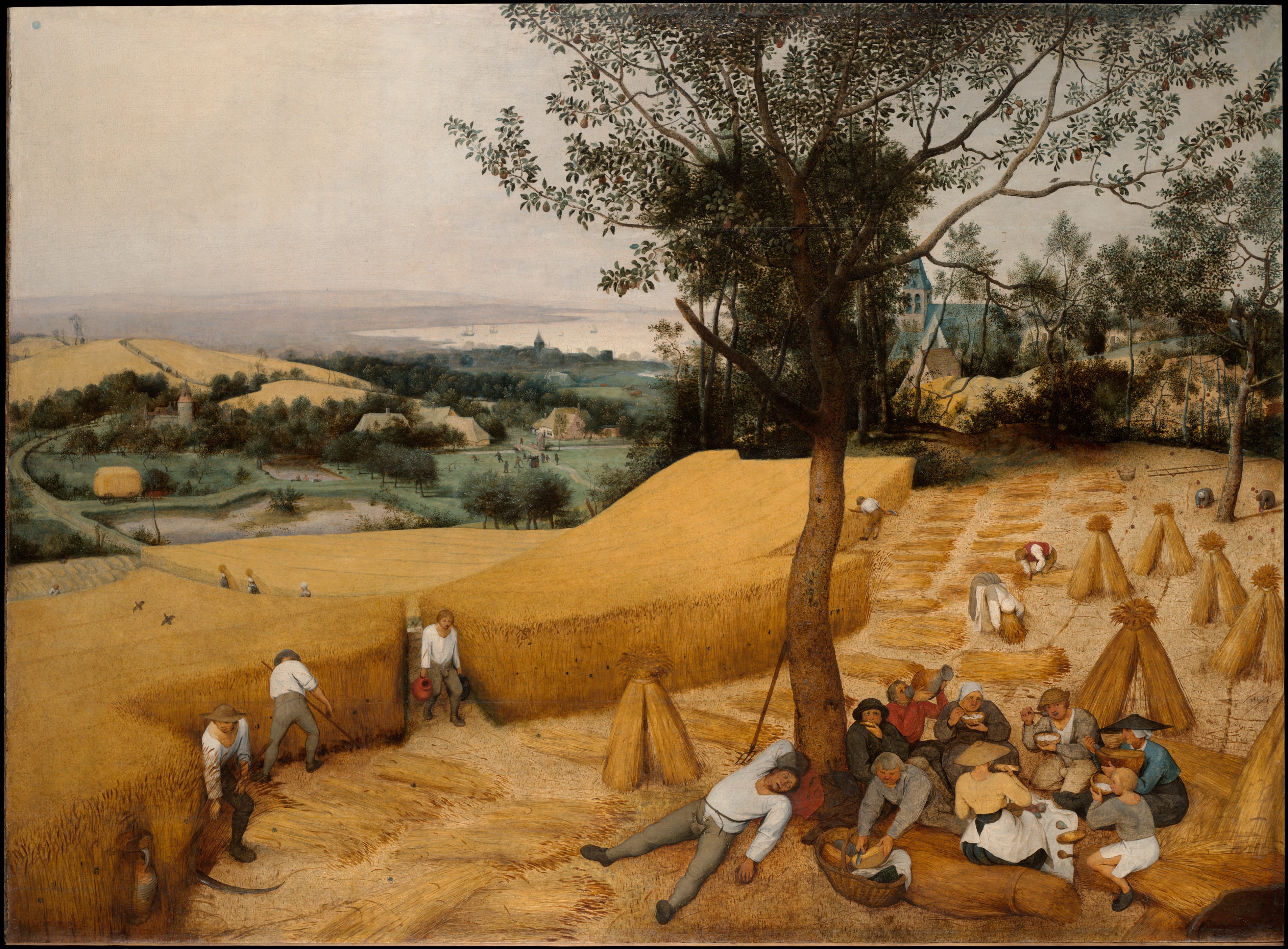
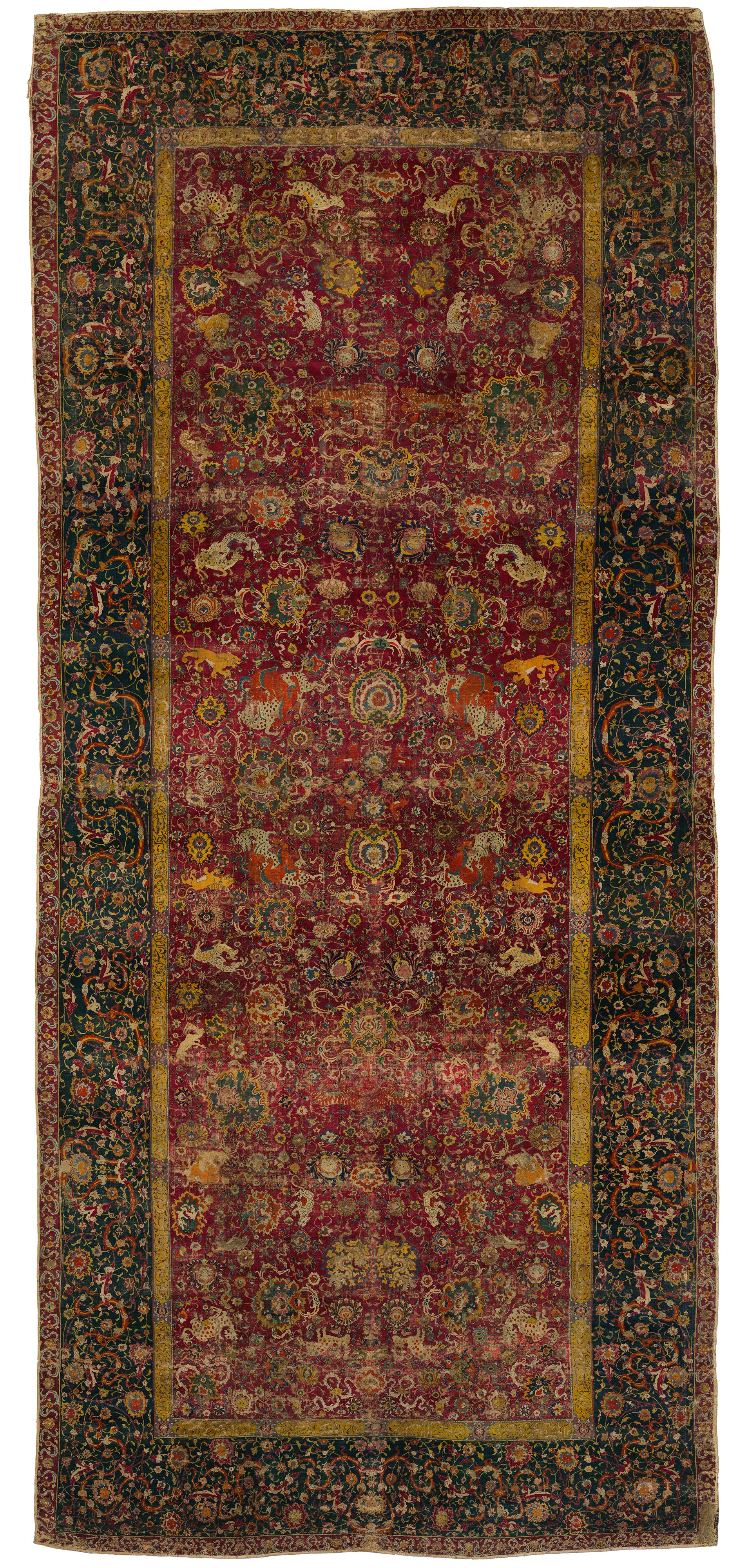
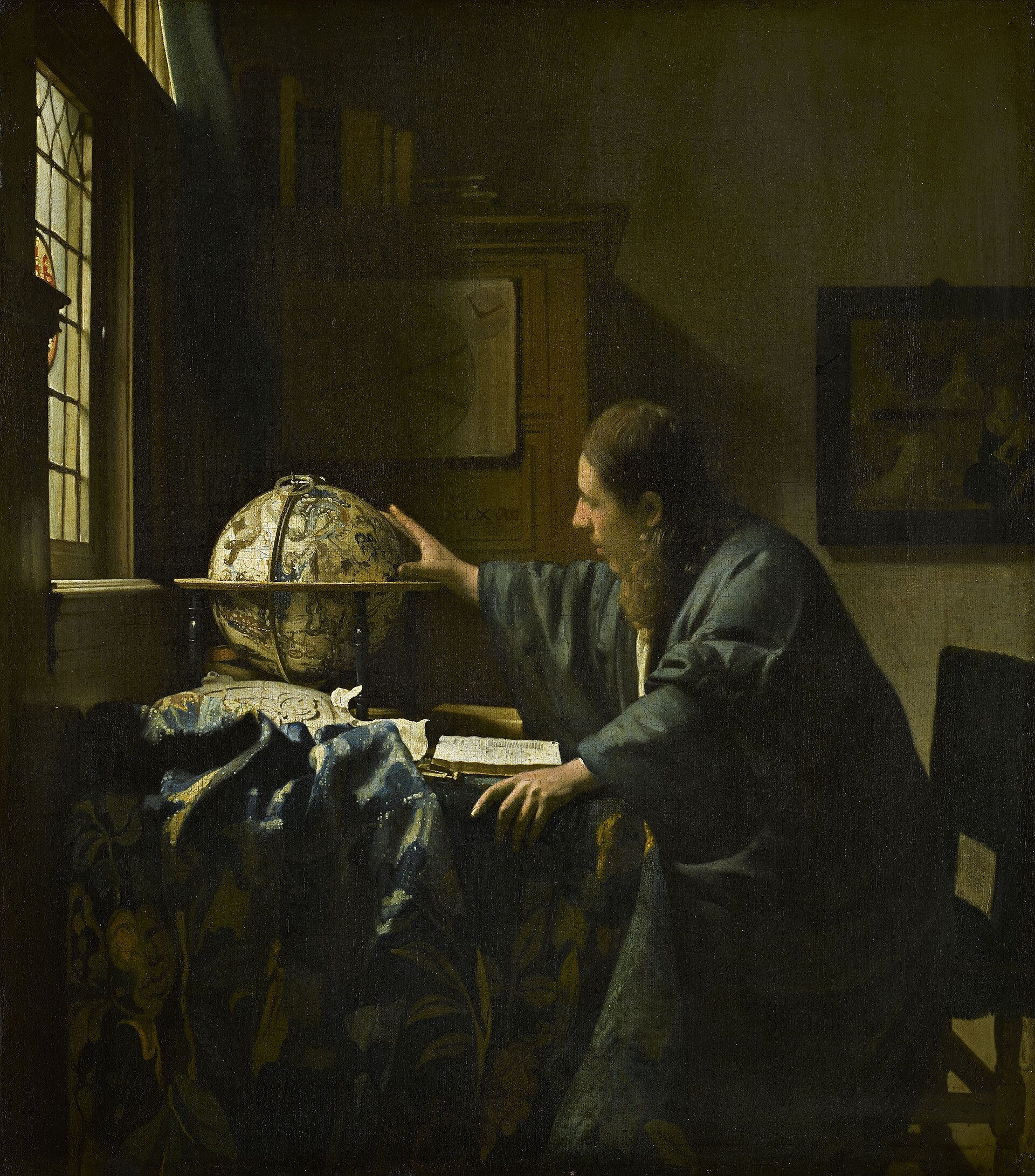
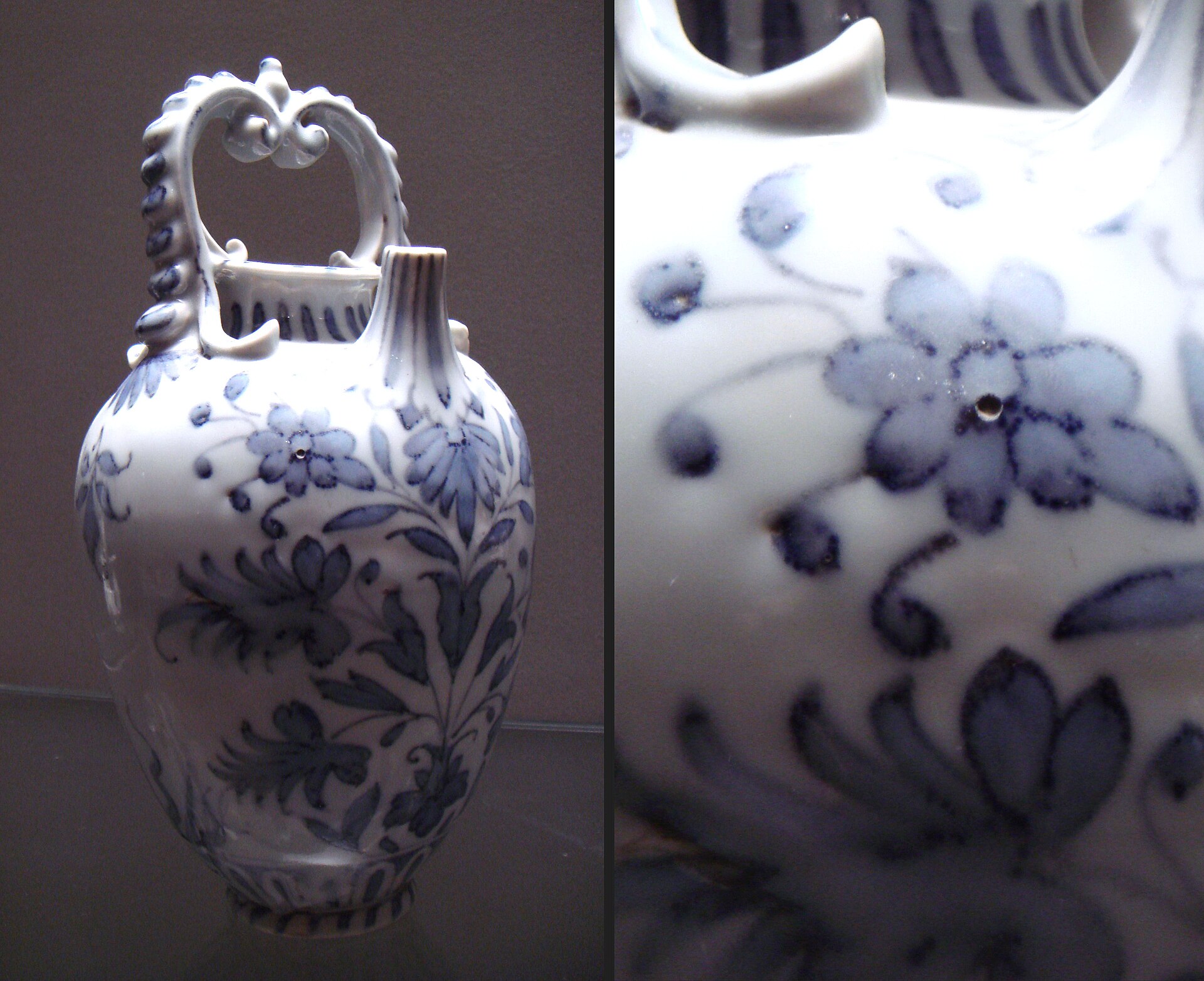
Records in this piece: The Harvesters, The Emperor's Carpet, The Astronomer, Medici Porcelain Ewer, Cabinet
On this page 4 sections
ContentsClose
In short
- Of the 344 published records, 130 lead with a CC0 photograph, and 94 of those 130 are held by the Metropolitan Museum of Art or the Cleveland Museum of Art, which together hold 96 records.
- The Met holds 72 records here and 71 of them lead with CC0. Cleveland holds 24 and 23 lead with CC0. Every other holder together has 36 CC0 leads across 248 records.
- Among flat works (paintings, prints, manuscripts, maps and photographs) 87 of 120 leads are public domain. Among objects the commonest licence is CC0, 100 of 224, and 70 carry a credited CC BY or CC BY-SA photograph.
- A tally of records by holder here follows which museums release photographs freely at least as closely as it follows where objects are. It is not a map of the world's collections.
Ninety-four of the 130 CC0 lead photographs belong to two museums
Ninety-four of the 130 records in this archive that lead with a CC0 photograph are held by the Metropolitan Museum of Art or the Cleveland Museum of Art, which is 72 per cent of the CC0 total from 28 per cent of the 344 published records.
Both museums publish object photographs for reuse. Cleveland says its images of public-domain works and its collection data are offered under CC0. The Met says it waived copyright in its open-access dataset under CC0 and marks covered artworks with the CC0 icon on its collection pages. This archive reads the licence of each lead photograph from the file itself and records it, so the counts below are counts of what the files carry.
| Holder | Records | CC0 | Public domain | CC BY or CC BY-SA |
|---|---|---|---|---|
| Metropolitan Museum of Art | 72 | 71 | 1 | 0 |
| Cleveland Museum of Art | 24 | 23 | 1 | 0 |
| Every other holder | 248 | 36 | 139 | 73 |
| All records | 344 | 130 | 141 | 73 |
Public domain sits on flat works and CC0 or a credited photographer on objects
Public domain is the commonest lead licence among flat works, and CC0 or a credited CC BY photograph is the commonest among objects. Of the 120 paintings, prints, manuscripts, maps and photographs, 87 lead with a public-domain file. Of the 224 other records, 100 lead with CC0, 54 with public domain and 70 with a CC BY or CC BY-SA photograph.
The split follows a working rule of this archive. A faithful photograph of a flat work that is itself out of copyright is treated as a reproduction of it. A photograph of a three-dimensional object is a new picture with its own rights, however old the object, so for armour, silver, glass and furniture the desk looks for an open-access release or a photographer who licensed the file for reuse.
| Kind of work | Records | Public domain | CC0 | CC BY or CC BY-SA |
|---|---|---|---|---|
| Paintings, prints, manuscripts, maps, photographs | 120 | 87 | 30 | 3 |
| All other objects | 224 | 54 | 100 | 70 |
The Louvre reaches the archive through photographers, not a release
The Louvre holds 8 of the records here and its lead photographs split 4 public domain, 2 CC0 and 2 CC BY-SA. The four public-domain leads are three paintings and a 1903 newspaper reproduction of the tiara of Saitaphernes. The other four are photographs by individual photographers on Wikimedia Commons, not releases by the museum: Shonagon put two under CC0, and Vania Teofilo and World Imaging licensed two as CC BY-SA 3.0.
A CC BY-SA licence is a condition of use. The page has to name the photographer, and every plate that rests on one carries the name beside the picture. A museum with no open-access release can still appear here, but only through a photographer who chose to share.
A count by holder measures free photography as much as collecting
A count of records by holder in this archive follows the availability of free photographs at least as closely as it follows the size of any collection. The Met holds 72 records, the Louvre 8, the Rijksmuseum 4 and the Prado 2. Nobody should read those figures as a ranking of the museums.
The archive lists an object only when a free photograph of that exact object exists. A museum that releases photographs under CC0 tends to turn up often, and a museum that does not tends to turn up rarely, whatever it owns. The same applies to every tally this archive publishes by holder, by country or by object type, and each should be read with that in mind.
Questions
This archive lists an object only when a free photograph of that exact object exists. The Met releases photographs of its open-access objects under CC0, and 72 of the 344 published records are Met objects. The count measures licensing as much as collecting.
CC0 is a waiver by the rights holder of copyright and related rights, so a CC0 file can be copied, changed and used commercially without permission. Creative Commons describes it as a dedication to the public domain.
In this archive they are small: the Louvre holds 8 records, the Rijksmuseum 4 and the Prado 2, against 72 for the Met. That follows the licences of the photographs available for each, and says nothing about the size of their collections.
Sources
- 1Cleveland Museum of Art, Open Access page, read 23 November 2026. States that images of public-domain artworks and data for the whole collection are released under CC0. clevelandart.org/open-access
- 2Metropolitan Museum of Art, Open Access CSV README on GitHub, read 23 November 2026. States that the museum waived copyright in its open-access data under CC0 and that covered artworks carry the CC0 icon on its collection pages. github.com/metmuseum/...
- 3Creative Commons, CC0 1.0 Universal deed, read 23 November 2026. Defines the waiver. creativecommons.org/publicdomain/...
- 4Iconotheca, the 344 published records as of 23 November 2026: lead-plate licence field and current-location field counted by this desk. iconotheca.com/artworks
More in Research and Method
The partA Caption Is a Claim: Three Photographs of the Dead
Three photographs of the dead, made in 1858 and 1863, each carried a caption that later evidence cut down.
The Edition Has a Census and the Copy Has a Gap
Counts of surviving Wicked Bibles and first-edition Principias keep rising. The copies in this archive still have no named owner for 239 to 354 years.
No Painting, Print, Map or Photograph Here Needs a Credit Line by Licence, and Twelve of Seventeen Clocks Do
Of 334 lead plates, none of 100 paintings, prints, maps and photographs needs a credit line by licence, against 12 of 17 clocks and instruments.