The Face Klimt Kept, and the Name Nobody Has
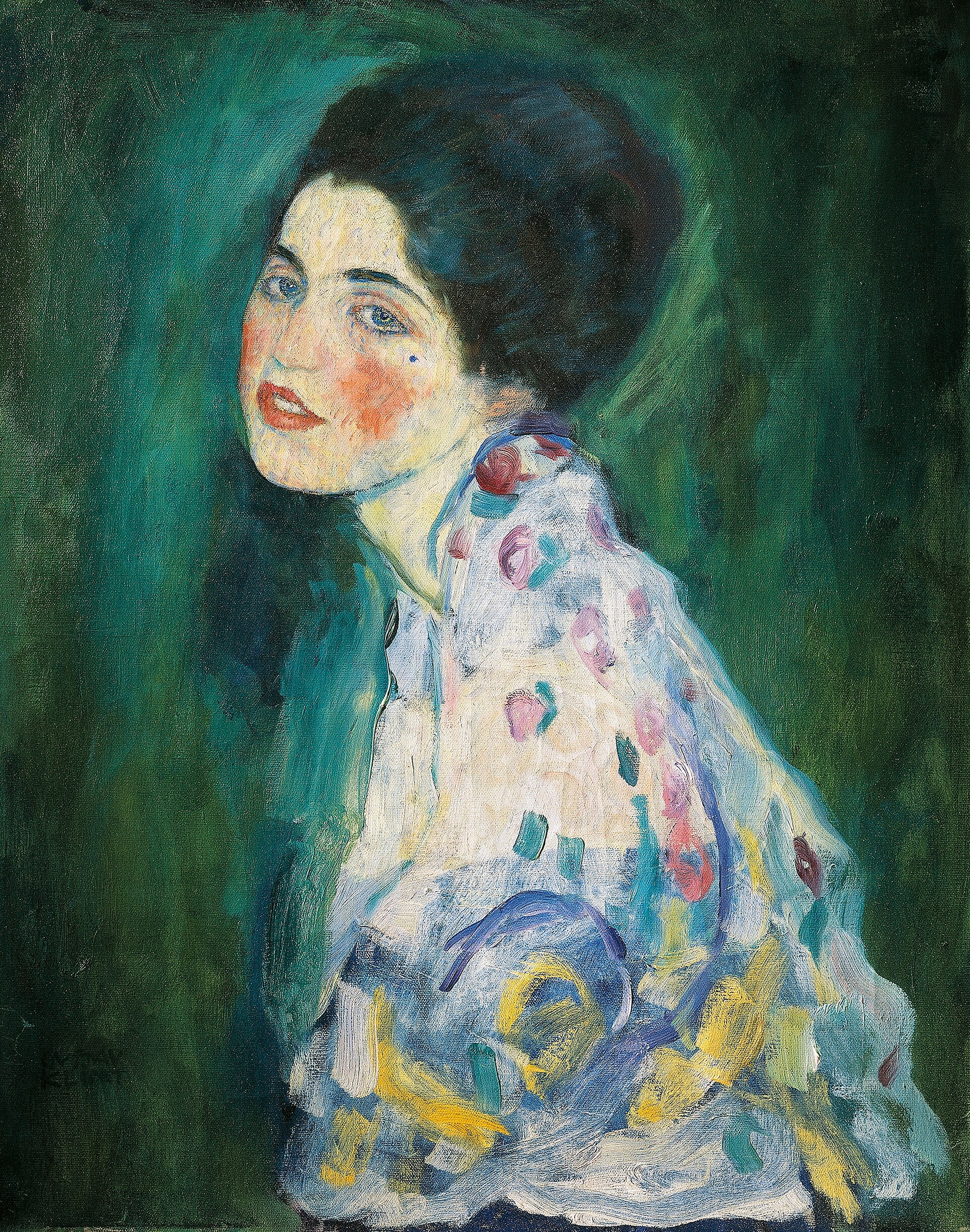
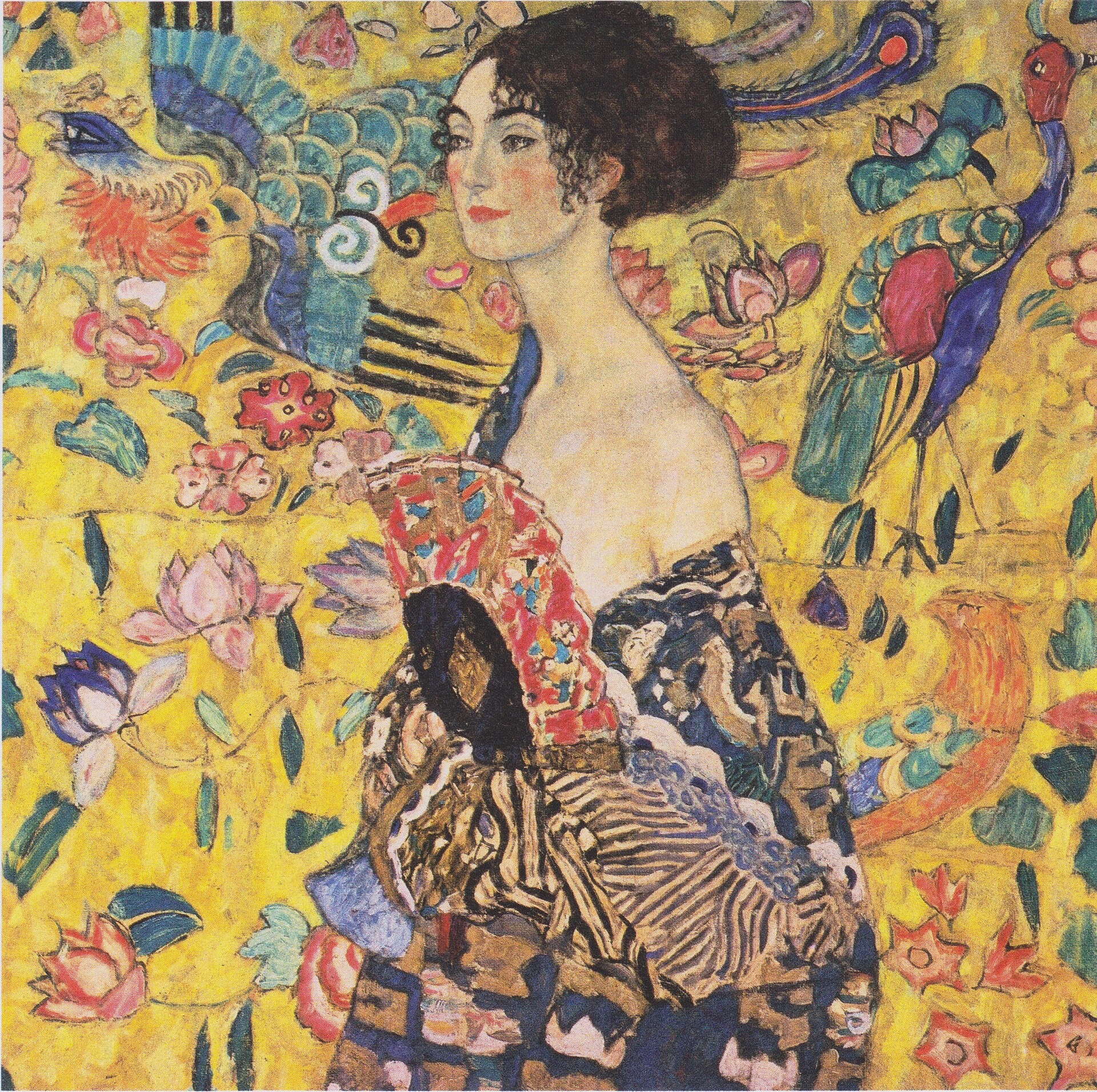
The face in Klimt's Piacenza Portrait of a Lady is the part the gallery says he kept from an earlier picture. No source read names her with any support, and the one candidate in print has a problem.
Records in this piece: Portrait of a Lady, Portrait of Elisabeth Lederer, Portrait of Adele Bloch-Bauer I
On this page 6 sections
ContentsClose
In short
- According to the gallery, the visible face in the Piacenza picture is the face of an earlier portrait. The gallery says Klimt kept the face and the background and repainted the rest, and IlPiacenza reported that the 2020 examination found the face the only part not covered by later paint, the cheeks excepted.
- Whoever she was, she sat for the earlier picture, which the gallery dates to about 1910 (an older catalogue entry says 1912) and which was lost to view for most of a century, not for the picture of 1916 to 1917. Any identification has to be tested against that earlier date.
- No source read for this piece names her. Tobias Natter, who compiled the Taschen catalogue of Klimt's paintings, told the Austrian press agency he cannot say who is shown.
- The one name in print, Consuela Huber, comes with its own objection in the same report: the conspicuous beauty spot on the cheek does not appear on surviving photographs of her. The 2020 examination excepted the cheeks from the unpainted face, so the spot may belong to the second picture. We found no second source for the name.
- A student found the hidden picture in 1996 with photocopies and tracing paper, and the painting vanished the next February. The identity question has had only the evidence of one face to work on ever since.
The face in Piacenza belongs to an earlier picture
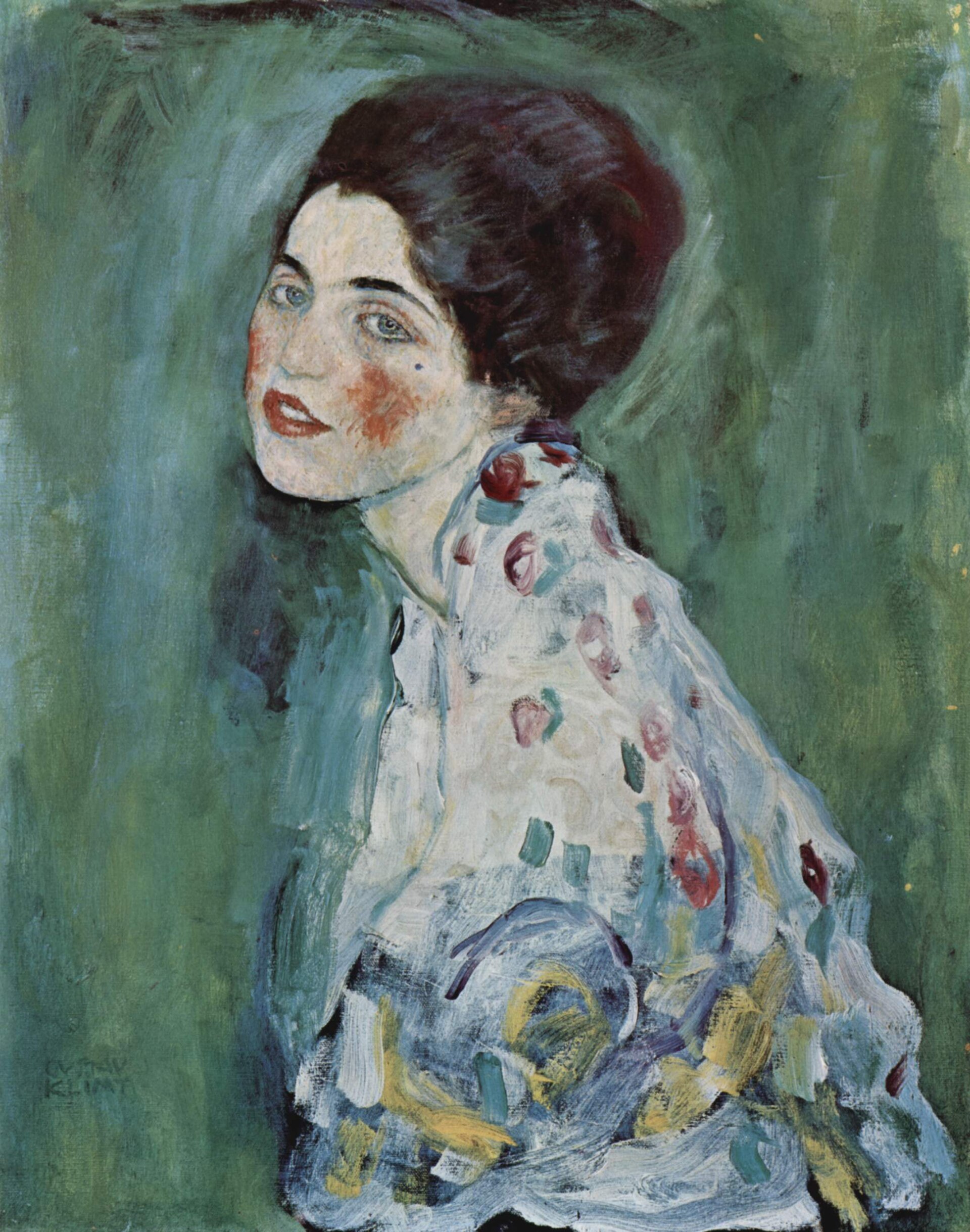
The woman in Klimt's Portrait of a Lady in Piacenza is, according to the gallery, the sitter of an earlier portrait that Klimt painted over, about 1910 by the gallery's dating, some six years before he finished the picture we see. The Galleria d'Arte Moderna Ricci Oddi says the canvas carries, beneath the visible portrait of 1916 to 1917, an earlier portrait of a young woman identical in face and pose, but dressed and coiffed very differently, in Belle Epoque fashion. Klimt then painted the visible picture over it, the gallery says, keeping the background and the face and working decisively on everything else. IlPiacenza words it a little differently below, and the two accounts are not the same claim: the gallery says the face and background were kept, the 2020 report says the face was the only part not covered.
The 2020 examination narrows that further. IlPiacenza reported that the checks showed the face of the woman portrayed to be the only part of the painting not covered by later paint, the cheeks excepted. So the face that looks back over the shoulder is a face from the first picture, with the cheeks reworked.
That changes the question. When people ask who she is, they are asking who sat for Klimt around 1910, not who he painted in the last two years of his life. The gallery's own caption for the buried work is Ritratto di ragazza, a portrait of a girl, with a date of about 1910 (c. 1910 in the gallery's caption, 1912 in the older catalogue entry cited by the record).
What lies under the paint is known from a magazine and a tracing
Klimt's lost earlier portrait, a girl in a hat and scarf, was known for most of a century only from a magazine illustration, until a student recognised it under the Piacenza canvas in 1996. The gallery says it was known only through an image published in 1918 in a German magazine. Artnet News wrote in 2016 that it had not been seen since 1912. That is a date of last sighting and not of painting. The sources that give a date of painting differ: the gallery says about 1910 and an older catalogue entry cited in our record says 1912.
They do agree on how it looked. Artnet News says the woman in the first version wears a scarf and a hat. The Austrian agency report of December 2019, citing the BBC, says the same and adds that X-rays show Klimt overpainted it. The Austrian Klimt scholar Natter remembered the find as embarrassing for art history: the picture had been exhibited and documented, scholars had looked for it in vain, and it turned up under another Klimt in an Italian gallery.
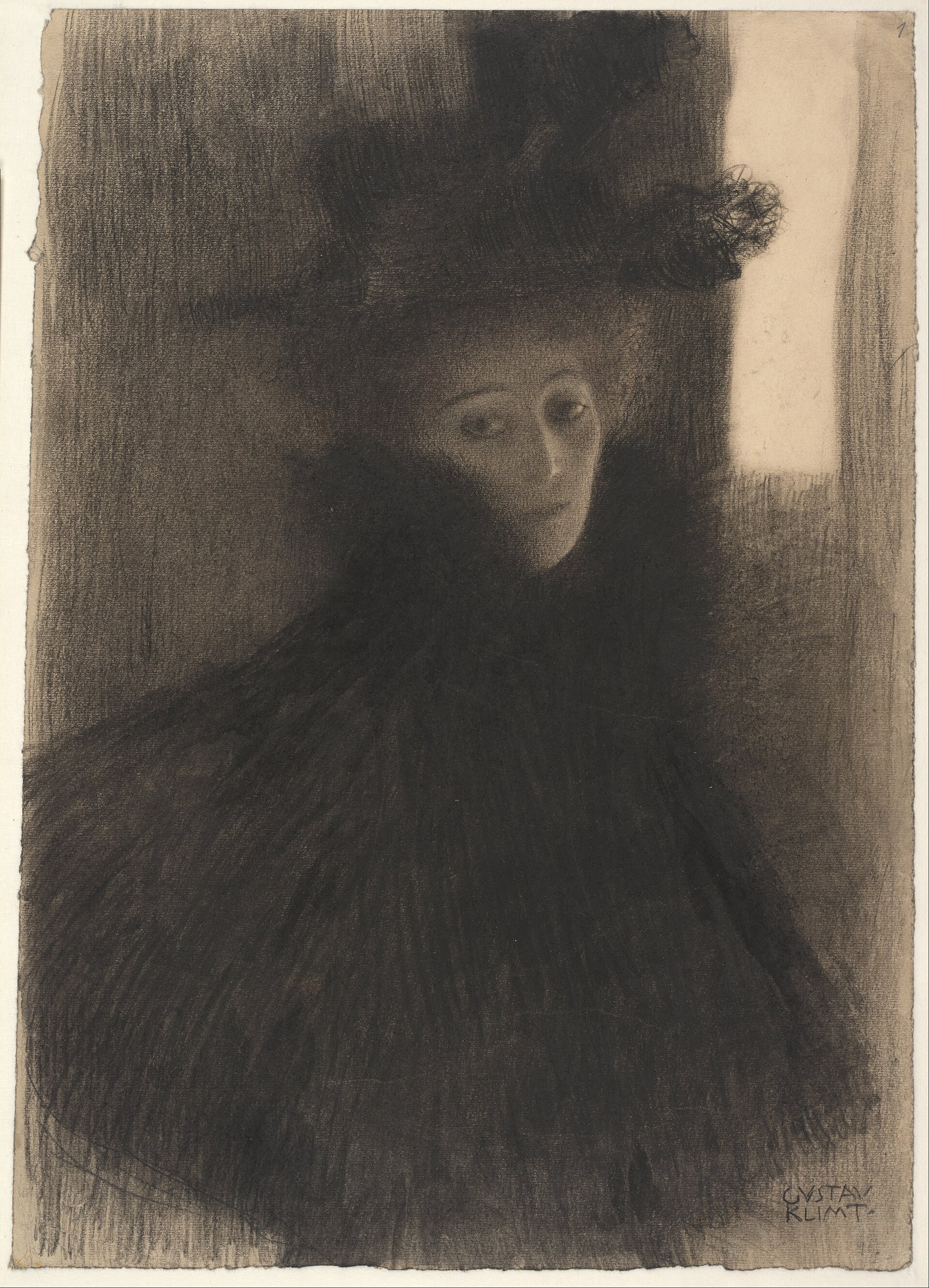
We hold no photograph of the buried portrait that we can show. The plate here is a different Klimt, a drawing of a woman in a hat and cape from 1897 to 1898, and it is shown only so that a reader can see what a hat and a cape look like in Klimt's hand, never as the lost picture.
A schoolgirl matched the two faces on tracing paper
Claudia Maga, a final-year pupil at the Colombini art institute in Piacenza, found Klimt's lost portrait beneath the Piacenza canvas in 1996 by laying one reproduction over another. Corriere della Sera reported in December 2019 that she was preparing her research for the school-leaving examination and was leafing through a monograph in a library that carried illustrations of both pictures. She photocopied and enlarged the photographs, drew the outline of the lost portrait on a transparent sheet and laid it over the Piacenza picture.
In the account Corriere quotes from the time she said the face and many other details coincided perfectly and that her heart was in her throat. She also told herself that some important critic must surely have noticed already. Nobody had. IlPiacenza says she worked with the gallery director Stefano Fugazza. The gallery says its own account of the double portrait began with her curiosity and was then confirmed by the examinations the canvas was put through.
What her method established is a match of face and pose. It did not establish a name, and nothing in the account we read says anyone has tried to name the sitter from the two images since.
The one name offered for her, and what stands against it
Three statements about the sitter of the Piacenza Portrait of a Lady are in print in the sources we read, and none of them is an identification. The table sets out who says what and what each leaves open.
| Source | What it says | What it leaves open |
|---|---|---|
| Galleria Ricci Oddi, own page | Describes a young woman, differently dressed in the first version. Gives no name. | Who she was, and where Klimt met her |
| Die Presse, APA report, 11 Dec 2019 | Natter cannot say who is shown. Names Consuela Huber as Klimt's official companion until 1918 and says the title Backfisch would almost fit her, since she was 15 when she became pregnant. Adds that the beauty spot on the cheek is at least not visible on surviving photographs of her. | The report offers the name as a thought and answers it in the same paragraph. We found no second source for the name. |
| Artnet News, Dec 2016 | Says supposedly the first portrait was of Klimt's dead love, repainted out of grief. | Names no one and gives no source for the claim |
The date is not the obstacle. Die Presse says Huber bore Klimt a first child in 1912, and a sitting about 1910 to 1912 would fit a girl of fourteen to sixteen. The only objection the report itself raises is the beauty spot.
One detail is worth stating carefully. The beauty spot the report relies on sits on the cheek of the visible picture, and the 2020 examination excepted the cheeks from the unpainted-over face. None of the sources we read says whether the spot belongs to the first picture or the second.
Her picture was missing for twenty-two years
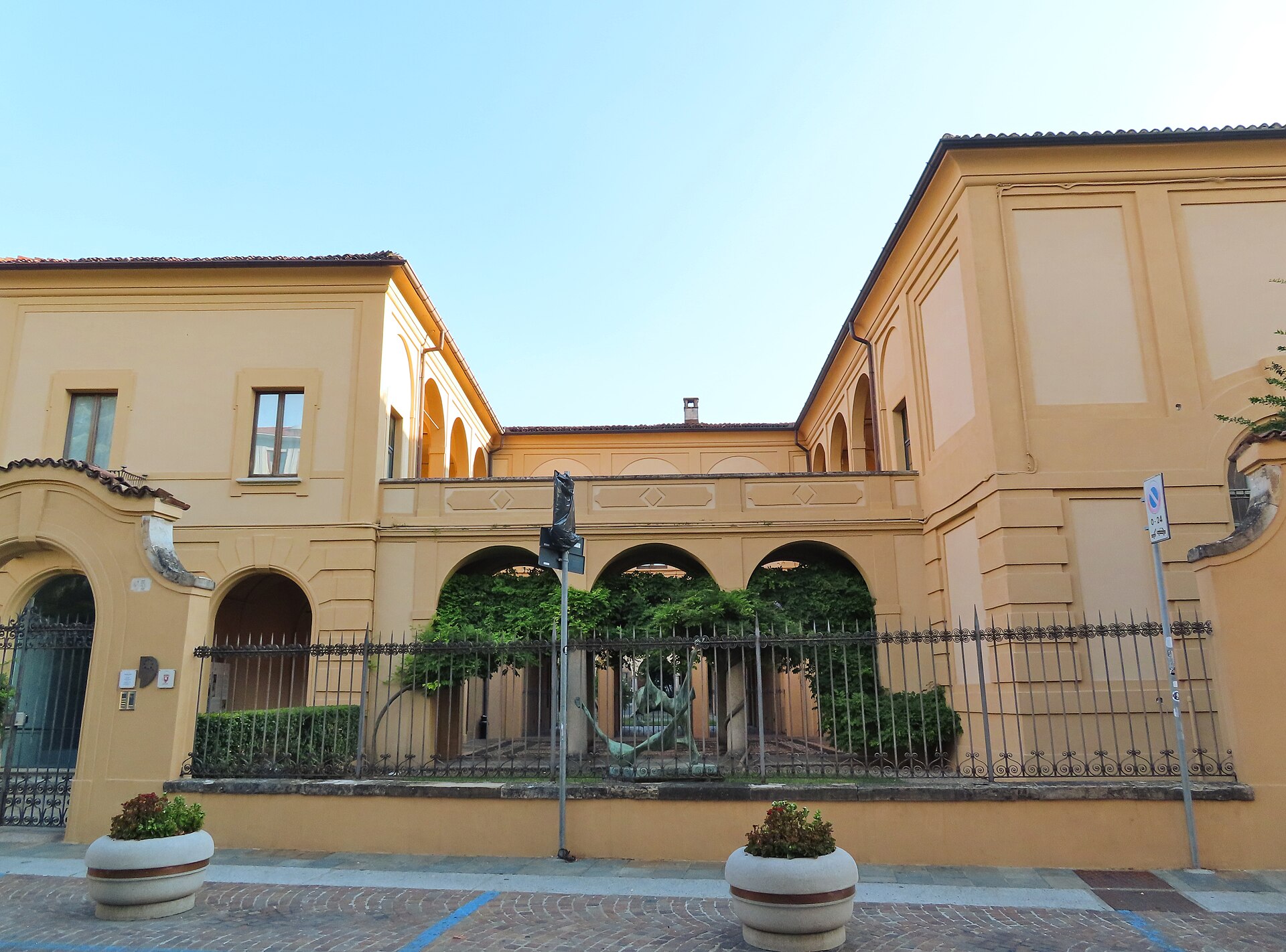
Klimt's Portrait of a Lady disappeared from the Piacenza gallery on 22 February 1997, and the gallery says the investigations never managed to clarify how it was taken. The record the gallery gives of its return is as short. On 10 December 2019 gardeners working along the outside wall found a small compartment closed by a door with no lock, and in it a plastic bag holding the canvas.
So the picture was taken from view within a year of the hidden portrait being recognised. For twenty-two years the canvas was not available to anyone who wanted to look at the face again. Experts appointed by the Piacenza prosecutor's office reported on 17 January 2020 that it was the stolen painting, and the multispectral imaging by the Rome centre Il Cenacolo confirmed the buried portrait again.
The titles say a young woman and name nobody
Every label attached to the picture or to the one beneath it is a description and not a name. The gallery calls the visible canvas Ritratto di signora, a lady, and the buried one Ritratto di ragazza, a girl. The report of the 2020 examination calls the buried one Ritratto di fanciulla adolescente, an adolescent girl, and the Austrian agency report gives its German title as Backfisch, the word for a girl in her early teens.
Ragazza, fanciulla adolescente and Backfisch all suggest a young sitter, and the labels are all a reader has. Signora, the gallery's title for the visible picture, says only that she is a lady. We found no document in which Klimt or a contemporary gives her age, and the gallery states none. The sources read do not establish who coined each title, and a label cannot stand in for a record of who she was.
This archive holds two Klimt portraits whose sitters are named, Adele Bloch-Bauer and Elisabeth Lederer. The Piacenza portrait sits next to them as the case where a Klimt face survives without any name attached. The Austrian report places it in a series of women's portraits Klimt made between 1916 and 1918.
Questions
No source read names her with any support. The Galleria Ricci Oddi gives no name, and Tobias Natter, who compiled the Taschen catalogue of Klimt's paintings, told the Austrian press agency in December 2019 that he cannot say who is shown.
It is a suggestion in one Austrian agency report and not an identification. The same report says that the beauty spot on the cheek is not visible on surviving photographs of her, though the cheeks may be the part of the face that was repainted. We found no second source for the name.
An earlier portrait of a young woman with the same face and pose, but dressed in Belle Epoque fashion with a different hairstyle, according to the gallery. Artnet News and the Austrian agency report say she wears a scarf or shawl and a hat. Klimt kept the face and background when he repainted it.
Claudia Maga, then a final-year pupil at the Colombini art institute in Piacenza, found it in 1996 by laying a tracing of the lost portrait over the Piacenza picture. IlPiacenza says she did so with the gallery director Stefano Fugazza. Multispectral imaging by the Rome centre Il Cenacolo confirmed it, and again in 2020.
Sources
- 1Galleria d'Arte Moderna Ricci Oddi, 'Gustav Klimt: Ritratto di signora'. The holding institution's page: the 1916 to 1917 canvas, the earlier portrait of a young woman identical in face and pose and differently dressed in Belle Epoque fashion, the preserved face and background, the image of 1918 in a German magazine, Claudia Maga, the disappearance of 22 February 1997 and the recovery of 10 December 2019. Read in full as raw HTML. riccioddi.it/klimt.php
- 2Die Presse, APA report, 'Viele Raetsel um wiedergefundenes Klimt-Portraet in Italien', 11 December 2019. Tobias Natter on the sitter, the scarf and hat of the first version, the Backfisch title, Consuela Huber and the beauty spot. Read in full as raw HTML. diepresse.com/5736738/...
- 3Corriere della Sera, 'Piacenza, il Klimt e l'incredibile storia del quadro nascosto sotto la tela, scoperta da una studentessa 18enne', 11 December 2019. Claudia Maga's account of the tracing-paper comparison, in her own words from the time. Read in full as raw HTML. corriere.it/cronache/...
- 4IlPiacenza, Emanuela Gatti, 'Il Klimt e autentico ed e in discrete condizioni. Dov'e stato per ventidue anni?', 17 January 2020. The examination finding that the face is the only part not covered by later paint, the cheeks excepted, and the multispectral confirmation by Il Cenacolo, Rome. Read in full as raw HTML. ilpiacenza.it/attualita/...
- 5Artnet News, Sarah Cascone, 'Confessed Thief in 1997 Gustav Klimt Heist Claims Canvas Will Soon Be Returned', 9 December 2016. The scarf and hat, the date 'since 1912' and the line 'Supposedly, the first portrait was of Klimt's dead love'. Read in the in-app browser after a 403 on a plain fetch. news.artnet.com/art-world/...
More in The Women Behind the Art
The partWho Stitched the Bayeux Tapestry? What the Documents Say About English Women's Embroidery
No document names who stitched the Bayeux Tapestry. What Domesday, the 1476 inventory and the Queen Matilda story show about English women's...
The Two Women in the Oseberg Ship, and the Queen Nobody Named
Two women lay in the Oseberg ship in 834. What the bones, isotopes and DNA show, and how a queen and a servant were read into a grave that no text...
The Name on the Rim: What Documents Say About Projecta
The Projecta Casket names its bride in one line of Latin. What the British Museum, Dalton 1901, an epitaph and Parliament say about her, and what is...