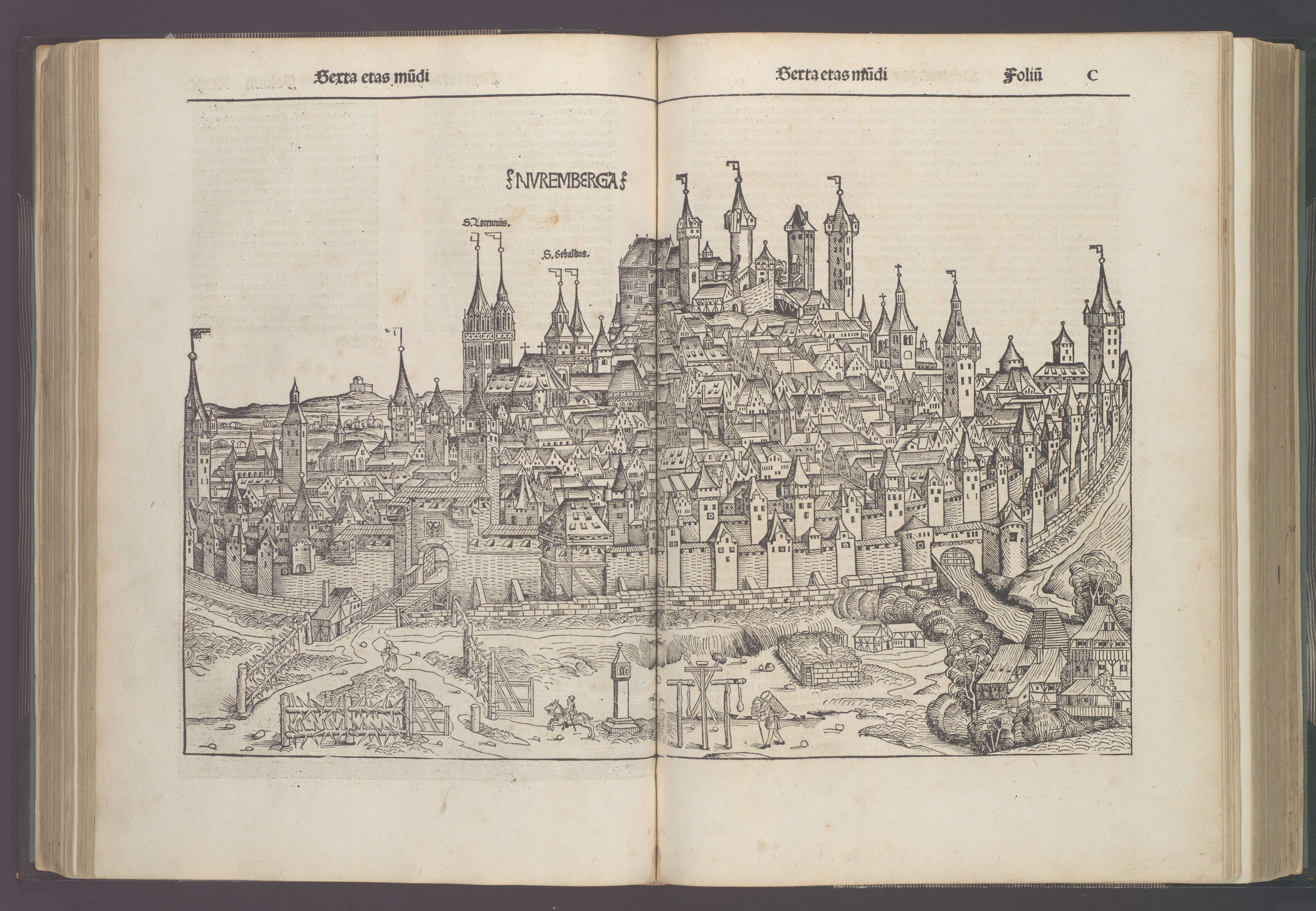
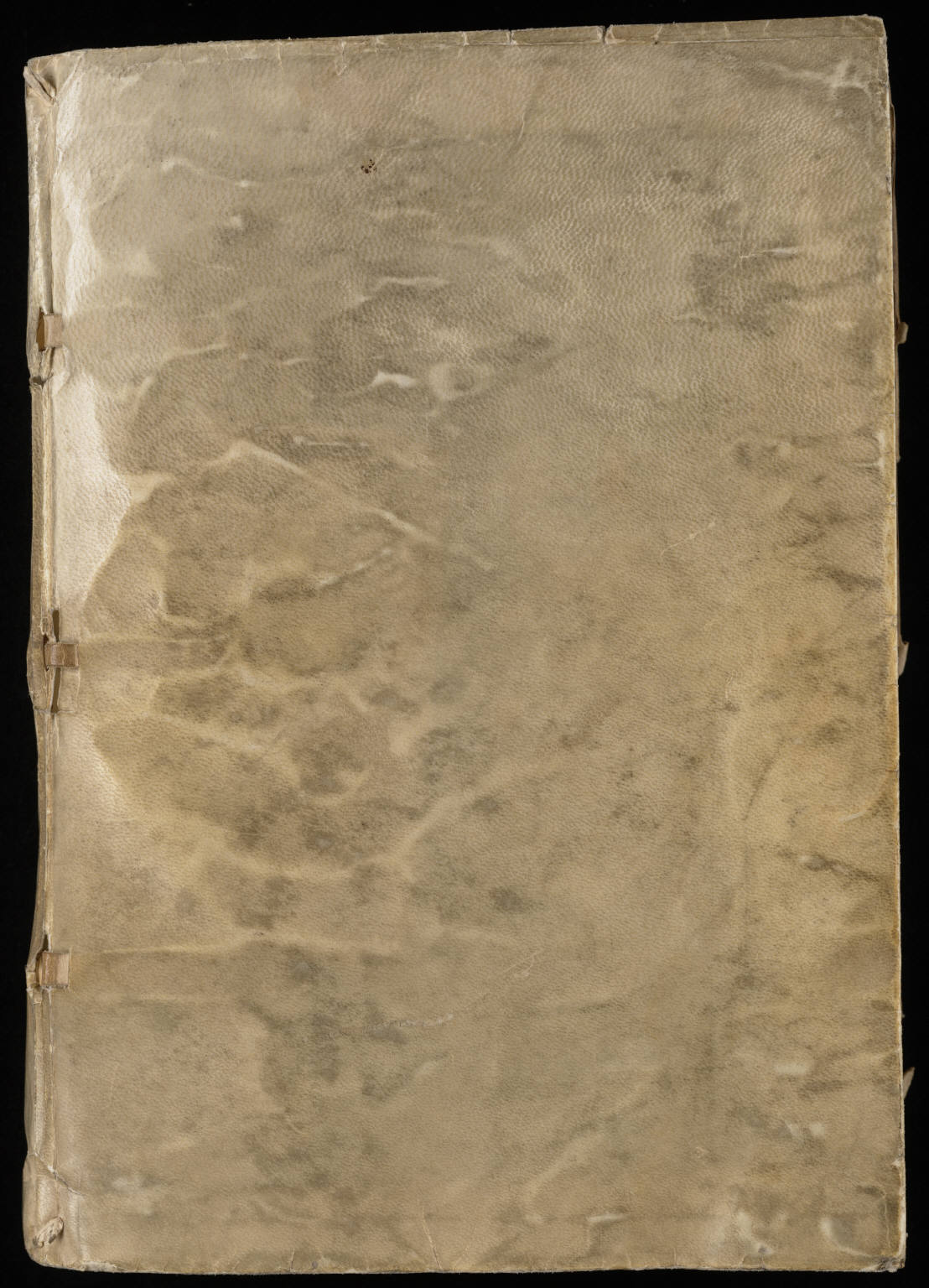
Liber Chronicarum, the Khuner copy
1493 · Letterpress on paper
The Metropolitan Museum of Art, New York
 German (Franconian, Nuremberg) · 1434-1519
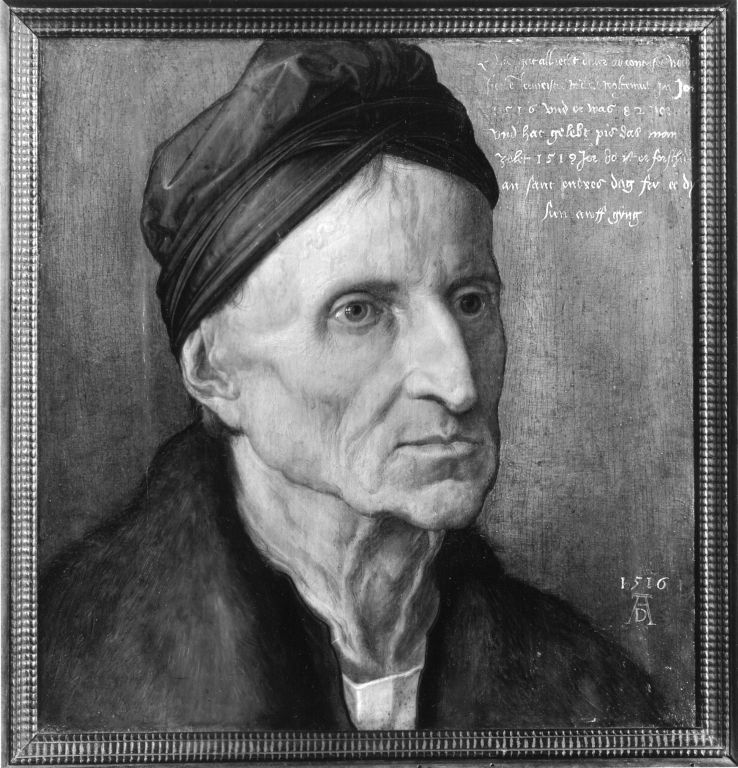
Albrecht Durer's 1516 portrait of his former teacher, painted when Wolgemut was eighty-two and inscribed by Durer, who added the date of Wolgemut's death in 1519 to his own earlier inscription. The identification is secure: Durer names the sitter and gives his exact age in his own hand.
Bayerische Staatsgemaldesammlungen, Munich (on loan to the Germanisches Nationalmuseum, Nuremberg)| Full name | Michael Wolgemut (also spelled Wohlgemut and, in some catalogues, Wohlgemuth) |
|---|---|
| Worked as | Painter, Woodcut designer, Workshop head |
| Born | 1434 · Nuremberg |
| Died | 30 November 1519 · Nuremberg |
| Nationality | German (Franconian, Nuremberg) |
| Movement | Late Gothic to early German Renaissance, Nuremberg school |
| In this archive | 1 artwork |
| Sources | 14 cited |
| Last verified |
About this page 1 artwork in the archive · Last verified · 14 sources cited
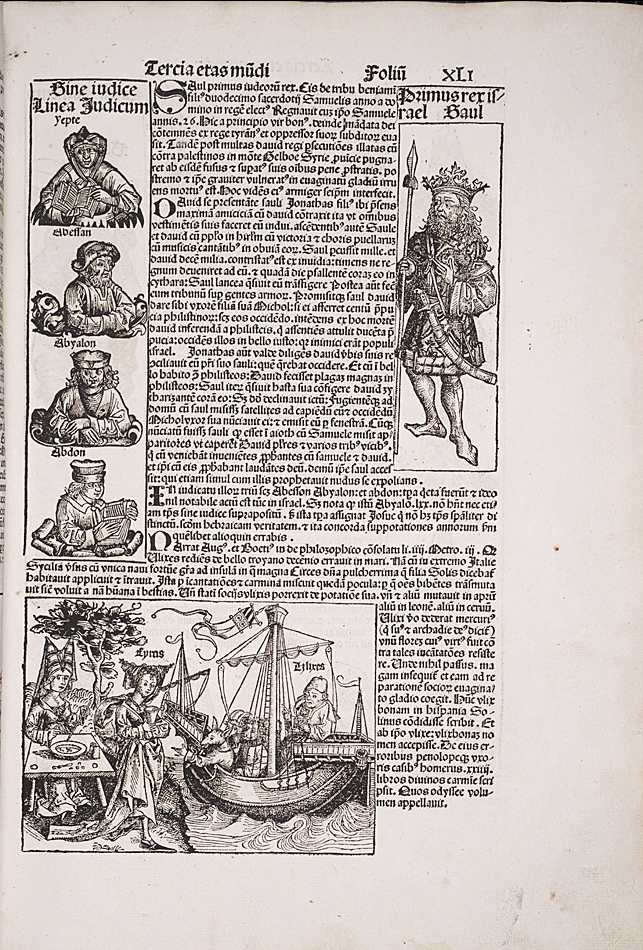
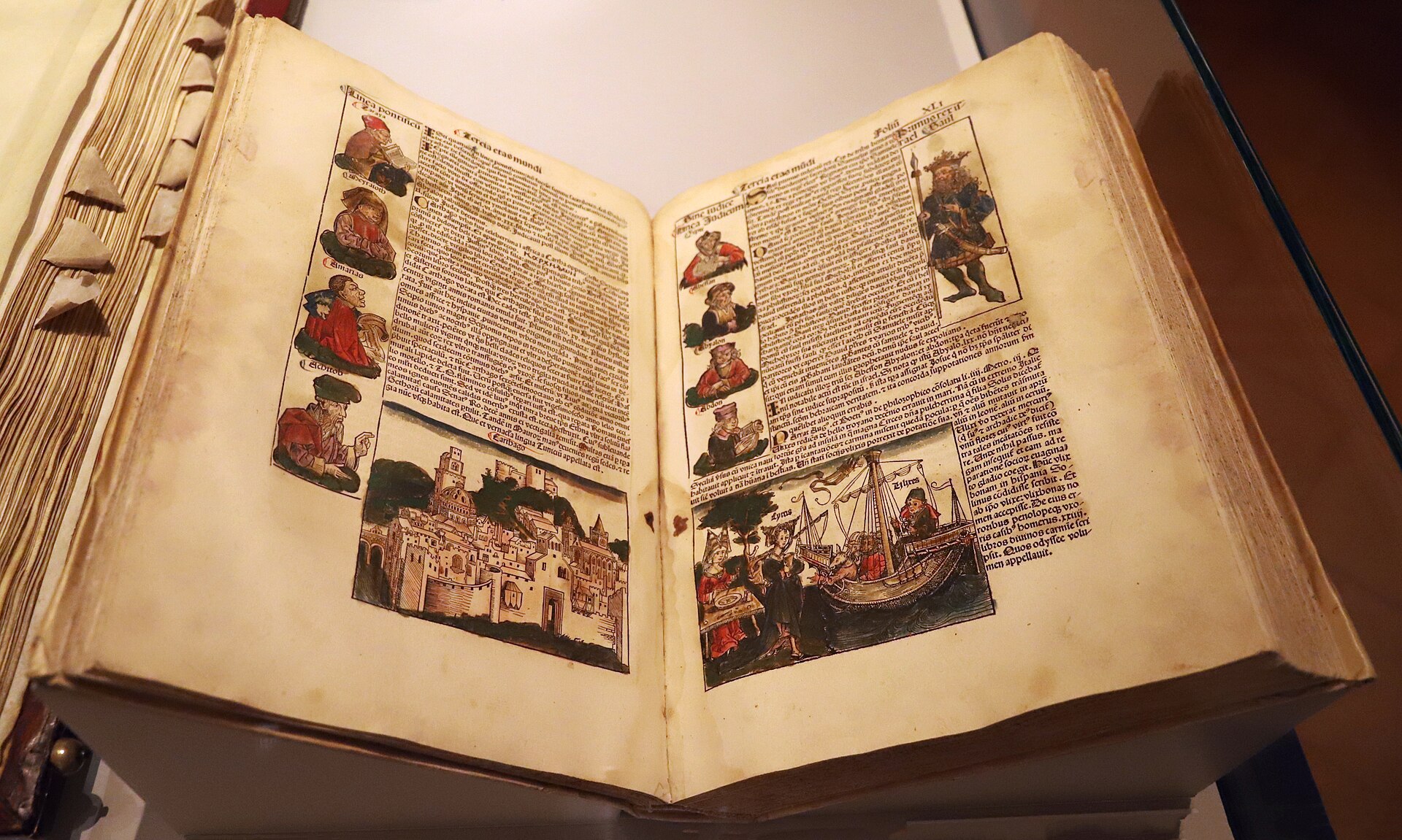
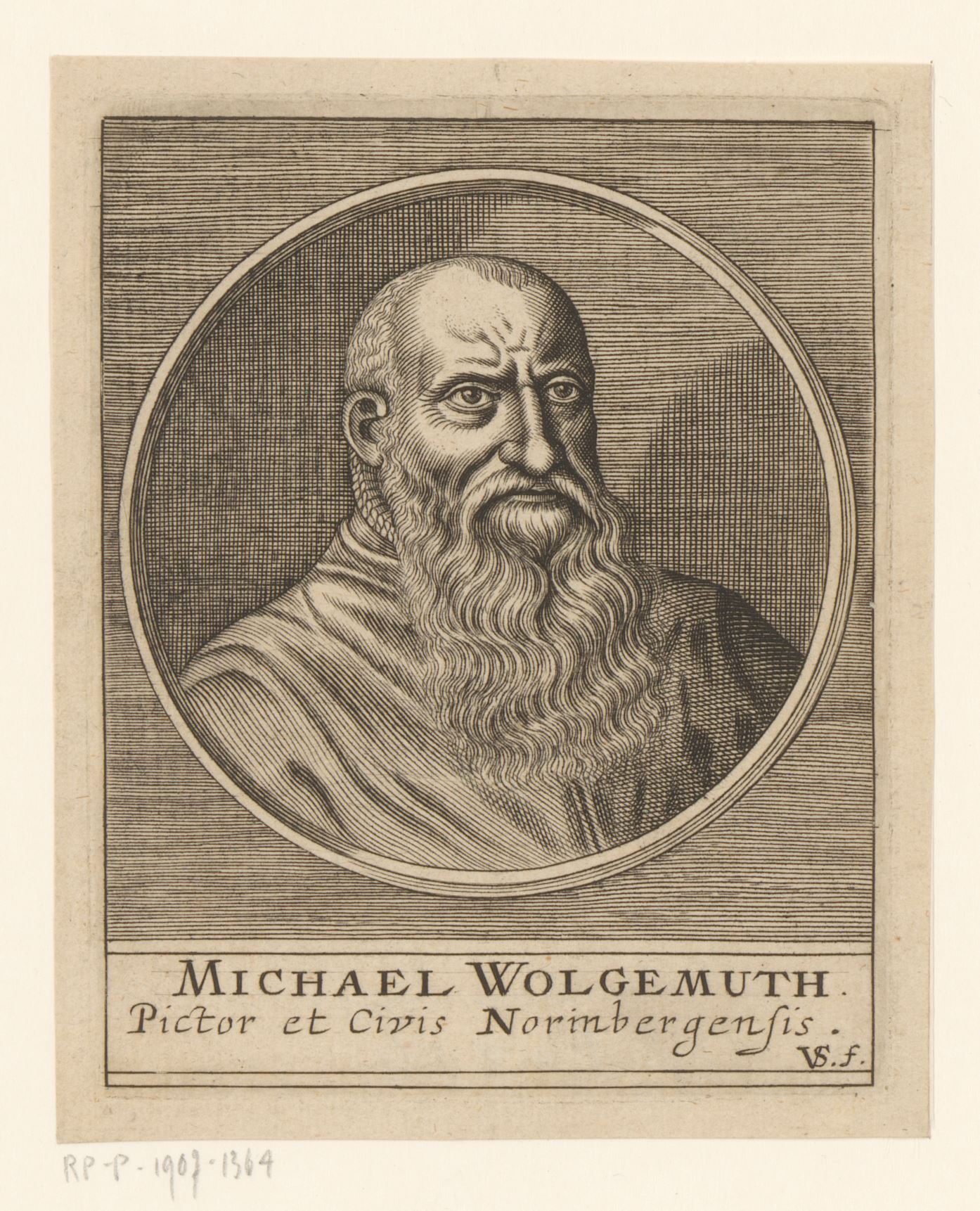
Michael Wolgemut ran the largest painting and woodcut workshop in Nuremberg for the last three decades of the fifteenth century, and for most of the five centuries since he has been known mainly for one thing: he taught Albrecht Durer to draw. That is true and it undersells him. His workshop supplied the 1,809 woodcut pictures for the Nuremberg Chronicle of 1493, the largest illustrated printing project of its century, and it did so from only about 645 physical blocks, a production trick rather than a shortfall, and the key to how a book of that size was ever made affordable.
Almost nothing that left his workshop is signed. That is ordinary for the period and it is also the whole difficulty: panel paintings, altarpiece wings and woodcut designs alike are given to "Wolgemut" on a documented payment, on a stylistic match to the handful of commissions that are documented, or on resemblance alone, and those three grades of evidence carry very different weight. The hardest and most consequential version of the problem concerns his most famous apprentice: some of the Chronicle's woodcuts may carry Albrecht Durer's hand from his 1486-89 apprenticeship in the shop, and no scholar has ever been able to prove which ones, or to prove that any can be identified at all.
He also painted his teacher back, in a manner of speaking. In 1516, three years before Wolgemut died at eighty-two, Durer sat him for a portrait and later added, in his own hand, the date and circumstance of his teacher's death. It is one of the most personal pictures made in Nuremberg in this period, painted by a pupil who had by then long surpassed him.
Born in Nuremberg, son of the painter Valentin Wolgemut.1
Death of his father Valentin Wolgemut.1
Works briefly with the painter Gabriel Malesskircher in Munich before returning to Nuremberg.1
Marries Barbara, widow of the painter Hans Pleydenwurff, gaining her late husband's established workshop. Some sources date the marriage to 1473.13
Paid 1,400 Rhenish guilders for the high altarpiece of St Mary's church, Zwickau.34
Wilhelm Pleydenwurff, Wolgemut's stepson, becomes his formal workshop partner. The workshop also illustrates the Schatzbehalter der wahren Reichthumer des Heils, printed by Anton Koberger.1
Contract signed with Sebald Schreyer and Sebastian Kammermeister to design and oversee the woodcut illustrations for Hartmann Schedel's world chronicle.2
Second contract, with the printer Anton Koberger, fixes the terms of paper supply and printing for the Chronicle.2
The Latin edition of the Nuremberg Chronicle is published.2
The German edition, Das Buch der Croniken und Geschichten, is published.2
Wilhelm Pleydenwurff dies, probably still in his thirties.1
Workshop decorations for the Goslar town hall.1
Retable for the parish church at Schwabach, a major commission executed in his mid-seventies.1
Dies in Nuremberg, on Saint Andrew's day, at eighty-two. Durer adds the date to the inscription on his 1516 portrait.789
A dictionary entry on Wolgemut's life and work appears in Thieme-Becker, sometimes attributed to Fritz Traugott Schulz; the attribution and exact date are not independently confirmed here.11
Nine-venue exhibition "Michael Wolgemut - Not Just Durer's Teacher" marks the 500th anniversary of his death.10
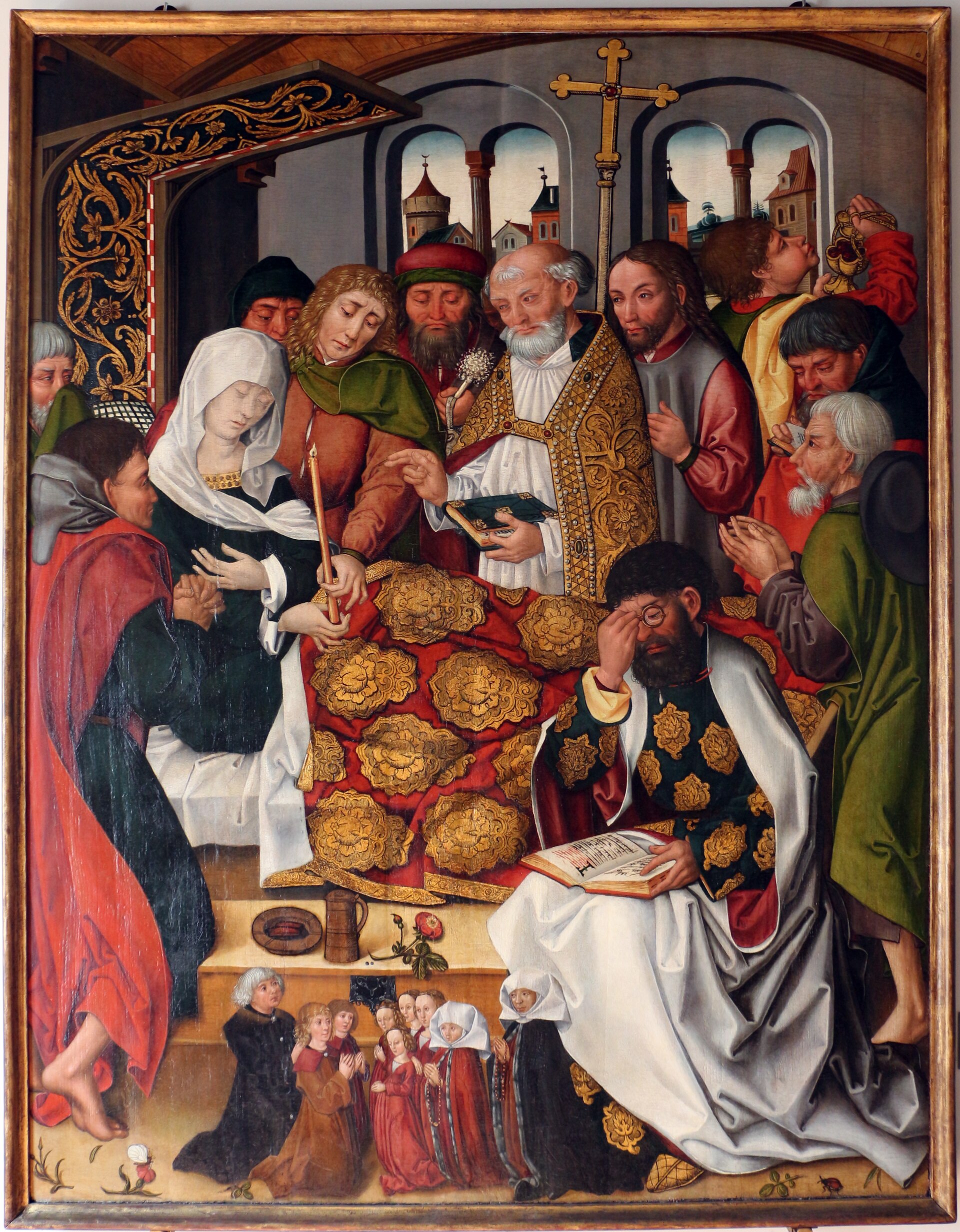
The market in Wolgemut's own name is thin to the point of being close to untested. None of the documented, payment-anchored commissions - the Zwickau, Hof, Peringsdorffer or Schwabach altarpieces - has come to sale in the period covered by this research; they remain in the churches and institutions that hold them. The smaller attributed panels that do surface in the literature, the Thyssen-Bornemisza Portrait of Levinus Memminger, the Palazzo Venezia Death of the Virgin and a privately held Pieta with donors, are all recorded in institutional or long-settled private hands with no sale price found in the sources consulted. That absence is itself the finding: a firmly autograph Wolgemut panel essentially does not trade.
What does trade under his name is the Nuremberg Chronicle as a printed book, and that market prices Hartmann Schedel and Anton Koberger's publication as an incunable rather than Wolgemut's individual hand as a painter. A complete first edition from the Robin Satinsky Collection of Illustrated Books sold at Bonhams New York on 15 October 2021 for a hammer price of USD 63,750, USD 81,562.50 with buyer's premium. Individual hand-coloured leaves cut from later, defective copies of the Chronicle circulate at a small fraction of that: past lots at Dorotheum in Vienna listed under Wolgemut's name, undated in the listing viewed for this record, realised between EUR 350 and EUR 896 each. The gap between a EUR 350 single leaf and an 81,562 dollar complete copy is itself a measure of how much of the book's value sits in its completeness and rarity as an object, separate from any judgment about whose hand designed a given picture inside it.
| Date | Sale | Work | Result | Note |
|---|---|---|---|---|
| 15 October 2021 | Bonhams | Liber Chronicarum (Nuremberg Chronicle), complete first edition, the Robin Satinsky Collection of Illustrated Books | With premium 81,562.50 USD | Bonhams' own lot page states only the total price achieved, "Sold for US$81,562.50 inc. premium," with no separate hammer figure published; a back-calculation against Bonhams' usual published premium schedule would only approximate a hammer price, so none is stated here rather than inventing one. Sale of Schedel and Koberger's printed book, catalogued under Schedel as author; Wolgemut and Pleydenwurff's workshop supplied the woodcut designs and oversight but the book is not sold as the artist's individual work. |
Hammer is the price at which the bidding stopped; with premium adds the fee the house charges the buyer on top. Hammer price and buyer's premium in the glossary.
| Institution | City | Holdings | Note |
|---|---|---|---|
| Germanisches Nationalmuseum | Nuremberg | The largest concentration of panels attributed to the workshop; long-term loan venue for Durer's 1516 portrait of Wolgemut. | Hosted the panel-painting strand of the 2019-2020 anniversary exhibition. |
| Bayerische Staatsgemaldesammlungen | Munich | Owns Durer's 1516 portrait of Wolgemut, inventory 700 (on loan to Nuremberg). | |
| St Mary's Church (Marienkirche) | Zwickau | The 1479 high altarpiece, in its original building. | |
| Friedenskirche | Nuremberg | The Peringsdorffer altarpiece. | |
| Church of the Holy Trinity | Hof | High altarpiece completed by Wolgemut's workshop after Pleydenwurff's death. | |
| Stadtkirche | Schwabach | 1508 retable. | |
| Museo Nacional Thyssen-Bornemisza | Madrid | Portrait of Levinus Memminger, attributed. | Attribution reassigned from an anonymous hand around 1932. |
| Museo Nazionale di Palazzo Venezia | Rome | Death of the Virgin, attributed. | |
| The Metropolitan Museum of Art | New York | A complete copy of the Nuremberg Chronicle (the George Khuner copy). | Covered on this site as a separate record. |
Wolgemut was born in Nuremberg in 1434 and trained first under his own father, Valentin Wolgemut, also a painter.
Wolgemut was born in Nuremberg in 1434 and trained first under his own father, Valentin Wolgemut, also a painter. He then worked as an assistant to the established Nuremberg painter Hans Pleydenwurff and spent a brief spell, around 1471, with the painter Gabriel Malesskircher in Munich, before returning to his late father's workshop in Nuremberg.
Pleydenwurff died young, and around 1472 Wolgemut married his widow. The marriage brought him a going business rather than a blank workshop: an established clientele, equipment and, in due course, a stepson. That stepson, Wilhelm Pleydenwurff, grew up inside the shop, became Wolgemut's formal partner from 1491, and died in January 1494, probably still in his thirties, one year after the book that made the workshop famous went to press. For the twenty-two years of their partnership the two men's altarpiece commissions were executed jointly, and separating which hand painted which figure on a shared panel is, by the workshop's own surviving documentation, frequently not possible.
On 29 December 1491 two Nuremberg merchants, Sebald Schreyer and his son-in-law Sebastian Kammermeister, contracted Wolgemut and Pleydenwurff to design and oversee the illustrations for a world...
On 29 December 1491 two Nuremberg merchants, Sebald Schreyer and his son-in-law Sebastian Kammermeister, contracted Wolgemut and Pleydenwurff to design and oversee the illustrations for a world history compiled by the Nuremberg physician and humanist Hartmann Schedel. The two painters were to lay out the book, supervise the cutting of the woodblocks, and guard the designs against piracy before publication. A second contract, signed in March 1492 with the printer Anton Koberger, Nuremberg's largest publisher and Durer's own godfather, fixed the terms for paper and printing and specified that the blocks and the master copy would be returned to the patrons once the print run was finished. Schreyer and Kammermeister advanced 1,000 gulden against paper, printing and the eventual sale of the finished books.
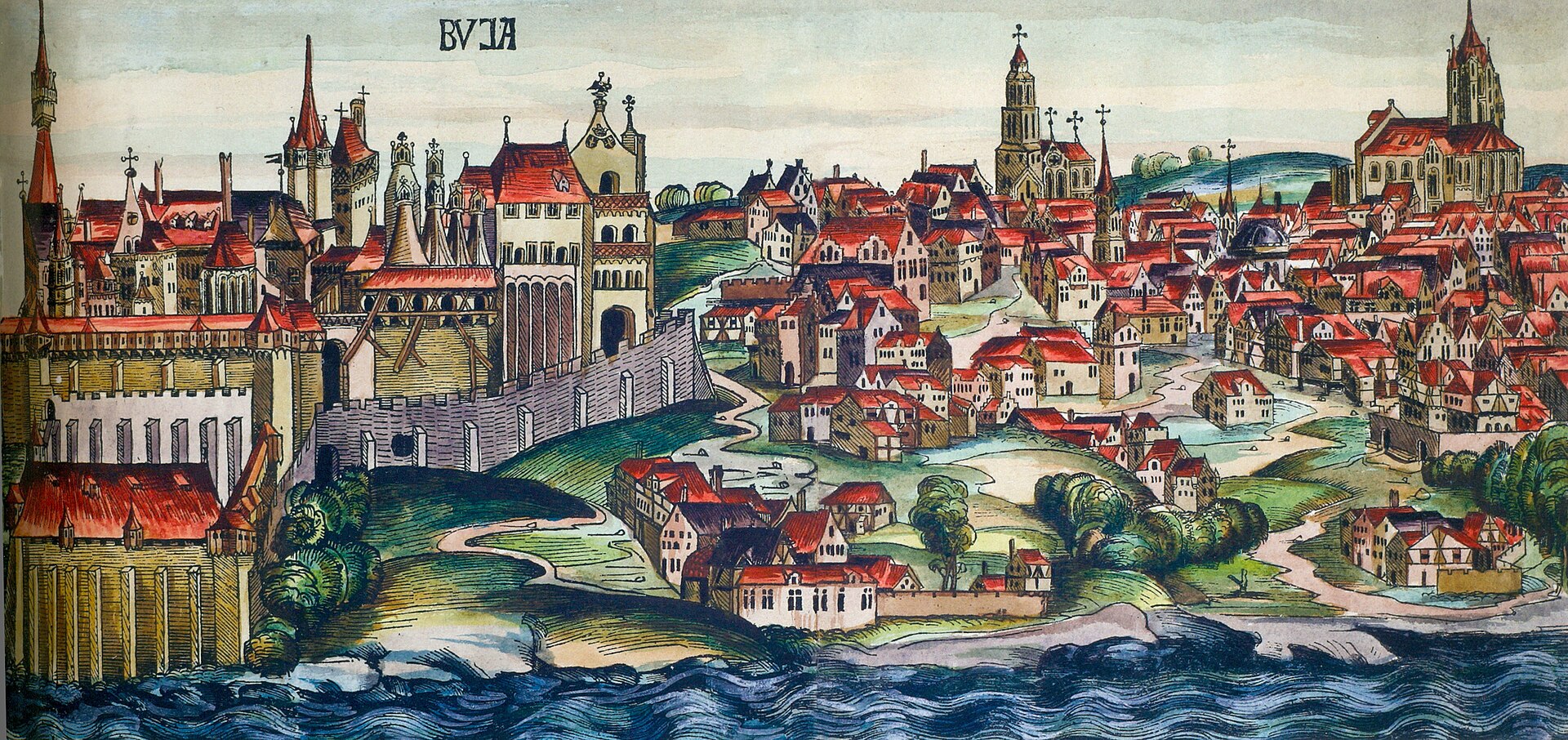
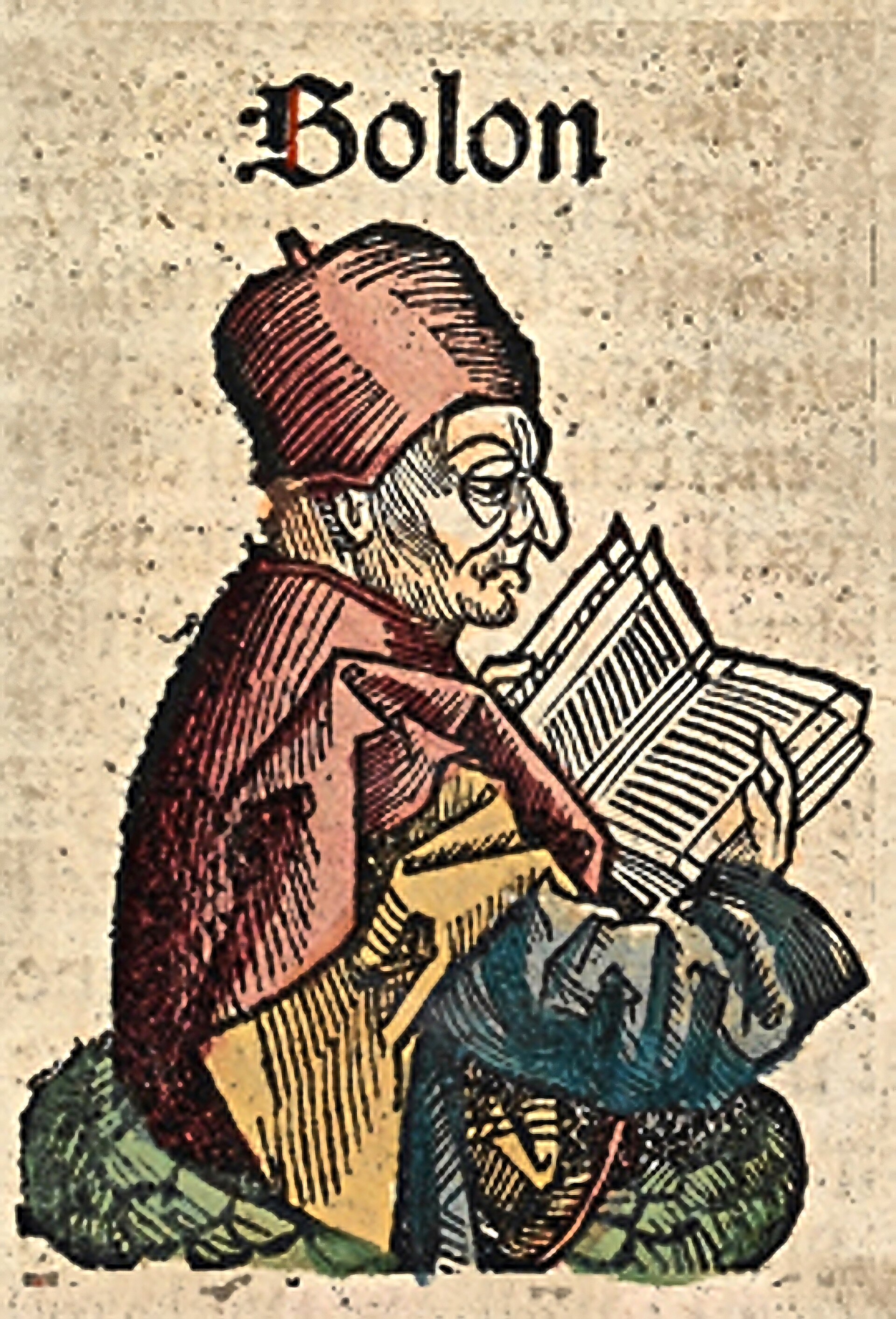
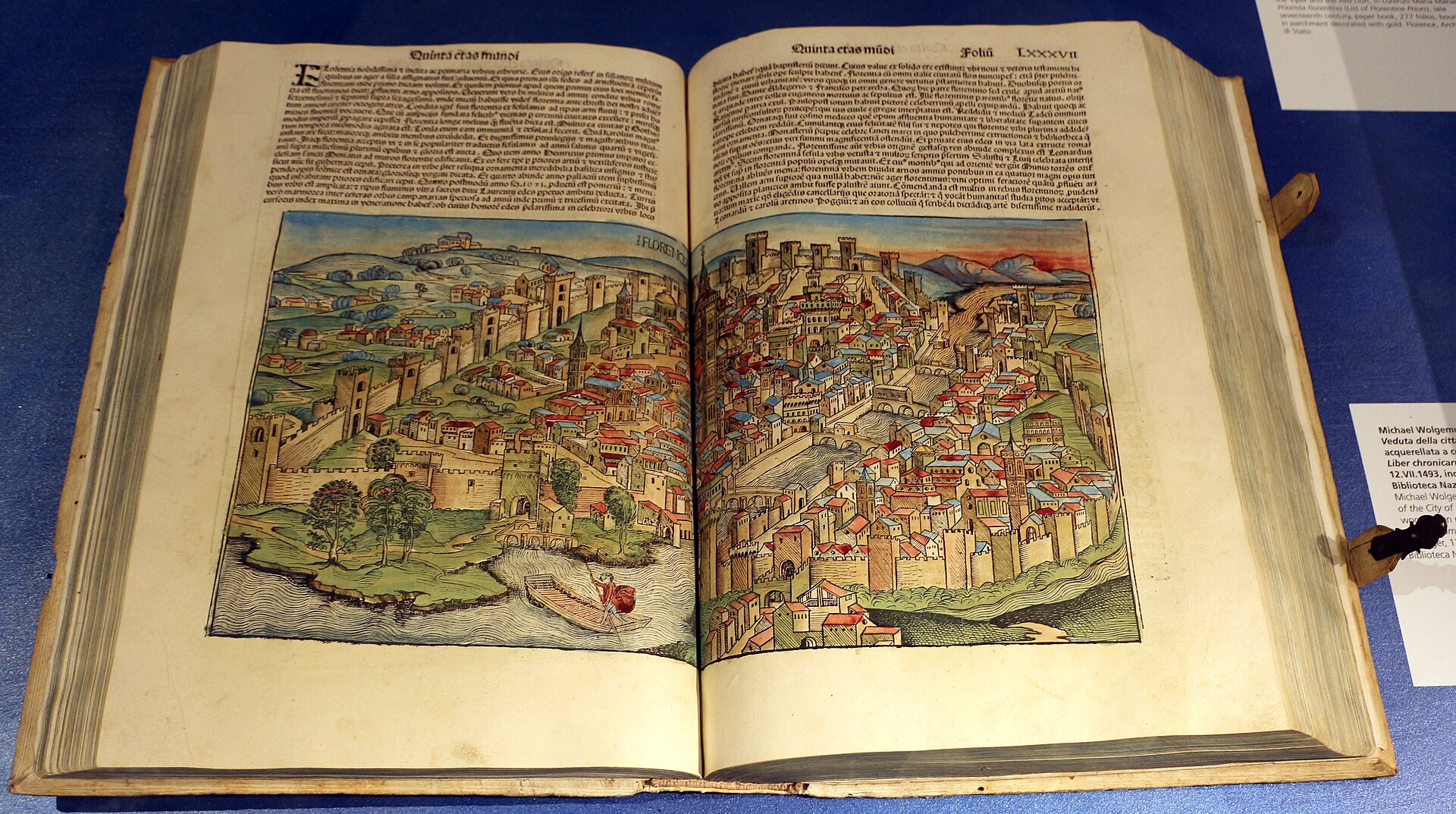
The Nuremberg Chronicle, published in Latin on 12 July 1493 and in a German edition that December, carries 1,809 individual woodcut impressions, but they were pulled from only about 645 physical blocks. Many pictures are reused wholesale for different subjects: a single "worthy" portrait block serves for several different named popes, emperors or philosophers in turn, and some stock images recur up to eleven times under different captions. The view of Florence derives from an existing engraving by Francesco Rosselli and the view of Venice adapts an existing woodcut by Erhard Reuwich; only the most important cities, including Nuremberg itself, received a purpose-made double-page block. This is not corner-cutting hidden from the reader - it is the economics that made an illustrated book of this scale possible to print and sell at all, and it is also why counting "how many woodcuts" a workshop produced is a different and much smaller question than counting how many pictures the finished book contains.
The book sold well enough to be a commercial risk worth taking twice: contemporary record puts the print run at roughly 1,400 to 1,500 Latin copies and 700 to 1,000 German copies, and a note from 1509 records 539 Latin and 60 German copies still unsold sixteen years after publication. A modern census by the bibliographer Paul Needham counts 1,287 surviving Latin copies and 343 German, making it one of the best-preserved major printed books of the fifteenth century - a fact that itself depends on the workshop's production choices, since a cheaper, block-sharing book could be printed in a larger run and consequently had better odds of copies surviving in numbers.
The Chronicle's text follows the standard medieval division of world history into six ages, from the Creation to the Flood, the Flood to Abraham, Abraham to David, David to the Babylonian captivity...
The Chronicle's text follows the standard medieval division of world history into six ages, from the Creation to the Flood, the Flood to Abraham, Abraham to David, David to the Babylonian captivity, the captivity to the birth of Christ, and Christ's birth down to the compilers' own present, which is by far the longest section. Schedel then adds a seventh, prophetic section that is not history at all: an account of the coming Antichrist and, beyond it, the Last Judgment, illustrated with one of the book's most sought-after woodcuts, a scene of monstrous combat in the sky read as the battle of Armageddon.
That structure was the point of the commission, not an incidental frame for the city views collectors now prize. Schreyer and Kammermeister were not paying for a picture book; they were paying to put a complete, illustrated account of the world's past and its foretold end into the hands of anyone who could afford a copy, ending on the same events every reader of the period would have heard preached from a pulpit. The workshop's job was to make that account visually authoritative city by city, ruler by ruler, all the way to a future its readers were told to expect and prepare for. Reading the book only for its views and portraits, as most modern collectors and many older library descriptions do, misses what it was actually for.
Albrecht Durer, godson of the Chronicle's printer Anton Koberger, apprenticed in Wolgemut's workshop from 1486 to 1489, then left Nuremberg on his journeyman travels before returning and setting up...
Albrecht Durer, godson of the Chronicle's printer Anton Koberger, apprenticed in Wolgemut's workshop from 1486 to 1489, then left Nuremberg on his journeyman travels before returning and setting up his own independent shop in 1495. The Chronicle's design work is thought to have begun as early as 1488, which puts at least some of it inside the window of Durer's apprenticeship, and generations of scholars have wondered whether the future master's hand can be found among the book's illustrations.
No one has settled it, and the reasons are structural rather than a failure of connoisseurship. Durer was not yet using the monogram that identifies his later work, and no artist in Wolgemut's shop signed an individual contribution to the Chronicle: authorship of a given block is attributed to the workshop as a whole, not to a named hand, by the surviving documentation itself. Some scholars hold that an eighteen-year-old still under contract to his master is exactly the kind of junior hand a large commission would put to routine work, and that the overlap between his training and the start of design work makes his involvement plausible. Others hold that his formal apprenticeship had ended by the time the bulk of the cutting was done, and that there is no documentary basis for singling out any particular woodcut as his rather than a fellow apprentice's or a journeyman's. Both positions are argued in good faith from the same two facts - the dates of his apprenticeship and the date design work began - and neither side has a piece of evidence the other lacks. Which woodcuts, if any, are Durer's remains unknown, and it is worth being honest that it may be unknowable.
Wolgemut's documented commissions anchor the small, secure end of his corpus.
Wolgemut's documented commissions anchor the small, secure end of his corpus. The high altarpiece for St Mary's church in Zwickau was built in 1479 and paid to him at 1,400 Rhenish guilders, a sum large enough to establish him as one of the city's leading masters at that date; even here, the painted panels show visible differences in hand between Wolgemut, Pleydenwurff and unnamed workshop employees, and who carved the reredos's sculpture is not recorded at all. His workshop also finished the high altarpiece for the Church of the Holy Trinity in Hof, a commission originally contracted to Pleydenwurff and completed under Wolgemut after his partner's death, and produced the Peringsdorffer altarpiece for a Nuremberg church, now in the city's Friedenskirche, and a retable for the parish church in Schwabach as late as 1508, evidence that he was still directing large commissions in his mid-seventies.
Beyond that documented core, attribution gets softer fast, and one small portrait shows exactly how. The Museo Thyssen-Bornemisza's Portrait of Levinus Memminger, a panel barely 34 by 23 centimetres, was catalogued in 1927 by the scholar Ernst Buchner as the work of an anonymous painter identified only by the initials W.B. Around 1932, two years before the Thyssen collection acquired it, the scholar Wenke reassigned it to Wolgemut and identified the sitter by comparing his face to a donor portrait on the Saint Catherine altarpiece in Nuremberg's Lorenzkirche - a stylistic argument, not a document. That is the ordinary route by which a Wolgemut attribution is made: an old label to an anonymous or minor hand is replaced once someone finds a plausible stylistic link to a documented commission, and the replacement then stands, largely untested, in later catalogues. A panel treatment of the Death of the Virgin at the Museo Nazionale di Palazzo Venezia in Rome and a Pieta with kneeling donors recorded in a private Italian collection are both given to Wolgemut on the same kind of basis, without the payment record that anchors Zwickau or Schwabach.
One further attributed panel shows how an attribution history and a provenance gap can sit on top of each other.
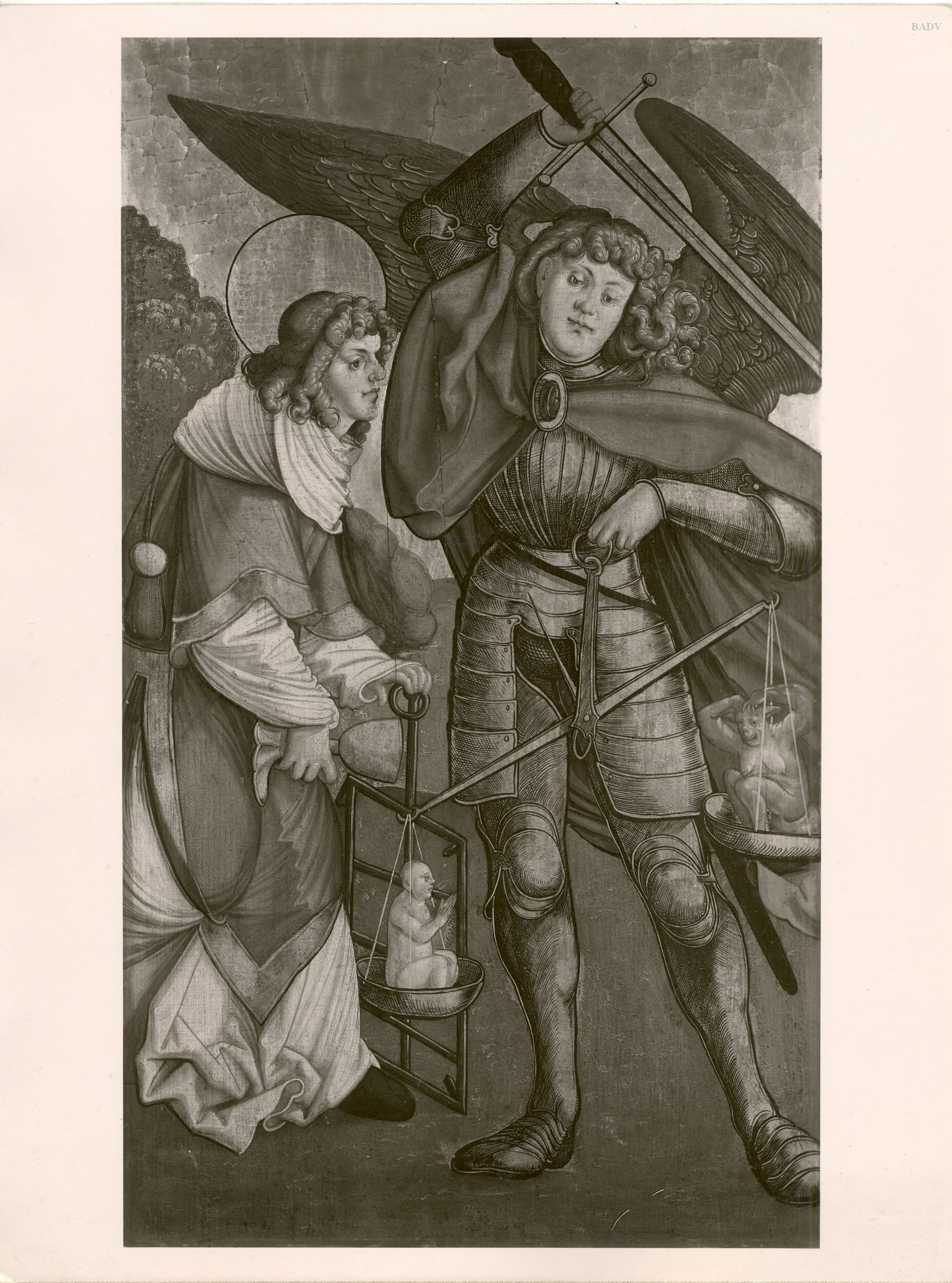
One further attributed panel shows how an attribution history and a provenance gap can sit on top of each other. A small panel, Saint Laurence and the Archangel Michael with Sword and Scales, wood (the database records only the support, no medium/technique), 110 by 64 centimetres and dated by its own cataloguers to around 1459, entered the German government's postwar Sonderauftrag Linz database, the public record of art assembled for Hitler's planned museum in the city of Linz, as object LI001444. The database's own entry attributes it to "Wohlgemut, Michael (?)" - the question mark is the institution's, not this record's, and no earlier owner is recorded. The delivery is logged through the wartime art office of Kajetan Muhlmann, operating out of The Hague, in 1940; the database's restitution note reads simply "returned to Muhlmann, 1942." What happened to the panel after that 1942 return is not established in the source consulted, and this record does not know where it is now.
In 1516 Durer painted Wolgemut's portrait, in oil on a limewood panel about 30 by 28 centimetres, now owned by the Bavarian State Painting Collections and shown on long-term loan at the Germanisches...
In 1516 Durer painted Wolgemut's portrait, in oil on a limewood panel about 30 by 28 centimetres, now owned by the Bavarian State Painting Collections and shown on long-term loan at the Germanisches Nationalmuseum in Nuremberg. Durer inscribed it in his own hand, and after Wolgemut's death in 1519 he added to the same inscription rather than replacing it. The German reads, in the transcription available for this record: "Das hat albrecht durer abconterfet nach seinem lermeister michel wolgemut in jor 1516 vnd er was 82 jor vnd hat gelebt pis das man zelet 1519 jor do ist er verschiden an sant endres tag" - roughly, "Albrecht Durer made this likeness of his teacher Michael Wolgemut in the year 1516; and he was eighty-two years old, and he lived until the year 1519 was counted, when he passed away on Saint Andrew's day." Wolgemut did in fact die on 30 November, which was Saint Andrew's feast day that year, matching Durer's note exactly.
The painting has been read by later cataloguers as showing the sitter's age without flattering it - reddened eyelids, loosened skin - set against what museum description calls a determined intellectual vigour in the face. Whatever its documentary limits, it is the closest thing this record has to a first-hand account of the man from someone who knew him closely for three formative years and chose, thirty years after their apprenticeship ended, to paint him again.
For most of the intervening centuries Wolgemut's own reputation has run a poor second to his most famous apprentice's, to the point that general reference works still introduce him primarily as...
For most of the intervening centuries Wolgemut's own reputation has run a poor second to his most famous apprentice's, to the point that general reference works still introduce him primarily as Durer's teacher rather than as a major workshop head in his own right. The scholarly foundation for treating him as a subject of study in his own right is not old: a standard dictionary entry on his life and work did not appear until the mid-twentieth century, in the Thieme-Becker Allgemeines Lexikon der bildenden Kunstler; the exact volume, year and author are not confirmed here and need a direct check of the printed Thieme-Becker rather than a secondary source.
The clearest sign of a deliberate correction came in the 2019-2020 exhibition season, when the Germanisches Nationalmuseum coordinated a project spread across nine venues in Nuremberg and neighbouring Schwabach, timed to the five-hundredth anniversary of Wolgemut's death and pointedly titled "Michael Wolgemut - Not Just Durer's Teacher." The museum showed his panel paintings, the Albrecht Durer House showed drawings and woodcuts connected to his shop, the Tucher Mansion showed portraiture, and five Nuremberg churches (the Lorenzkirche, Sebalduskirche, Jakobskirche, Frauenkirche and Friedenskirche) and the Schwabach parish church displayed his altarpieces in the buildings they were made for rather than in a museum setting. The exhibition's own framing was explicit: to establish Wolgemut as, in its words, an artistic polymath working across altarpieces, panel painting, stained glass and print, rather than as a footnote to the pupil who eclipsed him.
Painter; Woodcut designer; Workshop head. 1434-1519.
Born 1434, Nuremberg; died 30 November 1519, Nuremberg.
Germanisches Nationalmuseum (Nuremberg); Bayerische Staatsgemaldesammlungen (Munich); St Mary's Church (Marienkirche) (Zwickau); Friedenskirche (Nuremberg); Church of the Holy Trinity (Hof); Stadtkirche (Schwabach).
The market in Wolgemut's own name is thin to the point of being close to untested. None of the documented, payment-anchored commissions - the Zwickau, Hof, Peringsdorffer or Schwabach altarpieces - has come to sale in the period covered by this research; they remain in the churches and institutions that hold them.
Which, if any, Nuremberg Chronicle woodcuts show Albrecht Durer's hand during his 1486-89 apprenticeship is genuinely disputed. No signature or monogram survives to test the claim against, and scholars disagree on whether design work began early enough to overlap with his training at all.
Three glazed ceramics in this archive sit in three different Metropolitan Museum departments.
8 min read
16 of the 18 manuscripts and printed books in this archive wear a binding a later owner paid for.
10 min read
Last verified
One artwork and its story every Tuesday, with the picture: who owned it, what it made, and what closes soon in the exhibition calendar. No promotion, and nothing we cannot cite.
We send one email to confirm the address and keep nothing else. Every letter carries a one-click unsubscribe. How we handle your data.