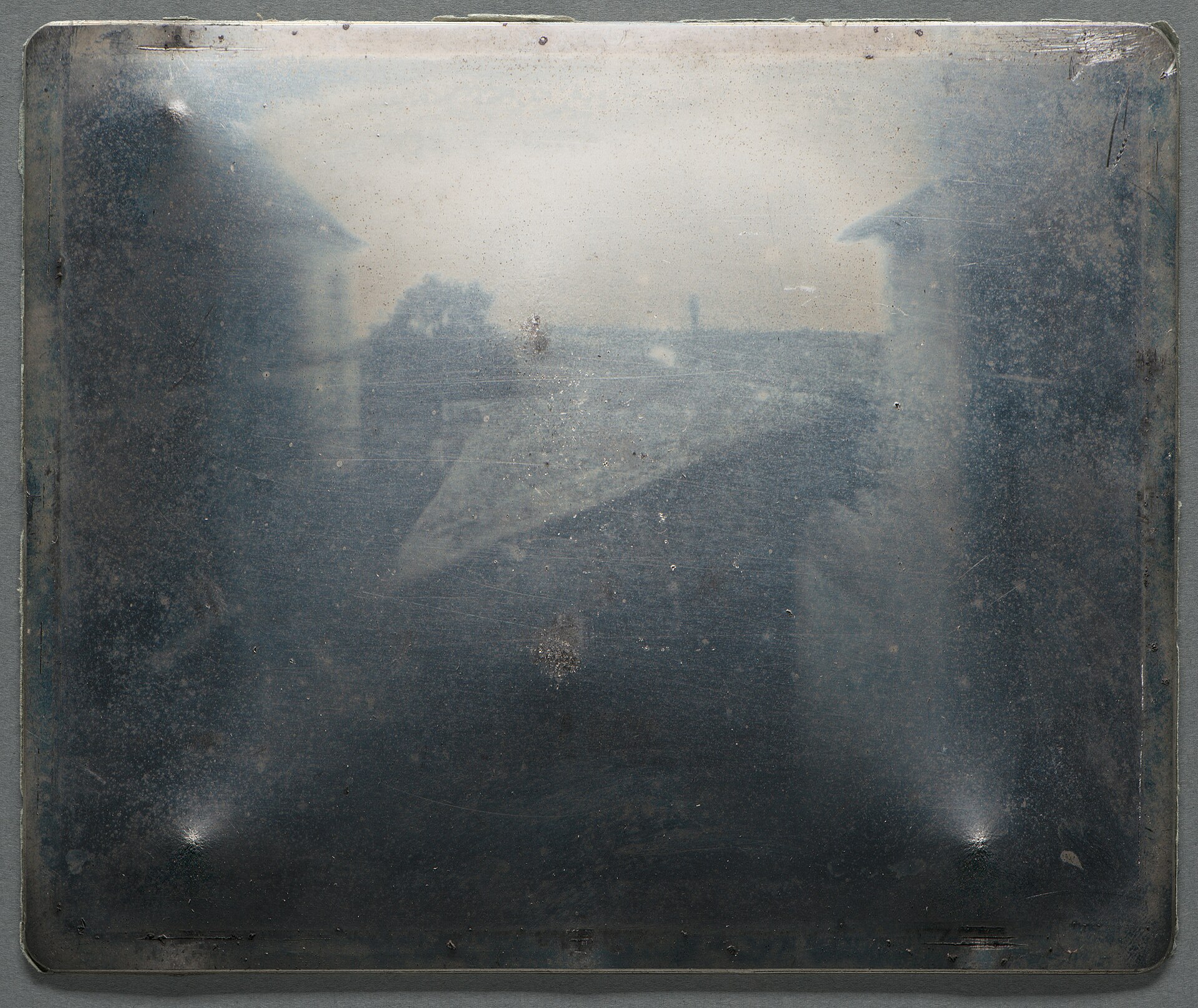
View from the Window at Le Gras
1826 · Heliograph
Harry Ransom Center
 French · 1765-1833
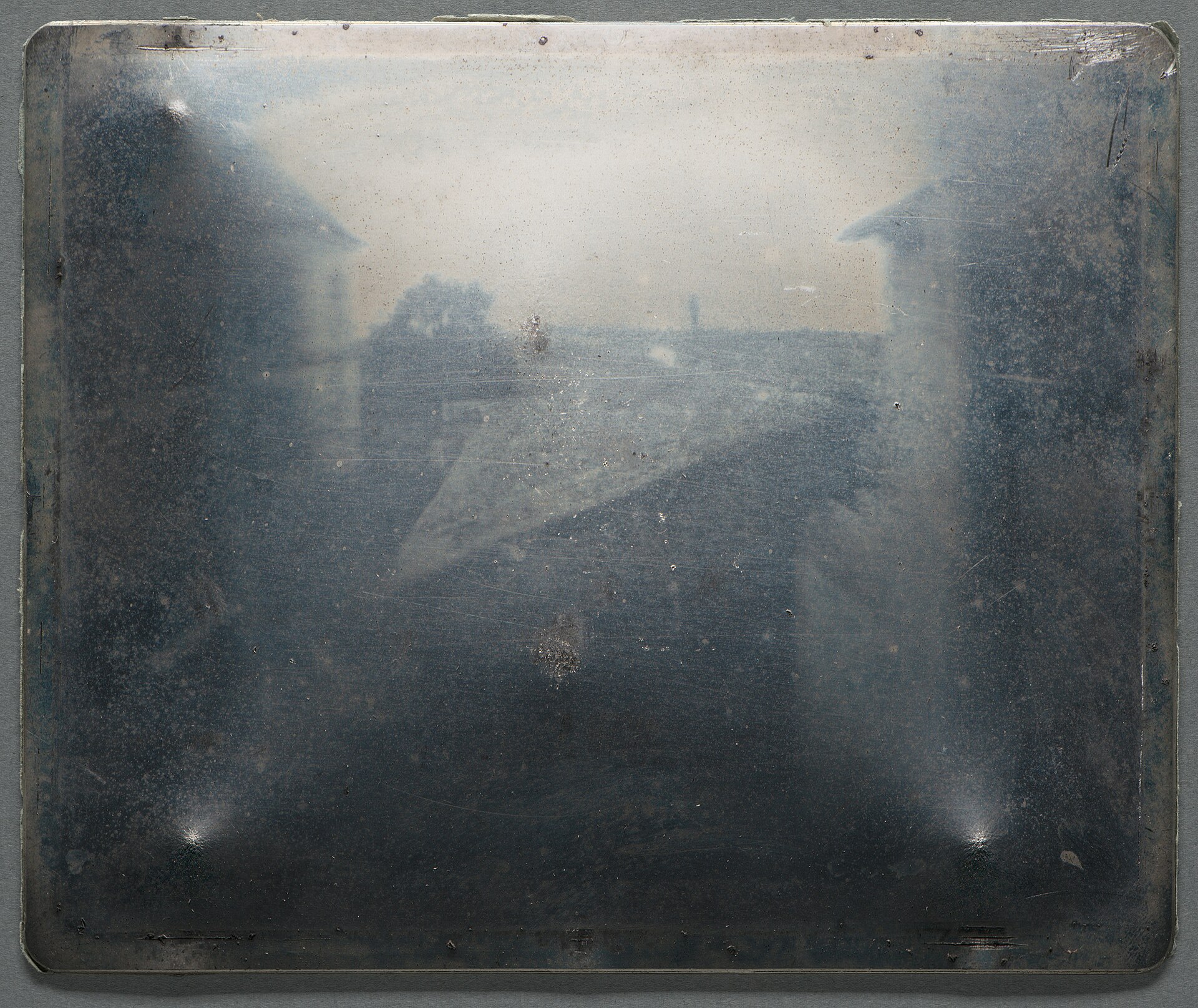
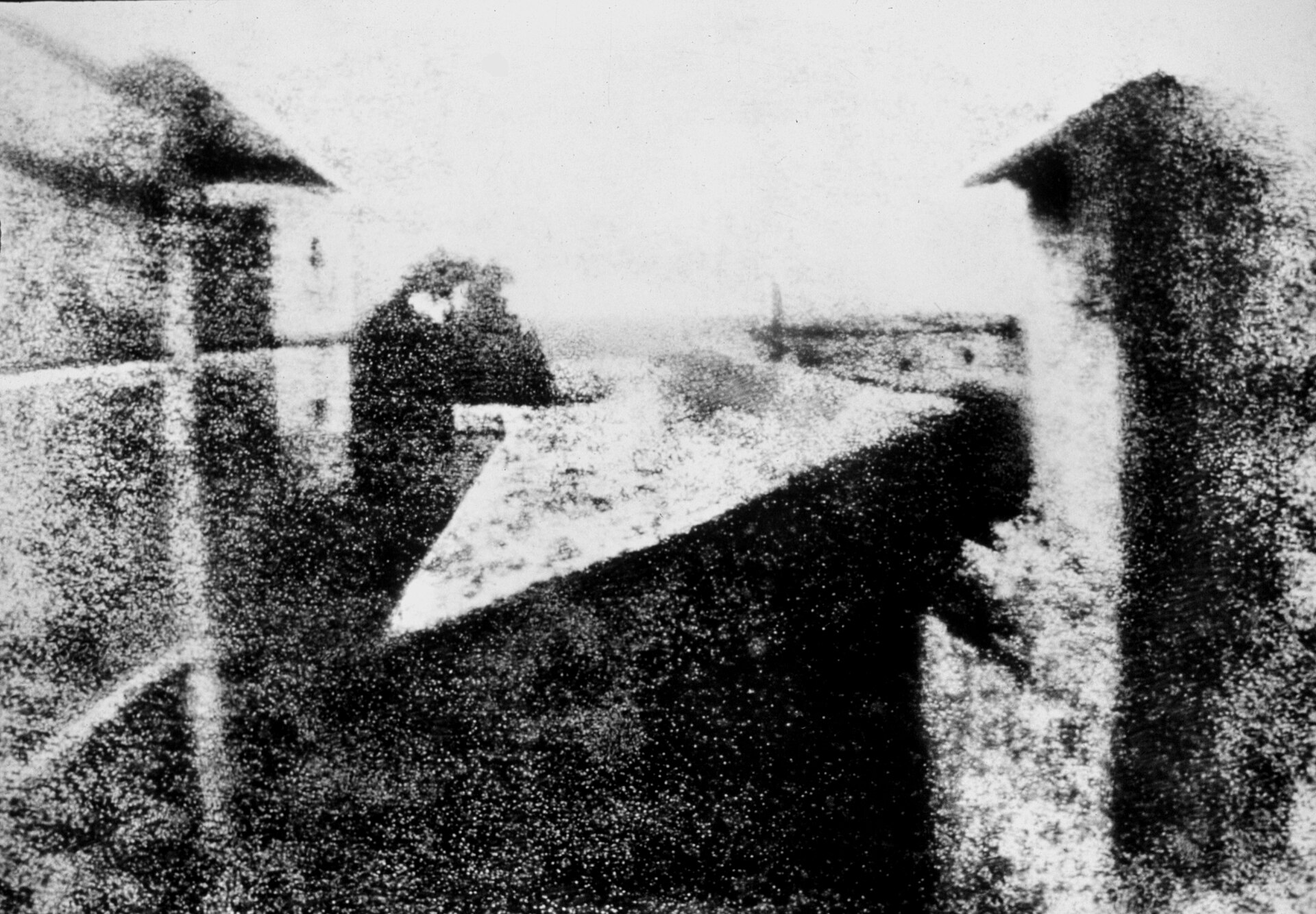
View from the Window at Le Gras The plate itself: polished pewter, 16.7 by 20.3 cm, coated with bitumen of Judea and exposed in a camera obscura at Niepce's workroom window at Le Gras. This 2020 digitisation by the Harry Ransom Center is the clearest record of the plate as it survives; the image is a hardened-bitumen relief, not a print, and is legible only under raking light. Dated 1827 by the Harry Ransom Center; some older sources give 1826. No verified portrait. No securely identified likeness of this maker is available under a free licence. We do not publish a face we cannot verify.
Harry Ransom Center, University of Texas at Austin| Full name | Joseph Nicephore Niepce |
|---|---|
| Worked as | Inventor, Heliographer |
| Born | 7 March 1765 · Chalon-sur-Saone, France |
| Died | 5 July 1833 (death recorded the following day) · Saint-Loup-de-Varennes, France |
| Nationality | French |
| In this archive | 1 artwork |
| Sources | 19 cited |
| Last verified |
About this page 1 artwork in the archive · Last verified · 19 sources cited
Nicephore Niepce made the earliest photograph that survives from nature: a view from an upstairs workroom window at his family's country house, fixed onto a bitumen-coated pewter plate sometime in the summer of 1826 or 1827, the exact year still disputed by the institutions and scholars who have studied it. He never used the word photography, which did not yet exist; he called his process heliographie, sun writing, and he died in 1833 owning almost none of the credit for it. Six years later a former business partner announced a chemically unrelated but visually superior process under his own name, and the word that stuck to the invention of a fixed camera image was daguerreotype, not Niepce's.
What survives of Niepce's own work is remarkably little and remarkably well documented for how little there is: one unique camera view, held by the Harry Ransom Center at the University of Texas at Austin since 1963; a small number of contact-printed reproductions of existing engravings, the branch of the process he actually tried to make a living from while the camera view stayed a private experiment; and a paper trail of letters and a 1829 partnership contract whose surviving clauses read like a provenance document for the birth of an entire medium. The camera plate itself disappeared from public view for close to half a century after 1898, tracked down in 1952 by the historian Helmut Gernsheim after it had sat forgotten in a trunk in a London warehouse.
The hardest thing to find about Niepce is not the object but the arguments around it: how long the exposure actually took, which year it was made, and what belonged to Niepce and what belonged to Daguerre in a working partnership that outlived Niepce by only six years before his name was quietly folded into a footnote of his own invention's name.
Born 7 March at Chalon-sur-Saone, to a prosperous legal family; adopts the name Nicephore while a student at the Oratorian college in Angers.3
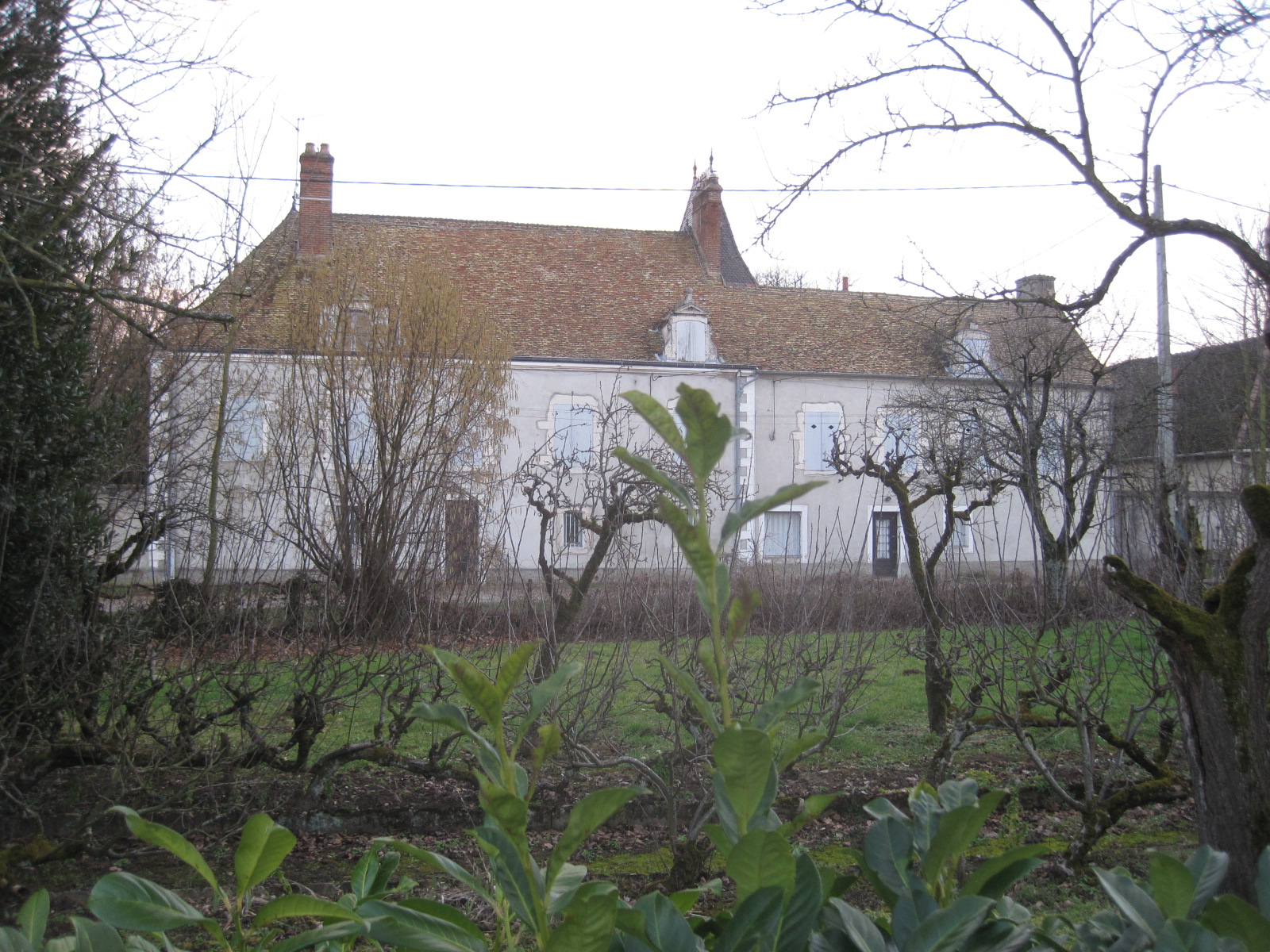
Returns with his brother Claude to the family estate at Le Gras, Saint-Loup-de-Varennes, to pursue scientific research as gentlemen-farmers.3
The Niepce brothers patent the Pyreolophore, an early internal combustion engine run on controlled dust explosions, installed on a boat on the Saone.3
First experiments recording camera images on paper coated with silver chloride; the negatives darken further on exposure and cannot be fixed.3
Produces his first permanent heliographic image, a contact-printed copy of an engraving of Pope Pius VII, later broken by accident by a relative, General Poncet de Maupas, to whom Niepce had given it. No longer survives.13
Makes heliographic copies of existing engravings by contact printing, including a man leading a horse and a woman at a spinning wheel, on both paper and glass.313
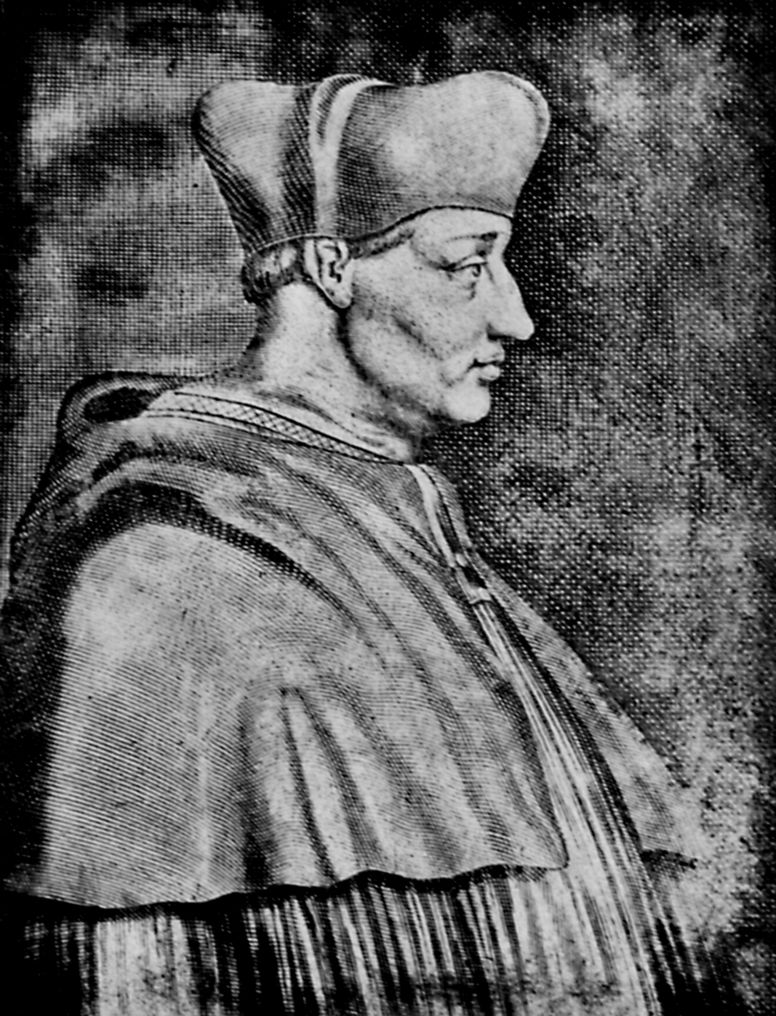
Produces the Cardinal d'Amboise heliograph, copying a seventeenth-century engraving credited to Isaac Briot and sent to him by a cousin.14
Exposes the pewter plate at the window of his Le Gras workroom that survives today as View from the Window at Le Gras; the Harry Ransom Center's current dating is 1827.12
Travels to England seeking the Royal Society's interest in heliography; leaves his memoir, the plate, and other specimens with the botanist Francis Bauer before returning to France.111
Writes describing the process as still 'the first uncertain step in a completely new direction.'1
Niepce and Daguerre develop the physautotype, an improved joint process using lavender oil distillate as the photosensitive agent.3
Dies of a stroke on 5 July, financially exhausted; death recorded the following day. His grave at Saint-Loup-de-Varennes is paid for by the municipality.3
On 9 May his son Isidore signs a codicil renaming the partnership 'Daguerre and Isidore Niepce,' recognising Daguerre's new chemical discoveries.8
The French state publicly announces the daguerreotype on 19 August and awards pensions, 6,000 francs a year to Daguerre and 4,000 to Isidore Niepce's family, in exchange for full disclosure of both processes.38
Francis Bauer dies in England; the Le Gras plate begins passing through private hands whose full sequence is not documented in the sources consulted.15
Isidore Niepce publishes a booklet protesting Daguerre's use of the family name, arguing Daguerre had broken the terms of the 1829 contract.16
The plate, Niepce's memoir, and a related print are bought by Henry Baden Pritchard, editor of the Photographic News.12
The plate is shown at the Royal Photographic Society's international exhibition at the Crystal Palace, its last securely documented public appearance before 1952 (one source consulted gives 1905 instead).1211
Pritchard's widow Mary dies; the Niepce material is packed into a trunk, deposited in a London warehouse, and forgotten.1211
On 14 February, Helmut Gernsheim receives the plate from the widow of Mary Pritchard's son, ending a thirty-five-year disappearance.12
Harry Ransom purchases the Gernsheim Collection for the University of Texas at Austin; Gernsheim donates the heliograph to the institution.111
In July, Jean-Louis Marignier and the Speos photography school restore Niepce's original laboratory-workshop at Le Gras, relocate the original window, and conclude the exposure required several days rather than hours.1015
On 13 June the plate undergoes a two-week scientific study at the Getty Conservation Institute; X-ray fluorescence confirms the plate is pewter, and the display case's inert argon seal is found to have failed.67
On 21 March the Bibliotheque nationale de France acquires Niepce's 1825 heliograph of a man leading a horse from the sale of the Marie-Therese and Andre Jammes collection for 450,000 euros, classifying it a national treasure.13
Virtually every securely attributed Niepce heliograph is already in an institutional collection, and the sources consulted for this record turned up no confirmed competitive auction hammer price for an original plate. The one market event that could be documented with a figure is a 2002 French state acquisition, a private treaty purchase rather than a competitive sale. A heliogravure print of the Cardinal d'Amboise subject, pulled in the 1860s from Niepce's original plate, was also offered as lot 111 in Sotheby's 2006 Photographs sale (L06430); the sale page returned no pricing data on fetch, and rather than guess a figure this record omits it from the results below and states plainly that it is unconfirmed.
| Date | Sale | Work | Result | Note |
|---|---|---|---|---|
| 21 March 2002 | Private treaty acquisition, following the sale of the Marie-Therese and Andre Jammes collection | Heliograph of a man leading a horse (bitumen of Judea on glass, 1825) | With premium EUR 450,000 EUR | Acquired by the Bibliotheque nationale de France and classified a national treasure. This is a state acquisition, not a competitive auction result, so the figure above is a total acquisition price, not a buyer's-premium figure in the auction sense; the source consulted does not separate a hammer figure from it, and does not state whether an export licence was ever formally refused before the purchase. |
Hammer is the price at which the bidding stopped; with premium adds the fee the house charges the buyer on top. Hammer price and buyer's premium in the glossary.
| Institution | City | Holdings | Note |
|---|---|---|---|
| Harry Ransom Center, University of Texas at Austin | Austin, Texas, USA | The unique View from the Window at Le Gras plate. | Acquired 1963 as part of the Gernsheim Collection; normally on view, with closures announced in advance. |
| Musee Nicephore Niepce | Chalon-sur-Saone, France | Niepce family artifacts, cameras, and several heliographic plates. | |
| Bibliotheque nationale de France | Paris, France | The 1825 heliograph of a man leading a horse, on glass. | Acquired 2002 from the Jammes collection for EUR 450,000. |
| Niepce house at Le Gras | Saint-Loup-de-Varennes, France | The restored laboratory-workshop, including the window from which the Le Gras view was taken. | Open to the public 1 July to 24 August only, closed Tuesdays. |
| Royal Photographic Society collection, Victoria and Albert Museum | London / Bath, United Kingdom | A surviving Cardinal d'Amboise heliograph plate. |
The plate now called View from the Window at Le Gras shows the courtyard and outbuildings of Niepce's family estate at Saint-Loup-de-Varennes, near Chalon-sur-Saone, seen from an upper-story workroom...
The plate now called View from the Window at Le Gras shows the courtyard and outbuildings of Niepce's family estate at Saint-Loup-de-Varennes, near Chalon-sur-Saone, seen from an upper-story workroom window. It is a heliograph: a polished pewter plate, 16.7 by 20.3 centimetres and 0.15 centimetres thick, coated with a thin layer of bitumen of Judea dissolved in oil of lavender and exposed inside a camera obscura positioned at the window. According to the Harry Ransom Center, which has held the plate since 1963, more than twenty of Niepce's heliographic plates and prints made between 1825 and 1829 survive in public and private collections, but this is the only one that is a genuine point de vue, Niepce's own term for a picture taken from life through a camera rather than a contact copy of an existing engraving. Every other securely attributed heliograph, including the well-known Cardinal d'Amboise, reproduces a print someone else had already made.
No date is inscribed on the plate, so the year has been argued from surrounding evidence rather than read off the object.
No date is inscribed on the plate, so the year has been argued from surrounding evidence rather than read off the object. Helmut Gernsheim, the historian who rediscovered the plate in 1952, originally dated it to 1826, and that year still appears in many books, museum labels, and even the file name under which a digitised copy of the plate circulates on Wikimedia Commons, which gives 1826 or 1827. In 1967 the historians Harmant and Marillier reexamined the case in The Photographic Journal and argued for 1827; Gernsheim himself accepted the later date in the 1982 third edition of his own book, Origins of Photography. The Harry Ransom Center's current cataloguing follows the revised date, stating that the plate was made in 1827 and quoting Niepce's own letter of December 1827, in which he described his process as still the first uncertain step in a completely new direction, a description that reads more naturally as a man reporting a result he had recently achieved than one three years old.
Most museums and current scholarship now place the exposure in the summer of 1827, but 1826 has not disappeared from circulation, and a reader who meets the earlier year in an older source is not necessarily looking at an error, only an earlier state of an argument that took over a century and a half to settle.
Heliography exploited a property of bitumen of Judea, a natural asphalt, that had nothing to do with silver salts and everything to do with hardening: dissolved in oil of lavender and painted thinly...
Heliography exploited a property of bitumen of Judea, a natural asphalt, that had nothing to do with silver salts and everything to do with hardening: dissolved in oil of lavender and painted thinly over a polished pewter plate, the bitumen hardens and becomes insoluble wherever light strikes it, while the areas kept in shadow stay soluble. Niepce loaded a coated plate into a camera obscura set at his workroom window and let the sun do the hardening. Afterward he washed the plate in a mixture of lavender oil and white oil, which dissolved away the unhardened bitumen in the shadow areas and left the image as a subtle relief in hardened resin rather than as a print with pigment contrast. That is why the Le Gras plate is legible only when tilted and lit from a narrow range of angles, and why the picture almost everyone has actually seen is not the plate but a photographic copy of it.
How long the exposure lasted has itself become a live technical question. The traditional figure, repeated for decades, was about eight hours, estimated because the courtyard in the image appears lit from two directions at once, as though the sun had crossed a meaningful stretch of sky during the exposure. The Harry Ransom Center's own current account, and a modern reconstruction of Niepce's process led by the physicist Jean-Louis Marignier working with Paris's Speos photography school, both now state that the exposure needed several days of continuous sunlight, not hours. In July 1999 Marignier's team, restoring Niepce's original workroom at Saint-Loup-de-Varennes, used dendrochronology to date the timber, lifted the floorboards Niepce had walked on, reopened the well he used to wash his plates, and located the actual window the view was taken from, some 70 centimetres from where a later renovation had moved it, before attempting to recreate the process with bitumen of Judea sourced to match Niepce's own material. Their conclusion revises a figure that had stood essentially unchallenged for most of the twentieth century.
In September 1827 Niepce travelled to England hoping to interest the Royal Society in his process; the Society was not persuaded, and before returning to France he left his working memoir, the plate...
In September 1827 Niepce travelled to England hoping to interest the Royal Society in his process; the Society was not persuaded, and before returning to France he left his working memoir, the plate itself, and several other heliographic specimens with his host, the botanist Francis Bauer, who wrote Niepce's name and further information on the paper backing of the frame. After Bauer died in 1840 the plate passed through a series of private British owners the sources consulted for this record do not name in full; the documented chain resumes in 1884, when the memoir, the plate, and a related contact print were bought by Henry Baden Pritchard, editor of the Photographic News. Pritchard died soon afterward and the objects passed to his widow, Mary. The plate was shown publicly at the Royal Photographic Society's international exhibition at the Crystal Palace in 1898, which several sources treat as its last documented public appearance before 1952, though at least one other source gives 1905 instead; the plate was not returned to the family afterward in any documented way. When Mary Pritchard died in 1917, the Niepce material was packed into a trunk with other family belongings, deposited in a London warehouse, and forgotten for thirty-five years.
The historian and collector Helmut Gernsheim spent years trying to establish what had happened to the plate Bauer had once owned.
The historian and collector Helmut Gernsheim spent years trying to establish what had happened to the plate Bauer had once owned. The search ended on 14 February 1952, when Gernsheim was contacted by the widow of Mary Pritchard's son, recorded as Gibbon Pritchard, who had found the pewter plate among her late husband's effects and handed it over. Because the original is legible only under raking light and could not be reproduced directly for publication, Gernsheim had the image copied by the research laboratory of the Eastman Kodak Company in London. It is that 1952 Kodak copy, not the plate itself, that has supplied the image reproduced in most books and on most websites since.
Harry Ransom purchased the Gernsheim Collection for the University of Texas at Austin in 1963, and Gernsheim donated the Niepce heliograph to the institution as part of it, where it is catalogued as...
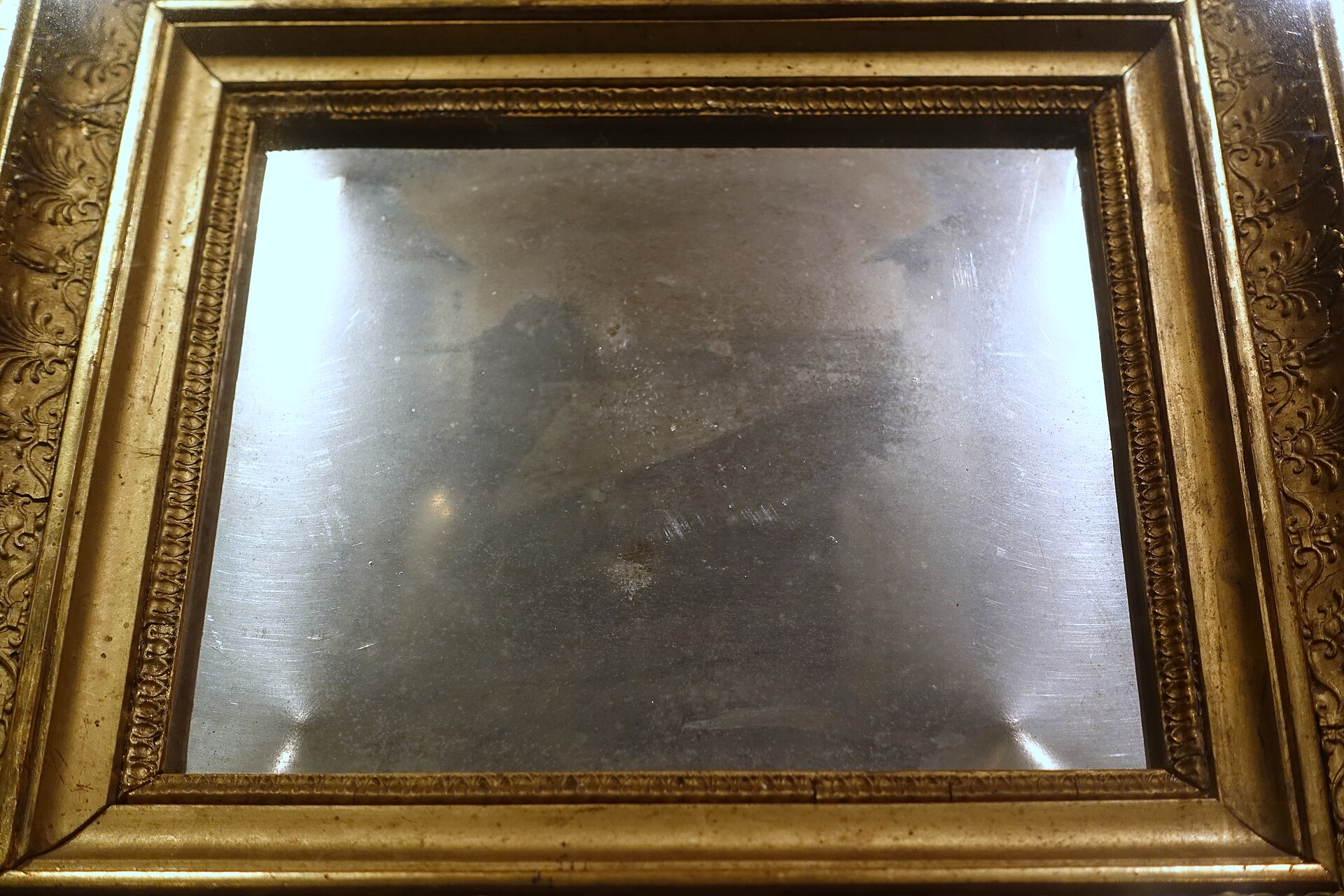
Harry Ransom purchased the Gernsheim Collection for the University of Texas at Austin in 1963, and Gernsheim donated the Niepce heliograph to the institution as part of it, where it is catalogued as Gernsheim Collection 964:0000:0001. The plate is normally on view at the Harry Ransom Center, with stated closures announced in advance; it is displayed inside an airtight steel and Plexiglas storage frame originally sealed with an inert gas atmosphere to slow further deterioration of the bitumen layer.
On 13 June 2002 the plate travelled to the Getty Conservation Institute for a two-week scientific study, the first of its kind, undertaken jointly with the Harry Ransom Center.
On 13 June 2002 the plate travelled to the Getty Conservation Institute for a two-week scientific study, the first of its kind, undertaken jointly with the Harry Ransom Center. The team, led by the Getty's senior scientist Dusan Stulik with Shin Maekawa, examined the plate with X-ray fluorescence, reflectance Fourier-transform infrared spectrometry, and visible reflectance spectroscopy, and consulted outside specialists including Francois Cheval, Michel Frizot, Jean-Louis Marignier, James Reilly, and Bertrand Lavedrine. The X-ray fluorescence work conclusively established that the plate is pewter, an alloy of tin with lead, iron, copper, and nickel, settling a question that had circulated in earlier literature about whether the support was pure tin or zinc. The Getty's frame conservator, Gene Karraker, examined the plate's presentation frame and found it stylistically consistent with the period in which the heliograph was made, supporting rather than undermining the object's authenticity. The study also found that the plate's protective case, sealed to hold an inert argon atmosphere, had failed: air sampled from inside the case proved to be essentially the ambient environment rather than argon, meaning the intended barrier against oxidation had not been maintained. What caused the seal to fail is not stated in the sources consulted for this record, and remains, so far as is documented here, unresolved.
In December 1829 Niepce signed a formal partnership contract with Louis-Jacques-Mande Daguerre, proprietor of the Diorama in Paris, to develop heliography commercially.
In December 1829 Niepce signed a formal partnership contract with Louis-Jacques-Mande Daguerre, proprietor of the Diorama in Paris, to develop heliography commercially. Daguerre had approached Niepce after learning of his experiments; the surviving contract language includes a clause providing that if either partner died, he would be replaced in the company for the next ten years by his natural heir. Working together, the two men developed by 1832 an improved joint process, the physautotype, which used lavender oil distillate rather than bitumen as the photosensitive substance. The partnership was still active, on paper, when Niepce died four years later.
Niepce died of a stroke on 5 July 1833, financially exhausted; the death was recorded the following day, and the municipality of Saint-Loup-de-Varennes paid for his grave.
Niepce died of a stroke on 5 July 1833, financially exhausted; the death was recorded the following day, and the municipality of Saint-Loup-de-Varennes paid for his grave. His son Isidore, then twenty-eight, succeeded him in the partnership under the contract's own succession clause, but lacked his father's technical grounding and could not reliably reproduce the processes he had inherited on paper. Daguerre, meanwhile, continued experimenting on his own and by the mid-1830s had discovered that a latent image on a plate of iodised silver could be developed and made visible with mercury vapour, a chemistry with almost nothing in common with Niepce's bitumen process beyond the shared aim of a fixed camera image. On 9 May 1835 Isidore, in need of money and by most accounts unwillingly, signed a codicil renaming the partnership from Niepce-Daguerre to Daguerre and Isidore Niepce, formally recognising Daguerre's new chemical contribution and demoting the Niepce name to second billing in an invention that had originally been Niepce's alone to disclose.
Daguerre judged that his own improvements had transformed heliography beyond recognition, and in spite of the original contract's terms he insisted on calling the resulting process by his own name...
Daguerre judged that his own improvements had transformed heliography beyond recognition, and in spite of the original contract's terms he insisted on calling the resulting process by his own name alone: the daguerreotype. The French state purchased the invention and announced it publicly on 19 August 1839, in a presentation by Francois Arago that gave the daguerreotype process pride of place and, by most later assessments, minimised Niepce's role in its origin. In exchange for full technical disclosure, the state granted annual pensions, six thousand francs for the rest of Daguerre's life and four thousand to Isidore Niepce's family, an unequal settlement that some accounts describe instead as four thousand francs to each man plus a further two thousand to Daguerre specifically to compensate the loss of his Diorama business; the two framings arrive at the same total for Daguerre and the same disadvantage for the Niepce family either way.
Isidore did not accept the outcome quietly. In 1841 he published a booklet, in English translation something like History of the Discovery Improperly Called the Daguerreotype, Preceded by a Note on Its True Inventor, the Late Joseph-Nicephore Niepce, arguing that Daguerre had broken the terms of the 1829 contract by forcing the Niepce family name out of an invention it had originated. The booklet did not reverse the outcome. For most of the following century, the word that survived in public memory was daguerreotype, and Niepce's name receded into specialist history.
Besides the unique Le Gras camera view, Niepce's other securely attributed heliographs are contact-printed reproductions of existing engravings, not pictures taken from life.
Besides the unique Le Gras camera view, Niepce's other securely attributed heliographs are contact-printed reproductions of existing engravings, not pictures taken from life. His earliest documented permanent image, made in 1822, was a contact copy of an engraving of Pope Pius VII; Niepce gave it to a relative, General Poncet de Maupas, who later broke it by accident, and no trace of it survives. In 1825 Niepce made heliographic copies of two further engravings, a man leading a horse and a woman at a spinning wheel, working on both paper and glass; the horse subject, on glass, is now held by the Bibliotheque nationale de France, which acquired it in 2002 from the sale of the Marie-Therese and Andre Jammes collection for 450,000 euros and classified it a national treasure. In late 1826 Niepce produced his best-known reproduction subject, a heliograph of Cardinal Georges d'Amboise copied by contact printing from a seventeenth-century engraving credited to Isaac Briot and sent to him by a cousin; surviving plates and later paper impressions pulled from them by the engraver Lemaitre, chiefly in the 1860s, are held across several institutions, including the Royal Photographic Society collection now at the Victoria and Albert Museum. A still life of a set table, apparently on glass and among the works attributed to Niepce between 1824 and 1833, survived into the early twentieth century before disappearing, apparently by accident, around 1900; it is now known only from a late-nineteenth-century reproduction rather than from the original plate.
Beyond the disputed year and the disputed exposure time, several things about Niepce's own achievement remain open.
Beyond the disputed year and the disputed exposure time, several things about Niepce's own achievement remain open. The exact chain of ownership of the Le Gras plate between Bauer's 1840 death and Pritchard's 1884 purchase is not documented in the sources consulted for this record, a genuine forty-four year gap in an otherwise well-papered provenance. Whether a modern reconstruction using a present-day source of bitumen of Judea can be treated as chemically equivalent to the material Niepce actually used in 1827 has not been independently confirmed in the sources consulted, which matters because the current several-day exposure estimate rests substantially on that reconstruction. And the 2002 Getty Conservation Institute study, for all it settled about the plate's composition, left unexplained why the case built to protect the object with an inert argon atmosphere had, by the time of the study, failed to hold that atmosphere at all.
Inventor; Heliographer. 1765-1833.
Born 7 March 1765, Chalon-sur-Saone, France; died 5 July 1833 (death recorded the following day), Saint-Loup-de-Varennes, France.
Harry Ransom Center, University of Texas at Austin (Austin, Texas, USA); Musee Nicephore Niepce (Chalon-sur-Saone, France); Bibliotheque nationale de France (Paris, France); Niepce house at Le Gras (Saint-Loup-de-Varennes, France); Royal Photographic Society collection, Victoria and Albert Museum (London / Bath, United Kingdom).
Virtually every securely attributed Niepce heliograph is already in an institutional collection, and the sources consulted for this record turned up no confirmed competitive auction hammer price for an original plate. The one market event that could be documented with a figure is a 2002 French state acquisition, a private treaty purchase rather than a competitive sale.
Whether the Le Gras exposure was made in 1826 or 1827 cannot be settled from the plate itself, which carries no date; institutions and scholars remain split, though the Harry Ransom Center's current position and most recent scholarship favour 1827.
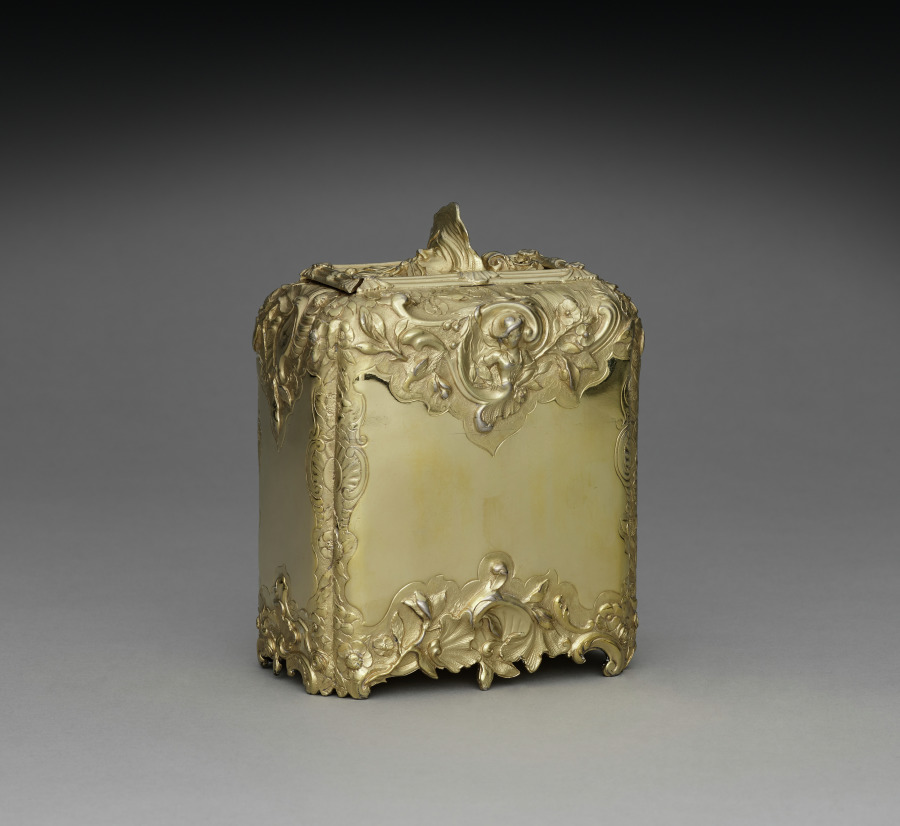
Across 1,322 provenance events in this archive nineteen name a woman, and four of those give her no personal name at all.
11 min read
The Art Institute of Chicago owns three impressions of the Great Wave and on 7 September 2026 none of them was on view.
12 min read
Ten records carry evidence on a frame. Van Eyck's integral frames date the panels to 1410-1440; a 1970 loan label on a frame in...
10 min read
Last verified
One artwork and its story every Tuesday, with the picture: who owned it, what it made, and what closes soon in the exhibition calendar. No promotion, and nothing we cannot cite.
We send one email to confirm the address and keep nothing else. Every letter carries a one-click unsubscribe. How we handle your data.
,_Ni%C3%A9pce_1827_%E2%80%94_HRC_2020_(cropped).jpg)

