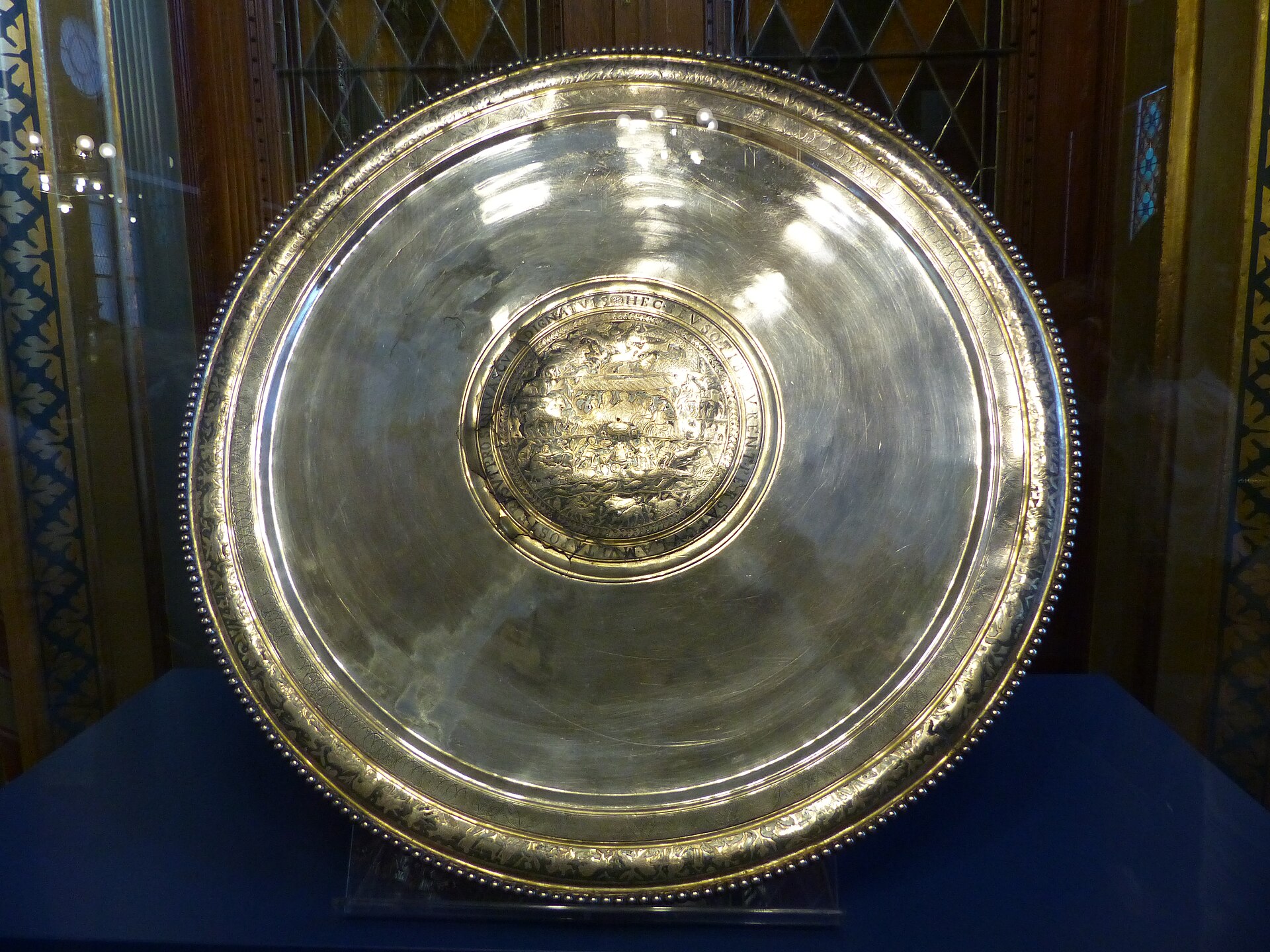
The Sevso Treasure
Late fourth or early fifth century AD · Silver
Hungarian National Museum, Budapest
Museum · Magyar Nemzeti Muzeum · Founded 1802
Open, admission and hours confirmed 8 August 2026 · 13 sources
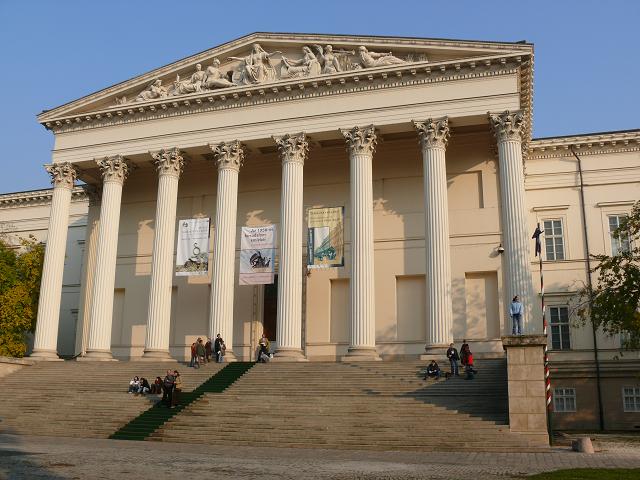
The museum's core strength is continuity rather than any single masterpiece category: it is the one institution that carries Hungary's material record in an unbroken line from Palaeolithic finds through the Roman province of Pannonia, the medieval kingdom, Ottoman occupation and Habsburg rule, into the twentieth century's regime changes, inside a single building conceived for exactly that purpose in the 1840s. Its Roman-period Pannonian archaeology and its early modern and modern history holdings, including the reconstructed twentieth-century interiors, are unusually deep for a national museum of this size, and the Seuso Treasure and the Coronation Mantle give it two objects of international standing that a general national-history museum does not typically hold.
| Local name | Magyar Nemzeti Muzeum |
|---|---|
| Kind | Museum |
| Founded | 1802 |
| City and country |  Budapest, Hungary Budapest, Hungary |
| Address | Muzeum korut 14-16, 1088 Budapest, Hungary |
| Website | mnm.hu/en |
| Status | Open, confirmed 8 August 2026 |
| Record last verified | 2 September 2026 |
Prices and hours change. We take them from the institution's own pages and print the day we read them, and you can check the current position at the source we used. Confirm before you travel.
The ground-floor archaeology galleries, covering the Carpathian Basin from the Palaeolithic through the Roman province of Pannonia and the Migration Period, ending at 804 AD. This is where the Zoldhalompuszta Scythian gold stag and other Iron Age princely grave goods are shown.
The first-floor chronological galleries: the Arpad dynasty, the medieval kingdom, Ottoman occupation, the Habsburg era, the 1848 revolution (relics connected to the museum's own steps, where Sandor Petofi read the Nemzeti dal), and the twentieth century through to 1989. Several rooms are reconstructed domestic interiors rather than case displays.
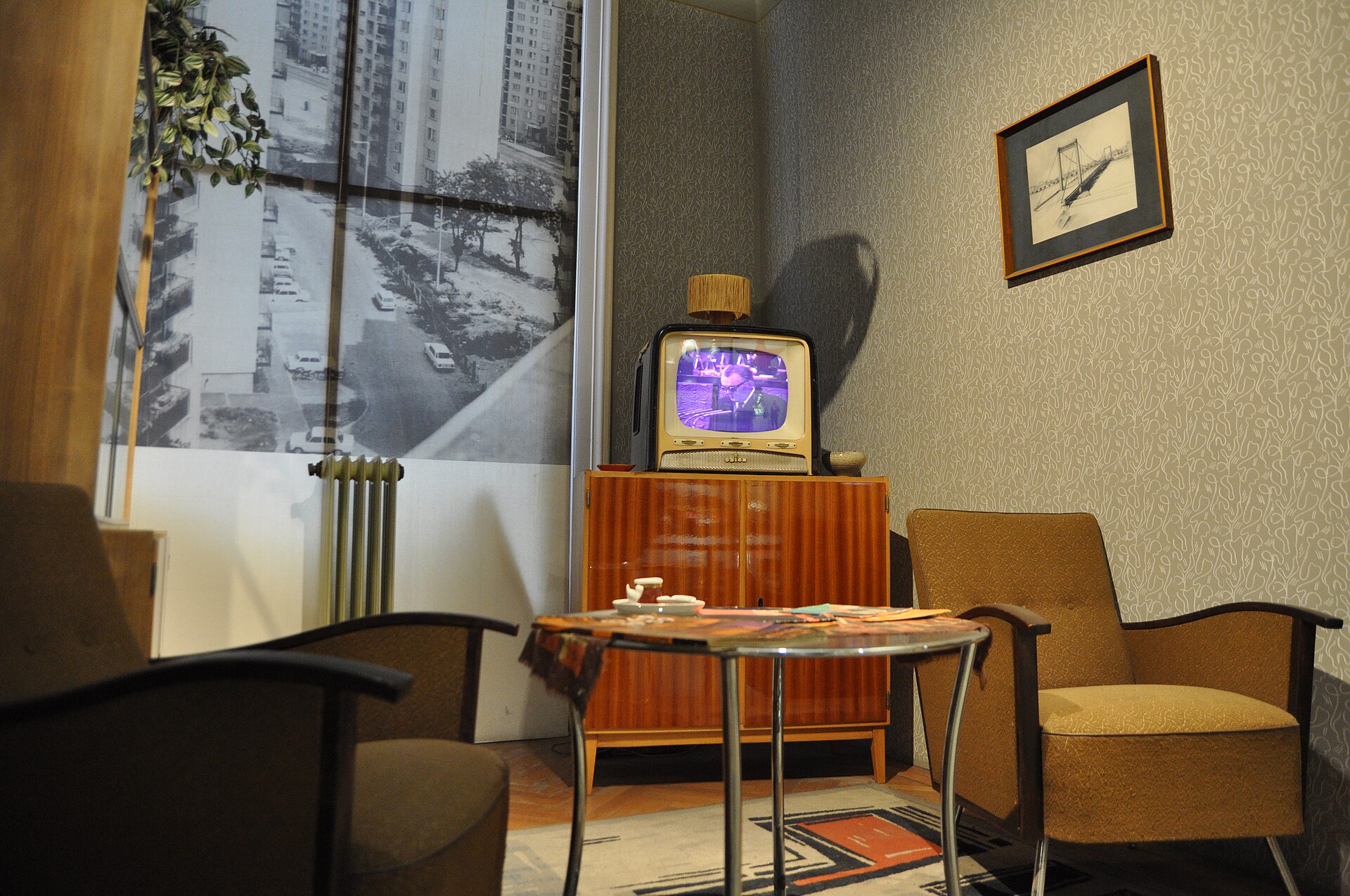
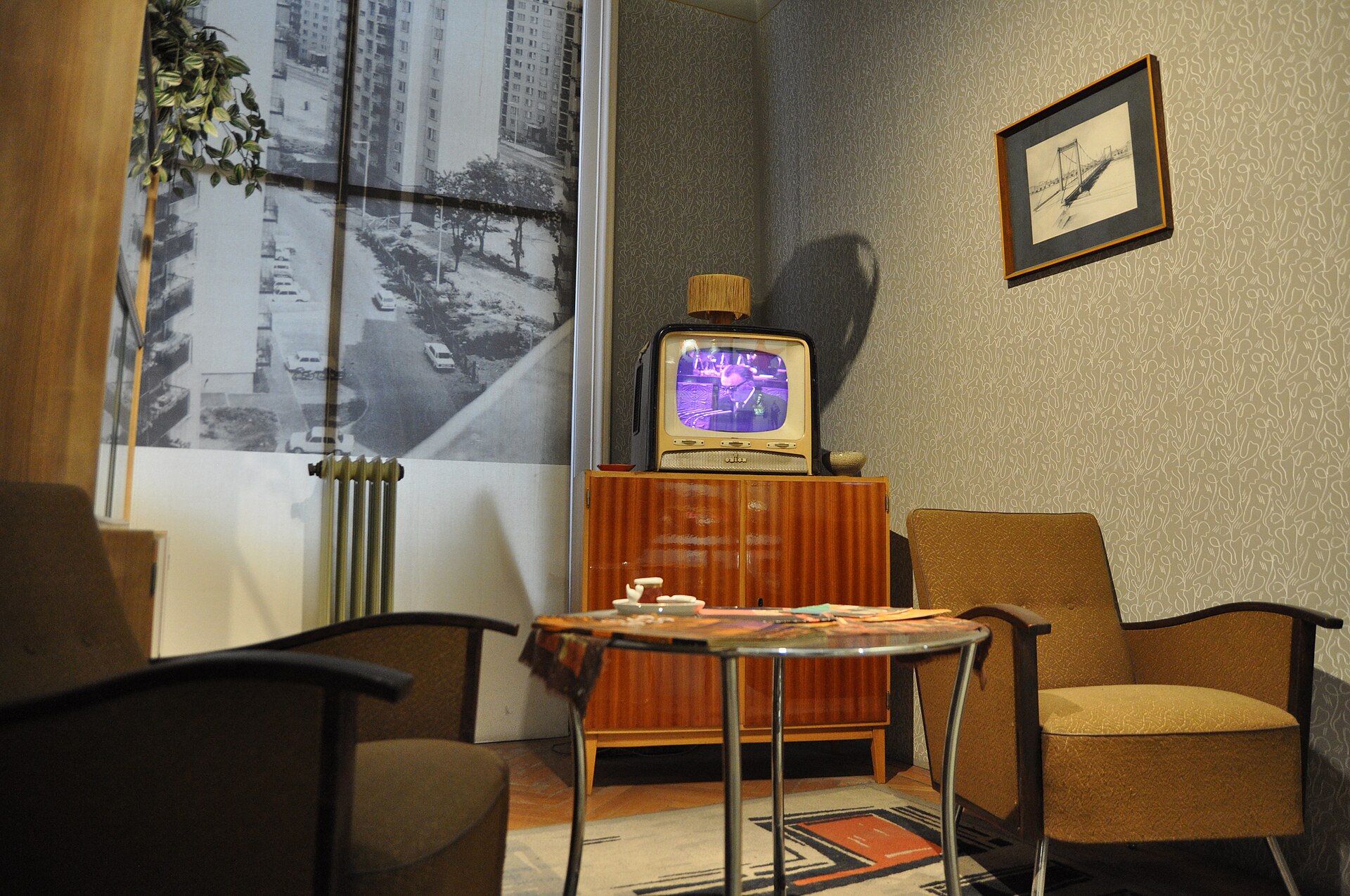
A sequence of furnished period rooms inside the first-floor history galleries recreating everyday domestic life under the Horthy regency, the wartime and immediate post-war years, and the Kadar-era socialist decades, including a family living room built around a television set and a room hung with irredentist Trianon-era textiles and ephemera.
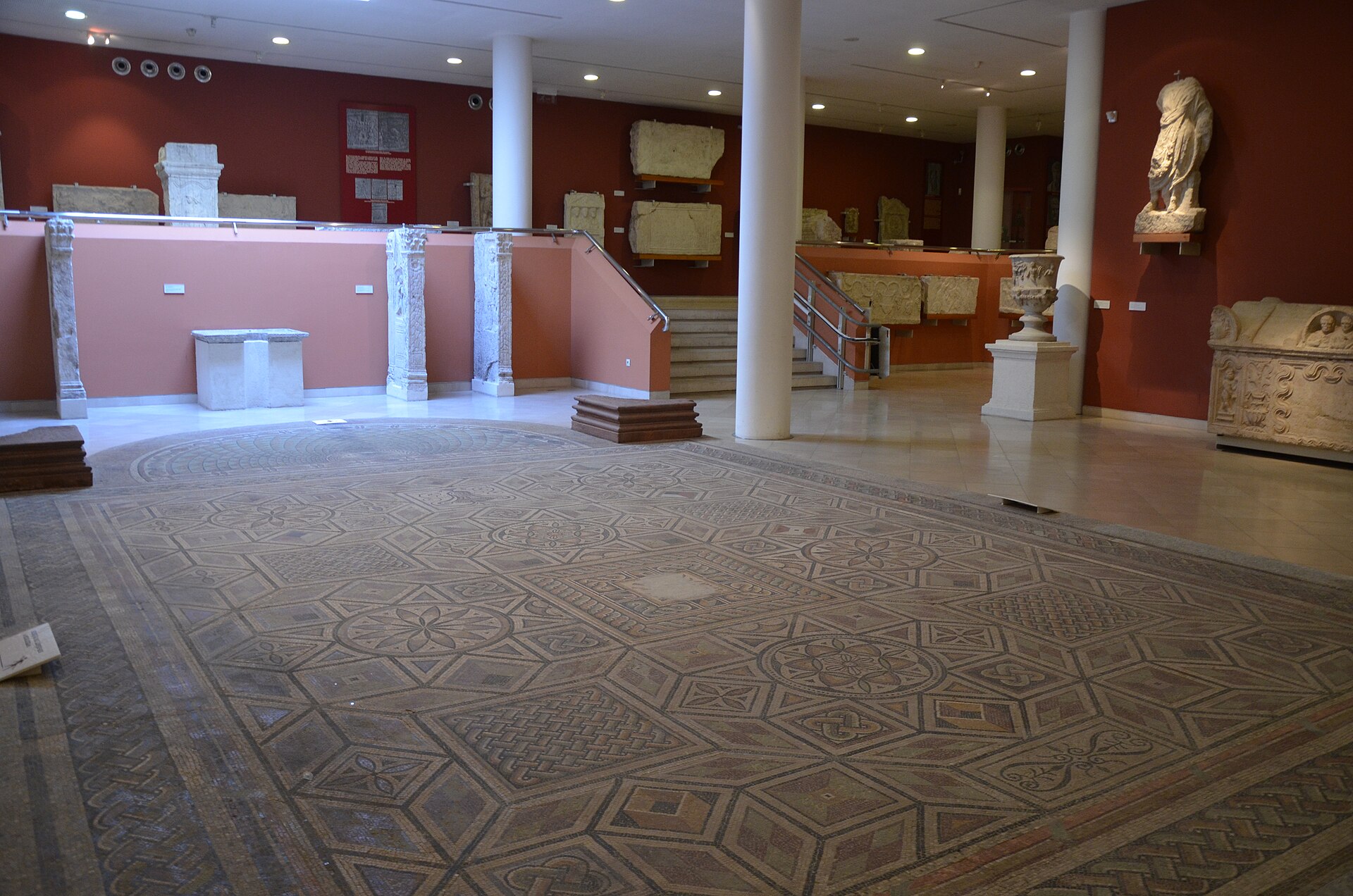
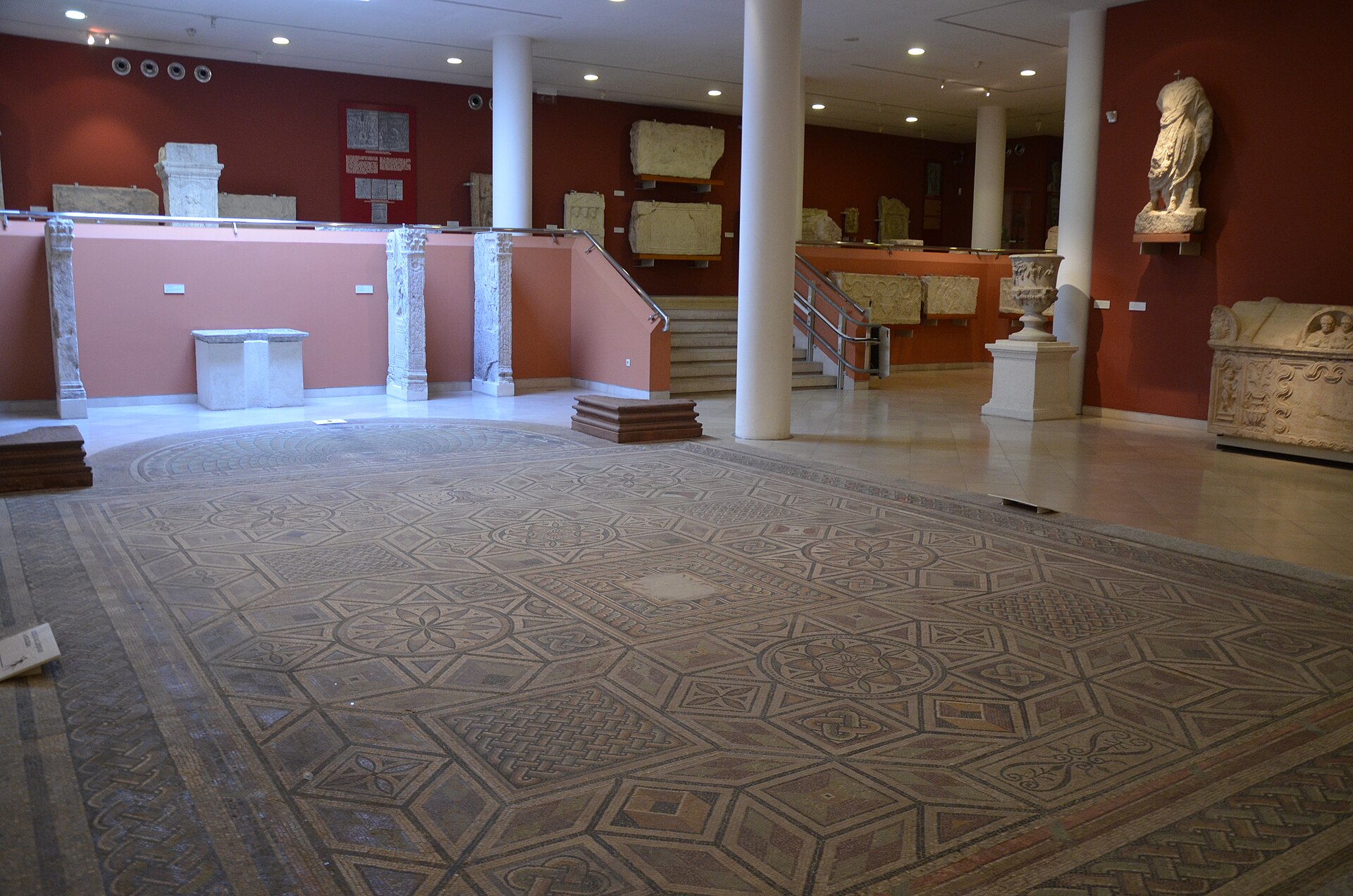
A basement hall of Roman-period stone inscriptions, altars, sarcophagi and architectural fragments from Pannonia, arranged around a large in-situ mosaic pavement.
A ground-floor hall of medieval and early modern Hungarian stone inscriptions and architectural carvings, most excavated in the 1960s and 1970s.
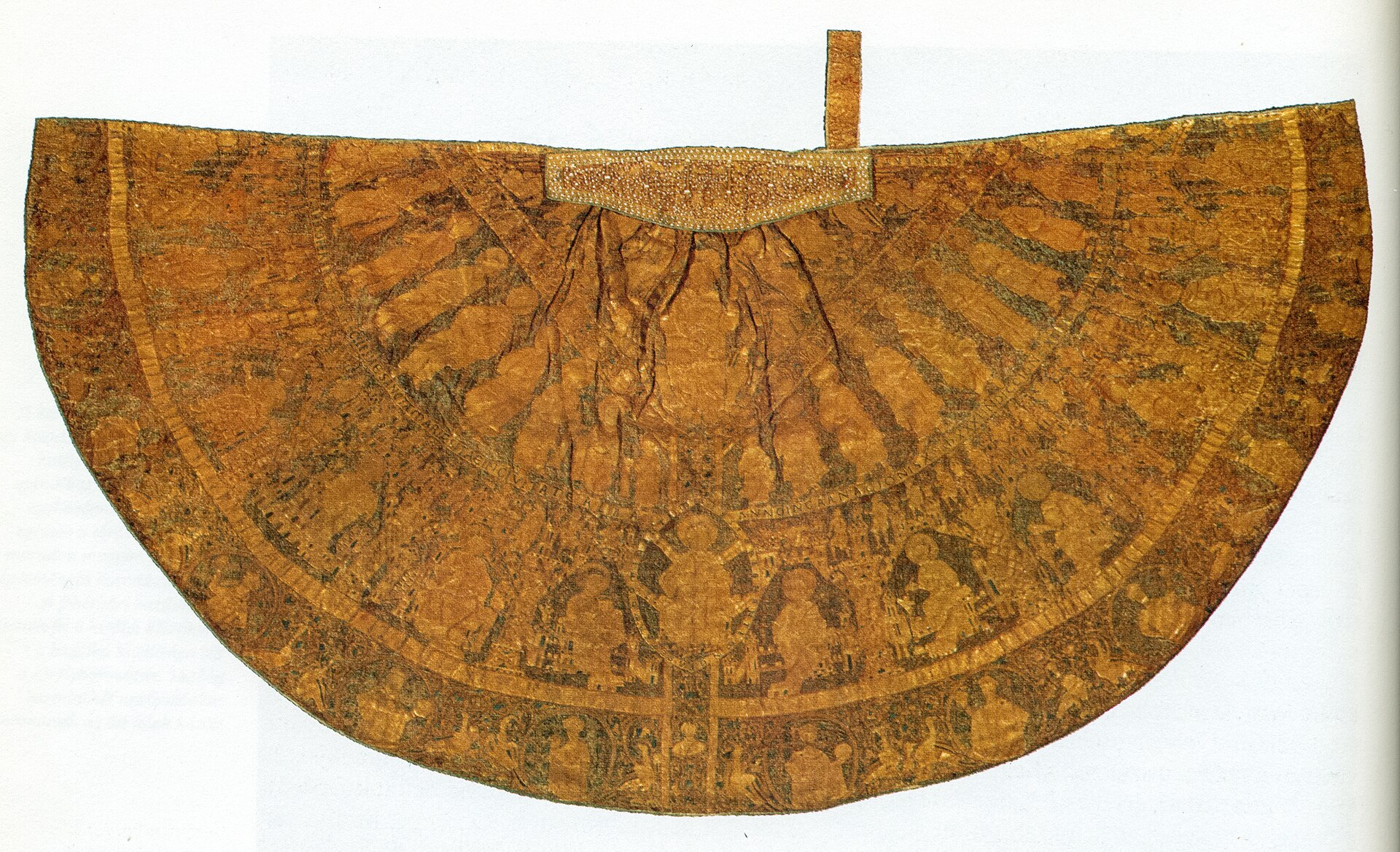
A dedicated first-floor room for the eleventh-century Hungarian Coronation Mantle (Coronation Pall), the semicircular embroidered vestment used at Hungarian coronations from 1031 to the last Habsburg coronation in 1916.
The gallery holding the fourteen pieces of the Seuso Treasure and its copper cauldron, shown together with material on the late Roman silver trade and the Pannonian basin that curators Marianna Dagi and Zsolt Mrav built the display around.
Fourteen pieces of late Roman silver tableware and the copper cauldron they were buried in, the best-documented provenance forgery case in the antiquities market and the subject of a 1993 New York jury trial that found neither Hungary nor Croatia had proved ownership. Hungary bought the two halves back from private holders in 2014 and 2017 for a combined 43 million euros, in payments the state calls compensation rather than a purchase. This archive holds a full researched record of the object.9
Full record in this archiveFound in fragments in 1878 at Koszarhegy, a few kilometres from the Seuso find area Hungary claims, and in the museum's own collection ever since. Zsolt Mrav argued in 2012 that it belongs stylistically with the Seuso group, which would put the treasure's presumed homeland in a Hungarian museum store the entire time the silver itself was travelling on forged Lebanese export papers.9
A semicircular vestment densely embroidered in gold and silk, used at Hungarian coronations for close to 900 years, from 1031 to the coronation of Charles IV in 1916. It is the oldest surviving Hungarian textile of its kind and one of the museum's most-requested loans.7
Seven engraved gold plates with cloisonne enamel depicting Emperor Constantine IX Monomachus, his wife Zoe and her sister Theodora, found by a farmer in 1860 near what is now Ivanka pri Nitre in Slovakia and bought piecemeal by the museum in the 1860s. Genuinely disputed: a 1994 study argued the plain design and coarse finish mark it as a nineteenth-century forgery, and scholars disagree on whether it was worn as a crown at all or served as a ceremonial armband or belt.8
A 37-centimetre embossed gold sheet shield ornament in the shape of a stag with its head turned back, from a princely grave hoard found in 1928 near Mezokeresztes and bought by the museum through public subscription. One of the best-known Scythian objects found in the Carpathian basin.10
Military relic attributed to the Hungarian general who commanded at the 1479 Battle of Kenyermezo against Ottoman raiders, part of the museum's holdings on the fifteenth-century wars against Ottoman expansion.7
Material connected to 15 March 1848, when Sandor Petofi read his poem Nemzeti dal and the Twelve Points from the museum's own front steps, an event usually credited with helping to spark the Hungarian Revolution. The building has been the site of the state's annual 15 March commemoration ever since.7
Late fourth or early fifth century AD · Silver
Hungarian National Museum, Budapest
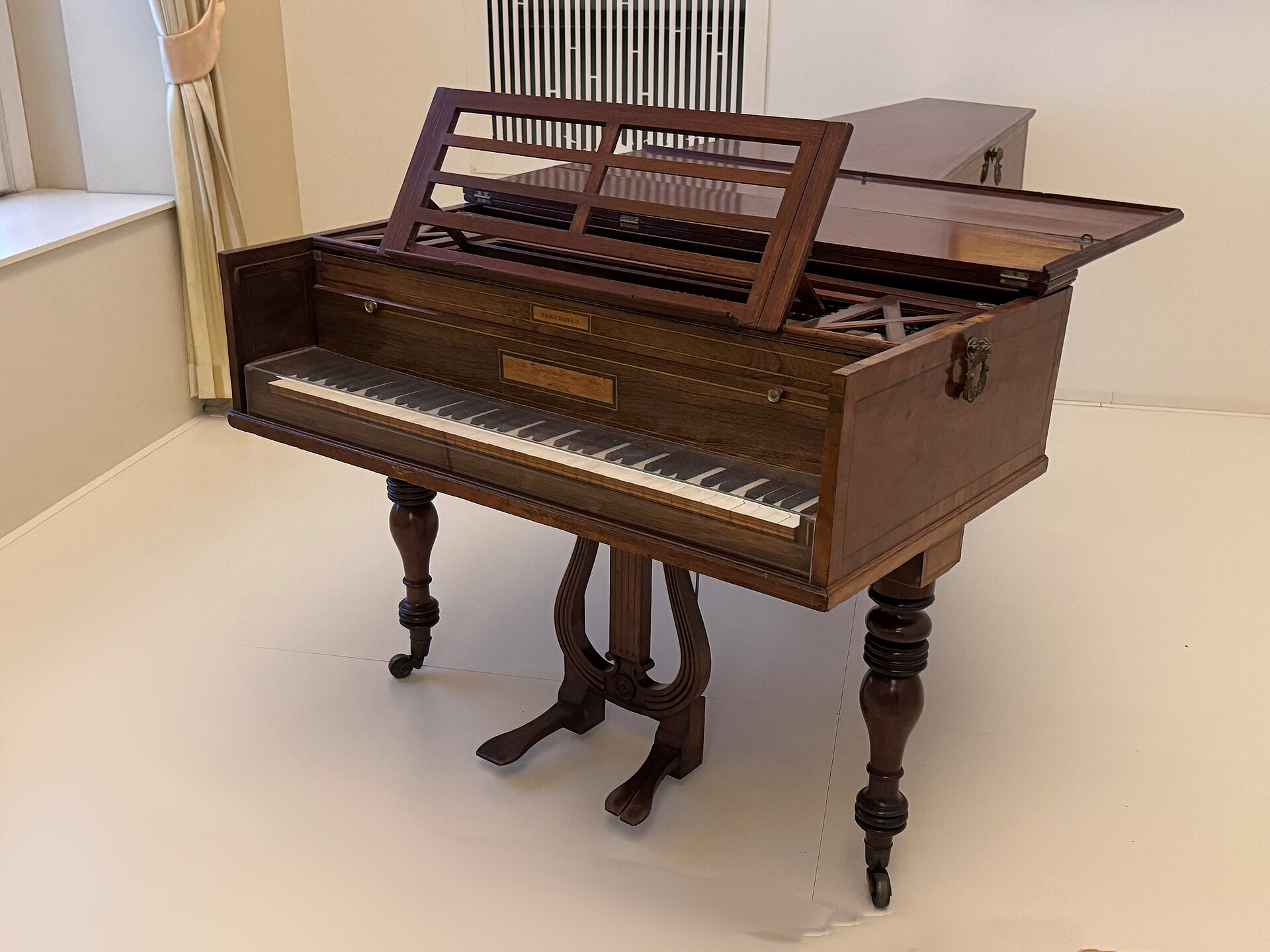
1817-1818 · Wood
Hungarian National Museum, Budapest
The Hungarian National Museum did not begin as a museum at all. In 1802 Count Ferenc Szechenyi donated his library, prints and coin collection to found what became the National Szechenyi Library, and Parliament formally endorsed the gift in 1807 and opened it to public subscription. Within a year Szechenyi's wife added a mineral collection, and what had been conceived as a library began accumulating natural history and antiquities alongside its books. By the 1830s the holdings had outgrown any building the state owned, and the 1832-1834 parliamentary session voted half a million forints toward a purpose-built home.
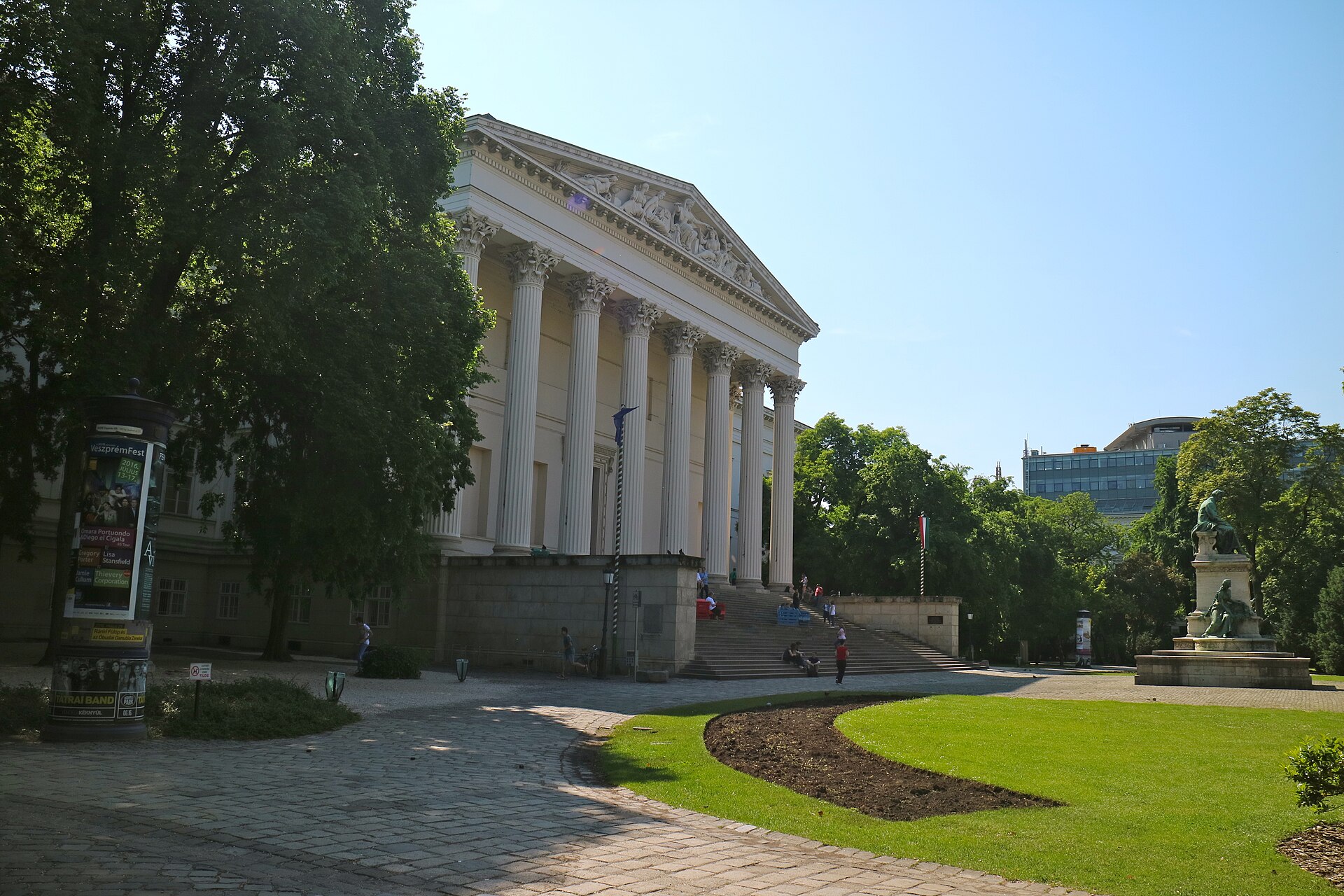
That commitment is the reason a national museum exists in Budapest as a single, unified building rather than as wings bolted onto an older palace, the way many national collections in Europe were housed. Architect Mihaly Pollack won the commission, construction ran from 1837 to 1847, and the museum moved into its still-current address at Muzeum korut 14-16, in the Jozsefvaros district, in 1846. Raffael Monti supplied the portico sculpture; ceiling paintings by Karoly Lotz and Mor Than were added later, in 1875. The building itself was conceived from the outset as a monument to the idea of a national collection, not simply a container for one.
On 15 March 1848 the poet Sandor Petofi stood on the front steps of the still-new museum building and read Nemzeti dal, alongside the Twelve Points setting out the demands of the Hungarian reform movement. The recitation is remembered as one of the sparks of the 1848 Hungarian Revolution against Habsburg rule, and the building has carried that association ever since: statues of Petofi (1890) and of the poet Janos Arany (1883) stand in the museum garden, and the state's annual 15 March national commemoration is still staged on the same steps.
It is an unusual thing for a museum building to be, itself, a primary historical site rather than only a place that displays them, and the museum leans into the fact rather than treating it as incidental. The 1848 relics inside the history galleries are shown with that context attached, not as a generic revolution case among others.
The permanent display runs across the ground and first floors and into the basement. The ground floor opens with 'On the East-West Frontier', archaeology from the Palaeolithic through the Roman province of Pannonia and the Migration Period, ending at 804 AD, and includes a separate hall of medieval and early modern stone carvings, most excavated in the 1960s and 1970s. Below ground, the Roman Lapidary gathers inscribed altars, sarcophagi and architectural fragments from Pannonia around a large in-situ mosaic floor.
The first floor picks the chronology up at 804 and carries it to the present: the Arpad dynasty, the medieval kingdom, Ottoman occupation, the Habsburg centuries, 1848, and the twentieth century through two world wars, the Horthy regency, communist rule and the 1989 transition. Several of the twentieth-century rooms are built as furnished domestic interiors rather than glass cases -- a socialist-era front room, a Kadar-era living room built around a television set, a Horthy-era study -- which puts the visitor inside the decades rather than only reading about them. A dedicated room holds the eleventh-century Coronation Mantle, used at Hungarian coronations from 1031 to 1916.
Since 2018 the museum has held the complete Seuso Treasure -- fourteen pieces of late Roman silver tableware and the copper cauldron they were buried in -- across two acquisitions, in 2014 and 2017, that together cost the Hungarian state 43 million euros. This archive holds a full researched record of that object (see Highlights), and the acquisition is not a side note to it. The treasure's export papers were forged twice over in the 1980s, it was withdrawn from a 1990 Sotheby's sale after Lebanon sued within five days of the announcement, and a 1993 New York jury found that neither Hungary nor Croatia had proved the treasure came from its territory -- a verdict reached, by the Hungarian National Museum's own account, on a record from which Hungary's soil analysis, police file and comparative silver stand had been excluded on procedural grounds.
Hungary got the silver anyway, two decades later, by paying private holders rather than by any court ordering restitution. The museum's own language for the payments -- compensation, not a purchase -- concedes nothing about who owned the treasure, which is exactly the vocabulary of an institution that fought a trial arguing the opposite and lost the argument, if not the object. A visitor standing in front of the Hunting Plate is looking at a museum acting as an interested party in the very dispute it now curates, which is a different thing from a neutral custodian displaying a settled acquisition.
Genuine scholarly disputes sit inside the collection as well as around it. The Monomachus Crown -- seven Byzantine gold plates with cloisonne enamel depicting Emperor Constantine IX Monomachus and two empresses, bought piecemeal by the museum in the 1860s after a Slovak farmer turned it up in a field in 1860 -- has never settled its own identity. A 1994 study by the Byzantinist Nicolas Oikonomides argued the plain design and coarse finish mark it as a nineteenth-century forgery rather than an eleventh-century imperial object; other specialists have defended its authenticity while disagreeing about whether it was ever worn as a crown at all, proposing instead a ceremonial armband or a belt. The museum displays the object with the debate attached rather than resolved, which is the honest option given the state of the evidence.
The museum has not stood still architecturally either. Its own site announced in late 2025 that a number of exhibition halls would close to visitors from 2 December 2025 for renovation work, alongside the ordinary run of temporary exhibitions -- an Attila and the Huns show ran into mid-2026 with extended closing hours in its final days. None of this affects the institution's basic operating status: the building remains open on its normal Tuesday-to-Sunday schedule, and the closures are described on the museum's own site as confined to specific halls rather than the museum as a whole. A visitor planning a trip around a specific gallery should check the current notice on the museum's own site before travelling, since a partial closure inside an open building is exactly the kind of detail a general listing omits.
Visitors consistently single out the neoclassical building and its steps as a destination in their own right, and praise the chronological history galleries for being unusually easy to follow with side-by-side Hungarian and English text. The most repeated reservation is that some display cases and label design read as dated next to Budapest's newer museums, and that not every gallery is fully translated.
TripAdvisor: 4 from 11,403 ratings, read 8 August 2026
Google: 4.5 from 1,514 ratings, read 8 August 2026
A platform average is a tertiary source: it moves, it is not audited, and we quote no visitor's words.
Muzeum korut 14-16, 1088 Budapest, Hungary.
Full price: HUF 3500; Discounted adult: HUF 1750; Youth: HUF 1750; Group, full price: HUF 3000; Group, youth: HUF 1200. As confirmed 2 September 2026.
Tue-Sun 10:00-18:00. Closed: Monday. As confirmed 2 September 2026.
Metro: M3 (blue) and M4 (green) lines, Kalvin ter station, about 5 minutes on foot; Metro: M2 (red) line, Astoria station; Tram: Trams 47, 48 and 49, Kalvin ter stop; Bus: Buses 9, 15 and 115 to Kalvin ter; buses 5, 7, 8, 107, 110, 112, 133, 178, 233 and 239 to Astoria.
The Seuso Treasure (Unknown late Roman workshop, fourth to fifth century AD); The associated silver quadripus (folding stand) (Unknown late Roman workshop, fourth to fifth century AD); The Hungarian Coronation Mantle (Byzantine or Byzantine-influenced workshop, dated by inscription to 1031); The Monomachus Crown (Byzantine goldsmith's workshop, probably Constantinople, c. 1042); The Zoldhalompuszta gold stag (Scythian workshop, sixth century BC); Pal Kinizsi's chainmail (Unknown Hungarian or Ottoman-region armourer, fifteenth century).
One artwork and its story every Tuesday, with the picture: who owned it, what it made, and what closes soon in the exhibition calendar. No promotion, and nothing we cannot cite.
We send one email to confirm the address and keep nothing else. Every letter carries a one-click unsubscribe. How we handle your data.