The Lydian Hoard
About 560-540 BC · Gold
Usak Museum of Archaeology, Usak, Turkey
Museum · Usak Arkeoloji Muzesi · Founded 1970
Open, admission and hours confirmed 27 August 2026 · 15 sources
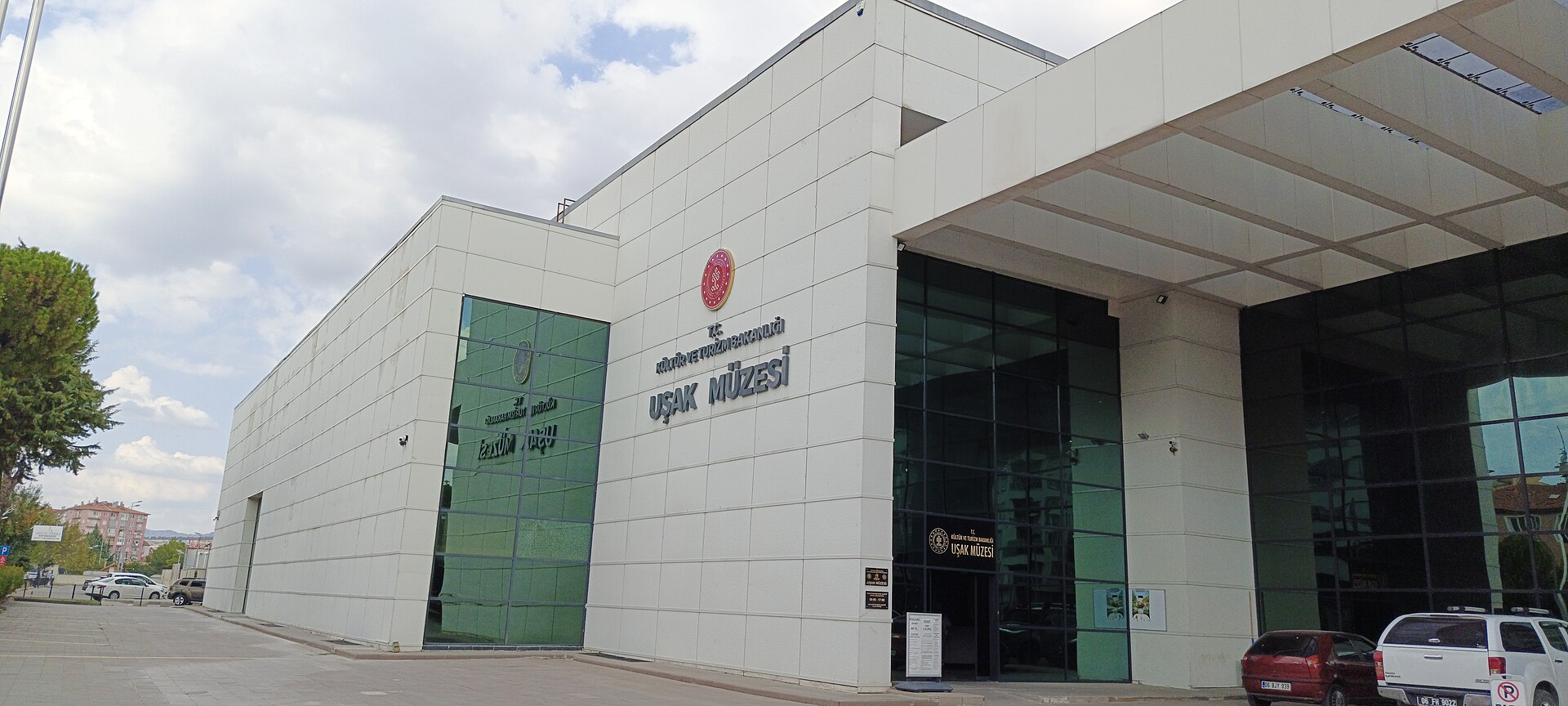
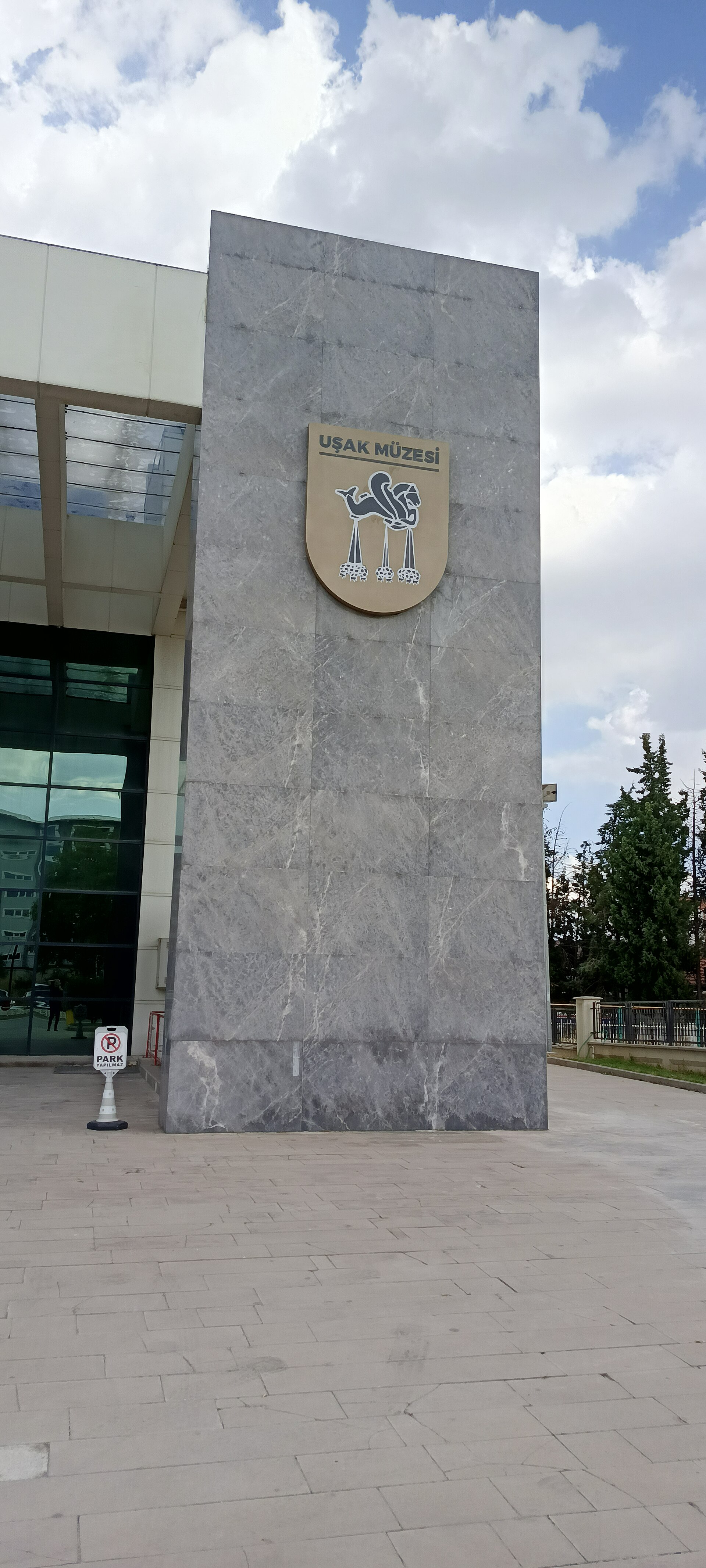
The museum's identity rests on a single, extraordinary holding - the repatriated Karun (Lydian) Treasure - inside a much larger, less well-known regional archaeological collection of roughly 40,000 registered objects drawn from Usak province's Palaeolithic through Byzantine-era sites, including material from the Roman cities of Akmonia, Blaundos and Sebaste and from the province's Iron Age tumuli. The 2018 building was built specifically to show more of that wider collection than the 1970 building ever could; sourced accounts describe the older building as displaying only a small fraction of the registered holdings.
| Local name | Usak Arkeoloji Muzesi |
|---|---|
| Kind | Museum |
| Founded | 23 May 1970 in its original building; the present building beside Usak railway station was built 2012-2016 and the museum reopened there in 2018 |
| City and country |  Usak, Turkey Usak, Turkey |
| Address | Orhan Dengiz Bulvari, Fatih Mahallesi, Usak Merkez, 64100 Usak, Turkey (beside Usak railway station; the museum's own visitor page still gives the pre-relocation text address Kurtulus Mahallesi, Dogan Sokak No:1) |
| Website | muze.gov.tr/muze-detay?SectionId=UAR02&DistId=MRK |
| Status | Open, confirmed 27 August 2026 |
| Record last verified | 7 August 2026 |
Prices and hours change. We take them from the institution's own pages and print the day we read them, and you can check the current position at the source we used. Confirm before you travel.
Finds from Usak province laid out in chronological order from the Palaeolithic through the Bronze Age into the Phrygian, Hellenistic and Roman periods, including stone tools, beak-spouted Bronze Age pitchers, and stone architectural pieces, statues and sarcophagi recovered from the ancient cities of Akmonia, Blaundos (Blaundus) and Sebaste and from the district's Roman-era marble quarries.
A coin gallery built around Lydia's claim, tied to the Usak region, to having minted the first coinage in the ancient world under its kings; a diorama illustrating minting and craft work is described by a visitor to the pre-2018 building and is presented as part of this floor's displays in the current museum.
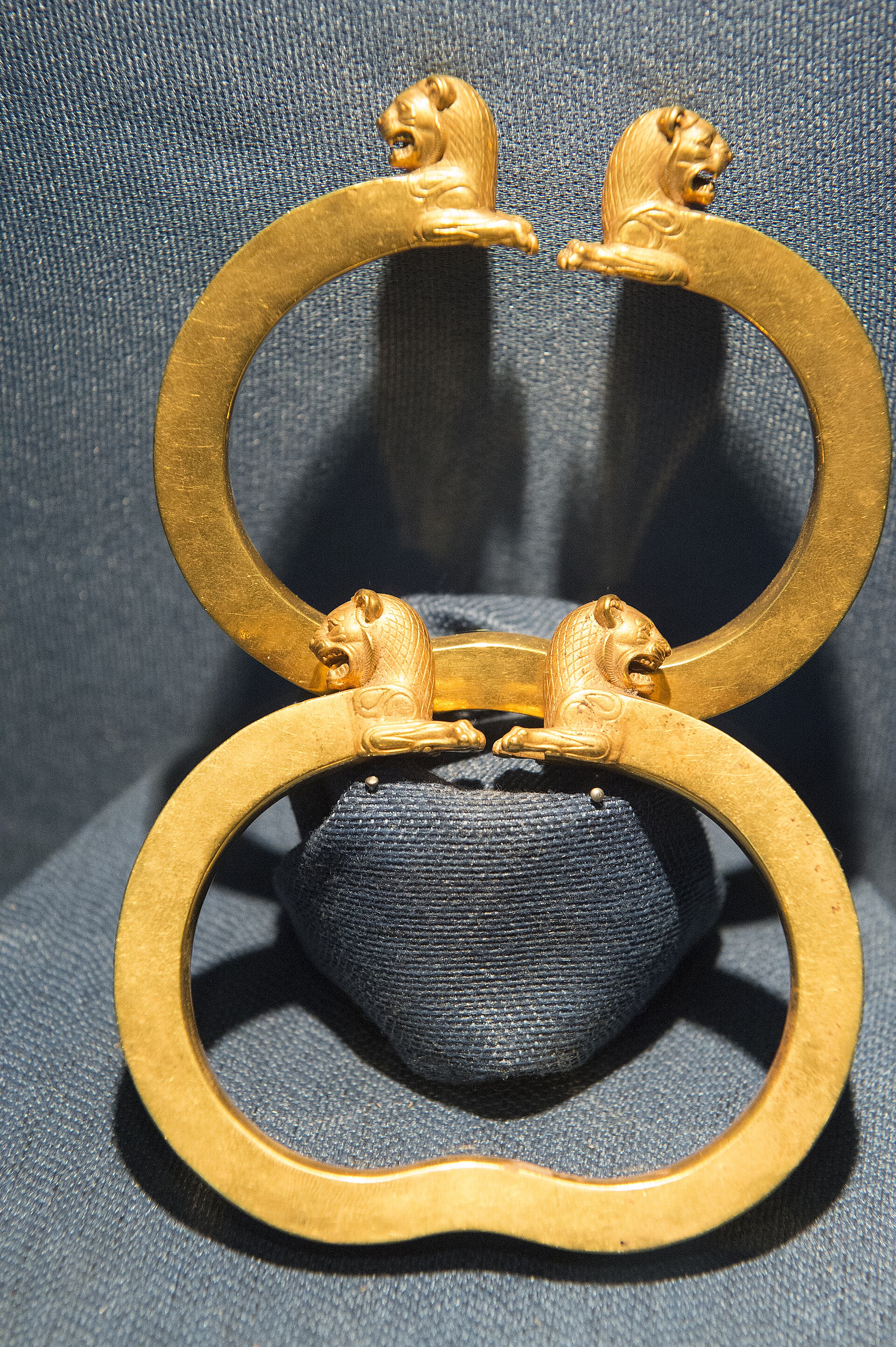
The core of the repatriated Lydian Hoard: gold and silver jewellery, vessels and personal ornament from a looted 7th-century BC noblewoman's tomb near Usak, returned by the Metropolitan Museum of Art in 1993. The display includes the golden hippocampus (winged sea-horse) brooch recovered in 2012 after the original was stolen from this same museum in 2005-2006, and a fake substitute that was itself kept as an exhibit and object lesson after the theft was uncovered.
Material excavated from the province's Iron Age burial mounds, principally the Ikiztepe Tumulus (recorded as roughly 60 metres wide and 10 metres high), displayed alongside two sphinx figures at the gallery entrance; visitor accounts also describe painted wall fragments removed from tumulus burial chambers found in villages near Usak.
The single object most associated with this museum: part of the repatriated Karun Treasure, stolen from its case here in 2005-2006 and replaced with a fake that stayed on display for months before the substitution was noticed; the original resurfaced in Germany and was returned in November 2012.6
Kept and shown at the museum after the theft was exposed, so a visitor can see the fake that hung in the case for months next to the case's own theft as a documented episode in the object's history rather than a discreetly corrected error.13
363 pieces (some later Turkish accounts count closer to 375) looted from a tumulus near the village of Gure in 1966, sold on to the Metropolitan Museum of Art, and returned to Turkey in 1993 after a legal case that ran from 1987 - one of the twentieth century's landmark antiquities-restitution victories for a source country.11
Usak sits in the heartland of the kingdom whose kings, Croesus among them, are credited by ancient tradition with striking the first coinage in electrum; the museum's numismatic floor sets its own regional finds against that claim.13
Blaundos is one of the best-preserved but least-visited Roman cities in western Anatolia, and its funerary stelae and architectural fragments in this museum are, for most visitors, the only pieces of it they will ever see outside the site itself.9
Excavated from one of the province's Iron Age burial mounds and displayed with two sphinx figures that mark the entrance to the treasure galleries; part of the wider tumulus archaeology that makes the Usak region, not only its treasure hall, the subject of the display.9
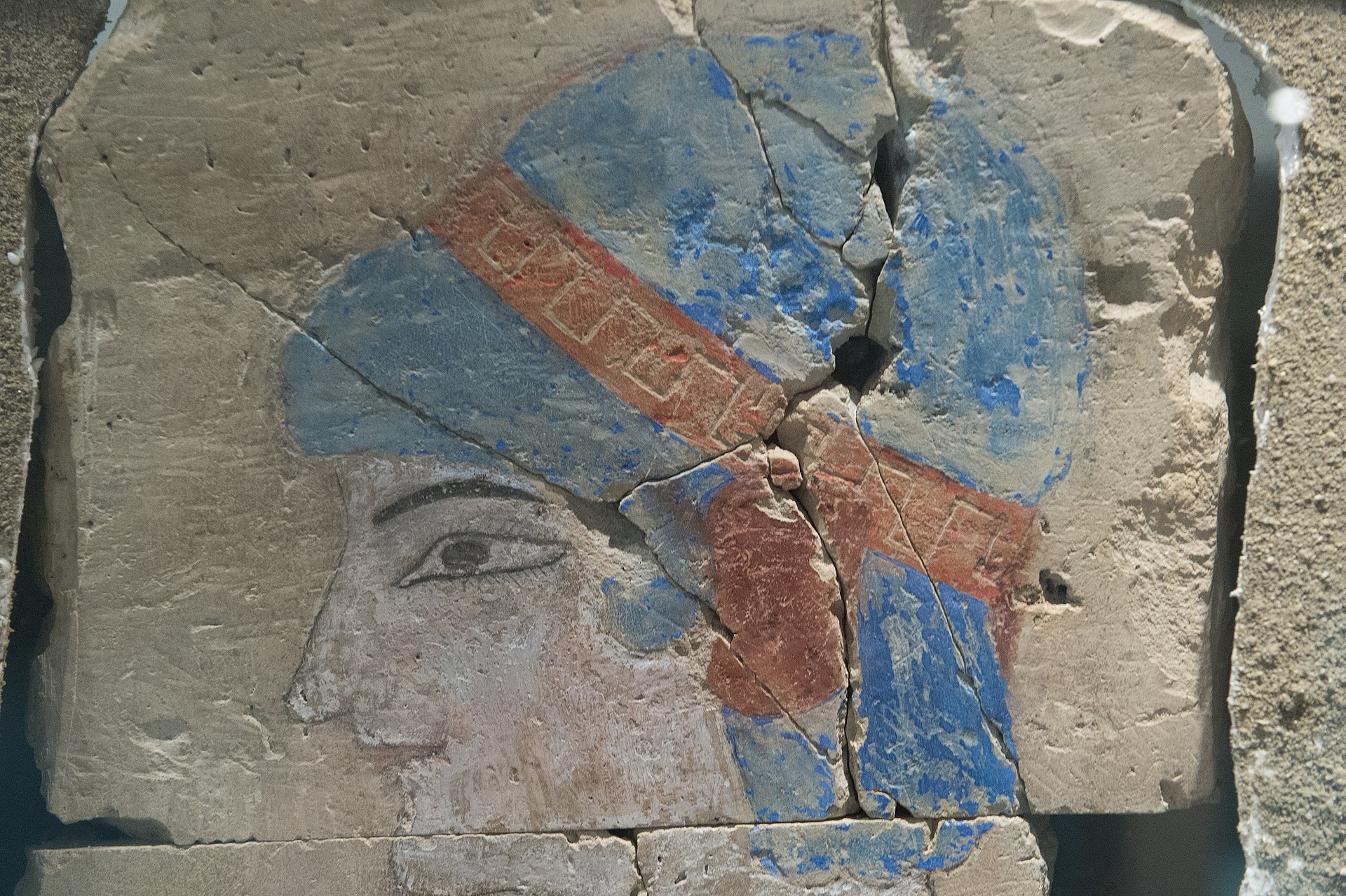
Wall-painting fragments removed from burial-mound chambers in villages near Usak, described by visitors as depicting narrative scenes; evidence that the tumuli around the city held painted interiors as well as portable treasure, a fact easy to miss next to the gold.14
About 560-540 BC · Gold
Usak Museum of Archaeology, Usak, Turkey
c. 550-450 BCE, Achaemenid-period Lydia · Gold
Usak Museum of Archaeology, Usak, Turkey
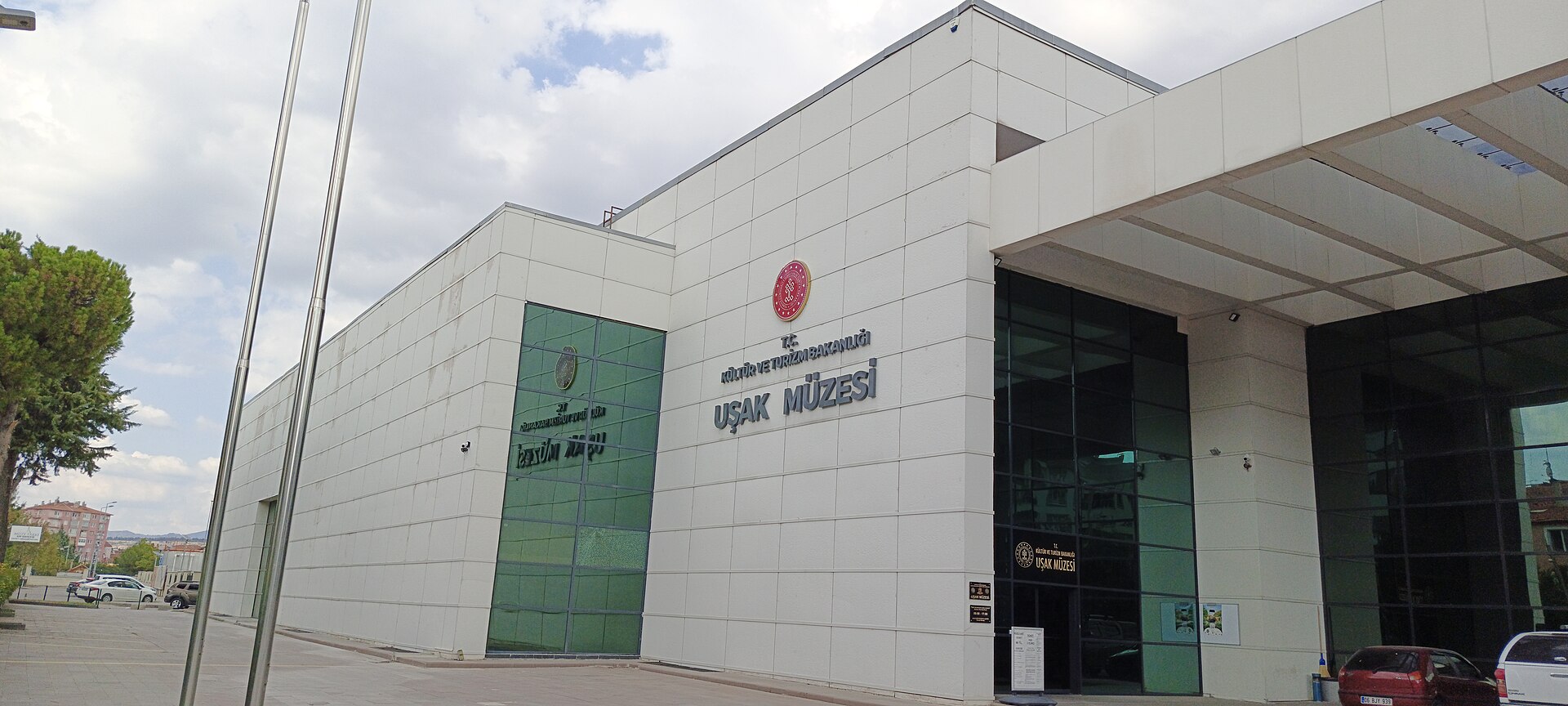
The Usak Museum of Archaeology occupies a three-storey building next to Usak's railway station, in Fatih Mahallesi on the western side of the city, rather than the old town-centre building where the institution began. The museum itself dates to 23 May 1970, when a collection assembled through the 1960s went on display in a single building it would occupy for the next 48 years. By the early 2000s that building held only a small fraction of the roughly 40,000 objects registered to the museum, the rest sitting uncatalogued or unseen in storage - a shortfall a later account of the 2005-2006 theft cites directly as part of the institution's chronic problem, not an excuse for it.
Construction of a larger replacement began around 2012 on land beside Usak's historic station and was finished in 2016; the collection moved and the museum reopened to the public in the new building in 2018. It is arranged over three exhibition floors plus a conference hall, a foyer, a library and a children's education room, none of which the old building had room for. The ground floor lays out finds from the province in chronological order, from Palaeolithic stone tools through the Bronze Age and into the Phrygian, Lydian, Hellenistic, Roman and early Byzantine periods. The second floor is a numismatic gallery. The top floor is reserved for the material that gives the museum its reputation well outside Turkey: the Karun Treasure, shown alongside finds from the province's Iron Age burial mounds.
Usak sits at the edge of what was, in the 7th and 6th centuries BC, the heartland of the kingdom of Lydia, whose last king, Croesus, gave the West its byword for extravagant wealth. On 6 June 1966, three men from the nearby village of Gure dynamited their way into a tumulus chamber holding the remains of a Lydian noblewoman and her grave goods; further finds from other tumuli in the same district followed through 1966 and 1967. The material was smuggled out through Izmir and Amsterdam and reached New York, where the Metropolitan Museum of Art bought roughly 200 pieces between 1966 and 1968. Contemporary reporting on part of the purchase put the price at about 500,000 dollars; a later, fuller account of the whole acquisition puts it at 1.2 million dollars - the two figures are not reconciled in the sources this desk could reach, and are given here as reported rather than resolved.
The Met kept the objects out of its published catalogues and largely out of public view for years. Museum officials, asked directly by the New York press where the pieces had come from, referred reporters to the dealer who had sold them rather than answer themselves - a non-answer that later reporting treated as evidence the museum already suspected the material's origin.
The pieces might have stayed in New York had a Turkish newspaper reporter not kept working the story for sixteen years. Ozgen Acar, a Cumhuriyet correspondent, was tipped off in 1970 by a British journalist chasing the same rumour and made repeated trips to Usak through the early 1970s, slowly building relationships with villagers who let slip, piece by piece, who had dug where. On one of those visits a villager warned him in advance of a planned tomb robbery; Acar passed the tip to the authorities, and the archaeologist sent to intervene was Kazim Akbiyikoglu, then a young curator at the Usak museum who went on to legitimately excavate a related Phrygian-period hoard - the same man who, three decades later, would be convicted of stealing from his own museum's Lydian collection.
Acar found conclusive proof in 1984, spotting pieces from the hoard reproduced in one of the Met's own catalogues, and alerted Turkey's Ministry of Culture. Turkey filed suit in New York in 1987. The case concluded in 1993 with the Metropolitan Museum admitting it had known, at the time of purchase, that the objects were stolen, and returning the collection - by then referred to in Turkey as the Karun Treasure, Karun being the Arabic and Persian rendering of Croesus - to Usak.
The treasure's return to Usak did not end its exposure to theft; it moved the risk inside the museum's own walls. In 2006 it emerged that the collection's best-known single piece, a gold brooch in the shape of a hippocampus (a winged sea-horse), had been stolen from its case sometime between March and August 2005 and replaced with a forgery good enough that museum staff and visitors alike had been looking at a fake for months without noticing. A coin from the same collection had also been swapped.
The investigation implicated the museum's own director, Kazim Akbiyikoglu - the same archaeologist who, as a young curator in the early 1970s, had helped recover a legitimately excavated hoard after a tip-off from Ozgen Acar. Akbiyikoglu and ten others were arrested; he confessed to selling the genuine pieces to cover gambling debts and was sentenced to 13 years in prison in 2009. The authentic brooch resurfaced in Germany and was returned to Turkey in November 2012, displayed for a period at the Museum of Anatolian Civilizations in Ankara before coming back to Usak. The counterfeit that had hung in its place has itself remained an exhibit, an unusually candid piece of institutional self-exposure for a Turkish state museum: a fake that visitors are shown as a fake, next to the case it was stolen from.
The museum's numismatic floor rests on a specific regional claim: that Lydia, whose kings ruled from Sardis with Usak at the western edge of their territory, was the first state to strike coinage, in electrum, under Croesus's predecessors in the 7th century BC. Whatever the precise attribution among rival claimants in the ancient Near East, the region's coin finds - shown here alongside later Roman-period issues - are presented as a direct, physical link between Usak and the invention of money itself.
The ground floor's chronological galleries and the treasure floor's tumulus material both draw on excavations across Usak province rather than the city itself: stelae, architectural fragments, statues and sarcophagi from the Roman cities of Akmonia, Blaundos and Sebaste, marble quarry material from the same region, and grave goods from Iron Age burial mounds including the Ikiztepe Tumulus, recorded as roughly 60 metres across and 10 metres high, guarded in the gallery by two sphinx figures at its entrance. Visitor accounts also describe painted fragments removed from tumulus burial chambers in villages near the city - evidence the mounds held decorated interiors as well as portable treasure, a detail that gets less attention than the gold beside it but belongs to the same body of excavation.
Visitors consistently single out the Karun Treasure floor as the reason to come, and repeatedly note that the museum's bilingual Turkish/English labelling and chronological layout make a small collection easy to follow even without a guide. The building's newness (since 2018) and the presence of a proper conference and education wing are treated as an improvement on the cramped older museum. The most repeated complaints are practical rather than curatorial: a cold interior, and gallery lighting that reviewers say reflects badly in photographs of the cases. A minority of visitors also describe learning on-site, sometimes for the first time, that the hippocampus brooch on display was for a period a forgery substituted for a stolen original - reported by some as an unsettling surprise rather than as information volunteered by the museum's own labels.
Tripadvisor: 4.2 from 43 ratings, read 7 August 2026
A platform average is a tertiary source: it moves, it is not audited, and we quote no visitor's words.
Orhan Dengiz Bulvari, Fatih Mahallesi, Usak Merkez, 64100 Usak, Turkey (beside Usak railway station; the museum's own visitor page still gives the pre-relocation text address Kurtulus Mahallesi, Dogan Sokak No:1).
Foreign visitors: EUR 3; Turkish ID holders (Muzekart / Muzekart+): free. As confirmed 27 August 2026.
Tue-Sun 09:00-17:00. Closed: Monday. As confirmed 27 August 2026.
Rail: The museum stands immediately beside Usak railway station in Fatih Mahallesi, on the TCDD line; it is described in Turkish tourism sources as built on the site of, and next to, the town's historic station building.
The hippocampus (winged sea-horse) brooch (Lydian goldsmith, 7th century BC); The counterfeit hippocampus brooch (Modern forger, made to replace the stolen original circa 2005); The Karun Treasure gold and silver grave goods (Lydian workshops, 7th century BC); Lydian and Roman-period coin collection (Lydian and later Roman mints); Stelae and architectural sculpture from Blaundos (Roman-period workshops of Blaundos (Blaundus)); Ikiztepe Tumulus grave goods and the two entrance sphinxes (Lydian, Iron Age).
One artwork and its story every Tuesday, with the picture: who owned it, what it made, and what closes soon in the exhibition calendar. No promotion, and nothing we cannot cite.
We send one email to confirm the address and keep nothing else. Every letter carries a one-click unsubscribe. How we handle your data.
