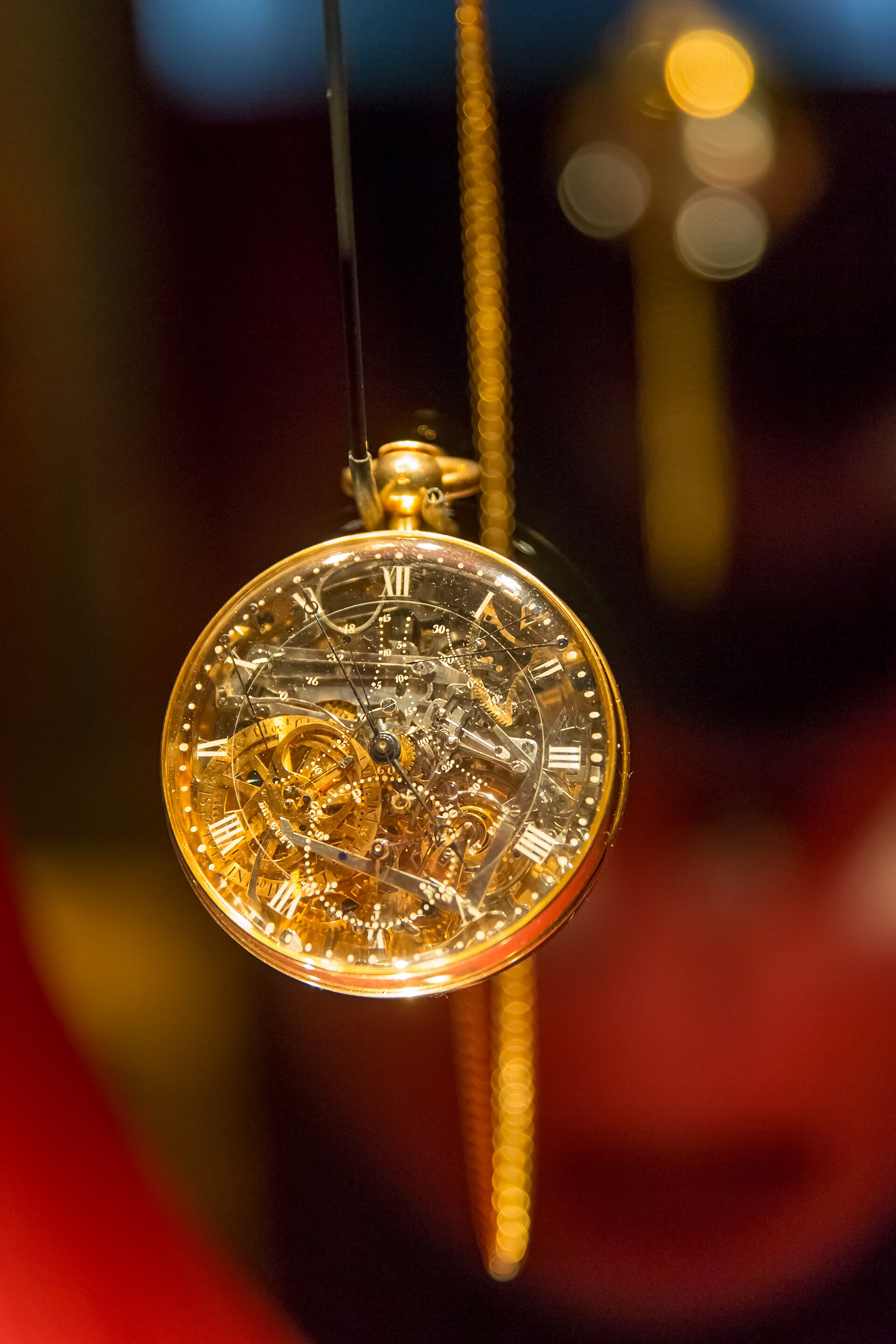
Breguet No. 160, the Marie-Antoinette
1783 · Gold
L. A. Mayer Museum for Islamic Art, Jerusalem
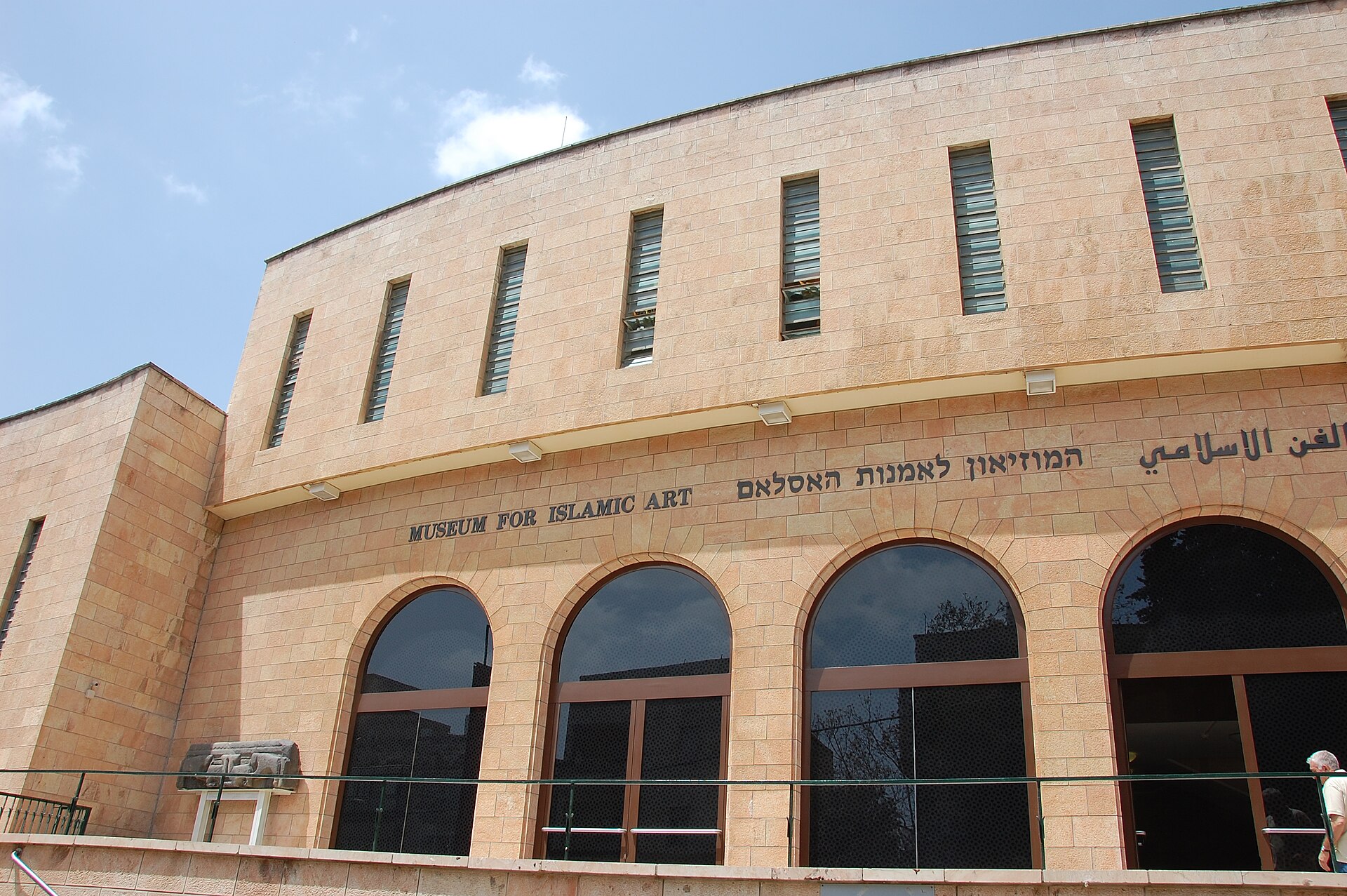
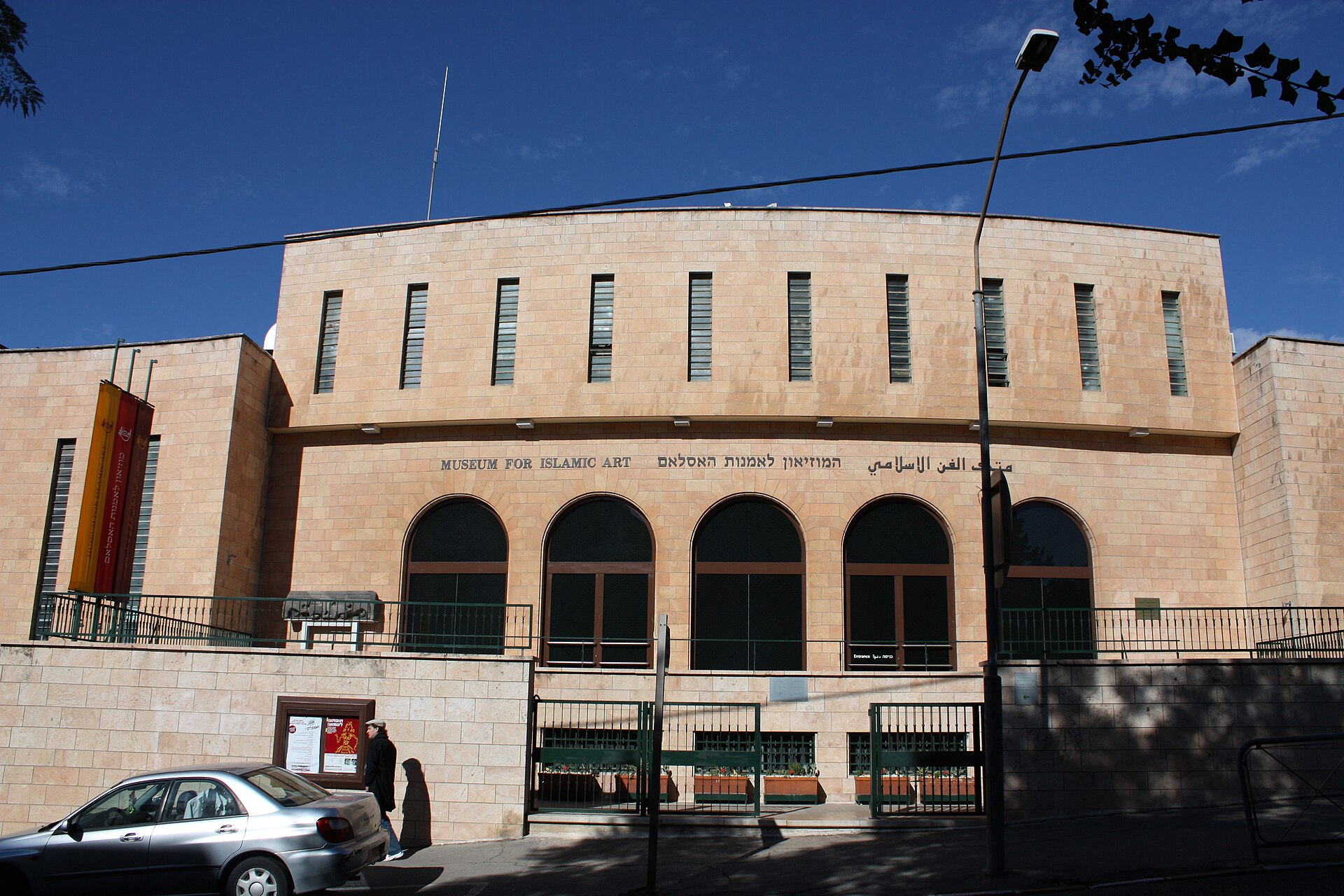
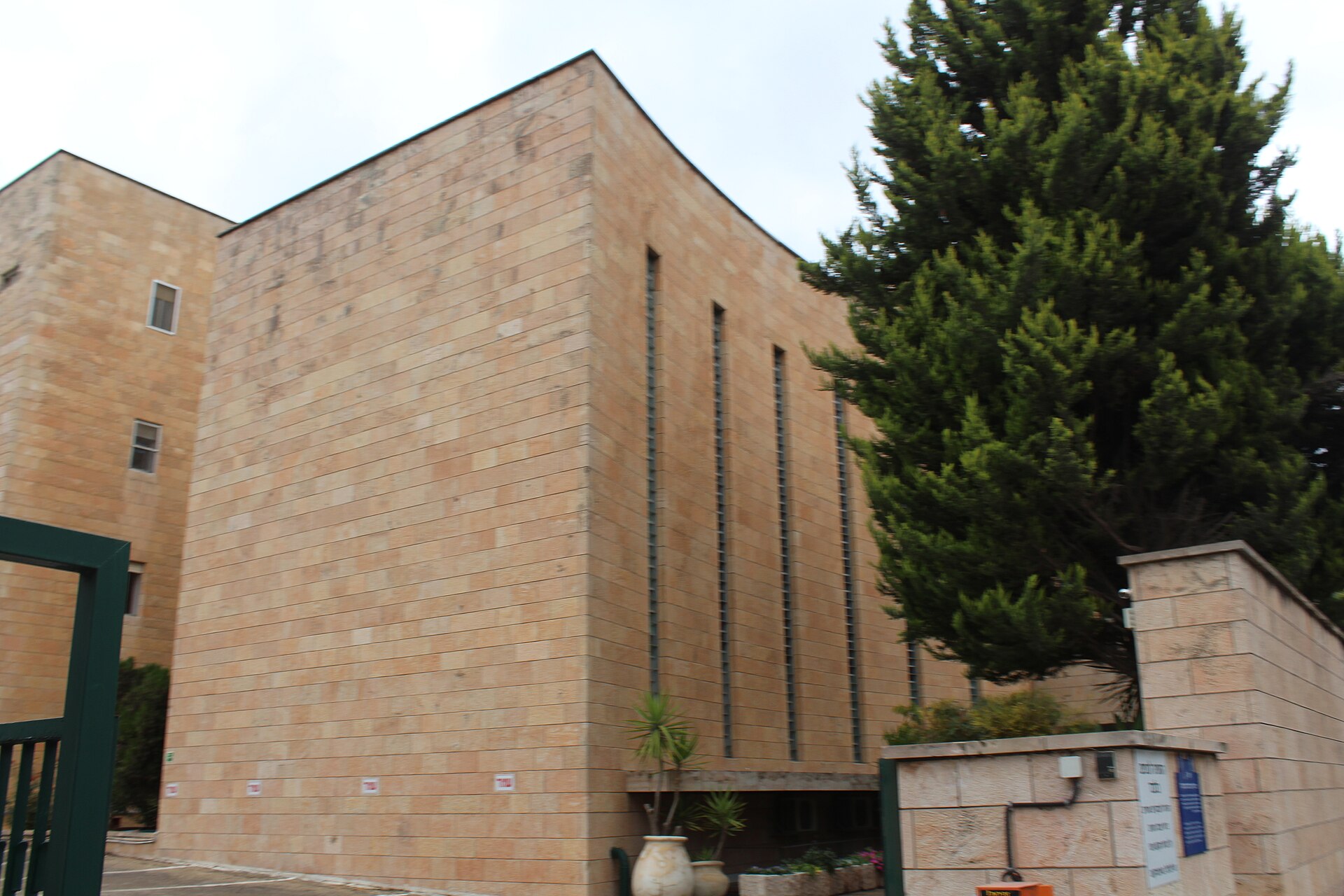
The museum's facade on Hapalmach Street, with its name in English, Hebrew and Arabic above the entrance arches
Public domainMuseum · HaMuzeon LeOmanut HaIslam · Founded 1965
Open, admission and hours confirmed 18 August 2026 · 15 sources
The museum's real strength is depth in two specific areas rather than breadth across all of Islamic art: a chronologically complete run of decorative and religious material from the 7th century Arab conquests to the late Ottoman empire, arranged so that calligraphy, arabesque ornament and geometric design can be traced forward across six centuries and several empires in one visit; and, separately, a horological collection assembled by a genuine 19th century collector rather than bought as museum filler, in which the Marie-Antoinette watch is the famous exception rather than the rule. The Harari Hoard of 11th and 12th century Iranian silver vessels is, on the evidence of the museum's own description, a genuinely rare survival rather than a routine holding, since the religious convention of the period usually kept precious metal out of vessels of this kind.
| Local name | HaMuzeon LeOmanut HaIslam |
|---|---|
| Kind | Museum |
| Founded | Concept originated in the 1960s under Vera Bryce Salomons; the building was designed by Alexander Friedman and construction began in 1965; the museum opened to the public in 1974 |
| City and country |  Jerusalem, Israel Jerusalem, Israel |
| Address | 2 HaPalmach St, Katamon, Jerusalem |
| Website | islamicart.co.il |
| Status | Open, confirmed |
| Record last verified |
Prices and hours change. We take them from the institution's own pages and print the day we read them, and you can check the current position at the source we used. Confirm before you travel.
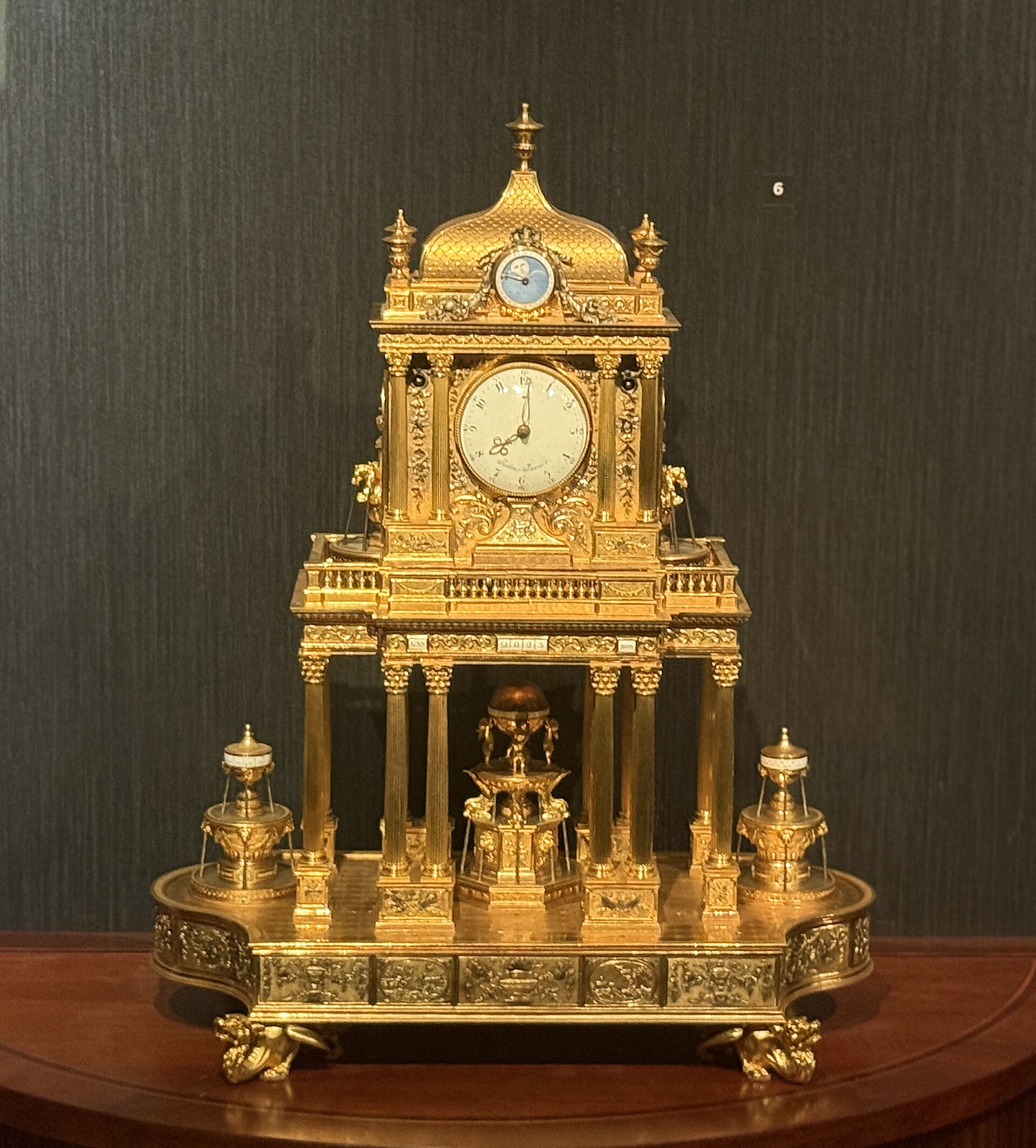
The David Lionel Salomons watch, clock and automaton collection, assembled by Vera Salomons's father, a noted London horologist and the city's first Jewish Lord Mayor. It includes the Breguet No. 160 Marie-Antoinette perpetuelle, the Sympathique carriage clock cradling Breguet pocket watch No. 722, Breguet's Revolutionary double-dial timepiece No. 6 of 1797, a half-quarter repeating watch by Breguet (No. 4214, 1827), an enamelled timepiece made for the Turkish market by Augt. Courvoisier & Cie, and a Piguet et Meylan butterfly-shaped musical automaton concealing a watch
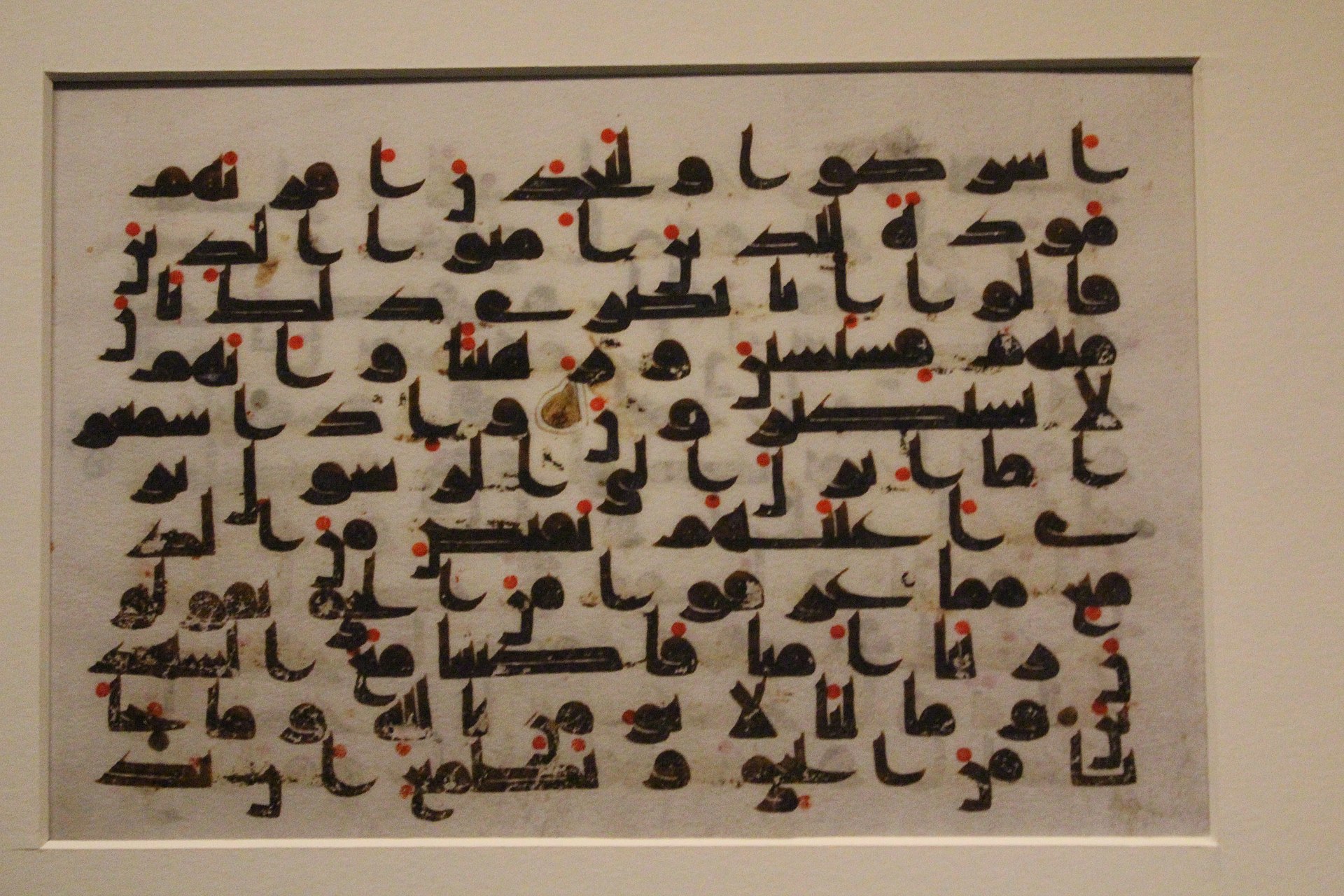
The opening galleries, covering the spread of Islam from the 7th century Arabian Peninsula through the collapse of Byzantine and Sassanid rule, and the earliest Islamic material culture: Umayyad and Abbasid pottery, metalwork and glass, and early Qur'an folios in Kufic and related scripts
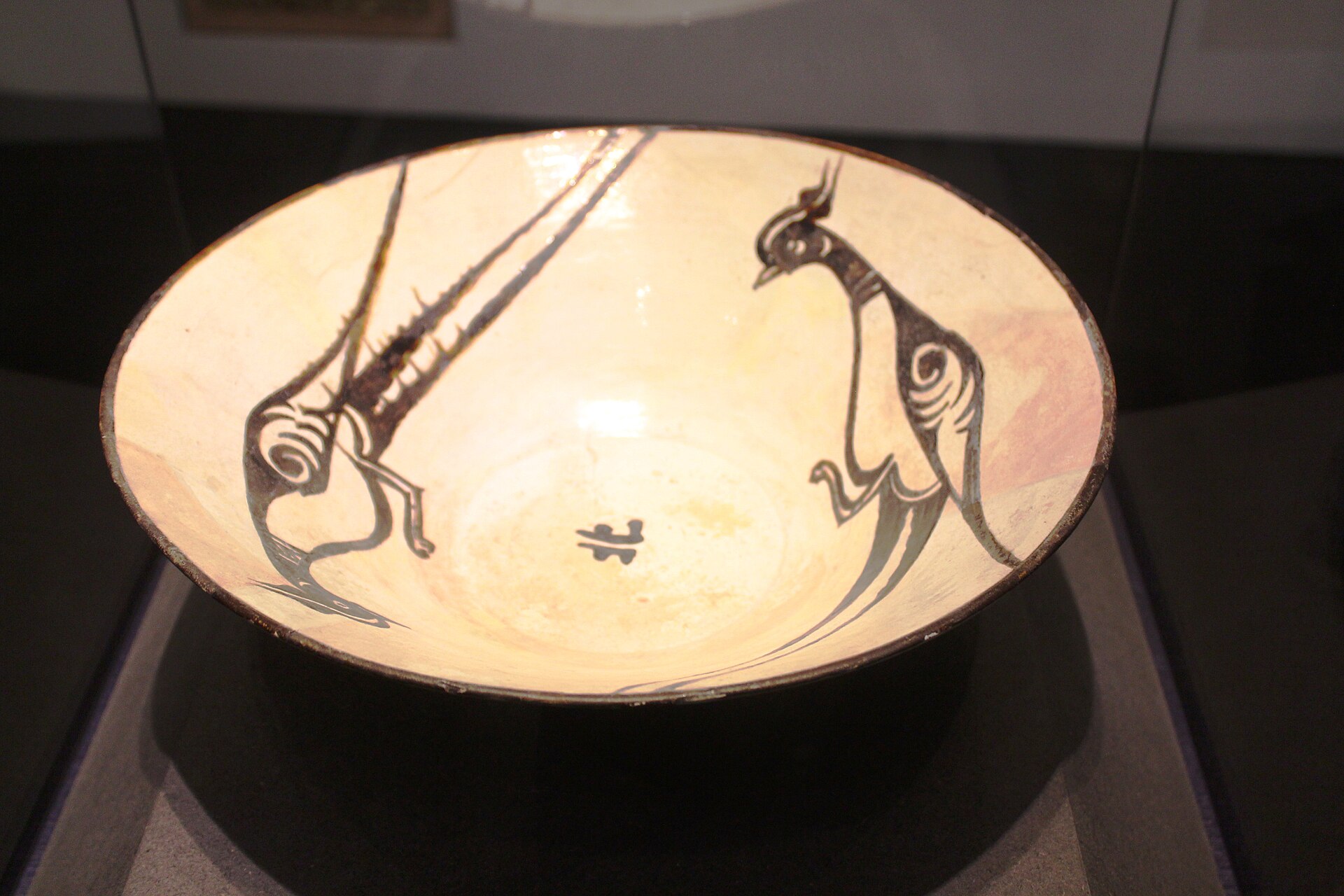
Pottery, metal and glass objects for everyday use alongside luxury pieces from the Samanid, Fatimid, Seljuq and Mamluk periods, including the museum's Harari Hoard of 11th and 12th century Iranian silver vessels
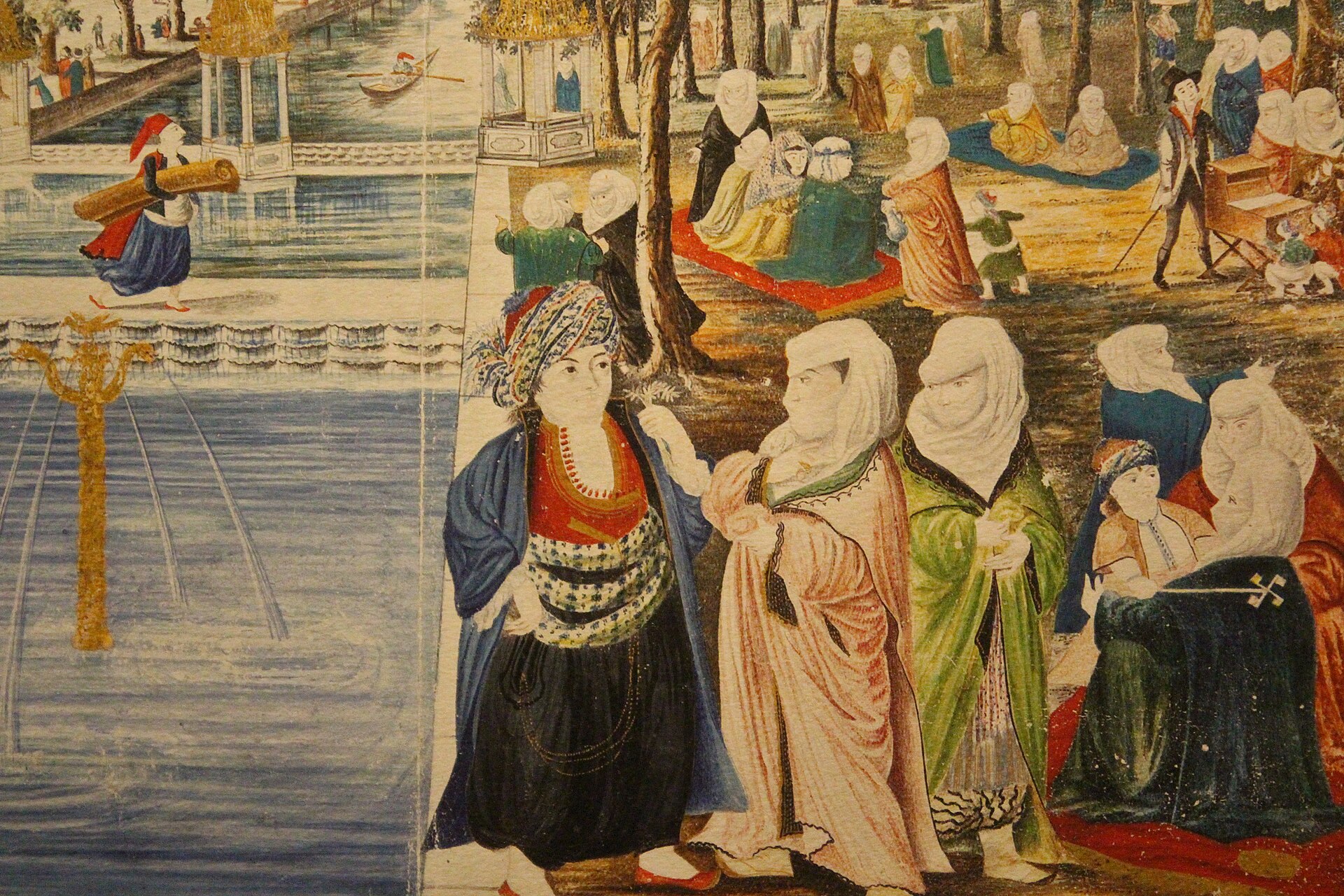
Safavid and Qajar-era painting, lacquerwork and manuscript illustration, including courtly miniature scenes
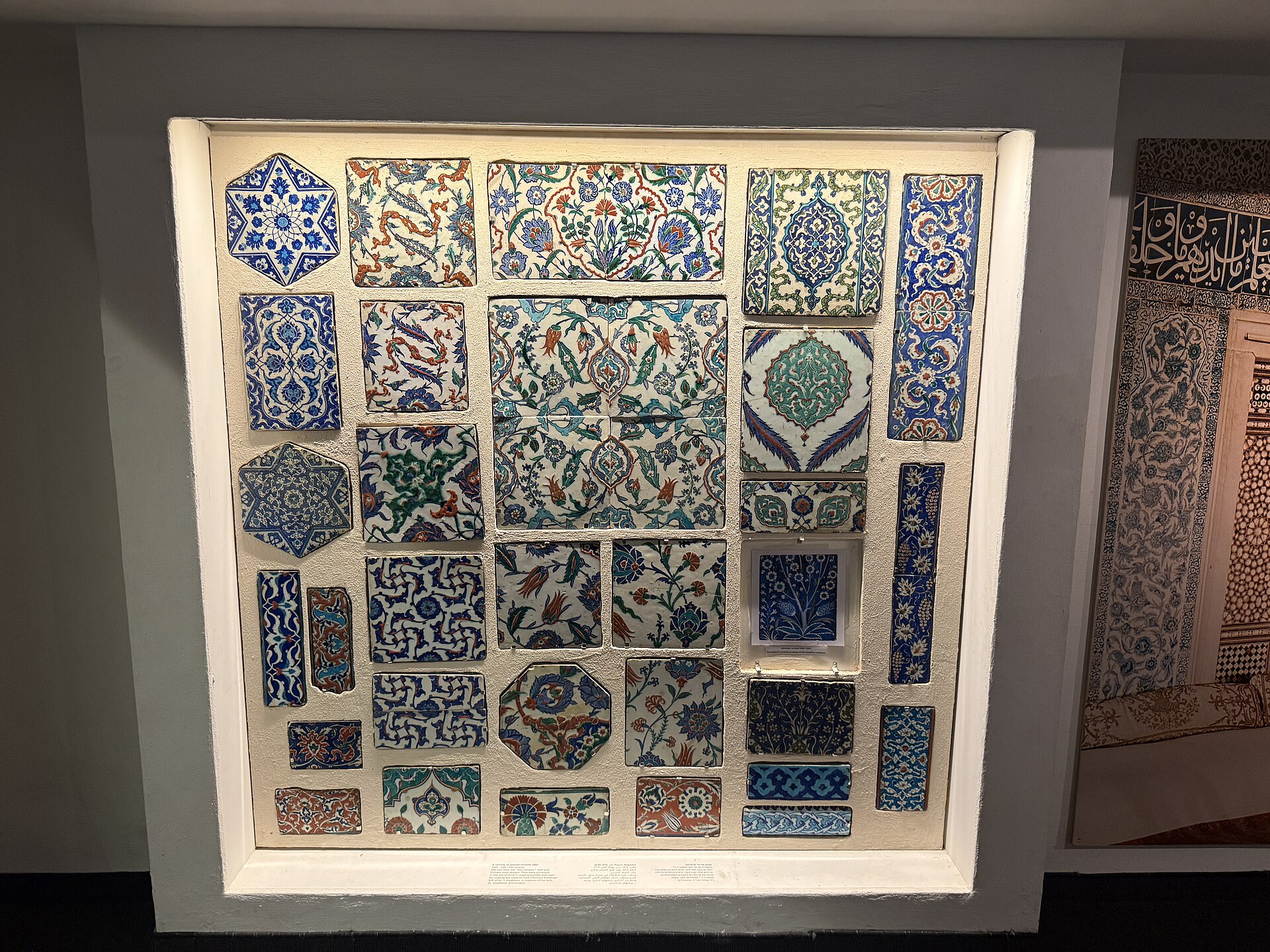
Ottoman decorative arts, including Iznik-style ceramic tile fragments, much of it the work of Armenian craftsmen active in Jerusalem
Material from Moghul India, the westernmost and easternmost limits of the museum's chronological sweep meeting on the same top floor as the Ottoman galleries
Commissioned in 1783 and finished in 1827, it is the single most famous object the museum holds, and the reason the museum is best known outside Israel at all. It was one of 106 rare timepieces taken in the 1983 burglary described below, and its 2006-2008 recovery is the museum's own account of how the object came home. This archive holds a full researched record of the watch itself6
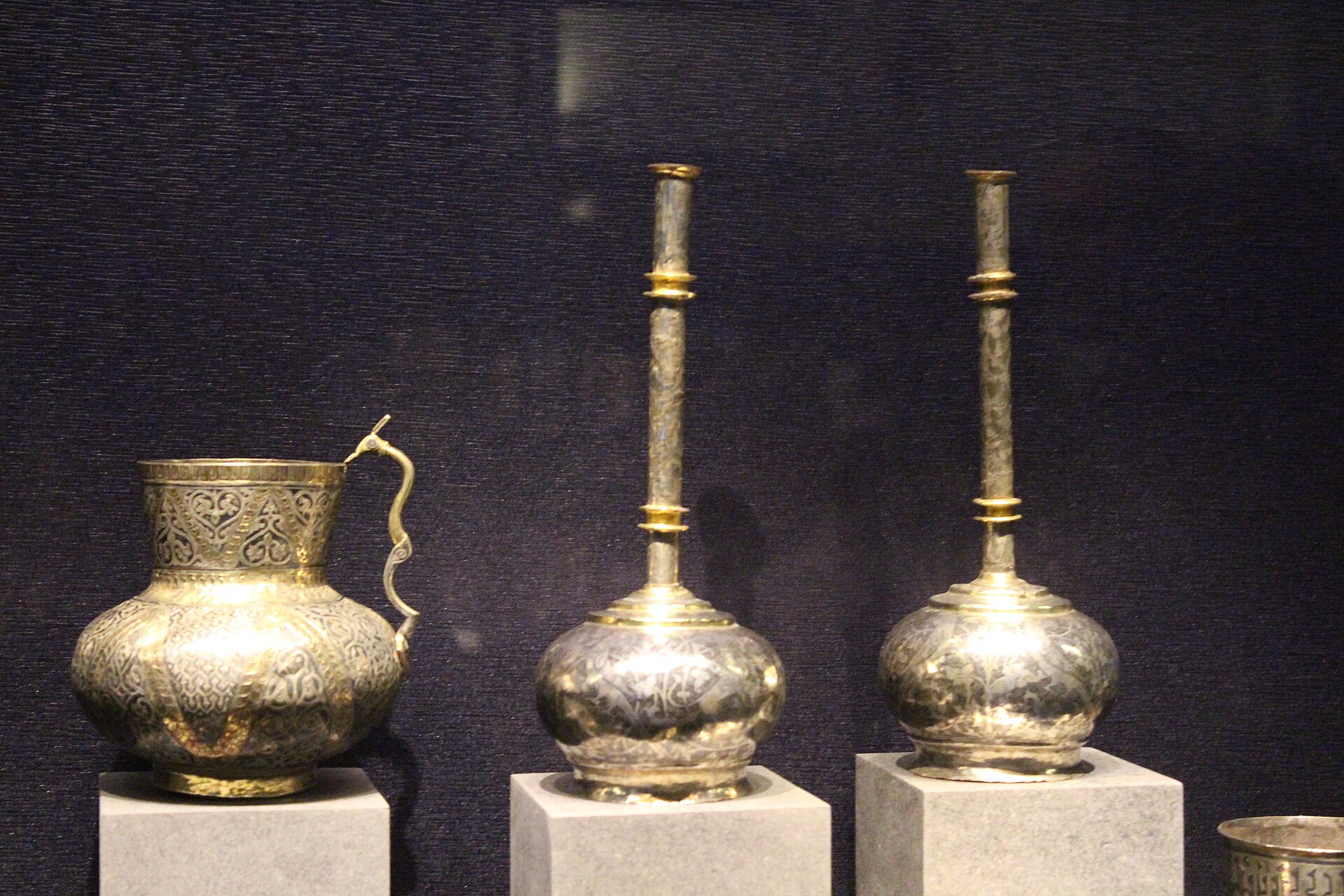
Full record in this archiveTwenty 11th and 12th century silver vessels, found together in a large pitcher near Nohawad in northern Iran and named for the collector Ralph Harari. Islamic religious convention favoured bronze and brass for such vessels; this hoard survives in silver, unusually well preserved, with engraving, relief, niello and gilding, and is direct evidence that the convention was not universally observed among wealthy Iranians5
A pendule sympathique, a rare complication in which a carriage clock's cradle mechanically resets and winds a pocket watch docked in it overnight. Very few genuine examples survive from the Breguet workshop and its immediate circle, and this one, made around 1812, is displayed as part of the David Salomons watch collection6
Made in Paris in 1797, in the first years after Breguet returned from his wartime exile in Switzerland, it carries two dials and belongs to the earliest surviving group of his post-Revolution production, a useful counterweight to the 44-year commission history of the Marie-Antoinette watch made in the same workshop6
A musical automaton in the shape of a butterfly, made around 1820, that conceals a watch within its mechanism, representative of the Geneva trade in singing-bird and automaton boxes built for export markets that valued novelty alongside precision6
Among the earliest objects in the Early Islamic Art gallery, these pages are the museum's own starting point for explaining Arabic calligraphy's centrality to Islamic decorative art, a theme the museum's own galleries trace forward through architecture, textiles and metalwork in every later century on display2
A wall-mounted assembly of tile fragments in the blue, green, red and white palette associated with Iznik pottery, illustrating how Ottoman decorative ceramics were produced and used architecturally across the empire, including by the Armenian ceramicists long resident in Jerusalem itself2
The L. A. Mayer Museum for Islamic Art exists because one woman insisted it should answer to no funding body. Vera Bryce Salomons, a scion of a British Jewish family whose great-uncle Sir David Salomons had been the first Jewish Lord Mayor of London and a sitting member of Parliament, conceived the museum in the 1960s as a showcase for Islamic civilization and, specifically, the Arab cultural legacy in Jerusalem. She insisted that the institution remain financially independent and unsupported by public funding, and endowed the building fund herself, a fund that the museum's own account says still covers acquisitions and operating costs today.
She dedicated the museum to her friend and teacher, Prof. Leo Aryeh Mayer, a scholar of Middle Eastern archaeology and art and a former rector of the Hebrew University of Jerusalem, who died in 1959 before the museum opened. His personal collection of Islamic art and archaeology became the core around which the permanent exhibition was built. The building itself, designed by the architect Alexander Friedman, began construction in 1965 and the museum opened to the public in 1974.
Salomons did not stop at her own eye for acquisitions. She later entrusted the museum's collecting to Prof. Richard Ettinghausen, a historian of Islamic art who had been chief curator of the Freer Gallery at the Smithsonian Institution in Washington, and it was under his direction that the museum's holdings grew well beyond Mayer's founding collection into the roughly four to five thousand objects it now holds, of which only about a quarter is on display at any time.
The museum's own account of itself is specific: the permanent collection is spread over six galleries arranged in strict chronological order, tracing Islamic art and material culture from the Arab conquests of the 7th century, through the Umayyad, Abbasid, Samanid, Fatimid, Seljuq, Mamluk, Mongol, Timurid and Safavid periods, to the Moghul and Ottoman empires of the 16th to 19th centuries. Some tertiary listings describe the museum as having nine galleries rather than six; the museum's own visitor pages state six twice, and this record follows the museum's own count, with the discrepancy noted as an open question below.
The ground and basement level holds the watch and clock collection described in more detail further down this record. The entrance floor covers the earliest material: the spread of Islam itself, and the pottery, metalwork, glass and early Qur'an pages of the first Islamic centuries. The top floor carries the collection forward through Safavid and Qajar Iran, the Ottoman empire, and Moghul India.
Across all six galleries, the museum's own framing keeps returning to the same handful of themes: the centrality of Arabic calligraphy and the Qur'an to Islamic decorative art; the use of arabesque plant forms and interlocking geometry as an alternative to figuration in religious contexts; and the degree to which Muslim craftsmen absorbed and reworked older Byzantine and Sassanid traditions, and later Chinese porcelain techniques, rather than discarding them after conquest. The museum is careful to note that Islamic art is not uniformly averse to human and animal figures: such images appear routinely in manuscripts, on secular vessels and in courtly settings, and it is specifically religious use that the tradition restricts.
On the night of 15 to 16 April 1983, a single burglar entered this building and removed roughly 106 rare clocks and watches from the David Salomons collection, the Marie-Antoinette watch among them. It remains, by the account both the museum and outside sources give, the largest theft of horology on record anywhere. The burglar bent the bars of a small window by hand, the building's alarm was not functioning that night, and the night guard's round was predictable enough that no confrontation or witness resulted. This archive holds a full separate record of the Marie-Antoinette watch itself, including its commission history and its maker; what belongs on this page is the building's part in the story, because the theft is a fact about this museum's own security history, not only about one object's provenance.
The case went unsolved for more than two decades. The thief was later identified as Naaman Diller, an Israeli former air force pilot with an existing criminal record, who died of cancer in 2004 without having been caught. Before his death he told his wife, Nili Shamrat, what he had done and where the objects were. In August 2006 a first group of pieces, including the Marie-Antoinette watch, was returned to the museum through a lawyer acting for an unnamed woman, later identified as Shamrat; a further group of stolen items was recovered from bank safe-deposit boxes in France, with French and Israeli police completing that recovery by November 2008. Of the roughly 106 objects taken, 96 were eventually recovered; ten remain missing, their present location unknown.
Nobody was ever prosecuted for the burglary itself, since the burglar was already dead by the time the case was solved. Shamrat was arrested in 2008 and, in April 2010, sentenced to 300 hours of community service and a five-year suspended sentence for receiving stolen property. The recovery is often told as a happy ending, and in the narrow sense that the objects came back intact it is one. It is also a plain record of an institutional security failure: an alarm that did not work, and a burglar who needed nothing more sophisticated than hand tools and a predictable guard schedule to empty an entire collection in one night.
In October 2020, with the museum closed under Israel's second COVID-19 lockdown and its director Nadim Sheiban describing a real risk that the institution would have to close its doors, the museum's board moved to deaccession roughly 255 objects through a Sotheby's London sale scheduled for 27 and 28 October 2020. The lot included around 190 Islamic art objects, most of them long held in storage rather than on display, spanning the 7th to 19th centuries, alongside some 60 watches and objects of vertu, mostly Breguet pieces, from the David Salomons collection. Press estimates for the combined sale ran to several million dollars.
The announcement produced immediate public criticism in Israel. Israel's president at the time, Reuven Rivlin, publicly objected to the sale on the grounds that the museum's holdings carried a significance to the country and the region that a cash sale could not replace. Museum professionals in Israel, including the former director of the Museums Division at Yad Vashem, argued publicly that the government should be increasing support to struggling museums rather than allowing them to sell their own collections to survive. The culture ministry asked the museum to disclose its ownership documentation, and the sale was first postponed and then, two days before it was due to go ahead, called off outright by the Hermann de Stern Foundation, which held legal title to the objects and cited its respect for the president's position.
The resolution came through the auction house itself. Sotheby's brokered an agreement under which the Al Thani Collection Foundation, linked to a branch of Qatar's royal family, committed to a multi-year programme of financial support for the museum, reported at the time as running over roughly a ten-year period, in exchange for extended loan and display rights to a medieval silver vessel from the museum's collection at the Al Thani Foundation's own planned museum in Paris, alongside a commitment to further loan exchanges between the two institutions. Israel's Ministry of Culture was party to the deal. The 255 objects stayed in Jerusalem. The episode is not disclosed anywhere on the museum's own current visitor-facing pages, which is itself worth noting for a reader trying to reconstruct the museum's recent history from its own site alone.
Two holdings do more than anything else to explain why specialists, rather than only general visitors, make a point of coming here. The first is the Harari Hoard, twenty silver vessels of the 11th and 12th centuries found together, according to the museum's own account, inside a larger pitcher near the town of Nohawad in northern Iran, and named for the collector and researcher Ralph Harari. Islamic religious convention of the period generally favoured base metals, bronze and brass, for vessels of this kind rather than precious silver; this hoard survives specifically because it was made in silver, and its condition, engraved, in relief, set with niello and gilded, is correspondingly exceptional. The museum's own description treats the hoard as direct physical evidence that the religious convention against precious-metal vessels was, in practice, ignored by at least some of Iranian society's upper echelon.
The second is the watch and clock collection assembled by Vera Salomons's own father, Sir David Lionel Salomons, described by the Jerusalem Foundation as a noted horological expert in his own right as well as a London civic figure. Beyond the Marie-Antoinette watch itself, the collection includes a genuine pendule sympathique, a rare complication pairing a carriage clock by the maker Rabi with a Breguet pocket watch, No. 722, that the clock mechanically winds and resets overnight when docked in its cradle; an early post-Revolution Breguet timepiece, No. 6 of 1797, carrying two dials; a Piguet et Meylan automaton in the shape of a butterfly that conceals a watch within its mechanism; and an enamelled watch built for the Ottoman export market by the Swiss firm Augt. Courvoisier & Cie. Taken together, the collection is less a single famous object plus filler than a genuinely deep, specialist-grade horological archive that happens to include one universally famous piece.
The museum sits on Hapalmach Street in the Katamon neighbourhood, close to the Jerusalem Theatre, and is open six days a week, Monday through Saturday, closed Sundays; Thursday is its longest day. Individual visitors do not need to book ahead, though the museum asks that anyone attending a scheduled activity or guided tour buy a ticket online in advance to guarantee a place, since walk-in participation in programmed events is on a space-available basis only. Entrance for visitors with disabilities is through the museum's own parking lot, arranged in advance by phone.
Visitor accounts describe a compact, walkable visit, commonly around two hours for someone taking in all six galleries and the watch collection without rushing, and repeatedly mention the value of a guided tour over a self-directed walk, since the museum's own framing of Islamic art leans on historical and religious context that is not always obvious from labels alone. Street parking in the surrounding residential streets is generally available, and the museum's own lot is opened to visitors free of charge on Saturdays, space permitting.
Visitors consistently describe the museum as smaller and quicker to see than Jerusalem's larger institutions, and consistently name the David Salomons watch and clock collection, with its Breguet pieces, as the single strongest reason to visit. Guided tours that connect individual objects to the wider history of Islam, and to Jerusalem's Jewish and Christian communities, are repeatedly singled out as unusually good for a museum of this size, along with an introductory film that orients first-time visitors before they reach the galleries.
TripAdvisor: 4.5 from 106 ratings, read 18 August 2026
A platform average is a tertiary source: it moves, it is not audited, and we quote no visitor's words.
2 HaPalmach St, Katamon, Jerusalem.
Adult: ILS 44; Israeli senior: ILS 22; Child: ILS 25; Yerushalmi card holder: ILS 35; Visitor with disability: ILS 35. As confirmed 18 August 2026.
Monday-Wednesday 10:00-15:00; Thursday 10:00-16:00; Friday 10:00-14:00; Saturday 10:00-14:00. Closed: Sunday. As confirmed 18 August 2026.
Bus: Route 13 serves the museum directly, per the museum's own visitor information page; Car: Street parking on Hapalmach St, Hagedud Haivri St and Chopin St, either free (gray curb) or paid (blue and white curb). The museum's own parking lot is open free of charge on Saturdays, space permitting; parking can otherwise be arranged in advance by phone.
Breguet No. 160, the 'Marie-Antoinette' perpetuelle (Abraham-Louis Breguet and his son Antoine-Louis Breguet); The Harari Hoard (Unidentified Iranian silversmiths, Khurasan region); The Sympathique: Rabi carriage clock No. 5 with Breguet watch No. 722 (Clock by Rabi, watch by Abraham-Louis Breguet); Breguet's Revolutionary double-dial timepiece, No. 6 (Abraham-Louis Breguet); Piguet et Meylan butterfly automaton with concealed watch (Piguet et Meylan, Geneva); Early Qur'an folios in Kufic script (Unidentified early Islamic calligraphers).
One artwork and its story every Tuesday, with the picture: who owned it, what it made, and what closes soon in the exhibition calendar. No promotion, and nothing we cannot cite.
We send one email to confirm the address and keep nothing else. Every letter carries a one-click unsubscribe. How we handle your data.