Zak Ove
 Living · British · born 1966 · works in Las Palmas de Gran Canaria
| Works as | Sculptor |
|---|---|
| Works in | Las Palmas de Gran Canaria, Spain |
| Represented by | Vigo Gallery, London; Gallery 1957, Accra |
| Nationality | British |
| Sources | 34 cited |
| Last verified |
About this page Last verified · 34 sources cited
On this page 13 sections
ContentsClose
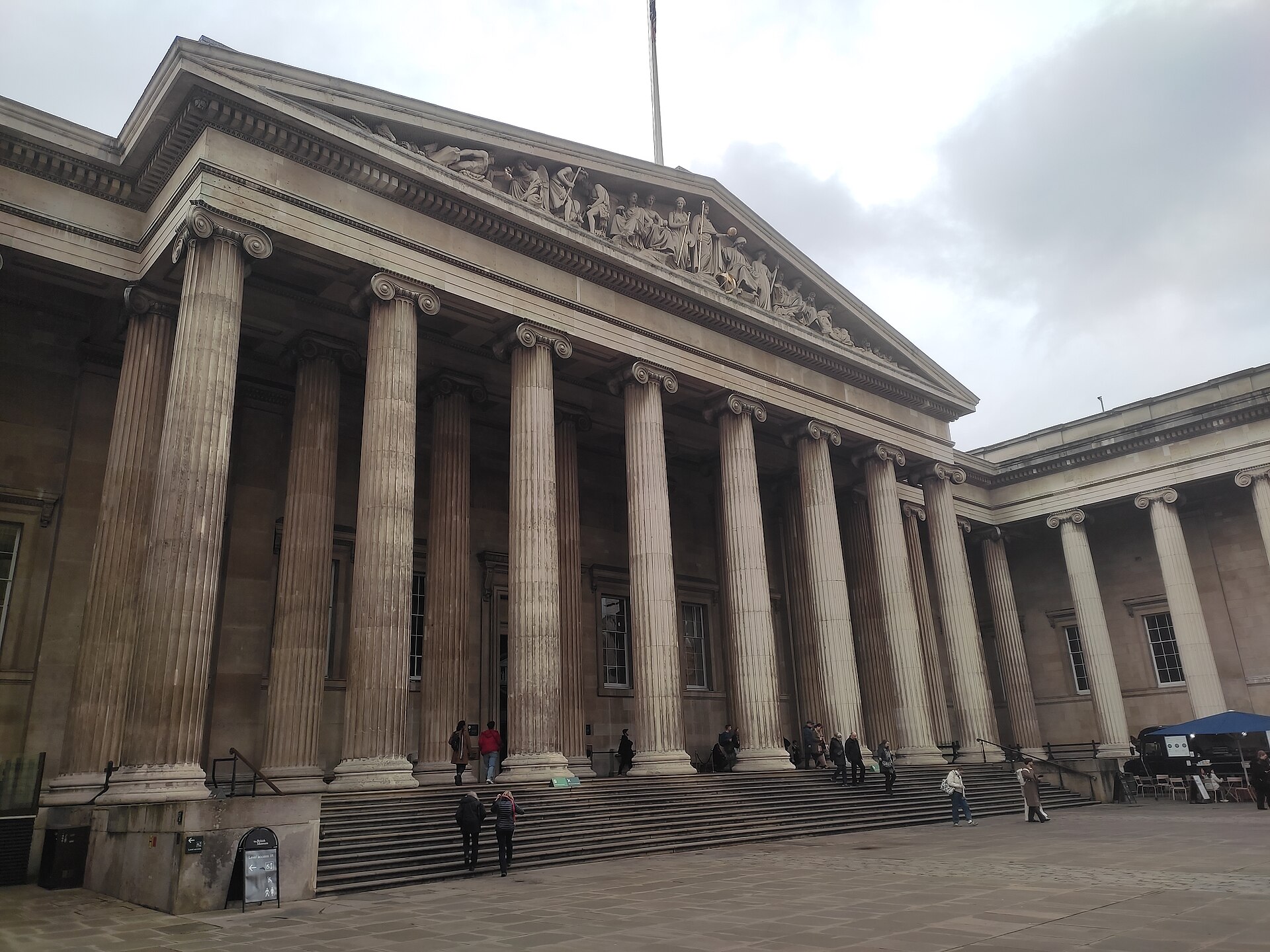
The fact that is hard to find is not that Zak Ove is a sculptor of Trinidadian carnival forms; every press release says that. It is that in March 2017 a pair of his steel Moko Jumbie stilt-figures became, by the British Museum's own account, the first work by a Caribbean sculptor to enter permanent display in the museum's African collection, a fact recorded not in a review but in the accession record itself: object numbers 2015,2024.1 and 2015,2024.2, commissioned in May 2015 and bought in July 2015 with funding from the Miles Morland Foundation and Vigo Gallery. A carnival costume, in other words, was accessioned by one of the world's largest museums with the same paperwork as any other acquisition, and that paperwork is the strongest single fact this record has to offer.
Zak Ove, born in London in 1966, is a British-Trinidadian sculptor whose work scales a single set of carnival and masquerade forms from tabletop editions to a nine-metre totem in Regent's Park and a two-figure steel installation on permanent display at the British Museum. He trained in film as fine art at St Martin's School of Art in the 1980s and worked for two decades chiefly in photography and film before turning to sculpture in the early 2010s, showing his first solo body of sculptural work, Speaker, at Vigo Gallery, London, in November 2013, months after presenting at Glasstress during the 2013 Venice Biennale.
His best-known works are built from a small number of repeated, multiplied or enlarged figures rather than single unique objects: the two Moko Jumbie stilt-walker figures bought by the British Museum in 2015 and placed on permanent display in the Sainsbury African Galleries in March 2017, and the Invisible Man and the Masque of Blackness, an army of identical resin-and-graphite figures that has grown from 40 at Somerset House in 2016 to installations at Yorkshire Sculpture Park, in Dubai, in San Francisco and at the Los Angeles County Museum of Art. He is represented by Vigo Gallery, London, and, since April 2023, by Gallery 1957, Accra.
He is the son of the filmmaker Horace Ove, the first Black British director of a feature film, and has said his own casting of a single carnival figure into a crowd began with a small wooden sculpture his father gave him as a child; the connection is recorded here as a matter of artistic formation, not of family life.
The reading
Museum track In museum collections (holdings in three or more museums, or a solo museum show, or a biennale; read off the signals below on every update, never set by hand)
The record that survives independent checking is narrower than the press coverage but stronger for it: a national museum's own accession numbers for a permanently displayed pair of sculptures, exact dates for a run of gallery and museum showings across three continents, and two named commercial galleries. What does not survive checking, on the evidence gathered here, is any published account of how an edition is numbered or a work is certified once it leaves the studio, and any exact price a work of his has made at auction. A reader who wants the market history, rather than the exhibition history, of this artist will need a subscription database this record did not have; a reader who wants to know whether a given Moko Jumbie or Invisible Man figure is the museum-accessioned or exhibition-recorded original has the accession numbers and exhibition dates above with which to ask the institution directly.
The signals
The evidence the reading is written from: 14 dated facts, each with its source, by kind (institutional 7, biennales and surveys 1, representation 2, market 1, literature 1, practice 1, public attention 1). A signal is something that happened and can be checked: a museum bought a work, a prize was given, a show opened, a lot sold. Nothing here is a prediction.
Show the 14 signals
| Signal | Date | What is recorded | Source |
|---|---|---|---|
| Institutional | May 2015 | The British Museum commissions two steel Moko Jumbie figures from Zak Ove. | 1 |
| Institutional | Jul 2015 | The British Museum acquires the two Moko Jumbie figures into its permanent collection, registration numbers 2015,2024.1 and 2015,2024.2. | 2 |
| Institutional | 8 Apr 2017 | Black and Blue: The Invisible Man and the Masque of Blackness opens as a solo installation at Yorkshire Sculpture Park, Wakefield. | 9 |
| Institutional | 1 Dec 2021 | Tate Britain includes his work in Life Between Islands: Caribbean-British Art 1950s-Now. | 16 |
| Institutional | 27 Jul 2019 | The Los Angeles County Museum of Art presents Invisible Man and the Masque of Blackness in the B. Gerald Cantor Sculpture Garden, described by the museum as Ove's first solo presentation in Los Angeles. | 15 |
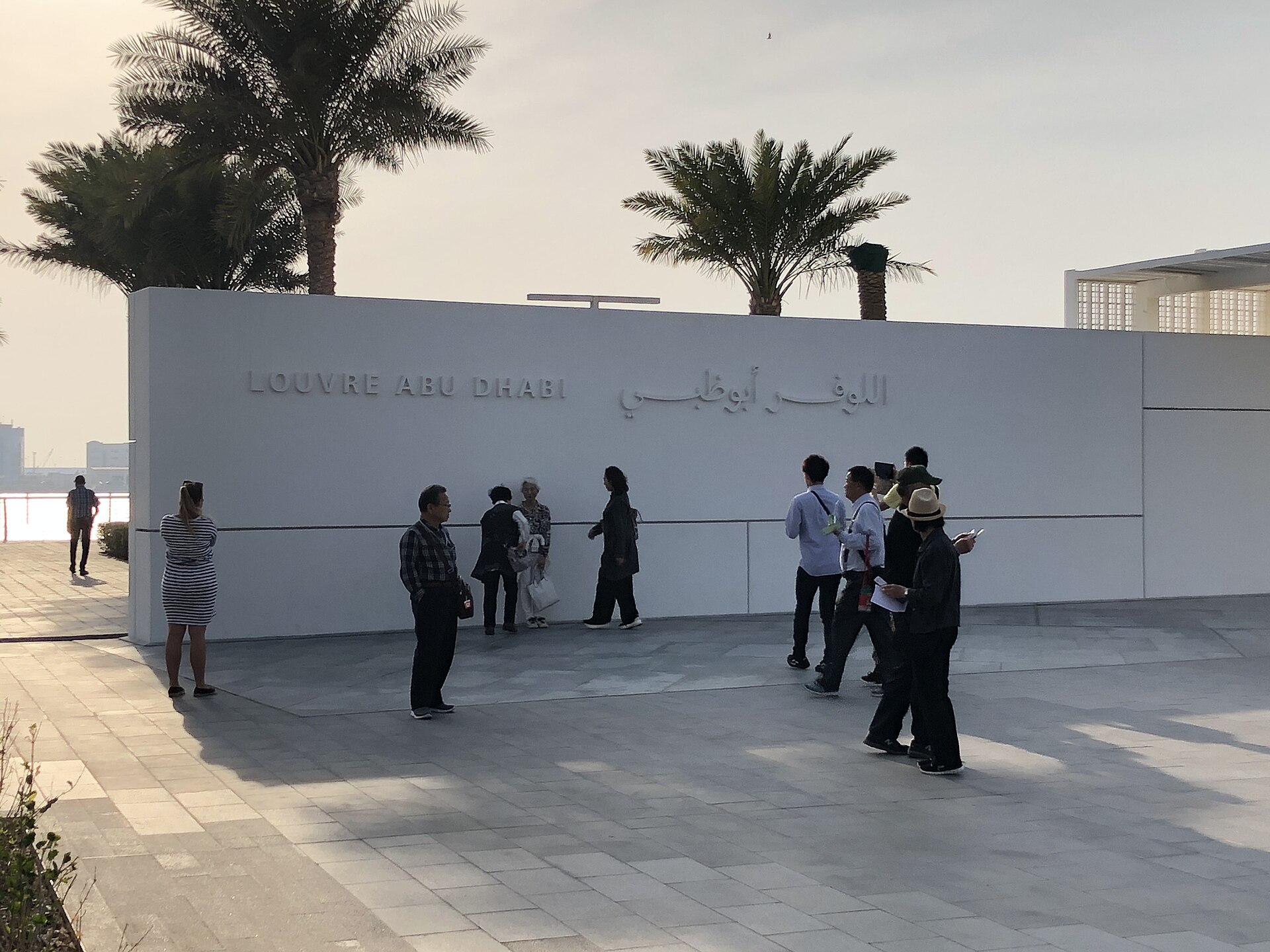
| Institutional | 29 Jan 2025 | Louvre Abu Dhabi installs Black Starliner in its park to accompany Kings and Queens of Africa: Forms and Figures of Power. | 12 |
| Institutional | 7 Nov 2024 | CAAM, Las Palmas de Gran Canaria, presents the solo exhibition Virulent Strain / Cepa virulenta. | 10 |
| Biennales and surveys | 1 Jun 2013 | Presents at Glasstress, Berengo Centre, Venice, staged to coincide with the 55th Venice Biennale. | 30 |
| Representation | 2013 | Vigo Gallery, London, represents Ove from at least his first solo sculptural show that year. | 9 |
| Representation | 10 Apr 2023 | Gallery 1957, Accra, announces representation of Ove. | 7 |
| Market | 8 Mar 2017 | Christie's, London: an artist's proof (6 of 10) of The Invisible Man, graphite and resin, estimate 5,000 to 7,000 GBP; the price realised could not be confirmed without a paywalled subscription. | 13 |
| Literature | Jun 2025 | This is Colossal publishes a feature on Ove's recent sculpture, describing his method of combining African mythology and diasporic ancestry across the totem works. | 33 |
| Practice | 2015 | The Moko Jumbie figures were fabricated in the artist's own working premises in Greenwich, London, per the British Museum's own acquisition record; no published studio certificate or inventory-numbering system was found for this page. | 1 |
| Public attention | 12 Jun 2019 | Curates and exhibits in Get Up, Stand Up Now: Generations of Black Creative Pioneers, Somerset House, a hundred-artist survey of Black creative practice. | 28 |
Exhibitions
Past exhibitions 13
- ClosedKings and Queens of Africa: Forms and Figures of Power29 Jan to 25 May 2025ConfirmedLouvre Abu Dhabi ·
 Abu Dhabi, United Arab Emirates
 - ClosedVirulent Strain / Cepa virulenta7 Nov 2024 to 9 Feb 2025ConfirmedCAAM · Las Palmas de Gran Canaria, Spain
- ClosedRHS Chelsea Flower Show: Abeba Esse21 May to 25 May 2024ConfirmedRoyal Hospital Chelsea · London, United Kingdom
- ClosedThe Mothership Connection at Frieze Sculpture20 Sep to 29 Oct 2023ConfirmedFrieze Sculpture · London, United Kingdom
- ClosedLife Between Islands: Caribbean-British Art 1950s-Now1 Dec 2021 to 3 Apr 2022ConfirmedTate Britain · London, United Kingdom
- ClosedThe Invisible Man and the Masque of Blackness27 Jul to 3 Nov 2019ConfirmedLos Angeles County Museum of Art · Los Angeles, United States
- ClosedGet Up, Stand Up Now: Generations of Black Creative Pioneers12 Jun to 15 Sep 2019ConfirmedSomerset House · London, United Kingdom
- ClosedBlack and Blue: The Invisible Man and the Masque of Blackness8 Apr 2017 to 4 Jun 2018ConfirmedYorkshire Sculpture Park · Wakefield, United Kingdom
- ClosedSpeaker: The Art of Zak Ove28 Nov 2013 to 2 Jan 2014ConfirmedVigo Gallery · London, United Kingdom
Chronology
- 1966
Born in London to the filmmaker Horace Ove and his family.521
- 1984-1987
Studies film as fine art at St Martin's School of Art, London.6
- 2013
Presents at Glasstress, Berengo Centre, Venice, during the 55th Venice Biennale, then opens his first solo exhibition of sculptural work, Speaker, at Vigo Gallery, London.3029
- 2015
The British Museum commissions, in May, and acquires, in July, two steel Moko Jumbie figures, first shown that summer in the museum's Great Court.12
- 2016
Forty resin-and-graphite figures of Invisible Man and the Masque of Blackness are first shown at Somerset House, London, during the 1:54 Contemporary African Art Fair.8
- 2017
The two Moko Jumbie figures go on permanent display in the British Museum's Sainsbury African Galleries on 28 March; Invisible Man and the Masque of Blackness opens at Yorkshire Sculpture Park with the figure count doubled to eighty.39
- 2018
Solo show Star Liner opens at Lawrie Shabibi, Dubai; Autonomous Morris, a sculpture built from vintage car parts, is unveiled at Smithson Plaza, Mayfair, during Frieze London week; Invisible Man travels to San Francisco's Civic Center Plaza.193117
- 2019
Curates and exhibits in Get Up, Stand Up Now: Generations of Black Creative Pioneers at Somerset House; Invisible Man is shown at the Los Angeles County Museum of Art, billed by the museum as his first solo presentation in Los Angeles.282715
- 2021
Tate Britain includes his work in Life Between Islands: Caribbean-British Art 1950s-Now; Autonomous Morris returns to public view at the Design Museum, London.1632
- 2023
Joins Gallery 1957, Accra, on 10 April, alongside continuing representation by Vigo Gallery; The Mothership Connection, a nine-metre totem, is shown at Frieze Sculpture, Regent's Park, London.720
- 2024
Designs the show garden Abeba Esse for Saatchi Gallery at the RHS Chelsea Flower Show; solo exhibition Virulent Strain / Cepa virulenta opens at CAAM, Las Palmas de Gran Canaria.1110
- 2025
Louvre Abu Dhabi installs Black Starliner in its park to accompany the exhibition Kings and Queens of Africa: Forms and Figures of Power.12
The market
Auction activity recorded for Ove is limited to six lots since 2017, concentrated at Christie's day sales, covering an edition proof from Invisible Man, two works from his Doily Painting series and three early photographic prints; pre-sale estimates for these lots run from a few hundred to a few thousand pounds or dollars. No hammer or premium-inclusive price could be confirmed without a paywalled auction database, so none is stated here.
Where to see the work
| Institution | City | Holdings | Note |
|---|---|---|---|
| The British Museum | London | Moko Jumbie (male and female figures, 2015), permanently displayed in the Sainsbury African Galleries, Room 25. | Accession numbers 2015,2024.1 and 2015,2024.2; on display since 28 March 2017. |
The essay
Chapter 2From film school to a wooden figure in the hall
Ove studied film as fine art at St Martin's School of Art in London in the 1980s, and for roughly two decades his practice centred on photography and film rather than sculpture, according to his own...
Ove studied film as fine art at St Martin's School of Art in London in the 1980s, and for roughly two decades his practice centred on photography and film rather than sculpture, according to his own gallery's published biography.
Speaker, shown at Vigo Gallery, London, from 28 November 2013 to 2 January 2014, was his first solo exhibition built around three-dimensional work: column figures with masked faces built from stacked speaker boxes and amplifiers, alongside sculptures assembled from chair backs, roller skates, driftwood and circular saw blades, a contemporaneous review of the show recorded. That show followed his participation, earlier the same year, in Glasstress, the Venice glass-art project staged at the Berengo Centre from 1 June to 24 November 2013 to coincide with the 55th Venice Biennale, so his first solo gallery show followed directly on from a biennale appearance rather than preceding it.
Chapter 3The Moko Jumbie commission and what the British Museum's own record says
The primary record for this work is the British Museum's own collection database.
The primary record for this work is the British Museum's own collection database. It states that the two steel Moko Jumbie figures, registration numbers 2015,2024.1 (male) and 2015,2024.2 (female), were commissioned from Ove in May 2015 and acquired in July 2015, purchased with funding from the Miles Morland Foundation and further contributions from Vigo Gallery, which represents the artist, and from the artist himself.
The museum's own description of the female figure records steel armature construction with articulated limbs painted black, a loincloth of plastic and synthetic fibres, shoulder pieces of nylon netting, gold-sprayed metal breast ornaments and an openwork copper pipe skirt soldered together and hooked onto the figure's waist; the male figure carries metal keys, bells, a toy aeroplane, plastic beads and wooden masks over a mesh vest, with gold-sprayed leather and synthetic trainers. Each figure measures 352 centimetres in length. Both were made in Greenwich, London, and both were first shown, temporarily, in the museum's Great Court from 28 July to 13 September 2015 as part of the season Celebrating Africa, before their eventual permanent display.
Chapter 4What permanent display at the British Museum actually means here
The two figures moved from temporary to permanent display on 28 March 2017, when they were installed in the Sainsbury African Galleries, Room 25, according to Ove's own gallery and a contemporaneous...
The two figures moved from temporary to permanent display on 28 March 2017, when they were installed in the Sainsbury African Galleries, Room 25, according to Ove's own gallery and a contemporaneous public-relations release; the museum's own collection record confirms the figures are now on display in Room 25 and describes their condition as excellent. Ladbury PR's release states plainly that this was the first time a major contemporary work by a Caribbean sculptor had gone on permanent display in the museum's African collection, and Soca News, reporting at the time, called the figures a permanent part of the museum's display.
Permanence at a national museum is a formal status: the object sits in the museum's registered collection under an accession number, subject to the museum's own acquisition, conservation and deaccessioning policy, and is neither a loan that can be recalled nor a temporary display that can be quietly dismantled. That status is what makes freedom of panorama available to this record for a photograph of the work: a sculpture permanently in premises open to the public in the United Kingdom falls under section 62 of the Copyright, Designs and Patents Act 1988, whether the premises is a public square or, as the museum's own department for Africa, Oceania and the Americas records it, a gallery inside a national museum that the public may enter.
Chapter 5The Invisible Man: one figure, replicated at growing scale
The Invisible Man and the Masque of Blackness is built from identical cast figures, roughly two metres tall, made in resin and finished in graphite, each derived from a small wooden sculpture Ove's...
The Invisible Man and the Masque of Blackness is built from identical cast figures, roughly two metres tall, made in resin and finished in graphite, each derived from a small wooden sculpture Ove's father brought back from Kenya in the early 1970s and later gave to his son. Ove has said he wanted the multiplication of one figure into a crowd to speak to what it is to be African and born away from the continent, describing the result as a tribe encountered out of context.
The installation has grown and travelled: 40 figures first stood in Somerset House's courtyard in October 2016, the number doubled to 80 for Yorkshire Sculpture Park, Wakefield, from 8 April 2017 to 4 June 2018, and separate presentations of 40 figures each later stood in San Francisco's Civic Center Plaza in 2018 and in the B. Gerald Cantor Sculpture Garden at the Los Angeles County Museum of Art from 27 July to 3 November 2019, the second described in the museum's own listing as Ove's first solo presentation in Los Angeles. One artist's proof from the edition, numbered 6 of 10, was offered at Christie's, London, on 8 March 2017 with a pre-sale estimate of 5,000 to 7,000 pounds sterling; this record has not been able to confirm the price the lot actually made, for the reason given under The market, below.
Chapter 6The studio, the galleries, and what is not published
Ove's primary representation is Vigo Gallery, London, going back at least to his first solo sculptural show there in 2013, and since 10 April 2023 also Gallery 1957, Accra, which announced his...
Ove's primary representation is Vigo Gallery, London, going back at least to his first solo sculptural show there in 2013, and since 10 April 2023 also Gallery 1957, Accra, which announced his representation with plans to show a new large-scale work at Art Brussels and at Frieze Sculpture, London, that September.
What this record cannot state, because no source examined for it publishes the information, is a certificate-of-authenticity practice, an inventory-numbering system or a studio archive procedure comparable to those some other living artists' studios maintain and publish; Ove's own website, zak-ove.co.uk, was already offline when Wikipedia's editors checked it in September 2023, and neither Vigo Gallery's nor Gallery 1957's pages for the artist describe such a system. Saying so plainly, rather than describing a practice that has not been documented, is the honest record of this gap; a future edition of this page should replace it if the studio publishes one.
Chapter 7From car parts to a nine-metre totem: the public commissions
Ove's public sculpture has moved from assemblages of salvaged materials toward larger fabricated steel structures.
Ove's public sculpture has moved from assemblages of salvaged materials toward larger fabricated steel structures. Autonomous Morris, a roughly three-metre welded mask built from vintage car parts including several Morris Minor bonnets, was commissioned for Smithson Plaza, Mayfair, and unveiled there on 5 October 2018 during Frieze London week, later returning to public view at the Design Museum, Kensington, as part of Kensington and Chelsea Art Week's 2021 Public Art Trail.
By 2023 the scale and materials had grown: The Mothership Connection, a nine-metre stacked totem in stainless steel, bronze and resin whose tiers reference a Mende helmet mask, the Djenne mosque and other diasporic and architectural references, stood at Frieze Sculpture in Regent's Park, London, from 20 September to 29 October 2023, presented by Gallery 1957. In 2025 Louvre Abu Dhabi installed Black Starliner, a totem of comparable scale in stainless steel, aluminium, fibreglass and resin incorporating stacked African mask forms and Vodou veve lattice-work, in the museum's park to accompany the exhibition Kings and Queens of Africa: Forms and Figures of Power, which ran from 29 January to 25 May 2025.
Chapter 8Institutions and recognition beyond the British Museum
Beyond the British Museum's holding, Ove's work has appeared in major group exhibitions at national institutions rather than being separately acquired by them, on the evidence available for this page.
Beyond the British Museum's holding, Ove's work has appeared in major group exhibitions at national institutions rather than being separately acquired by them, on the evidence available for this page. Tate Britain included his work in Life Between Islands: Caribbean-British Art 1950s-Now, which the gallery's own listing dates from 1 December 2021 to 3 April 2022 and describes as the first time a major national museum told the story of Caribbean-British art across four generations in this depth.
In 2019 Ove curated, and exhibited in, Get Up, Stand Up Now: Generations of Black Creative Pioneers at Somerset House, London, 12 June to 15 September 2019, a survey of a hundred Black creative practitioners; an installation photograph published by the arts website Culture Type shows his own 2018 work Umbilical Progenitor hung beside a 2017 photograph by his father, Horace Ove, in the show's closing section. In May 2024 Saatchi Gallery presented a show garden by Ove, Abeba Esse, at the RHS Chelsea Flower Show, in which, Ove has said, the planting and layout of an African, then Caribbean, then British section carried botanical labels naming individuals who profited from the transatlantic slave trade.
Chapter 9The market
Public auction activity for Ove's work is thin and, on the evidence available to this page, largely unverifiable in exact figures.
Public auction activity for Ove's work is thin and, on the evidence available to this page, largely unverifiable in exact figures. Auction-index listings record six lots since 2017: the Christie's Invisible Man proof described above; two works from his Doily Painting series, made from vintage lace doilies and crochet on burlap or sackcloth, sold or offered at Christie's day sales in 2023 and 2024 with pre-sale estimates in the low thousands of pounds or dollars; and three small Epson Luster prints from an earlier photographic series, Transfiguras, offered together in the United States in 2018 with estimates of 300 to 500 dollars each.
The pre-sale estimates are stated here because they are published without a subscription; it does not state a single hammer price or premium-inclusive price, because the auction databases that hold that information sit behind paywalls this research could not access, and inventing a figure to fill the gap would be the one thing this record must never do. A specialist source with access to those databases would be needed to complete this section.
Chapter 10What the masquerade forms actually draw on
The moko jumbie is a stilt-walking masquerade figure with a documented role in Trinidad Carnival, drawing on West African stilt-dancing traditions carried into the Caribbean by the enslaved and free...
The moko jumbie is a stilt-walking masquerade figure with a documented role in Trinidad Carnival, drawing on West African stilt-dancing traditions carried into the Caribbean by the enslaved and free African population and their descendants; the figure's height was traditionally read as giving it sight over walls and rooftops to watch for danger, a guardian function repeated in island oral tradition and noted in press coverage of the British Museum's own acquisition. Ove has described masquerade itself in confrontational terms rather than festive ones: he has said carnival began as a mockery of European colonialists and became, in his own words, "a declaration of we can be anything... not just what we've been duped into believing," a description that reframes the two Moko Jumbie figures in a national museum's African galleries as an argument rather than a decoration.
The Invisible Man installation carries a second, separately documented reference: its title and its rows of identical raised-hand figures are widely described, including in the museum listings for its Yorkshire Sculpture Park and Los Angeles showings, as a rebuke to Ben Jonson's court entertainment The Masque of Blackness, performed by Anne of Denmark and her ladies in blackface at the earlier Banqueting House on the Somerset House site in 1605; Ove's own account, given to the press, is that the work was built to speak to the diaspora experience of being African and born away from the continent. Black Starliner (2025) carries a third, similarly documented layer: its makers describe it as incorporating Vodou veve, the line-drawn symbols used to represent the lwa spirits in Haitian Vodou practice, stacked beneath a superscale Mende helmet mask of the kind worn by women performing healing ceremonies in Sierra Leone. Each of these references is reported here at the grade the evidence supports: the moko jumbie's guardian meaning and the Masque of Blackness reference are widely and consistently documented; the veve and Mende references rest on the institution's and the artist's own descriptive text for a single 2025 work and have not been independently corroborated by a scholarly source for this page.
Chapter 11What remains unresolved
Several questions are recorded rather than resolved.
Several questions are recorded rather than resolved. Recent press describes Ove as living and working in Las Palmas, Gran Canaria, while the two sources closest to his most institutionally significant work, the British Museum's own acquisition notes and his main gallery's biography, place his working studio in Greenwich, London; nothing found for this page states when, or whether completely, the move took place, so this record states Las Palmas, Gran Canaria as his declared working base, per that recent press, while flagging that the sources closest to his most institutionally significant work still place his studio in Greenwich, London.
A studio certificate or inventory practice, if one exists, is not published anywhere this research reached. No source reached for this page could confirm a hammer price for any of his six recorded auction lots without a paywalled subscription. And the exact year of his first solo exhibition is itself contested between two sources close to the gallery that held it: Vigo Gallery's own artist biography page dates Speaker to November 2012 to January 2013, while a contemporaneous exhibition review dates the same show, at the same gallery, to 28 November 2013 to 2 January 2014. The contemporaneous review is followed here because it was written at the time rather than summarised years later, but the discrepancy is unresolved and is recorded here rather than silently picked.
What is documented
Technique
The surviving work
- What is accepted
- No catalogue or numbered work-count is published by the studio or by either representing gallery; Ove works across one-off installations, small gallery editions and public commissions rather than a single counted body of work.
- What is contested
- No attribution or authenticity dispute was found for any work by Ove. The only contested points found for this record concern exhibition dates, not authorship, and are recorded in the open questions below.
- Who rules on attribution
- For the two Moko Jumbie figures, the British Museum's own collection database (accession 2015,2024.1 and 2015,2024.2) is the standing record. For gallery-sold and editioned work, Vigo Gallery, London, and Gallery 1957, Accra, are Ove's stated primary representation and the first point of confirmation; no independent studio certificate or inventory system was found published.
Questions about Zak Ove
Who is Zak Ove?
Sculptor.
Where can you see work by Zak Ove?
The British Museum (London).
What does the market for Zak Ove look like?
Auction activity recorded for Ove is limited to six lots since 2017, concentrated at Christie's day sales, covering an edition proof from Invisible Man, two works from his Doily Painting series and three early photographic prints; pre-sale estimates for these lots run from a few hundred to a few thousand pounds or dollars. No hammer or premium-inclusive price could be confirmed without a paywalled auction database, so none is stated here.
What is still unresolved about Zak Ove?
Whether Ove's working studio has fully relocated from Greenwich, London (recorded in the British Museum's 2015 acquisition notes) to Las Palmas, Gran Canaria (recorded in press from 2023 to 2025), or whether he maintains both, is not stated by any single source reached for this page.
Open questions
- Whether Ove's working studio has fully relocated from Greenwich, London (recorded in the British Museum's 2015 acquisition notes) to Las Palmas, Gran Canaria (recorded in press from 2023 to 2025), or whether he maintains both, is not stated by any single source reached for this page.
- No published certificate-of-authenticity or inventory-numbering practice for the studio's editioned or gallery-sold work was found; the artist's own website was already offline when last checked by other researchers in September 2023.
- The exact hammer and premium-inclusive prices for the five auction lots recorded in signals.market and market.summary_html sit behind paywalled databases (MutualArt, Invaluable) this research could not access; only pre-sale estimates are stated here.
- Vigo Gallery's own artist-biography page dates the exhibition Speaker to November 2012 to January 2013; a contemporaneous review of the same show dates it to 28 November 2013 to 2 January 2014. This record follows the contemporaneous review; the discrepancy is unresolved.
- Whether the Vodou veve and Mende-mask references described for Black Starliner (2025) reflect documented iconographic research or a descriptive gloss supplied for the work's unveiling has not been corroborated by an independent scholarly source.
Sources
- 1The British Museum, collection online, object 2015,2024.2 (Moko Jumbie, female figure), accession, materials, dimensions, location and acquisition notes britishmuseum.org/collection/...
- 2The British Museum, collection online, object 2015,2024.1 (Moko Jumbie, male figure), accession, materials, dimensions and acquisition notes britishmuseum.org/collection/...
- 3Ladbury PR, Zak Ove's Moko Jumbie sculptures permanently installed at British Museum, the first time for a major contemporary work by a Caribbean artist ladburypr.com/zak-oves-moko-jumbie-sculptures-permanently...
- 4Soca News, Indefinite leave to remain: Moko Jumbies at the British Museum socanews.com/news/...
- 5Wikipedia, Zak Ove (; cited for uncontested biographical detail not found on a primary page, ) en.wikipedia.org/wiki/...
- 6Vigo Gallery, Zak Ove, artist overview vigogallery.com/artists/...
- 7Gallery 1957, Zak Ove joins Gallery 1957, 10 April 2023 gallery1957.com/news/...
- 8Wikipedia, Invisible Man and the Masque of Blackness (; exhibition tour and material description, ) en.wikipedia.org/wiki/...
- 9Vigo Gallery, Zak Ove, The Invisible Man and the Masque of Blackness, 8 April 2017 - 4 June 2018, exhibition overview vigogallery.com/exhibitions/...
- 10CAAM (Centro Atlantico de Arte Moderno), Zak Ove, Virulent Strain / Cepa virulenta, exhibition page caam.net/en/...
- 11Saatchi Gallery, press release, Saatchi Gallery announces 2024 RHS Chelsea Flower Show garden with British-Caribbean artist Zak Ove saatchigallery.com/press/...
- 12e-flux, Kings and Queens of Africa: Forms and Figures of Power, Louvre Abu Dhabi, exhibition announcement e-flux.com/announcements/...
- 13Invaluable, Zak Ove, sold-at-auction price listing invaluable.com/artist/...
- 14MutualArt, Zak Ove, auction results summary mutualart.com/Artist/...
- 15LACMA, The Invisible Man and the Masque of Blackness, exhibition page lacma.org/art/...
- 16Tate, Life Between Islands: Caribbean-British Art 1950s-Now, Tate Britain, what's on page tate.org.uk/whats-on/...
- 17Hoodline, Art installation to be dedicated at Civic Center Commons block party, 16 July 2018 hoodline.com/2018/...
- 18Vigo Gallery, Daniel Crews-Chubb, Zak Ove, Caroline Achaintre, Playing Mas, 21 June - 21 July 2017, exhibition overview vigogallery.com/exhibitions/...
- 19Lawrie Shabibi, Star Liner, Zak Ove, 19 March - 7 May 2018, exhibition overview lawrieshabibi.com/exhibitions/...
- 20Gallery 1957, Zak Ove at Frieze Sculpture 2023 gallery1957.com/news/...
- 21Wikipedia, Horace Ove (; used only for the father's public career, ) en.wikipedia.org/wiki/...
- 22Wikimedia Commons, File:PXL 20231219 124101911 British Museum Artefacts 02 sculpture by British-Trinidadian artist Zak Ove, which represents a Moko Jumbie figure.jpg, licence and author metadata commons.wikimedia.org/wiki/...
- 23Wikimedia Commons, File:At the British Museum 2024 025.jpg, licence and author metadata commons.wikimedia.org/wiki/...
- 24Wikimedia Commons, File:At the British Museum 2024 026.jpg, licence and author metadata commons.wikimedia.org/wiki/...
- 25Wikimedia Commons, File:Zak-Ove-portrait.jpg (Zak Ove at Art Dubai, 2018), licence and author metadata commons.wikimedia.org/wiki/...
- 26Royal Academy of Arts, Summer Exhibition 2017, own exhibition page (read for dates; the artist's specific inclusion could not be confirmed from this page and is not asserted) royalacademy.org.uk/exhibition/...
- 27Culture Type, On view: Get Up, Stand Up Now: Generations of Black Creative Pioneers at Somerset House, London (installation caption naming Zak Ove's Umbilical Progenitor, 2018) culturetype.com/2019/...
- 28Somerset House, Get Up, Stand Up Now, what's on page somersethouse.org.uk/whats-on/...
- 29Ancient to Future, Speaker: The Art of Zak Ove, 28 November 2013 ancienttofuture.com/2013/...
- 30Vigo Gallery, Zak Ove, Glasstress. White Light White Heat, Berengo, 1 June - 24 November 2013, exhibition listing vigogallery.com/exhibitions/...
- 31Black History Month (UK), British-Caribbean artist Zak Ove unveils new sculpture at Smithson Plaza blackhistorymonth.org.uk/article/...
- 32Design Museum, Autonomous Morris, exhibition page designmuseum.org/exhibitions/...
- 33This is Colossal, African mythology and ancestry merge in Zak Ove's exuberant sculptures, June 2025 thisiscolossal.com/2025/...
- 34Wikimedia Commons API, search results confirming exact Commons file titles for the Moko Jumbie plates commons.wikimedia.org/w/...


Last verified