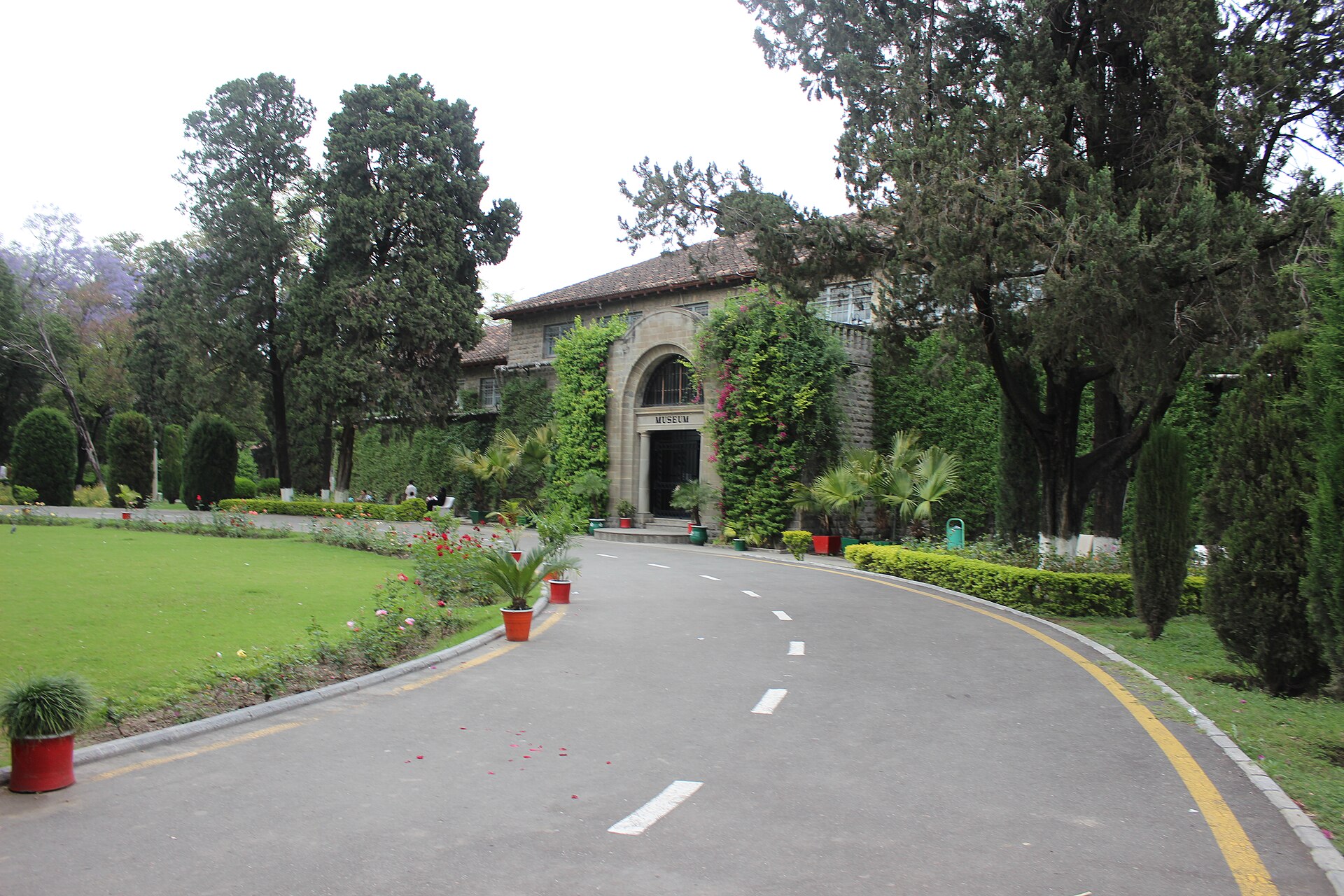
The stone entrance building of Taxila Museum, its arched doorway marked MUSEUM, photographed in 2015.
Junaidgondal0 / GONDAL, CC BY-SA 4.0On this page 14 sections
ContentsClose
Taxila Museum is the primary repository for everything recovered from Sir John Marshall's 1913-1934 excavation of the Taxila valley: the cities of Bhir Mound, Sirkap and Sirsukh, and the Buddhist stupas and monasteries scattered around them, chiefly Dharmarajika, Jaulian and Mohra Moradu. That makes it one of the largest single-site collections of Gandhara-period Buddhist stone and stucco sculpture anywhere, with more than 1,400 catalogued stone pieces, and it holds a small number of objects with no equivalent elsewhere in Pakistan's museum system, including bone relics of the Buddha and an Aramaic-inscribed fragment of a Mauryan-era edict. It is a genuinely different collection from the Gandhara holdings of the Peshawar Museum and the Lahore Museum, which were assembled from other excavated sites across the broader Gandhara region.
| Kind | Museum |
|---|---|
| Founded | 1918 |
| City and country |  Taxila, Pakistan Taxila, Pakistan |
| Address | Archaeological Museum Taxila, Taxila Tehsil, District Rawalpindi, Punjab, Pakistan, beside the Bhir Mound site on Museum Road |
| Website | taxilamuseum.punjab.gov.pk |
| Status | Open, confirmed |
| Record last verified |
Visiting
- Hours
- Daily, winter09:00 to 16:00Museum's own winter timing
- Daily, summer08:30 to 17:00Museum's own summer timing
- Closed
- First Monday of every month. Islamic public holidays.
- Admission
- Local adultPKR 20
- Child under 12PKR 10
- Foreign visitorPKR 500Foreign-national rate; a separate ticket is charged at the nearby excavated sites (Sirkap, Dharmarajika and the monasteries), which are administered separately from the museum
- Do I need to book?
- No, walk-up ticketing at the gate
- Address
- Archaeological Museum Taxila, Taxila Tehsil, District Rawalpindi, Punjab, Pakistan, beside the Bhir Mound site on Museum Road MapRail Taxila railway station, about half a kilometre from the museum
Road About 35 km northwest of Islamabad on the Grand Trunk Road/Islamabad-Peshawar Motorway corridor - Website
- taxilamuseum.punjab.gov.pk
- Telephone
- +92-51-9315476
Before you go how long, access, photography, bags, eating, shop
- How long to allow
- About one to one and a half hours for the museum building; visitors combining it with the nearby stupas and monasteries (Dharmarajika, Jaulian, Mohra Moradu) at Sirkap and Bhir Mound should plan a half day for the wider site
- Access
- Not documented by the museum's own site in the pages checked for this record
- Photography
- Generally permitted in the galleries per visitor accounts; not stated as formal museum policy on the pages checked
- Bags
- Not documented by the museum's own site in the pages checked for this record
- Eating
- None documented
- Shop
- None documented on the official site pages checked
Prices and hours change. We take them from the institution's own pages and print the day we read them, and you can check the current position at the source we used. Confirm before you travel.
What is inside
Stucco Sculptures Gallery (Northern Gallery)
Stucco and terracotta figures of the Buddha, bodhisattvas, devas, monks, Hindu ascetics and lay worshippers from the Gandhara monasteries around Taxila, added to the museum in a gallery the Pakistani government built in 1998; it includes a stucco relief the museum describes as a unique surviving depiction of the Mahaparinirvana, the death of the Buddha.
Early Gandhara Art Gallery
Stone Buddha and bodhisattva sculpture and relief panels from the Buddhist stupas and monasteries of the Taxila valley (Dharmarajika, Jaulian, Mohra Moradu and others); the museum's Gandharan stone holdings run to more than 1,400 catalogued pieces.
Jewellery Room
Gold and silver personal ornament excavated from the houses of Sirkap, the Indo-Greek and Parthian-period city at Taxila: ear pendants, necklaces, girdles, breast chains, belts, amulets, bangles, bracelets, torques, anklets and finger rings, showing both local and Greco-Roman design influence.
Household Objects, Tools and Weapons Gallery
Everyday material from Bhir Mound, Sirkap and Sirsukh: pottery and utensils, iron and bronze tools and weapons, beads, seals, and carved stone toilet-trays (round libation dishes usually showing Greek mythological scenes), a Gandharan object type well represented in the Taxila finds.
Inscriptions and Buddha relic display
A small dedicated display holding the Aramaic Inscription of Taxila - a fragment of an octagonal marble pillar from Sirkap inscribed around 260 BCE, probably one of Ashoka's minor rock edicts addressed to Aramaic-speaking communities in the northwest - alongside Brahmi and Kharoshthi inscriptions, and a gold-plated, bullet-proof showcase (a gift from the government of Thailand, inaugurated 19 January 2023) holding bone relics of the Buddha recovered from the Dharmarajika stupa.
What to see first
Bone relics of the Buddha from the Dharmarajika stupa
Enshrined by a donor named in the accompanying inscription as UrusakaA small gold casket of bone fragments, found by Sir John Marshall's excavation of the Dharmarajika stupa (1912-1916) together with a Kharoshthi inscription dating the deposit to the Azes year 136 (about 78 CE). The museum kept the relics out of public view for decades after 1928 for security; they were put on public display from 2022, and a Thai-government-funded gold-plated, bullet-proof showcase for them was formally inaugurated on 19 January 2023.14
Aramaic Inscription of Taxila
Attributed to the Mauryan emperor Ashoka, mid-3rd century BCEA fragment of an octagonal marble column excavated at Sirkap by Sir John Marshall in 1915, inscribed in Aramaic - the former administrative language of the Achaemenid Empire - and generally read as one of Ashoka's minor rock edicts, aimed at Aramaic-speaking populations still resident in the northwest. It remains at Taxila Museum and is catalogued in the epigraphic literature as KAI 273.12
Mahaparinirvana stucco relief
Gandharan workshop, Kushan periodA stucco relief of the death of the Buddha that the museum's own account of its Stucco Sculptures gallery singles out as a unique surviving treatment of the scene among its holdings, displayed alongside stucco figures of bodhisattvas, devas, monks and lay worshippers from the Gandhara monastery sites around Taxila.17
Sirkap jewellery collection
Indo-Greek and Indo-Parthian period goldsmiths, SirkapA room of gold and silver personal ornament - ear pendants, necklaces, girdles, breast chains, bangles, torques and finger rings - recovered from the houses of Sirkap, mixing local design with Greco-Roman motifs; the museum's own site describes it as one of the best such assemblages from the region.17
Gandharan stone sculpture collection
Gandharan workshops, 1st-7th centuries CEBuddha and bodhisattva figures and narrative relief panels in schist and other stone, drawn from the stupas and monasteries of the Taxila valley; more than 1,400 stone objects have been catalogued from the museum's holdings, of which several hundred have been formally published, making this one of the largest single accumulations of Gandharan stone carving anywhere - distinct from the comparable but separately excavated Gandhara collections at the Peshawar Museum and the Lahore Museum.11
Toilet-trays and stucco heads shown in the 2021 Gandhara Roots and Routes display
Gandharan workshopsA ten-day exhibition run by the museum with UNESCO and the Punjab Tourism for Economic Growth project put 35 previously unshown pieces from the Taxila valley on view, including a stucco bodhisattva bust and a carved stone toilet-tray; the pieces are examples of the same object types (stone palettes with Hellenistic mythological scenes, stucco portrait heads) that make up the museum's permanent Household Objects and Stucco Sculptures galleries.16
A museum built for one excavation
Taxila Museum exists because of a single, sustained piece of archaeology: Sir John Marshall's excavation of the ancient cities and Buddhist monastic sites of the Taxila valley, carried out for the Archaeological Survey of India between 1913 and 1934. The scale of what came out of the ground at Bhir Mound, Sirkap and Sirsukh, and at Buddhist stupas and monasteries including Dharmarajika, Jaulian and Mohra Moradu, needed a purpose-built home close to the sites rather than a shipment to a distant capital. The foundation stone was laid in 1918 by Lord Chelmsford, then Viceroy and Governor-General of British India, and the building opened to the public on 5 April 1928, inaugurated by Sir Muhammad Habibullah, then Member for Education. A further gallery, on the museum's north side, was added by the government of Pakistan in 1998 to house the stucco collection.
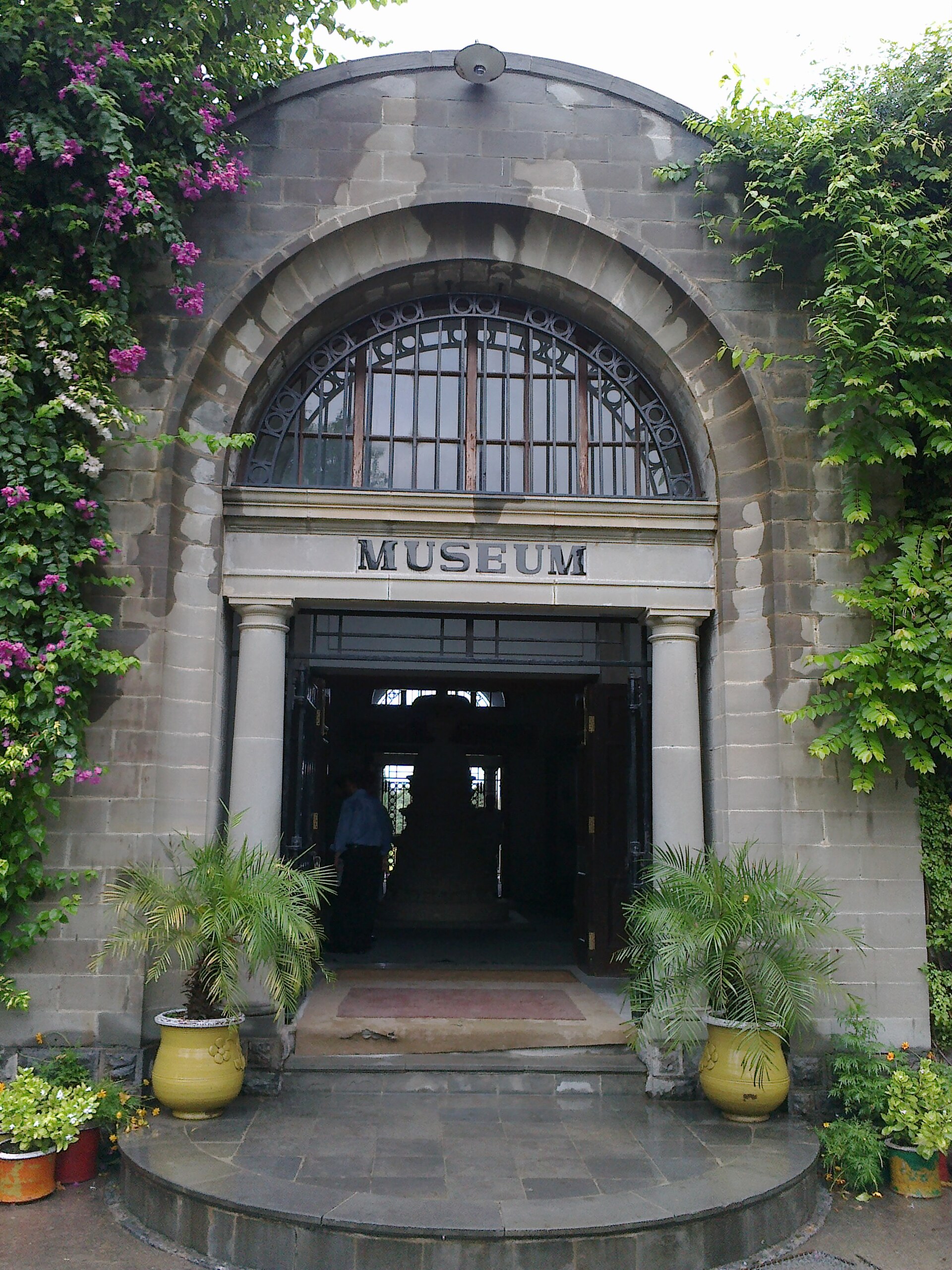
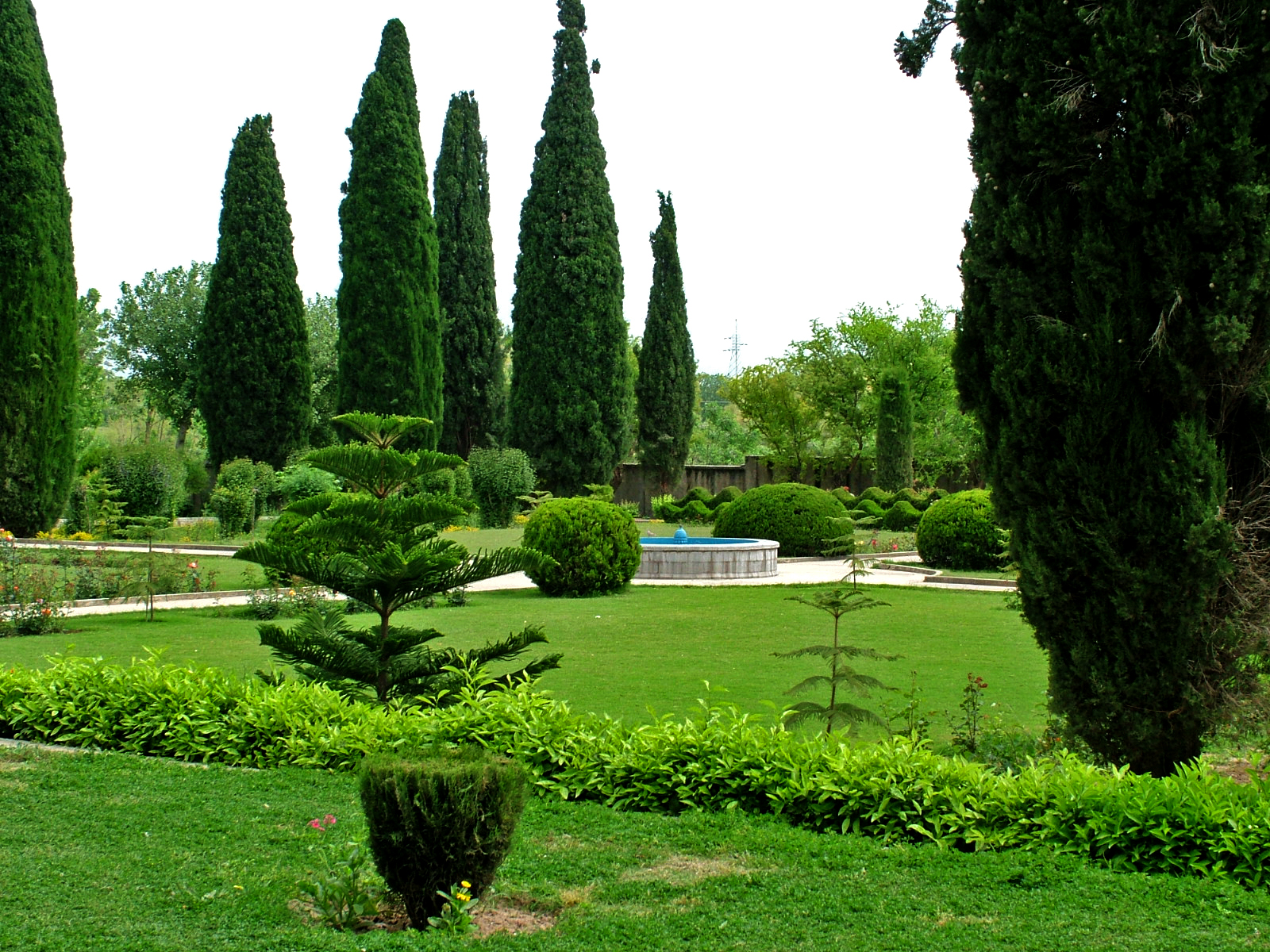
The museum sits inside its own grounds beside the Bhir Mound site, about half a kilometre from Taxila railway station and some 35 kilometres northwest of Islamabad. Visitors consistently mention the setting as much as the exhibits: a colonial-era stone building, arched entrance marked simply MUSEUM, set among cypress-lined lawns and gardens.
What the collection is, and what it is not
The museum's own account of its holdings puts approximately 7,000 objects on display, with a further 30,000 held in reserve collection, spanning roughly 600 BCE to 500 CE. Its core strength is Gandharan Buddhist art of the 1st to 7th centuries CE in stone and stucco, but the galleries also carry the everyday material of the three excavated cities - pottery, tools, coins, beads, seals and jewellery - alongside inscriptions in Brahmi, Kharoshthi and Aramaic. More than 1,400 stone sculptures from the site have been catalogued, several hundred of them formally published in the archaeological literature.
It is worth being precise about what this collection is not. Two other Pakistani museums, Peshawar Museum and Lahore Museum, hold large and celebrated Gandhara-period collections of their own, assembled from different excavated sites across the wider Gandhara region; a number of the most reproduced Gandhara pieces in general circulation - a fasting Buddha figure, a large reliquary casket bearing a king's name - belong to those two institutions, not to Taxila. Taxila Museum's collection is specifically the material recovered from the Taxila valley itself: Bhir Mound, Sirkap, Sirsukh and the monastic sites immediately around them. That distinction matters to anyone building a provenance trail, since objects from these three institutions are sometimes conflated in casual writing about Gandhara art.
The Buddha relics and their long road into public view
The single most sensitive object in the museum's care is a small gold casket of bone fragments recovered by Marshall's team from the Dharmarajika stupa between 1912 and 1916, together with an inscribed silver vessel. A Kharoshthi inscription on the find dates it to the 136th year of the Azes era, about 78 CE, and names a donor, Urusaka, who placed the bone relics of the Buddha in his chapel at Dharmarajika. The inscribed silver scroll associated with the discovery is not at Taxila: it is now held by the National Museum in New Delhi, a reminder that finds from a single excavation can end up dispersed across different national collections.
The bone relics themselves stayed out of public view for most of the museum's history, a security decision the museum's own account ties to the risk of theft rather than to any doubt about the relics' authenticity. They went on public display for the first time in 2022, having twice before been lent out for temporary exhibition in Sri Lanka. On 19 January 2023, Thailand's ambassador to Pakistan formally inaugurated a gold-plated, bullet-proof showcase for the relics, a gift from the Thai government intended, in the diplomats' own framing at the ceremony, as a mark of the two countries' relations and of Buddhist-Muslim interfaith goodwill. Pakistani officials have since pointed to the relics as a draw for Buddhist religious tourism, alongside other sites in the Gandhara region.
Stone, stucco and everyday life
The museum's northern gallery, added in 1998, holds its stucco and terracotta figures: Buddhas, bodhisattvas, devas, monks, Hindu ascetics and lay worshippers, modelled in the softer material that Gandharan workshops used for large-scale monastery decoration where stone was too costly or too heavy. The museum's own description of this gallery singles out a stucco relief of the Mahaparinirvana - the death of the Buddha - as a uniquely complete treatment of the scene among its holdings. A separate gallery holds the stone sculpture proper: Buddha and bodhisattva images and narrative relief panels carved in the grey schist typical of the region.
Two further rooms cover the material culture of the three excavated cities rather than their religious art. A jewellery room holds gold and silver ornament from the houses of Sirkap - ear pendants, necklaces, girdles, breast chains, bangles, torques and finger rings - in which local craftsmanship sits alongside clearly Greco-Roman motifs, evidence of Sirkap's position on trade and cultural routes reaching west into the Hellenistic and Parthian worlds. A household objects, tools and weapons gallery holds pottery, iron and bronze tools, beads, seals and carved stone toilet-trays - round dishes, usually depicting Greek mythological scenes, a form well represented among the Sirkap finds and found across the wider Gandhara region. In 2021 a ten-day temporary exhibition, Gandhara Roots and Routes, run with UNESCO and the Punjab Tourism for Economic Growth project, put 35 previously unshown pieces from these categories on public view for the first time, including a stucco bodhisattva bust and a toilet-tray; whether those specific pieces remain on permanent display or returned to reserve after the exhibition is not stated on the pages of the museum's own site checked for this record.
Inscriptions: Ashoka's edict in Aramaic
Among the museum's epigraphic holdings is a fragment of an octagonal marble column, excavated by Marshall at Sirkap in 1915 and inscribed in Aramaic - the administrative language the Achaemenid Persian empire had used across a swathe of western and central Asia, and one that a resident population in the northwest evidently still read more than a century after Achaemenid rule ended. Scholars generally attribute the text, dated to around 260 BCE, to the Mauryan emperor Ashoka, and class it among his minor rock edicts; the surviving fragments refer to "our lord Priyadasi" - one of Ashoka's titles - and to themes of non-injury and obedience consistent with his other edicts. It is catalogued in Semitic epigraphy as KAI 273 and remains part of the Taxila Museum collection, displayed with the museum's other Brahmi and Kharoshthi inscriptions.
A living site, not a closed one
The Punjab government has an active, funded conservation programme running across the wider Taxila valley: a project reported at just under four billion Pakistani rupees, covering conservation and restoration work at Mankiala Stupa, Giri Fort, Sirkap and Dharmarajika among other locations, targeted for completion by 2028. As part of it, the museum itself is due to open two new galleries, adding around 40 further showcases to bring previously unseen excavated material - Buddha statues among it - into public view; the reporting on this project does not suggest the museum closes, or has closed, for the works, and every source consulted for this record treats it as operating normally through the programme.
Visitor reviews corroborate that the museum has continued receiving the public without interruption in recent years, while also making clear that resources have not stretched to cleanliness and general upkeep to the same degree as to the collection itself. The museum charges separately for entry to the excavated monastic and city sites around it, several of which - Dharmarajika, Sirkap, Jaulian, Mohra Moradu - form the wider UNESCO World Heritage Site of which the museum's own grounds are a part.
What visitors say
Visitors consistently describe Taxila Museum as a small, easily-toured collection built on genuinely important Gandhara-period material - most reviewers budget an hour to ninety minutes - but they just as consistently note that the building's day-to-day upkeep, and extras pressed on visitors at the gate, have not kept pace with the importance of what is inside.
What is praised, what is criticised
- Praised: The depth and rarity of the Gandhara Buddhist sculpture, stucco work and jewellery on display, most of it excavated a short walk away at Sirkap, Bhir Mound and the Dharmarajika stupa
- Praised: The calm, planted grounds around the colonial-era stone building, which several reviewers single out alongside the galleries themselves
- Praised: How quickly and comfortably the whole museum can be seen without feeling rushed, and the helpfulness of the museum's own staff
- Criticised: Recurrent complaints about maintenance and cleanliness, with specific and repeated mentions of poorly kept restrooms
- Criticised: A detailed April 2023 visitor review alleging that gemstones had been removed from several display cases and replaced with reproductions, leaving visible gaps in the mounts - an allegation this record has not been able to independently verify against any museum or government statement
- Criticised: Reports of unofficial, unrequested guides at the site who ask for payment partway through a tour, and of extra charges for golf-cart transport between the museum and the nearby stupas
Ratings on other platforms
Tripadvisor: 4 from 64 ratings, read 1 September 2026
A platform average is a tertiary source: it moves, it is not audited, and we quote no visitor's words.
Questions about Taxila Museum
Where is Taxila Museum?
Archaeological Museum Taxila, Taxila Tehsil, District Rawalpindi, Punjab, Pakistan, beside the Bhir Mound site on Museum Road.
How much does it cost to visit?
Local adult: PKR 20; Child under 12: PKR 10; Foreign visitor: PKR 500. As confirmed 1 September 2026.
When is it open?
Daily, winter 09:00-16:00; Daily, summer 08:30-17:00. Closed: First Monday of every month. Islamic public holidays. As confirmed 1 September 2026.
How do you get there?
Rail: Taxila railway station, about half a kilometre from the museum; Road: About 35 km northwest of Islamabad on the Grand Trunk Road/Islamabad-Peshawar Motorway corridor.
What should you see first?
Bone relics of the Buddha from the Dharmarajika stupa (Enshrined by a donor named in the accompanying inscription as Urusaka); Aramaic Inscription of Taxila (Attributed to the Mauryan emperor Ashoka, mid-3rd century BCE); Mahaparinirvana stucco relief (Gandharan workshop, Kushan period); Sirkap jewellery collection (Indo-Greek and Indo-Parthian period goldsmiths, Sirkap); Gandharan stone sculpture collection (Gandharan workshops, 1st-7th centuries CE); Toilet-trays and stucco heads shown in the 2021 Gandhara Roots and Routes display (Gandharan workshops).
What we could not confirm
- The museum's own site states roughly 7,000 objects on display and 30,000 in reserve; Wikipedia's article on the museum instead gives a total collection figure of about 4,000 objects. This record follows the museum's own published figure but the discrepancy is unresolved in the sources checked.
- Whether the stucco bodhisattva bust and toilet-tray shown in the 2021 Gandhara Roots and Routes temporary exhibition are now part of the permanent Stucco Sculptures and Household Objects displays, or were returned to the reserve collection after that exhibition closed.
- The April 2023 visitor allegation that gemstones were removed from museum display cases and replaced with reproductions has not been corroborated or addressed in any museum or Punjab government statement found for this record.
Images
Sources
- 1Wikidata, Q7689656 (Taxila Museum) wikidata.org/wiki/Q7689656
- 2Wikimedia Commons, File:Museum_taxila_front.jpg commons.wikimedia.org/wiki/File:Museum_taxila_front.jpg
- 3Wikimedia Commons, File:Taxila_Museum_Entrance.jpg commons.wikimedia.org/wiki/File:Taxila_Museum_Entrance.jpg
- 4Wikimedia Commons, File:Garden of the Taxila museum (9879862).jpg commons.wikimedia.org/wiki/File:Garden_of_the_Taxila_museum_(9879862).jpg
- 5Taxila Museum, official site, About Us taxilamuseum.punjab.gov.pk/about_us
- 6Taxila Museum, official site, home page taxilamuseum.punjab.gov.pk/
- 7Taxila Museum, official site, Contact Us taxilamuseum.punjab.gov.pk/contact_us
- 8Taxila Museum, official site, node/81 (history and collection) taxilamuseum.punjab.gov.pk/node/81
- 9Taxila Museum, official site, Sirkap (node/79) taxilamuseum.punjab.gov.pk/node/79
- 10Taxila Museum, official site, Gallery taxilamuseum.punjab.gov.pk/gallery
- 11Wikipedia, "Taxila Museum" en.wikipedia.org/wiki/Taxila_Museum
- 12Wikipedia, "Aramaic inscription of Taxila" en.wikipedia.org/wiki/Aramaic_inscription_of_Taxila
- 13Gandhari Buddhist Texts (University of Sydney), "Urasaka - Dharmarajika, Taxila - silver sheet (Azes 136)" gandhari-texts.sydney.edu.au/edition/urasaka-dharmarajika-taxila-silver-sheet-azes-136/
- 14Dawn, "Gold plated, bullet-proof showcase to display Buddha relic inaugurated in Taxila" dawn.com/news/1732342/gold-plated-bullet-proof-showcase-to-display-buddha-relic-inaugurated-in-taxila
- 15Dawn, "Rare Buddha relics add to Taxila Museum's appeal" dawn.com/news/1966315
- 16Arab News PK, "Pakistani museum exhibits never-before-seen Gandhara art revealing centuries of multiculturalism" arabnews.pk/node/1948391/pakistan
- 17Taxila Museum, official site, home page (gallery descriptions) taxilamuseum.punjab.gov.pk/
- 18Dawn, "Rs3.97bn project launched to preserve Taxila's cultural heritage" dawn.com/news/1988314
- 19Tripadvisor, "Taxila Museum - All You SHOULD Know Before Going" (reviews and rating) tripadvisor.com/Attraction_Review-g660884-d4419087-Reviews-Taxila_Museum-Taxila_Punjab_Province.html
- 20Chakor Ventures, "Taxila Museum: Complete Visitor Friendly Guide" (corroborating hours, fees and contact) chakorventures.com/taxila-museum-guide/


.jpg)