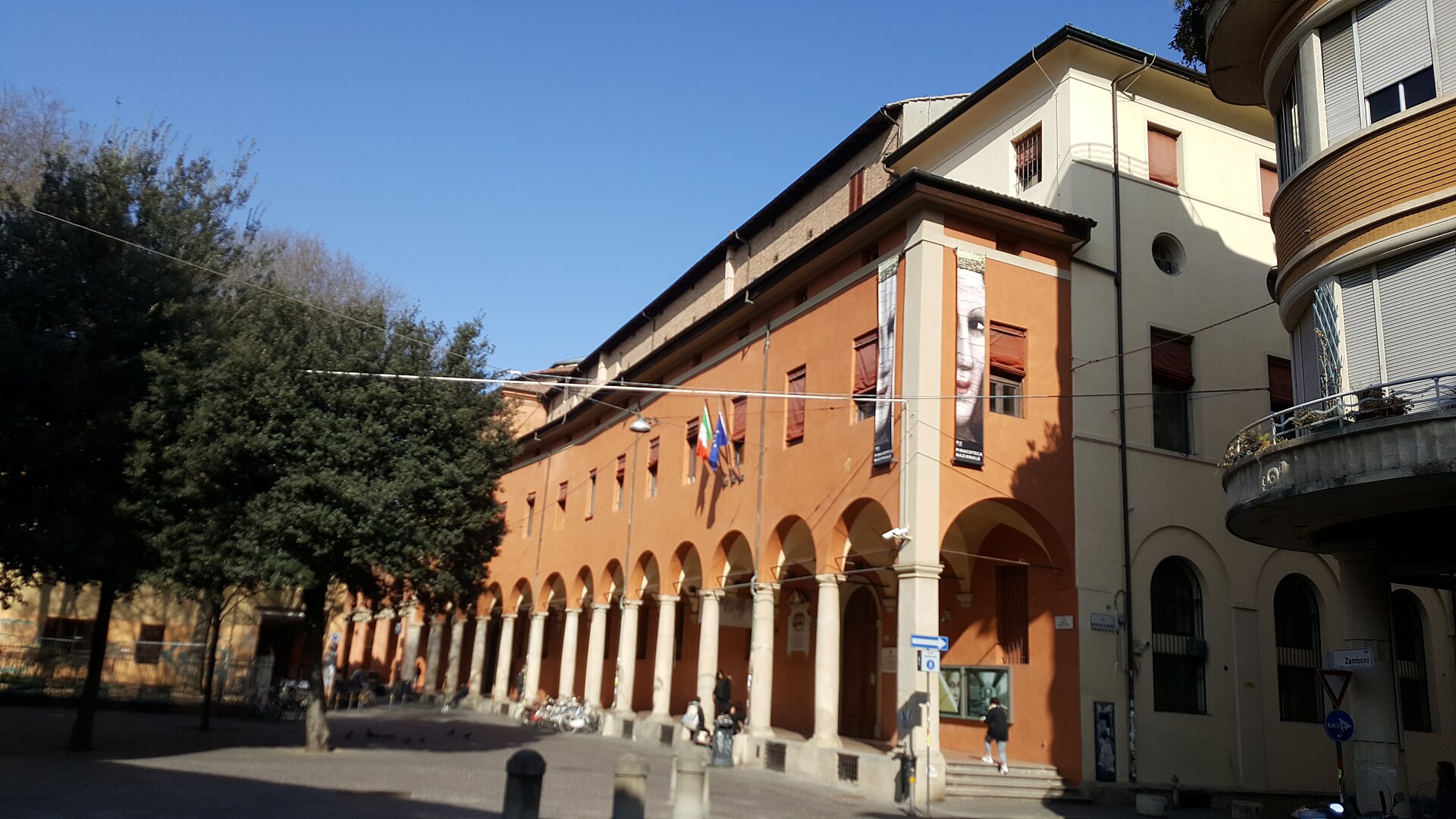
The portico and facade of the Pinacoteca in Via delle Belle Arti, Bologna.
Mattes, CC BY-SA 4.0Pinacoteca Nazionale di Bologna
Museum · Founded 1808
Open, admission and hours confirmed 9 November 2026 · 20 sources
On this page 15 sections
ContentsClose
The strength is Emilian painting from the thirteenth to the eighteenth century, built on the suppressions of 1797-1810 and 1866: the Giotto and Mezzaratta frescoes, the Ferrarese of Cossa and de' Roberti, the Carracci and their school, a large Guido Reni group and thirteen Guercino paintings, plus a Raphael, a Parmigianino and a Venetian trio of Titian, Tintoretto and El Greco.
| Kind | Museum |
|---|---|
| Founded | 1808 |
| City and country |  Bologna, Italy |
| Address | Via delle Belle Arti 56, 40126 Bologna, Italy |
| Website | pinacotecabologna.cultura.gov.it |
| Status | Open, confirmed |
| Record last verified |
Visiting
- Hours
- Tue-Sun09:00 to 19:00Last entry and ticket office close 30 minutes before closing
- Closed
- Monday. Wednesday 9 December 2026 (extraordinary closure).
- Admission
- FullEUR 12Ticket also valid for Palazzo Pepoli Campogrande within three months of issue; prices may change during temporary exhibitions
- Reduced, partner schemesEUR 10Convenzionati; special exhibition tie-ins listed on the museum page
- Young people 18 to 25EUR 2Also Carta del merito and Carta cultura giovani
- Under 18Freefree, with other listed categories
Free entry: First Sunday of the month (Domenica al Museo). 4 November 2026, free for all visitors- Tickets
- portale.museiitaliani.it/b2c/buyTicketless/42... The museum's own ticket page.
- Do I need to book?
- Not stated on the pages read; tickets can be bought online
- Address
- Via delle Belle Arti 56, 40126 Bologna, Italy MapBus Stop Porta San Donato: bus 32 or 36 from the railway station, 36 or 37 from the coach station, 20 from Piazza Malpighi, 28 from the Fiera
Walking About 15 minutes from the railway station, the coach station and Piazza Maggiore; 10 minutes from the Due Torri
Car Via Belle Arti is in a limited traffic zone; the nearest point reachable without a permit is Via Irnerio, with paid parking - Website
- pinacotecabologna.cultura.gov.it
- Telephone
- +39 051 4209411
- [email protected]
Before you go how long, access, photography, bags, eating, shop
- How long to allow
- Not stated by the museum; the route runs through 30 numbered rooms
- Access
- Accessible to people with motor disabilities; barrier-free route from Via Belle Arti 48 along the portico; lift after the ticket office; bookshop only by a two-step stair
- Photography
- Not stated on the pages read
- Bags
- Cloakroom in the reception area for bags and backpacks
- Eating
- Not stated on the pages read
- Shop
- Bookshop, reached by a two-step stair
Prices and hours change. We take them from the institution's own pages and print the day we read them, and you can check the current position at the source we used. Confirm before you travel.
What is inside
Trecento and Giotto (rooms 1 to 8)
Thirteenth and fourteenth century Bolognese painting by the Pseudo Jacopino, Vitale da Bologna and Simone dei Crocefissi, Giotto's signed polyptych in room 3, and the frescoes and sinopie from Santa Maria di Mezzaratta in rooms 7 and 8.
Quattrocento and Renaissance (rooms 9 to 20)
Francesco del Cossa and Ercole de' Roberti in room 10, Francia, Costa and Aspertini, Raphael's Ecstasy of Saint Cecilia in room 15, Parmigianino in room 18 and Titian, Tintoretto and El Greco in room 20.
Carracci and Seicento (rooms 21 to 27)
The Carracci in room 23, Guido Reni's great hall in room 24, the painters of the Incamminati school in room 25, Guercino's thirteen paintings in room 26 and the passage from the 1600s to the 1700s in room 27.
Settecento and large formats (rooms 28 to 30)
Arcadian landscapes by Donato Creti and Marcantonio Franceschini in room 28, the Aula Gnudi large-format room 29 (currently closed for renovation until spring 2027) and the Seicento and Settecento sections of room 30 through Crespi and the Gandolfi.
Palazzo Pepoli Campogrande (sister site, temporarily closed)
A second seat in Via Castiglione 7 covered by the same ticket; the museum shows it as temporarily closed for renovation and restoration.
What to see first
Polyptych
GiottoThe only signed work by Giotto in Bologna, from Santa Maria degli Angeli, usually dated about 1330; on loan in Romania and due back in the restored room in November 2026.13
Ecstasy of Saint Cecilia
RaphaelMade for the Duglioli chapel in San Giovanni in Monte under Leo X, it brought Raphael's taste into local painting.8
Christ and the Good Thief
TitianA fragment of a large altarpiece probably commissioned by the Venetian merchant Giovanni D'Anna, an example of Titian's late loose handling.9
Madonna di Santa Margherita
ParmigianinoOne of Parmigianino's masterpieces, painted in the period after the Sack of Rome in which he stayed in Bologna.18
Massacre of the Innocents and the Pala del Voto
Guido ReniThe two works the museum itself names among the capital works of its Reni hall.7
Guercino's thirteen paintings
GuercinoA core group from the Napoleonic suppressions, State purchases and the Denis Mahon bequest that traces his whole career.12
Garganelli chapel fragment
Ercole de' RobertiThe only surviving piece of the pictures taken from the cathedral chapel that the young Michelangelo praised, which collapsed in the early 1600s.19
The Last Supper
El GrecoA small panel from his young years in Venice showing the influence of Titian, Tintoretto, Veronese and Bassano.9
The building and what it was built to hold
The Pinacoteca Nazionale di Bologna sits in the former Jesuit novitiate of Sant'Ignazio in Via delle Belle Arti, in the university quarter. The museum's own account says the complex was built between 1728 and 1735 to a design by the Bolognese architect Alfonso Torreggiani. It was not built as a gallery. After Napoleonic troops entered Bologna in 1796 and the religious orders were suppressed, the Accademia Clementina, renamed the Accademia di Belle Arti, began gathering works from the dissolved institutions, and the need for room led it in 1803 to move from Palazzo Poggi, by then the seat of the university, to the neighbouring Sant'Ignazio complex.
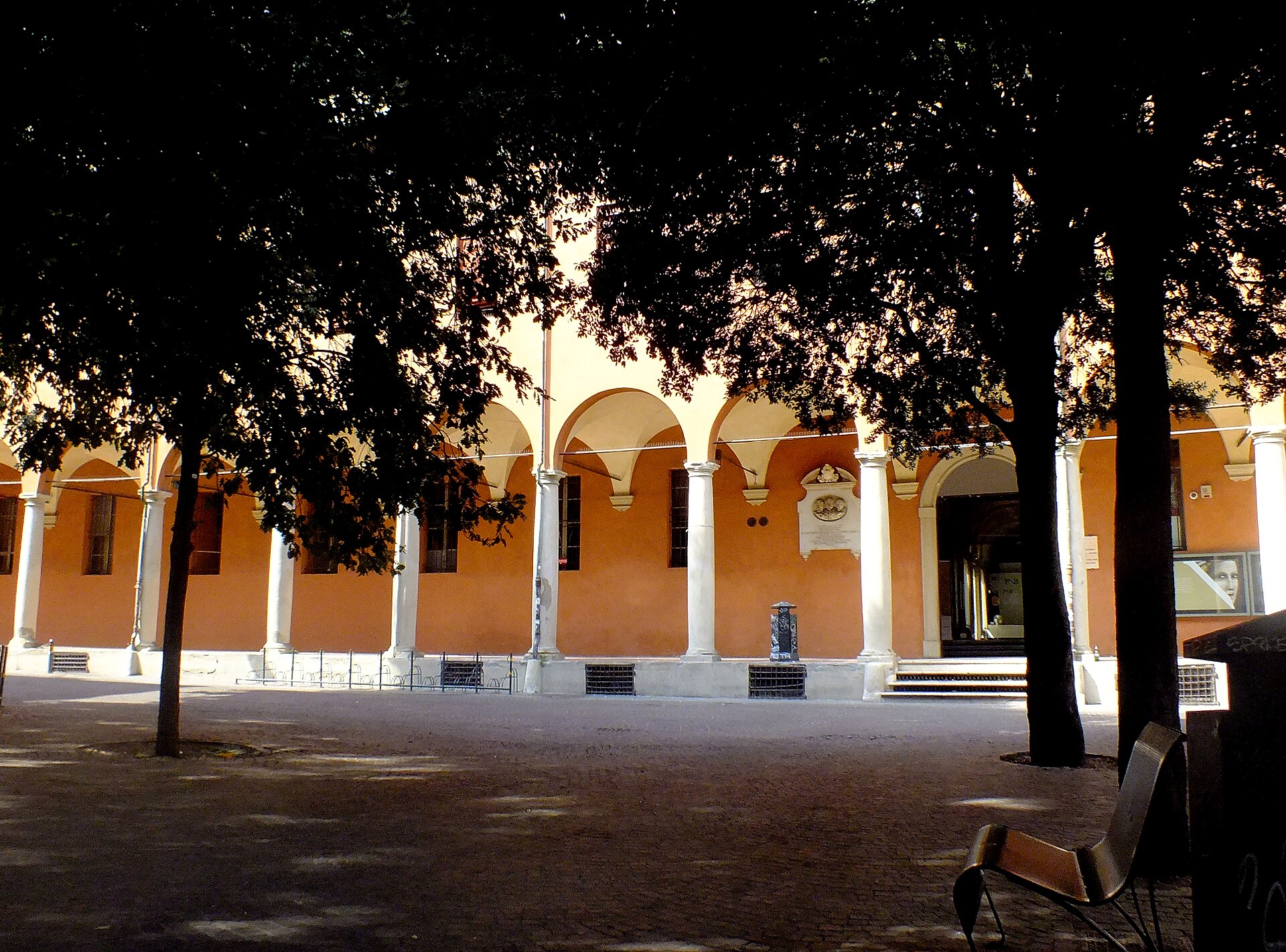
The building was extended in 1914-1920 with the Corridor leading to the great octagonal hall, the work of the architect Edoardo Collamarini under the direction of Francesco Malaguzzi Valeri, and again after the Second World War with the Salone del Rinascimento. The present look of the museum comes from works carried out between the 1960s and 1974 by the architect Leone Pancaldi under the then director Cesare Gnudi. In that campaign the access staircase was cut into the former Noviziato chapel, whose ceiling is painted with the Glory of Saint Ignatius by the Jesuit painter Giuseppe Barbieri, a follower of Andrea Pozzo. In the inner courtyard stands a sandstone cistern made by Francesco Morandi, called Terribilia, in 1587, moved here in 1886 from the garden of the Palazzo Comunale when the Sala Borsa was built.
How a church-and-convent haul became a national gallery
The museum dates its foundation to 1808, as the picture gallery of the Accademia di Belle Arti, the school that rose from the ashes of the eighteenth-century Accademia Clementina. An older core came from the Istituto delle Scienze and was swollen by almost a thousand paintings that arrived through the suppression of churches and convents carried out between 1797 and 1810, after the French entered the city. The nineteenth century brought further rooms and works, from the suppressions of 1866 under the new Italian state and from bequests and purchases. In 1882 the gallery was made independent of the Accademia di Belle Arti.
This origin is the key to reading the place. Most of what hangs here was made for an altar, a chapel or a refectory, and reached the wall by decree, not by a collector's taste. That is why the museum is so strong on Bologna and Emilia, and why its altarpieces are the stars: they are the displaced furniture of a city's churches. Wikipedia gives a different, older chain of dates for the early years, with a first nucleus acquired in 1762 and a move in 1802, and gives 1875 for regular public opening; those figures come from a tertiary page flagged for missing citations and this page follows the museum's own dates instead.
The route through the collection
The museum's own description of the visit runs in chronological order. It starts with the rich Bolognese Trecento, with works by the Pseudo Jacopino, Vitale da Bologna and Simone dei Crocefissi, and moves to the Giotto polyptych and the frescoes from the small church of Santa Maria di Mezzaratta, reassembled according to their original architecture. The Renaissance is carried by the Bolognese Francesco Francia and Amico Aspertini and by the Ferrarese Lorenzo Costa, Francesco del Cossa with the Pala dei Mercanti and Ercole de' Roberti with the small fragment from the Garganelli chapel in the cathedral of San Pietro.
After Raphael's Ecstasy of Saint Cecilia and Parmigianino's Madonna di Santa Margherita, the path reaches the reform of the late sixteenth century with Agostino, Annibale and Ludovico Carracci, then the pillars of the Emilian Seicento: Guido Reni, Domenichino, Albani, Tiarini and Guercino. It ends with the many-sided Settecento of Giuseppe Maria Crespi, Donato Creti and the brothers Gaetano and Ubaldo Gandolfi. The map on the museum site numbers the rooms from 1 to 30, so a visitor can see in advance that the sequence runs from the thirteenth century to the eighteenth without a break.
Rooms that decide a visit
Room 3 holds the polyptych that Giotto made for the church of Santa Maria degli Angeli, described by the museum as the only signed work by the Florentine master in Bologna and generally dated to about 1330, beside a signed and dated 1265 Crucifix by Rinaldo di Ranuccio of Spoleto and Umbrian and Tuscan panels. Room 15 is built around Raphael's Ecstasy of Saint Cecilia, which came to Bologna for the Duglioli chapel in San Giovanni in Monte under Leo X and spread his taste through local painting. Room 20 closes the Renaissance with a Titian fragment, Christ and the Good Thief, a small Last Supper by El Greco from his Venetian years and Tintoretto's Visitation.
Rooms 23 and 24 are the room of the Carracci and the great hall of Guido Reni, who in the museum's words is the leading exponent of the seventeenth-century classical ideal. Room 26 gives Guercino thirteen autograph paintings, among the best representation of him in the collection, built from the Napoleonic suppressions, State purchases and the bequest of Sir Denis Mahon, whose studies began with the 1968 Bologna exhibition. Room 28 turns to the calm Arcadian landscapes of Donato Creti and Marcantonio Franceschini.
What is closed or moving right now
A reader planning a trip needs the notices on the museum's home page, read on 9 November 2026. The Aula Gnudi is closed for renovation from 20 October with reopening planned for spring 2027. The sister site, Palazzo Pepoli Campogrande in Via Castiglione, is temporarily closed for renovation and restoration, and its opening hours page shows every day as closed; the home page says it is expected to reopen in 2026. The ticket is valid for both sites within three months of issue, so the closure of the palace does not change the price on the museum's page.
The Giotto polyptych left the museum on 22 September for the Festival of Sacred Art in Iasi, Romania, shown beside a work by Constantin Brancusi under an agreement between the Italian and Romanian governments. The museum said it would come back to its restored and re-hung room as the works finish in November, and the home page speaks of mid-November 2026. Someone travelling mainly for Giotto should check the museum's notices before booking.
Getting in, tickets and access
The museum is open Tuesday to Sunday from 09:00 to 19:00 and closed on Monday, with the last entry and the closing of the ticket office 30 minutes before closing. Listed one-off dates include extra openings on 14 and 21 November 2026 in the evening to 23:00, an extraordinary opening on Monday 7 December and a closure on Wednesday 9 December 2026. Entry on 4 November is free for everyone, and the first Sunday of each month is free under the ministerial Domenica al Museo scheme.
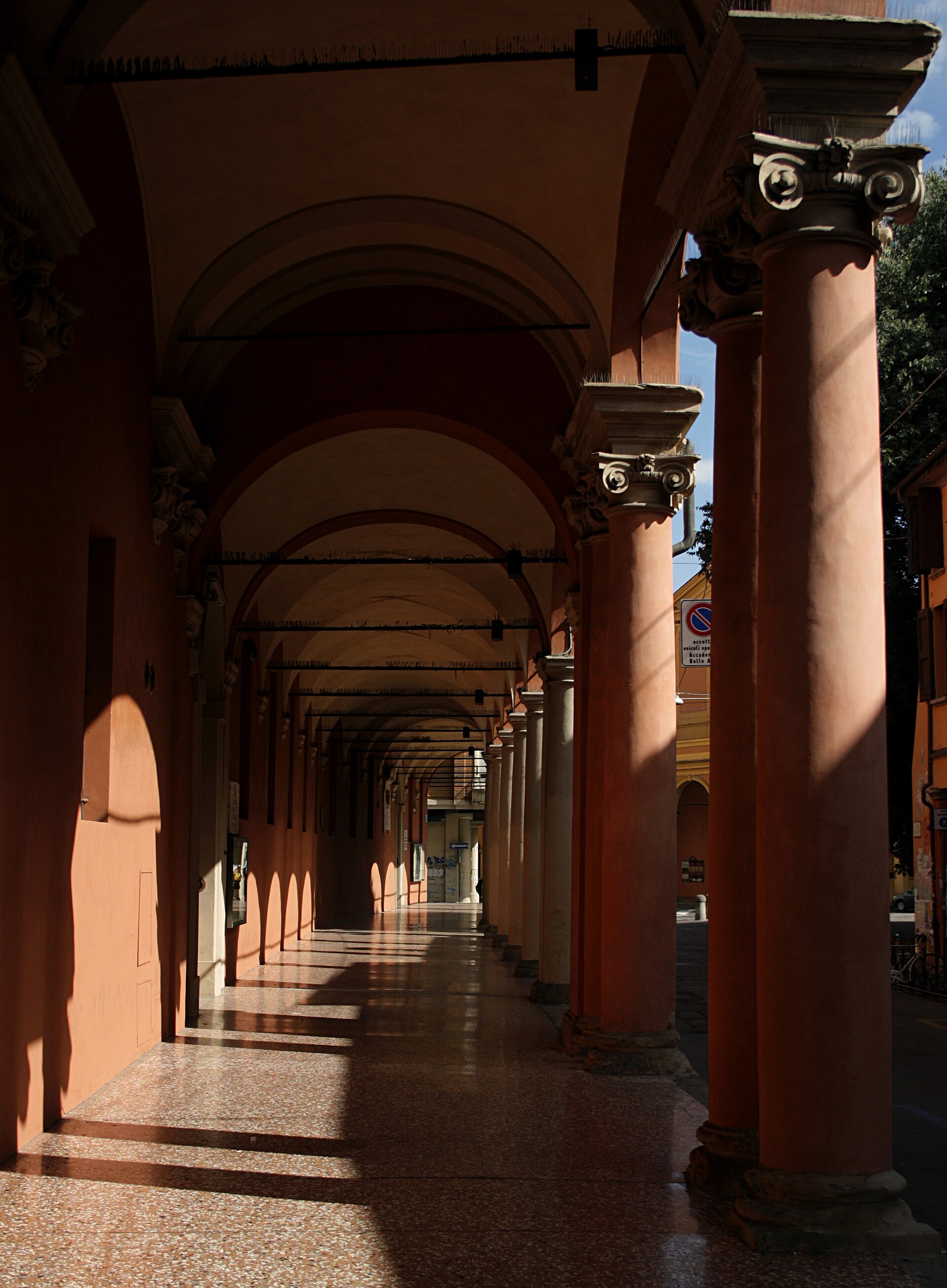
The full ticket is EUR 12.00, the reduced ticket for partner schemes EUR 10.00, and EUR 2.00 for young people from 18 to 25 and for holders of the Carta del merito and the Carta cultura giovani. Under-18s, disabled visitors with a companion, listed categories of students and teachers, guides, journalists and ICOM members enter free. The museum is accessible to people with motor disabilities: the barrier-free route starts at Via Belle Arti 48 and follows the portico for about 100 metres to the entrance, the lift is just past the ticket office, and the bookshop is reachable only by a two-step stair. The museum site notes that the lift may malfunction temporarily.
What visitors and guides say
The professional guides summarised by TripExpert call it the city's main art gallery, with a strong collection of Bolognese work from the fourteenth century on, and name the Raphael as the prize possession. The aggregate scores that page shows are tertiary data and are listed under reception. In our reading the consistent praise is the Emilian altarpiece depth and the Raphael, Reni and Carracci rooms, while the recurring cautions are practical: rooms and works that move or close, as at present, and a gap between what an Italian-language institution posts and what a foreign visitor can plan from.
The criticisms of the institution that can be sourced today are small and operational, and no restitution or provenance dispute attached to this museum was found in the pages read for this entry. That is an absence in the sources read and not a finding, and the open questions below say what a later desk should check.
What visitors say
Guides treat it as the city's main art gallery and praise the depth of Bolognese and Emilian painting from the fourteenth century on, headed by the Raphael. Cautions are practical: rooms and star works are moving or closed at present, and the visit rewards people who want altarpieces more than a quick highlights tour.
What is praised, what is criticised
- Praised: Depth of Bolognese and Emilian painting from the Trecento to the Settecento
- Praised: Raphael's Ecstasy of Saint Cecilia as the headline work
- Praised: A clear chronological route through numbered rooms
- Criticised: The Giotto polyptych, Aula Gnudi and Palazzo Pepoli Campogrande are away or closed in autumn 2026
- Criticised: The bookshop is reachable only by a two-step stair and the lift may malfunction
Ratings on other platforms
Tripadvisor: 4.3, read 9 November 2026
Google: 4.5, read 9 November 2026
TripExpert: 7, read 9 November 2026
A platform average is a tertiary source: it moves, it is not audited, and we quote no visitor's words.
Questions about Pinacoteca Nazionale di Bologna
Where is Pinacoteca Nazionale di Bologna?
Via delle Belle Arti 56, 40126 Bologna, Italy.
How much does it cost to visit?
Full: EUR 12; Reduced, partner schemes: EUR 10; Young people 18 to 25: EUR 2; Under 18: free. As confirmed 9 November 2026.
When is it open?
Tue-Sun 09:00-19:00. Closed: Monday. Wednesday 9 December 2026 (extraordinary closure). As confirmed 9 November 2026.
How do you get there?
Bus: Stop Porta San Donato: bus 32 or 36 from the railway station, 36 or 37 from the coach station, 20 from Piazza Malpighi, 28 from the Fiera; Walking: About 15 minutes from the railway station, the coach station and Piazza Maggiore; 10 minutes from the Due Torri; Car: Via Belle Arti is in a limited traffic zone; the nearest point reachable without a permit is Via Irnerio, with paid parking.
What should you see first?
Polyptych (Giotto); Ecstasy of Saint Cecilia (Raphael); Christ and the Good Thief (Titian); Madonna di Santa Margherita (Parmigianino); Massacre of the Innocents and the Pala del Voto (Guido Reni); Guercino's thirteen paintings (Guercino).
What we could not confirm
- Date the Giotto polyptych returns to its restored room, and the reopening dates of the Aula Gnudi and Palazzo Pepoli Campogrande
- Whether any restitution, attribution or acquisition dispute touches the collection; none was found in the pages read
- Review counts behind the Tripadvisor and Google scores, which the pages read did not show
Images
Sources
- 1Pinacoteca Nazionale di Bologna, home page (notices on Aula Gnudi, Palazzo Pepoli Campogrande, Giotto polyptych loan), read 2026-11-09 pinacotecabologna.cultura.gov.it
- 2Pinacoteca Nazionale di Bologna, Da sapere per la tua visita (hours, prices, free entry), read 2026-11-09 pinacotecabologna.cultura.gov.it/visita-e-orari
- 3Pinacoteca Nazionale di Bologna, Contatti, read 2026-11-09 pinacotecabologna.cultura.gov.it/contatti
- 4Pinacoteca Nazionale di Bologna, Come raggiungerci, read 2026-11-09 pinacotecabologna.cultura.gov.it/come-raggiungerci
- 5Pinacoteca Nazionale di Bologna, Accessibilita, read 2026-11-09 pinacotecabologna.cultura.gov.it/accessibilita
- 6Pinacoteca Nazionale di Bologna, Le sedi: Complesso di Sant'Ignazio, read 2026-11-09 pinacotecabologna.cultura.gov.it/le-sedi/pinacoteca-nazionale-di-bologna
- 7Pinacoteca Nazionale di Bologna, La mappa del museo (history and route), read 2026-11-09 pinacotecabologna.cultura.gov.it/la-mappa-del-museo
- 8Pinacoteca Nazionale di Bologna, Sala 15 Raffaello e la nuova eta del Rinascimento, read 2026-11-09 pinacotecabologna.cultura.gov.it/la-mappa-del-museo/sala-15-raffaello-e-larte-centro-italiana
- 9Pinacoteca Nazionale di Bologna, Sala 20 Tiziano, Tintoretto, El Greco, read 2026-11-09 pinacotecabologna.cultura.gov.it/la-mappa-del-museo/sala-20-il-cinquecento-veneto-genovese
- 10Pinacoteca Nazionale di Bologna, Sala 24 Guido Reni, read 2026-11-09 pinacotecabologna.cultura.gov.it/la-mappa-del-museo/sala-24-guido-reni
- 11Pinacoteca Nazionale di Bologna, Sala 23 I Carracci, read 2026-11-09 pinacotecabologna.cultura.gov.it/la-mappa-del-museo/sala-23-i-carracci
- 12Pinacoteca Nazionale di Bologna, Sala 26 Il Guercino, read 2026-11-09 pinacotecabologna.cultura.gov.it/la-mappa-del-museo/sala-26-il-classicismo
- 13Pinacoteca Nazionale di Bologna, Sala 3 Giotto e i forestieri a Bologna, read 2026-11-09 pinacotecabologna.cultura.gov.it/la-mappa-del-museo/sala-3-giotto-e-i-forestieri-a-bologna
- 14Pinacoteca Nazionale di Bologna, news: Polittico di Giotto in Romania, read 2026-11-09 pinacotecabologna.cultura.gov.it/news/polittico-di-giotto-18266
- 15Wikipedia, Pinacoteca Nazionale di Bologna (; identity and general history only), read 2026-11-09 en.wikipedia.org/wiki/Pinacoteca_Nazionale_di_Bologna
- 16TripExpert, Pinacoteca Nazionale di Bologna (aggregates Lonely Planet, Fodor's, Frommer's, Concierge, New York Times; ), read 2026-11-09 tripexpert.com/bologna/attractions/pinacoteca-nazionale-di-bologna
- 17Pinacoteca Nazionale di Bologna, Sala 28 I sereni paesaggi d'Arcadia, read 2026-11-09 pinacotecabologna.cultura.gov.it/la-mappa-del-museo/sala-28-il-settecento
- 18Pinacoteca Nazionale di Bologna, Sala 18 Parmigianino verso la maniera, read 2026-11-09 pinacotecabologna.cultura.gov.it/la-mappa-del-museo/sala-18-il-cinquecento-a-bologna-e-il-parmigianino
- 19Pinacoteca Nazionale di Bologna, Sala 10 I Ferraresi, Francesco del Cossa e Ercole de' Roberti, read 2026-11-09 pinacotecabologna.cultura.gov.it/la-mappa-del-museo/sala-10-larte-durante-la-signoria-dei-bentivoglio
- 20Wikimedia Commons API, licence metadata for the plates (CC BY-SA 4.0), read 2026-11-09 commons.wikimedia.org/w/api.php?action=query&titles=File:Pinacoteca_esterni.jpg&prop=imageinfo&iiprop=extmetadata&format=json
