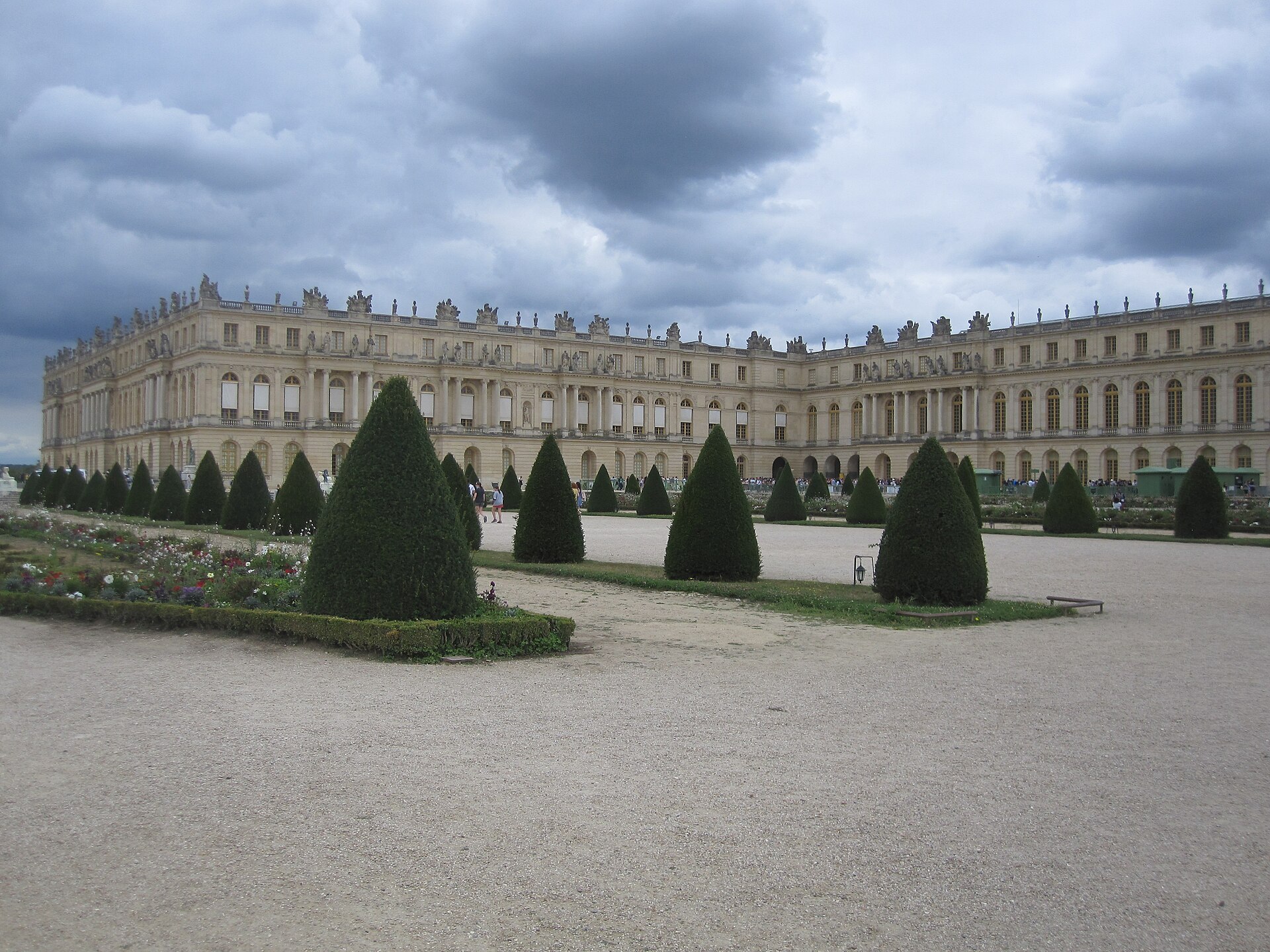
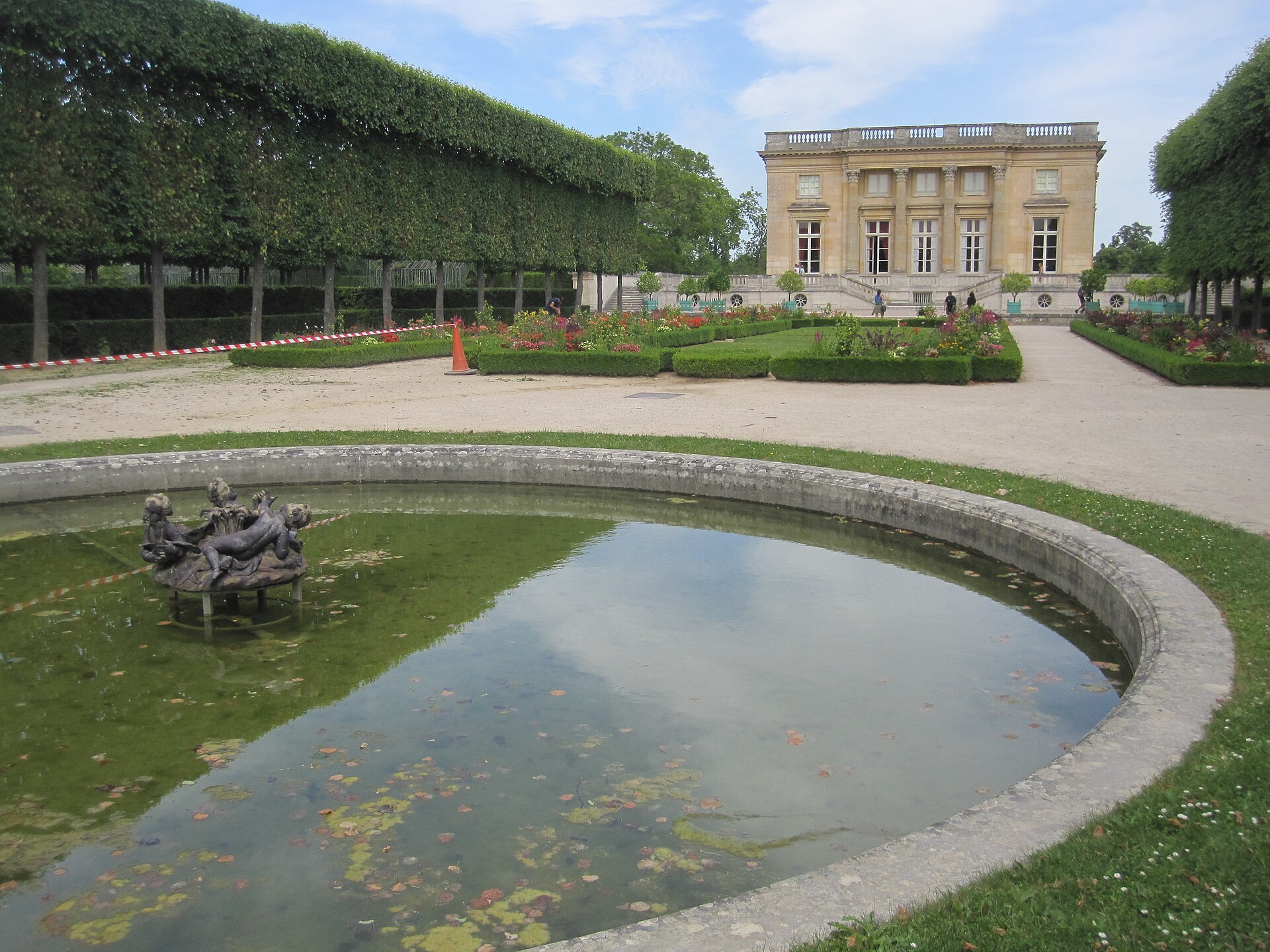
The garden facade of the Palace of Versailles, the view most associated with the building, seen across the formal parterres.
DiscoA340 · CC BY-SA 4.0Palace of Versailles
Palace · Château de Versailles · Founded 1623
Open, admission and hours confirmed 20 August 2026 · 11 sources
On this page 15 sections
ContentsClose
Versailles is not a collection assembled by taste the way a painting museum is; it is a building whose rooms are themselves the primary artefact, decorated and redecorated across three reigns and then partly reconstructed as a 19th-century history museum after the originals were dispersed. UNESCO's own assessment is blunt about the consequence: the Revolution scattered or destroyed much of the original furniture, and the authenticity of the interiors a visitor sees now rests on a long, still-continuing programme of documented reconstruction rather than an unbroken original scheme. The estate's real strength is coverage across three distinct programmes under one roof and one ticket structure: Louis XIV's ceremonial state rooms, Louis-Philippe's 1837 galleries of French history layered on top of them, and the separately ticketed private world of the Trianon estate and its gardens, each answering to a different logic and none of them optional if the aim is to understand the place as a whole rather than as a highlight reel.
| Local name | Château de Versailles |
|---|---|
| Kind | Palace |
| Founded | Built as Louis XIII's hunting lodge in 1623-24, rebuilt in stone from 1631; transformed into a royal palace by Louis XIV from 1661; became the seat of the French court and government on 6 May 1682; opened as a museum of French history in 1837 |
| City and country |  Versailles, France Versailles, France |
| Address | Place d'Armes, 78000 Versailles, France |
| Website | en.chateauversailles.fr |
| Status | Open, confirmed |
| Record last verified |
Visiting
- Hours
- MondayPalace, Trianon and their temporary exhibitions closed. Gardens and Park remain open.
- Tuesday-Sunday, Palace09:00 to 18:30Last entry 16:45
- Tuesday-Sunday, Estate of Trianon12:00 to 18:30Opens at 10:00 in July and August per the Passport's own terms
- Every day, Gardens and Park07:00 to 20:30Open every day including Monday; free entry except on Musical Fountains Show/Musical Gardens days
- Closed
- Every Monday (Palace and Trianon only; Gardens and Park stay open). 25 December. 1 January. 1 May.
- Admission
- Passport, standard (1 April-31 October rate)EUR 35The only ticket that guarantees timed entry to the Palace itself; also covers the Estate of Trianon, the Gardens (single admission on Musical Fountains Show/Musical Gardens days) and temporary exhibitions
- Passport, reduced (France/EEA, 1 April-31 October rate)EUR 32
- Passport, standard (1 November-31 March rate)EUR 25Low season Passport rate; same coverage as the high season Passport (Palace, Estate of Trianon, Gardens, temporary exhibitions)
- Passport, reduced (France/EEA, 1 November-31 March rate)EUR 22
- Passport, discounted late admission (enter Palace from 16:00, 1 April-31 October), standardEUR 28High season only; entering the Palace from 4pm gives a discounted Passport rate
- Passport, discounted late admission (enter Palace from 16:00, 1 April-31 October), reduced (France/EEA)EUR 25
- Passport, discounted late admission (enter Palace from 15:00, 1 November-31 March), standardEUR 18Low season only; entering the Palace from 3pm gives a discounted Passport rate
- Passport, discounted late admission (enter Palace from 15:00, 1 November-31 March), reduced (France/EEA)EUR 15
- Passport + VR 'Light of Liberty', standardEUR 42Adds a 15-minute VR experience and skip-the-line Palace access
- 'Light of Liberty' VR experience onlyEUR 7Does not include Palace admission
- Estate of Trianon ticket, standardEUR 15Grand Trianon, Petit Trianon, their gardens and the Queen's Hamlet, from noon. Does NOT include the Palace. Confirmed 2026-08-20: this is a flat rate year round, with no separate low-season figure the way the Passport has
- Estate of Trianon ticket, reduced (France/EEA)EUR 12
- Gardens/Park entry, Musical Fountains Show or Musical Gardens day (1 April-31 October only), standardEUR 15Answers a prior open question on this record: this is the standalone ticket price for garden entry on the ticketed show days that run April to October. The Gardens and Park are free the rest of the year and on non-show days, see admission_free_days
- Gardens/Park entry, Musical Fountains Show or Musical Gardens day, reduced (France/EEA)EUR 12
- Combined ticket: Musical Fountains Show/Musical Gardens plus Estate of Trianon, standardEUR 20High season show days only
- Combined ticket: Musical Fountains Show/Musical Gardens plus Estate of Trianon, reduced (France/EEA)EUR 17
- Guided tour supplement, standardEUR 10Ranges from 10 to 16 EUR depending on the specific tour (e.g. the King's or Queen's private apartments), added on top of a same-day admission ticket; the figure recorded here is the lower end of that range
- Guided tour supplement, reducedEUR 7Ranges from 7 to 10 EUR depending on the specific tour, for holders of the 'A Year in Versailles' card; free for children under 10
- Under 18, or under 26 resident in the EUFreeFree for the Palace and the Estate of Trianon; an online time-slot booking is still required
- Park entry by vehicle, Queen's GateEUR 12Per vehicle; pedestrians and cyclists enter the Park free through the Sailors' Gate and the Etoile Royale Gate
Free entry: The Gardens and Park are free to enter every day EXCEPT on Musical Fountains Show and Musical Gardens days (April to October), when garden entry is ticketed- Tickets
- billetterie.chateauversailles.fr The museum's own ticket page.
- Do I need to book?
- A timed entry slot is required for the Palace itself, including for free (under-18/under-26 EU) admission; the Gardens, Park and, once a valid ticket is held, the Estate of Trianon can be visited at any time within their own opening hours without a further time slot
- Address
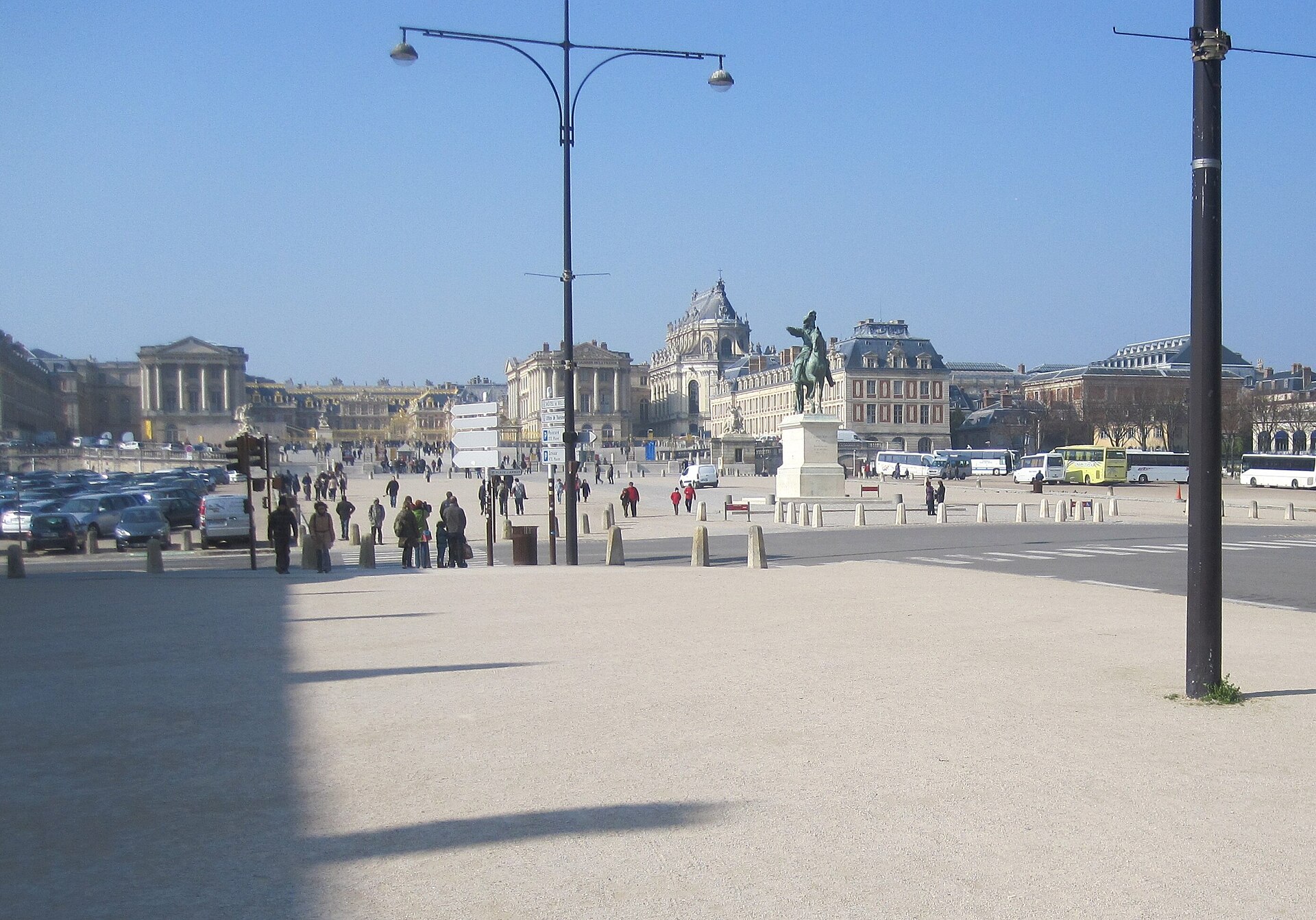
- Place d'Armes, 78000 Versailles, France MapTrain (Transilien) Versailles Chateau Rive Gauche station, about 10 minutes on foot to the Palace
RER RER C also serves Versailles; the estate names three stations in the town: Versailles Chateau Rive Gauche, Versailles Rive Droite and Chantiers
Car A car park at the Place d'Armes; separate vehicle access to the Park through the Queen's Gate for a 12 EUR entrance fee per vehicle - Website
- en.chateauversailles.fr
- Telephone
- +33 1 30 83 78 00
Before you go how long, access, photography, bags, eating, shop
- How long to allow
- Tripadvisor's own listing for the Palace shows a 4.2 out of 5 rating from 28,200 reviews; a same-day visit combining the Palace, gardens and Trianon estate is commonly planned as a full day, since the Trianon estate alone is roughly a 30 minute walk from the Palace across the gardens and park
- Access
- The Palace's own practical-information page states that accessibility measures are in place for visitors with disabilities and links a dedicated facilities page; specifics were not fetched for this record
- Photography
- Not stated on the pages fetched for this record
- Bags
- A baggage room is listed among the estate's quick-access services on the practical-information page; no further detail was fetched
- Eating
- On-site dining is listed under the estate's own 'services on site' section; specific venues were not itemised on the pages fetched for this record
- Shop
- On-site shops are listed under the estate's own 'services on site' section
Prices and hours change. We take them from the institution's own pages and print the day we read them, and you can check the current position at the source we used. Confirm before you travel.
What is inside
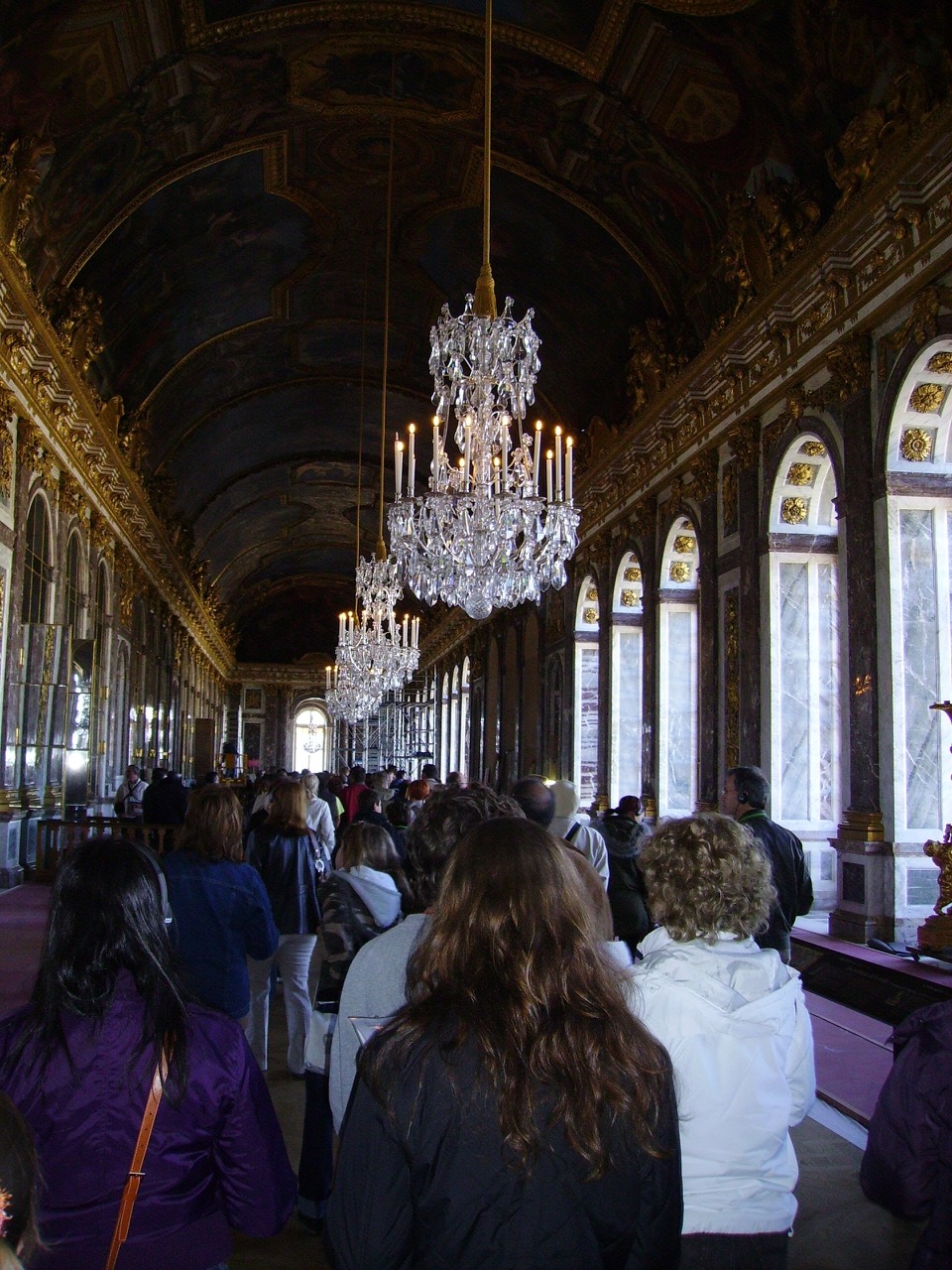
Photograph by Yair-haklai · CC BY-SA 4.0 The Hall of Mirrors and the State Apartments
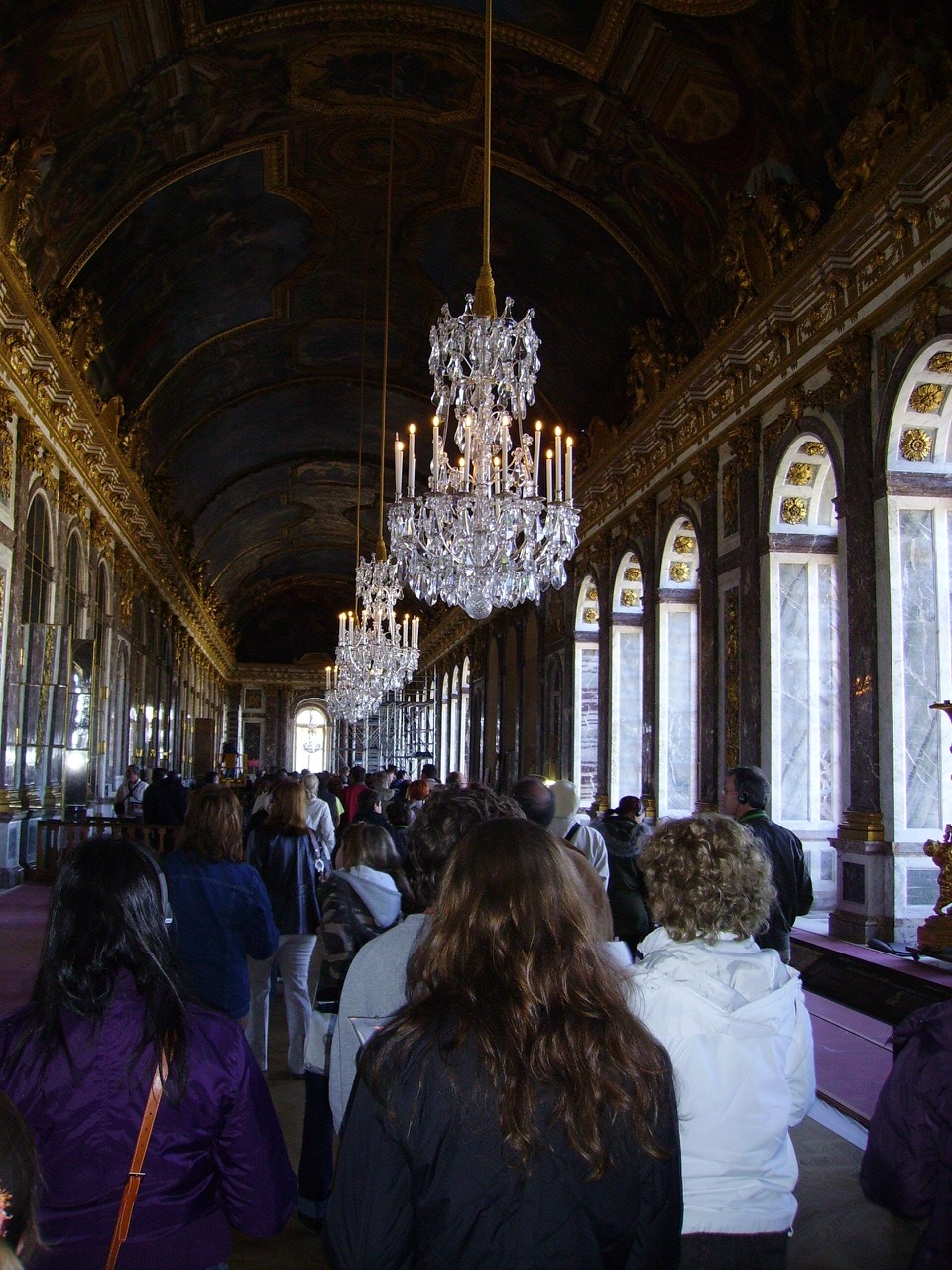
The King's Grand Apartment, a suite of ceremonial state rooms each named for a planetary deity, leads to the Hall of Mirrors (Galerie des Glaces), designed by Jules Hardouin-Mansart after 1678 between the Salon de la Guerre and the Salon de la Paix and named by UNESCO as the masterpiece of the whole ensemble. Louis XIV died in his bedchamber here on 1 September 1715 after a 72-year reign.
The Queen's Apartment and other State Apartments
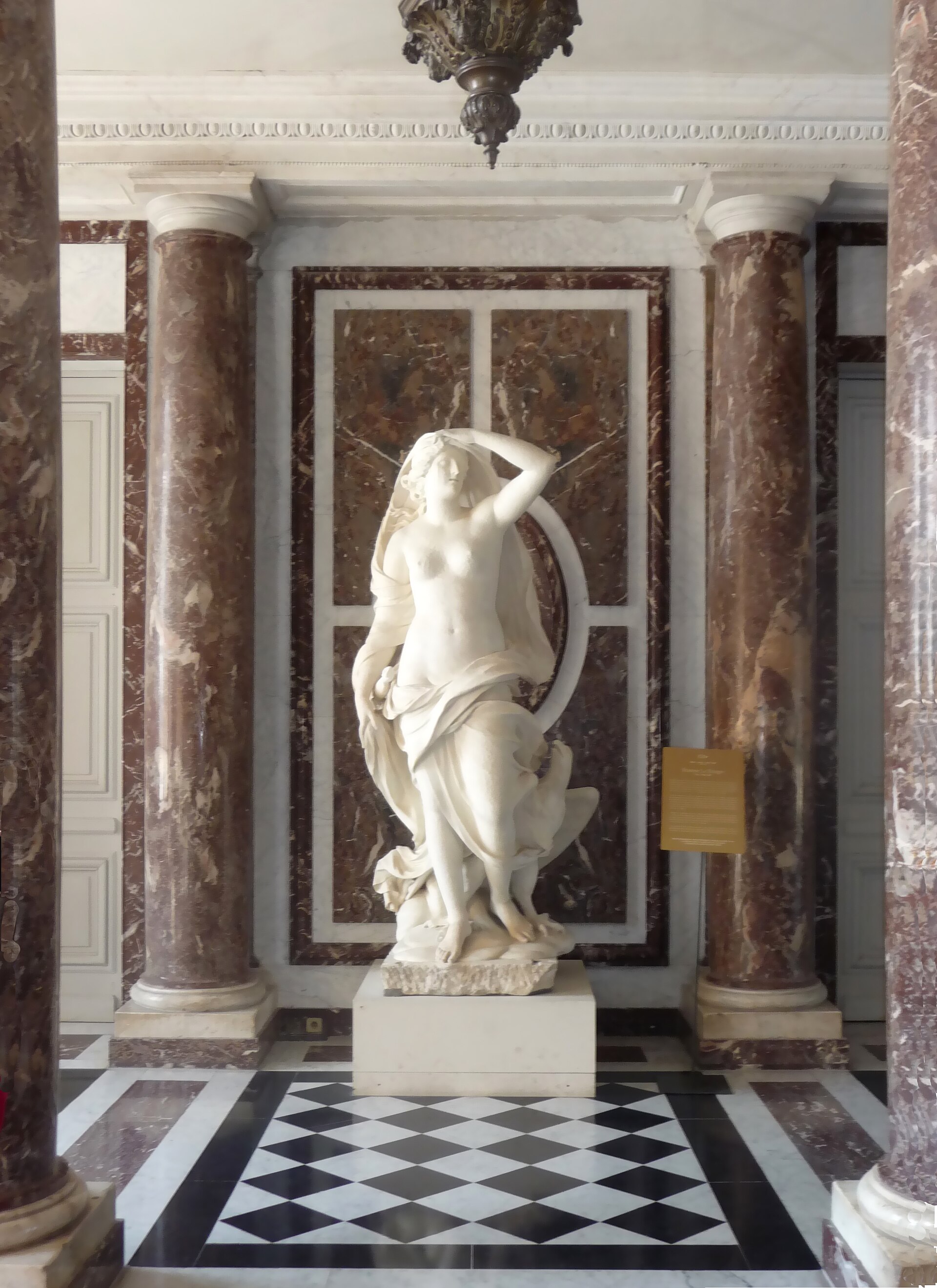
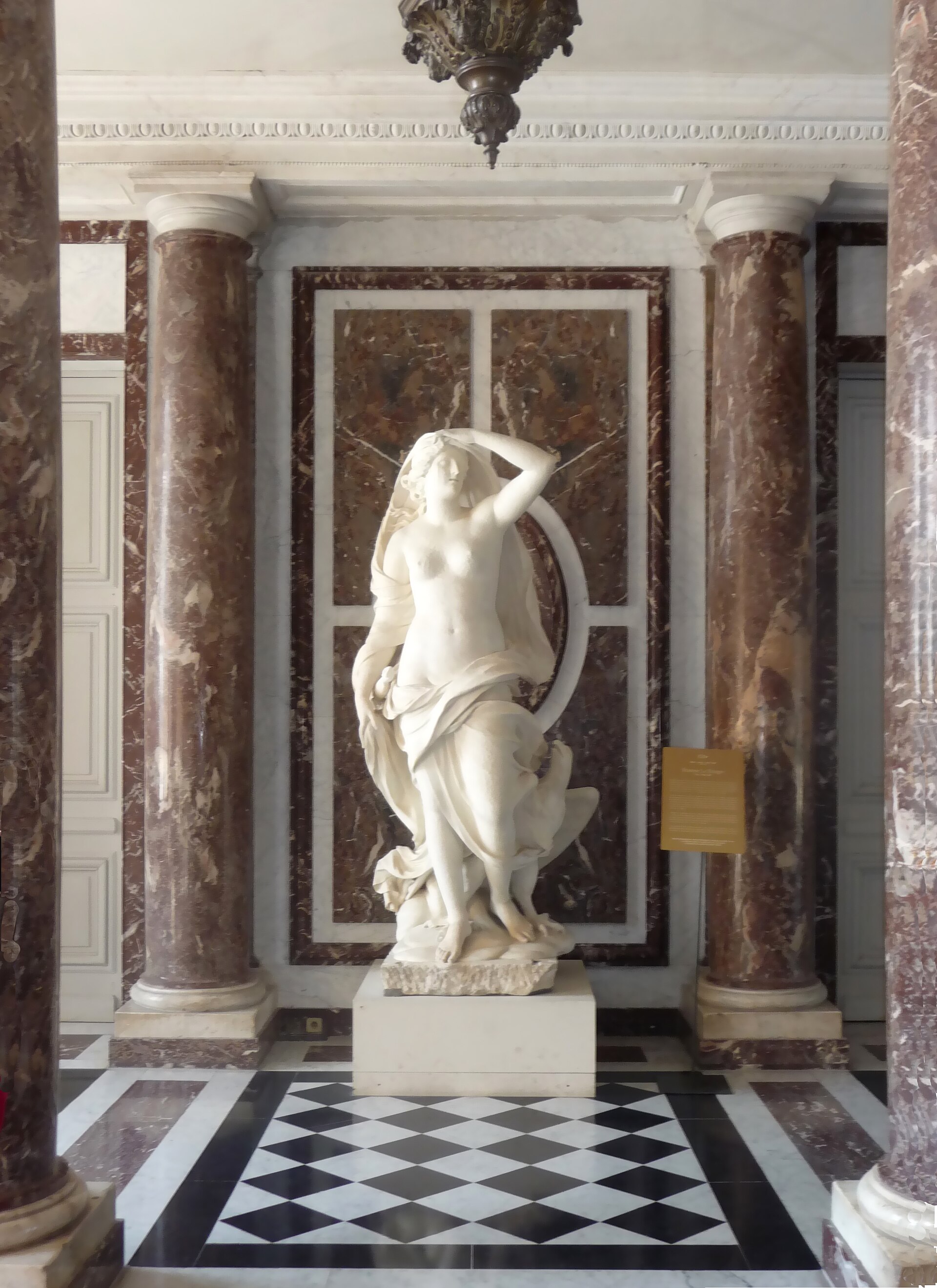
A parallel suite of state rooms on the garden side of the Palace, including the Queen's Bedchamber, furnished and refurnished for each of the queens and dauphines who used it in turn; several other marble-panelled salons throughout the Palace hold sculpture and furniture from the royal collections.
Photograph by Marcok · CC BY-SA 4.0 The Royal Chapel
The Palace's chapel, the fifth built on the site, designed by Hardouin-Mansart and completed after his death under Robert de Cotte between 1699 and 1710; a two-storey space where the king heard mass from the upper gallery, separated from the court below.
Photograph by DiscoA340 · CC BY-SA 4.0 Estate of Trianon
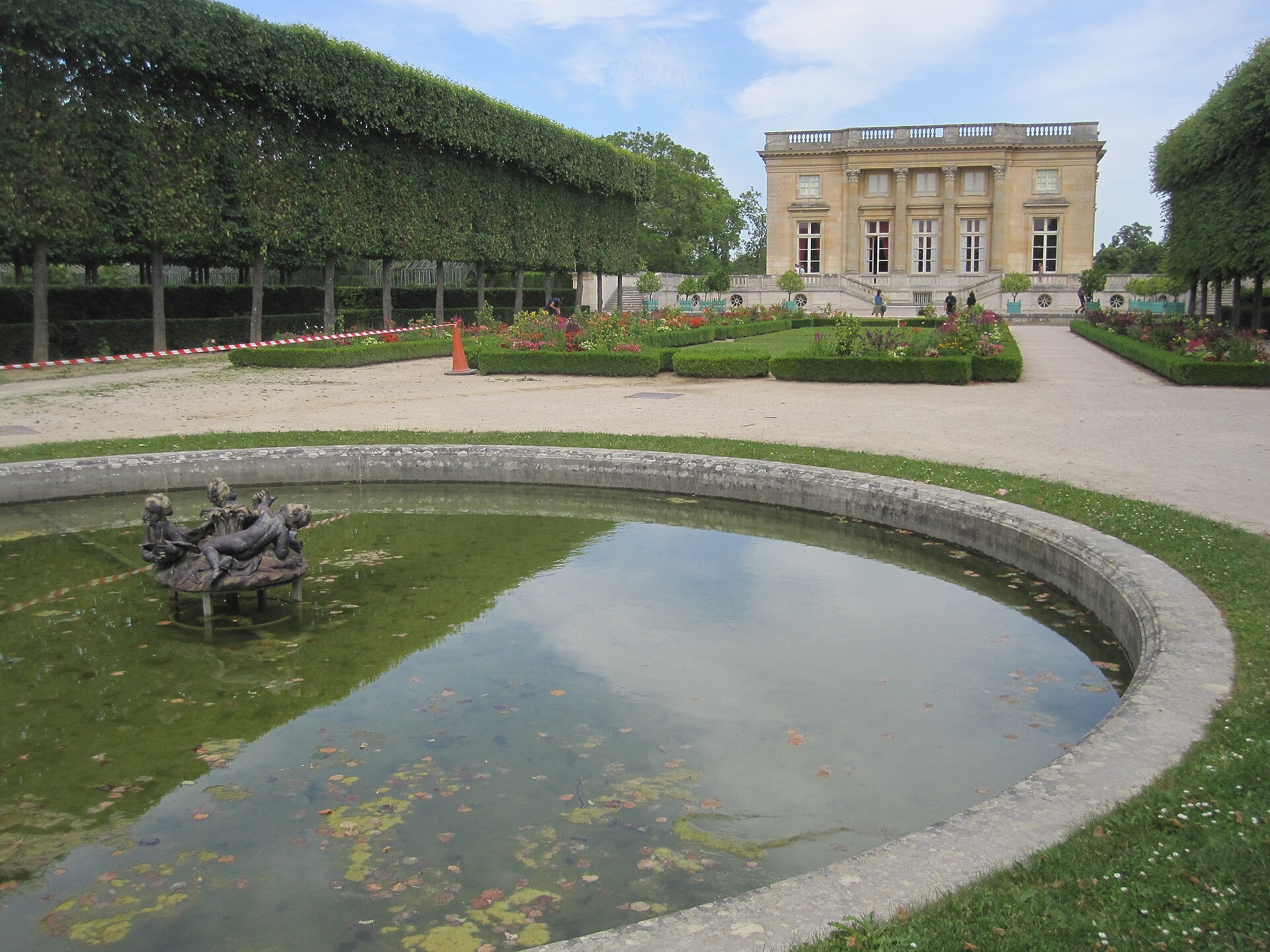
A separate walled estate reached on foot across the gardens and park: the Grand Trianon, a single-storey pink-marble retreat Hardouin-Mansart built for Louis XIV; the Petit Trianon, designed by Jacques-Ange Gabriel for Louis XV and later given to Marie-Antoinette; and the Hameau de la Reine, Marie-Antoinette's mock rustic hamlet designed by Richard Mique. Ticketed separately from the Palace.
The Gardens and Park
The formal French garden Andre Le Notre laid out around the Palace, with the Grand Canal, the Latona and Apollo fountains, and the wider hunting park beyond. Free to enter on an ordinary day; ticketed on the Musical Fountains Show and Musical Gardens days that run April to October. A temporary arena on the Etoile Royale esplanade hosted the dressage, eventing and jumping events of the 2024 Paris Olympics.
What to see first
The Hall of Mirrors (Galerie des Glaces)
Jules Hardouin-Mansart (architecture), Charles Le Brun (decoration)The room UNESCO's own inscription names as the masterpiece of the whole estate. It has hosted state history rather than only court life: the German Empire was proclaimed here on 18 January 1871 after France's defeat by Prussia, and the Treaty of Versailles ending the First World War was signed in the same room on 28 June 1919.6
The King's Grand Apartment and Bedchamber
Louis Le Vau and Jules Hardouin-Mansart (architecture)The ceremonial and residential heart of Louis XIV's Versailles, where the king held court under strict etiquette; Louis XIV died in his bedchamber here on 1 September 1715, ending a 72-year reign that is itself the longest of any monarch in recorded European history.6
The Royal Chapel
Jules Hardouin-Mansart, completed by Robert de CotteBuilt 1699-1710, the last of five chapels on the site and the setting for the 1770 marriage of the future Louis XVI to Marie-Antoinette; a rare part of the interior whose Baroque-into-early-Rococo decoration was not substantially altered by the 19th-century conversion to a museum.3
The Grand Trianon
Jules Hardouin-MansartA single-storey pink-marble and pink-stone retreat built for Louis XIV to escape the ceremony of the main Palace, later a residence briefly used by Napoleon and, in 1961, host to a state visit by President Kennedy and Jacqueline Kennedy.6
The Petit Trianon
Jacques-Ange GabrielBuilt for Louis XV, then given by Louis XVI to Marie-Antoinette as a private retreat outside the main court's reach; the building most associated with her personal taste, as distinct from the state rooms she occupied in the main Palace.3
The Hameau de la Reine (Queen's Hamlet)
Richard MiqueA mock rustic hamlet of a dozen cottages and a working farm built for Marie-Antoinette from 1783, the clearest physical evidence of an 18th-century court fashion for pastoral escape that her own later reputation turned into a byword for extravagance.3
The Gardens, Andre Le Notre
Andre Le NotreUNESCO's inscription credits Le Notre with creating an entire European typology, the French formal garden of axial pathways, parterres and fountains extending to the horizon, copied at Nymphenburg, Schleissheim, Karlsruhe, Potsdam, Stockholm and beyond for a century after Versailles.3
Exhibitions on now
Past exhibitions here
- Closed5 May to 27 Sep 2026Confirmed · check before you travel
From hunting lodge to seat of government
Louis XIII first visited the site in 1607 to hunt and had a small lodge built there by 1624, rebuilt in stone from 1631. His son turned it into something else entirely. Louis XIV began continuous construction at Versailles from 1661, the year his chief minister Mazarin died and he began ruling in his own right: a new forecourt in 1662, the Le Vau Envelope wrapping the old lodge from 1668-70, new wings, the Grand Commun servants' building, and finally the Royal Chapel, built by Jules Hardouin-Mansart and completed after his death by Robert de Cotte between 1699 and 1710. On 6 May 1682 Versailles formally became the seat of the French court and government, a status it held until the Revolution, moving the practical centre of the kingdom out of Paris for the first time.
The building that resulted was, in UNESCO's own account, the work of successive architects rather than one: Louis Le Vau's initial, still Italianate additions after 1661 gave way after 1678 to Hardouin-Mansart's sober, colossal, homogeneous style, the one now inseparable from the memory of the Sun King and best expressed in the Hall of Mirrors. Andre Le Notre laid out the gardens as the building went up around them; Charles Le Brun oversaw the interior decoration that made the state rooms function as a single ceremonial programme rather than a set of separate apartments.
A room built for diplomacy that hosted two wars' endings
The Hall of Mirrors was not built as a museum piece. Hardouin-Mansart designed it after 1678 to sit between the Salon de la Guerre and the Salon de la Paix, and Louis XIV used it for exactly the diplomacy those names describe: the Doge of Genoa was received there in 1685 after Louis had bombarded the city into submission, and Siamese and Persian ambassadors passed through it in 1686 and 1715 as France reached for influence outside Europe. The room's later history has made it as much a site of German and French national memory as a French royal one. On 18 January 1871, in the middle of the Franco-Prussian War and with Paris still under siege, Otto von Bismarck had Wilhelm I proclaimed German Emperor in the Hall of Mirrors, a deliberate humiliation staged in the room built to project French power. Forty-eight years later, on 28 June 1919, the Treaty of Versailles ending the First World War was signed in the same room, a symmetry neither side involved in 1919 needed explained to them.
Versailles kept intersecting with history after it stopped being a royal residence. Bismarck's proclamation and the 1919 treaty are the two events most associated with the room today, but the Palace also hosted the formal establishment of the Third Republic on 30 January 1875, received Queen Victoria in 1855 and President Kennedy in 1961, and was the site of a G7-style international economic summit under President Mitterrand in 1982.
The court's private world beyond the state rooms
Versailles was never only the Hall of Mirrors. The King's Grand Apartment, a suite of state rooms each named for a planet, is where Louis XIV held the ceremonial daily routine his court called etiquette, formalised to a degree no other European court matched; he died in his bedchamber there on 1 September 1715 after 72 years on the throne. His successors built their own retreats from that same formality. Louis XIV had Hardouin-Mansart build the Grand Trianon, a low pink-marble pavilion away from the main Palace; Louis XV had Jacques-Ange Gabriel build the Petit Trianon nearby; and Louis XVI gave the Petit Trianon to Marie-Antoinette, who commissioned the architect Richard Mique to build the Hameau de la Reine from 1783, a mock rustic hamlet of a dozen cottages and a working farm where she could play at a version of rural life the actual rural poor of France did not share.
The Estate of Trianon is reached from the main Palace by a roughly 30-minute walk across the gardens and park, and it is ticketed separately from the Palace itself for exactly that reason: it functions, and always did, as a retreat from the Palace rather than an extension of it.
From royal residence to a museum of all the glories of France
The court left abruptly. On 5-6 October 1789, a crowd of Parisians marched on Versailles and brought Louis XVI and Marie-Antoinette back to Paris by force, and the Palace never again served as the seat of government. It stood largely empty and stripped of furniture through the Revolution and Napoleonic period, and a first attempt at an art museum inside it, the Special Museum of the French School, opened as early as January 1797. The building's real second life began under the constitutional monarch Louis-Philippe, who in 1833 ordered the state rooms converted into a museum dedicated to all the glories of France, opened to the public on 10 June 1837 specifically to give French citizens across political divisions a shared national history to look at rather than a contested recent one. That museum framing is why Versailles today mixes royal state rooms with 19th-century historical galleries never part of Louis XIV's original programme.
Restoration since has depended heavily on outside money. Between 1925 and 1928 John D. Rockefeller Jr donated roughly 2.17 million dollars, close to 38 million dollars in 2024 terms, specifically for structural restoration and refurbishment, one of the clearest examples of American philanthropy underwriting a French national monument. Versailles was inscribed as a UNESCO World Heritage Site in 1979, with a minor boundary adjustment in 2007, covering 1,070 hectares of core property and a 9,467 hectare buffer zone; UNESCO's own assessment notes that the Revolution caused real destruction and dispersal of the original furnishings, and that the authenticity of what a visitor sees today rests on decades of documented reconstruction rather than an unbroken original interior.
A working monument, not a fixed one
Versailles has kept finding new uses for itself since 1979 without ever stopping being a museum. It hosted a G7-style international economic summit under President Mitterrand in 1982, and in the summer of 2024 the gardens' Etoile Royale esplanade carried a temporary arena for the dressage, eventing and jumping competitions of the Paris Olympics, running from 27 July to 6 August that year before the estate returned to its normal visiting hours. The estate's own account of its finances and management describes an ongoing master-plan restoration programme, funded and technically overseen by the French state since a dedicated public body took over the site's management in 1996, covering everything from the historic fabric itself to modern accessibility and fire-safety systems most 17th-century visitors never had to think about.
What has not changed is the basic asymmetry the Revolution created and the 1837 museum conversion made permanent: a working palace built to be lived in, and a public institution built to be looked at, sharing the same rooms. Every complicated thing about visiting Versailles today, from the timed Palace ticket to the gardens flipping between free and paid depending on the day, is downstream of that one unresolved tension between the two.
What visitors say
Visitors consistently rate Versailles among the most rewarding day trips from Paris, driven overwhelmingly by the Hall of Mirrors and the scale of the gardens, and the Tripadvisor listing for the Palace carries a large volume of reviews at a solidly positive score. The Gardens carry a noticeably higher score on Tripadvisor than the Palace itself. The most consistent practical complaint, echoed across independent travel advice rather than any single source, is that the ticketing structure catches first-time visitors out: buying the cheaper Trianon-only ticket by mistake, not realising the Palace needs its own timed slot booked in advance, or arriving on a Musical Fountains Show day and finding the gardens are no longer free.
What is praised, what is criticised
- Praised: the Hall of Mirrors and the King's and Queen's State Apartments as the single most-cited reason to visit
- Praised: the scale and formal design of Andre Le Notre's gardens, rated noticeably higher on Tripadvisor than the Palace interior itself
- Praised: the Estate of Trianon and the Hameau de la Reine as a quieter, less crowded contrast to the main Palace
- Criticised: a ticketing structure with no standalone Palace-only ticket, which the museum's own site flags directly by stating only the Passport 'guarantees entry to the Palace'
- Criticised: crowding in the Hall of Mirrors and the State Apartments at peak times, reflected in the existence of paid skip-the-line and VR-bundled ticket options
- Criticised: confusion over the Gardens switching from free entry to a paid Musical Fountains Show or Musical Gardens ticket on show days between April and October
- Criticised: Wikipedia's own summary names Versailles as 'central to ongoing discussions about managing overtourism' as one of the most visited sites in Europe, without further figures in the source used here
Ratings on other platforms
Tripadvisor: 4.2 from 28,200 ratings, read 7 August 2026
A platform average is a tertiary source: it moves, it is not audited, and we quote no visitor's words.
Questions about Palace of Versailles
Where is Palace of Versailles?
Place d'Armes, 78000 Versailles, France.
How much does it cost to visit?
Passport, standard (1 April-31 October rate): EUR 35; Passport, reduced (France/EEA, 1 April-31 October rate): EUR 32; Passport, standard (1 November-31 March rate): EUR 25; Passport, reduced (France/EEA, 1 November-31 March rate): EUR 22; Passport, discounted late admission (enter Palace from 16:00, 1 April-31 October), standard: EUR 28. As confirmed 20 August 2026.
When is it open?
Monday closed; Tuesday-Sunday, Palace 09:00-18:30; Tuesday-Sunday, Estate of Trianon 12:00-18:30; Every day, Gardens and Park 07:00-20:30. Closed: Every Monday (Palace and Trianon only; Gardens and Park stay open). 25 December. As confirmed 20 August 2026.
How do you get there?
Train (Transilien): Versailles Chateau Rive Gauche station, about 10 minutes on foot to the Palace; RER: RER C also serves Versailles; the estate names three stations in the town: Versailles Chateau Rive Gauche, Versailles Rive Droite and Chantiers; Car: A car park at the Place d'Armes; separate vehicle access to the Park through the Queen's Gate for a 12 EUR entrance fee per vehicle.
What should you see first?
The Hall of Mirrors (Galerie des Glaces) (Jules Hardouin-Mansart (architecture), Charles Le Brun (decoration)); The King's Grand Apartment and Bedchamber (Louis Le Vau and Jules Hardouin-Mansart (architecture)); The Royal Chapel (Jules Hardouin-Mansart, completed by Robert de Cotte); The Grand Trianon (Jules Hardouin-Mansart); The Petit Trianon (Jacques-Ange Gabriel); The Hameau de la Reine (Queen's Hamlet) (Richard Mique).
What we could not confirm
- Wikipedia's summary names Versailles as central to overtourism discussions but the source read for this page gives no visitor-number figures or dates for that claim; not resolved here.
Images
Sources
- 1Wikidata, Q2946, Palace of Versailles (identity, coordinates) wikidata.org/wiki/Special:EntityData/Q2946.json
- 2Chateau de Versailles, Tickets and prices en.chateauversailles.fr/plan-your-visit/tickets-and-prices
- 3UNESCO World Heritage Centre, Palace and Park of Versailles (inscription 1979, architects, criteria, integrity and authenticity assessment) whc.unesco.org/en/list/83/
- 4Chateau de Versailles, Key dates timeline en.chateauversailles.fr/discover/history/key-dates
- 5Chateau de Versailles, Practical information (hours, address, transport, access) en.chateauversailles.fr/plan-your-visit/practical-information
- 6Chateau de Versailles, homepage (live hours, contact) en.chateauversailles.fr/
- 7Chateau de Versailles, The estate (overview) en.chateauversailles.fr/discover/estate
- 8Wikipedia (English), Palace of Versailles (, for the overtourism note and Rockefeller restoration funding figures) en.wikipedia.org/wiki/Palace_of_Versailles
- 9Wikipedia (English), Equestrian at the 2024 Summer Olympics (, for the Versailles Olympic venue dates) en.wikipedia.org/wiki/Equestrian_at_the_2024_Summer_Olympics
- 10Tripadvisor, Palace of Versailles search listing (aggregate rating, read 7 August 2026) tripadvisor.com/Search?q=Chateau%20de%20Versailles
- 11Chateau de Versailles, 2026 ticketing (season-specific Passport, Estate of Trianon, Musical Fountains/Gardens show-day and combined ticket prices) en.chateauversailles.fr/2026-ticketing