Museum Rietberg
Museum · Founded 1952
Open, admission and hours confirmed 15 September 2026 · 16 sources
On this page 15 sections
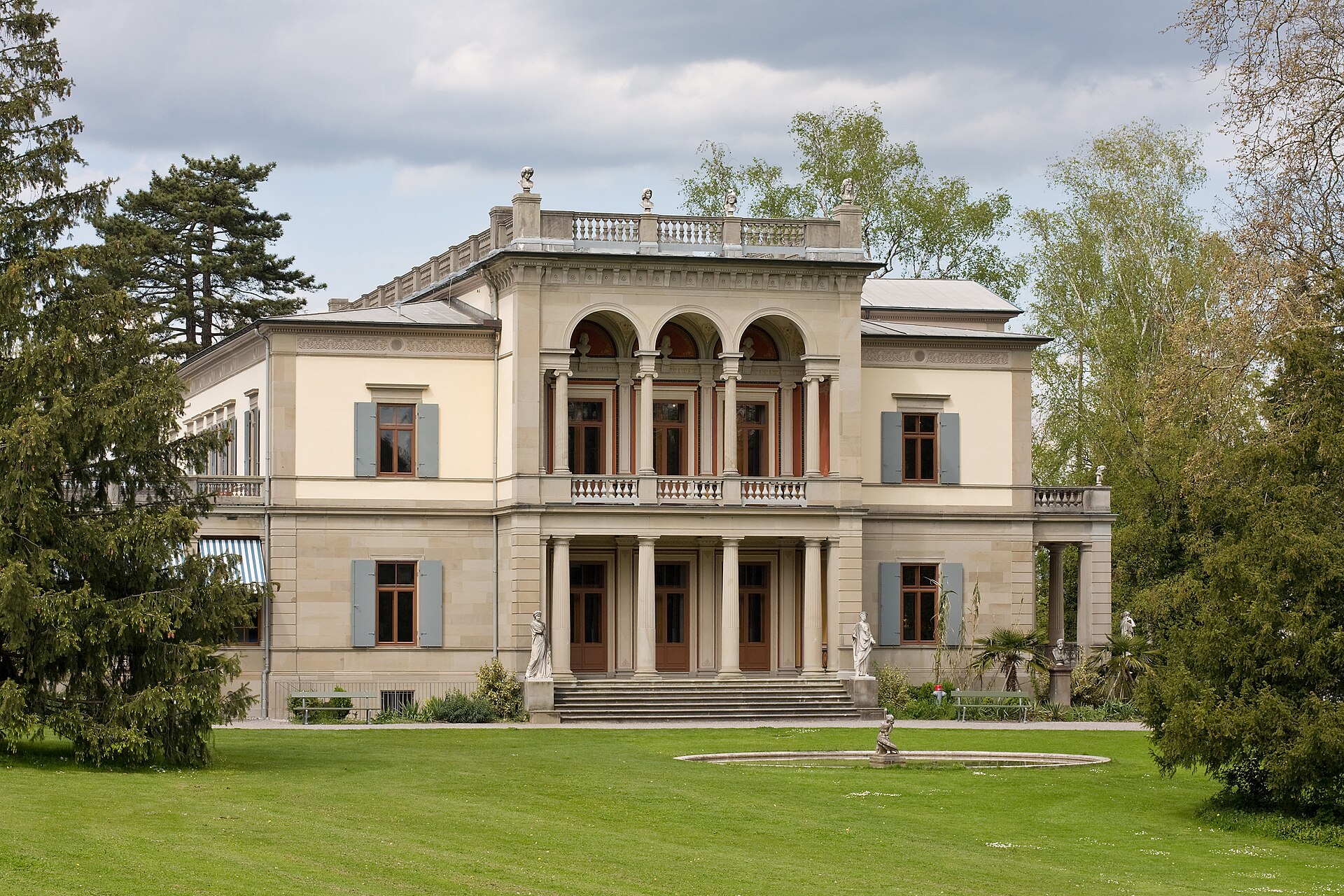
Museum Rietberg's distinct position among Swiss museums is that it is the only one dedicated entirely to art from outside Europe, with roughly 32,600 objects and 49,000 photographs spanning Africa, the Americas, Asia and Oceania under one roof, rather than as a side gallery within a wider Western-art collection. Its deepest holdings sit in Chinese ceramics through the Meiyintang Collection, Himalayan Buddhist art through the Berti Aschmann Collection, Indian painting through the Alice Boner Collection, and African sculpture and masks, including named work by Areogun of Osi-Ilorin, backed by the Hans Himmelheber ethnographic archive. The museum's own provenance research, most visibly its 2026 restitution of Benin Bronzes to Nigeria, is now part of how it presents that strength rather than a separate controversy kept off the gallery floor.
| Kind | Museum |
|---|---|
| Founded | 1952 |
| City and country |  Zurich, Switzerland Zurich, Switzerland |
| Address | Gablerstrasse 15, 8002 Zurich, Switzerland |
| Website | rietberg.ch |
| Status | Open, confirmed 15 September 2026 |
| Record last verified | 15 September 2026 |
Visiting
- Hours
- MondayClosed
- Tuesday10:00 to 17:00
- Wednesday10:00 to 17:00
- Thursday10:00 to 20:00
- Friday10:00 to 17:00
- Saturday10:00 to 17:00
- Sunday10:00 to 17:00
- Closed
- Monday, year-round. Easter Monday. 24 December, Christmas Eve. 25 December, Christmas Day.
- Admission
- Special exhibition, adultCHF 18Applies to Red: Masterpieces of Chinese Lacquerware, on show to 31 January 2027
- Special exhibition, reducedCHF 14AHV/IV, students, apprentices and other concessions on presentation of ID
- Collections, adultCHF 14Includes the Park-Villa Rieter
- Collections, reducedCHF 12AHV/IV, students, apprentices and other concessions on presentation of ID
- Children and adolescents up to and including 15FreeFree admission
- Do I need to book?
- No advance booking required for individual visitors; tickets can be reserved online or bought at the door
- Address
- Gablerstrasse 15, 8002 Zurich, Switzerland MapTram Tram 7 towards Wollishofen, alight at the Museum Rietberg stop, then a five-minute walk
S-Bahn S-Bahn to Zurich Enge station, then a ten-minute walk
Bus Bus 72 towards Morgental, alight at Huegelstrasse, then a six-minute walk - Website
- rietberg.ch
- Telephone
- +41 44 415 31 31
- [email protected]
Before you go how long, access, photography, bags, eating, shop
- How long to allow
- Two to three hours to see the collections and a temporary exhibition
- Access
- All buildings are wheelchair-accessible except the Atelier and the Japanese tearoom in the Coach House. The Park-Villa Rieter is reached by a lift 65 cm wide and 128 cm deep. Wheelchairs can be borrowed from the Smaragd building, folding stools are free to use, and accessible restrooms are in every building. Parking for visitors with disabilities is beside the Coach House, reached via Gablerstrasse rather than through Rieterpark
- Eating
- A cafe and restaurant operate on site, reviewers single out the food and the setting overlooking the park
- Shop
- A museum shop sells books, objects and gifts related to the collections
Prices and hours change. We take them from the institution's own pages and print the day we read them, and you can check the current position at the source we used. Confirm before you travel.
What is inside
Villa Wesendonck
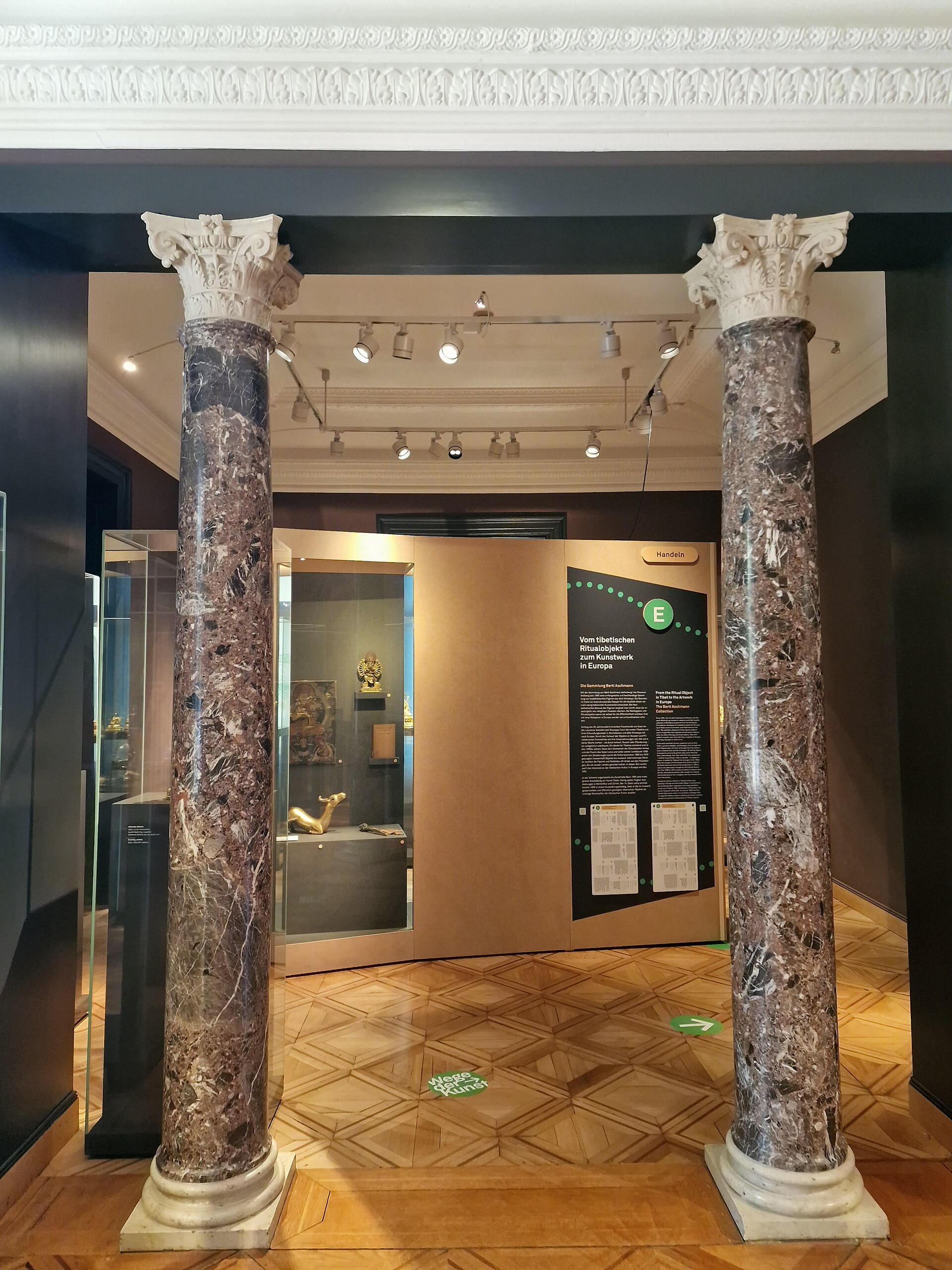
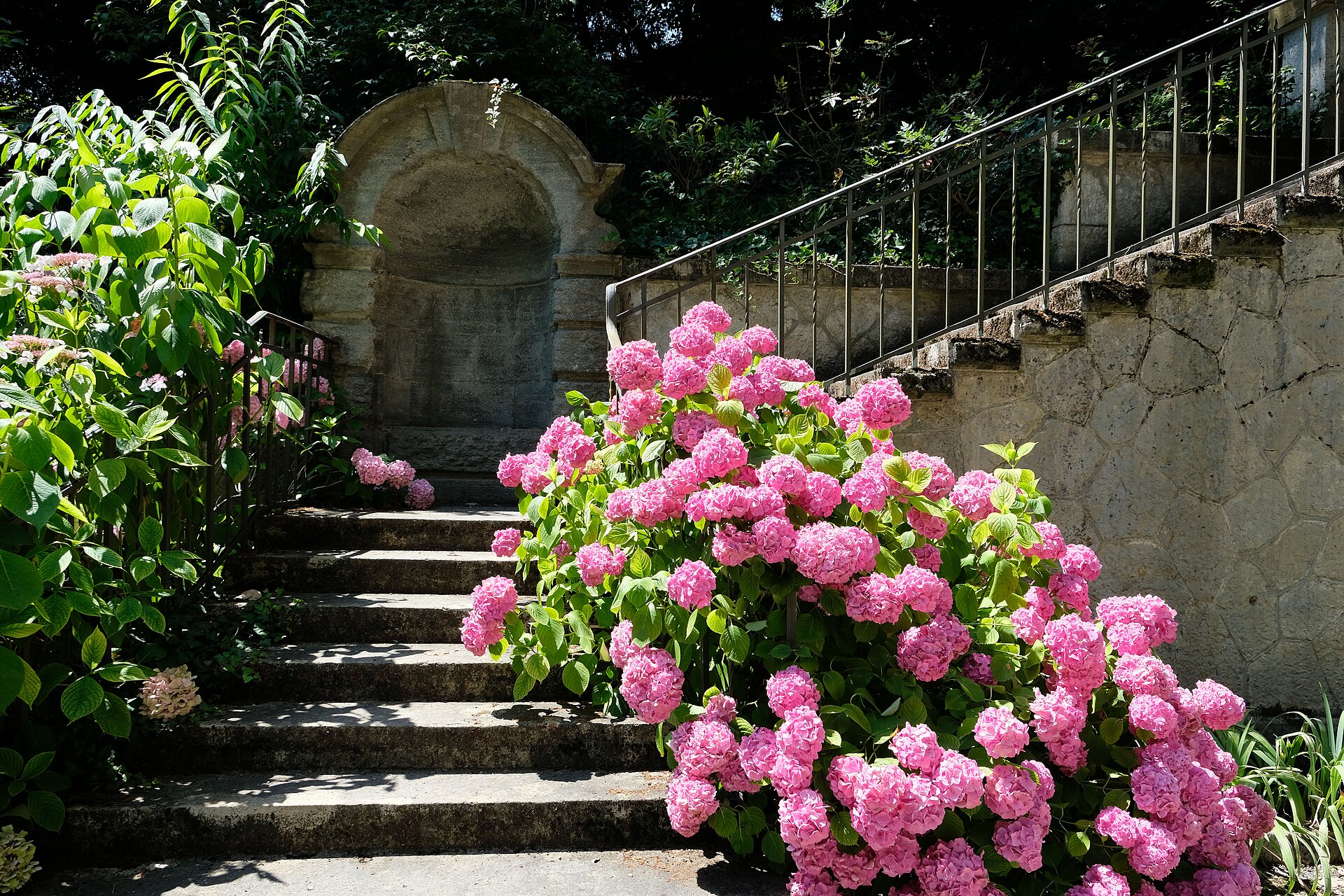
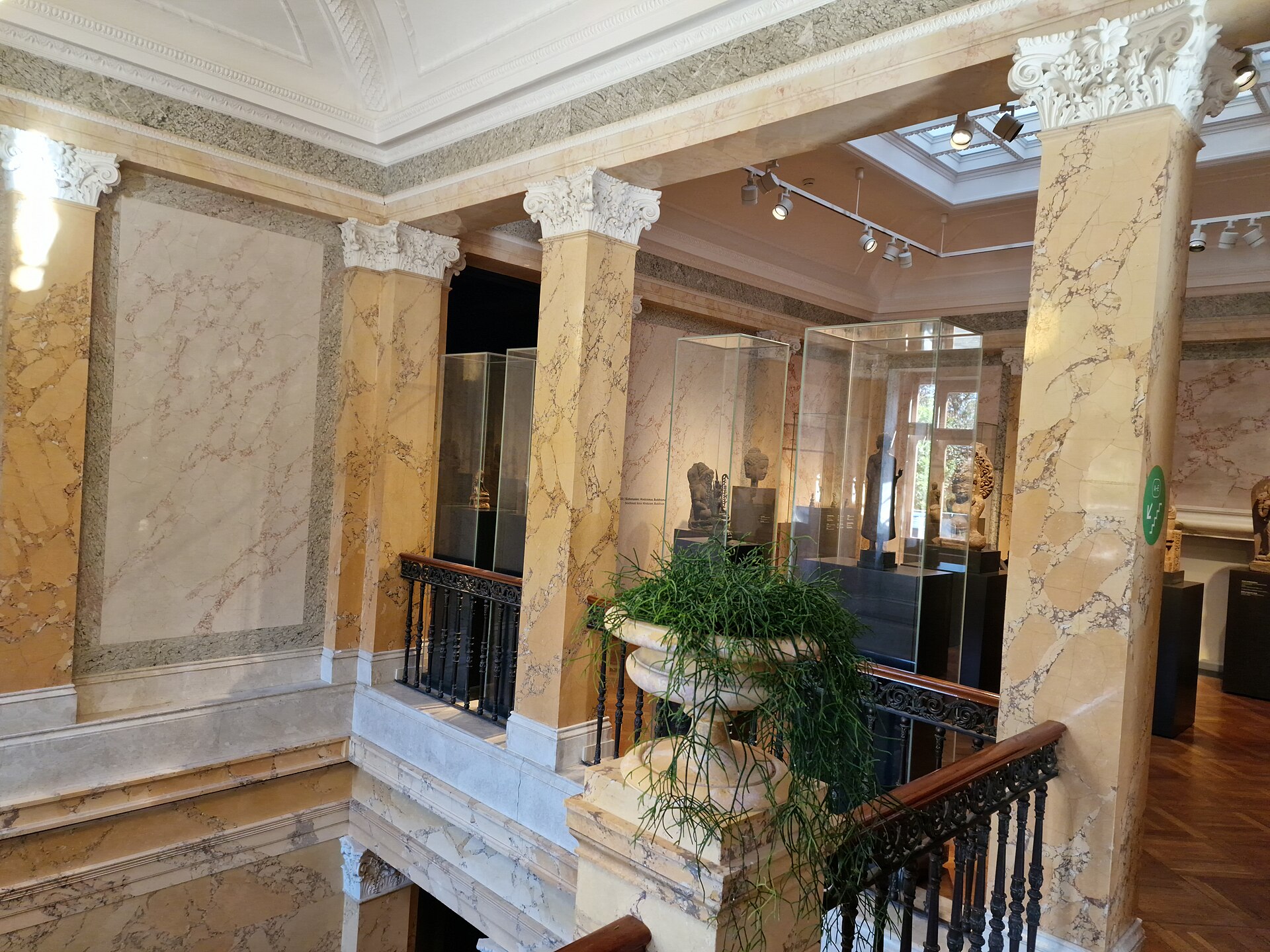
The museum's original 1857 mansion, a neo-classical villa built for the silk merchant Otto Wesendonck. Its marble entrance hall and staircase, columned galleries and period rooms now hold part of the permanent collection and give the museum its architectural identity.
Photograph by Mike is Michi · CC BY-SA 4.0 Smaragd (Emerald pavilion and underground extension)
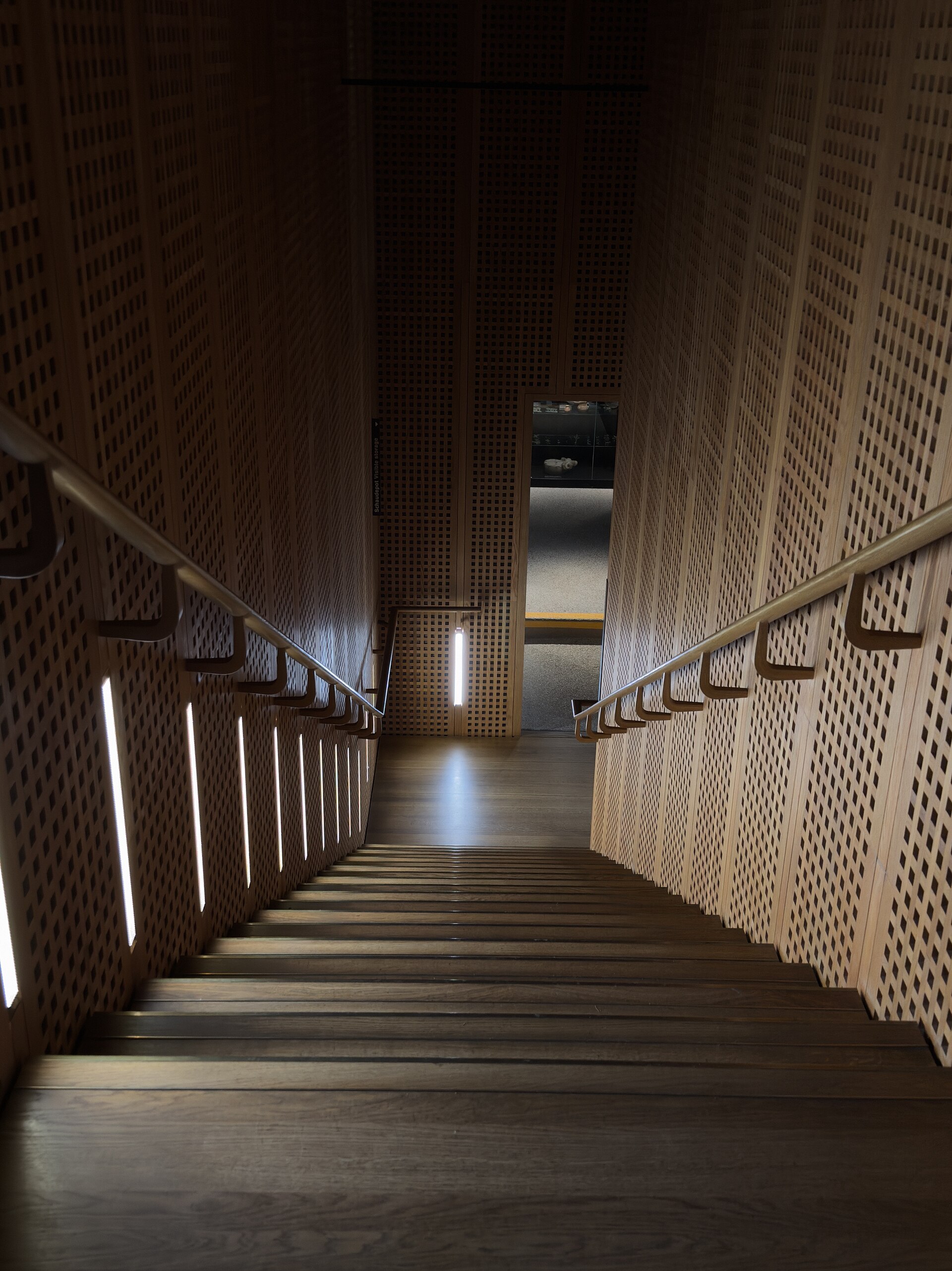
The 2007 addition by architects Alfred Grazioli and Adolf Krischanitz. Visitors enter through a glass pavilion and descend two underground levels of exhibition halls that more than doubled the museum's display space while leaving the villa and park unaltered above ground. It houses temporary exhibitions, including Red: Masterpieces of Chinese Lacquerware, running to 31 January 2027.
Africa
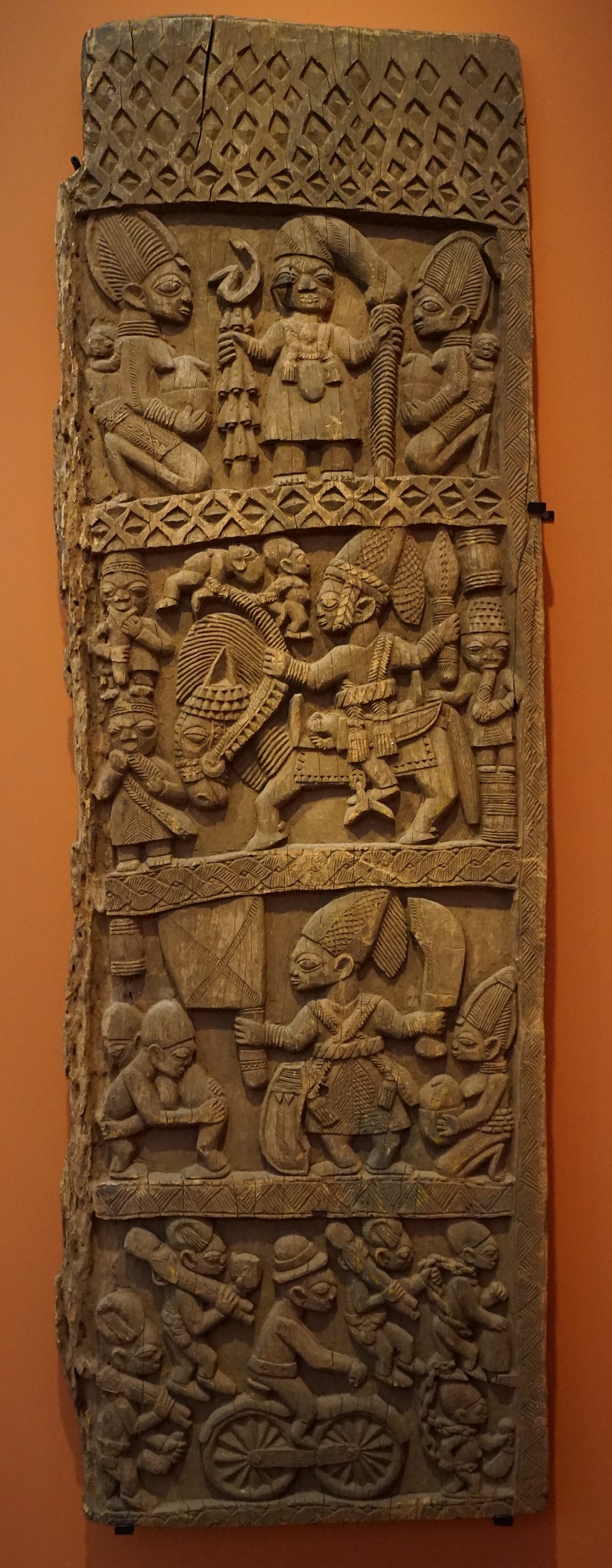
Sculpture, masks and regalia from across the African continent, including palace doors and figures carved by the Yoruba master Areogun of Osi-Ilorin. The department is linked to the Hans Himmelheber Archive, a compendium of 930 works, about 15,000 photographs and films, and a documentary library made accessible through the museum's Africa Art Archive digital platform.
Photograph by Gre regiment · CC BY-SA 4.0 Himalayas
Buddhist art of Tibet and the wider Himalayan region, built substantially around the Berti Aschmann Collection. Gallery text traces the path of Tibetan sacred objects from ritual use to their status as artworks in Europe.
China
Chinese art from antiquity to the Qing dynasty, anchored by porcelain from the Meiyintang Collection alongside carved and painted lacquerware, bronzes and jade. The 2026 to 2027 special exhibition Red, shown with the LWL Museum of Art and Culture in Muenster, surveys Chinese lacquer masterpieces from the Ming and Qing dynasties.
India and Indian Miniature Painting
Sculpture and courtly painting from the Indian subcontinent, including miniatures from the Alice Boner Collection. An exhibition on the Indian painter Nikka is scheduled from October 2026 to May 2027.
The Americas
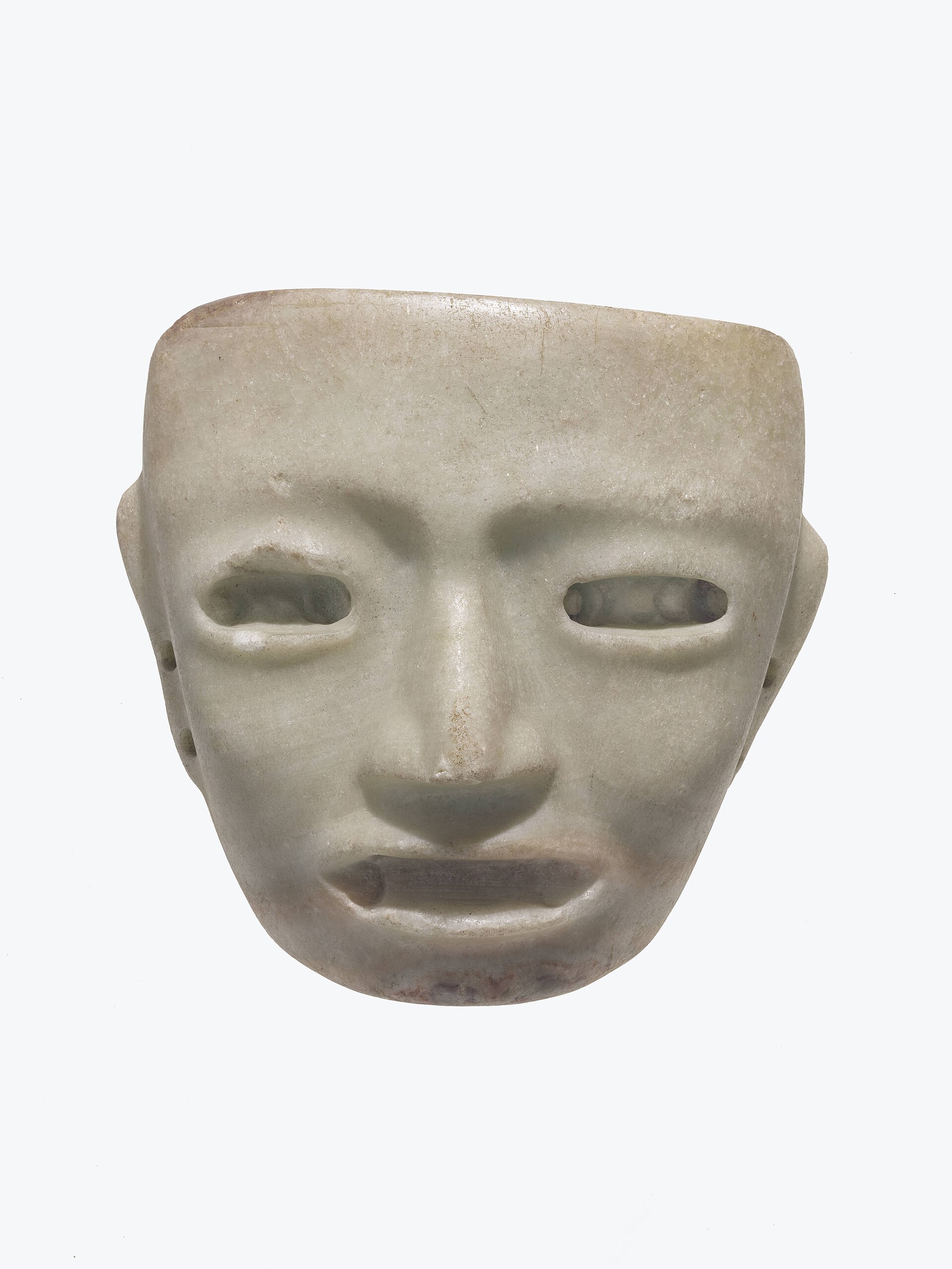
Art of Mesoamerica and beyond, including stone masks such as a Teotihuacan-style mask catalogued under the museum's RMA inventory series, alongside an autumn 2026 exhibition on Amazonian art and archaeology opening 30 October 2026.
Japan
Japanese painting, prints, lacquerware and dress, including Noh theatre robes and masks; the department has recently shown special exhibitions tracing kimono from historic to contemporary fashion.
Oceania, Near and Middle East, South East Asia, Swiss Masks and Photography
Smaller departments rounding out the museum's world-art remit: Oceanic sculpture and ritual objects, Near and Middle Eastern art, South East Asian sculpture and textiles, a collection of Swiss carnival and ritual masks, and 49,000 historic and documentary photographs held across the collections.
What to see first
Ilekun Aafin (palace door)
Areogun of Osi-Ilorin (Yoruba, Nigeria)A carved wooden palace door by one of the most celebrated Yoruba sculptors of the twentieth century, inventoried at the museum as 2009.1218 and among the best-known African works in the collection.15
The Eduard von der Heydt collection
Assembled by Baron Eduard von der Heydt (1882-1964)The founding gift that created the museum: Asian, African, American and Oceanic art acquired mainly in the 1920s and 1930s under von der Heydt's maxim ars una, there is only one art, promised to Zurich and forming the core of the 1952 opening collection.2
Chinese ceramics of the Meiyintang Collection
Various Chinese kilnsPorcelain from one of the most important private collections of Chinese ceramics to enter a European museum, named by the museum itself among the highlights of its China holdings.3
Indian miniature paintings of the Alice Boner Collection
Various Indian court workshopsA collection of Indian miniature painting assembled by the Swiss sculptor and Indologist Alice Boner, forming the backbone of the museum's Indian painting holdings.3
Himalayan Buddhist art of the Berti Aschmann Collection
Various Tibetan and Himalayan workshopsA body of Tibetan Buddhist sculpture and ritual art that underpins the museum's Himalayas department, gifted by the Zurich collector Berti Aschmann.3
The Hans Himmelheber Archive and Africa Art Archive
Compiled by the art ethnologist Hans HimmelheberA multimedia archive of 930 works of art, around 15,000 photographs and films, and a documentary library on African art and its colonial and post-colonial contexts, now published online with contributions from African, American and European scholars and artists.3
Mesoamerican mask, RMA 0035
Unknown maker, Teotihuacan traditionA stone mask in the Americas department, part of the museum's own open-data release of collection photography under a CC0 licence, and a rare free-licence image of a specific three-dimensional object from this collection.16
The Smaragd (Emerald pavilion and underground extension)
Architects Alfred Grazioli and Adolf KrischanitzNot a single object but the building itself: a 2007 underground extension, entered through a freestanding glass pavilion, that doubled the museum's exhibition space without altering the historic villa or its park above ground, and is now as much a subject of visitor photographs as the collections it houses.2
The villa on the green hill
The site the Museum Rietberg now occupies begins in the summer of 1857, when Otto and Mathilde Wesendonck, a couple from Wuppertal, moved into a newly built neo-classical mansion on a hill above Zurich, the house known today as the Villa Wesendonck. Otto Wesendonck was a shareholder in a silk-trading company who had come to Zurich by way of New York; his new home quickly became a meeting place for artists, intellectuals and academics.
Among the Wesendoncks' circle was the composer Richard Wagner, who had fled to Zurich from Germany in 1849. The couple gave Wagner and his wife Minna a house beside their own villa, today's Villa Schoenberg, which Wagner called his asylum on the green hill. During a sixteen-month stay there he completed the handwritten libretto of Tristan und Isolde and drafted the opera's first musical sketches; on New Year's Eve 1857 he gave Mathilde, five of whose poems he later set to music as the Wesendonck Lieder, the draft score with a dedication poem. The intensity of the friendship, and the jealousy it provoked in Minna Wagner, led to a crisis: Wagner left Zurich for Venice in August 1858, and in 1871 the Wesendoncks sold the property and returned to Germany. This episode belongs to the building's life before it was a museum, not to the Museum Rietberg's own history, and the museum's own website is careful to present it as exactly that.
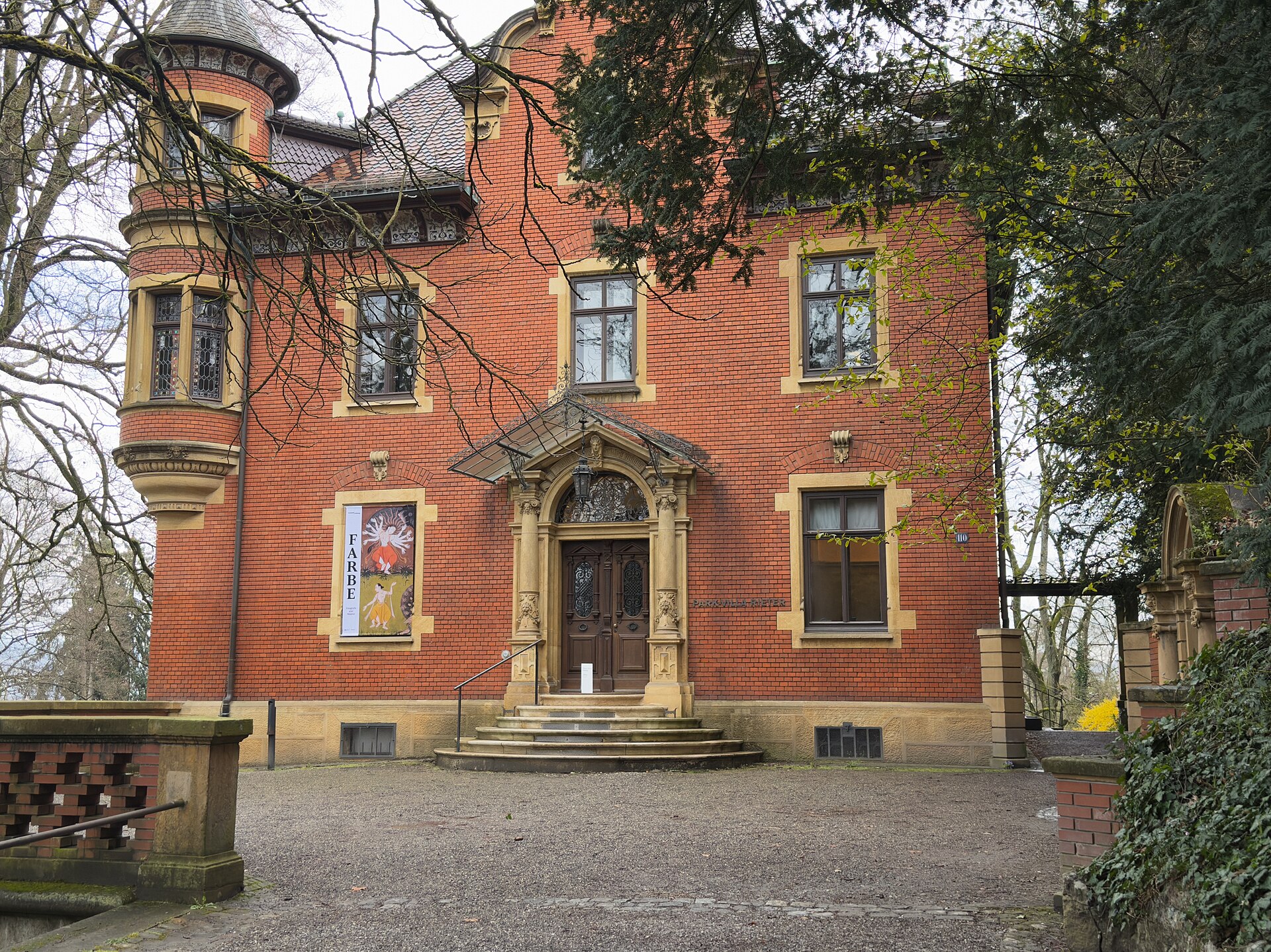
For the following decades the villa passed to the Rieter family of Winterthur, whose name survives in Rieterpark and in Rietberg itself. In September 1912 the German Emperor Wilhelm II stayed there as a guest of Bertha Rieter-Bodmer. In 1923, in a considerably darker episode documented on the museum's own history page, Adolf Hitler was a guest at Villa Schoenberg and gave a speech on the state of Germany to a small gathering that included members of the local German colony, pro-German Swiss officers and businessmen with interests in Germany, part of an NSDAP fundraising effort in which Rudolf Hess, then a student in Zurich, is also recorded as present. How much money the visit actually raised is not established in the museum's own account.
From private villa to public museum
The Museum Rietberg exists because of a specific act of civic will. In 1949 the Zurich electorate voted to convert the Villa Wesendonck into a museum and to found the Museum Rietberg to house it. The new institution was built to hold the collection of the banker and collector Baron Eduard von der Heydt (1882-1964), acquired mainly in the 1920s and 1930s and promised as a gift to the city. Von der Heydt described his guiding idea as ars una, there is only one art, a principle that still shapes a museum organised by world region rather than by hierarchy of medium.
The museum opened in 1952 as the Museum Rietberg der Stadt Zuerich under its first director, the painter and Bauhaus teacher Johannes Itten. Elsy Leuzinger succeeded him in 1956, followed by Eberhard Fischer from 1973 to 1998, Albert Lutz from 1998 to 2019, and Annette Bhagwati since 2019. Over more than seventy years the collection has grown well beyond its founding gift, through further donations, foundations, patrons and purchases, and now numbers some 32,600 objects and about 49,000 photographs, most of them on public display either in the galleries or in the museum's open storeroom.
The Smaragd: an underground museum crowned in glass
By the early 2000s the historic villas could no longer hold the collection or the museum's ambitions. In 2002 the City of Zurich's public works department ran an international competition for a new extension; the winning design, by the architects Alfred Grazioli of Berlin and Adolf Krischanitz of Vienna and Berlin, went underground rather than up or out, so that the exterior of the villa and its park would remain untouched. Visitors enter through a freestanding glass pavilion, the Smaragd or Emerald, descend into a foyer, and continue down through two underground levels of exhibition halls. The extension opened to the public on 18 February 2007 and, on the museum's own account, more than doubled its exhibition space.
The result is a building that reads in two registers at once: nineteenth-century marble stairs, columned galleries and period ceilings in the Villa Wesendonck, and clean geometric volumes, perforated wood panelling and integrated LED lighting in the Smaragd's stairwells below. Architecture writers and casual visitors alike single out this contrast as one of the museum's defining features, and it is now where the museum stages its temporary exhibitions.
What is inside: a museum built on one idea of art
Museum Rietberg is the only Swiss museum dedicated entirely to art from outside Europe, organised into departments covering Africa, the Americas, China, the Himalayas, India, Indian miniature painting, Japan, the Near and Middle East, Oceania, photography, South East Asia and a collection of Swiss masks. Its African holdings include work by named makers such as the Yoruba sculptor Areogun of Osi-Ilorin, and are closely tied to the Hans Himmelheber Archive, an ethnologist's compendium of 930 objects and around 15,000 photographs and films now published as the online Africa Art Archive with contributions from African, American and European scholars and artists.
Named founding and patron collections define several other departments: Chinese porcelain from the Meiyintang Collection, Indian miniature paintings from the Alice Boner Collection, and Himalayan Buddhist art from the Berti Aschmann Collection sit alongside the original von der Heydt holdings. The museum's temporary exhibition programme moves quickly through this range: Red, on Chinese lacquerware from the Ming and Qing dynasties, runs to 31 January 2027 in partnership with the LWL Museum of Art and Culture in Muenster; an exhibition on the Indian painter Nikka opens 2 October 2026; and a show on Amazonian art and archaeology opens 30 October 2026. The Park-Villa Rieter, a further nineteenth-century building on the site, is included in the standard collections ticket alongside the main galleries.
Provenance and the Benin Bronzes
A museum built on a private collector's word ars una inevitably inherits that collector's own history of acquisition, and Museum Rietberg has become one of the more visibly active Swiss institutions in confronting it. In 2021, eight Swiss museums formed the Benin Initiative Switzerland to research the provenance of works from the historic Kingdom of Benin, in present-day Nigeria, looted by British troops from the Royal Palace at Benin City in 1897. The initiative found 96 such works across the eight participating museums, including 16 at Museum Rietberg, alongside 18 at the Ethnographic Museum of the University of Zurich and nine at the Musee d'ethnographie de Geneve.
Following a claim submitted in July 2024 by Nigeria's National Commission for Museums and Monuments on behalf of the Nigerian government and the Kingdom of Benin, the City of Zurich signed a formal restitution agreement in March 2026 covering eleven Benin Bronzes held by Museum Rietberg, among them a nineteenth-century mask, a carved ivory tusk, and a bracelet decorated with a horseman and animal figures. Zurich's mayor Corine Mauch described the return as part of taking responsibility for admitting and actively rectifying past injustices. The Nigerian Commission and the Kingdom of Benin in turn agreed the museum could exhibit some of the works on loan, intended to keep a working relationship with Nigeria in place, with the remaining objects due to return to Nigeria later in 2026. The episode does not stand apart from the museum's public identity; it sits inside it, on the same institution's own collections that a visitor comes to see.
Visiting Museum Rietberg today
The museum stands at Gablerstrasse 15 in the Enge district of Zurich, reachable by Tram 7 to the Museum Rietberg stop, a short walk from Zurich Enge S-Bahn station, or by Bus 72 to Huegelstrasse; there is no public parking on site, though parking for visitors with disabilities is available beside the Coach House. It is open Tuesday to Sunday, 10am to 5pm on most days and until 8pm on Thursdays, and closed on Mondays year-round as well as on Easter Monday, Christmas Eve and Christmas Day; it opens on most other Swiss public holidays. A special-exhibition ticket costs 18 Swiss francs, 14 reduced, and a collections ticket covering the permanent galleries and the Park-Villa Rieter costs 14 francs, 12 reduced; children and adolescents up to and including 15 are admitted free, alongside a long list of concessions covering students, museum-association members, Zuerich Card holders and Swiss Museums Pass holders.
All museum buildings are wheelchair-accessible with the exception of the Atelier and the Japanese tearoom in the Coach House, wheelchairs can be borrowed on site, and accessible restrooms are available throughout. A cafe and restaurant operate in the complex, reviewers single out the food and the view over the park, and a museum shop sells books and objects connected to the collections. Most visitors plan on two to three hours to see a temporary exhibition together with a selection of the permanent galleries.
What visitors and critics say
Museum Rietberg holds a 4.6 out of 5 rating on Tripadvisor from 454 reviews and a comparable 4.6 out of 5 from more than a thousand Google reviews as aggregated by the review-aggregation site Tripexpert, which also gives the museum its own Experts Choice score of 9 out of 10 based on coverage by guidebooks including Frommer's, Fodor's, Lonely Planet and Afar. Individual visitor reviews consistently describe the museum as one of the best in Zurich for anyone interested in art and cultures beyond Europe, praising the range of the permanent collection, the quality of temporary exhibitions such as a recent kimono retrospective and a show of Indian Raga Mala painting, and the experience of the park and cafe as part of a visit rather than an afterthought.
A second, more critical thread runs through the same reviews: several visitors write that the sheer scale and origin of the non-European collection increasingly raises the question of how such objects came to a museum in Switzerland in the first place, a question the museum's own restitution of Benin Bronzes to Nigeria in 2026 shows it is not avoiding. A smaller, practical complaint recurs too, that admission is not the cheapest among Zurich's museums, though reviewers who raise it typically go on to say the collection justifies the price.
What visitors say
Visitors consistently describe Museum Rietberg as one of the most rewarding and best-curated museums in Zurich, praising the range and depth of its non-European collections, its setting in a park above Lake Zurich, and the contrast between the historic villa and the modern Smaragd extension. A recurring second note, echoed by several reviewers and increasingly by the museum's own programming, is that objects from Africa, Asia, the Americas and Oceania in a Swiss museum raise real questions about how and when they left their countries of origin, questions the museum has begun answering publicly through provenance research and restitution.
What is praised, what is criticised
- Praised: The breadth and quality of the collection across Africa, Asia, the Americas and Oceania, described by repeat visitors as extensive and meticulously curated
- Praised: The park setting on a hill above Lake Zurich, with the cafe and restaurant singled out as a reason to linger after the galleries
- Praised: The architecture, specifically the way the modern underground Smaragd extension and glass pavilion sit alongside the nineteenth-century Villa Wesendonck without one overwhelming the other
- Praised: Temporary exhibitions, called thoughtful and well-produced, with named examples including a kimono retrospective and a show of Raga Mala painting
- Criticised: Several visitors note that the display of non-European artefacts increasingly prompts questions about provenance and the circumstances of their acquisition by a Western institution, questions not always resolved on the gallery wall text itself
- Criticised: More than one reviewer flags that admission is not the cheapest among Zurich museums, even where they judge it worth the price
Ratings on other platforms
Tripadvisor: 4.6 from 454 ratings, read 15 September 2026
Google (via Tripexpert aggregation): 4.6 from 1,015 ratings, read 15 September 2026
Tripexpert Experts Choice score: 9, read 15 September 2026
A platform average is a tertiary source: it moves, it is not audited, and we quote no visitor's words.
Questions about Museum Rietberg
Where is Museum Rietberg?
Gablerstrasse 15, 8002 Zurich, Switzerland.
How much does it cost to visit Museum Rietberg?
Special exhibition, adult: CHF 18; Special exhibition, reduced: CHF 14; Collections, adult: CHF 14; Collections, reduced: CHF 12; Children and adolescents up to and including 15: free. As confirmed 15 September 2026.
When is Museum Rietberg open?
Monday closed; Tuesday 10:00-17:00; Wednesday 10:00-17:00; Thursday 10:00-20:00; Friday 10:00-17:00; Saturday 10:00-17:00; Sunday 10:00-17:00. Closed: Monday, year-round. Easter Monday. As confirmed 15 September 2026.
How do you get to Museum Rietberg?
Tram: Tram 7 towards Wollishofen, alight at the Museum Rietberg stop, then a five-minute walk; S-Bahn: S-Bahn to Zurich Enge station, then a ten-minute walk; Bus: Bus 72 towards Morgental, alight at Huegelstrasse, then a six-minute walk.
What should you see at Museum Rietberg?
Ilekun Aafin (palace door) (Areogun of Osi-Ilorin (Yoruba, Nigeria)); The Eduard von der Heydt collection (Assembled by Baron Eduard von der Heydt (1882-1964)); Chinese ceramics of the Meiyintang Collection (Various Chinese kilns); Indian miniature paintings of the Alice Boner Collection (Various Indian court workshops); Himalayan Buddhist art of the Berti Aschmann Collection (Various Tibetan and Himalayan workshops); The Hans Himmelheber Archive and Africa Art Archive (Compiled by the art ethnologist Hans Himmelheber).
What we could not confirm
- The final disposition of the eleven Benin Bronzes agreed for restitution in March 2026, including which pieces remain on loan display at Museum Rietberg and which have physically returned to Nigeria, was still being carried out as of the most recent reporting used for this page and should be re-checked.
- The museum's own site does not state a photography policy for general visitors; this should be confirmed directly before publishing visitor-facing guidance.
- Provenance research at Museum Rietberg has so far been reported in detail for the Benin holdings; the extent of similar published research across the rest of the von der Heydt collection is not established here.
Images
Sources
- 1Museum Rietberg, Information (opening hours, admission and tickets, guided tours, how to get here, accessibility) rietberg.ch/en/information
- 2Museum Rietberg, About (mission and vision, history, architecture) rietberg.ch/en/about
- 3Museum Rietberg, Collections (departments, collection history and figures) rietberg.ch/en/collections
- 4Museum Rietberg, homepage (current programme and exhibitions) rietberg.ch/en
- 5Museum Rietberg, Exhibitions listing rietberg.ch/en/exhibitions
- 6Museum Rietberg, Red: Masterpieces of Chinese Lacquerware, exhibition page rietberg.ch/en/exhibitions/red
- 7Philippa Kelly, Switzerland's Rietberg Museum to Return Benin Bronzes, Ocula, 20 March 2026 ocula.com/magazine/art-news/benin-bronzes-to-be-returned-by-switzerland/
- 8Museum Rietberg visitor reviews and rating, Tripadvisor, read 15 September 2026 tripadvisor.com/Attraction_Review-g188113-d244436-Reviews-Museum_Rietberg-Zurich.html
- 9Museum Rietberg aggregate ratings and expert score, Tripexpert, read 15 September 2026 tripexpert.com/zurich/attractions/museum-rietberg
- 10Rietberg Museum, Wikipedia, read 15 September 2026, tertiary en.wikipedia.org/wiki/Rietberg_Museum
- 11Museum Rietberg, Wikidata Q668300, read 15 September 2026, tertiary wikidata.org/wiki/Q668300
- 12File:Zuerich Villa Wesendonck.jpg, Wikimedia Commons, licence and authorship record commons.wikimedia.org/wiki/File:Zuerich_Villa_Wesendonck.jpg
- 13File:Museum Rietberg villa exterior Zurich 2026.JPG, Wikimedia Commons, licence and authorship record commons.wikimedia.org/wiki/File:Museum_Rietberg_villa_exterior_Zurich_2026.JPG
- 14File:Interior of Rietberg museum 4.jpg, Wikimedia Commons, licence and authorship record commons.wikimedia.org/wiki/File:Interior_of_Rietberg_museum_4.jpg
- 15File:Areogun, Ilekun Aafin, Museum Rietberg 2009.1218.jpg, Wikimedia Commons, licence and authorship record commons.wikimedia.org/wiki/File:Areogun,_Ilekun_Aafin,_Museum_Rietberg_2009.1218.jpg
- 16File:Urheber*in unbekannt Maske Museum Rietberg RMA 0035.jpg, Wikimedia Commons, licence and authorship record commons.wikimedia.org/wiki/File:Urheber*in_unbekannt_Maske_Museum_Rietberg_RMA_0035.jpg


