Belgrade City Museum
Museum · Muzej grada Beograda · Founded 1903
Open, admission and hours confirmed 18 September 2026 · 18 sources
On this page 15 sections
ContentsClose
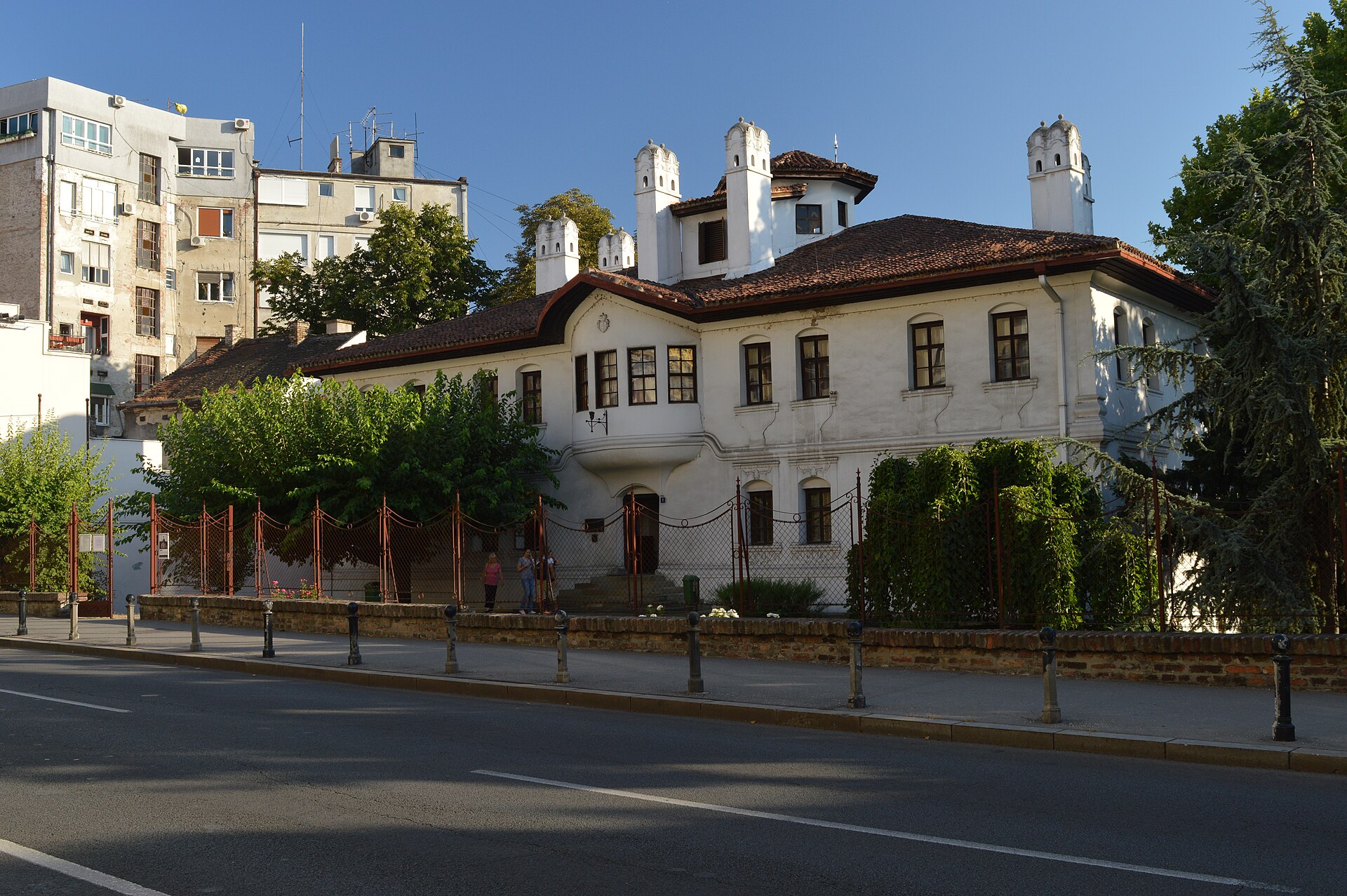
The Belgrade City Museum's own count, published on its about page, runs to more than 170,000 objects across archaeology, history and the history of culture and art, plus more than thirty donated legacies; a 2026 feature in Diplomacy and Commerce separately put current holdings at over 157,000 items in storage, and Wikipedia's tertiary figure for the institution is over 200,000. This page follows the museum's own published figure. Within that whole, the Residence of Princess Ljubica itself is not a collecting department but a furnished-house display: its strength is the applied-art and portraiture material the museum has chosen to install there, mostly Belgrade family portraits and domestic furnishings of the 1830s-1860s, used to dress the rooms rather than catalogued as a standalone gallery collection.
| Local name | Muzej grada Beograda |
|---|---|
| Kind | Museum |
| Founded | 1903 |
| City and country |  Belgrade, Serbia Belgrade, Serbia |
| Address | Kneza Sime Markovica 8, 11000 Belgrade, Serbia |
| Website | mgb.org.rs |
| Status | Open, confirmed 18 September 2026 |
| Record last verified | 18 September 2026 |
Visiting
- Hours
- Tue, Wed, Thu, Sat10:00 to 17:00
- Fri10:00 to 18:00
- Sun10:00 to 14:00
- Closed
- Monday.
- Admission
- AdultRSD 200
- Reduced (pupils, students, unemployed, pensioners)RSD 100
- Group of 10 or moreFreetwo free tickets issued per ten paying visitors in the group; does not apply to the reduced-rate categories
- Free entryFreechildren under 7, a visitor with disability plus one companion, and holders of ICOM, MDS, EURO less than 26 or ISIC cards
Free entry: Last Saturday of the month- Do I need to book?
- No, walk-in entry on a paid ticket
- Address
- Kneza Sime Markovica 8, 11000 Belgrade, Serbia Map
- Website
- mgb.org.rs
- Telephone
- +381 11 263 8264
- [email protected]
Before you go how long, access, photography, bags, eating, shop
- How long to allow
- About an hour. The house holds roughly a dozen furnished period rooms on two floors plus a changing-exhibition space in the basement, not a large-museum circuit
- Access
- Not set out as a separate policy on the museum's own visit page; the price list does waive the entrance fee for a visitor with a disability and one companion, which is the only accessibility provision stated in the sources reviewed for this page
- Photography
- Not stated in the sources reviewed for this page
- Bags
- Not stated in the sources reviewed for this page
- Eating
- No cafe is listed for this address. The museum instead runs a paid, seasonal costumed-interpreter programme at the house, advertised as coffee with Princess Ljubica, where a guide in period dress serves coffee and talks in character
- Shop
- The Belgrade City Museum runs one shop function across the institution, selling its own publications, the museum's collection catalogues and souvenirs, reachable through the museum's own online store rather than a separate till at this address
Prices and hours change. We take them from the institution's own pages and print the day we read them, and you can check the current position at the source we used. Confirm before you travel.
What is inside
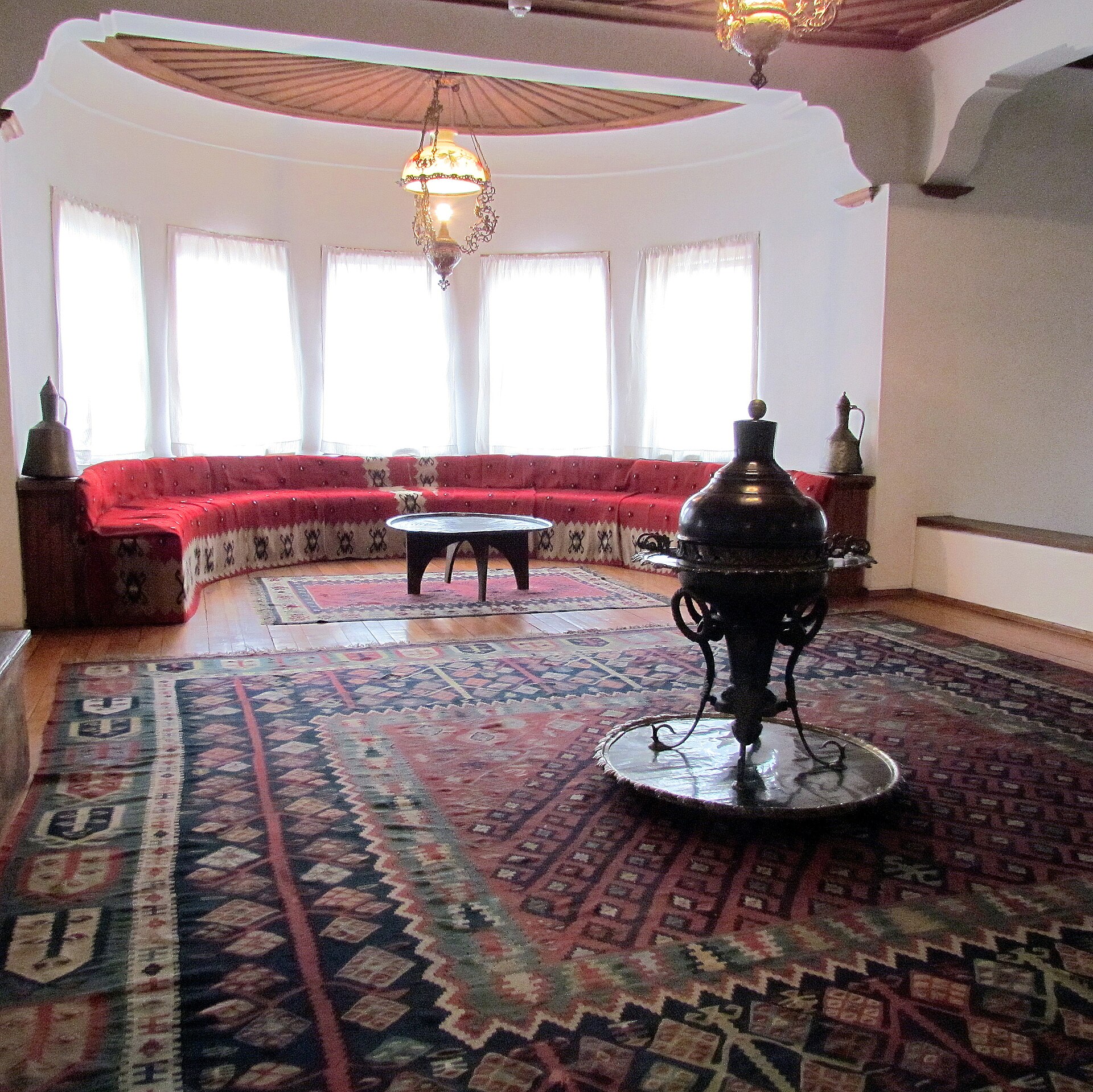
Photograph by Gmihail at Serbian Wikipedia · CC BY-SA 3.0 rs The Divanhana
The grand reception room of the house, built around a projecting bay window on three sides. A continuous low divan upholstered in red runs around the walls under the windows, spread with kilim rugs, with a hanging brass lamp and a tall copper brazier and tray on the floor at the centre. This is the most Ottoman room in the building and the one the museum's own literature and outside reviewers point to first: a domestic reception space furnished for sitting cross-legged rather than in chairs, exactly as an Obrenovic-era household of the 1830s would have received guests.
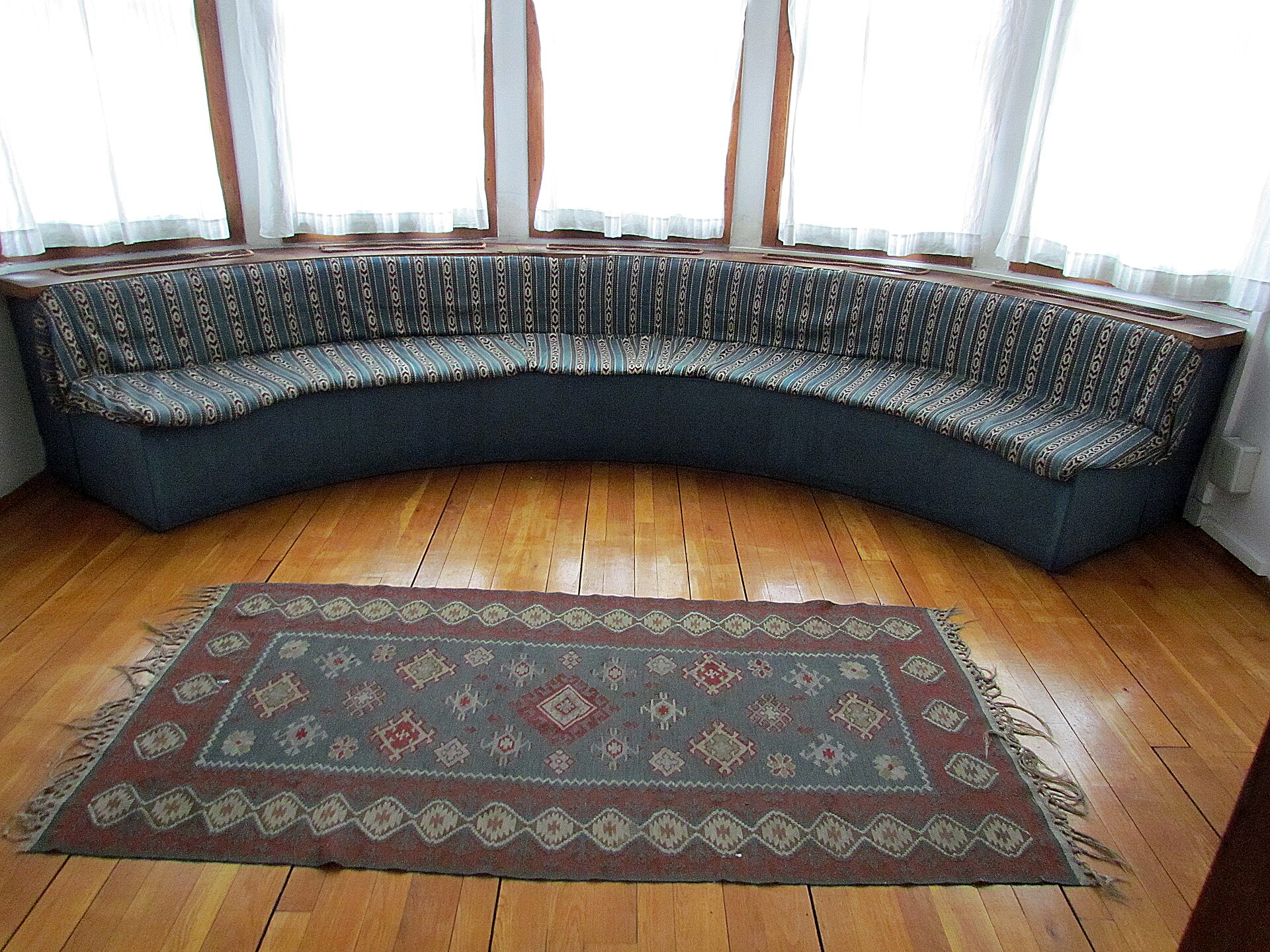
Photograph by Gmihail at Serbian Wikipedia · CC BY-SA 3.0 rs The Small Divanhana
A second, smaller sitting alcove built into another bay window, with a plain striped bench seat running the width of the window and a single kilim laid on the wood floor. Read together with the main Divanhana it shows the same Ottoman seating arrangement repeated at a private, everyday scale rather than a formal, reception scale.
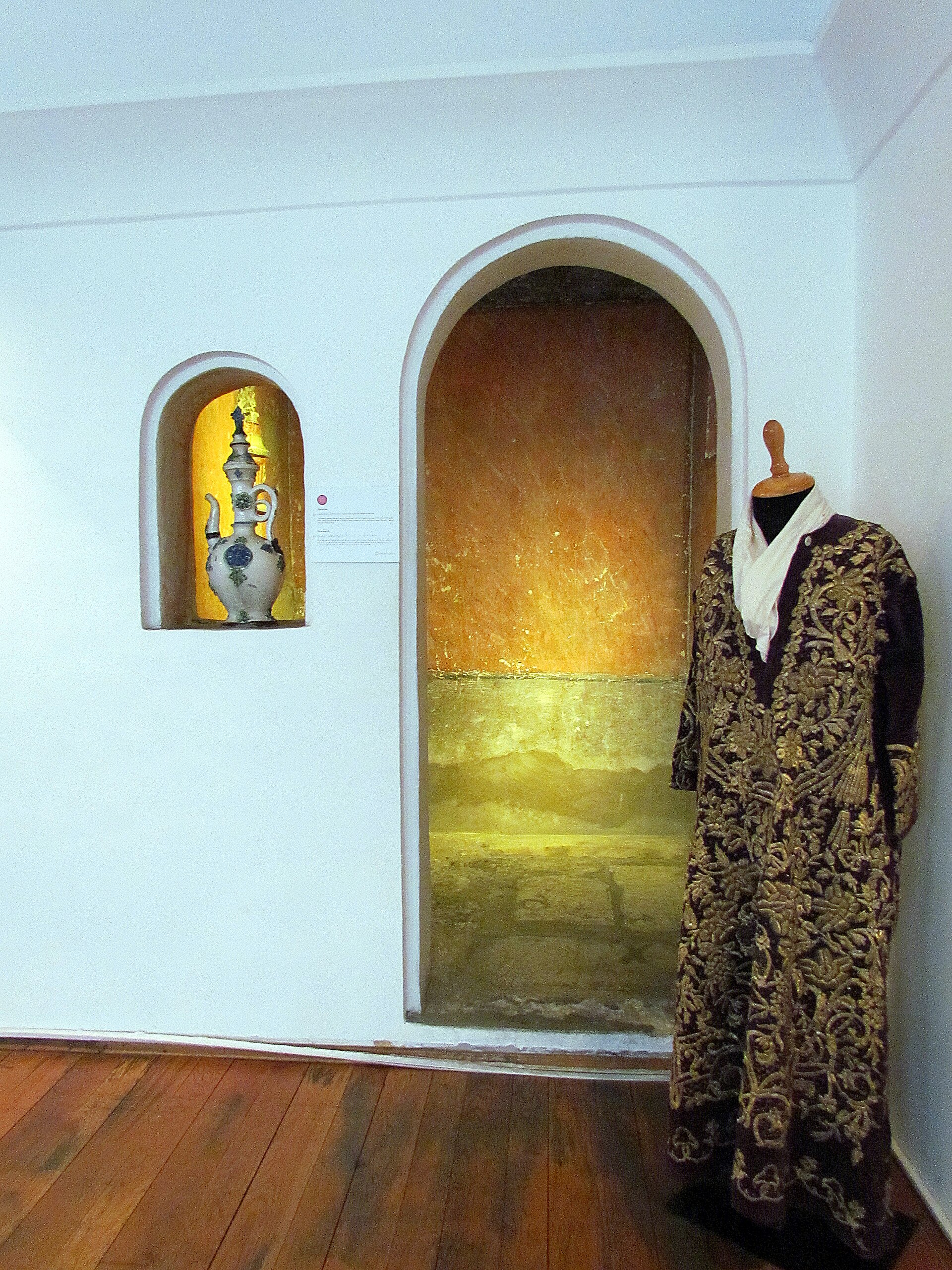
Photograph by Gmihail at Serbian Wikipedia · CC BY-SA 3.0 rs The Amamdzik
A small domestic Turkish bath niche, part of the house's original 1830 plan and one of the few such spaces to survive intact in a Belgrade townhouse of the period. The bath recess itself is now shown empty as architecture; an adjoining arched wall niche displays a metal ewer, and the space in front holds a mounted embroidered ceremonial coat on a stand, using the room to show textiles and metalwork rather than restaging the bath in use.
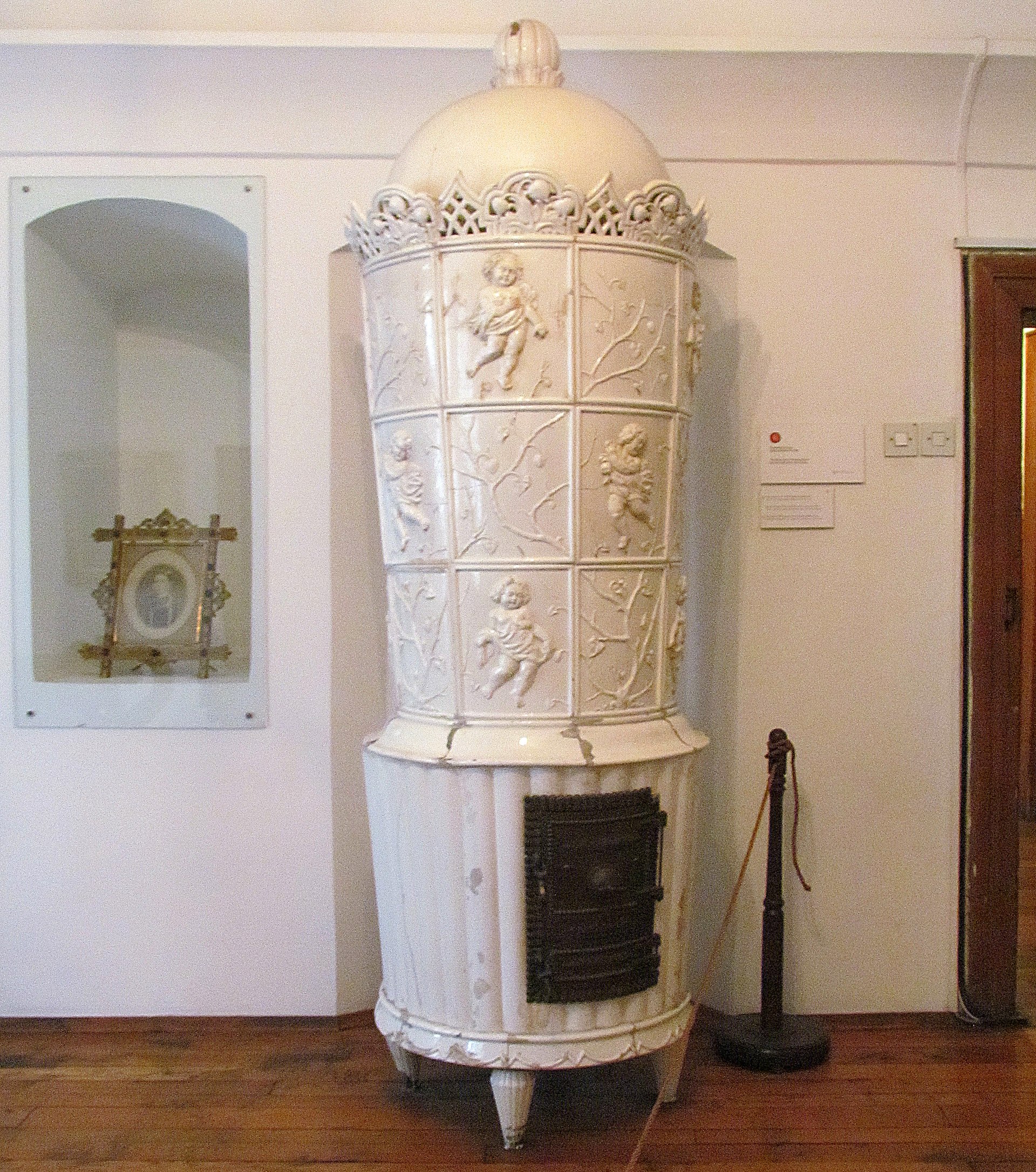
Photograph by Gmihail at Serbian Wikipedia · CC BY-SA 3.0 rs The room of the glazed ceramic stove
A period room kept for its heating fixture: a tall, white glazed ceramic stove reaching close to the ceiling, its tiles moulded in relief with cherubs among branches, standing on carved feet over a cast-iron firebox door. A wall niche beside it holds a small framed portrait miniature. Stoves like this, rather than open fireplaces, heated the grander nineteenth-century Belgrade houses, and this is the example the museum has kept in place.
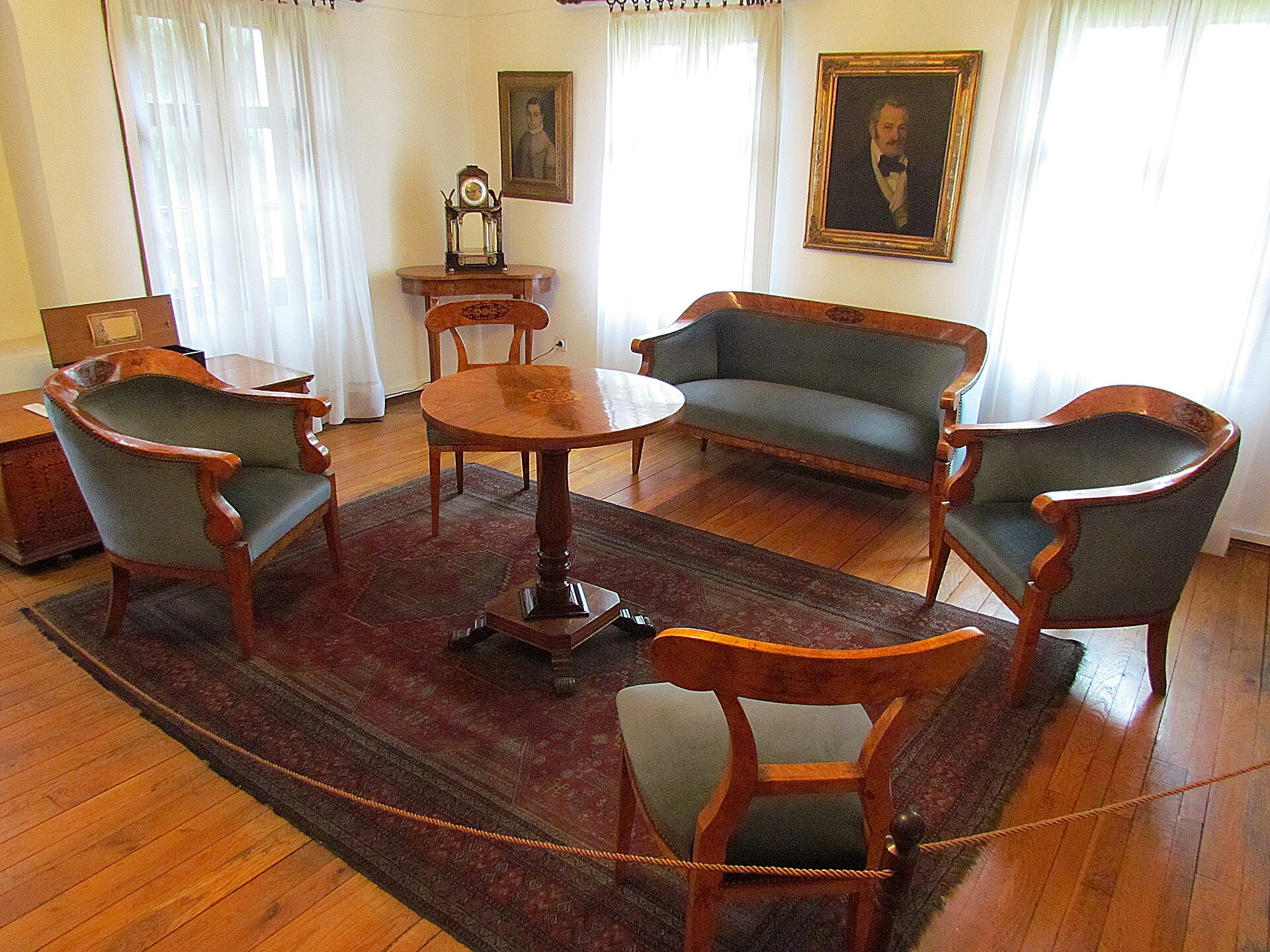
Photograph by Gmihail at Serbian Wikipedia · CC BY-SA 3.0 rs The Barlovac family Biedermeier drawing room
A parlour furnished in the Central European Biedermeier taste of the mid-nineteenth century: a curved show-wood sofa and armchairs upholstered in pale blue-grey, a round pedestal table, a mantel clock on a side table, and family portraits hung on the walls, set on a large patterned rug. Placed against the Ottoman-style rooms elsewhere in the house, this room is where the exhibition's stated theme, the shift in Belgrade domestic taste from Ottoman east to Central European west across the nineteenth century, becomes physically visible in one space.
What to see first
The Divanhana itself
Built for Princess Ljubica's court, 1829-1830The best-preserved Ottoman-style domestic reception room surviving in central Belgrade: a full horseshoe of low seating built around a bay window, kept as furnished architecture rather than as a case of objects.2
The Amamdzik (small domestic Turkish bath)
Built for Princess Ljubica's court, 1829-1830One of very few private hamam spaces to survive from Obrenovic-era Belgrade housing, evidence of how closely the early nineteenth-century Serbian court still followed Ottoman domestic building habits even as it broke from Ottoman rule.2
The glazed ceramic stove
Central European workshop, 19th century, maker not recorded in the sources reviewedA functioning-style heating stove of the kind that marked a prosperous nineteenth-century Belgrade household, kept in the room it heated rather than moved into a display case.14
Portrait of Savka Obrenovic
Miklos Barabas, 1845A dated 1845 portrait of a member of the Obrenovic family circle by a named Hungarian portraitist, hung in the house the family itself once occupied.15
Portrait of Mileva Vukomanovic
Uros Knezevic, 1843An 1843 portrait by Uros Knezevic, the leading Serbian portrait painter of the Principality period, showing the prominent-family sitters the permanent exhibition is built around.16
Portrait of Prince Mihailo Obrenovic
Stevan TodorovicA portrait of the prince during whose first reign (1839-1842) the Residence briefly served its intended purpose as a princely court, by one of the more prominent Serbian painters of the following generation.17
Portrait of Nastasija Jovicic
Jovan Popovic, 1849A mid-nineteenth-century portrait from the museum's own holdings, part of the run of dated 1840s-1860s portraits of named Belgrade families that furnish the house and give the permanent exhibition its documentary basis rather than generic period pieces.18
One museum, several buildings, and which one this page describes
The Belgrade City Museum has not had a single fixed exhibition building since 1960. Its administrative address is the museum and library building at Zmaj Jovina 1, occupied from 1935, but that building's own permanent exhibition closed for lack of space in 1960 and the address today functions as offices, not as a venue a visitor can walk into and see the collection. Wikidata's coordinates for the institution point at that administrative address, which is why a queue line built from Wikidata alone can point a visitor at a building with nothing to see inside it.
What a visitor can actually walk into, on a regular published schedule, with a ticket price and a permanent exhibition, is a set of branch buildings the museum operates around the city: the Residence of Princess Ljubica, the Ivo Andric Museum, the Paja Jovanovic Museum, the Jovan Cvijic Museum, the Banjica Concentration Camp Museum, the Zemun local history museum, the archaeological site at Vinca, and others, alongside a contemporary-art gallery space (the Salon, opened 2022) and a partly-converted former Military Academy building at Resavska 40b that already hosts temporary shows while its full reconstruction remains unfinished. This page is about one of those buildings only, in line with the rule that a venue page describes one building and not an institution's whole address book: the Residence of Princess Ljubica, at Kneza Sime Markovica 8. It is the branch with the museum's flagship permanent exhibition, the one held up in the museum's own materials and in outside reviews as the core visit, and the one this page's photograph, hours, admission and highlights all describe. Where the wider institution is relevant, that is flagged explicitly below rather than folded into the same building's facts.
A court built for one household, on an Ottoman-era street plan
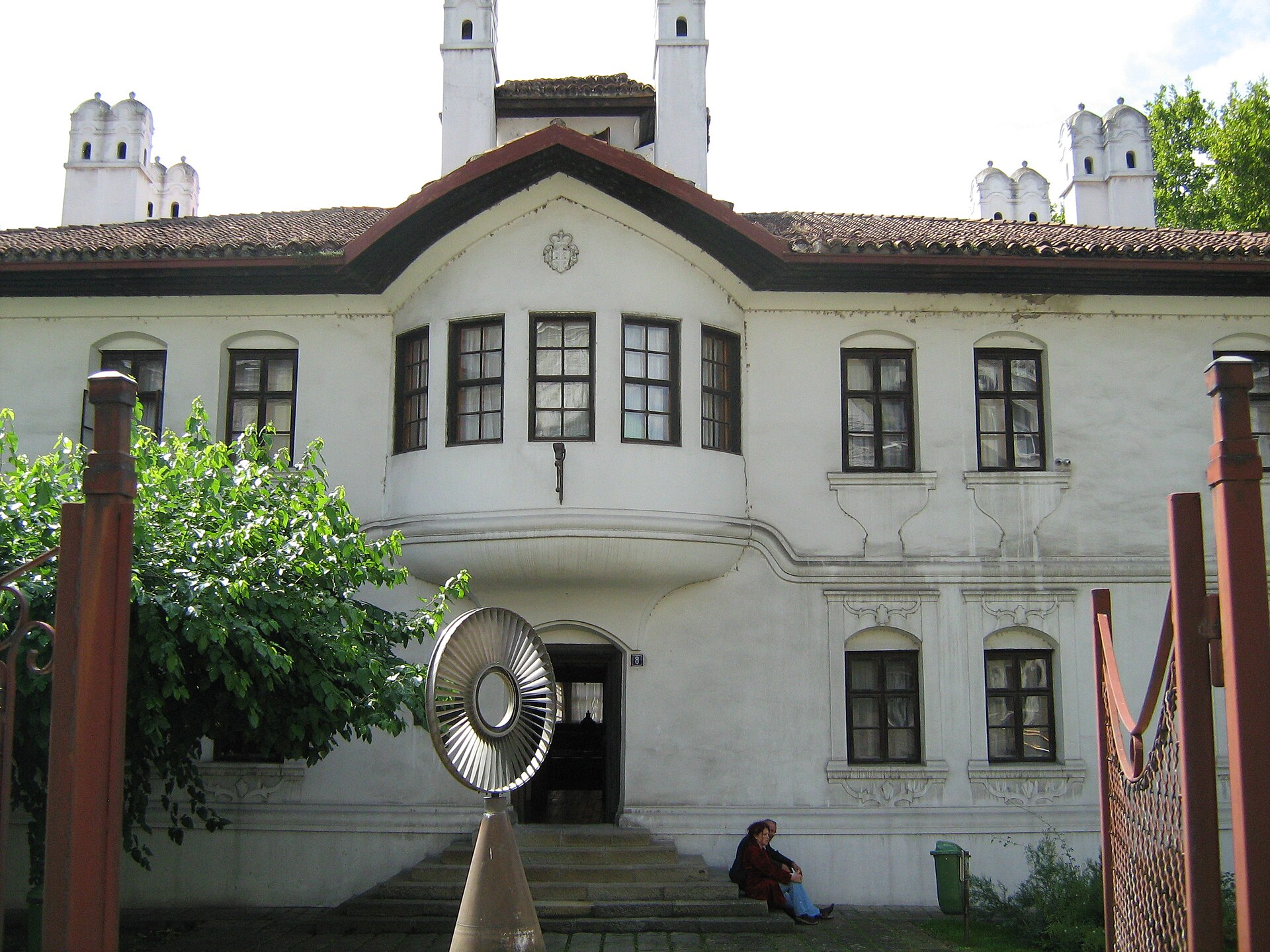
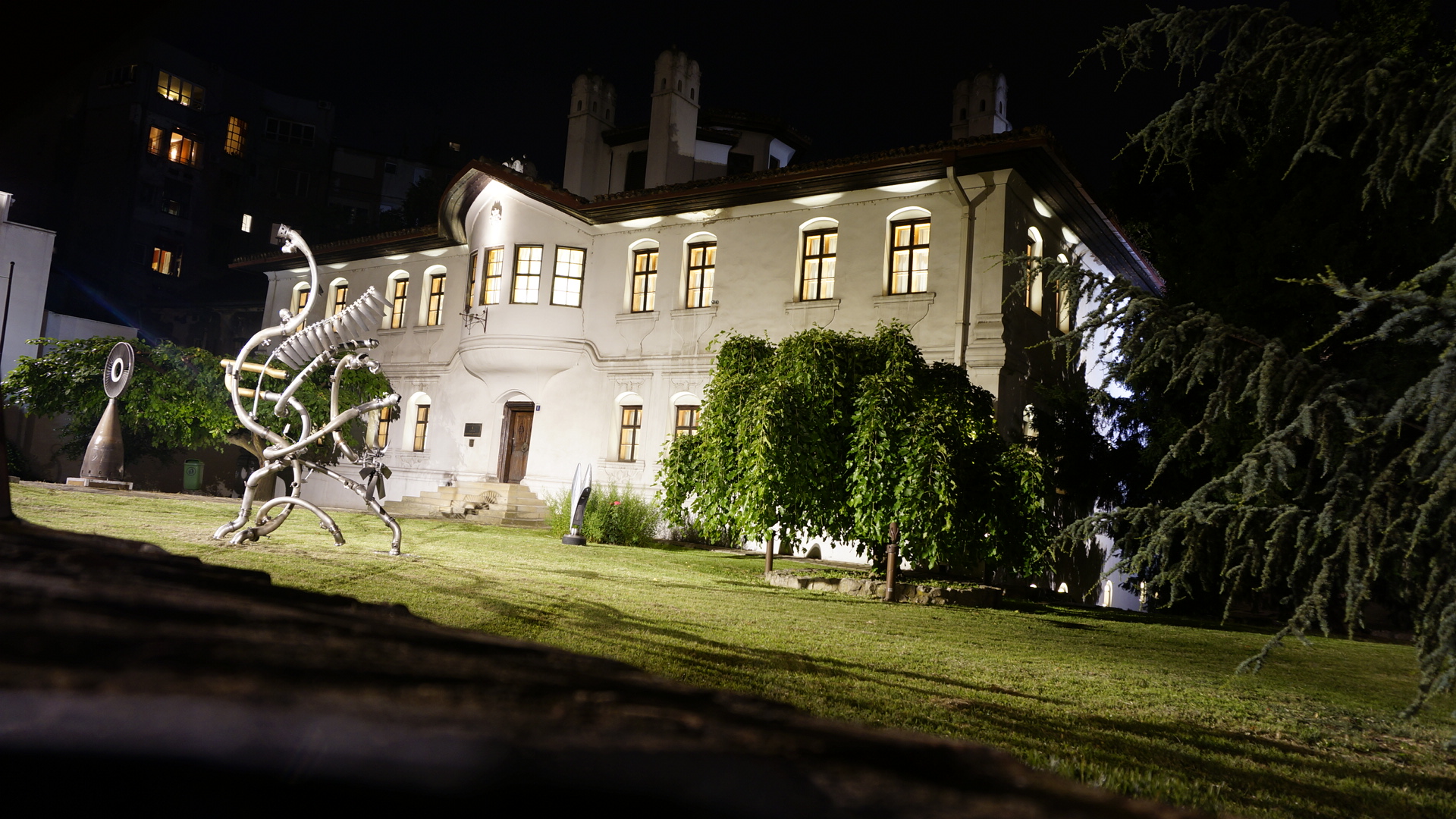
The house was built in 1829-1830 on the orders of Milos Obrenovic, Prince of Serbia, as a residence for his wife, Princess Ljubica, and their household. Construction was carried out under Hadzi-Nikola Zivkovic, the prince's own master builder, and the work was largely complete by the time Princess Ljubica is recorded moving in, in November 1830. A separate bathhouse wing was added in 1836. The building sits at the corner of what are now Kneza Sime Markovica Street and Kralja Petra Street, in the old town near Kalemegdan, on a three-level plan with vaulted stone-built cellars and brick construction above, under a four-slope tiled roof punctuated by the tall clustered chimneys that are the building's most recognisable exterior feature.
The house was designed with a divided plan typical of an elite household still working within an Ottoman-influenced building tradition even as the Principality of Serbia was asserting its autonomy from Ottoman rule: reception rooms built around bay-windowed alcoves fitted with continuous low seating (the divanhana rooms), and a small private bath (the amamdzik), sitting alongside rooms that would later be refitted in a Central European manner. Because of the proximity of Ottoman authority still garrisoned in the Belgrade fortress, Prince Milos himself used the residence only briefly; it reached its intended use as a princely court chiefly during the first reign of his son, Prince Mihailo Obrenovic, between 1839 and 1842.
From court to courthouse to conservation institute, 1842-1970
After the Obrenovic family was driven from Serbia in 1842, the building passed out of court use and was taken over successively by state institutions for roughly the next hundred and thirty years, a period during which the house was adapted for each new occupant rather than preserved as a residence. Recorded occupants include the Belgrade Lyceum (1846-1863), the First Belgrade Grammar School (until 1905), the Supreme Court of Appeals (until 1905), an institution for the education of deaf children (1912-1929), the Museum of Contemporary Art in its early, pre-war form (1929-1934), a museum of the Serbian Orthodox Church (1941), and, finally, the Institute for the Protection of Cultural Monuments (1947-1971). Each of these tenancies left the building serviceable but altered, and by the time the city's heritage authorities turned to it again in the early 1970s, restoring the house to something closer to its original form meant undoing decades of institutional adaptation rather than simply cleaning an intact interior.
Restoration and a museum, 1971-1980
Conservation and restoration work ran from 1971 to 1979, aimed at recovering the building's early nineteenth-century character rather than preserving whichever later use happened to be in place when the work started. The building was formally protected as a Monument of Culture of Exceptional Importance as early as 1946, with that status confirmed in full in 1979 as the restoration neared completion. The house became part of the Belgrade City Museum in 1980, and in September of that year the museum opened the permanent exhibition that still occupies it, titled Interiors of Belgrade Homes in the 19th Century. The exhibition draws on the museum's own applied-art and fine-art collections rather than on loans, using furniture, portraits, textiles and decorative fittings that belonged to the ruling Obrenovic family and to other prominent Belgrade families of the period to furnish the rooms as lived interiors, not as a chronological picture gallery.
Walking the rooms: Ottoman east to Central European west
The exhibition is built around a single organising idea that both the museum's own material and outside visitors consistently pick out: the rooms trace the change in Belgrade domestic taste across the nineteenth century, from an Ottoman-influenced start to a Central European, Biedermeier-furnished end, inside one house. It starts in the Divanhana, the grand bay-windowed reception room with its continuous low seating built for sitting without chairs, and the smaller, more private Small Divanhana built on the same principle at a domestic scale. The Amamdzik, the house's small built-in Turkish bath, sits alongside these as further evidence of how far the household's daily habits still followed Ottoman domestic custom in 1830, even though the dynasty living there had just fought free of Ottoman rule.
Later rooms in the same house move away from that model entirely. The room built around the tall, white, cherub-relief glazed ceramic stove represents the shift to a Central European standard of interior comfort and heating. The Barlovac family drawing room completes the change: a Biedermeier parlour with a curved show-wood sofa and armchair suite, a round pedestal table and hung family portraits, furnished exactly as a mid-century Central European household of means would have furnished a reception room, standing in the same building as the Ottoman-style Divanhana a few rooms away. Reviewers who single out the museum for being informative are, almost without exception, describing this same contrast rather than any single room in isolation.
The wider museum behind this one branch
The Belgrade City Museum was founded in 1903 as the Municipal Museum and Library, becoming an independent institution in 1941 and taking its current name in 1945. On its own account, it now holds more than 170,000 objects, organised through departments for archaeology, for history, and for the history of culture and art, plus a protection department covering conservation and restoration, documentation, education and a specialist library of old and rare books. The museum is responsible for 25 sites across the city, 14 of them run as museums in their own right, and cares for more than thirty separate legacies (legata) donated by prominent Belgraders or by the City of Belgrade, alongside its own publishing programme, including the Yearbook of the City of Belgrade, published continuously since 1954.
The museum's long search for a single, large exhibition building of its own is well documented and unresolved. A former Military Academy building at the corner of Resavska and Nemanjina streets, built in 1899 and extended after the First World War, was transferred from Serbia's Ministry of Defence to the City of Belgrade for conversion into the museum's main home; a design competition was decided in October 2016, but the reconstruction tender failed in 2021 and again in September 2022, and the sources reviewed for this page give no confirmed date for completion. In the meantime, the existing interior at Resavska 40b is already in limited use for temporary exhibitions on its own published hours, and in September 2022 the museum opened an additional exhibition space, the Salon of the Belgrade City Museum, in a 1950s residential and office building at Bulevar kralja Aleksandra 30, showing Serbian art made after 1950. Neither of those spaces carries a permanent exhibition of the historical and applied-art collections in the way the Residence of Princess Ljubica does, which is the practical reason this page treats the Residence, rather than the administrative Zmaj Jovina address or either of the newer spaces, as the museum's core visitable venue today.
Visiting, and what visitors say
The Residence keeps published hours across six days a week, closed on Mondays, with a standard adult ticket, a reduced rate for students, pensioners and the unemployed, free entry on the last Saturday of the month, and further free-entry categories for children, visitors with disabilities and holders of several professional and youth cards. On selected dates the museum runs a paid, costumed programme in which a guide in character as Princess Ljubica serves coffee and narrates the house, a format aimed at exactly the kind of visitor who finds the rooms atmospheric but under-explained on a normal ticket.
That last point is the main thread running through visitor feedback: praise for the atmosphere, the furnished rooms and the visible change in style from one end of the house to the other, set against repeated notes that the labelling inside the rooms is thin, that the visit is short, and that some rooms feel more sparsely furnished than the building's reputation as a former princely court might suggest. None of this amounts to a case against the building; it is closer to a description of what the house actually is, a compact, well-preserved domestic interior rather than a large collecting museum, reviewed accordingly.
What visitors say
Visitors consistently describe a modest but atmospheric house rather than a large museum: the reconstructed nineteenth-century rooms and the shift in style from the Ottoman-influenced Divanhana to the Central European Biedermeier parlour are the part most often singled out as interesting, and the low admission price is noted approvingly. The most common complaint is thinness of information inside the rooms themselves, with several visitors wanting more on Princess Ljubica as a person and on what each room actually was, rather than on the furniture alone.
What is praised, what is criticised
- Praised: The atmosphere and furnishing of the period rooms, especially the visible change from the Ottoman-style Divanhana to the Central European Biedermeier rooms
- Praised: The low ticket price relative to the visit
- Praised: The option, on scheduled dates, of a costumed guide narrating the house in the character of Princess Ljubica
- Praised: The basement gallery used for temporary and archaeological exhibitions
- Criticised: Sparse labelling and little biographical information about Princess Ljubica herself inside the rooms, leaving some visitors unsure what they were looking at
- Criticised: A short visit that some reviewers feel is over quickly for the entrance fee and the building's reputation
- Criticised: Some rooms felt sparsely furnished rather than fully dressed as period interiors
Ratings on other platforms
Tripadvisor: 4.3 from 310 ratings, read 18 September 2026
A platform average is a tertiary source: it moves, it is not audited, and we quote no visitor's words.
Questions about Belgrade City Museum
Where is Belgrade City Museum?
Kneza Sime Markovica 8, 11000 Belgrade, Serbia.
How much does it cost to visit?
Adult: RSD 200; Reduced (pupils, students, unemployed, pensioners): RSD 100; Group of 10 or more: free; Free entry: free. As confirmed 18 September 2026.
When is it open?
Tue, Wed, Thu, Sat 10:00-17:00; Fri 10:00-18:00; Sun 10:00-14:00. Closed: Monday. As confirmed 18 September 2026.
What should you see first?
The Divanhana itself (Built for Princess Ljubica's court, 1829-1830); The Amamdzik (small domestic Turkish bath) (Built for Princess Ljubica's court, 1829-1830); The glazed ceramic stove (Central European workshop, 19th century, maker not recorded in the sources reviewed); Portrait of Savka Obrenovic (Miklos Barabas, 1845); Portrait of Mileva Vukomanovic (Uros Knezevic, 1843); Portrait of Prince Mihailo Obrenovic (Stevan Todorovic).
What we could not confirm
- The 2016 competition-winning plan to convert the former Military Academy building at Resavska 40b into the museum's single main home has slipped through failed tenders in 2021 and September 2022, with a 2025 completion target reported at the time; the sources reviewed for this page give no confirmed later date, and the building meanwhile operates as a partial exhibition space under its own hours.
- Sources disagree on the total size of the collection: the museum's own about page states more than 170,000 objects, a 2026 feature cites over 157,000 items in storage, and Wikipedia's tertiary figure is over 200,000. This page follows the museum's own published figure and flags the discrepancy rather than picking a number silently.
- The sources reviewed for this page state no named maker or workshop for the glazed ceramic stove displayed in the Residence; it is presented here as an uncredited period fixture rather than an attributed work.
Images
Sources
- 1Wikipedia, Belgrade City Museum en.wikipedia.org/wiki/Belgrade_City_Museum
- 2Wikipedia, Residence of Princess Ljubica en.wikipedia.org/wiki/Residence_of_Princess_Ljubica
- 3Wikidata, Q2403321 (Belgrade City Museum) wikidata.org/wiki/Q2403321
- 4Belgrade City Museum, official site, About the Museum mgb.org.rs/about/
- 5Belgrade City Museum, official site, visit page for the Residence of Princess Ljubica (hours, admission, contact) mgb.org.rs/visit/details/25
- 6Belgrade City Museum, official site, visit page for the new museum building, Resavska 40b mgb.org.rs/visit/details/1
- 7Belgrade City Museum, official site, visit page for the Salon of the Belgrade City Museum mgb.org.rs/visit/details/39
- 8Diplomacy and Commerce, "Cultural Heritage Building: Belgrade City Museum" diplomacyandcommerce.rs/cultural-heritage-building-belgrade-city-museum/
- 9Tripadvisor, Residence of Princess Ljubica, reviews tripadvisor.com/Attraction_Review-g294472-d550636-Reviews-or10-Residence_of_Princess_Ljubica-Belgrade.html
- 10Wikimedia Commons, File:Divanhana, Princess Ljubica's Residence.jpg commons.wikimedia.org/wiki/File:Divanhana,_Princess_Ljubica%27s_Residence.jpg
- 11Wikimedia Commons, File:Small Divanhana, Princess Ljubica's Residence.jpg commons.wikimedia.org/wiki/File:Small_Divanhana,_Princess_Ljubica%27s_Residence.jpg
- 12Wikimedia Commons, File:Amamdzik2.jpg (small Turkish bath, Residence of Princess Ljubica) commons.wikimedia.org/wiki/File:%D0%90%D0%BC%D0%B0%D0%BC%D1%9F%D0%B8%D0%BA2.jpg
- 13Wikimedia Commons, File:Barlovac Family early Biedermeier Draving Room, Princess Ljubica's Residence.jpg commons.wikimedia.org/wiki/File:Barlovac_Family_early_Biedermeier_Draving_Room,_Princess_Ljubica%27s_Residence.jpg
- 14Wikimedia Commons, File:Glazed ceramic stove, Princess Ljubica's Residence.jpg commons.wikimedia.org/wiki/File:Glazed_ceramic_stove,_Princess_Ljubica%27s_Residence.jpg
- 15Wikimedia Commons, File:Miklos Barabas, Savka Obrenovic, 1845, Princess Ljubica's Residence.jpg commons.wikimedia.org/wiki/File:Miklos_Barabas,_Savka_Obrenovi%C4%87,_1845,_Princess_Ljubica%27s_Residence.jpg
- 16Wikimedia Commons, File:Uros Knezevic, Mileva Vukomanovic, 1843, Princess Ljubica's Residence.jpg commons.wikimedia.org/wiki/File:Uro%C5%A1_Kne%C5%BEevi%C4%87,_Mileva_Vukomanovi%C4%87,_1843,_Princess_Ljubica%27s_Residence.jpg
- 17Wikimedia Commons, File:Stevan Todorovic, Portrait of Prince Mihailo Obrenovic, Princess Ljubica's Residence.png commons.wikimedia.org/wiki/File:Stevan_Todorovi%C4%87,_Portrait_of_Prince_Mihailo_Obrenovi%C4%87,_Princess_Ljubica%27s_Residence.png
- 18Wikimedia Commons, File:Jovan Popovic, Nastasija Jovicic, 1849, Princess Ljubica's Residence.jpg commons.wikimedia.org/wiki/File:Jovan_Popovi%C4%87,_Nastasija_Jovi%C4%8Di%C4%87,_1849,_Princess_Ljubica%27s_Residence.jpg


